Domain: pembuatan peralatan ekstrusi plastik dan komposisi. Gunakan terminologi teknis/industri yang akurat. Simpan kode standar (ISO, ASTM, UL, RoHS, REACH), satuan (°C, MPa, mm, g/cm³, kV/mm), singkatan polimer (PP, PE, PVC, ABS, PC, PA, PET, PBT, POM, TPU, PPS, PEEK), nama merek, dan nomor model/part sesuai dengan yang ditulis - jangan mengubahnya. Simpan semua tag HTML, {tempat kosong} dan kurung. Register teknis formal. Teks: Pengantar Optimalisasi Proses dalam Komposisi
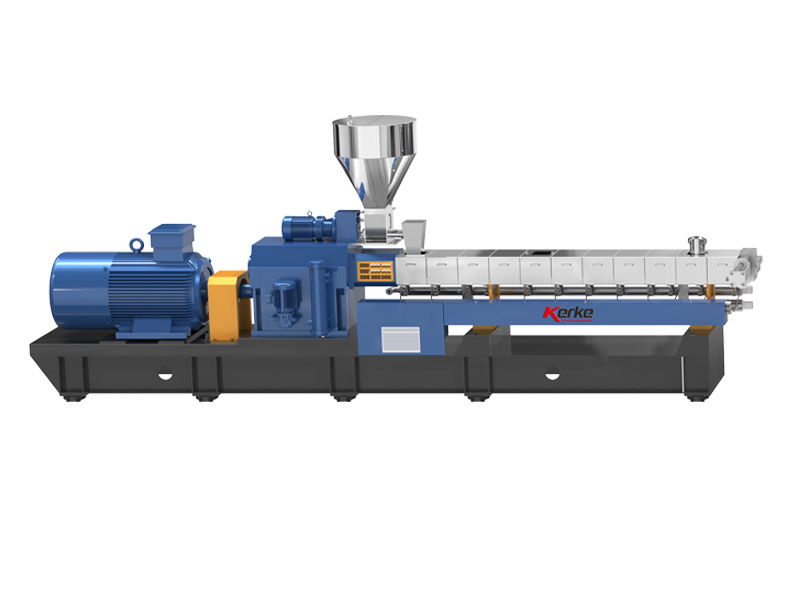
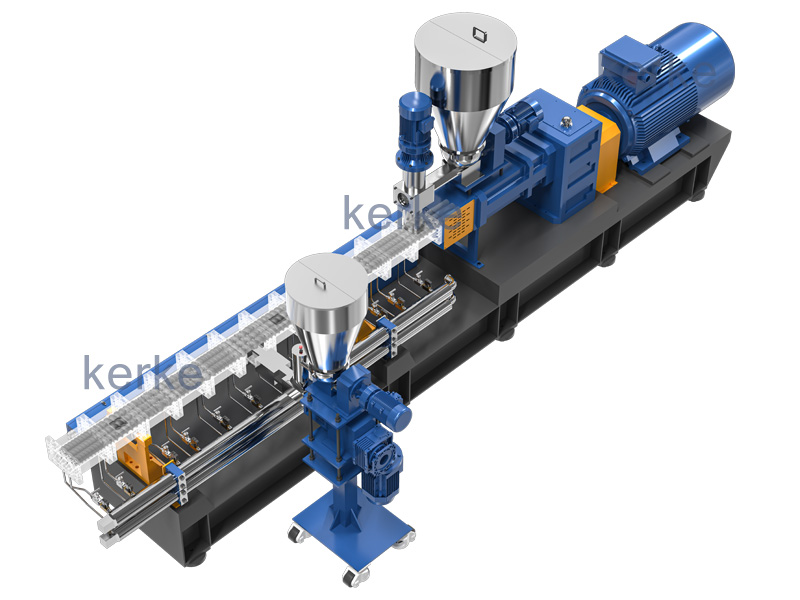
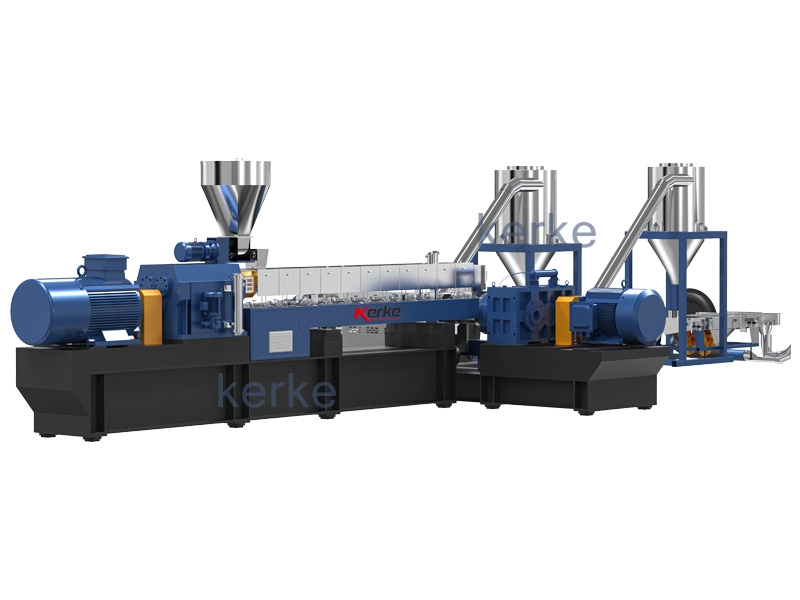
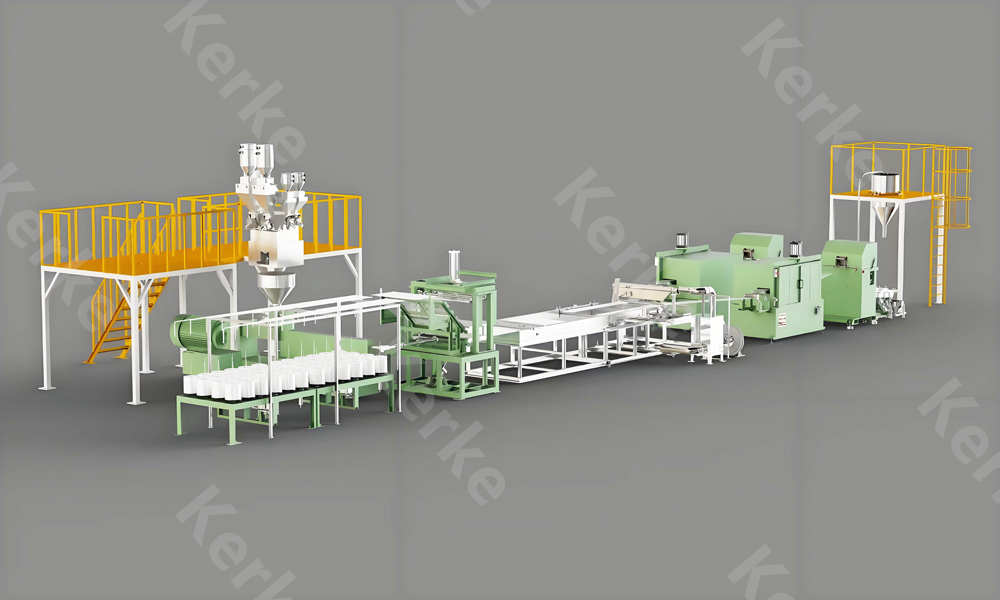
Extruder komposit adalah mesin yang sangat versatile, tetapi kinerjanya sepenuhnya tergantung pada seberapa baiknya diatur sesuai dengan sifat reologis spesifik dari formulasi. Rebusan yang bekerja dengan sempurna untuk bahan penambah talc polipropilen (PP) mungkin gagal sepenuhnya saat diubah menjadi komposisi serat kaca poliamida (PA). Transisi ini memerlukan penyesuaian yang signifikan pada parameter proses untuk mempertahankan kualitas produk, memaksimalkan kapasitas, dan meminimalkan konsumsi energi spesifik. Menguasai penyesuaian ini adalah keterampilan penting bagi insinyur proses. Panduan ini menyediakan gambaran teknis yang mendetail tentang parameter kunci yang harus disesuaikan, menggunakan kemampuan kontrol canggih dari extruder komposit Kerke modern sebagai titik referensi. Ketidakmampuan untuk menyesuaikan parameter dengan benar dapat menyebabkan terjadinya lonjakan, degradasi, dispersi yang buruk, dan pengikisan yang berlebihan pada mesin.
Domain: pembuatan peralatan ekstrusi dan komposisi plastik. Gunakan terminologi teknis/industri yang akurat. Simpan kode standar (ISO, ASTM, UL, RoHS, REACH), satuan (ºC, MPa, mm, g/cm³, kV/mm), singkatan polimer (PP, PE, PVC, ABS, PC, PA, PET, PBT, POM, TPU, PPS, PEEK), nama merek, dan nomor model/part secara tepat seperti yang ditulis - jangan menerjemahkannya. Simpan semua tag HTML, {tempat kosong} dan kurung. Register teknis formal. Teks: Memahami dan Menetapkan Profil Suhu
Domain: pembuatan peralatan ekstrusi dan komposisi plastik. Gunakan terminologi teknis/industri yang akurat. Simpan kode standar (ISO, ASTM, UL, RoHS, REACH), satuan (°C, MPa, mm, g/cm³, kV/mm), singkatan polimer (PP, PE, PVC, ABS, PC, PA, PET, PBT, POM, TPU, PPS, PEEK), nama merek, dan nomor model/part secara tepat seperti yang ditulis – jangan menerjemahkannya. Simpan semua tag HTML, {tempat kosong} dan kurung. Register teknis formal. Teks: Profil suhu adalah dasar kontrol ekstrusi. Ini bukanlah satu angka, tetapi gradien suhu sepanjang silinder, biasanya dibagi menjadi zona pemberian, zona kompresi, zona pencampuran, dan zona pengukuran. Untuk bahan yang sensitif terhadap panas seperti PVC atau TPU, zona pemberian dan kompresi harus tetap relatif dingin untuk mencegah terjadinya sambungan bahan dan pencairan dini, yang dapat menyebabkan ketidakstabilan torsi. Kesalahan umum adalah mengatur suhu hopper terlalu tinggi, yang menyebabkan butiran menempel dan berhenti mengalir.
For semi-crystalline polymers like Nylon or PET, the barrel temperature must be set above the melting point but safely below the degradation threshold. In a Kerke extruder, the barrel is divided into 8 to 12 independent heating zones. When switching formulations, the operator must ramp temperatures up or down gradually to avoid thermal shock to the steel components. The cost of incorrect temperature settings is high: too low leads to unmelted “fish eyes” and high torque; too high leads to polymer degradation, gels, and yellowing. A typical adjustment might involve increasing the mixing zone temperature by 10 to 15 degrees Celsius to lower viscosity and improve dispersion, but this must be balanced against the risk of thermal degradation. The heating bands themselves consume significant power; optimizing the profile to use the minimum necessary heat saves electricity and reduces cooling water usage.
Domain: pembuatan peralatan ekstrusi dan komposisi plastik. Gunakan terminologi teknis/industri yang akurat. Simpan kode standar (ISO, ASTM, UL, RoHS, REACH), satuan (°C, MPa, mm, g/cm³, kV/mm), singkatan polimer (PP, PE, PVC, ABS, PC, PA, PET, PBT, POM, TPU, PPS, PEEK), nama merek, dan nomor model/part secara tepat seperti yang ditulis – jangan menerjemahkannya. Simpan semua tag HTML, {tempat kosong} dan tanda kurung. Register teknis formal. Tekst: Pengaturan Kecepatan Putar dan Kecepatan Gesek
Screw speed, measured in revolutions per minute (RPM), is the primary lever for controlling throughput and shear rate. Higher speeds generate more frictional heat (viscous dissipation), which can raise the melt temperature without external heating. This is beneficial for energy saving but dangerous for heat-sensitive formulations like PVC or EVA, where high speeds can cause “fish eyes” or gas formation. The relationship between speed and torque is linear in the feed-limited region but becomes pressure-limited at higher speeds.
Operators must adjust the speed to maintain the amperage within the motor’s safe operating range, typically 80-90% of the maximum rating for optimal efficiency. For high-viscosity compounds like UHMWPE or heavily filled masterbatches (70% CaCO3), high torque is required, and the speed may need to be reduced to prevent stalling the motor. Kerke extruders use high-power inverter-controlled motors that allow for precise speed adjustments from 0 to maximum RPM. The “sweet spot” is where throughput is maximized without exceeding the torque limit or causing excessive melt temperature rise. Adjusting speed is “free” in terms of direct cost, but running too fast for a given formulation increases specific energy consumption (kW/kg) and wear on the screws. The cost of excessive wear includes more frequent screw and barrel replacement, which can cost thousands of dollars per changeover.
Domain: pembuatan peralatan ekstrusi plastik dan komposisi. Gunakan terminologi teknis/industri yang akurat. Simpan kode standar (ISO, ASTM, UL, RoHS, REACH), satuan (ºC, MPa, mm, g/cm³, kV/mm), singkatan polimer (PP, PE, PVC, ABS, PC, PA, PET, PBT, POM, TPU, PPS, PEEK), nama merek, dan nomor model/part secara tepat seperti yang ditulis – jangan menerjemahkannya. Simpan semua tag HTML, {tempat kosong} dan kurung. Register teknis formal. Teks: Sistem Kontrol Kecepatan Pakan dan Gravimetrik
The feed rate determines the fill factor of the extruder. If the feed rate is too low, the screws are not fully filled, leading to poor mixing, self-heating issues, and surging. If the feed rate is too high, the motor will overload, and material will back up into the hopper, potentially causing a safety hazard. Modern compounding lines use loss-in-weight (LIW) gravimetric feeders that communicate directly with the extruder’s main drive via fieldbus protocols.
When changing formulations, especially those with different bulk densities (e.g., switching from heavy calcium carbonate to light carbon black or glass fibers), the feeder calibration and screw speed must be adjusted. Kerke systems allow for the storage of hundreds of recipes in the HMI touchscreen. The operator simply selects the new formulation, and the feeders automatically adjust their speed to match the target throughput and ratio. This automation reduces setup time from hours to minutes. The cost benefit here is a massive reduction in material giveaway during start-up and changeover. Incorrect feed rates can lead to “starving” the extruder, which causes surging and inconsistent product dimensions, leading to entire batches being scrapped. The cost of scrap material alone justifies the investment in high-precision gravimetric feeders, which typically cost between $10,000 and $20,000 per feeder.
Domain: pembuatan peralatan ekstrusi dan komposisi plastik. Gunakan terminologi teknis/industri yang akurat. Simpan kode standar (ISO, ASTM, UL, RoHS, REACH), satuan (ºC, MPa, mm, g/cm³, kV/mm), singkatan polimer (PP, PE, PVC, ABS, PC, PA, PET, PBT, POM, TPU, PPS, PEEK), nama merek, dan nomor model/part secara tepat seperti yang ditulis – jangan menerjemahkannya. Simpan semua tag HTML, {tempat kosong} dan tanda kurung. Register teknis formal. Teks: Parameter Vakuum dan Venting
Domain: pembuatan peralatan ekstrusi dan komposisi plastik. Gunakan terminologi teknis/industri yang akurat. Simpan kode standar (ISO, ASTM, UL, RoHS, REACH), satuan (°C, MPa, mm, g/cm³, kV/mm), singkatan polimer (PP, PE, PVC, ABS, PC, PA, PET, PBT, POM, TPU, PPS, PEEK), nama merek, dan nomor model/part secara tepat seperti yang ditulis – jangan menerjemahkannya. Simpan semua tag HTML, {tempat kosong} dan kurung. Register teknis formal. Teks: Untuk komposisi yang memerlukan devolatilasi (pengeluaran kelembaban, monomer, atau pelarut), tingkat vakum dan konfigurasi blok ventilasi adalah parameter kritis. Jika vakum terlalu tinggi, polimer dapat disedot keluar dari ventilasi (carryover), menciptakan masalah dan kerugian produk yang signifikan. Jika vakum terlalu rendah, kelembaban dan pelarut tetap dalam cairan, menyebabkan gelembung (ruang kosong) dalam pelet atau bagian yang diproduksi. Ini sangat penting untuk plastik teknik seperti PC, ABS, atau PET.
Pengaturan tergantung pada viskositas cairan. Bahan dengan viskositas tinggi membutuhkan vakum yang lebih dalam (tekanan absolut yang lebih rendah, misalnya 10-20 mbar) untuk menarik bahan-bahan yang mudah menguap karena gelembung sulit untuk melarikan diri dari matriks yang viskos. Ekstruder kerke sering menggunakan sistem vakum berjenjang dengan kondensor untuk menangkap bahan organik yang mudah menguap sebelum mencapai pompa vakum. Saat memproses bahan yang sangat higroskopis seperti Nylon 6, kapasitas pompa vakum harus cukup untuk menangani volume uap air yang dihilangkan (yang bisa mencapai beberapa persen dari kapasitas produksi). Biaya pengaturan vakum yang buruk sangat besar: batch yang ditolak karena pembentukan gelembung atau degradasi hidrolisis dapat mengakibatkan biaya $5.000 hingga $10.000 per insiden. Investasi dalam sistem vakum berkapasitas tinggi (biaya tambahan sekitar $5.000 hingga $15.000 tergantung pada ukurannya) membayar diri sendiri dengan menjamin bahan yang kering dan kualitas produk yang tinggi, terutama untuk aplikasi medis atau kontak makanan di mana kelembaban tidak dapat diterima.
Domain: pembuatan peralatan ekstrusi plastik dan komposisi. Gunakan terminologi teknis/industri yang akurat. Simpan kode standar (ISO, ASTM, UL, RoHS, REACH), satuan (°C, MPa, mm, g/cm³, kV/mm), singkatan polimer (PP, PE, PVC, ABS, PC, PA, PET, PBT, POM, TPU, PPS, PEEK), nama merek, dan nomor model/part secara tepat seperti yang ditulis – jangan menerjemahkannya. Simpan semua tag HTML, {tempat kosong} dan tanda kurung. Register teknis formal. Teks: Sinkronisasi Tekanan Penekan dan Kecepatan Pelletizing
Domain: pembuatan peralatan ekstrusi dan komposisi plastik. Gunakan terminologi teknis/industri yang akurat. Simpan kode standar (ISO, ASTM, UL, RoHS, REACH), satuan (ºC, MPa, mm, g/cm³, kV/mm), singkatan polimer (PP, PE, PVC, ABS, PC, PA, PET, PBT, POM, TPU, PPS, PEEK), nama merek, dan nomor model/part secara tepat seperti yang ditulis – jangan terjemahkan. Simpan semua tag HTML, {tempat kosong} dan kurung. Register teknis formal. Teks: Tekanan di kepala die merupakan indikator penting kualitas campuran dan suhu cair. Ini adalah hasil dari resistansi aliran melalui lubang die. Operator memantau tekanan die untuk memastikan bahwa itu tetap dalam kisaran yang aman (misalnya, 100-200 bar untuk pemisah benang tipikal). Jika tekanan tiba-tiba meningkat, itu dapat menunjukkan bahwa filter pack tersumbat atau suhu cair menurun sehingga menyebabkan peningkatan viskositas. Jika tekanan terlalu rendah, bahan mungkin tidak cukup dipadatkan, yang menyebabkan bubur berisi udara dengan densitas rendah yang mudah mengapung atau terpecah.
Domain: pembuatan peralatan ekstrusi dan komposisi plastik. Gunakan terminologi teknis/industri yang akurat. Simpan kode standar (ISO, ASTM, UL, RoHS, REACH), satuan (°C, MPa, mm, g/cm³, kV/mm), singkatan polimer (PP, PE, PVC, ABS, PC, PA, PET, PBT, POM, TPU, PPS, PEEK), nama merek, dan nomor model/part secara tepat seperti yang ditulis – jangan menerjemahkannya. Simpan semua tag HTML, {tempat kosong} dan tanda kurung. Register teknis formal. Tekst: Pelletizer (ring air, di bawah air, atau pemotong rantai) harus disinkronkan dengan kecepatan ekstruder. Jika kecepatan ekstruder meningkat untuk meningkatkan throughput, pemotong pelletizer harus bergerak lebih cepat secara proporsional untuk menjaga panjang pellet yang tepat. Sistem Kerke menawarkan sinkronisasi otomatis di mana penggerak pelletizer mengikuti penggerak ekstruder utama. Penyesuaian manual menyebabkan panjang pellet yang tidak sesuai (terlalu panjang menyebabkan terjadinya sambungan di hopper, terlalu pendek menyebabkan timbulnya debu). Debu adalah masalah utama karena tidak dapat digunakan kembali dengan mudah dan merupakan material yang hilang. Sistem otomatis memiliki biaya awal yang lebih tinggi (sekitar 10-15% lebih mahal untuk sistem kontrol) tetapi mengurangi biaya operasional secara signifikan dengan meminimalkan kerugian dan intervensi tenaga kerja. Biaya kesalahan sinkronisasi manual dapat mencapai 5-10% dari total produksi dalam material yang hilang.
Domain: pembuatan peralatan ekstrusi plastik dan komposisi. Gunakan terminologi teknis/industri yang akurat. Simpan kode standar (ISO, ASTM, UL, RoHS, REACH), satuan (°C, MPa, mm, g/cm³, kV/mm), singkatan polimer (PP, PE, PVC, ABS, PC, PA, PET, PBT, POM, TPU, PPS, PEEK), nama merek, dan nomor model/part secara tepat seperti yang ditulis – jangan menerjemahkannya. Simpan semua tag HTML, {tempat kosong} dan kurung. Register teknis formal. Teks: Penyesuaian Parameter Khusus untuk Skenario Formulasi Umum
Let us analyze three common scenarios. First, for Glass Fiber Reinforced (LFT) compounds: Screw speed should be kept moderate to prevent fiber breakage (typically 200-300 RPM for a 75mm machine). The temperature should be kept on the lower end of the polymer’s melting range to minimize moisture absorption. Special low-shear screw elements with wide flights are used. Second, for Flame Retardant (FR) ABS: High mixing intensity is needed to disperse the FR agent (often a powder). Temperatures must be controlled tightly (within +/- 2 degrees) to prevent degradation of the brominated compounds. A high-shear kneading block section is essential. Third, for Color Masterbatch: High shear in the kneading zones is essential to break down pigment agglomerates. The temperature profile is often higher to ensure good wetting of the pigment by the carrier resin. Each of these requires a unique “recipe” of speed, temperature, and feed rates. The cost of developing these recipes is time, but once saved in the Kerke PLC, they become a valuable intellectual property asset that ensures consistent production regardless of which operator is on shift.
Domain: pembuatan peralatan ekstrusi plastik dan komposisi. Gunakan terminologi teknis/industri yang akurat. Simpan kode standar (ISO, ASTM, UL, RoHS, REACH), satuan (°C, MPa, mm, g/cm³, kV/mm), singkatan polimer (PP, PE, PVC, ABS, PC, PA, PET, PBT, POM, TPU, PPS, PEEK), nama merek, dan nomor model/part secara tepat seperti yang ditulis – jangan menerjemahkannya. Simpan semua tag HTML, {tempat kosong} dan kurung. Register teknis formal. Teks: Penyelesaian Masalah dan Biaya Kesalahan Pengaturan Umum
Domain: pembuatan peralatan ekstrusi dan komposisi plastik. Gunakan terminologi teknis/industri yang akurat. Simpan kode standar (ISO, ASTM, UL, RoHS, REACH), satuan (°C, MPa, mm, g/cm³, kV/mm), singkatan polimer (PP, PE, PVC, ABS, PC, PA, PET, PBT, POM, TPU, PPS, PEEK), nama merek, dan nomor model/part secara tepat seperti yang ditulis – jangan menerjemahkannya. Simpan semua tag HTML, {tempat kosong} dan kurung. Register teknis formal. Teks: Kesalahan dalam penyesuaian parameter merupakan salah satu masalah yang paling mahal di pabrik komposisi. Misalnya, mengatur suhu tabung 20 derajat terlalu tinggi untuk polimer yang sensitif seperti TPU dapat merusak seluruh batch, menyebabkan kerugian bahan baku (biasanya $2.000-$5.000) ditambah biaya pembuangan dan waktu kerja mesin yang hilang. Jika kecepatan pemberian terlalu tinggi 10% untuk ekstrusi reaktif, waktu tinggal mungkin terlalu singkat, yang menyebabkan reaksi yang tidak lengkap dan produk yang tidak sesuai spesifikasi yang harus dijual sebagai limbah atau dikomposisikan kembali (ganda biaya energi). Menyesuaikan kelembaban terlalu tinggi dapat menarik aditif mahal keluar dari saluran, secara harfiah membuang uang.
A well-trained operator using a Kerke extruder’s advanced control system with data logging can avoid these pitfalls. The system can trend torque and pressure over time, allowing the operator to see if a parameter change is having a negative effect before it ruins a batch. The investment in training operators (approx. $2,000 per person for a certified course) is minimal compared to the cost of scrap. A rule of thumb in the industry is that scrap should not exceed 2% of total production. Good parameter adjustment and process control keep this number low, directly impacting the bottom line. The cost of poor control is not just the scrap itself, but the inefficiency of running a line that is constantly stopping and starting to fix problems.
Domain: pembuatan peralatan ekstrusi dan komposisi plastik. Gunakan terminologi teknis/industri yang akurat. Simpan kode standar (ISO, ASTM, UL, RoHS, REACH), satuan (ºC, MPa, mm, g/cm³, kV/mm), singkatan polimer (PP, PE, PVC, ABS, PC, PA, PET, PBT, POM, TPU, PPS, PEEK), nama merek, dan nomor model/part sesuai dengan yang ditulis — jangan terjemahkan. Simpan semua tag HTML, {tempat kosong} dan kurung. Register teknis formal. Tekst: Kesimpulan
Adjusting a compounding extruder is a complex science that requires a deep understanding of polymer rheology, additive characteristics, and mechanical engineering. It is not a “set it and forget it” process. By mastering temperature profiles, screw speeds, feed rates, and vacuum levels, manufacturers can produce a wide variety of high-quality compounds on a single machine. Kerke Extruder’s advanced control systems, with their recipe storage, data logging, and automation capabilities, simplify this process significantly. While the initial cost of a programmable, precision extruder is higher than a basic model, the flexibility and reduction in waste make it a financially sound choice for any serious compounding business. Proper parameter adjustment is the key to unlocking the full profitability and quality potential of your extrusion asset. It transforms the machine from a simple conveyor of plastic into a precision chemical reactor.