設置と試運転プロセスの導入
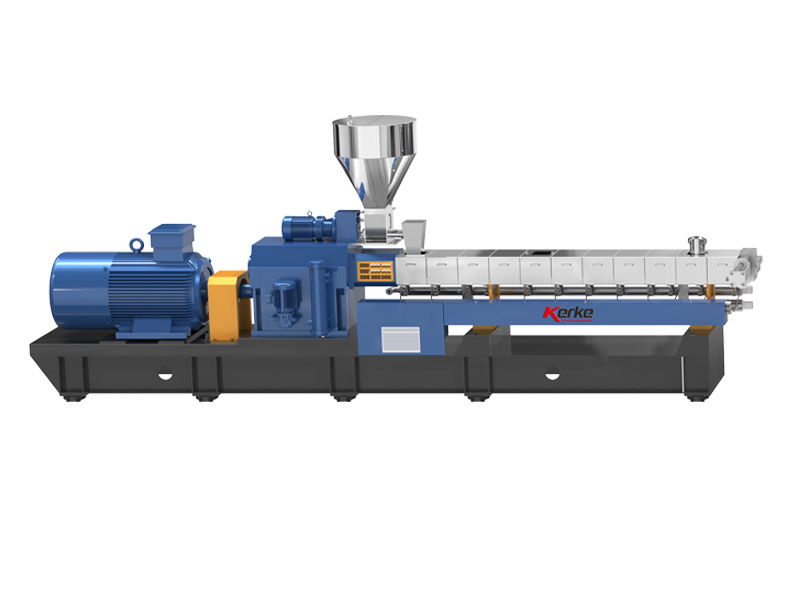
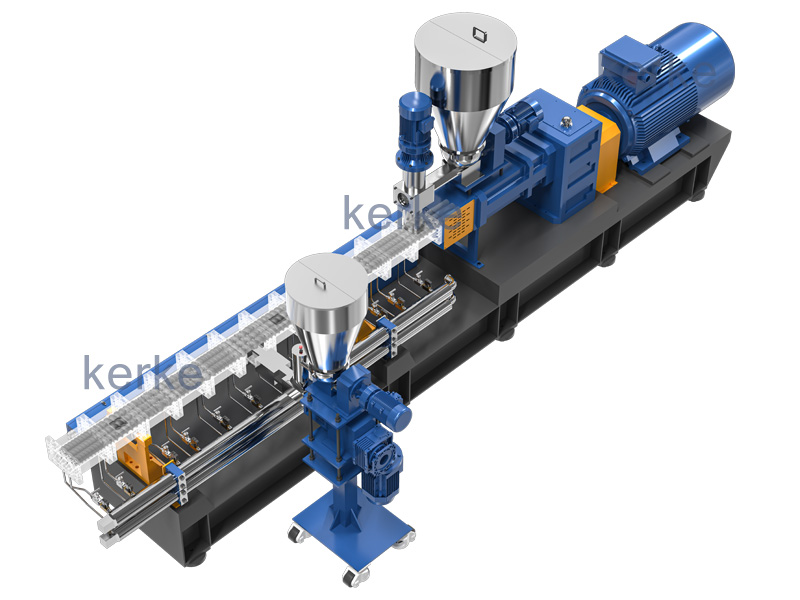
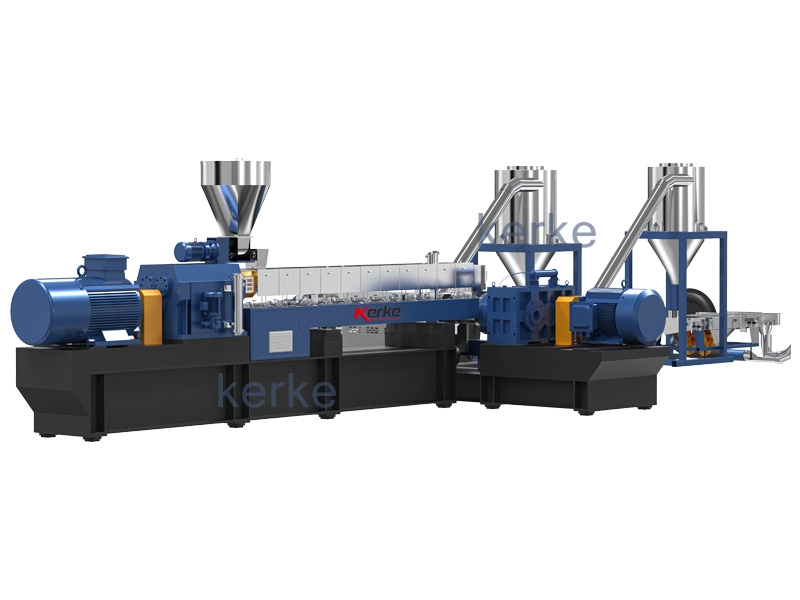
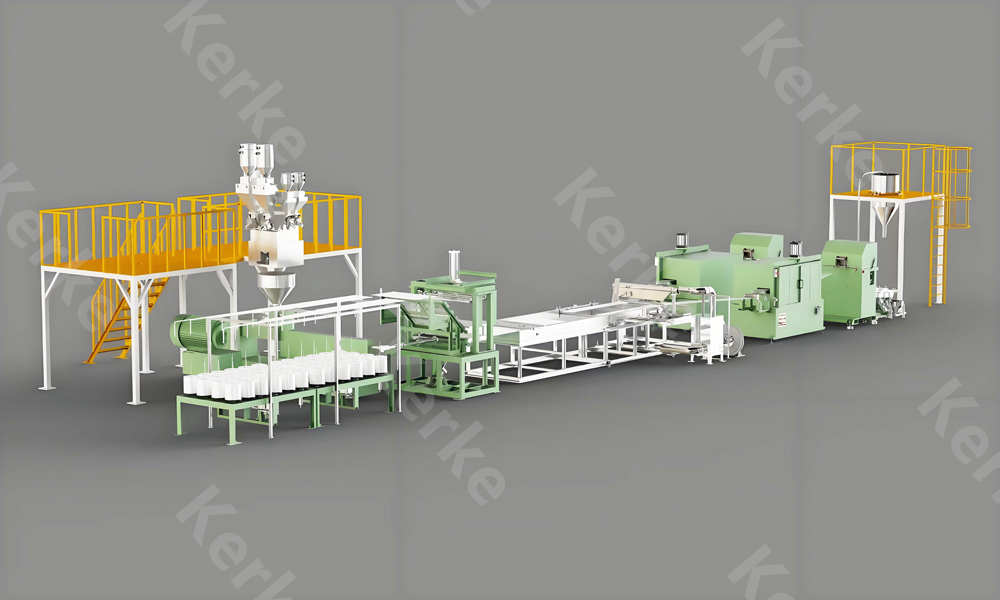
The successful installation and commissioning of a compounding extruder system is a critical phase that determines the machine’s future performance, energy efficiency, and longevity. A poorly installed machine can suffer from chronic vibration, misalignment, electrical issues, and inconsistent product quality. This process is not just about bolting the machine to the floor; it involves civil engineering, precision mechanical assembly, electrical integration, and complex process tuning. For a high-performance machine like a Kerke twin screw extruder, following the manufacturer’s guidelines precisely is essential to validate the warranty and ensure optimal operation. This article outlines the comprehensive steps required to bring a new compounding line online, from the initial foundation work to the final handover of documentation.
現場準備と基礎工事
機械が到着する前に、工場床は巨大な重量と動的力を処理できるように準備されなければならない。コンパウンディング押出機、特に大型の同方向回転双螺杆モデルは驚くほど重い。75mmシステムでは、本体、ギアボックス、およびモーターが10トンを超える可能性があり、フィーダとペレタイザを含むシステム全体の重量は15トンを超える可能性がある。さらに、機械は運転中に多大な振動を発生させる。基礎は鉄筋コンクリートブロックでなければならず、通常は機械サイズと現地の土壌条件に応じて少なくとも300mm〜500mmの厚さである。コンクリートは静的荷重下での亀裂を防ぐため、少なくともC30(30MPa)の圧縮強度を有さなければならない。
振動隔離は極めて重要である。基礎は、振動を他の敏感な装置(CNC機械や実験装置等)に伝達しないよう、防振パッドまたはばねを使用して主工場床から隔離されるべきである。適切な基礎のコストは、現地の建設コストと掘削の必要性に応じて2,000〜5,000米ドルになる可能性がある。このステップを省略するか、標準工場床を使用すると、時間の経過とともに機械のボルトが緩み、アライメントを失い、早期の軸受故障に見舞われる可能性がある。基礎にはまた、ユーティリティ(電力、水、圧縮空気)が機械設置位置に安全かつ整然と到達するためのケーブルトレンチと導管が含まれなければならない。不適切なケーブル管理は、運転中にブレーカの作動やホースの損傷を引き起こす可能性がある。
開梱、搬送、および機械組立
到着時、機械は輸送損傷の有無を直ちに検査されるべきである。主押出機ユニット、ギアボックス、およびモーターは、通常、別々のモジュールとして、または重負荷ベースフレームに完全組立された状態で出荷される。容量定格が最も重い構成部品(通常 >中程度の機械で10トン)を超える重負荷オーバーヘッドクレーンまたはフォークリフトを使用して、ユニットは慎重に持ち上げられ基礎上に位置決めされる。この操作時に、機械加工面(バレルフランジ等)や電気制御キャビネットを損傷しないよう細心の注意を払わなければならない。ギアボックスを落下させると、修理に即座に20,000米ドルを要する可能性がある。
レベリングは最初かつ最も重要な機械的ステップである。ベースフレームは精密レベリングジャッキまたはシムの上に置かれる。精密レーザーレベルまたは高精度ダイヤルゲージを使用して、ベースフレームが縦方向と横方向の両方で0.1mm/m以内に水平であることを確認する。ベースが完全に水平でない場合、バレルは加熱時に不均一な応力を受け、歪みとスクリュー・バレル間クリアランスの悪化を招く。レベリング後、フレームは収縮なしエポキシグラウトを使用してコンクリート基礎にグラウトされ、恒久的に固定される。このグラウトプロセスは完全硬化に24〜48時間を要する。グラウトがセットする前にボルトを締めてこのステップを急ぐと、アライメントが台無しになる。精密レベリング工具とグラウト材料のコストは、アライメント不良のリスクと比較して最小限(約500米ドル)である。
電気およびユーティリティ接続
コンパウンディング押出機は多大な電力とユーティリティを必要とする。標準75mm押出機は110kWの主モーターに加え、ヒーター(30kW)、フィーダ(10kW)、およびペレタイザ(15kW)を要し、設置電力は合計約165kW〜200kWとなる。電圧は通常380V/415V、3相、50/60Hzである。専用変圧器と開閉装置が必要である。ケーブルサイズは突入電流(運転電流の5〜7倍になる可能性がある)を考慮しなければならない。不適切な配線は、始動時にドライブを作動させる電圧降下を引き起こし、迷惑と遅延をもたらす。電気インフラのコストは機械自体と同等の高さになることが多く、新ラインで10,000〜30,000米ドルである。
ユーティリティには、バレルとギアボックス用の冷却水、ホッパローダと空気圧シリンダ用の圧縮空気、およびペレタイザ用の工業用水が含まれる。水質は極めて重要である;硬水は冷却チャネル内でスケーリング(石灰質)を引き起こし、それが断熱材として作用して熱伝達効率を低下させ、温度管理の不良を招く。精密な温度管理のためには水冷チラーが推奨されることが多く、プロジェクトに約5,000〜12,000米ドルの資本コストを追加するが、プロセスの安定性を大幅に改善しスクラップを削減する。すべての接続は始動前に漏れの圧力試験を受けなければならない。電気キャビネットへの水漏れは、破滅的な短絡と火災の危険を引き起こす可能性がある。高品質なホースと継手の使用は、多大な損害を防ぐ小さなコストである。
潤滑および油圧システムの準備
The gearbox is the heart of the extruder and requires specific lubrication. Most modern compounding extruders use forced lubrication systems with coolers and filters. The oil type (synthetic or mineral) and viscosity (e.g., ISO VG 320 or 460) must strictly match the manufacturer’s specification. Filling the system with the wrong oil (e.g., using hydraulic oil instead of gear oil) will destroy the gears and bearings within hours. The hydraulic system (if used for die head changing or screen changing) also needs specific hydraulic oil, often with anti-wear additives. Kerke Extruder provides a detailed lubrication chart specifying the exact quantities and types of fluids for every point.
The initial oil fill can be expensive; a large gearbox might hold 100-200 liters of oil, costing $1,000 to $2,000. It is advisable to circulate the oil through a filter cart before starting the main motor to ensure no debris or metal shavings from manufacturing enter the bearings. This “flushing” process adds a few hours to the setup but can save the gearbox from early failure. The cost of a new gearbox far outweighs the cost of the oil and filter cart rental.
コールド試運転と機械的チェック
Before applying heat or introducing material, a “cold run” is mandatory. This involves running the motors without heating the barrel. The purpose is to check for mechanical interference, abnormal noises (grinding, screeching), and proper rotation direction. All safety interlocks—emergency stops, guard doors, and limit switches—are tested rigorously. The screw speed is ramped up slowly in increments (e.g., 10%, 30%, 50% RPM) while monitoring vibration sensors on the gearbox and motor. Any vibration above 4mm/s RMS usually indicates a problem, such as misalignment, unbalanced screws, or a bearing issue. Stopping to investigate now prevents catastrophic failure during the hot run.
制御システムもまたこの段階でチェックされる。HMIタッチスクリーンが試験され、すべてのセンサ(温度、圧力、速度)が携帯基準器に対して較正される。温度制御用のPIDループは、オーバーシュートなしで正しく応答するよう調整される。この段階は通常1〜2日を要する。この時間のコストは純粋に労務であるが、それは利用可能な最も安価な保険である。コールドランを省略することは、めったに報われない賭けである。
ホット試運転とプロセスチューニング
Once the cold run is successful, the barrel heaters are energized. The temperature is raised gradually to the process setpoint (e.g., 180 degrees Celsius for PP). It is critical to follow the manufacturer’s recommended heating-up curve (e.g., 50 degrees per hour) to allow the metal to expand evenly. Rapid heating can crack the ceramic heaters or warp the barrel, causing permanent damage. Once at temperature, the system is held for 2 to 4 hours to stabilize thermally, ensuring the barrel expansion is complete.
Material introduction begins with a “purge” material (often the base polymer without additives or a dedicated purge compound). The feed rate starts very low (e.g., 10% of capacity), and the screw speed is low. The operator monitors the melt pressure and motor amperage closely. As the material melts, the torque increases. The goal is to fill the screws completely without overloading the motor. Once a stable melt curtain is established at the die (or a consistent strand for strand pelletizing), the formulation is introduced via the side feeders. The vacuum system is turned on. This is the most delicate phase. Adjustments to temperature, speed, and feed rate are made continuously to achieve the target melt temperature and pressure. Kerke engineers usually assist with this phase, using their experience to optimize the screw configuration for the specific material rheology. The cost of this commissioning support is often included in the machine price but represents a significant value in terms of expertise.
ペレタイジング、品質管理、およびスクラップ管理
The strand or underwater pelletizing system is started. The cutter speed is synchronized precisely with the extruder output speed. The pellets are collected and sent to the lab for immediate testing. Key quality checks include Melt Flow Index (MFI), color dispersion (using a microscope or filter pressure test), moisture content (Karl Fischer titration), and bulk density. If the pellets are too hot, they will stick together (agglomerate); if too cold, they will be dusty and break during transport. The water bath temperature and cutter speed are adjusted iteratively to achieve the perfect “fingernail test” hardness.
この段階は、少なくとも4〜8時間一貫した品質が達成されるまで継続する。試運転中(立上げスクラップ)に使用される材料のコストは、新ラインで約500kg〜1トンとして予算化されるべきである。これは事業の避けられないコストである。しかし、効率的な試運転はこれを最小限にする。プロセスが安定すると、レシピはPLCに保存され、機械は生産チームに引き渡される。この段階で発生するスクラップはプロジェクト予算に計上されなければならない;それは損失ではなく、プロセス知識への投資である。
オペレータ訓練と最終引渡し
A crucial part of commissioning that is often overlooked is training the customer’s operators. The manufacturer’s engineer provides comprehensive training on operation, routine maintenance (oil changes, screen changes, filter changes), and basic troubleshooting (reading torque curves, identifying temperature excursions). This usually lasts 3 to 5 days. A comprehensive operation manual, electrical schematics, hydraulic diagrams, and a spare parts list are handed over in both digital and printed formats. Without proper training, the machine is likely to be misused, leading to premature wear and voiding the warranty. The value of this training is immense as it empowers the local team to handle minor issues without waiting for external support, reducing downtime costs significantly. Kerke Extruder provides on-site training as a standard part of the service package, recognizing that a well-trained operator is the best guarantee of machine longevity.
結論
コンパウンディング押出機の設置と試運転は、慎重な計画、熟練した労働、および技術仕様への厳格な順守を必要とする多段階のエンジニアリングプロジェクトである。鉄筋コンクリート基礎の打設からPIDコントローラの調整まで、すべてのステップが機械の最終的な性能と効率に影響する。プロセスには土木工事、ユーティリティ、および労務の初期コストが伴うが、適切な設置は高価な機械が15〜20年の寿命にわたりダウンタイムを最小限にして最高効率で稼働することを確保する。Kerke Extruderのような製造業者が提供する詳細な手順に従うことで、工場は円滑な立上げ、品質目標の迅速な達成、および多大な投資の迅速な回収を確保できる。試運転段階は単なる形式ではなく、生産能力の誕生である。