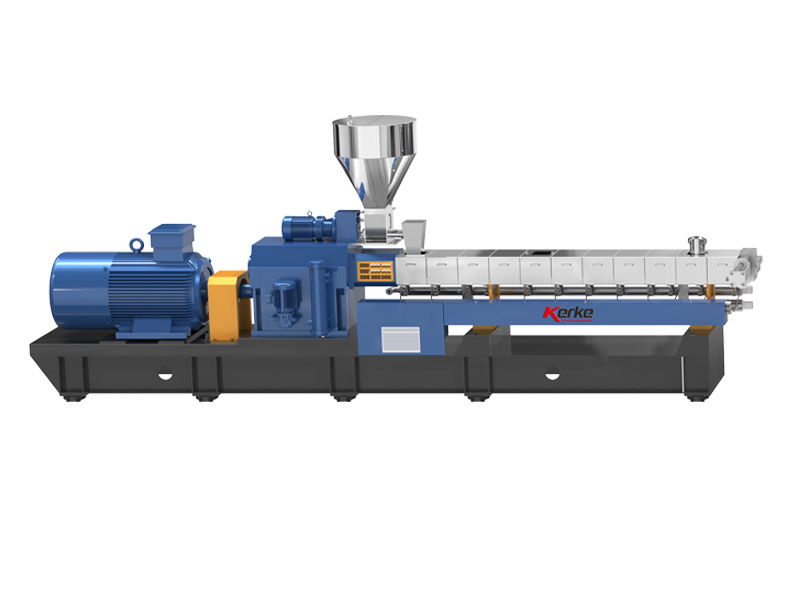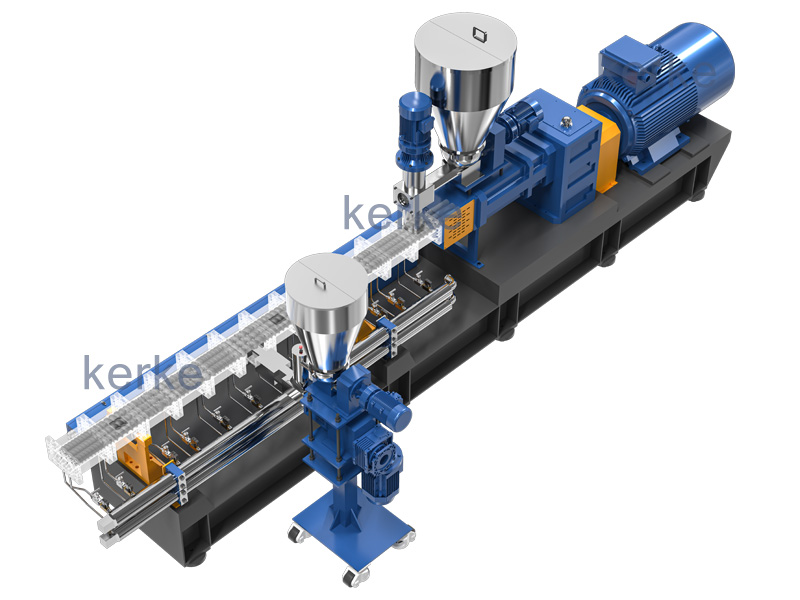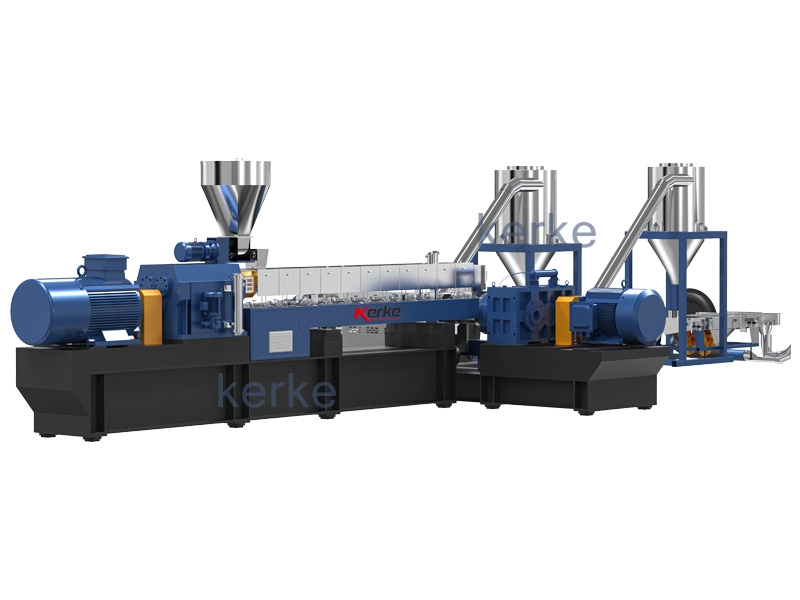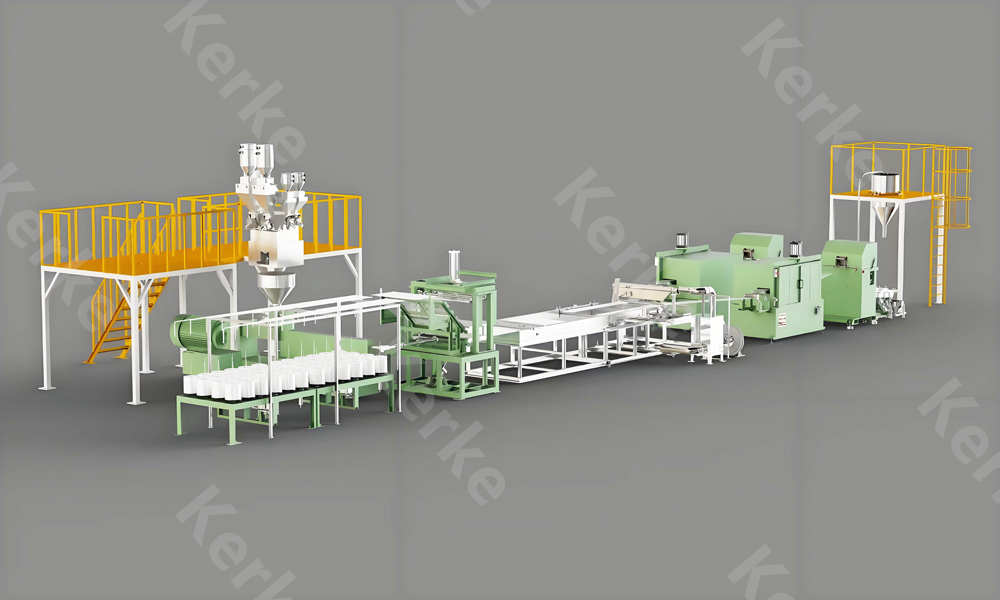
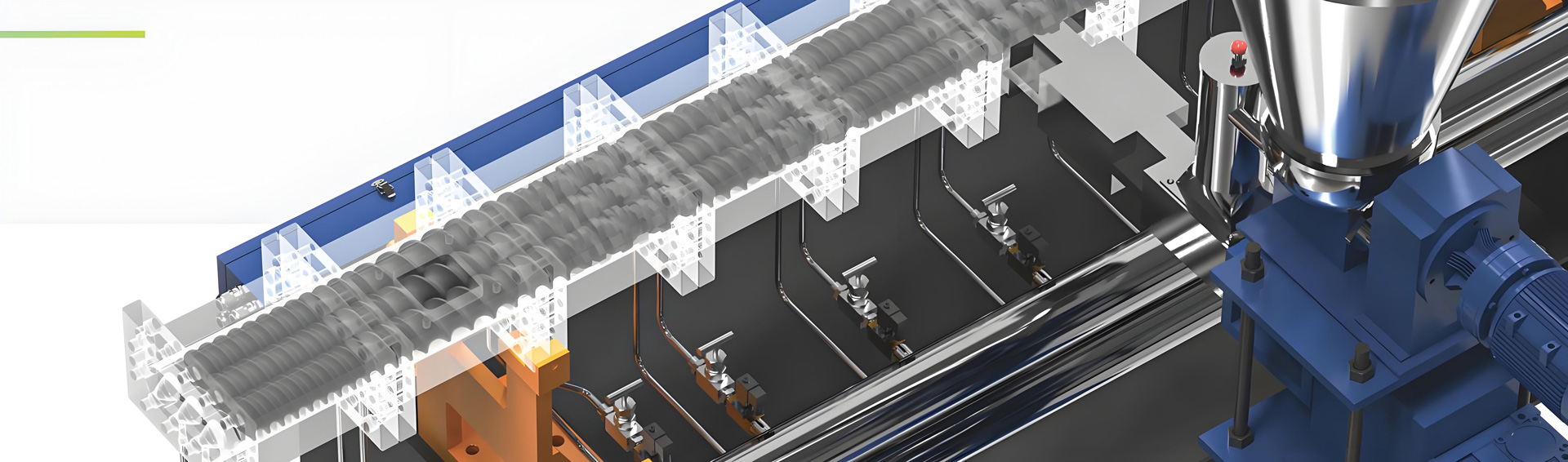
混合押出機の給料システムにおける材料の詰まりは、製造業者が直面する最も困難でコストのかかる問題の一つです。この問題は、生産スケジュールを混乱させるだけでなく、大量の材料浪費、機器の損傷、製品の品質低下にもつながります。給料システムの詰まりの根本原因を理解し、効果的な予防策を実施することは、最適な押出効率を維持するために非常に重要です。12年以上の経験を持つKerke Extrusion Equipment Co., Ltdは、並列回転混合押出機の製造で、世界中のツインスクリュー押出機システムにおけるこれらの給料関連の課題に対処する包括的なソリューションを提供しています。
材料の詰まりの原因を理解する
複合型エクストルーダーの給餌システムは、原材料が処理室に入る重要なエントリーポイントとなります。ブロックが発生すると、通常は複数の相互に関連する要因が原因となっています。これらの原因を理解することは、マスターバッチエクストルーダーや複合型エクストルーダーの運用に対する効果的な予防策を策定するための第一歩です。
材料特性と流動特性
Different materials exhibit unique flow characteristics that can significantly impact feeding performance. Fine powders, for instance, tend to bridge and arch in the feed throat due to their cohesive properties. This is particularly problematic when producing filler masterbatch using materials like calcium carbonate, talc, or titanium dioxide. These fine particles can interlock and create blockages that prevent consistent material flow into the Twin Screw Extruder. Additionally, materials with high moisture content can become sticky and adhere to the feeder walls, causing gradual buildup that eventually leads to complete blockage. Kerke’s KTE series compounding extruders are designed with optimized feeding geometries to accommodate various material characteristics, but proper material handling and preparation remain essential.
給食設備の構成に関する問題
給料装置の構成と運用は、詰まりを防ぐ上で極めて重要な役割を果たします。適切に校正されていない体積計量式の給料装置では、不規則な物質流れパターンが生じ、橋渡りや穴あき状態を引き起こす可能性があります。重量計測式の給料装置を使用する場合、十分な攪拌や振動がないと、物質が沈殿して凝縮し、流動性が低下します。給料スクリューの設計は、処理される特定の物質の特性に合わせて行われなければなりません。たとえば、橋渡りを起こしやすい物質では、特殊なフライト構造を備えた給料スクリューと攪拌装置を使用して、一貫した流れを維持する必要があります。Kerkeは、複合エクストラーダーアプリケーションにおけるさまざまな物質供給の課題に対応するため、体積計量システム、サイドフィーダー、クラマーフィーダー、および重量損失式フィーダーなどの複数の給料技術オプションを提供しています。
環境および運用上の要因
環境条件は給餌システムの性能に大きな影響を与えます。高湿度の環境では、吸湿性の材料が水分を吸収し、その流動特性が変化してブロックが発生することがあります。温度の変動は、材料の粘性や給餌システムでの挙動に影響を与えます。運用上の要因、例えば給餌速度の急激な変化、不一致の材料品質、不適切な起動および停止手順などはすべて、給餌に関する問題を引き起こす可能性があります。さらに、不十分な清掃およびメンテナンスルーチンでは、材料が時間とともに蓄積し、徐々に流れが制限され、最終的にツインスクリュー押出機の給餌システムでブロックが発生することがあります。
給食システムの詰まりを防ぐための予防策
包括的な予防戦略を実施することは、障害が発生した後に対処するよりもはるかに効果的です。Kerke Extrusion Equipmentでは、適切な設備設計、材料準備、運用手順、定期メンテナンスを組み合わせた多面的なアプローチを推奨しています。これにより、混合押出機でのフィードシステムの信頼性を確保できます。
適切な材料の準備と取り扱い
適切な材料準備は、給送システムの詰まりを防ぐために不可欠です。これには、凝集体や異物を除去するために材料をふるいにかけることが含まれます。マスターバッチ生産に使用される細粉の場合、水分含量を減らすために材料を事前に乾燥することが重要です。Kerkeでは、材料を気候制御された環境で保管することを推奨します。これにより、水分吸収や温度による特性の変化を防ぐことができます。複数の材料を混合エクストラクターで使用する場合、成分を十分に混合することで、一貫したボール密度と流動特性を実現することができます。困難な材料の場合、流動性を向上させる添加剤や凝集防止剤を使用すると、給送の信頼性が大幅に向上します。これらの添加剤は、Twin Screw Extruderの出力の最終製品特性に影響を与えないように慎重に選定する必要があります。
最適化された給餌システム設計
The design of the feeding system must be optimized for the specific materials and production requirements. Kerke’s compounding extruders feature modular barrel sections with various feeding port configurations to accommodate different material types. The feeding throat angle and geometry should be designed to promote smooth material flow while preventing bridging and arching. For materials prone to blockages, Kerke recommends using feeding systems with built-in agitation devices such as vibrators, stirrers, or fluidization systems. The feeder screw profile should be selected based on material properties – larger flight pitches for free-flowing materials and special configurations for cohesive materials. The transition from the feeder to the extruder barrel must be smooth to prevent material accumulation at the connection point in your Compounding Extruder system.
高度な給餌技術の導入
Modern feeding technologies offer sophisticated solutions to prevent blockages. Loss-in-weight feeding systems provide precise material flow control and can detect flow irregularities before blockages occur. These systems automatically adjust feeding rates to maintain consistent throughput. Kerke’s advanced feeding systems include real-time monitoring capabilities that alert operators to potential problems before they escalate. For particularly difficult materials, crammer feeders with forced feeding mechanisms can overcome bridging and maintain consistent material flow. Vacuum or pneumatic conveying systems can eliminate many feeding system blockages by delivering material directly to the extruder throat under controlled pressure. These technologies, while requiring additional investment, can significantly improve reliability and reduce blockage-related downtime in Twin Screw Extruder operations.
一般的な詰まりの状況のトラブルシューティング
最善の予防措置を講じたとしても、ブロックが発生する可能性は依然としてあります。システマティックなトラブルシューティングアプローチを持つことで、問題を迅速に特定し、解決することができ、生産停止時間を最小限に抑えることができます。Kerke Extrusion Equipment は、70 以上の国の顧客のマスターバッチエクストラーダーおよびコンパウンドエクストラーダーのニーズに対応する 12 年以上の経験に基づいて、包括的なトラブルシューティングプロトコルを開発しました。
詰まりの場所の特定
トラブルシューティングの最初のステップは、詰まりの正確な場所を特定することです。詰まりはフィーダーホッパー、フィーダースクリュー、トランスファーチューブ、またはエクストラーダーの口部分にあるのでしょうか?視覚的な検査とモニタリング機器の測定値を組み合わせることで、問題の場所を特定することができます。フィーダーモーターで電流が増加している場合、詰まりはおそらくフィーダースクリューの機構にあると考えられます。ホッパーから物質が出ないが、フィーダーは正常に動作している場合、問題はホッパー自体にある可能性があります。場所を理解することで、トラブルシューティングの努力を集中させ、ツインスクリューエクストラクターの給餌問題に対する適切な解決策を実施することができます。
徐々な流量低下解析
Gradual reduction in material flow typically indicates progressive material buildup. This situation requires a different approach than sudden complete blockages. Check for gradual changes in material properties such as moisture content, particle size distribution, or bulk density. Inspect the feeding system for wear or damage that might be causing material accumulation. Gradual blockages often respond well to minor operational adjustments such as increasing agitation frequency, adjusting feeder speed, or modifying feeding port temperature. Kerke’s technical support team recommends keeping detailed logs of material properties and feeding system performance to identify trends and predict potential blockage scenarios before they cause production stoppages in your Compounding Extruder operation.
突然の完全ブロック化応答
突然の完全なブロックは、即時の対処とシステマティックな対応プロトコルが必要です。まず、装置の損傷を防ぐためにフィーダーとエクストラーダーを安全に停止してください。フィーダー圧力を上げて材料を押し込もうとすると、フィーダー機構やエクストラーダーのギアボックスに損傷を与える可能性があります。Kerke は、適切なツールと安全手順を使用してブロックを慎重に手動で除去することを推奨します。ブロックが除去されたら、フィードシステムを十分に点検し、ブロックの原因となった損傷または摩耗した部品がないか確認してください。材料サンプルを検査して、突然のブロックの原因となった汚染や特性の変化がないか確認してください。システムを段階的に再起動し、ツインスクリューエクストラーダーのフィードシステムで問題が再発しないか注意深く監視してください。
高度なソリューションと設備のアップグレード
標準的な予防措置が不十分な場合、信頼性の高い給餌システムの性能を実現するには、高度なソリューションや設備のアップグレードが必要になることがあります。ケルケ押出機では、マスターバッチ押出機と化合物押出機システムにおける困難な給餌アプリケーション向けに、さまざまなアップグレードオプションとカスタムソリューションを提供しています。
カスタム給餌システムの変更
Kerke can customize feeding systems to address specific material challenges. This includes custom hopper designs with optimized angles and surface treatments to promote material flow. For particularly difficult materials, Kerke offers heated or cooled feeding systems to maintain optimal material properties during feeding. Special coatings on feeder components can reduce material adhesion and prevent buildup. Kerke’s engineering team works closely with customers to understand their specific feeding challenges and develop tailored solutions that integrate seamlessly with existing Twin Screw Extruder equipment.
物流システムとの統合
給餌システムを上流の材料取り扱い装置と統合すると、信頼性が大幅に向上します。除湿機能を備えた自動バルク取り扱いシステムにより、給餌装置に到達する材料の特性が一貫して維持されます。材料を給餌前に乾燥および調整する材料調整システムは、水分関連の詰まりを解消します。自動化された材料選択および投与システムは、人為的なエラーを減らし、ツインスクリュー押出機に入る材料の品質を一貫して維持します。Kerke は、混合押出機用アプリケーション向けに、完全な材料取り扱いおよび給餌システムの統合を含む、トータルソリューションを提供しています。
監視・制御システム
Advanced monitoring and control systems provide real-time visibility into feeding system performance and enable proactive problem prevention. Kerke’s modern feeding systems include pressure sensors, flow meters, and load cells that continuously monitor feeding performance. These systems can detect subtle changes in material flow and alert operators before blockages occur. Integration with plant SCADA systems enables comprehensive monitoring and data logging for trend analysis. Predictive maintenance algorithms can forecast potential issues based on performance trends and schedule maintenance before failures occur. These advanced monitoring capabilities, while representing an additional investment, can significantly reduce unplanned downtime in Masterbatch Extruder operations.
コスト分析と投資の検討事項
給餌システムの障害を解決するには、解決コストと生産に与える影響のバランスを取る必要があります。Kerke Extrusion Equipmentは、お客様に、給餌問題の真のコストを理解し、ツインスクリュー押出機の運用に関する情報に基づいた投資判断を下すことを支援します。
ダウンタイムと生産損失コスト
マスターバッチの生産中断以外にも、システムの障害に伴うコストは非常に大きいものです。生産時間の損失、材料の浪費、再起動手順による品質問題、トラブルシューティングや障害の解消に要した人件費、設備の損傷の可能性、設備寿命の短縮など、すべてを考慮すると、500 kg/hのマスターバッチを生産する典型的な混合エクストラーダにおいて、4時間の障害発生時は、わずか生産損失だけで4,000ドルに上ります。関連コストをすべて加算すると、単一の障害発生時の総損失は10,000ドルを超えることもあります。月間に複数回の障害が発生すると、大きな損失につながり、予防的なソリューションへの投資が正当化されるようになります。
予防技術への投資
Investment in advanced feeding technology varies based on application requirements. A basic loss-in-weight feeder upgrade for a KTE-65 Twin Screw Extruder costs approximately $15,000-$25,000, while complete feeding system overhauls can range from $30,000 to $75,000 depending on configuration and capacity. For small to medium operations, Kerke’s volumetric feeder upgrades start around $8,000-$12,000. These investments typically pay for themselves within 6-12 months through reduced downtime and improved product quality. Kerke offers financing options and can help calculate ROI based on specific operational parameters and blockage history.
長期的な機器のメリット
Investing in reliable feeding systems provides benefits beyond immediate blockage reduction. Consistent material feeding improves product quality and reduces scrap rates. Automated feeding systems reduce labor requirements and enable unattended operation. Advanced monitoring capabilities provide valuable data for process optimization and continuous improvement. Extended equipment maintenance intervals reduce overall operating costs. When selecting feeding system upgrades, consider the total lifecycle costs and benefits rather than just initial investment. Kerke’s team can help evaluate long-term benefits and develop a comprehensive business case for feeding system investments in your Masterbatch Extruder operation.
給食システムの信頼性を高めるKerkeソリューション
Kerke Extrusion Equipmentは、世界中のさまざまな産業を対象にした豊富な経験を基に、給送システムの信頼性を向上させる包括的なソリューションを開発してきました。70カ国以上で2000台以上の機械が稼働しているため、Kerkeはさまざまなアプリケーションが抱える独自の課題を理解しており、ツインスクリュー押出機の給送アプリケーション向けにカスタマイズされたソリューションを提供しています。
KTE シリーズのエクストラーダの給餌能力
Kerke’s KTE series parallel co-rotating Twin Screw Extruders are designed with feeding system flexibility in mind. The KTE-20 laboratory extruder, suitable for small-scale masterbatch development, features a compact feeding system ideal for experimentation and formula testing. Mid-range models like the KTE-50 and KTE-65 offer multiple feeding port configurations and can accommodate various feeder types. For large-scale production, the KTE-75 through KTE-135 models provide robust feeding systems capable of handling high throughput demands. All KTE series extruders feature modular barrel sections that can be configured with multiple feeding points for multi-component compounding. Prices range from $18,000 for the KTE-20 lab unit to $60,000+ for the KTE-135 production model, with feeding system configurations customized to specific application requirements.
カスタムフィーディングソリューションの開発
Kerke’s engineering team specializes in developing custom feeding solutions for challenging applications. Whether dealing with ultra-fine powders, highly cohesive materials, or multi-component feeding requirements, Kerke can design solutions that ensure reliable feeding. This includes custom feeder screw designs, special hopper geometries, integrated material conditioning systems, and complete turn-key feeding line solutions. Kerke has experience serving industries ranging from color masterbatch production to engineering plastics compounding, cable materials, and biodegradable materials. Each application presents unique challenges that require tailored solutions developed through close collaboration with the customer.
テクニカルサポートとサービス
Beyond equipment supply, Kerke provides comprehensive technical support and service for feeding system optimization. This includes startup assistance, operator training, ongoing technical consultation, and remote monitoring support. Kerke’s service team can analyze feeding system performance data, identify improvement opportunities, and implement solutions. With over 100 team members and engineers available for worldwide service, Kerke provides responsive support when feeding issues occur. Regular maintenance programs help prevent problems before they happen and extend equipment life. For customers experiencing chronic feeding problems, Kerke offers comprehensive system audits and optimization studies to identify and resolve root causes.
結論
Material blockage in Compounding Extruder feeding systems represents a significant operational challenge, but it can be effectively managed through understanding, prevention, and appropriate technology investment. By implementing the strategies outlined in this guide, manufacturers can significantly reduce blockage incidents, improve production efficiency, and reduce operating costs. Kerke Extrusion Equipment’s extensive experience and comprehensive product offerings provide customers with the solutions and support needed to achieve reliable Twin Screw Extruder operation. Whether you’re producing color masterbatch, filler masterbatch, engineering plastics, or other compounded materials, Kerke has the expertise and equipment to solve your feeding system challenges and optimize your extrusion processes for maximum productivity and profitability.