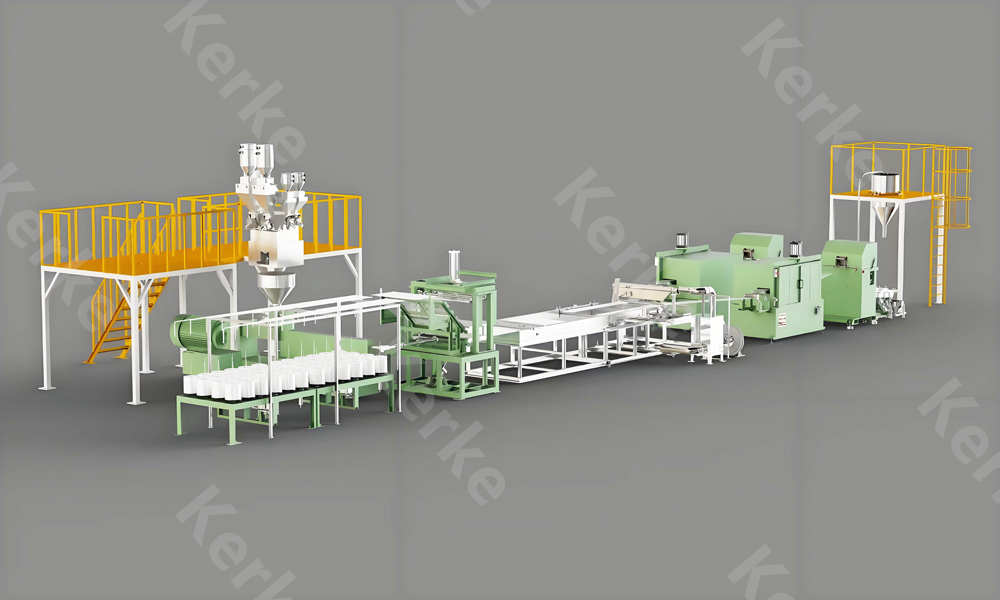
Introdução às garantias de extrusão e à gestão de riscos
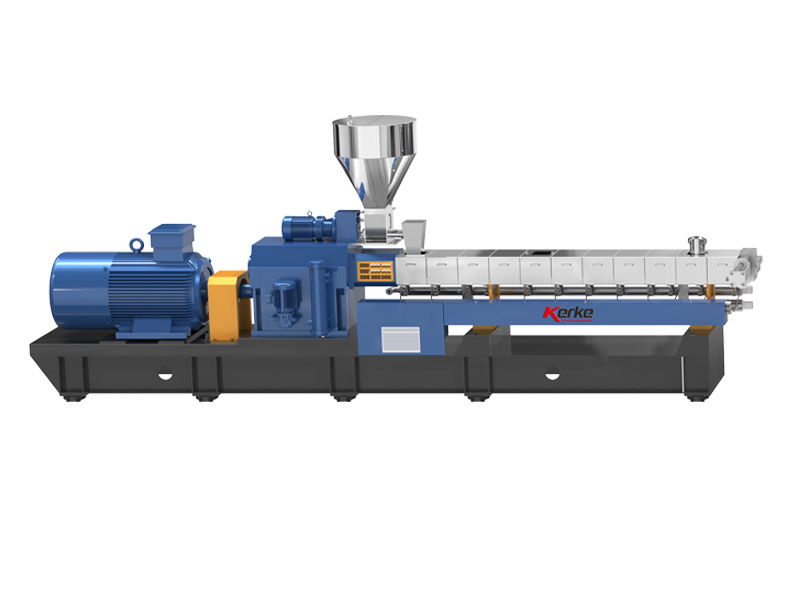
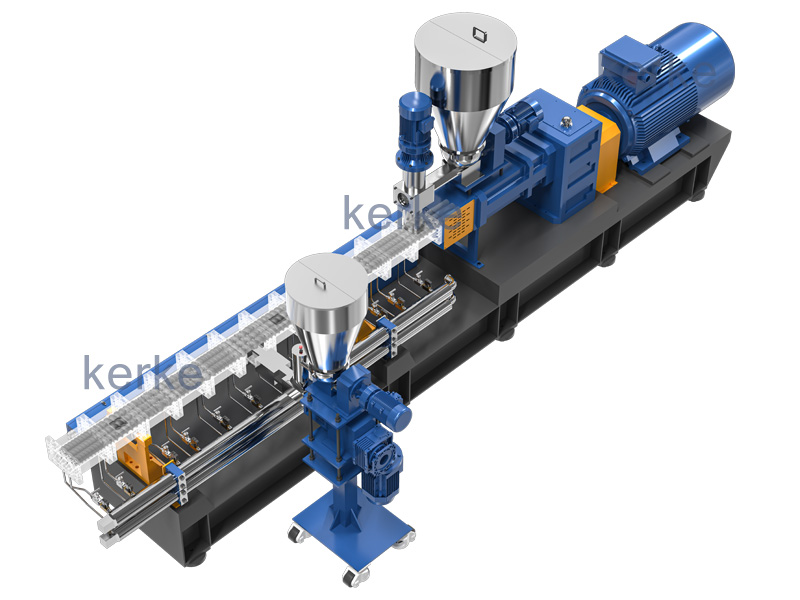
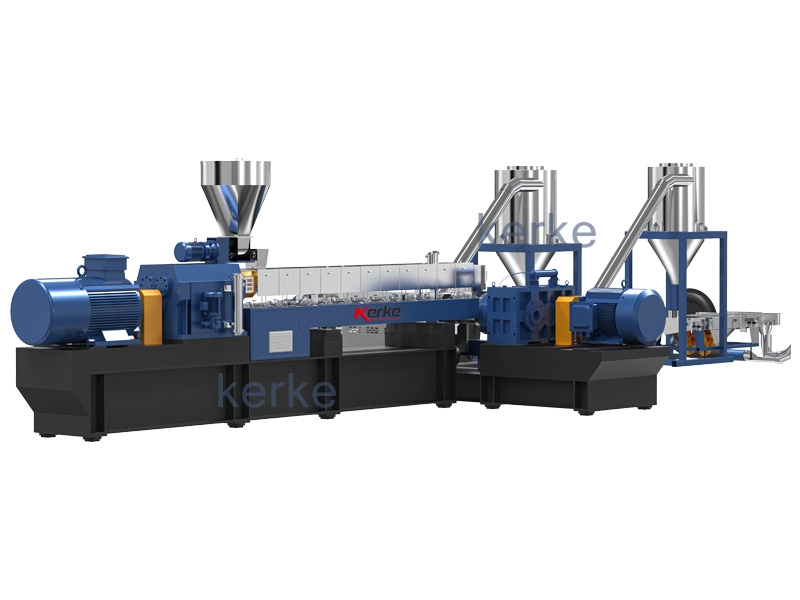
Purchasing an industrial masterbatch extruder is a significant capital investment, often ranging from $50,000 for a small lab-scale unit to over $300,000 for a large, fully automated production line. The warranty period is a critical factor in the Total Cost of Ownership (TCO) because it protects the buyer against manufacturing defects and early failures, which can be catastrophic to a production schedule. However, warranty terms vary significantly between manufacturers, and the “fine print” can hide substantial costs. Understanding what is covered, for how long, and what is explicitly excluded is essential for risk management and financial planning. This article analyzes the standard warranty practices in the industry, with a specific focus on the policies offered by leading manufacturers like Nanjing Kerke Extrusion Equipment Co., Ltd., and provides a cost analysis of post-warranty ownership.
Período de garantia padrão para componentes mecânicos principais
Para a maioria dos fabricantes de extrusoras de reputação, incluindo a Kerke Extruder, o período de garantia padrão para os componentes mecânicos e elétricos de uma extrusora de dois parafusos é normalmente de 12 a 18 meses a partir da data de comissionamento ou de 18 a 24 meses a partir da data de envio (data do Bill of Lading). Este é o padrão da indústria para máquinas pesadas. O componente mais caro – a caixa de engrenagens – geralmente possui uma garantia mais longa ou mais robusta, geralmente de 24 meses ou até 3 anos, dependendo da marca utilizada (por exemplo, Siemens, SEW ou marcas chinesas de primeira linha, como Guomao ou Hangzhou Advance). A garantia cobre defeitos nos materiais e na fabricação que se manifestam em condições normais de operação. Se a caixa de engrenagens falhar devido a um defeito de fabricação (como um rolamento ou dente de engrenagem defeituoso) durante este período, o fabricante fornecerá peças de reposição ou serviços de reparo gratuitamente, incluindo os custos de mão-de-obra para um técnico visitar o local.
It is crucial to understand that the warranty is usually void if the machine is operated outside of the specified parameters. For example, running the extruder at maximum torque for extended periods without adequate cooling, or processing corrosive materials (like PVC) without the optional corrosion-resistant coating, can void the warranty. The cost of a replacement gearbox for a mid-sized 75mm extruder can be as high as $15,000 to $25,000 if purchased out of warranty. Therefore, adhering to the operation manual is not just good practice; it is a financial necessity to maintain warranty coverage. The warranty essentially acts as an insurance policy against “infant mortality” failures in the first two years of operation.
Peças de desgaste e consumíveis: a lista de exclusão
Almost all extruder warranties explicitly exclude “wear parts” or consumables. This is the most common source of confusion for new buyers. In a masterbatch extruder, wear parts include the screw elements, barrel liners, heating bands, thermocouples, seals, and the pelletizer blades. These components are subject to abrasion and fatigue and are expected to be replaced during the machine’s life cycle. For example, the screw and barrel on a highly abrasive masterbatch line (like glass fiber or mineral filled compounds) might need replacement or refurbishment after processing 500 to 1,000 tons of material, which could be just 1-2 years of production.
The cost of a new set of screws and barrels is substantial. For a 65mm extruder, a full set might cost $5,000 to $8,000, while for a large 120mm industrial line, it can exceed $50,000. While not covered by the standard warranty, manufacturers like Kerke often offer a limited “quality assurance” period on wear parts, typically 3 to 6 months, to ensure they are free of casting defects or hardening issues upon arrival. Buyers must budget for the replacement of wear parts as a recurring operational expense. A common rule of thumb is to allocate $0.02 to $0.05 per kilogram of production for wear part amortization. Ignoring this cost can lead to budget shortfalls when the first major maintenance cycle is due.
Cobertura da garantia do sistema elétrico e de controle
O sistema de controle, incluindo o PLC (Controlador de Lógica Programável), os inversores (VFDs), a tela táctil (HMI) e os sensores, geralmente possui uma garantia de 12 a 24 meses. Esses componentes são geralmente confiáveis, mas as falhas podem ser caras devido ao tempo de parada da produção. Uma falha típica de um PLC pode exigir que um técnico reprograme o sistema, o que pode levar um dia ou mais. O custo de um novo painel de controle ou de um inversor de substituição pode variar de US$ 3.000 a US$ 10.000, dependendo da marca e da complexidade. É aconselhável manter em estoque um conjunto de componentes eletrônicos essenciais (como módulos de I/O ou fusíveis) no local, ou adquirir um acordo de serviço de envio acelerado do fornecedor.
Kerke Extruder typically uses well-known international brands for electrical components (like Siemens, Schneider, or ABB) or high-quality domestic equivalents. This ensures that spare parts are easy to source even after the warranty period expires. However, software licensing can be a hidden cost. Some advanced control systems require annual software maintenance fees to keep the system updated and secure. This cost is usually not covered by the hardware warranty and should be factored into the annual operating budget, typically around 1-2% of the machine’s value.
Garantia de suporte à instalação e comissionamento
The warranty period often includes on-site installation and commissioning services. This is a value-added service where the manufacturer sends engineers to the buyer’s factory to install the machine, level it, connect utilities, and run the first batches. This service usually lasts for 1 to 2 weeks and is covered by the warranty terms. The cost of this service, if purchased separately, can be $2,000 to $5,000 per day plus travel expenses, so including it in the warranty is a significant benefit. During commissioning, any issues found (like leaks or misalignments) are fixed under warranty. This phase is critical because improper installation (e.g., misalignment between motor and gearbox) can cause premature bearing failure, which might not be covered if deemed “installation error” by the manufacturer. The warranty ensures that the manufacturer has a vested interest in getting the installation right the first time.
Contratos de garantia estendida e de serviço: uma análise de custo-benefício
For factories running 24/7 operations, the standard one-year warranty may not be sufficient to amortize the risk. Many manufacturers offer extended warranty packages. For a fee, typically 5% to 10% of the machine price per year, the warranty can be extended to 3 or 5 years. This covers parts and labor for mechanical and electrical failures. Let us analyze the cost-benefit. If a major bearing failure or gearbox issue occurs in year 3, the repair cost (parts + labor + downtime) could easily exceed $20,000. An extended warranty costing $10,000 over two years provides peace of mind and predictable maintenance budgeting. Kerke Extruder offers flexible service contracts that can be tailored to the customer’s production schedule and risk tolerance. For mission-critical lines, an extended warranty is highly recommended. For backup or secondary lines, it might be a cost that can be skipped.
Another option is a “Preventive Maintenance Contract” which is slightly different from a warranty. This involves the manufacturer visiting 2-4 times a year to perform inspections, change oil, and check alignment. This proactive approach prevents failures rather than just fixing them. The cost is similar to an extended warranty but focuses on prevention. The ROI on this is preventing unplanned downtime, which is the most expensive cost in manufacturing.
Custo da manutenção pós-garantia e de peças de reposição
After the warranty expires, the owner is 100% responsible for all repair costs. The price of spare parts is a major consideration. Kerke Extruder maintains a stock of spare parts at their factory and regional warehouses, offering them at factory-direct prices, which are generally 20-30% lower than third-party distributors. For example, a set of kneading blocks might cost $500 from Kerke, whereas a generic supplier might charge $800 with uncertain quality. It is recommended to budget approximately 2% to 3% of the machine’s purchase price annually for maintenance and spare parts after the warranty period. For a $150,000 machine, this means setting aside $3,000 to $4,500 per year for maintenance.
A logística internacional é outro fator. Para compradores fora da China, o envio de uma caixa de velocidades pesada ou de um segmento de tanque através do oceano pode custar milhares de dólares em frete e seguro. A maioria dos fornecedores de boa reputação, incluindo a Kerke, utiliza os termos DDP (Delivered Duty Paid) ou DAP para reivindicações de garantia, o que significa que o fornecedor cobre o custo do transporte para peças de reposição durante a garantia. No entanto, após a garantia, o comprador geralmente suporta esse custo. Para mitigar isso, alguns compradores optam por manter peças de reposição críticas (como uma caixa de velocidades de reserva ou um conjunto de elementos de parafuso) em estoque. Embora isso gere custos de capital (custo de estoque), reduz drasticamente o risco de paralisação. O custo de manter esse estoque deve ser calculado como parte do planejamento financeiro, normalmente utilizando uma taxa de custo de manutenção de 10-15% ao ano.
Processo de reclamação de garantia e documentação necessária
Para fazer uma reivindicação de garantia válida, o comprador deve fornecer uma documentação meticulosa. Isso inclui o contrato de compra original, o Bill of Lading, o relatório de instalação e, principalmente, registros detalhados de manutenção. Os registros devem mostrar que a máquina foi operada corretamente, especificamente registrando logs de temperatura, logs de torque e intervalos de troca de óleo. A falta de registros de manutenção adequados (como prova de troca regular de óleo para a caixa de engrenagens) pode e, muitas vezes, anula a garantia. Os fabricantes exigem que apenas seus lubrificantes e peças de reposição aprovados sejam utilizados. O uso de óleo não aprovado pode levar a pitting de engrenagens e a reivindicação de garantia será negada. O custo do uso de lubrificantes aprovados é ligeiramente mais alto (cerca de 10% a mais), mas é essencial para a proteção da garantia. A Kerke fornece um Manual de Operação e Manutenção detalhado que descreve os intervalos de serviço exigidos e os consumíveis aprovados. Manter um livro de registros digital é uma atividade sem custo que pode economizar dezenas de milhares de dólares em caso de falha.
Conclusão
The warranty period for an industrial masterbatch extruder is a complex financial instrument, not just a promise of quality. While the standard warranty covers core defects for 12 to 24 months, the long-term cost of ownership depends heavily on the quality of wear parts and the availability of post-warranty support. Kerke Extruder offers a competitive warranty package, typically 18 months for the machine and 24 months for the drive system, backed by a strong spare parts network and global service engineers. For buyers, the key is to read the fine print, budget for consumables, and consider extended service contracts for critical production lines. A robust warranty not only protects the initial investment but also serves as an indicator of the manufacturer’s confidence in their product quality. Ultimately, the warranty is just one part of the equation; the real value lies in the machine’s reliability and the manufacturer’s support infrastructure over its 10-15 year lifespan.