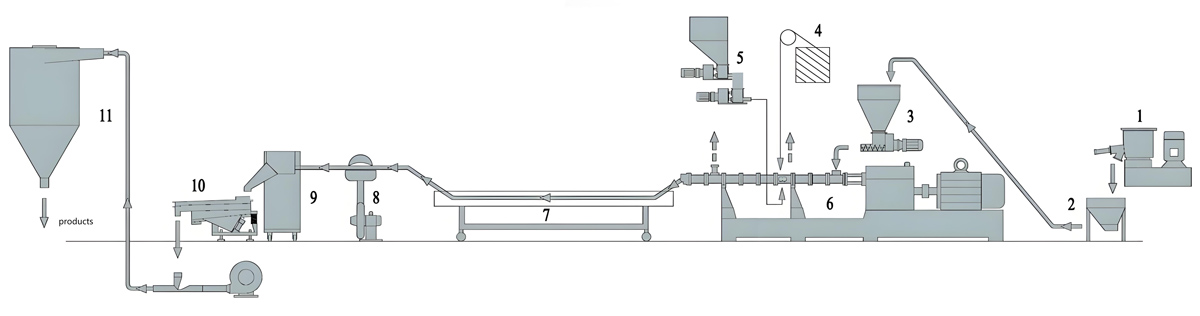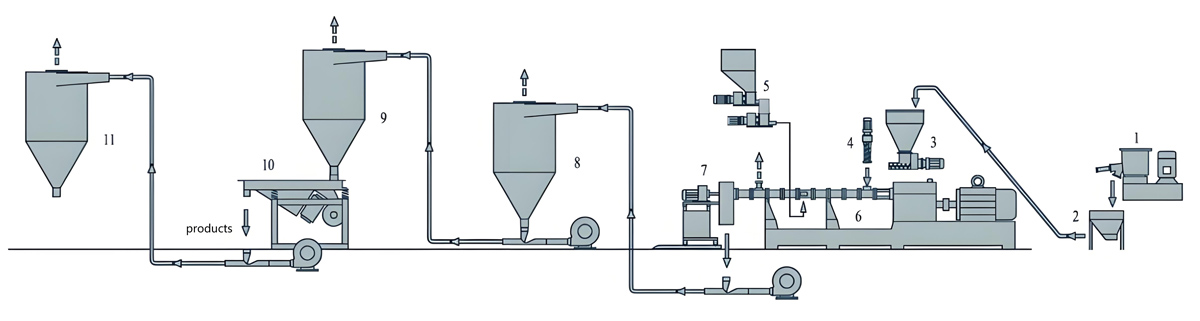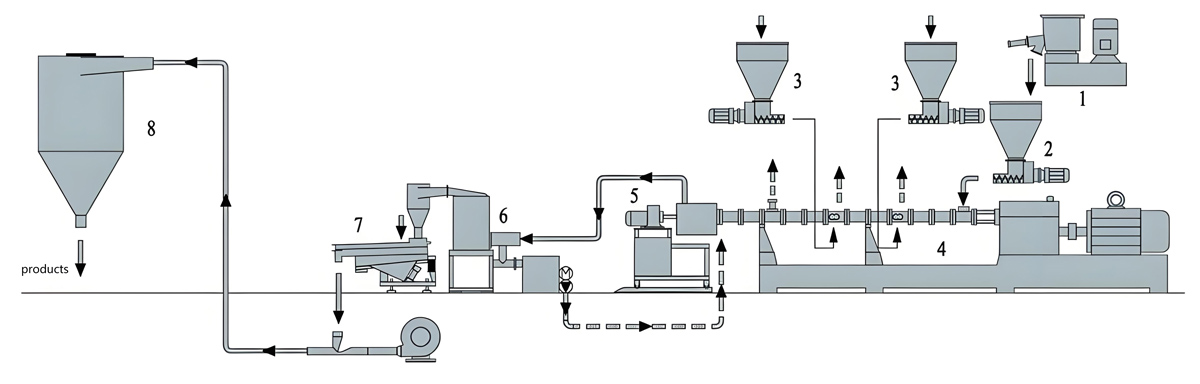
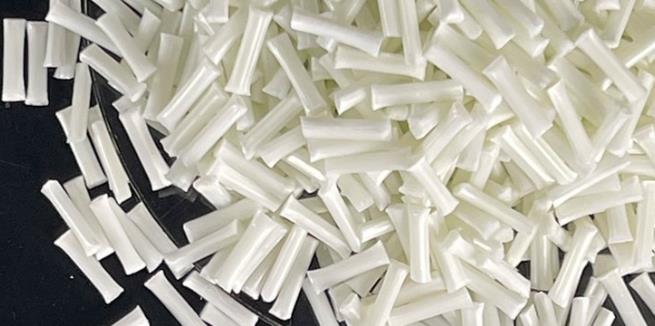
LFT-G is an abbreviation for Long Fiber Reinforced Thermoplastic Granules, a technical term in materials science. It is primarily used in industries such as automotive, electronics, and aerospace, where high strength and lightweight materials are required. LFT-G is a long-fiber reinforced granular material formed by impregnating continuous glass fibers or carbon fibers into thermoplastic resins (such as polypropylene (PP), nylon (PA), and polybutylene terephthalate (PBT)) using a special process. Its fiber length is typically between 5-25 mm, significantly longer than that of ordinary short-fiber reinforced materials (fiber length <1 mm), thus significantly improving the material’s mechanical properties.
Features
LFT-G (Long Fiber Reinforced Thermoplastic Composite Granules) exhibits significant advantages in mechanical properties, thermal stability, processing adaptability, and environmental characteristics due to its unique fiber-matrix synergistic structure. The following is a multi-dimensional analysis based on measured data and application cases:
I. Mechanical Properties: Rigid Skeleton Constructed by a Long Fiber Network
1. High Strength and High Modulus
LFT-G retains over 80% of its fiber length after molding (approximately 3.2-6.4 mm), forming a three-dimensional support network that significantly improves mechanical properties. For example, PA66-LGF50 has a tensile strength of 275 MPa and a flexural modulus of 16 GPa, which are 1.15 times and 1.05 times that of short-fiber PA66-GF50, respectively.
PP-LGF50 has a flexural modulus of 9.2 GPa, which is lower than that of aluminum alloy (approximately 70 GPa), but its density is only 1.32 g/cm³, and its specific modulus (6.97 GPa·cm³/g) far exceeds that of aluminum alloy (4.37 GPa·cm³/g).
2. Impact and Fatigue Resistance
The bridging effect of long fibers effectively absorbs impact energy. For example, the notched impact strength of PA6-LGF30 is 28 kJ/m², 40% higher than that of short-fiber PA6-GF15.
PP-LGF50 maintains a stress of 70 MPa under 10⁷ cycles, making it suitable for components subject to long-term vibration, such as engine mounts.
3. Creep Resistance and Dimensional Stability
Long fibers constrain the movement of the matrix molecular chains, significantly suppressing creep deformation. For example, the creep strain of PBT-LGF at 100℃ and 10 MPa stress is only 0.5%, 60% lower than that of short-fiber PBT-GF30.
With a molding shrinkage rate of only 0.1%-0.3%, it is suitable for manufacturing high-precision structural components (such as automotive gearbox housings).
II. Thermal Properties: Temperature Adaptability in Multiple Scenarios
1. High-Temperature Stability
Different resin-based materials exhibit varying high-temperature resistance:
PA66-LGF50 has a heat distortion temperature (HDT) of 250℃ (1.8MPa), capable of withstanding temperatures above 200℃ in engine compartments.
PEEK-LGF50 retains 80% of its mechanical properties at 315℃, making it suitable for replacing nickel-based alloys in aero-engine combustion chamber components.
2. Low-Temperature Toughness
PP-LGF30 retains 75% of its notched impact strength at -40℃, meeting the needs of automotive components in northern regions.
PA6-LGF30 has a flexural strength of 290MPa at -30℃, a decrease of only 15% compared to room temperature.
III. Processing Performance: High-Efficiency Molding and Adaptability to Complex Structures
1. Advantages of Injection Molding Process
Short Cycle Production: Injection molding cycles are typically less than 60 seconds per part, more than 50% shorter than metal stamping. For example, the BMW i3 front-end module uses LFT-G PP-LGF50 injection molding, with a cycle time of only 45 seconds, 30% faster than PA66 material.
Low Shear Molding: Through optimized screw design (such as an 8:1 L/D ratio cold runner), fiber length retention can reach 92%, avoiding excessive breakage.
2. Structural Integration Capability
Thin-Wall Design: Enables precision components with a wall thickness of 1.2mm (such as laptop casings) while maintaining rigidity.
Multi-Component Integration: The Volkswagen ID. series front-end module integrates 6 steel components in a single injection molding process, reducing assembly steps and lowering costs by 20%.
IV. Corrosion Resistance and Environmental Adaptability
1. Chemical Stability
PPS-LGF40 shows no significant corrosion in acidic or alkaline environments with pH 3-11, making it suitable for chemical pipelines.
PP-LGF50 exhibits excellent salt spray resistance (ASTM B117) for 1000 hours without rust, superior to aluminum alloys (approximately 500 hours).
2. Weather Resistance and Flame Retardancy
LFT-PP passed the QUV aging test (1000 hours) without cracking and is suitable for 5G base station antenna covers.
PA6-LGF30 achieves a UL94 V-0 flame retardant rating at a thickness of 1.6mm, meeting the fire protection requirements for electronic equipment.
V. Environmental Characteristics: A Core Carrier of the Circular Economy
1. Recyclability: Closed-loop recycling system
Ford Motor Company shreds retired battery trays and mixes them with virgin materials at a 3:7 ratio to produce new car parts, retaining over 90% of the performance.
100% Recyclability: Scrap materials can be directly reused in production without performance degradation, offering significant environmental advantages over thermosetting materials (such as SMC).
2. Bio-based Alternative
PLA-LGF20 exhibits a degradation rate of >90% under composting conditions within 6 months, meeting EU EN 13432 standards, and is suitable for use in disposable tableware.
Low Carbon Footprint: LFT-G PP-LGF50 has a carbon footprint of 2.8 kg CO₂/kg, only one-third that of aluminum alloy.
VI. Comparative Advantages with Other Materials
| Comparative items | LFT-G | Aluminum Alloy | Short fiber composite materials |
| Density (g/cm ³) | 1.1-1.6 | two point seven | 1.2-1.5 |
| Specific strength (MPa · cm ³/g) | 120-180 | one hundred and twenty | 80-120 |
| Processing cycle (seconds/piece) | 45-60 | 120-180 | 30-50 |
| corrosion resistance | Excellent (pH3-11) | Medium (requires surface treatment) | average |
| Recovery cost | Low (performance retention rate>90%) | High (requiring smelting energy consumption) | Moderate (performance degradation of 20% -30%) |
VII. Future Technological Breakthroughs
1. Multi-fiber Synergistic Reinforcement
A hybrid system of glass fiber and carbon fiber (such as PP/LGF20+LCF10) can increase tensile strength by 15% while reducing cost by 10%.
2. Intelligent Functional Integration
Self-healing Technology: LFT-G with embedded microcapsule repair agents automatically heals itself when cracks propagate, extending its lifespan by 50%, and is used in high-speed rail bridge bearings.
Thermal Conductive Network Design: Graphene-modified PA6-LGF40 has a thermal conductivity of 2.0 W/m·K, and is used in 5G base station heat dissipation modules, reducing energy consumption by 15%.
3. Extreme Environmental Adaptability
PEEK-LGF50 remains stable under temperatures of 300℃ and pressures of 10MPa in the deep sea, making it suitable for use in aerospace and deep-sea exploration equipment.
LFT-G, through the synergistic effect of long fibers and thermoplastic resins, achieves an integrated performance of “lightweight, high strength, high temperature resistance, easy processing, and recyclability,” demonstrating irreplaceable advantages in replacing metals and traditional composite materials. With the decreasing cost of carbon fiber, the maturation of bio-based resin technology, and the advancement of intelligent modification, LFT-G will further penetrate high-end manufacturing fields, becoming one of the core materials supporting global industrial lightweighting and sustainable development.
Types
LFT-G (Long Fiber Reinforced Thermoplastic Composite Granules) can be categorized in several ways, encompassing resin matrix, reinforcing fibers, processing characteristics, functional modifications, and application scenarios. Below are its core classifications and typical examples:
I. Classification by Resin Matrix Type
1. General-Purpose Resin-Based LFT-G
Polypropylene (PP)-based: Low density (approximately 0.9-0.91 g/cm³), low cost, widely used in lightweight automotive components (such as bumper beams and battery trays) and appliance housings. For example, LFT-G® PP-LGF30 has a 30% fiber content, a tensile strength of up to 120 MPa, and excellent chemical resistance.
Polyethylene (PE)-based: Outstanding flexibility and water resistance, suitable for corrosion-resistant applications such as pipelines and storage tanks.
2. Engineering Plastic-Based LFT-G
Nylon (PA)-based: Includes PA6, PA66, PA12, etc. PA66-LGF50 boasts a tensile strength of up to 247 MPa and is heat-resistant (long-term operating temperature >150°C), commonly used in engine compartment components and automotive seat frames.
Polybutylene terephthalate (PBT) based: Excellent rigidity and dimensional stability, suitable for electronic connectors and precision instrument components.
Thermoplastic polyurethane (TPU) based: Combines elasticity and high strength, used in cable shielding, sports equipment (such as skis), and other impact-resistant applications.
3. High-performance resin based LFT-G
Polyphenylene sulfide (PPS) based: Heat resistant (above 220°C), strong flame retardancy (UL94 V-0), suitable for aerospace and 5G base station radomes.
Polyether ether ketone (PEEK) based: Resistant to extreme temperatures (-160°C to 260°C) and chemical corrosion, commonly used in medical implants and high-end industrial equipment.
4. Poly(phthalamide)-based
Maintains high strength at high temperatures, suitable for automotive turbocharger components.
5. Bio-based Resin-based LFT-G
Polylactic Acid (PLA)-based: Biodegradable, environmentally friendly, used in disposable tableware, packaging materials, etc.
II. Classification by Reinforcing Fiber Type
1. Glass Fiber Reinforced LFT-G (LGF)
Long Glass Fiber (LGF): High cost-effectiveness, fiber length 5-25 mm, retention rate after injection molding reaches 3.2-6.4 mm, significantly improving material rigidity and impact resistance. For example, LFT-G® PA6-LGF40 has a flexural modulus of up to 10 GPa.
Alkali-free Glass Fiber (E-Glass): Excellent electrical insulation, used in electronic and electrical housings and insulating components.
2. Carbon Fiber Reinforced LFT-G (LCF)
Long Carbon Fiber (LCF): Density is only 60% of glass fiber, but strength and modulus are 2-3 times higher, resulting in significant weight reduction. For example, PP-LCF30 has a tensile strength of up to 200 MPa and is used in battery trays for new energy vehicles and high-end bicycle frames.
High Modulus Carbon Fiber (HM-CF): Elastic modulus >300 GPa, suitable for aerospace structural components and precision instrument supports.
3. Special Fiber Reinforced LFT-G
Basalt Fiber Reinforced: Made from natural basalt ore, it is heat-resistant, UV-resistant, and recyclable and biodegradable. FAW Hongqi uses it in interior parts, reducing weight by more than 20%.
Aramid Fiber Reinforced: Ultra-high toughness (elongation at break >3%), excellent ballistic performance, used in military protective equipment and high-end sports equipment.
III. Classification by Molding Process
1. Injection Molding Grade LFT-G: Particle length 10-12 mm, suitable for complex shaped parts (such as automotive dashboard frames), uniform fiber distribution, high surface quality.
2. Extrusion Grade LFT-G: Particle length 15-25 mm, used for manufacturing continuous structures such as pipes and profiles, with high production efficiency.
3. Molded Grade LFT-G: Particle length 20-25 mm, suitable for large flat components (such as building formwork), fiber alignment direction is controllable.
IV. Classification by Functional Modification
1. Flame Retardant LFT-G: Added bromine-based and phosphorus-based flame retardants, meeting UL94 V-0 standards, used in electronic and electrical housings and automotive battery components.
2. Weather Resistant LFT-G: Added UV absorbers, suitable for components used outdoors for long periods (such as solar panel brackets).
3. Conductive LFT-G: Reinforced with carbon fiber or metal fiber, volume resistivity <10³ Ω·cm, used in electromagnetic shielding covers and anti-static equipment.
4. Thermally Conductive LFT-G: Filled with graphene or ceramic particles, thermal conductivity >1.5 W/m·K, solving heat dissipation problems in 5G base stations and chips.
V. Classification by Application Area
1. Automotive Industry
Structural components: front-end modules, bumper beams, seat frames (PA66-LGF50). Functional Components: Battery tray (PP-LGF30), engine hood (PPS-LGF40).
Interior Components: Dashboard frame (PA6-LGF30), door trim panels (TPU-LGF20).
2. Electronics & Electrical
High-power equipment: 5G base station antenna radome (PPS-LGF40), router housing (PEEK-LGF30).
Precision Components: Connectors (PBT-LGF40), integrated circuit packaging materials.
3. Aerospace
Unmanned aerial vehicle fuselage (PEEK-LCF30), aircraft interior components (PA12-LGF40), utilizing their lightweight and high-strength properties.
4. Construction & Infrastructure
Construction formwork (PP-LGF20), scaffolding (PE-LGF30), corrosion-resistant and recyclable.
5. Sports & Leisure
Bicycle frames (PP-LCF30), skis (TPU-LGF20), balancing strength and design freedom.
VI. Classification by Environmental Characteristics
1. Recyclable LFT-G: Thermoplastic resin-based materials are 100% recyclable and reusable. Scrap materials can be crushed and regranulated with minimal performance loss.
2. Bio-based Biodegradable LFT-G: Such as PLA-LGF20, it decomposes naturally under composting conditions after disposal, complying with EU environmental regulations.
LFT-G comes in a wide variety of types. Through combinations of resins, fibers, processes, and functions, it can meet diverse needs ranging from everyday consumer goods to high-end industrial equipment. With the development of materials technology, future LFT-G will continue to innovate towards higher performance (e.g., resistance to extreme environments), lower cost (e.g., basalt fiber replacing some carbon fiber), and greater environmental friendliness (e.g., bio-based resins).
Price
The price range of LFT-G (Long Fiber Reinforced Thermoplastic Composite Granules) is influenced by factors such as the resin matrix, reinforcing fiber type, fiber content, molding process, and market supply and demand. The following is a detailed classification based on the latest market data from 2025:
I. Price Range by Resin Matrix
1. Polypropylene (PP) Based LFT-G General Injection Molding Grade
Fiber content 20%-30%, price range is 10-15 RMB/kg (approximately 1,000-1,500 USD/ton). For example, Xiamen Changxian’s LFT-G® CPP-NA-LGF30 has a fiber content of 30%, a tensile strength of 120 MPa, and a price of approximately 12 RMB/kg.
High-Strength Structural Grade: Fiber content 40%-70%, price rises to 12-20 RMB/kg. For example, PP-LGF50 material (density 1.32 g/cm³) is used in automotive battery trays, priced at approximately 12.4 yuan/kg; PP-LGF70, due to its high fiber content (70%), can reach 18 yuan/kg.
Conductive/thermal modified grade: With added carbon fiber or graphene, priced at 30-50 yuan/kg, used in electromagnetic shielding components.
2. Nylon (PA) based LFT-G
PA6 based: Fiber content 30%-50%, priced at 18-25 yuan/kg. For example, PA6-LGF40 has a flexural modulus of 10 GPa and is priced at approximately 20 yuan/kg.
PA66 based: Excellent high-temperature resistance, priced at 24-28 yuan/kg with 50% fiber content. For example, Xiamen Changxian’s PA66-LGF50 has a tensile strength of 247 MPa and is priced at approximately 25 yuan/kg.
PA12-based: Excellent low-temperature resistance; price 18-22 RMB/kg at 30% fiber content; used in automotive fuel lines.
3. High-performance resin-based LFT-G
Polyphenylene sulfide (PPS)-based: price 40-60 RMB/kg at 40% fiber content; used in 5G base station antenna covers.
Polyetheretherketone (PEEK)-based: Resistant to extreme temperatures; price 150-200 RMB/kg; used in aerospace components.
Polyphthalamide (PPA)-based: Maintains high strength at high temperatures; price 30-40 RMB/kg; used in turbocharger components.
4. Bio-based resin-based LFT-G
Polylactic acid (PLA)-based: Biodegradable; price 15-20 RMB/kg at 20% fiber content, more than 30% higher than ordinary PP-based; used for disposable packaging.
II. Price Range by Reinforcing Fiber Type
1. Glass Fiber Reinforced (LGF)
Long Glass Fiber (LGF): Priced at 30% fiber content, 10-15 RMB/kg, the mainstream LFT-G market.
Alkali-Free Glass Fiber (E-Glass): Excellent electrical insulation, 12-18 RMB/kg, used for electronic and electrical appliance housings.
2. Carbon Fiber Reinforced (LCF)
Long Carbon Fiber (LCF): Priced at 30% fiber content, 150-200 RMB/kg, significant lightweighting effect, used in new energy vehicle battery trays. For example, Xiamen Changxian’s PP-LCF30 has a tensile strength of 200 MPa and a price of approximately 180 RMB/kg.
High Modulus Carbon Fiber (HM-CF): Priced at 200-300 RMB/kg, used in aerospace structural components.
3. Special Fiber Reinforced
Basalt Fiber Reinforced: Priced at 12-15 RMB/kg, environmentally friendly and recyclable, used in automotive interiors.
Aramid fiber reinforced: Excellent ballistic performance, priced at 80-120 yuan/kg, used in military protective equipment.
III. Price range by molding process
1. Injection molding grade LFT-G: Particle length 10-12 mm, suitable for complex shaped parts, priced at 12-25 yuan/kg, 10%-20% higher than extrusion grade. For example, injection molding grade PA6-LGF30 for automotive dashboard frames costs approximately 18 yuan/kg.
2. Extrusion grade LFT-G: Particle length 15-25 mm, used for pipes and profiles, priced at 10-20 yuan/kg, high production efficiency. For example, extrusion grade PP-LGF20 for building templates costs approximately 10 yuan/kg.
3. Compression molding grade LFT-G: Particle length 20-25 mm, used for large flat parts, priced at 15-25 yuan/kg, fiber alignment direction is controllable.
IV. Price Range by Functional Modification
1. Flame Retardant LFT-G: Meets UL94 V-0 standard, priced 10%-15% higher than the standard grade. For example, flame retardant PA6-LGF30 costs approximately 22 RMB/kg and is used for electronic and electrical appliance casings.
2. Weather Resistant LFT-G: Contains UV absorbers, priced 8%-12% higher than the standard grade, used for outdoor solar panel brackets.
3. Conductive LFT-G: Volume resistivity <10³ Ω·cm, priced 30-50 RMB/kg, used for electromagnetic shielding covers.
4. Thermally Conductive LFT-G: Thermal conductivity >1.5 W/m·K, priced 20-30 RMB/kg, used for 5G base station heat dissipation components.
V. Market Average Price and Trends
Average price of automotive LFT-G in 2025: Approximately US$2,780/ton (RMB 19,600/ton), a decrease of about 4% compared to 2023, mainly due to the decline in glass fiber prices and increased production capacity.
Cost reduction of carbon fiber LFT-G: The cost of domestically produced large-tow carbon fiber (such as 48K) is expected to drop below RMB 60/kg by 2027, driving a 30%-50% decrease in the price of carbon fiber reinforced LFT-G.
Growth of bio-based LFT-G: With increasingly stringent environmental policies, the market demand for bio-based LFT-G is increasing by 25% annually, and prices are gradually converging with those of traditional materials.
VI. Price Reference for Typical Application Scenarios
| Application field | Material type | Price range (RMB/kg) | Typical components |
| Automotive structural components | PP-LGF30 | 10.0-12.0 | Bumper crossbeam, battery tray |
| Automotive engine compartment components | PA66-LGF50 | 24-28 | Turbocharger bracket |
| Electronic and electrical casing | PBT-LGF40 | 20-25 | 5G base station router housing |
| Aerospace structural components | PEEK-LCF30 | 150-200 | drone fuselage |
| building formwork | PP-LGF20 | 10.0-12.0 | Recyclable building templates |
| sports equipment | TPU-LGF20 | 15-18 | Ski board, bicycle rack |
VII. Summary of Price Influencing Factors
1. Raw Material Costs: Resins (such as PA66) and fibers (such as carbon fiber) account for 70%-80% of the cost of LFT-G, and their price fluctuations directly affect the end products.
2. Fiber Content: A 10% increase in fiber content leads to a 10%-15% price increase.
3. Process Complexity: Injection molding grade is more expensive than extrusion grade due to higher equipment precision requirements.
4. Bulk Purchasing: A 15%-20% discount is available for annual purchases exceeding 1,000 tons.
5. Regional Differences: Prices in East China (China’s main consumption area) are slightly lower than in South China due to a more concentrated supply chain reducing logistics costs.
The price range for LFT-G is 10-300 RMB/kg, depending on the resin matrix, fiber type, processing, and functional requirements. With technological advancements and large-scale production, the cost of carbon fiber reinforced and bio-based LFT-G will continue to decrease, driving its widespread application in high-end manufacturing and environmental protection. When purchasing, performance, cost, and volume requirements should be comprehensively considered to select the material solution with the best cost-performance ratio.
Composition and formula ratio of LFT-G
I. Basic Composition Framework
LFT-G (Long Fiber Reinforced Thermoplastic Granules) It is a long fiber reinforced thermoplastic particle composite material, mainly composed of three core components:
| Category | Proportion range | Main functions |
| Resin matrix | 30%-80% | Provide formability, toughness, and chemical stability |
| Reinforced fiber | 20%-70% | Endow high strength, high stiffness, and heat resistance |
| Functional additives | Total<10% | Improve interface integration, processing performance, and special features |
II. Composition and proportion of resin matrix
1. Universal resin matrix
Polypropylene (PP) series (most mainstream, accounting for>50%):
Homopolymer PP (HPP): 40% -80%, high rigidity, low cost
Co polymerized PP (CPP): 40% -70%, improves toughness and heat resistance
Polyamide (PA) series (second largest application):
PA6:40%-70%, High toughness and chemical resistance
PA66:40%-70%, Higher strength and heat resistance
2. Engineering resin matrix (special applications)
PBT:40%-80%, High heat resistance and weather resistance
PET:40%-80%, High rigidity and dimensional stability
PPS:50%-70%, Excellent heat resistance (>200 ℃) and flame retardancy
TPU:40%-80%, Excellent elasticity and wear resistance
PLA:50%-80%, Biodegradable and environmentally friendly applications
III. Composition and proportion of reinforcing fibers
1. Fiberglass (the most widely used)
E-type glass fiber: 20% -70%, balanced comprehensive performance, moderate cost
S-type glass fiber: 20% -50%, higher strength, used for high-performance requirements
Typical product example:
– LFT-G ® PP LGF40: 40% fiberglass+60% PP
– LFT-G ® CPP-NA-LGF50:50 fiberglass+50% CPP
– LFT-G ® CPP-NA-LGF70: 70% fiberglass+30% CPP
2. High end fibers (special applications)
Carbon fiber (CF): 10% -50%, ultra-high strength, lightweight, used for high-end aviation/automotive components
Aramid fiber: 10% -40%, excellent impact and fatigue resistance
Basalt fiber: 20% -50%, good heat and alkali resistance
IV. Composition and proportion of functional additives
1. Interface compatibility category
Compatibility agent (PP-g-MAH, etc.): 2% -10%, improves the bonding between resin and fiber interface
Silane coupling agent: 0.3% -3%, enhances chemical bonding between fiber surface and resin
2. Processing performance improvement category
Lubricant: 0.2% -0.5%, reduces melt viscosity, improves flow
Nucleating agent: 0.1% -0.3%, improves crystallization rate and uniformity
3. Durability enhancement category
Antioxidant: 0.1% -0.5%, prevents high temperature degradation and aging
Light stabilizer: 0.2% -1%, improves weather resistance and prevents UV aging
4. Special functional additives
Flame retardant: 2% -18% (according to flame retardant grade), endowed with flame retardant properties
Antibacterial agents: 5% -15%, used in medical and food contact fields
Toughening agent: 3% -10%, improves impact toughness
Thermal/conductive filler: 5% -30%, used for thermal/conductive functional materials
V. Typical product formula example
1. General PP based LFT-G (commonly used for automotive components)
PP resin: 50% -70%
Long glass fiber: 30% -50%
Compatibility agent: 4% -6%
Silane coupling agent: 1% -3%
Antioxidant: 0.2% -0.4%
Lubricant: 0.2% -0.4%
Features: High rigidity, good impact strength, high cost-effectiveness
2. High performance PA6 based LFT-G (mechanical structural components)
PA6 resin: 50% -70%
Long glass fiber: 30% -50%
Compatibility agent: 3% -5%
Toughening agent: 3% -5%
Antioxidant: 0.3% -0.5%
Lubricant: 0.3% -0.5%
Features: High strength, high heat resistance, fatigue resistance
3. Special PPS based LFT-G (electronic/aerospace)
PPS resin: 60% -80%
Long carbon fiber: 20% -40%
Compatibility agent: 2% -4%
Coupling agent: 0.5% -1.5%
Lubricant: 0.2% -0.4%
Features: Ultra high strength, lightweight, heat-resistant (>200 ℃), flame retardant
VI. Particle morphology characteristics
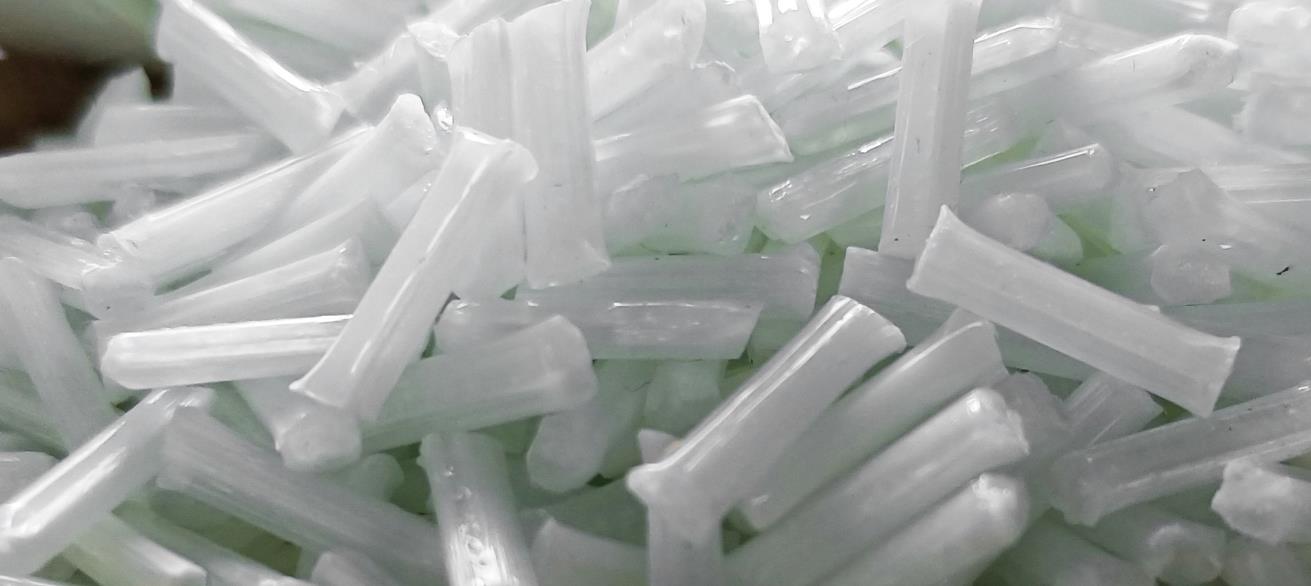
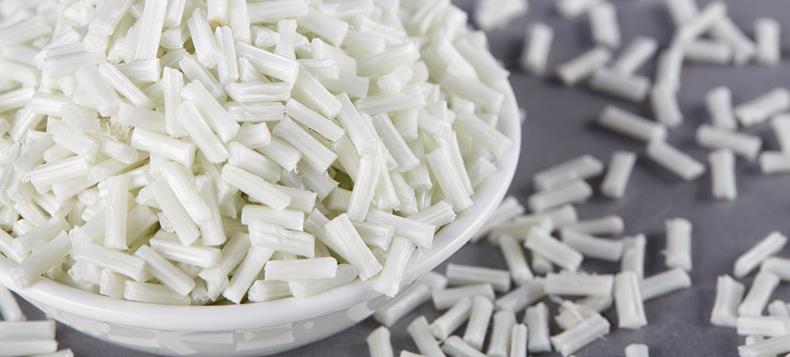
LFT-G products are typically cylindrical particles with the following characteristics:
Diameter: Approximately 3mm
Length: There are mainly two specifications
-Around 12mm: mainly used for injection molding
-About 25mm: mainly used for compression molding
Fiber distribution: Fibers are arranged along the length direction of the particles and are of the same length as the particles
VII. Flexible adjustment
LFT-G is a multi-component composite material, and its composition ratio can be flexibly adjusted according to the application scenario
Structural components: high fiber content (40% -70%), improving strength and stiffness
Thin walled products: high resin content (60% -80%), improving formability
Special functional components: add corresponding functional additives (<10%) to achieve flame retardant, conductive and other characteristics
Key proportion rule: For every 10% increase in fiber, the material strength increases by about 15-20%, but the flowability decreases by about 10-15%, requiring balanced design.
Note: The specific product formula may be adjusted due to manufacturer and application requirements, and the above ratios are within the industry wide range.
Production Process
The production process of LFT-G (Long Fiber Reinforced Thermoplastic Composite Granules) primarily utilizes the indirect method (I-LFT), forming long fiber reinforced granules through efficient impregnation and compounding of molten resin and continuous fibers. The following is a detailed analysis of its core processes, equipment, and technical characteristics:
I. Core Production Process Steps
1. Raw Material Pretreatment
Resin Preparation: Thermoplastic resin granules such as polypropylene (PP), nylon (PA), and polyphenylene sulfide (PPS) are dried using a drying system to remove moisture (e.g., PA6 needs to be dried to a moisture content <0.1%) to prevent resin degradation at high temperatures.
Fiber Preparation: Continuous fibers such as glass fibers and carbon fibers are drawn from the yarn rack, maintained at a constant tension by a tension control system, and their surface temperature is increased by a preheating device (e.g., infrared heating) to enhance their wettability with the resin.
2. Molten Resin Preparation
Twin-Screw Extruder Plasticization: Resin granules are heated to a molten state in a twin-screw extruder (e.g., 180-220℃ for PP, 230-260℃ for PA6). High-shear mixing is achieved through the screw combination, ensuring uniform plasticization of the resin.
Additive Injection: Flame retardants, toughening agents, coupling agents, etc., are added online as needed, precisely metered and mixed into the molten resin through a side-feeding system.
3. Fiber Impregnation and Composite Process
Molten Pool Impregnation: Continuous fiber bundles enter the molten resin pool through a guiding device and are completely coated with resin under dynamic pressure, forming a “resin-fiber” composite strip. For example, Nanjing Baiyou’s molten pool process can achieve a glass fiber wettability of over 98% and reduce fiber damage rate by 20%.
Die Design Optimization: Streamlined die structures (such as conical cavities) are adopted to reduce fiber flow resistance. Simultaneously, precise temperature control (±2℃) ensures stable resin viscosity, improving the impregnation effect.
4. Cooling and Pelletizing
Water Cooling and Shaping: The composite strips are rapidly cooled to below their glass transition temperature (e.g., below 50℃ for PP) using a water bath or air cooling system, solidifying into semi-rigid strips.
Precision Pelletizing: A rotary pelletizer cuts the strips into 5-25mm pellets. By adjusting the cutter speed and traction speed, consistent pellet length (error ≤ ±1mm) is ensured. For example, SEMEX’s equipment can achieve high-speed pelletizing at 60 meters/minute, with a single-line capacity of 1500 kg/h.
5. Post-Processing and Packaging
Surface Treatment: The pellets are treated with a silane coupling agent (e.g., KH550) to enhance the interfacial bonding between the fiber and resin, improving the tensile strength of the material (e.g., increasing the tensile strength of PA6-LGF30 from 120MPa to 150MPa).
Quality Inspection: Fiber dispersibility is tested using an optical microscope, mechanical properties are tested using an electronic tensile testing machine, and particle size distribution is analyzed using a laser particle size analyzer to ensure a yield rate >99%.
II. Key Equipment and Technical Parameters
| Name | Features and Characteristics | Typical parameters |
| Double screw extruder | Resin melting and mixing provide high shear force. | Length to diameter ratio (L/D) of 40-50, screw speed of 300-600rpm, motor power of 90-132kW. |
| Fiber yarn frame | Store and release continuous fiber bundles, equipped with tension control system. | Can accommodate 6-72 fiber bundles, with tension fluctuations of ≤± 5%. |
| Melt pool immersion mold head | Realize deep composite of fibers and molten resin. | The temperature control accuracy of the mold cavity is ± 2 ℃, and the fiber passing rate is 5-60 meters/minute. |
| water cooling system | Fast curing composite strip to prevent fiber slippage. | The water temperature should be controlled at 20-30 ℃, and the cooling rate should be greater than 50 ℃/second. |
| Intelligent granulator | Accurately control particle length and support non-stop tool changing. | The cutting speed is 100-500rpm, and the particle length error is ≤± 1mm. |
III. Process Optimization and Innovative Technologies
1. Online Repair Technology: When fiber bundles break, automatic fiber threading devices enable non-stop repair, increasing production efficiency by 30%. For example, Nanjing Baiyou’s equipment can complete fiber re-traction within 30 seconds, avoiding material waste caused by downtime.
2. Modular Design: The equipment adopts a modular structure, allowing for quick replacement of die heads and screw combinations. Resin switching from PP to PA can be completed within 5 minutes, adapting to the needs of multi-variety, small-batch production.
3. Intelligent Control System: Integrating a PLC controller and industrial touchscreen, the system monitors parameters such as fiber tension, melt temperature, and screw torque in real time, and automatically adjusts them using PID algorithms to ensure process stability. For example, Shengmeike’s equipment can achieve fiber content fluctuations of ≤±1%.
4. Energy-Saving Technology: Employing an intermediate cooling and waste heat recovery system, the heat generated during the cooling of molten resin is used to preheat the fibers, reducing energy consumption by 25% compared to traditional processes.
IV. Process Comparison and Application Scenarios
| Process type | Representative equipment | Fiber length (mm) | Production efficiency (kg/h) | Typical applications | Pros and Cons |
| LFT-G indirect method | Nanjing KERKE LFT-G production line | 5.0-25.0 | 500-1500 | Car battery tray, 5G base station antenna cover | Advantages: The particles are easy to store and transport, suitable for injection molding of complex shapes; Disadvantages: It requires secondary heating and has a high fiber damage rate. |
| D-LFT direct method | Nanjing Baiyou D-LFT Equipment | 10.0-25.0 | 800-2000 | Automotive front-end module, building template | Advantages: One step molding, high fiber retention rate (>80%); Disadvantages: Large equipment investment, suitable for large-scale production. |
V. Key Quality Control Points
1. Fiber Dispersion: Observe the cross-section using an optical microscope. The fibers should be uniformly distributed, with no obvious agglomeration or exposed areas. For example, the fiber dispersion rating of PA6-LGF30 should reach Grade A (ISO 178 standard).
2. Fiber Length Retention Rate: Measure the fiber length in the particles using image analysis. The average length should be ≥80% of the target value. For example, the average fiber length of PP-LGF30 should be ≥12mm (target value 15mm).
3. Mechanical Property Stability: Each batch of products needs to be tested for tensile strength, flexural modulus, impact strength, etc., with a fluctuation range of ≤±5%. For example, the tensile strength of Xiamen Changxian’s PA66-LGF50 should be stable at 247±12MPa.
VI. Development Trends
1. High-Speed Production: Equipment speed has increased from the traditional 20 meters/minute to 60 meters/minute, with single-line capacity exceeding 2000kg/h, meeting the large-scale demands of fields such as new energy vehicles.
2. Intelligent Upgrade: An AI visual inspection system is introduced to identify fiber breakage, particle defects, and other issues in real time, and a robotic arm is activated to automatically remove defective products, improving production automation.
3. Green Manufacturing: LFT-G production processes using bio-based resins (such as PLA) and recyclable fibers (such as recycled carbon fiber) are developed to promote the development of a circular economy in materials. For example, PLA-LGF20 biodegradable granules from one company have already been used in disposable tableware.
4. Functional Expansion: LFT-G materials with a thermal conductivity >2.0 W/m·K are developed through modification with nanofillers (such as graphene and carbon nanotubes) for use in 5G base station heat dissipation components.
The LFT-G production process is centered on efficient impregnation, achieving a balance between high performance and scalability through equipment innovation and intelligent control. In the future, with the decrease in carbon fiber costs and the maturation of bio-based resin technology, LFT-G will continue to make breakthroughs in lightweighting and environmental protection, becoming one of the mainstream materials for “replacing steel with plastics.”
Production Equipment
The production equipment for LFT-G (Long Fiber Reinforced Thermoplastic Composite Granules) is centered around a twin-screw extruder, combined with modules for fiber processing, impregnation and compounding, and cooling pelletizing, forming a highly automated production line. The following is a detailed analysis of its core equipment, technical parameters, and manufacturer case studies:
I. Core Equipment Composition and Functions
1. Fiber Conveying and Pre-treatment System
Fiber Yarn Frame
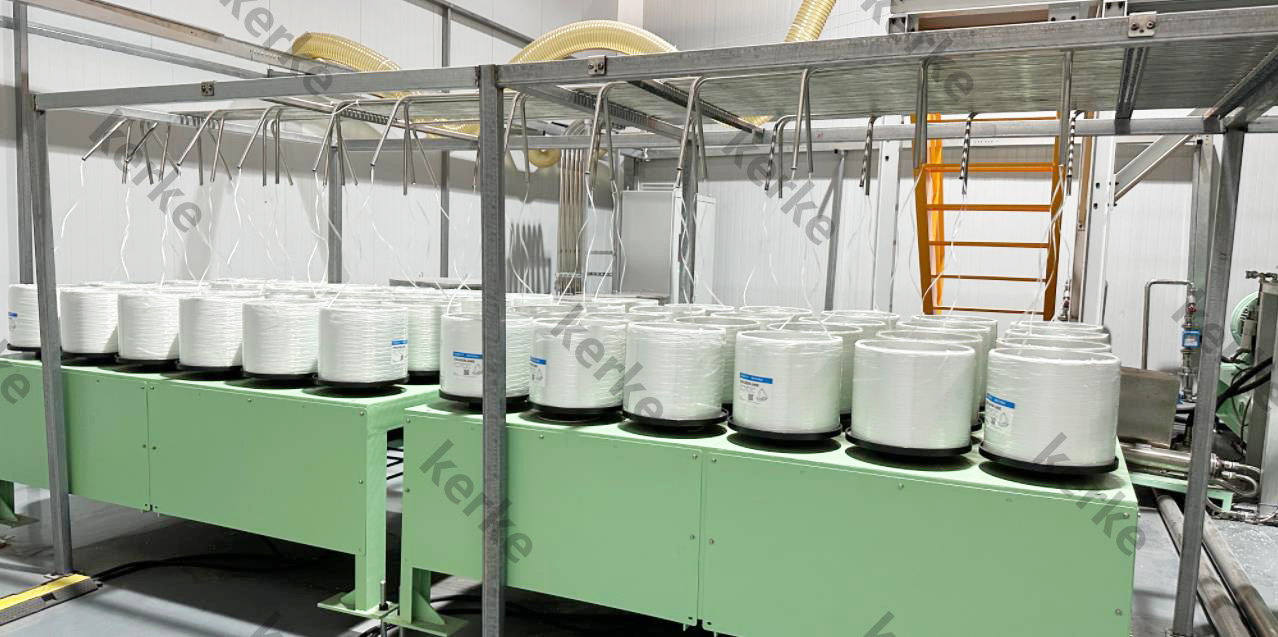
Structural Design: Utilizing single-sided or double-sided arrangement, it can accommodate 6-72 fiber yarn bobbins, supporting simultaneous unwinding of multiple fiber types such as glass fiber and carbon fiber. For example, Nanjing kerke’s yarn frame is equipped with a real-time intelligent tension control system, controlling the thickness error to ±0.05mm.
Tension Control: Through vector motor drive and a closed-loop feedback system (such as ATAMachinery’s lightweight drive yarn frame), tension fluctuations are achieved ≤±3%, preventing fiber breakage or loosening. Some high-end equipment (such as Nanjing kerke) uses a screw and nut structure, allowing synchronous adjustment of the tension of all fiber yarn bobbins via handwheels, improving efficiency and consistency.
Fiber Preheating: Integrated infrared heating device raises the fiber surface temperature to 80-120℃, enhancing resin wetting and reducing impregnation defects.
2. Twin-Screw Extruder and Melting System
Twin-Screw Extruder
Models and Parameters: Mainstream models include the Yuesheng SAT series (diameter 41-130mm, specific torque 9-13Nm/cm³, capacity 150-3500kg/h). Nanjing kerke’s LFT-G production line is equipped with a twin-screw extruder with a length-to-diameter ratio (L/D) of 40-50, supporting high-shear mixing and precise temperature control.
Functional Modules:
Feeding Section: Utilizes a large-lead screw design to ensure resin particles quickly enter the melting zone, avoiding blockage.
Melting Section: Through segmented heating (cast aluminum heating coil + PT100 sensor), temperature control accuracy is ±2℃, for example, PP resin is heated to 180-220℃, and PA6 is heated to 230-260℃.
Mixing Section: Equipped with kneading discs and reverse threaded elements to achieve uniform mixing of resin and additives, while flame retardants and coupling agents are injected through a side-feeding system.
3. Fiber Impregnation and Composite System
Melt Pool Impregnation Die
Working Principle: Continuous fiber bundles enter the molten resin pool through a guiding device and are completely coated by the resin under dynamic pressure (0.5-2MPa). Nanjing kerke’s melt pool process can achieve a glass fiber wettability of over 98%, increasing the finished product strength by 20%.
Temperature Control: The die head uses zoned heating (single-head heating tube power 1-2kW/piece), combined with a PID closed-loop control system, ensuring temperature fluctuations ≤±1℃. For example, the PPS resin die head temperature is controlled at 300-320℃.
Structural Optimization: The streamlined die cavity design reduces fiber flow resistance, while a negative pressure auxiliary system achieves 360° resin coating of the fibers, avoiding the “bare fiber” phenomenon.
4. Cooling and Pelletizing System
Water-cooled Shaping Device
Cooling Method: Utilizes a water bath or air-cooling system to rapidly cool the composite strip from its melting temperature to below its glass transition temperature (e.g., PP cooled to below 50℃), with a curing time ≤10 seconds.
Cooling Rate: Water-cooling system flow rate 5-10 L/min, air-cooling system wind speed 8-12 m/s, ensuring no adhesion on the pellet surface and stable internal fiber distribution.
Intelligent Pelletizer
Technical Parameters: Nanjing KERKE’s pelletizer supports pellet length adjustment from 5-25 mm, blade life exceeding 600 tons, and a yield rate of 99%. Shengmeike’s equipment can achieve high-speed pelletizing at 60 meters/minute, with a single-line capacity of 1500 kg/h.
Control Method: Servo motor drives the cutter, synchronized with the traction speed, with a pellet length error ≤±1 mm. Some equipment is equipped with automatic blade changing and a blockage alarm system to reduce downtime.
5. Intelligent Control System
Core Architecture: Based on a PLC controller and industrial touchscreen, integrating the following functions:
Process Parameter Linkage: Automatically coordinates parameters such as fiber tension, screw speed, and die temperature. For example, when the linear speed changes, the system automatically adjusts the pelletizer frequency to maintain stable pellet length.
Real-time Monitoring: Identifies fiber breakage and pellet defects through an AI vision inspection system, and automatically removes defective products in conjunction with a robotic arm.
Data Traceability: Integrates with the MES system to store batch production data (such as fiber content and mechanical properties), supporting full product lifecycle management.
II. Technological Innovation and Development Trends
1. High-Speed Production
Nanjing KERKE’s LFT-G production line operates at a speed of 40-60 meters per minute, with a single line capacity of 25 kg/h, improving efficiency by 30% compared to traditional equipment.
2. Intelligent Upgrade
Introducing an AI vision inspection system to analyze fiber dispersion and pellet morphology in real time. For example, Anhui Dingsu’s equipment can automatically identify “core-packing defects,” increasing the yield rate to over 99%. 3. Green Manufacturing
Developing production processes for bio-based resins (such as PLA) and recycled fibers (such as rCF), a Nanjing company’s melt-pool method equipment has achieved large-scale production of PLA-LGF20 granules, meeting EU environmental standards.
4. Multifunctional Integration
Integrating online reactive extrusion modules, such as Nanjing Baiyou’s continuous reactive devolatilization twin-screw extruder, can simultaneously complete resin modification and fiber impregnation, reducing energy consumption in intermediate steps.
III. Manufacturers and Application Cases
1. Nanjing Baiyou Extrusion Machinery
Equipment Features: Compatible with both melt-pool and die-process methods, supports multiple resin systems such as PP, PA, and PPS, with fiber content customized from 20% to 70%, exported to Europe, America, and Southeast Asia.
Application Case: Providing a PP-LGF50 battery tray material production line for a new energy vehicle customer, with fiber length retention >80% and tensile strength reaching 180MPa.
2. Chuangbo Machinery
Technical Advantages: Developed in collaboration with Beijing University of Chemical Technology, the LFT-G equipment utilizes optimized die structure technology, reducing fiber damage rate by 20%, suitable for carbon fiber reinforced materials.
Application Case: Produces PEEK-LCF30 granules for an aerospace company, used in drone wing structural components, achieving fiber dispersion grade A (ISO 178 standard).
3. Anhui Dingsu
Innovation Direction: Launches an LFT-G production line for structural component injection molding, integrating negative pressure assisted impregnation and an online image monitoring system, improving granule fiber axial distribution consistency by 30%.
Application Case: Produces PA66-LGF50 turbocharger bracket material for an automotive Tier 1 supplier, with batch-to-batch tensile strength fluctuation ≤ ±5%.
IV. Equipment Selection and Procurement Recommendations
1. Performance Matching
Select the resin system and fiber type based on the target product (e.g., automotive structural components, electronic housings). For example, PA6-LGF30 is suitable for medium strength requirements, while PPS-LGF40 is suitable for high-temperature environments.
2. Production Capacity Planning
For annual production capacities below 5000 tons, a single 1000kg/h production line is recommended. For large-scale production (>10000 tons/year), a multi-line parallel system can be configured to reduce unit energy consumption.
3. Cost Control
The investment for carbon fiber reinforcement equipment (including yarn rack and die head) is approximately 8-12 million RMB, and for glass fiber equipment, approximately 3-5 million RMB. For bulk purchases (e.g., annual purchase volume >1000 tons), a 15%-20% price discount can be requested from the manufacturer.
4. After-Sales Service
Prioritize manufacturers that provide turnkey solutions (such as Nanjing Baiyou), including process design, equipment commissioning, and personnel training, shortening the commissioning cycle to 3-6 months.
The LFT-G production equipment uses a twin-screw extruder as its core, achieving large-scale production of high-performance composite materials through the precise coordination of modules such as fiber pretreatment, melt impregnation, and cooling pelletizing. With the development of intelligent and green technologies, future equipment will evolve towards higher speeds and multi-functional integration, promoting the widespread application of LFT-G in lightweight and environmentally friendly fields. When purchasing, it is necessary to comprehensively consider production capacity, cost, and technical support to select the optimal solution that best suits one’s needs.
LFT-G Extruder Line
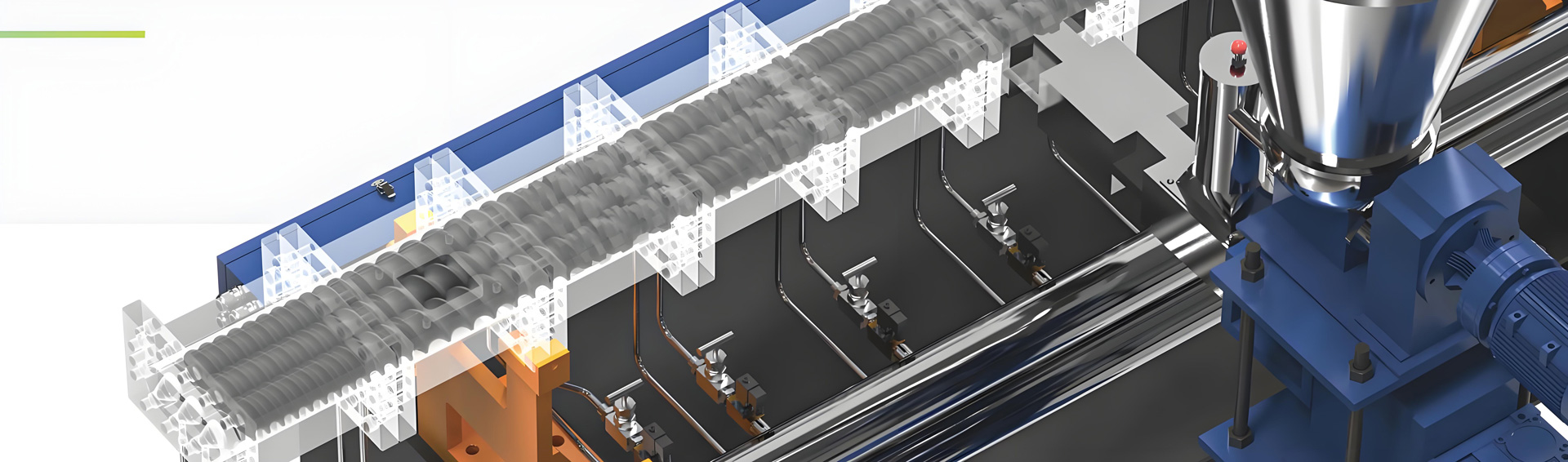
Our long glass fiber reinforced thermoplastic composite (LFT-G) production line adopts a direct production process, with a short production process and a high fiber length retention rate. It can directly convert continuous fibers into pellets, with high production efficiency. The production line uses a special fiber feeding device and a strong mixing screw.
Applications
LFT-G (Long Fiber Reinforced Thermoplastic Composite Particles) has achieved large-scale application in multiple fields due to its high strength, lightweight, and recyclability, and is continuously expanding towards high-end and intelligent applications. The following are its core application scenarios and typical cases:
I. Automotive Industry: Core Material for Lightweighting and Structural Upgrades
1. New Energy Vehicle Battery Systems
Battery Trays and Housings: Using materials such as LFT-G PP/LGF50, they can withstand long-term use in high-temperature environments up to 150℃. For example, after using PP-LGF40 material in the battery tray of a BAIC model, the weight was reduced by 54% compared to a steel tray, and it passed vibration tests (32m/s² acceleration) and high and low temperature cycling tests (-40℃ to 120℃). A company developed LFT-G PP-LGF50 battery cover material, which maintains stable performance in environments ranging from -35℃ to 115℃, and has been mass-produced and applied in models from Tesla, BYD, and other manufacturers.
Battery Module Bracket: Carbon fiber reinforced LFT-G (such as PA66-LCF30) is used in the mounting structure of high-end electric vehicle battery modules due to its high rigidity and corrosion resistance, reducing weight by more than 30% compared to aluminum alloy.
2. Body and Chassis Structural Components
Front-end Module: Integrating functions such as radiator brackets and headlight mounts, using LFT-G PP-LGF40 material, achieving a 30% weight reduction and lower production costs. For example, the front-end module of the Volkswagen ID. series models uses integrated injection molding, reducing the number of parts by 50%.
Door Inner Panel: LFT-G PA6-LGF30 material replaces traditional steel plates, reducing door weight by 25% while maintaining impact resistance. It has been applied to models such as the Mercedes-Benz EQC.
Seat Frame: PP-LGF30 material, through structural optimization design, reduces seat frame weight by 20% while meeting strength requirements, adapting to the increased range demands of new energy vehicles.
3. Engine Compartment and Thermal Management Components
Turbocharger Bracket: PA66-LGF50 material can withstand temperatures up to 250℃, reducing weight by 40% after replacing cast aluminum components. It is already used in turbocharged engines from BMW, Audi, and other manufacturers.
Intake Manifold: PPS-LGF40 material, due to its corrosion resistance and high-temperature stability, is used in diesel engine intake systems, reducing weight by 35% compared to metal components.
II. Electronics and Communications: Key Support for 5G Technology Breakthroughs
1. Core Components of 5G Base Stations
Radar Radome and AAU Housing: LFT-PP material, through modification, achieves low dielectric constant (ε≤2.5) and high weather resistance, replacing traditional PC materials and solving the problem of brittleness after long-term use. For example, Huawei’s 5G base station radome uses LFT-PP/LGF30 material, maintaining stable performance in environments ranging from -40℃ to 55℃.
Filters and Signal Supports: LFT-G PA6-LGF40 material, due to its high strength and electromagnetic shielding performance (shielding effectiveness >30dB), is used in the support structure of metal cavity filters for 5G base stations, reducing weight by 20% compared to aluminum alloys.
2. Lightweighting in Consumer Electronics
Laptop Casings: Carbon fiber reinforced LFT-G (such as PC-LCF20) reduces casing thickness to 1.2mm and weight by 15% while maintaining rigidity; it has been applied to the Apple MacBook Pro series.
Drone Structural Components: PEEK-LCF30 material, due to its high temperature resistance (260℃) and fatigue resistance, is used in drone wing frames, reducing weight by 40% and increasing range by 12% compared to aluminum alloys.
III. Buildings and Infrastructure: Innovative Choices for Green Construction
1. Building Formwork Systems
LFT Polymer Formwork: The Tsinghua University Comprehensive Experimental Building project uses imported Korean LFT formwork, which can be reused more than 60 times, reducing costs by 20% compared to traditional wooden formwork. Its surface flatness (error ≤0.5mm) and concrete forming quality are significantly improved, and it has passed the Ministry of Housing and Urban-Rural Development’s green building materials certification.
Steel Frame Formwork Panels: Beijing Tianhe’s innovative steel frame LFT formwork system uses LFT-G PP material for the panels, which can adapt to complex structural construction. Its life-cycle amortization cost is lower than that of plywood systems, and it has been applied to projects such as Beijing Daxing International Airport.
2. Municipal Engineering Components
Cable Protection Pipes: LFT-G PVC-LGF20 material, due to its corrosion resistance and high ring stiffness (≥12.5kN/m²), replaces concrete pipes in urban underground integrated pipe corridors, improving construction efficiency by 3 times.
Bridge Expansion Joints: LFT-G EPDM-LGF15 material, due to its high elasticity (elongation at break >400%) and aging resistance, replaces rubber expansion joints, extending its service life from 5 years to over 15 years.
IV. Aerospace and High-End Equipment: Strategic Materials for Performance Breakthroughs
1. Aerospace Structural Components
UAV Fuselage: PEEK-LCF30 material, due to its high strength (tensile strength > 240 MPa) and lightweight (density 1.3 g/cm³), is used in military UAV fuselages, reducing costs by 30% compared to carbon fiber composites.
Satellite Supports: LFT-G PPS-LGF40 material maintains dimensional stability in space environments (-200℃ to 150℃) and has been used in the solar panel support structure of the BeiDou satellite.
2. Lightweighting of Industrial Equipment
Industrial Robot Arms: Carbon fiber reinforced LFT-G (such as PA66-LCF40) reduces arm weight by 40% and increases movement speed by 20%, and has been applied to welding robots at Tesla’s Gigafactory.
Deep-Sea Exploration Equipment Shells: LFT-G PEEK-LGF30 material, due to its high pressure resistance (10 MPa) and corrosion resistance, is used in the observation window support of the Jiaolong deep-sea submersible, replacing titanium alloys and reducing weight by 35%.
V. Sustainable Development: A Key Vehicle for the Circular Economy
1. Material Recycling and Regeneration
Closed-Loop Recycling System: Ford Motor Company pulverizes retired LFT-G PP/LGF30 battery trays and mixes them with virgin materials in a 3:7 ratio to produce A-pillar supports for the 2024 Explorer SUV, achieving a performance retention rate of >90%.
Bio-Based Material Replacement: A Nanjing-based company developed PLA-LGF20 biodegradable granules, which have been used in disposable tableware. After disposal, under composting conditions, the degradation rate is >90% within 6 months, meeting the EU EN 13432 standard.
2. Energy-Saving Technology Integration
Waste Heat Recovery Components: LFT-G PA6-LGF40 material, with a thermal conductivity >1.5 W/m·K, is used in heat exchangers for automotive engine waste heat recovery systems, resulting in a 25% weight reduction and an 8% increase in thermal efficiency compared to metal components.
Intelligent Temperature Control Structure: LFT-G PA6 composite material (thermal conductivity > 2.0 W/m·K) embedded with a graphene thermally conductive network can be used in 5G base station heat dissipation modules, reducing energy consumption by 15% through temperature adaptive adjustment.
VI. Future Trends: Functional Integration and Technological Innovation
1. Multi-material Fusion: Hybrid fiber systems (such as glass fiber + carbon fiber) will achieve the optimal balance between performance and cost. For example, LFT-G PP/LGF20 + LCF10 material reduces cost by 10% while maintaining strength.
2. Intelligent Upgrade: Self-healing LFT-G materials, through microencapsulation of repair agents, can automatically heal when cracks propagate. They have been used in high-speed rail bridge bearings, extending lifespan by 50%.
3. Extreme Environment Applications: Ultra-high temperature LFT-G materials (such as PEEK-LGF50) can withstand temperatures up to 300℃ and will be used in aero-engine combustion chamber components, replacing nickel-based high-temperature alloys.
4. Digital Twin Design: Based on a fiber orientation prediction model using finite element analysis, this optimizes mold design, improving fiber distribution consistency in LFT-G products by 30% and achieving a yield rate exceeding 99%.
LFT-G materials, with their unique performance advantages and processing flexibility, have evolved from traditional alternatives to intelligent, multifunctional components. As carbon fiber costs decrease, bio-based resin technology matures, and recycling systems improve, LFT-G’s penetration rate in new energy vehicles, aerospace, and green building will continue to increase, becoming one of the core materials driving global industrial lightweighting and sustainable development.
Comparison
LFT-G (Long Fiber Reinforced Thermoplastic Composite Granules) exhibits significant advantages over traditional materials (metals, short fiber composites, ordinary plastics, etc.) in terms of lightweighting, mechanical properties, processing efficiency, cost, and environmental friendliness. The following is a multi-dimensional comparative analysis based on actual data:
I. Comparison with Metallic Materials
1. Lightweighting and Specific Strength Advantages
Density and Strength Relationship: LFT-G has a density of only 1.1-1.6 g/cm³, which is 1/5-1/7 that of steel and 1/2-2/3 that of aluminum. For example, 40% glass fiber reinforced PP (LFT-G PP-GF40) has a tensile strength of 150 MPa, a density of 1.19 g/cm³, and a specific strength (strength/density) of 126, significantly higher than A380 aluminum alloy (specific strength 120) and low-carbon steel (specific strength 51).
Weight Reduction Case: A new energy vehicle battery tray, after adopting LFT-G PP-LGF50 material, reduced its weight by 54% compared to a steel tray, and passed vibration tests (32m/s² acceleration) and high/low temperature cycling tests (-40℃ to 120℃).
2. Processing Efficiency and Cost Optimization
Production Cycle: LFT-G uses injection molding, with a cycle time typically less than 60 seconds per piece, while metal die casting or stamping requires multiple processes and can take several minutes. For example, the Volkswagen ID. series front-end module uses LFT-G integrated injection molding, reducing the number of parts by 50% and lowering costs by 20%.
Overall Cost: Although the raw material cost of LFT-G is comparable to that of aluminum alloy, the injection mold cost is 30%-50% lower than that of metal stamping molds, and the reduction in transportation and energy costs brought about by lightweighting further compresses the overall cost. For example, a car company used LFT-G to replace aluminum alloy in the production of seat frames, resulting in an 18% reduction in overall costs.
3. Performance Limitations and Application Boundaries
High Temperature Resistance and Conductivity: LFT-G’s long-term operating temperature is generally below 200℃ (e.g., PA6-LGF30 is 210℃), while metals can withstand much higher temperatures (e.g., aluminum alloys above 300℃). Furthermore, the conductivity of metals makes them irreplaceable in electronic components.
Corrosion Resistance and Fatigue Resistance: LFT-G shows no rust in salt spray tests (ASTM B117), but metals have superior fatigue resistance under specific environments (e.g., high temperature and high humidity). For example, engine blocks still require cast iron or aluminum alloys.
II. Comparison with Short Fiber Composites (SFT)
1. Significantly Improved Mechanical Properties
Fiber Length and Strength Relationship: LFT-G retains 80% of its fiber length after injection molding (approximately 3.2-6.4 mm), while short fiber composites (SFT) have a fiber length of only 0.1-0.5 mm. Taking PA6 as an example, the tensile strength (165-175MPa) of LFT-G PA6-LGF30 is 35%-40% higher than that of short-fiber PA6-GF15 (120-130MPa), and its impact strength is increased by 40%.
Creep Resistance and Dimensional Stability: LFT-G’s creep deformation rate at high temperatures is 60% lower than that of SFT, and its molding shrinkage rate is only 0.2%, making it suitable for high-precision structural parts (such as automotive gearbox housings).
2. Processing Technology and Cost Differences
Molding Efficiency: LFT-G injection molding does not require pre-drying, and its melt temperature range is wider (e.g., PP-LGF30 is 200-260℃, 20% wider than SFT), reducing downtime for adjustments. One company using LFT-G to produce electronic casings increased its production capacity by 25%.
Material Utilization: LFT-G scraps can be 100% recycled, with a performance retention rate of over 90%, while SFT performance deteriorates significantly after recycling. For example, Ford Motor Company pulverizes retired LFT-G battery trays and mixes them with virgin materials at a 3:7 ratio for use in the production of new car parts.
III. Comparison with Common Plastics (such as PP and ABS)
1. Superior Mechanical Properties Across the Board
Strength and Stiffness: The tensile strength of ordinary PP is approximately 20-30 MPa, while LFT-G PP-LGF30 reaches 121-148 MPa, with a flexural modulus increased to 6800-8600 MPa, making it suitable for replacing metal brackets.
Temperature Resistance and Aging Resistance: The heat distortion temperature (HDT) of ordinary PP is approximately 100℃, while LFT-G PP-LGF30 reaches 159℃ (1.8 MPa) and passes the ultraviolet aging test (no cracking after 1000 hours of QUV), making it suitable for outdoor applications (such as 5G base station antenna covers).
2. Design Freedom and Functional Integration
Complex Structure Molding: LFT-G injection molding allows for thin-walled designs (1.2mm wall thickness) and integrated molding (such as integrated snap-fits and reinforcing ribs), reducing assembly steps. For example, the Apple MacBook Pro casing uses carbon fiber reinforced LFT-G, reducing the thickness to 1.2mm and the weight by 15%.
Customized Modification: By adding flame retardants, coupling agents, etc., LFT-G can meet specific needs. For example, the corrosion resistance of PPS-LGF40 material makes it suitable for use in diesel engine intake manifolds, reducing weight by 35% after replacing metal.
IV. Comparison with Thermosetting Composites (such as SMC, BMC)
1. Recyclability and Environmental Advantages
Recycling Capacity: As a thermoplastic material, LFT-G can be melted and processed multiple times with minimal performance loss after recycling. Thermosetting materials, on the other hand, cannot be recycled, and incineration releases toxic gases. For example, the EU mandates that automotive interior materials must be 100% recyclable by 2035, making LFT-G a preferred choice.
Low VOC emissions: LFT-G production releases no harmful gases, meeting automotive interior environmental standards (such as VDA 278), while SMC molding requires solvents such as styrene.
2. Balance between processing costs and performance
Production efficiency: LFT-G injection molding cycle is short (<60 seconds), while SMC molding requires 3-5 minutes. One company using LFT-G to produce car bumpers saw a 3-fold increase in single-line capacity.
Mechanical property comparison: LFT-G’s impact strength (e.g., PP-LGF30 is 34-46 kJ/m²) is slightly lower than SMC (approximately 50-80 kJ/m²), but its flexural strength and modulus are comparable, and its cost is 20%-30% lower, making it suitable for cost-sensitive applications (such as logistics boxes).
V. Comparison with Carbon Fiber Reinforced Polymer (CFRP)
1. Balance of Cost and Performance
Cost Advantage: LFT-G carbon fiber reinforced materials (such as PA66-LCF30) cost approximately 1/3 to 1/2 of CFRP and can be mass-produced through injection molding. For example, a drone wing using PEEK-LCF30 reduces costs by 30% compared to CFRP while maintaining 80% of the strength.
Lightweight and Conductive: LFT-G density (1.3 g/cm³) is slightly higher than CFRP (1.5 g/cm³), but carbon fiber reinforced LFT-G can still achieve a 30%-40% weight reduction, and surface conductive treatment can meet electromagnetic shielding requirements (shielding effectiveness >30dB).
2. Differences in Application Scenarios
High-end Structural Components: CFRP remains irreplaceable in extreme environments such as aerospace (e.g., aircraft skin) due to its superior temperature resistance (>300℃) and fatigue resistance. LFT-G, on the other hand, is more suitable for mid-to-high-end applications such as automotive and electronics. – Production Efficiency: LFT-G injection molding has a short cycle time (e.g., 45 seconds/piece for PA66-LCF30), while CFRP prepreg molding takes several hours, making it suitable for mass production needs.
VI. Comprehensive Advantages and Applicable Scenarios of LFT-G
| Comparative items | Advantages of LFT-G | Typical application scenarios |
| Lightweight | The density is only 1/5-1/7 of steel, and the specific strength is super aluminum alloy, with significant weight reduction effect | New energy vehicle battery tray, drone body, laptop shell. |
| Mechanical properties | The tensile strength is 120-240MPa, the impact resistance is 3-5 times that of ordinary plastics, and the high temperature resistance can reach 210 ℃ | Automotive front-end module, turbocharger bracket, 5G base station filter. |
| Processing efficiency | Injection molding cycle less than 60 seconds, capable of integrating complex structures and reducing mold costs by 30% -50% | Car seat frame, electronic component housing, building template. |
| Cost optimization | The overall cost is 15% -30% lower than that of metals, and the performance retention rate of recycled materials is greater than 90% | Logistics box, home appliance casing, industrial robot arm. |
| Environmental characteristics | 100% recyclable, bio based materials (such as PLA-LGF20) have a degradation rate of over 90% within 6 months, meeting EU environmental standards | Disposable tableware, urban underground comprehensive pipe gallery, high-speed railway bridge supports. |
VII. Future Trends and Technological Innovation
1. Multi-Material Fusion: Hybrid fiber systems (e.g., glass fiber + carbon fiber) will achieve the optimal balance between performance and cost. For example, LFT-G PP/LGF20 + LCF10 material reduces cost by 10% while maintaining strength.
2. Intelligent Upgrade: Self-healing LFT-G materials, through microencapsulation of repair agents, can automatically heal when cracks propagate, extending lifespan by 50%, suitable for high-speed rail bridge bearings.
3. Extreme Environment Applications: Ultra-high temperature LFT-G (e.g., PEEK-LGF50) can withstand temperatures up to 300℃ and will be used in aero-engine combustion chamber components, replacing nickel-based high-temperature alloys.
4. Digital Twin Design: Based on a fiber orientation prediction model using finite element analysis, this optimizes mold design, improving fiber distribution consistency in LFT-G products by 30% and achieving a yield rate exceeding 99%.
With its lightweight, high-strength, high-efficiency, and environmentally friendly characteristics, LFT-G is evolving from a traditional alternative material to an intelligent, multifunctional component, becoming one of the core materials driving global industrial lightweighting and sustainable development.