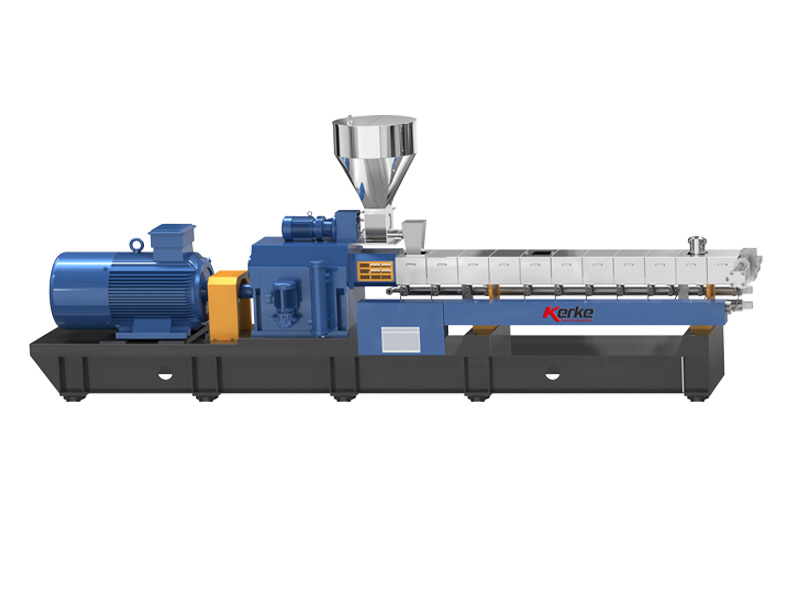
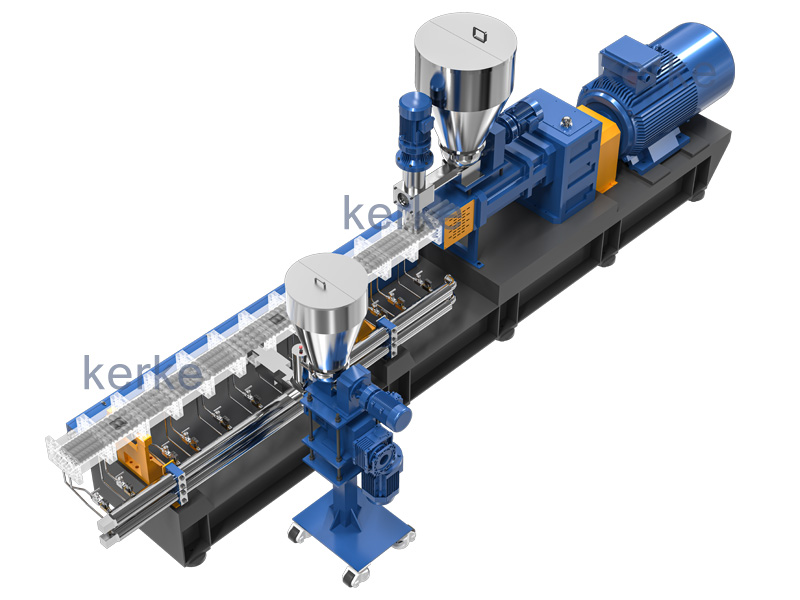
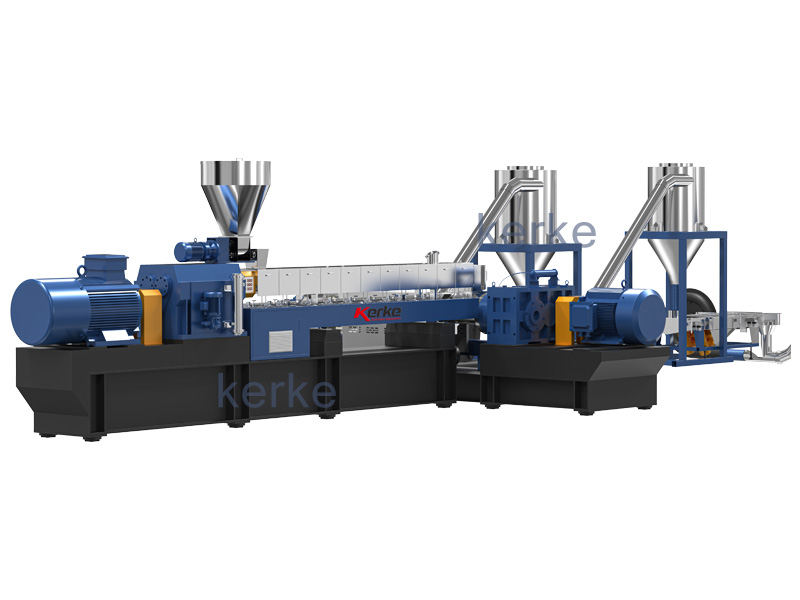
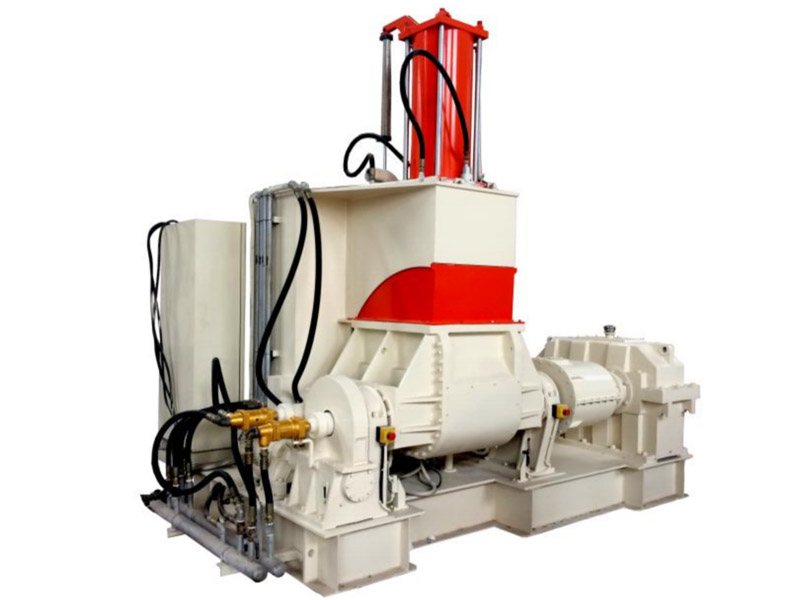
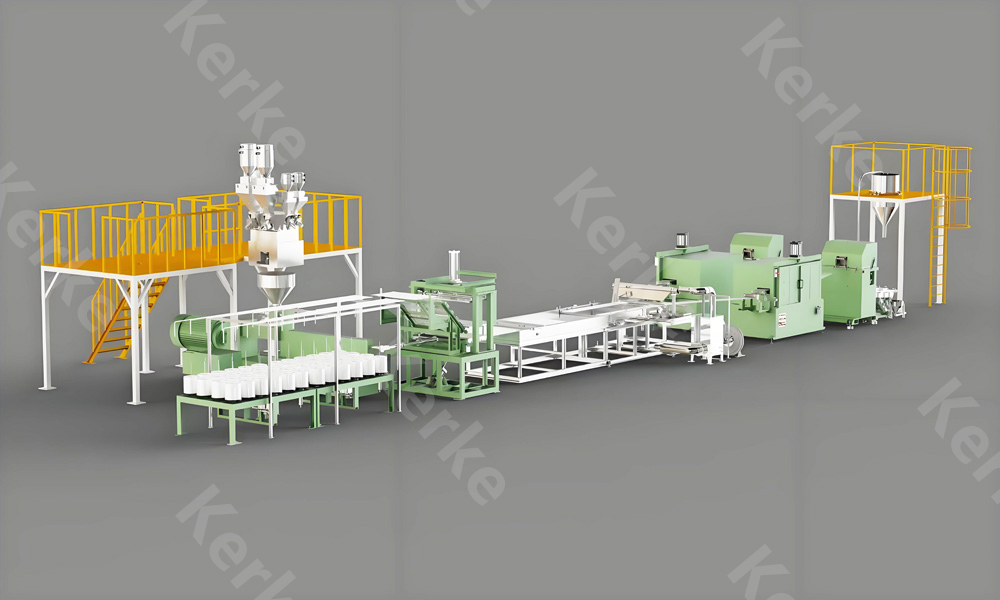
Compounding extruders operate under high pressure, high temperature, and mechanical stress conditions that require comprehensive safety systems to protect operators, equipment, and facilities. Kerke Compounding Extruder, with over 12 years of experience in parallel co-rotating compounding extruder technology, understands that safety is paramount in industrial operations. This comprehensive guide explores essential safety features that every compounding extruder should be equipped with, from emergency shutdown systems to protective guarding, ensuring safe operation while maintaining high productivity with Kerke KTE series twin screw extruders.
Emergency Shutdown Systems
Emergency shutdown systems represent the most critical safety feature on any compounding extruder. These systems enable immediate cessation of all operations when hazardous conditions are detected or emergency situations arise. Kerke twin screw extruders incorporate comprehensive emergency shutdown capabilities that include multiple emergency stop buttons strategically located throughout the equipment, automatic emergency stops triggered by safety interlocks, and controlled shutdown sequences that prevent equipment damage while rapidly reducing hazards. The emergency shutdown system must be designed to operate independently of the main control system to ensure functionality even during control system failures.
Multiple emergency stop buttons positioned at key locations enable rapid access for operators working around the equipment. Emergency stops should be located at the main control panel, at material feeding stations, near pelletizing systems, and at other operator workstations. Each emergency stop button must be clearly visible, easily accessible, and distinctly colored according to international safety standards. Kerke extruders feature multiple emergency stop positions that enable quick shutdown from any location around the equipment, meeting international safety requirements including ISO standards and regional safety regulations.
The emergency shutdown sequence should be carefully designed to stop equipment safely while minimizing hazards. Immediate cessation of screw rotation stops shear generation and reduces thermal energy input. Heating systems should be shut off to prevent continued temperature rise. Cooling systems may be activated to accelerate heat dissipation. Pelletizing systems should stop immediately to prevent hazards from rotating cutters. The controlled shutdown sequence must be completed within specified time limits to ensure rapid hazard reduction. Kerke emergency shutdown systems are engineered to provide optimal balance between rapid hazard reduction and equipment protection.
Overload and Torque Protection
Overload and torque protection systems prevent equipment damage and potential safety hazards from excessive mechanical loads. Compounding extruders operate under high torque conditions, and overload situations can lead to screw breakage, gearbox damage, or catastrophic equipment failure. Kerke twin screw extruders incorporate multiple layers of overload protection including motor current monitoring, torque limiters, mechanical overload clutches, and interlocking protection systems that prevent operation beyond safe operating limits.
Motor current monitoring provides continuous oversight of drive system loading. The control system monitors current draw from the main drive motor and compares it against preset limits. Excessive current indicating overload conditions triggers protective actions including motor speed reduction, automatic shutdown, or operator alerts depending on severity. The system must distinguish between normal load variations and dangerous overload conditions. Kerke extruders feature advanced motor current monitoring with intelligent algorithms that differentiate between legitimate load variations and hazardous overload situations.
Torque limiters provide mechanical protection against excessive torque transmission from drive motor to screw assembly. Mechanical torque limiters disengage when torque exceeds preset limits, preventing screw or gearbox damage. Electronic torque limiters monitor torque through drive system sensors and can provide pre-warning before disengagement or implement controlled speed reduction to prevent reaching dangerous torque levels. Kerke extruders can be equipped with various torque limiting systems matched to specific application requirements, providing appropriate protection while minimizing false trips.
Overload clutch protection offers additional mechanical protection, particularly for high-capacity extruders operating under demanding conditions. Mechanical overload clutches slip when torque exceeds safe limits, allowing time for controlled shutdown before damage occurs. The clutch can then be reset after the overload condition is resolved. Kerke offers overload clutch options for high-torque applications where additional mechanical protection provides enhanced safety and equipment protection.
Pressure and Temperature Monitoring
Pressure and temperature monitoring systems are essential for preventing hazardous conditions in compounding extruders. High pressures and temperatures present significant safety hazards including potential equipment rupture, material degradation, and fire risks. Kerke twin screw extruders incorporate comprehensive pressure and temperature monitoring at multiple critical locations throughout the extruder barrel, die, and pelletizing system.
Pressure monitoring at die and barrel locations provides early warning of pressure conditions that could lead to hazardous situations. Excessive pressure at the die can indicate blockages that may lead to die failure or material ejection. Pressure sensors along the barrel identify developing pressure problems before they reach critical levels. The pressure monitoring system should include both local pressure gauges for operator observation and electronic pressure transmitters for automatic monitoring and protection. Kerke extruders feature pressure monitoring at strategic locations with automatic shutdown when pressure exceeds safe limits.
Temperature monitoring at multiple barrel zones enables precise control and detection of hazardous temperature conditions. Excessive temperatures can cause material degradation, fire hazards, or thermal decomposition. Temperature sensors including thermocouples or RTDs provide continuous temperature feedback to the control system. Independent overtemperature protection provides safety even if the primary control system fails. Kerke extruders feature multiple temperature sensors in each barrel zone with redundant overtemperature protection for enhanced safety.
The temperature monitoring system must address both high temperature and low temperature conditions. High temperature protection prevents overheating hazards. Low temperature monitoring can indicate heater failures that may cause improper melting and subsequent blockages or pressure buildup. Kerke temperature monitoring systems provide comprehensive protection against both high and low temperature hazards, ensuring safe operation across the full operating temperature range.
Protective Guarding and Enclosures
Protective guarding and enclosures prevent operator contact with hazardous areas including rotating machinery, hot surfaces, and high-pressure components. Effective guarding is essential for preventing entanglement, burns, and other physical hazards. Kerke twin screw extruders feature comprehensive guarding systems designed to meet or exceed international safety standards while maintaining accessibility for operation and maintenance.
Drive system guards protect operators from rotating components including motors, gearboxes, belts, and couplings. Guards must be securely fastened and interlocked to prevent operation when guards are removed. Guard openings must be sized to prevent contact with hazardous components while allowing adequate ventilation for cooling. Kerke drive system guards are designed to provide complete protection while enabling convenient access for maintenance through lockable access doors with safety interlocks.
Barrel and die guards protect operators from hot surfaces that can cause serious burns. Extruder barrels operate at elevated temperatures that present significant burn hazards. Guards must be designed to prevent accidental contact while allowing necessary heat dissipation. Insulation behind guards can reduce surface temperatures to safer levels. Kerke barrel and die guards provide comprehensive protection against burn hazards while maintaining appropriate thermal management for optimal extrusion performance.
Pelletizing system guards protect operators from rotating cutters, flying pellets, and other hazards in the pelletizing area. Underwater pelletizing systems require guarding for water jets and potential splash hazards. Strand pelletizers require guarding for rotating knives and hot strands. Kerke pelletizing guards are designed for specific pelletizing system types, providing appropriate protection for the particular hazards presented by each system while enabling efficient pellet collection and handling.
Safety Interlock Systems
Safety interlock systems prevent operation of equipment when access doors, guards, or protective devices are not properly in place. These systems prevent operators from accidentally starting equipment during maintenance or when protective devices are removed, eliminating one of the most common causes of serious accidents. Kerke twin screw extruders incorporate comprehensive safety interlock systems covering all access points, guards, and protective devices.
Access door interlocks prevent operation when doors are open or not properly secured. Interlock switches must be tamper-resistant and designed to fail safe, preventing operation if the interlock is bypassed or fails. The interlock system should allow testing during maintenance while maintaining protection during normal operation. Kerke access door interlocks provide reliable protection with maintenance modes that enable safe testing procedures while preventing unsafe operation.
Guard interlocks ensure that protective guards are properly installed before equipment can be operated. Multiple interlock switches on each guard ensure reliable detection of guard position. Interlock circuits must be designed to meet redundancy requirements for critical safety functions. Kerke guard interlocks provide reliable protection with diagnostic capabilities that identify interlock problems before they affect safety protection.
Process interlocks prevent unsafe operating conditions including starting without proper ventilation, operating without cooling water flow, or operating with inadequate material supply. These interlocks protect equipment and prevent hazardous conditions that could lead to safety incidents. Kerke extruders feature comprehensive process interlocks that address multiple safety considerations beyond personnel protection, providing enhanced overall safety.
Material Handling Safety
Material handling systems on compounding extruders present safety hazards that must be addressed through appropriate design and protective systems. Material handling including feeding systems, conveyors, and pellet handling equipment can create pinch points, entanglement hazards, and other safety risks. Kerke provides comprehensive material handling safety solutions designed to work seamlessly with twin screw extruder systems.
Feeding system safety addresses hazards from hoppers, feeders, and material preparation equipment. Hoppers must be equipped with level indicators to prevent overfilling that could create material spillage hazards. Feeders require guarding around moving components and interlocks that prevent operation when access doors are open. Material preparation equipment including grinders, mixers, and dryers must be properly guarded and interlocked with the extruder system. Kerke feeding systems are designed with comprehensive safety features that integrate seamlessly with extruder safety systems.
Conveyor safety includes guarding of moving belts, rollers, and other conveyor components. Emergency stops must be provided at conveyor locations accessible to operators. Anti-reverse mechanisms prevent material backflow that could create hazards. Conveyor safety interlocks prevent extruder operation if conveyors are not operating correctly. Kerke conveyor systems provide comprehensive protection for all conveyor types used with compounding extruders.
Pellet handling safety addresses hazards from hot pellets, rotating collection systems, and packaging equipment. Pellet collection bins must be designed to prevent access to rotating augers or paddles. Packaging equipment including baggers and palletizers require appropriate guarding and interlocks. Hot pellet handling requires temperature monitoring to prevent fire hazards from hot pellets. Kerke pellet handling systems are designed with comprehensive safety features for all types of pelletizing and collection systems.
Electrical Safety Systems
Electrical safety systems prevent electrical hazards including shock, arc flash, and fire from electrical faults. Compounding extruders with multiple motors, heaters, and control systems present significant electrical hazards that must be comprehensively addressed. Kerke twin screw extruders incorporate electrical safety systems that meet or exceed international electrical safety standards.
Ground fault protection prevents electrical shock hazards by detecting ground faults and quickly disconnecting power. Ground fault circuit interrupters provide protection for personnel who might contact energized parts. Equipment grounding provides a safe path for fault current. Ground fault monitoring for critical circuits enables detection of developing ground fault conditions before hazardous situations develop. Kerke electrical systems incorporate comprehensive ground fault protection for all circuits presenting personnel hazards.
Arc flash protection prevents injuries from electrical arc flash incidents. Arc flash boundary markings identify areas where arc flash hazards exist. Appropriate personal protective equipment including arc-rated clothing must be provided for personnel working on energized equipment. Arc flash reduction systems including current limiting devices can reduce arc flash energy. Kerke provides arc flash hazard analysis and protection recommendations for all electrical systems on compounding extruders.
Electrical isolation through lockout-tagout systems provides protection during maintenance and repair operations. Lockout-tagout procedures prevent accidental equipment energization during maintenance work. Multiple lockout points enable isolation of different electrical systems for safety during various maintenance tasks. Kerke extruders feature comprehensive lockout-tagout capability with multiple lockout points and clearly marked isolation points for safe maintenance procedures.
Fire and Explosion Protection
Compounding extruders processing certain materials present fire and explosion hazards that require special protection systems. Organic dust, volatile components, and certain polymer systems can create fire or explosion hazards under appropriate conditions. Kerke provides fire and explosion protection systems tailored to specific application hazards based on material characteristics and processing conditions.
Dust collection and explosion prevention systems address hazards from combustible dust generated during material handling and processing. Dust collection systems capture dust at generation points to prevent dust accumulation. Spark detection and suppression systems detect sparks in conveying systems and automatically extinguish them before they can ignite dust clouds. Explosion venting safely releases overpressure from dust explosions to prevent equipment damage. Kerke provides dust collection and explosion prevention systems for applications processing materials that generate combustible dust.
Fire detection and suppression systems provide protection against fire hazards from overheating, electrical faults, or material ignition. Temperature sensors and smoke detectors provide early fire detection. Automatic fire suppression systems including water spray or chemical systems can extinguish fires before they spread. Manual fire suppression equipment must be readily accessible at all times. Kerke can design and supply integrated fire detection and suppression systems for compounding extruder installations.
Volatile material handling systems address fire hazards from volatile organic compounds or other flammable components. Proper ventilation maintains vapor concentrations below flammable limits. Explosion-proof electrical equipment prevents ignition of flammable atmospheres. Vapor detection systems monitor for flammable vapor accumulation. Kerke provides volatile material handling solutions for applications involving flammable or volatile components.
Noise and Vibration Control
Noise and vibration from compounding extruders can cause long-term health effects including hearing loss and musculoskeletal disorders. While noise and vibration are often considered comfort or environmental issues, excessive levels can create safety hazards through communication impairment, distraction, or equipment damage. Kerke twin screw extruders incorporate noise and vibration control features that maintain safe operating conditions.
Noise control addresses sound generation from motors, gearboxes, screw operation, and material handling. Noise sources should be identified and addressed through appropriate engineering controls. Acoustic enclosures can enclose particularly noisy components. Vibration isolation mounts reduce noise transmission from vibrating components. Regular maintenance prevents noise increases from worn components. Kerke extruders are designed to minimize noise generation through careful component selection and system design.
Personal hearing protection may be required for operators working in areas with noise levels exceeding occupational limits. Hearing protection including earplugs or muffs must be provided and properly used. Hearing conservation programs including audiometric testing monitor operator hearing health over time. Kerke provides noise level measurements and hearing protection recommendations for compounding extruder installations.
Vibration control prevents equipment damage from excessive vibration that could lead to safety incidents. Vibration isolation mounts reduce vibration transmission to building structures. Regular monitoring of vibration levels identifies developing problems before they cause damage. Foundation design must accommodate expected vibration levels. Kerke provides vibration control recommendations and foundation requirements for all extruder installations.
Ergonomic Design and Operator Safety
Ergonomic design of compounding extruders prevents musculoskeletal disorders, fatigue, and repetitive strain injuries that can create safety hazards through operator error or reduced performance. Ergonomic considerations include accessibility, reach distances, control panel design, and physical task requirements. Kerke twin screw extruders incorporate ergonomic design principles to enhance operator safety and performance.
Accessibility ensures that operators can safely and efficiently perform all required tasks. Platforms, stairs, and catwalks must be designed with appropriate dimensions, railings, and access points. Control panel placement and operator workstation design should minimize reaching, bending, or other physically demanding postures. Regularly accessed components should be positioned within comfortable reach zones. Kerke extruder design incorporates ergonomic accessibility considerations to reduce physical strain and enhance operator safety.
Control panel design affects operator safety through clarity, accessibility, and error prevention. Controls should be logically grouped and clearly labeled. Emergency controls must be prominently located and distinctly marked. Control surfaces should provide tactile feedback to confirm actuation. Control systems should include error prevention features that prevent inappropriate control inputs. Kerke control panels are designed following ergonomic principles to enhance operator safety and reduce error potential.
Task analysis identifies physical demands of various operator tasks and informs design improvements. Repetitive tasks should be minimized or automated where possible. Heavy lifting should be avoided through mechanical assistance. Task procedures should be designed to minimize awkward postures or physical stress. Kerke performs task analysis during equipment design to identify and address ergonomic concerns before equipment installation.
Emergency Response Equipment
Emergency response equipment including fire extinguishers, first aid kits, eye wash stations, and emergency showers must be readily available and appropriately located for compounding extruder operations. The location and type of emergency equipment must be determined based on specific hazards presented by the equipment and materials being processed. Kerke provides guidance on emergency response equipment requirements based on application-specific hazards.
Fire extinguishers must be appropriately sized and selected for the specific fire hazards presented. Different fire extinguisher types are required for different fire classes including electrical fires, combustible material fires, and flammable liquid fires. Multiple extinguishers should be located around the equipment for rapid access. Extinguishers must be regularly inspected and maintained. Kerke provides fire extinguisher selection and placement recommendations for compounding extruder installations.
First aid kits must be adequately stocked with supplies appropriate for potential injuries including burns, cuts, and other injuries that could occur during extruder operation. Kit contents should be based on specific hazards presented by the equipment. Multiple first aid stations may be required for large installations. Regular restocking and inspection ensure kits are ready when needed. Kerke provides first aid kit recommendations based on application-specific hazards.
Eye wash stations and emergency showers are required for applications handling chemicals or materials that can cause eye or skin exposure. Emergency wash equipment must be located within accessible distance from potential exposure points. Water supply must be adequate for required flush duration. Regular testing ensures equipment functionality. Kerke provides emergency wash equipment recommendations for applications requiring this safety equipment.
Safety Training and Procedures
Safety training and operating procedures are essential components of comprehensive safety systems. Equipment features alone cannot ensure safe operation without properly trained operators following established procedures. Kerke provides comprehensive safety training and procedure development as part of equipment supply and ongoing support services.
Operator training must cover equipment operation, safety systems, emergency procedures, and hazard recognition. Training should include both classroom instruction and hands-on practice with the specific equipment. Refresher training should be provided periodically to maintain safety knowledge and awareness. Training effectiveness should be evaluated through testing or demonstration of knowledge. Kerke provides comprehensive operator training programs tailored to specific equipment and application requirements.
Safe operating procedures document correct methods for equipment operation including startup, normal operation, shutdown, and emergency situations. Procedures must be clear, specific, and readily accessible to operators. Procedures should be reviewed and updated periodically based on operating experience and changing conditions. Operators must be trained on procedures and their importance for safe operation. Kerke assists customers in developing comprehensive safe operating procedures for their specific equipment and applications.
Emergency response procedures prepare operators for handling various emergency situations including fires, equipment malfunctions, injuries, and chemical spills. Procedures must be specific to the actual hazards presented by the equipment and materials. Regular emergency drills ensure operators are prepared to respond effectively when emergencies occur. Procedures must be easily accessible during emergency situations. Kerke helps customers develop emergency response procedures tailored to their specific installation and hazards.
Maintenance Safety Features
Compounding extruders require regular maintenance that presents safety hazards that must be addressed through appropriate design features and procedures. Maintenance activities including lockout-tagout, confined space entry, and high-energy system maintenance create hazards that require special protection. Kerke extruders incorporate safety features designed to protect maintenance personnel.
Lockout-tagout capability enables safe isolation of energy sources during maintenance. Multiple lockout points allow isolation of different systems as required for various maintenance tasks. Lockout devices must be provided for all energy sources including electrical, pneumatic, and hydraulic systems. Lockout procedures must be clearly documented and followed. Kerke extruders feature comprehensive lockout-tagout capability with multiple lockout points and clearly marked isolation points.
Confined space entry protection addresses hazards from entering extruder barrels, hoppers, or other confined spaces during maintenance. Entry procedures must include atmospheric testing, ventilation, and attendant requirements. Retrieval systems may be required for certain confined spaces. Entry permits must be issued following established procedures. Kerke provides guidance on confined space entry procedures for extruder maintenance activities.
Hot work safety addresses hazards from welding, cutting, or other hot work on extruder components. Fire watch must be established during hot work operations. Hot work permits must be issued following established procedures. Flammable materials must be removed or protected during hot work. Kerke provides hot work safety guidance for maintenance activities on extruder systems.
Compliance with Safety Standards
Compounding extruders must comply with various international and regional safety standards including ISO standards, CE requirements for European markets, OSHA requirements for US operations, and other regional regulations. Compliance with safety standards ensures legal compliance and provides baseline safety protection. Kerke twin screw extruders are designed to meet or exceed major international safety standards.
ISO standards including ISO 12100 for machinery safety and ISO 13849 for safety-related control systems provide international guidance for extruder safety design. Compliance with ISO standards ensures that safety systems follow internationally recognized best practices. Kerke extruder design follows ISO standards for machinery safety, control system safety, and other applicable standards.
CE marking for European markets requires compliance with the Machinery Directive and related safety standards. CE marking demonstrates that equipment meets essential health and safety requirements for sale in the European Union. Kerke extruders can be supplied with CE marking for European market customers, demonstrating compliance with applicable European safety directives.
Regional safety requirements including OSHA in the United States, CSA in Canada, and other regional regulations must be met for equipment operation in those regions. These regulations may have specific requirements beyond international standards. Kerke can provide equipment configured to meet specific regional safety requirements for international customers.
Advanced Safety Technologies
Advanced safety technologies provide enhanced protection beyond traditional safety systems. These technologies include smart safety systems, predictive safety analytics, and integrated safety management platforms. Kerke incorporates advanced safety technologies where they provide enhanced protection for compounding extruder applications.
Smart safety sensors provide advanced detection of hazardous conditions beyond traditional sensors. Thermal imaging cameras can detect overheating components before traditional temperature sensors. Vibration sensors can detect developing mechanical problems before failure. Personnel detection systems can prevent equipment startup when personnel are in hazardous areas. Kerke can integrate smart safety sensors where they provide enhanced protection for specific applications.
Predictive safety analytics analyze equipment performance data to predict developing safety problems before they cause incidents. Machine learning algorithms can detect subtle changes in equipment performance indicating developing problems. Predictive analytics enable preventive maintenance before failures cause safety hazards. Kerke is developing predictive safety capabilities that will enhance protection beyond traditional reactive safety systems.
Integrated safety management platforms provide comprehensive oversight of safety systems across multiple equipment units. Centralized monitoring of safety interlocks, emergency systems, and protective devices enables rapid detection of safety system problems. Safety analytics track safety performance trends and identify areas for improvement. Kerke provides integrated safety monitoring capabilities for installations with multiple extruder units.
Kerke Safety Solutions
Kerke offers comprehensive safety solutions for compounding extruders backed by over 12 years of experience in parallel co-rotating compounding extruder technology. The KTE series twin screw extruders, ranging from laboratory scale KTE-16B to high-capacity KTE-135D, incorporate advanced safety features designed to meet or exceed international safety standards. Kerke production series contain single screw extruder, co-rotating twin-screw compounding extruder KTE series from KTE-16B to KTE-135D, KTE/SE two-stage compounding line, KUW underwater pelletizing system, SE series single screw extruder, auxiliary equipment, etc.
Kerke computer-aided designed screw assembly is a kneading co-type with excellent self-cleaning function and good interchangeability. The extruders incorporate comprehensive safety features including multiple emergency stop systems, advanced monitoring and protection, and integrated safety interlocks. Safety is integrated into equipment design from initial concept through final manufacturing, ensuring that safety considerations are addressed throughout the equipment lifecycle.
Kerke serves customers in over 70 countries with over 2000 machines running worldwide, providing deep experience with diverse safety requirements and regional regulations. The company’s high-tech team with well-experienced R&D design, manufacturing technique, and sales service personnel ensures that customers receive comprehensive safety support from initial equipment selection through installation, startup, and ongoing operation. Kerke’s commitment to safety excellence makes them an ideal partner for compounders prioritizing operator safety and regulatory compliance.
Conclusion
Comprehensive safety features on compounding extruders are essential for protecting operators, equipment, and facilities. From emergency shutdown systems and overload protection to protective guarding and advanced monitoring technologies, each safety component plays a critical role in overall equipment safety. Kerke parallel co-rotating twin screw extruders incorporate advanced safety features designed to meet or exceed international safety standards while maintaining high productivity and processing performance.
Kerke Compounding Extruder, with extensive experience in compounding technology and global safety standards, stands ready to support compounders in achieving their safety objectives. Whether processing masterbatches, engineering plastics, biodegradable plastics, cable compounds, or other materials, Kerke provides the technology, expertise, and support needed to ensure safe operation of compounding extruders. The company’s focus on safety integrated with performance, backed by over 12 years of experience, ensures that customers receive equipment designed for safe, reliable operation.
For compounders seeking to enhance safety compliance, protect operators, and minimize safety risks, Kerke offers comprehensive safety solutions backed by global experience and local support. The combination of advanced twin screw extruder technology, comprehensive safety features, regulatory compliance expertise, and expert guidance positions Kerke as the ideal partner for achieving superior safety in compounding operations. Contact Kerke to discuss your safety requirements and discover how their extruder technology provides comprehensive safety protection for your compounding operations.