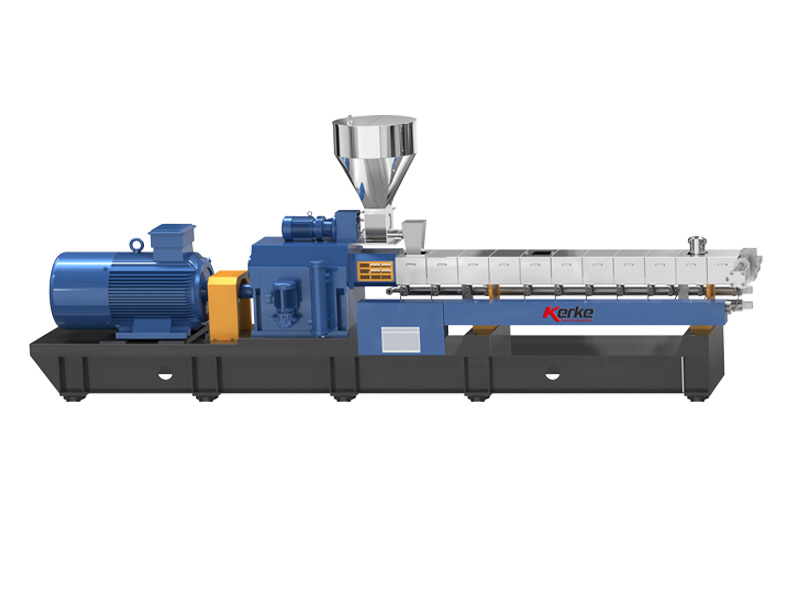
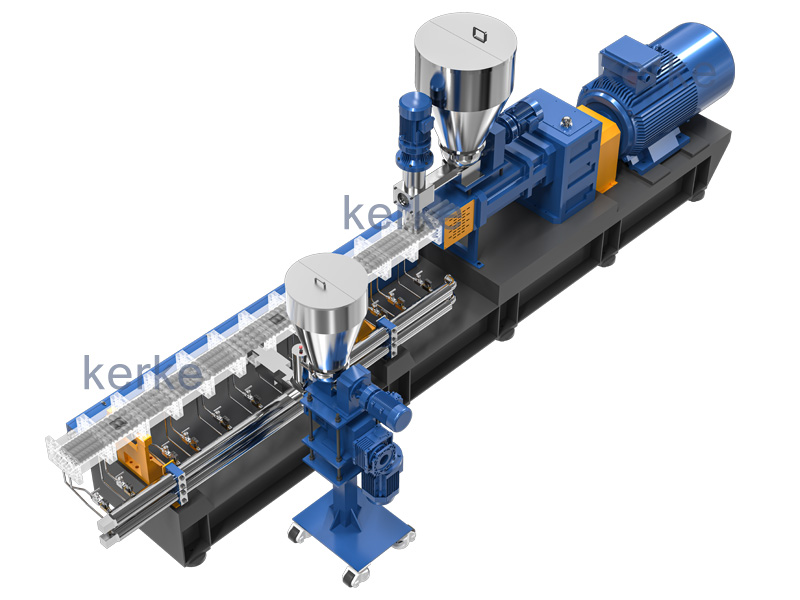
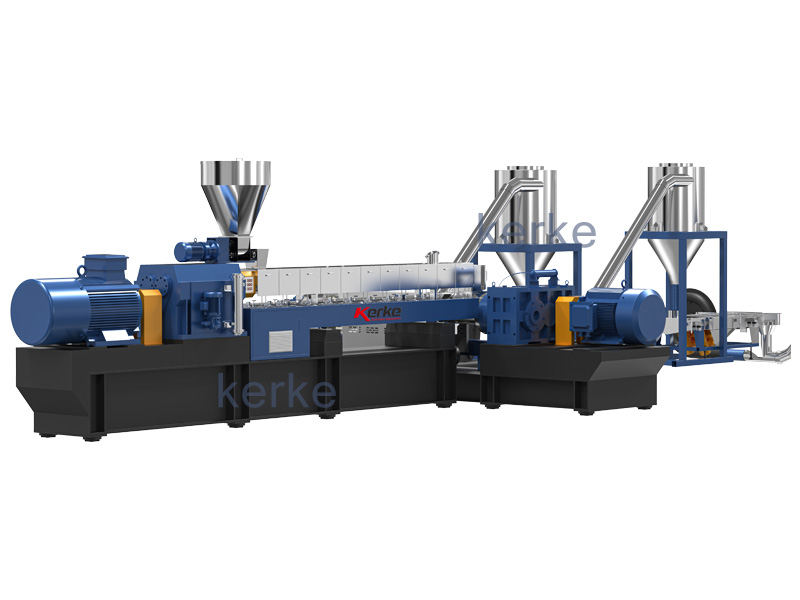
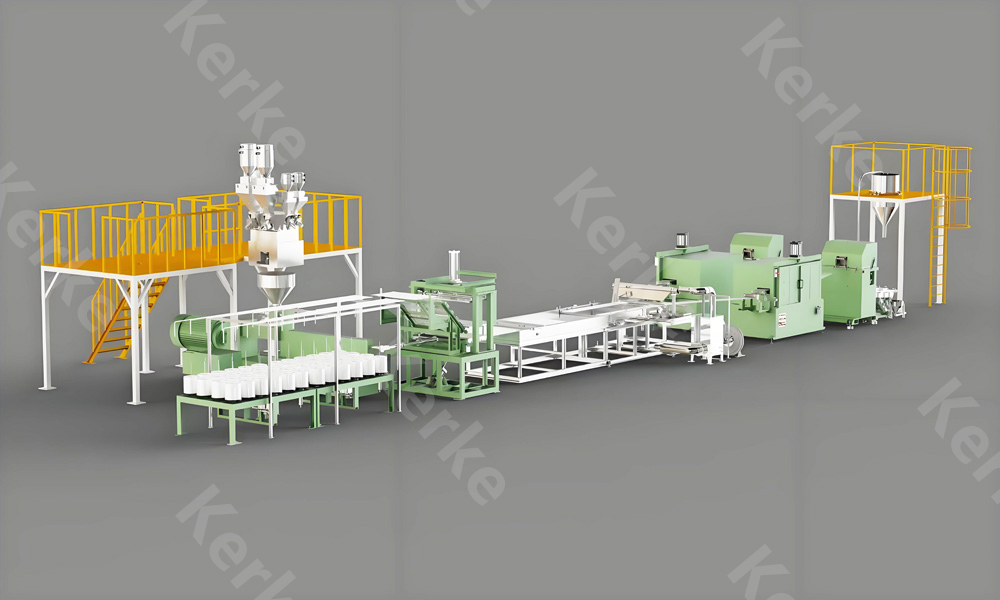
Material blockage in the feeding system of a Compounding Extruder is one of the most frustrating and costly issues that manufacturers face. This problem not only disrupts production schedules but can also lead to significant material waste, equipment damage, and reduced product quality. Understanding the root causes of feeding system blockages and implementing effective preventive measures is crucial for maintaining optimal extrusion efficiency. Kerke Extrusion Equipment Co., Ltd, with over 12 years of experience in manufacturing parallel co-rotating compounding extruders, provides comprehensive solutions to address these feeding challenges in Twin Screw Extruder systems worldwide.
Understanding the Causes of Material Blockage
The feeding system of a compounding extruder serves as the critical entry point for raw materials into the processing chamber. When blockages occur, they typically stem from multiple interrelated factors that must be identified and addressed systematically. Understanding these causes is the first step toward developing an effective prevention strategy for your Masterbatch Extruder or Compounding Extruder operations.
Material Characteristics and Flow Properties
Different materials exhibit unique flow characteristics that can significantly impact feeding performance. Fine powders, for instance, tend to bridge and arch in the feed throat due to their cohesive properties. This is particularly problematic when producing filler masterbatch using materials like calcium carbonate, talc, or titanium dioxide. These fine particles can interlock and create blockages that prevent consistent material flow into the Twin Screw Extruder. Additionally, materials with high moisture content can become sticky and adhere to the feeder walls, causing gradual buildup that eventually leads to complete blockage. Kerke’s KTE series compounding extruders are designed with optimized feeding geometries to accommodate various material characteristics, but proper material handling and preparation remain essential.
Feeding Equipment Configuration Issues
The configuration and operation of feeding equipment play a crucial role in preventing blockages. Improperly calibrated volumetric feeders can create irregular material flow patterns that contribute to bridging and rat-holing. When using gravimetric feeders, insufficient agitation or vibration can cause materials to settle and compact, reducing flowability. The feeder screw design must match the specific material properties being processed. For instance, materials that tend to bridge require feeder screws with special flight configurations and agitators to maintain consistent flow. Kerke offers multiple feeding technology options including volumetric metering systems, side feeders, crammer feeders, and loss-in-weight feeders to address different material feeding challenges in compounding extruder applications.
Environmental and Operational Factors
Environmental conditions significantly impact feeding system performance. High humidity environments can cause hygroscopic materials to absorb moisture, changing their flow properties and leading to blockages. Temperature fluctuations can affect material viscosity and behavior in the feeding system. Operational factors such as sudden changes in feed rates, inconsistent material quality, and improper start-up and shutdown procedures can all contribute to feeding problems. Additionally, inadequate cleaning and maintenance routines allow material buildup to accumulate over time, gradually restricting flow and eventually causing blockages in the Twin Screw Extruder feeding system.
Preventive Strategies for Feeding System Blockages
Implementing comprehensive preventive strategies is far more effective than dealing with blockages after they occur. Kerke Extrusion Equipment recommends a multi-faceted approach that combines proper equipment design, material preparation, operational procedures, and regular maintenance to ensure reliable feeding system performance in your Compounding Extruder operations.
Proper Material Preparation and Handling
Proper material preparation is fundamental to preventing feeding system blockages. This includes sieving materials to remove agglomerates and foreign particles that can cause blockages. For fine powders used in masterbatch production, pre-drying materials to reduce moisture content is essential. Kerke recommends storing materials in climate-controlled environments to prevent moisture absorption and temperature-induced property changes. When working with multiple materials in a compounding extruder, premixing components thoroughly can help achieve consistent bulk density and flow properties. Using flow aids or anti-caking agents for difficult materials can significantly improve feeding reliability. These additives should be selected carefully to avoid affecting the final product properties of your Twin Screw Extruder output.
Optimized Feeding System Design
The design of the feeding system must be optimized for the specific materials and production requirements. Kerke’s compounding extruders feature modular barrel sections with various feeding port configurations to accommodate different material types. The feeding throat angle and geometry should be designed to promote smooth material flow while preventing bridging and arching. For materials prone to blockages, Kerke recommends using feeding systems with built-in agitation devices such as vibrators, stirrers, or fluidization systems. The feeder screw profile should be selected based on material properties – larger flight pitches for free-flowing materials and special configurations for cohesive materials. The transition from the feeder to the extruder barrel must be smooth to prevent material accumulation at the connection point in your Compounding Extruder system.
Advanced Feeding Technology Implementation
Modern feeding technologies offer sophisticated solutions to prevent blockages. Loss-in-weight feeding systems provide precise material flow control and can detect flow irregularities before blockages occur. These systems automatically adjust feeding rates to maintain consistent throughput. Kerke’s advanced feeding systems include real-time monitoring capabilities that alert operators to potential problems before they escalate. For particularly difficult materials, crammer feeders with forced feeding mechanisms can overcome bridging and maintain consistent material flow. Vacuum or pneumatic conveying systems can eliminate many feeding system blockages by delivering material directly to the extruder throat under controlled pressure. These technologies, while requiring additional investment, can significantly improve reliability and reduce blockage-related downtime in Twin Screw Extruder operations.
Troubleshooting Common Blockage Scenarios
Despite the best preventive measures, blockages can still occur. Having a systematic troubleshooting approach helps identify and resolve issues quickly, minimizing production downtime. Kerke Extrusion Equipment has developed comprehensive troubleshooting protocols based on over 12 years of experience serving customers in 70+ countries with their Masterbatch Extruder and Compounding Extruder needs.
Identifying the Blockage Location
The first step in troubleshooting is to determine the exact location of the blockage. Is it in the feeder hopper, the feeder screw, the transfer tube, or the extruder throat? Visual inspection combined with monitoring equipment readings can help pinpoint the problem area. If the feeder motor shows increased current draw, the blockage is likely in the feeder screw mechanism. If material is not leaving the hopper but the feeder operates normally, the problem may be in the hopper itself. Understanding the location helps focus troubleshooting efforts and implement the appropriate solution for your Twin Screw Extruder feeding issue.
Gradual Flow Reduction Analysis
Gradual reduction in material flow typically indicates progressive material buildup. This situation requires a different approach than sudden complete blockages. Check for gradual changes in material properties such as moisture content, particle size distribution, or bulk density. Inspect the feeding system for wear or damage that might be causing material accumulation. Gradual blockages often respond well to minor operational adjustments such as increasing agitation frequency, adjusting feeder speed, or modifying feeding port temperature. Kerke’s technical support team recommends keeping detailed logs of material properties and feeding system performance to identify trends and predict potential blockage scenarios before they cause production stoppages in your Compounding Extruder operation.
Sudden Complete Blockage Response
Sudden complete blockages require immediate attention and a systematic response protocol. First, stop the feeder and extruder safely to prevent equipment damage. Do not attempt to force material through with increased feeder pressure, as this can cause damage to the feeder mechanism and extruder gearbox. Kerke recommends carefully clearing the blockage manually using appropriate tools and safety procedures. Once cleared, inspect the feeding system thoroughly for damage or worn components that may have contributed to the blockage. Check material samples for contamination or property changes that might have caused the sudden blockage. Restart the system gradually and monitor closely for recurrence of the problem in your Twin Screw Extruder feeding system.
Advanced Solutions and Equipment Upgrades
When standard preventive measures are insufficient, advanced solutions and equipment upgrades may be necessary to achieve reliable feeding system performance. Kerke Extrusion Equipment offers various upgrade options and custom solutions for challenging feeding applications in Masterbatch Extruder and Compounding Extruder systems.
Custom Feeding System Modifications
Kerke can customize feeding systems to address specific material challenges. This includes custom hopper designs with optimized angles and surface treatments to promote material flow. For particularly difficult materials, Kerke offers heated or cooled feeding systems to maintain optimal material properties during feeding. Special coatings on feeder components can reduce material adhesion and prevent buildup. Kerke’s engineering team works closely with customers to understand their specific feeding challenges and develop tailored solutions that integrate seamlessly with existing Twin Screw Extruder equipment.
Integration with Material Handling Systems
Integrating the feeding system with upstream material handling equipment can significantly improve reliability. Automatic bulk handling systems with dehumidification ensure consistent material properties reaching the feeder. Material conditioning systems that pre-dry and pre-condition materials before feeding can eliminate moisture-related blockages. Automated material selection and dosing systems reduce human error and ensure consistent material quality entering the Twin Screw Extruder. Kerke provides turn-key solutions that include complete material handling and feeding system integration for Compounding Extruder applications.
Monitoring and Control Systems
Advanced monitoring and control systems provide real-time visibility into feeding system performance and enable proactive problem prevention. Kerke’s modern feeding systems include pressure sensors, flow meters, and load cells that continuously monitor feeding performance. These systems can detect subtle changes in material flow and alert operators before blockages occur. Integration with plant SCADA systems enables comprehensive monitoring and data logging for trend analysis. Predictive maintenance algorithms can forecast potential issues based on performance trends and schedule maintenance before failures occur. These advanced monitoring capabilities, while representing an additional investment, can significantly reduce unplanned downtime in Masterbatch Extruder operations.
Cost Analysis and Investment Considerations
Addressing feeding system blockages requires balancing solution costs against the impact of blockages on production. Kerke Extrusion Equipment helps customers understand the true costs of feeding problems and make informed investment decisions for their Twin Screw Extruder operations.
Downtime and Production Loss Costs
The cost of feeding system blockages extends far beyond the immediate production stoppage. Consider the complete impact: lost production time, material waste, quality issues from restart procedures, labor costs for troubleshooting and clearing, potential equipment damage, and reduced equipment lifespan. For a typical Compounding Extruder producing 500 kg/hour of masterbatch valued at $2/kg, a 4-hour blockage incident represents $4,000 in lost production alone. When factoring in all associated costs, a single blockage incident can easily exceed $10,000 in total impact. Multiple blockages per month quickly add up to substantial losses that justify investment in preventive solutions.
Investment in Preventive Technology
Investment in advanced feeding technology varies based on application requirements. A basic loss-in-weight feeder upgrade for a KTE-65 Twin Screw Extruder costs approximately $15,000-$25,000, while complete feeding system overhauls can range from $30,000 to $75,000 depending on configuration and capacity. For small to medium operations, Kerke’s volumetric feeder upgrades start around $8,000-$12,000. These investments typically pay for themselves within 6-12 months through reduced downtime and improved product quality. Kerke offers financing options and can help calculate ROI based on specific operational parameters and blockage history.
Long-term Equipment Benefits
Investing in reliable feeding systems provides benefits beyond immediate blockage reduction. Consistent material feeding improves product quality and reduces scrap rates. Automated feeding systems reduce labor requirements and enable unattended operation. Advanced monitoring capabilities provide valuable data for process optimization and continuous improvement. Extended equipment maintenance intervals reduce overall operating costs. When selecting feeding system upgrades, consider the total lifecycle costs and benefits rather than just initial investment. Kerke’s team can help evaluate long-term benefits and develop a comprehensive business case for feeding system investments in your Masterbatch Extruder operation.
Kerke Solutions for Feeding System Reliability
Kerke Extrusion Equipment has developed comprehensive solutions for feeding system reliability based on extensive experience serving diverse industries worldwide. With over 2000 machines running in 70+ countries, Kerke understands the unique challenges different applications present and provides tailored solutions for Twin Screw Extruder feeding applications.
KTE Series Extruder Feeding Capabilities
Kerke’s KTE series parallel co-rotating Twin Screw Extruders are designed with feeding system flexibility in mind. The KTE-20 laboratory extruder, suitable for small-scale masterbatch development, features a compact feeding system ideal for experimentation and formula testing. Mid-range models like the KTE-50 and KTE-65 offer multiple feeding port configurations and can accommodate various feeder types. For large-scale production, the KTE-75 through KTE-135 models provide robust feeding systems capable of handling high throughput demands. All KTE series extruders feature modular barrel sections that can be configured with multiple feeding points for multi-component compounding. Prices range from $18,000 for the KTE-20 lab unit to $60,000+ for the KTE-135 production model, with feeding system configurations customized to specific application requirements.
Custom Feeding Solutions Development
Kerke’s engineering team specializes in developing custom feeding solutions for challenging applications. Whether dealing with ultra-fine powders, highly cohesive materials, or multi-component feeding requirements, Kerke can design solutions that ensure reliable feeding. This includes custom feeder screw designs, special hopper geometries, integrated material conditioning systems, and complete turn-key feeding line solutions. Kerke has experience serving industries ranging from color masterbatch production to engineering plastics compounding, cable materials, and biodegradable materials. Each application presents unique challenges that require tailored solutions developed through close collaboration with the customer.
Technical Support and Service
Beyond equipment supply, Kerke provides comprehensive technical support and service for feeding system optimization. This includes startup assistance, operator training, ongoing technical consultation, and remote monitoring support. Kerke’s service team can analyze feeding system performance data, identify improvement opportunities, and implement solutions. With over 100 team members and engineers available for worldwide service, Kerke provides responsive support when feeding issues occur. Regular maintenance programs help prevent problems before they happen and extend equipment life. For customers experiencing chronic feeding problems, Kerke offers comprehensive system audits and optimization studies to identify and resolve root causes.
Conclusion
Material blockage in Compounding Extruder feeding systems represents a significant operational challenge, but it can be effectively managed through understanding, prevention, and appropriate technology investment. By implementing the strategies outlined in this guide, manufacturers can significantly reduce blockage incidents, improve production efficiency, and reduce operating costs. Kerke Extrusion Equipment’s extensive experience and comprehensive product offerings provide customers with the solutions and support needed to achieve reliable Twin Screw Extruder operation. Whether you’re producing color masterbatch, filler masterbatch, engineering plastics, or other compounded materials, Kerke has the expertise and equipment to solve your feeding system challenges and optimize your extrusion processes for maximum productivity and profitability.