Anti-UV masterbatch and weather resistance masterbatch are essential additives for plastics used in outdoor applications, where prolonged exposure to sunlight, temperature extremes, and environmental elements can cause significant degradation of material properties. Without proper UV protection, plastics can experience discoloration, embrittlement, surface cracking, and complete failure within months of outdoor exposure. This comprehensive guide explores the world of anti-UV and weather resistance masterbatch, including working mechanisms, testing standards, application considerations, and cost-benefit analysis for industries that rely on durable outdoor plastic products.
Understanding UV Degradation in Plastics
Ultraviolet radiation from sunlight is the primary cause of degradation in outdoor plastics, accounting for approximately 60-80% of material deterioration in outdoor applications. When UV light penetrates plastic surfaces, it breaks molecular chains in the polymer, leading to a cascade of degradation processes that ultimately compromise material integrity and appearance. The degradation process typically begins with discoloration, followed by loss of mechanical properties, surface cracking, and eventually catastrophic failure.
UV radiation consists of three wavelength ranges: UVA (315-400 nm), UVB (280-315 nm), and UVC (100-280 nm). While UVC is mostly absorbed by the ozone layer, UVA and UVB radiation reach the Earth’s surface and cause the most significant damage to plastics. The rate of degradation depends on multiple factors including polymer type, UV intensity, temperature, humidity, and the presence of oxygen. For unprotected plastics, outdoor service life can be as short as 6-12 months before significant degradation occurs, while properly protected materials can last 10-20 years or longer.
The financial impact of UV degradation is substantial across multiple industries. In the automotive sector alone, UV-related failures account for approximately $8-12 billion annually in warranty claims and customer dissatisfaction. In building construction, premature weathering of plastic materials leads to maintenance and replacement costs of $25-40 billion per year globally. For manufacturers, investing in appropriate anti-UV protection typically costs $0.08-0.25 per kilogram of plastic processed, representing a small fraction of total material costs but preventing catastrophic failures and product recalls that can cost millions of dollars.
Mechanisms of UV Protection in Masterbatch
Anti-UV masterbatch employs multiple mechanisms to protect plastic materials from UV degradation. Understanding these mechanisms helps manufacturers select the optimal UV protection system for specific applications and environmental conditions. The most common UV protection mechanisms include UV absorption, free radical scavenging, and surface protection.
UV Absorbers
UV absorbers are compounds that selectively absorb UV radiation and convert it into harmless heat energy before it can damage the polymer matrix. These additives are particularly effective at blocking UV radiation in the 290-400 nm range, which covers the most damaging wavelengths from sunlight. Common UV absorbers include benzophenones, benzotriazoles, triazines, and hindered amine light stabilizers (HALS). Each class offers different absorption spectra, thermal stability, and compatibility with various polymer systems.
UV absorber masterbatch typically costs $2.50 to $8 per kilogram, depending on the specific chemistry, concentration, and base polymer. Loading levels range from 0.1% to 2% by weight, depending on the required protection level and application conditions. For most outdoor applications, loading levels of 0.5-1.5% provide adequate protection for 5-10 years of service life, while harsher conditions such as high-altitude or desert environments may require loading levels of 1.5-2.5% for equivalent performance.
Free Radical Scavengers
Free radical scavengers, particularly hindered amine light stabilizers (HALS), work by intercepting and deactivating free radicals formed during photo-oxidation before they can propagate the degradation chain reaction. Unlike UV absorbers, which must be present at the surface where UV light penetrates, HALS are distributed throughout the material and can migrate to the surface as degradation occurs, providing continuous protection even after surface depletion.
HALS masterbatch typically costs $4 to $12 per kilogram, making it one of the more expensive UV protection options. However, HALS systems offer excellent performance at low loading levels (0.05-0.5%) and work synergistically with UV absorbers to provide enhanced protection. The combination of HALS and UV absorbers is particularly effective for demanding applications requiring extended outdoor service life, often extending material longevity by 3-5 times compared to UV absorbers alone.
Carbon Black Pigmentation
Carbon black is one of the most effective and economical UV stabilizers, working by absorbing UV radiation across the entire spectrum and converting it to heat. Carbon black masterbatch provides excellent UV protection at low loading levels (0.5-2%) and offers the additional benefit of black coloration. However, the black color limits applications where aesthetics are important, and carbon black may affect electrical properties in some applications.
Carbon black masterbatch typically costs $2 to $6 per kilogram, making it the most cost-effective UV protection option for applications where black color is acceptable. In terms of cost-performance ratio, carbon black offers excellent value, providing superior protection at lower cost than most other UV protection systems. For applications requiring black color and maximum UV durability, carbon black masterbatch is often the optimal choice, costing approximately 30-50% less than equivalent UV absorber/HALS systems.
Weather Resistance Masterbatch Components
While UV protection is the primary concern for outdoor applications, weather resistance masterbatch must address multiple environmental factors including temperature extremes, moisture, ozone, and chemical exposure. A comprehensive weather resistance formulation typically includes multiple additive systems working together to provide comprehensive protection.
Heat Stabilizers
Outdoor plastics are exposed to significant temperature fluctuations, from extreme heat during summer days to freezing conditions in winter. Heat stabilizers prevent thermal degradation during processing and extend service life at elevated temperatures. Common heat stabilizers include metal soaps (barium, zinc, calcium), organotin compounds, and organophosphites. The choice of heat stabilizer depends on the polymer type, processing temperature, and required service temperature range.
Heat stabilizer masterbatch typically costs $2 to $7 per kilogram, with loading levels ranging from 0.2% to 2% depending on the specific formulation. For most outdoor applications, heat stabilizers are included in combination with UV protection systems, adding approximately 10-25% to the cost of basic UV protection. The investment in heat stabilization is justified by the prevention of thermal degradation during processing and extended service life in hot environments, which can be as short as 1-2 years without proper thermal protection.
Moisture Resistance Agents
Moisture exposure, particularly in the form of repeated wetting and drying cycles, can cause hydrolytic degradation in many polymers. Moisture resistance masterbatch includes hydrolysis stabilizers, water repellents, and moisture scavengers that protect polymers from water-induced degradation. These additives are particularly important for polymers such as polyesters and polyamides that are susceptible to hydrolytic cleavage.
Moisture resistance masterbatch typically costs $3 to $9 per kilogram, with loading levels of 0.5-2% depending on the polymer type and expected moisture exposure. For applications in coastal areas, tropical environments, or where repeated water exposure is expected, moisture resistance additives can extend service life by 2-3 times compared to unprotected materials. The cost of moisture protection is relatively small compared to the potential damage from hydrolytic degradation, which can cause catastrophic failure in as little as 6-12 months of outdoor service.
Antioxidants
Outdoor exposure subjects plastics to both thermal oxidation and photo-oxidation. Antioxidants work by intercepting free radicals formed during thermal oxidation, preventing the chain reactions that lead to material degradation. Common antioxidants include phenolic compounds, phosphites, and thioesters. Antioxidant masterbatch is typically used in combination with UV protection systems to provide comprehensive protection against both thermal and photo-oxidative degradation.
Antioxidant masterbatch typically costs $2.50 to $6.50 per kilogram, with loading levels of 0.1-1% depending on the required protection level. For most outdoor applications, antioxidants represent 10-20% of the total additive cost but provide essential protection during processing and in high-temperature outdoor environments. The cost-benefit ratio of antioxidants is excellent, as thermal oxidation can cause significant material degradation during processing alone, reducing productivity and increasing scrap rates.
Global Weathering Test Standards
Comprehensive weathering testing is essential for validating the performance of anti-UV and weather resistance masterbatch under controlled, reproducible conditions. Multiple international standards govern weathering testing, each evaluating different aspects of material performance under simulated outdoor exposure.
Accelerated Weathering Standards
ASTM G154 (Standard Practice for Operating Fluorescent Ultraviolet (UV) Lamp Apparatus for Exposure of Nonmetallic Materials) is one of the most widely used accelerated weathering standards. This test method exposes specimens to cycles of UV light, moisture, and temperature to simulate years of outdoor exposure in weeks or months. The standard specifies multiple lamp types including UVA-340 (simulating sunlight below 340 nm) and UVB-313 (emphasizing short-wavelength UV for more severe testing). Typical test durations range from 500 to 2000 hours, simulating 6 months to 4 years of outdoor exposure depending on the test conditions and application requirements.
ISO 4892 provides similar accelerated weathering standards with Part 2 covering xenon arc lamp exposure and Part 3 covering fluorescent UV lamp exposure. These standards are particularly important for manufacturers exporting to European markets where ISO certification is often required. Testing costs for accelerated weathering typically range from $300 to $1,500 per formulation, depending on the number of test specimens, duration, and required evaluation criteria.
Natural Weathering Standards
ASTM G7 (Standard Practice for Atmospheric Environmental Exposure Testing of Nonmetallic Materials) governs natural outdoor exposure testing. While accelerated tests provide rapid results, natural weathering testing is essential for validating laboratory results and understanding real-world performance. Natural weathering sites are established in various climates including subtropical, desert, industrial, and marine environments to simulate different outdoor conditions. Typical natural weathering test durations range from 12 to 48 months, providing data that directly correlates with expected service life.
For manufacturers, natural weathering testing requires significant investment in test sites and specimen management. Establishing and maintaining multiple weathering test sites costs $50,000 to $200,000 annually, including site rental, specimen handling, and periodic evaluation. However, this investment is justified for critical applications where service life predictions must be accurate and material failures can have severe consequences.
Performance Evaluation Standards
Multiple standards govern the evaluation of weathered materials, ensuring consistent measurement of degradation across different laboratories and manufacturers. ASTM D4329 (Standard Guide for Exposure of Plastics to Laboratory Fluorescent UV-Condensation Light) provides guidance on exposure conditions and evaluation methods. ASTM D4587 (Standard Practice for Fluorescent UV-Condensation Exposures of Paint and Related Coatings) applies specifically to coatings, which are commonly used on outdoor plastics for additional protection.
Evaluation parameters typically include color change (measured by colorimeter or spectrophotometer), gloss retention, surface cracking (visual inspection or microscopy), and mechanical property retention (tensile strength, elongation at break, impact strength). Color change is measured in Delta E units, with Delta E values greater than 3-5 typically indicating perceptible discoloration that may be unacceptable for many applications.
Application-Specific Requirements
Different applications have unique requirements for weather resistance based on the expected service conditions, performance criteria, and end-use environment. Understanding these application-specific requirements is essential for selecting the optimal weather resistance masterbatch system.
Automotive Exterior Components
Automotive exterior components including bumpers, trim, mirrors, and lighting assemblies are subjected to some of the most severe outdoor exposure conditions. These components must maintain appearance and mechanical properties for 10-15 years while exposed to temperature ranges of -40°C to 80°C, high UV intensity at all altitudes, and exposure to road chemicals and salt spray in coastal regions. The automotive industry typically requires weather resistance testing that simulates 10-15 years of service life, with failure criteria including Delta E values less than 5-8 and retention of at least 70-80% of original mechanical properties.
For automotive applications, anti-UV masterbatch typically represents 1-3% of total material cost, depending on the polymer and performance requirements. However, the cost of inadequate UV protection is substantial, with warranty claims for weathering-related failures in the automotive industry averaging $2,000-5,000 per vehicle. Investing in comprehensive weather protection systems, typically costing $0.15-0.35 per kilogram of plastic, prevents costly recalls and maintains brand reputation in the highly competitive automotive market.
Building and Construction Materials
Building and construction plastics including roofing membranes, window profiles, decking, and piping must endure decades of outdoor exposure with minimal maintenance. Service life requirements for construction materials typically range from 20-50 years, depending on the specific application and local building codes. Weather resistance requirements include excellent UV stability, minimal color shift over extended periods, and retention of mechanical properties to ensure structural integrity throughout the design life.
For construction materials, anti-UV and weather resistance masterbatch typically costs 2-5% of material cost, with loading levels adjusted to achieve the required long-term performance. Building codes and certification programs such as ASTM D4229 (Standard Specification for Rigid Poly(Vinyl Chloride) (PVC) Siding) and ISO 9001 quality systems require verification of weather resistance performance through accelerated testing programs. Testing costs for construction materials typically range from $500 to $3,000 per formulation, including multiple test specimens and evaluation criteria.
Agricultural Applications
Agricultural plastics including greenhouse films, mulch films, irrigation tubing, and crop covers are exposed to intense UV radiation in many regions, particularly at higher elevations and in tropical climates. These applications typically require 1-5 years of service life, depending on the specific product and regional growing seasons. In addition to UV resistance, agricultural plastics must maintain flexibility at low temperatures, resist chemical degradation from fertilizers and pesticides, and provide optical clarity for light transmission in some applications.
For agricultural applications, anti-UV masterbatch typically represents 1-2% of material cost for greenhouse films and 2-4% for mulch films. The high UV exposure in agricultural applications necessitates higher loading levels of UV protection, typically 1.5-3% by weight. While these costs are significant relative to total material cost, the benefits of extended service life include reduced replacement costs, increased crop yields due to consistent light transmission, and reduced waste from discarded materials.
Outdoor Furniture and Leisure Products
Outdoor furniture, playground equipment, and leisure products are exposed to varied weather conditions depending on geographic location and seasonal variations. These applications must maintain appearance and mechanical integrity while often experiencing direct human contact and potential abuse. Service life requirements typically range from 5-15 years, depending on product quality and price point. Consumers expect minimal color fading, surface cracking, or loss of structural strength throughout the product lifetime.
For outdoor furniture applications, weather resistance masterbatch typically costs 1.5-3.5% of material cost. The consumer market is particularly sensitive to appearance retention, with Delta E values of 3-5 or less considered acceptable for premium products. Testing requirements vary by retailer and market, with many major retailers requiring accelerated weathering testing simulating 5-10 years of outdoor exposure before product approval.
Processing Considerations for Anti-UV Masterbatch
Successfully incorporating anti-UV and weather resistance masterbatch into plastic products requires careful consideration of processing parameters and equipment requirements. Proper processing ensures optimal dispersion of UV protection additives and maintains their effectiveness throughout the manufacturing process and service life.
Temperature Management
Many UV protection additives, particularly HALS and certain UV absorbers, can degrade or lose effectiveness if exposed to excessively high temperatures during processing. Processing temperatures should generally be kept 10-20°C below the maximum recommended temperature for the specific UV protection system. For most polymers with UV protection additives, processing temperatures of 180-260°C are typical, depending on the polymer type.
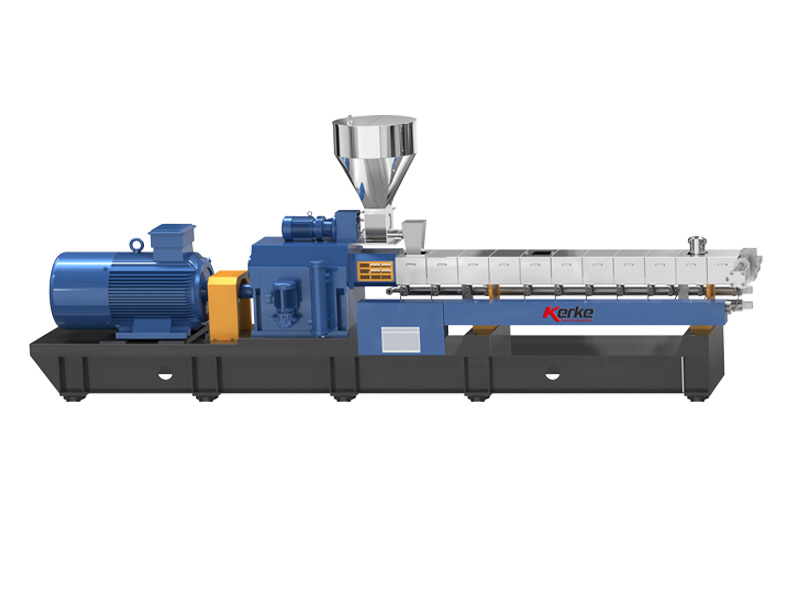
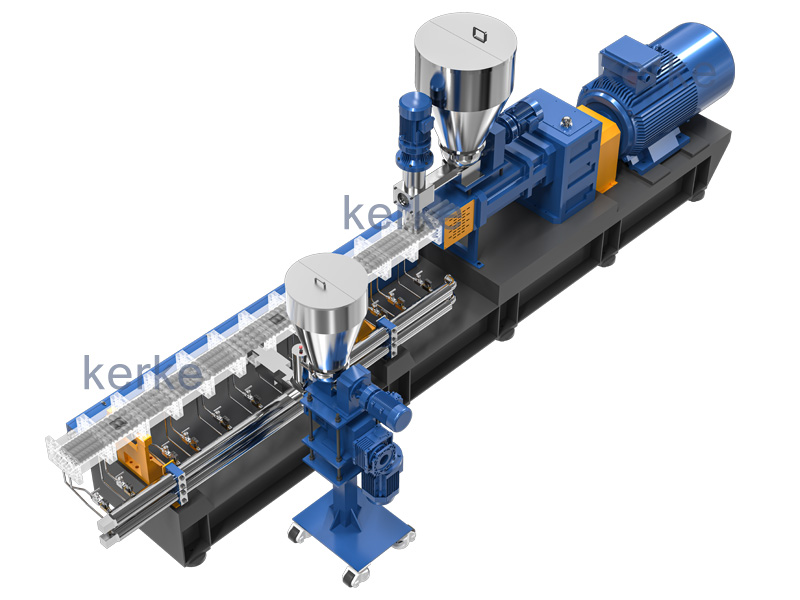
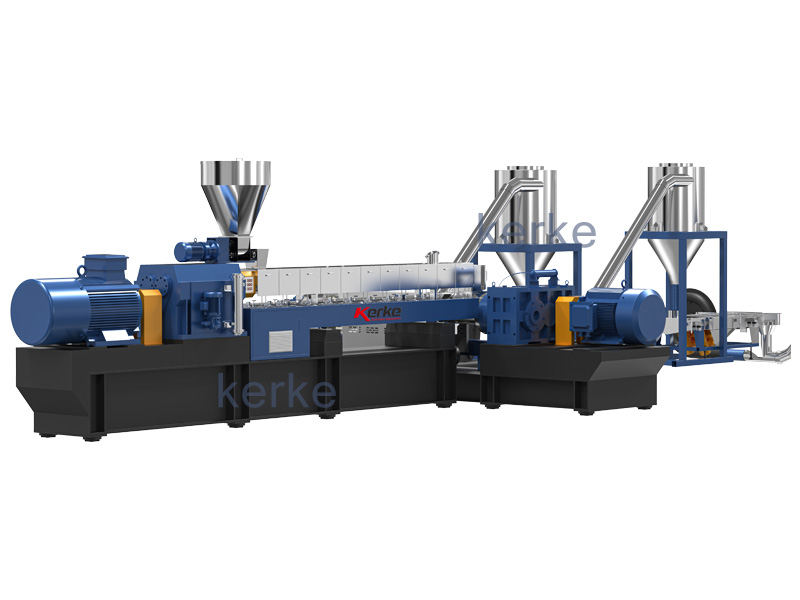
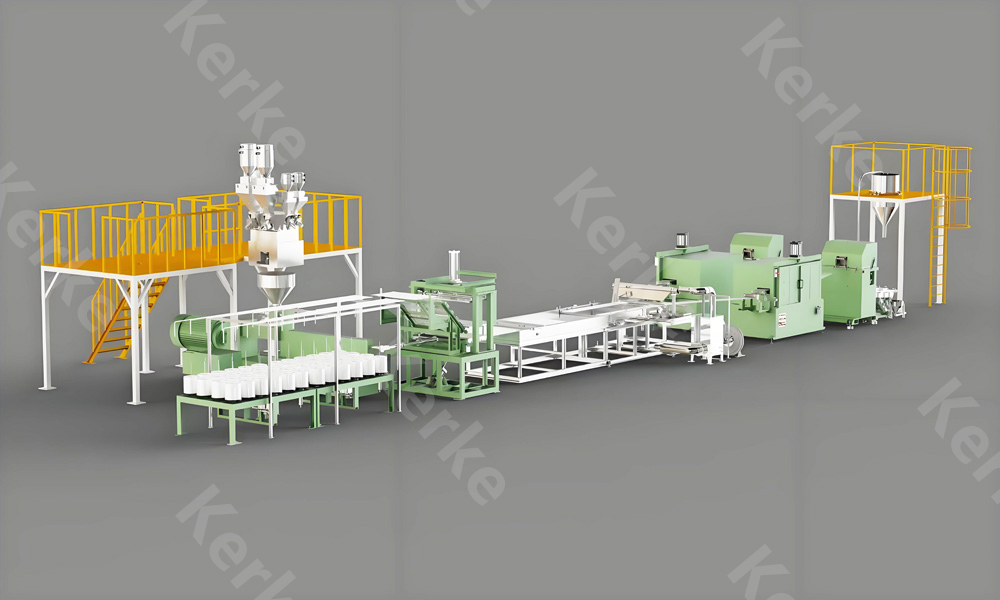
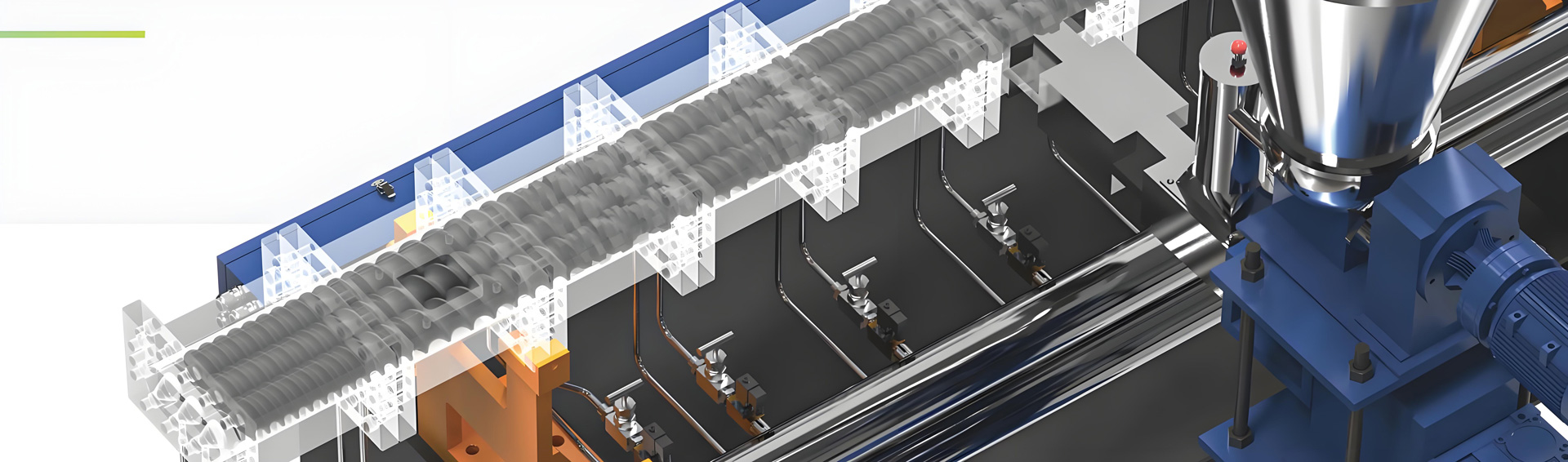
Modern twin-screw extruders from manufacturers like Kerke provide precise temperature control and can maintain temperature uniformity within plus or minus 2-3°C across the length of the barrel. This precise temperature control is essential for preserving UV protection additive effectiveness and ensuring consistent product quality. Kerke’s KTE Series twin-screw extruders, specifically designed for masterbatch production, offer optimal temperature control and mixing capabilities for processing sensitive UV protection additives.
Additive Dispersion
Uniform dispersion of UV protection additives throughout the polymer matrix is critical for consistent weather resistance performance. Poor dispersion can result in localized areas with insufficient UV protection, leading to premature material failure in those areas. Modern compounding equipment with high mixing intensity and controlled residence time ensures uniform additive distribution even at low loading levels.
The cost of high-quality compounding equipment for processing anti-UV masterbatch typically ranges from $85,000 to $150,000 for a twin-screw extruder, depending on screw diameter, length-to-diameter ratio, and level of automation. While this represents a significant investment, the benefits in terms of product consistency, reduced scrap rates, and optimized additive loading provide a strong return on investment. For processors producing high volumes of weather-resistant plastics, investment in advanced compounding equipment typically pays for itself within 12-24 months through improved efficiency and reduced additive costs.
Material Compatibility
UV protection additives must be compatible with the base polymer and any other additives used in the formulation. Incompatibility can lead to additive migration, blooming, surface defects, or reduced mechanical properties. Testing compatibility through small-scale trials before full-scale production is essential for avoiding costly formulation problems.
Compatibility testing typically costs $200-500 per formulation, including material preparation and evaluation. For complex formulations with multiple additives, compatibility testing can identify potential issues before production, preventing scrap rates of 10-30% that commonly result from incompatible formulations. Working with additive suppliers who provide technical support and compatibility data can significantly reduce testing requirements and development time.
Cost-Benefit Analysis of Weather Resistance
Investing in appropriate anti-UV and weather resistance masterbatch represents a cost that must be justified through extended service life, reduced maintenance, and improved product performance. Understanding the cost-benefit relationship helps manufacturers optimize weather protection strategies for specific applications and market requirements.
Material Cost Analysis
The cost of anti-UV and weather protection additives typically represents 1-5% of total material costs for most outdoor plastic applications. For high-performance applications requiring extended service life, additive costs may reach 5-8% of material costs. However, the total cost of ownership, including material costs, manufacturing costs, and product lifetime costs, typically favors investment in comprehensive weather protection systems.
For example, a plastic component costing $2.00 per kilogram with 2% additive cost ($0.04 per kilogram) that achieves 10-year service life compares favorably to a component costing $1.90 per kilogram with 0.5% additive cost ($0.0095 per kilogram) that achieves only 3-year service life. Over the 10-year period, the first component requires one replacement, while the second requires three replacements, resulting in total material costs of $2.04 per kilogram versus $5.70 per kilogram for the second component. The savings of 64% in material costs justifies the initial investment in better weather protection.
Manufacturing Efficiency Benefits
High-quality anti-UV masterbatch can improve manufacturing efficiency by reducing processing problems and scrap rates. UV protection additives that also function as heat stabilizers can extend processing windows and allow higher throughput without thermal degradation. The reduction in scrap rates from 5-10% to 1-3% typical of well-formulated materials represents significant savings for high-volume production.
For a production line processing 1,000 kg per hour of plastic material, reducing scrap rate from 7% to 2% saves 50 kg per hour of material worth $100-200 per hour (assuming $2-4 per kilogram material cost). Over a 4,000-hour production year, this represents $400,000-800,000 in annual savings, far exceeding the $0.08-0.25 per kilogram cost of UV protection additives.
Warranty and Liability Reduction
Adequate weather protection significantly reduces warranty claims, product returns, and liability exposure for outdoor products. For manufacturers, the cost of warranty claims for weathering failures typically ranges from 2-5% of product revenue annually. Comprehensive weather protection systems can reduce these claims by 60-80%, resulting in substantial savings and improved customer satisfaction.
For a company with $50 million in annual revenue for outdoor products and 3% warranty claims ($1.5 million annually), reducing claims by 70% through improved weather protection saves $1.05 million annually. This savings far exceeds the additive costs for weather protection, which might total $500,000-1 million annually for similar production volumes, representing an excellent return on investment.
Environmental and Sustainability Considerations
As environmental concerns grow, the impact of UV protection additives on plastic recyclability and environmental footprint has become an important consideration. Developing sustainable weather resistance solutions is an active area of research and development in the plastics industry.
Recycling Compatibility
UV protection additives can potentially affect the recyclability of plastic materials. Some additives may interfere with recycling processes or degrade during multiple processing cycles, reducing the quality of recycled material. Developing UV protection systems that maintain effectiveness through multiple recycling cycles is essential for supporting circular economy initiatives in the plastics industry.
Testing the recyclability of UV-protected materials typically involves subjecting the material to multiple processing cycles and evaluating retained mechanical properties and UV resistance after each cycle. For applications requiring recyclability, selecting UV protection additives that demonstrate minimal degradation after 3-5 recycling cycles is recommended. The cost of recyclability testing typically ranges from $300-800 per formulation.
Environmental Impact Reduction
Extended product service life through effective UV protection reduces the environmental impact of plastic products by delaying disposal and reducing the need for replacement materials. A plastic component that lasts 15 years rather than 5 years requires 66% fewer resources and generates less waste over its lifetime. This extended service life contributes significantly to sustainability goals and can be quantified in environmental impact assessments.
For example, a plastic building component requiring 50 kg of material with a 20-year service life generates 50 kg of waste over 20 years, while an equivalent component with 5-year service life requires 200 kg of material over the same period, generating 200 kg of waste. The 75% reduction in material consumption and waste generation represents a substantial environmental benefit that can be communicated to environmentally conscious consumers.
Future Trends in Weather Resistance Technology
The field of weather resistance masterbatch continues to evolve with new technologies addressing performance, cost, and sustainability concerns. Staying informed about emerging trends helps manufacturers prepare for future market demands and technology adoption.
Nanotechnology in Weather Protection
Nanomaterials including nano-clays, carbon nanotubes, and graphene oxide are being explored for weather resistance applications. These materials can provide enhanced UV protection and barrier properties at very low loading levels (0.1-1% by weight) compared to traditional additives. While still in early commercialization stages, nanocomposite weather protection systems offer potential for reduced additive costs and improved performance characteristics.
The cost of nanomaterial additives currently ranges from $20-200 per kilogram, significantly higher than traditional UV protection additives. However, the very low loading levels required can make these systems cost-competitive for high-performance applications. As production scales and technology matures, costs are expected to decrease, making nanocomposite weather protection increasingly accessible for mainstream applications.
Self-Healing Weather Protection
Self-healing coatings and additives that can repair UV-induced damage when exposed to specific triggers (such as sunlight, heat, or moisture) are under development. These systems could potentially extend service life beyond traditional weather protection methods by actively repairing micro-cracks and surface damage before they propagate into material failure. While still primarily in research stages, self-healing weather protection represents an exciting frontier in the field.
Bio-Based UV Protection
Development of bio-based UV absorbers and stabilizers derived from renewable sources is addressing sustainability concerns in the industry. These additives, which may be based on natural compounds like flavonoids, lignin derivatives, or bio-synthesized compounds, offer the potential for improved environmental profiles while maintaining effective UV protection. As bio-based additive technology matures, costs are expected to become competitive with petrochemical-based additives, providing manufacturers with sustainable options for weather protection.
Supplier Selection and Technical Support
Choosing the right anti-UV and weather resistance masterbatch supplier is critical for achieving optimal product performance and supporting technical requirements. Evaluating potential suppliers based on multiple criteria ensures reliable supply, consistent quality, and comprehensive technical support.
Technical Expertise and R&D Capabilities
Suppliers with strong technical expertise and in-house R&D capabilities can provide customized formulations for specific applications and help optimize performance-cost ratios. Look for suppliers with application laboratories capable of conducting weathering testing and material characterization to support product development. The value of technical support services often exceeds the small premium charged by suppliers with stronger technical capabilities.
Technical support services typically represent an additional 5-15% cost premium but can reduce development time by 30-50% and improve final product performance. For manufacturers bringing new products to market, the time savings and performance improvements justify the investment in supplier technical support.
Quality Assurance and Consistency
Consistent product quality is essential for manufacturers relying on anti-UV masterbatch for critical applications. Look for suppliers with ISO 9001 certification, rigorous quality control processes, and documented batch-to-batch consistency. Requesting certification data, test reports, and samples for evaluation before committing to large orders helps ensure product quality meets requirements.
Quality-related issues can result in scrap rates of 10-30% and product failures that cost millions of dollars in warranty claims and recalls. The small premium for quality-certified suppliers typically 3-8% is a worthwhile investment compared to the potential costs of quality failures.
Supply Chain Reliability
Reliable supply chain management is critical for high-volume production. Look for suppliers with multiple production facilities, ample inventory, and contingency plans for supply disruptions. Establishing long-term supply contracts with volume commitments can secure favorable pricing and priority allocation during supply shortages.
Supply disruptions can cause production shutdowns costing $50,000-500,000 per day depending on the scale of operations. Investing in supplier relationships and supply chain security through multiple sources, inventory buffers, and long-term contracts helps ensure continuous production and mitigate disruption risks.
Conclusion
Anti-UV and weather resistance masterbatch are essential components for ensuring the long-term performance and reliability of outdoor plastic products. As applications become more demanding and regulatory requirements more stringent, the importance of high-quality weather protection systems continues to grow. For plastic manufacturers, investing in appropriate weather protection represents a strategic investment that pays dividends through extended product life, reduced warranty costs, improved customer satisfaction, and enhanced market competitiveness.
Understanding the various UV protection mechanisms, testing standards, and application requirements enables manufacturers to select optimal weather resistance solutions for specific products and markets. Working with experienced suppliers and investing in advanced compounding equipment like Kerke’s KTE Series twin-screw extruders ensures consistent product quality and optimal additive performance.
As the industry continues to evolve, adoption of new technologies and sustainable practices will be key to meeting future challenges and maintaining leadership in the global market for weather-resistant plastic materials. The investment in anti-UV and weather resistance masterbatch is not just a cost of doing business, but an investment in product performance, customer satisfaction, and long-term business success.