The global plastics industry continues to evolve at an unprecedented pace, driven by increasing demand for high-performance polymer materials across automotive, packaging, construction, and consumer goods sectors. As manufacturers seek ways to improve production efficiency, reduce operational costs, and maintain consistent product quality, the selection of appropriate compounding equipment has become a critical strategic decision. A fully extrusion extruder line represents a significant capital investment that can fundamentally transform your manufacturing capabilities, enabling you to produce specialized polymer compounds with superior consistency and reduced labor requirements. Understanding how to evaluate and select the right fully extrusion extruder for your specific needs requires comprehensive knowledge of the technical factors, cost considerations, and operational requirements that drive successful manufacturing operations. The equipment you choose will determine your production capabilities for years to come.
Choosing the right compounding extruder line requires careful evaluation of multiple technical and commercial factors, from throughput capacity and screw configuration to energy consumption and long-term maintenance considerations. This comprehensive guide walks you through the essential criteria for selecting a fully automatic extruder that aligns with your production requirements, budget constraints, and growth objectives. Whether you are establishing a new manufacturing facility or upgrading existing compounding equipment, understanding these key factors will help you make an informed investment decision that delivers measurable returns over the lifecycle. The selection process should be systematic and thorough.
What Is a Fully Automatic Compounding Extruder Line?
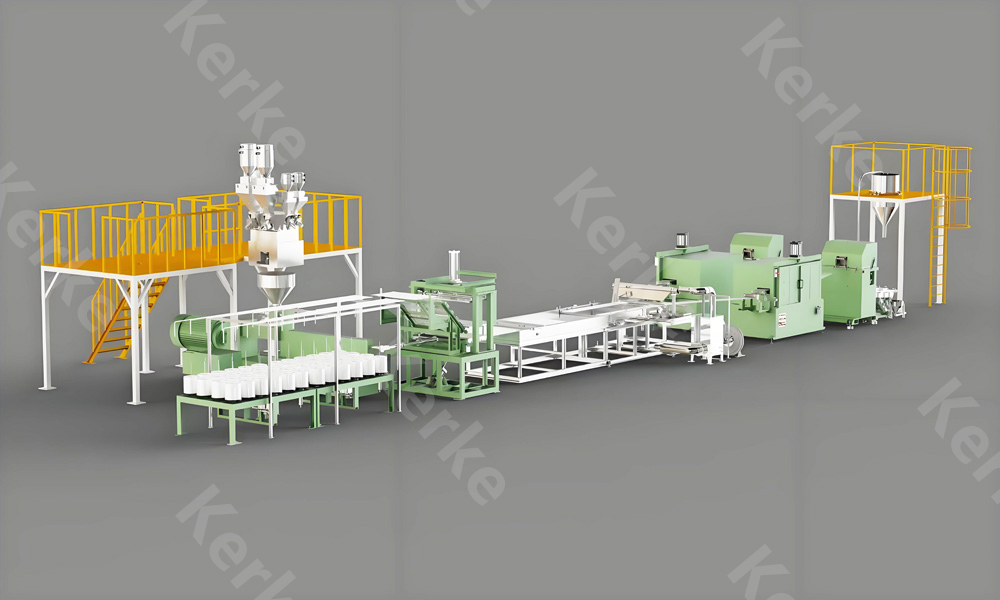
A fully extrusion extruder line is an integrated manufacturing system designed to blend, melt, mix, and shape polymer materials with minimal human intervention. Unlike manual or semi-automatic systems, fully automatic lines incorporate advanced control systems, automated feeding mechanisms, and real-time monitoring capabilities that ensure consistent product quality while maximizing production efficiency. These systems represent the state-of-the-art in polymer processing technology, offering manufacturers the ability to produce complex compound formulations with precision and repeatability. The extrusion capabilities of modern extrusion lines enable manufacturers to achieve production targets while maintaining tight quality specifications that meet or exceed customer expectations in manufacturing.
Core Components of Modern extrusion systems
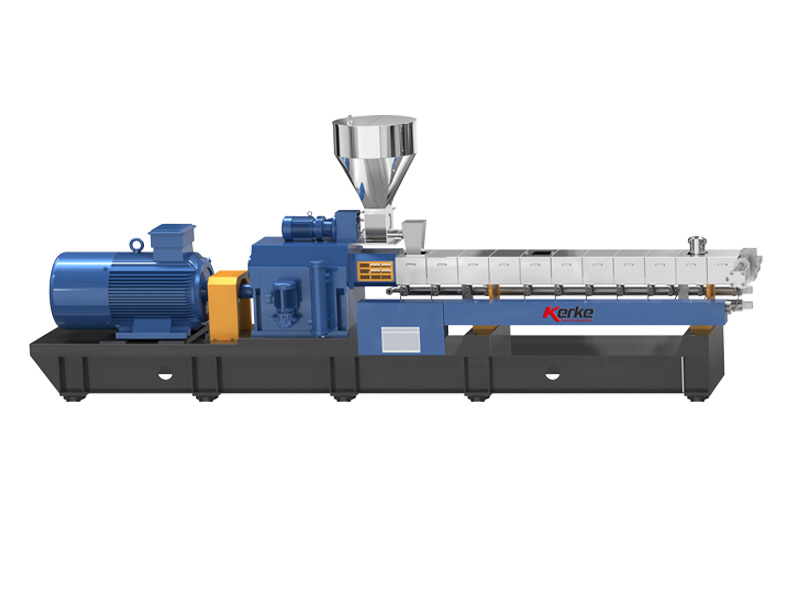
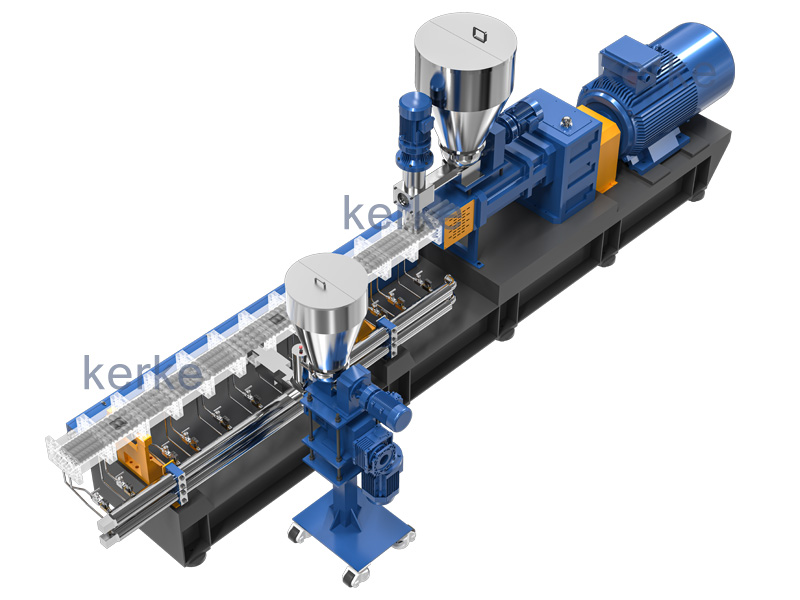
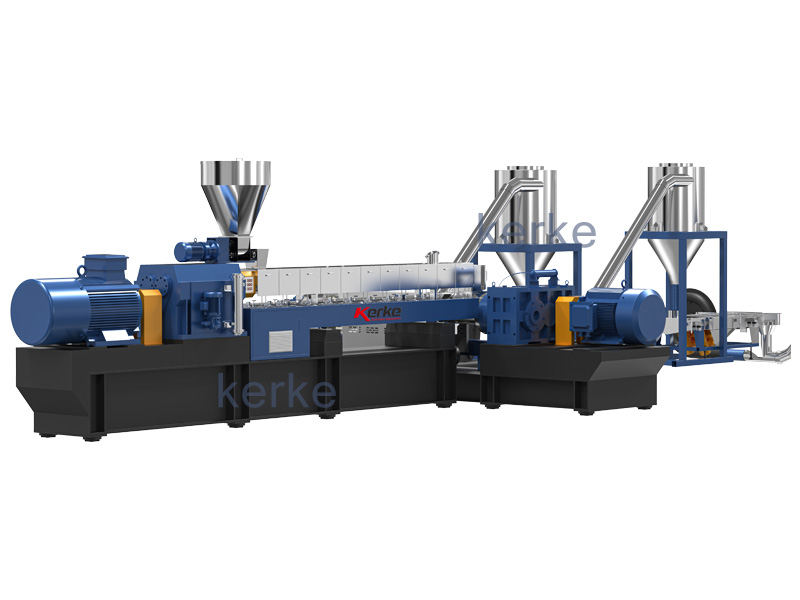
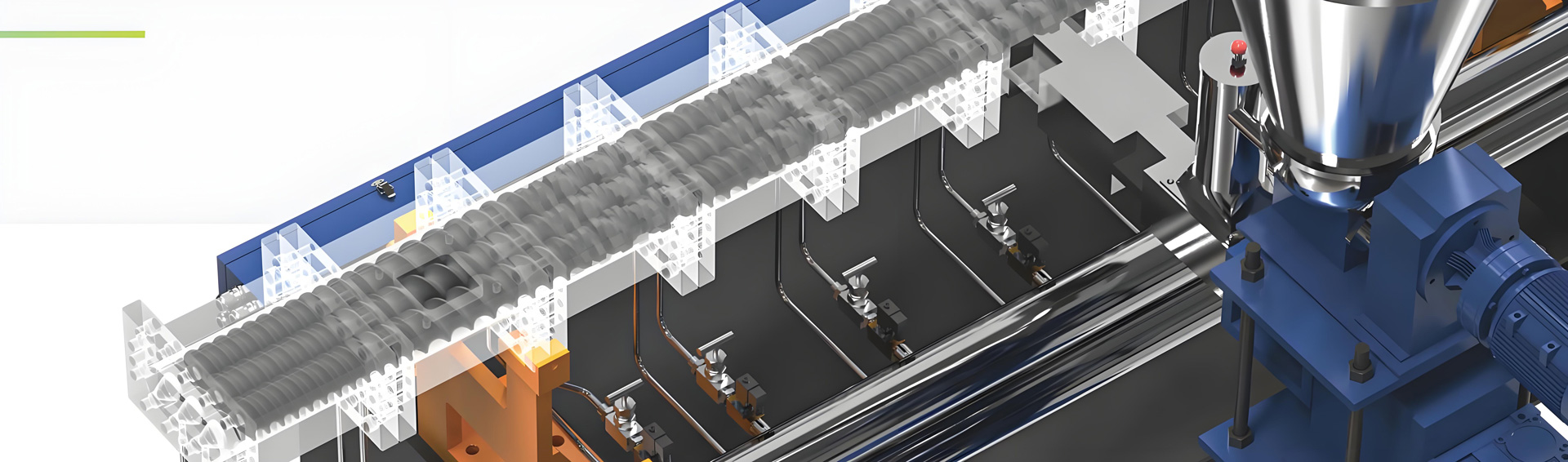
The typical fully extrusion extruder line consists of several essential subsystems that work together to transform raw polymer materials into finished compound products. The feeding system delivers raw materials precisely into the extruder barrel, utilizing gravimetric or volumetric feeders that ensure accurate material ratios throughout the manufacturing process. The extrusion unit itself contains the screw assembly, barrel housing, and heating and cooling zones that create the necessary conditions for melting and mixing. Downstream equipment including die heads, cooling systems, pelletizers, and conveying systems complete the compounding line, handling the transformed material from molten state to finished pellets. Each component in the fully extrusion extruder must be properly sized and configured to achieve optimal manufacturing performance.
Evolution from Manual to Automatic Compounding Technology
The plastics processing industry has undergone significant transformation over the past several decades, moving from labor-intensive batch processes to continuous automatic operations. Early compounding operations relied heavily on manual material handling and operator skill to achieve acceptable product quality. The introduction of microprocessor-controlled systems in the 1980s marked the beginning of the automation era, enabling more precise control over process parameters in the manufacturing operation. Today’s fully extrusion extruder lines represent the culmination of these advances, incorporating artificial intelligence, machine learning algorithms, and industrial internet of things connectivity to achieve unprecedented levels of process control and product consistency in manufacturing. The extruder has evolved significantly over the decades.
Benefits of Automation in Plastic Compounding Operations
Implementing technology delivers substantial benefits across multiple operational dimensions for manufacturers using modern extrusion systems. Labor costs decrease significantly as manual material handling and constant operator monitoring become unnecessary. Product quality improves through precise, repeatable control of process parameters that eliminate human error and variation in the manufacturing process. Production throughput increases as automatic systems can operate continuously at optimized conditions without the fatigue-related productivity losses experienced by human operators. Additionally, automatic systems generate comprehensive production data that enables continuous process improvement and regulatory compliance documentation for the extruder line. The benefits of extrusion are substantial.
Key Factors to Consider When Selecting a Compounding Extruder Line
Selecting the optimal fully extrusion extruder requires systematic evaluation of technical specifications, operational requirements, and commercial factors. The following sections examine the critical considerations that should guide your selection process, ensuring that your investment delivers the performance, reliability, and return on investment your production operation requires. Each factor discussed represents an important element in the overall evaluation of a manufacturing extruder system. Your compounding extruder investment should align with your business goals.
Production Capacity and Equipment Sizing for Compounding Operations
Matching equipment capacity to your production requirements represents the foundational decision in equipment selection. Undersized equipment creates production bottlenecks and forces equipment to operate beyond optimal capacity, increasing wear and reducing equipment life. Oversized equipment represents unnecessary capital expenditure and often operates inefficiently at reduced throughput rates. Accurate capacity assessment requires careful analysis of current production volumes, anticipated growth rates, and seasonal demand fluctuations for your manufacturing operation. Most modern fully extrusion extruder lines offer throughput ranges from 50 kg/h for laboratory-scale equipment to over 2000 kg/h for high-capacity production systems. The right compounding extruder size is essential.
Screw Design and Configuration Parameters for Compounding Extruders
The screw assembly constitutes the heart of any compounding extruder, determining mixing efficiency, output capacity, energy consumption, and product quality characteristics. Two fundamental parameters define screw performance in manufacturing: the length-to-diameter ratio and the compression ratio. The length-to-diameter ratio, typically ranging from 30:1 to 60:1 for compounding applications, affects processing flexibility and mixing development in the extruder. Higher ratios provide longer processing time and more thorough mixing but require more energy and increase equipment cost. The compression ratio, derived from the screw flight depth difference between feeding and metering sections, influences how effectively the screw compresses and homogenizes the material melt in the manufacturing extruder. Screw design is critical for effective manufacturing.
Screw Element Customization for Specific Compounding Applications
Modern compounding extruders utilize modular screw element designs that allow precise customization of mixing characteristics for specific compound formulations in manufacturing operations. Conveying elements transport material through the barrel, while kneading elements provide distributive and dispersive mixing action. The arrangement, sequence, and number of different element types can be optimized based on the specific polymers, fillers, and additives in your compound formulation. For example, compounds requiring high filler loading typically benefit from specialized mixing elements that provide intense distributive mixing without excessive energy input that could degrade thermal-sensitive components in the manufacturing process. Screw customization optimizes performance.
Motor Power and Energy Efficiency in Compounding Extruder Operations
Motor power rating directly influences the extruder’s ability to process difficult materials, achieve high throughput rates, and maintain stable operation under varying feed conditions for manufacturing. Insufficient motor power restricts throughput capacity and may cause motor overload during processing of high-viscosity compounds or high filler loadings. Beyond raw power rating, energy efficiency has become increasingly important due to rising electricity costs and environmental sustainability requirements for extrusion systems. Premium extruder manufacturers incorporate advanced motor technologies, optimized screw designs, and intelligent control systems that minimize specific energy consumption while maximizing throughput in manufacturing. Energy efficiency reduces compounding extruder operating costs.
Control Systems and User Interface for Compounding Extruder Lines
The control system architecture determines how effectively operators can monitor, adjust, and optimize the manufacturing process using the equipment. Modern fully extrusion extruder lines feature programmable logic controller-based systems with touchscreen human-machine interfaces that provide intuitive operation and comprehensive process visualization for extrusion. Critical parameters including barrel temperatures, screw speed, motor load, and feed rates should be continuously displayed with clear graphical representations that enable rapid assessment of system status. Alarm systems should provide clear notification of abnormal conditions with specific guidance on appropriate corrective actions for the manufacturing equipment. Control systems enhance extrusion capabilities.
Advanced Automation and Data Integration in Compounding Systems
Leading-edge extrusion systems incorporate sophisticated automation features that further enhance operational efficiency and product quality consistency in manufacturing. Recipe management systems store and retrieve complete process parameter sets for different compound formulations, enabling rapid product changeovers with minimal setup time on the equipment. Statistical process control functions continuously monitor key quality parameters and automatically adjust process settings to maintain target specifications. Integration with enterprise resource planning systems enables automatic production scheduling and real-time production tracking for the extrusion operation. Some manufacturers now offer machine learning capabilities that continuously optimize process parameters based on historical performance data from the manufacturing equipment. Automation transforms the equipment into a smart system.
Barrel Cooling System Design for Compounding Extruder Performance
Effective temperature control throughout the barrel is essential for achieving consistent product quality and maintaining efficient processing conditions in the manufacturing extruder. Compounding extruders utilize various cooling approaches including air cooling, water cooling, and oil cooling systems for extrusion. Air cooling offers simplicity and reduced maintenance requirements but provides limited cooling capacity for high-throughput manufacturing applications. Water cooling systems deliver superior temperature control precision and faster response to thermal load changes, making them suitable for most production compounding applications. The design and capacity of the cooling system should be matched to your typical processing conditions, including throughput rates, material types, and ambient temperature variations in your manufacturing facility. Cooling systems are vital for manufacturing quality.
Maintenance Requirements and Spare Parts for Compounding Extruders
Understanding the maintenance requirements and long-term service support available for your equipment investment is essential for accurate total cost of ownership calculations for manufacturing. Regular maintenance activities include screw and barrel inspection for wear, feeder calibration, seal replacement, and system calibration verification for the extrusion line. Equipment design significantly influences maintenance accessibility and frequency for the manufacturing extruder. Some manufacturers design for extended maintenance intervals but require more complex procedures when service is needed, while others prioritize serviceability with more frequent but simpler maintenance routines for the extrusion system. Evaluate manufacturer recommendations for preventive maintenance schedules and assess the availability and cost of replacement wear parts for the manufacturing equipment. Proper maintenance extends compounding extruder life.
Comparing Different Types of Compounding Extruder Technologies
The compounding equipment market offers multiple technology approaches, each with distinct characteristics suited to different application requirements in manufacturing. Understanding the fundamental differences between these technologies enables more informed selection decisions that align equipment capabilities with your specific compounding needs for the extrusion line. Technology comparison helps identify the best compounding extruder for your application.
Single Screw Versus Twin Screw Extruder Comparison
Single screw extruders utilize one rotating screw within a stationary barrel to transport, compress, and melt polymer materials in the manufacturing process. This technology offers simplicity, cost-effectiveness, and proven reliability for basic compounding applications with straightforward material formulations. However, single screw designs provide limited mixing capability and difficulty processing materials with widely varying melting points or viscosities in the extrusion operation. Twin screw extruders, featuring two intermeshing screws rotating within a figure-eight barrel cross-section, deliver superior mixing performance through positive material transport and adjustable screw element configurations for the manufacturing extruder. The kneading and distributive mixing action of twin screw extruders makes them the preferred choice for most compounding applications involving fillers, additives, or multiple polymer components in the process. Twin screw compounding extruders dominate the market.
Co-Rotating Versus Counter-Rotating Twin Screw Configurations
Twin screw extruders are available in co-rotating and counter-rotating configurations, each offering distinct processing characteristics for manufacturing operations. In co-rotating designs, both screws rotate in the same direction, typically providing aggressive mixing action suitable for compounding applications requiring high dispersion and distributive mixing in the extruder. Counter-rotating designs feature screws rotating in opposite directions, creating a more positive material transport action that works well for applications requiring gentle handling or for materials sensitive to high shear forces in the extrusion system. Most compounding extruder applications utilize co-rotating configurations due to their superior mixing versatility and higher throughput capacity for manufacturing. Co-rotating twin screw compounding extruders are most common.
Multi-Screw Extruder Options for Specialized Compounding Applications
Beyond single and twin screw designs, multi-screw extruders including triple screw and quad screw configurations offer unique capabilities for specialized compounding requirements in plastic processing. Triple screw extruders provide intermediate mixing intensity between twin screw designs, potentially offering advantages for certain compound formulations where mixing energy must be carefully controlled during the process. These configurations typically require more complex mechanical design and may have limited application versatility compared to twin screw systems for manufacturing. When evaluating multi-screw options, carefully assess whether the specific capabilities justify potential trade-offs in equipment complexity, maintenance requirements, and parts availability for the extrusion extruder. Multi-screw compounding extruders serve niche markets.
Water Cooling Versus Air Cooling System Trade-offs
Cooling system selection significantly impacts both capital investment and operational characteristics of your equipment line in manufacturing operations. Air-cooled systems utilize forced convection from fans to remove heat from barrel sections, offering simpler installation requirements and reduced maintenance compared to water cooling systems for the extrusion line. However, air cooling provides limited heat removal capacity and slower response to processing changes, making it more suitable for smaller capacity equipment or applications with consistent thermal loads in manufacturing. Water-cooled systems deliver superior temperature control precision and faster thermal response, enabling more aggressive processing conditions and tighter product quality tolerances for the equipment. The additional complexity and maintenance requirements of water cooling systems are generally justified for production-scale equipment operating at high throughput rates in extrusion. Cooling choice affects manufacturing quality.
Continuous Compounding Versus Batch Processing Approaches
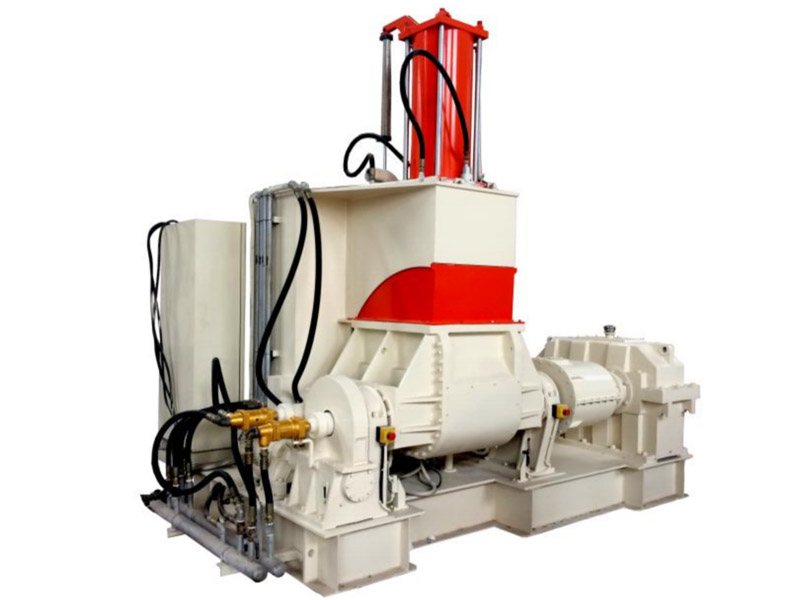
The choice between continuous and batch processing technologies represents a fundamental decision affecting production characteristics and equipment requirements for manufacturing operations. Continuous compounding systems, including most twin screw extruder configurations, process material in a steady-state flow, delivering consistent product quality and high throughput capacity once steady-state conditions are established on the extrusion line. Batch processing systems process discrete quantities of material through sequential process steps, offering advantages for small production volumes, frequent product changes, or formulations requiring precise control of residence time distribution for the manufacturing extruder. For most production-scale compounding operations, continuous systems provide superior economics through higher throughput and reduced labor requirements on the extrusion equipment. Continuous compounding extruders dominate production.
Kerke KTE Series: Advanced Automatic Compounding Solutions
Nanjing Kerke Extrusion Equipment Co., Ltd, operating under the WANPLAS Group umbrella, has established itself as a leading manufacturer of compounding extrusion equipment with over twelve years of industry experience. The company’s KTE Series fully extrusion extruder lines embody decades of engineering expertise and manufacturing excellence, delivering reliable performance across more than 2000 installations worldwide. Kerke’s commitment to innovation, quality, and customer success has earned the trust of manufacturers across more than 70 countries, making the company a preferred partner for polymer compounding applications ranging from color masterbatch to engineered polymer composites. The KTE Series represents the culmination of Kerke’s extensive experience in manufacturing equipment design and manufacturing. Kerke compounding extruders are trusted globally.
KTE Series Product Range and Specifications
The Kerke KTE Series encompasses a comprehensive range of twin screw extruder models designed to address diverse production requirements across multiple industries requiring manufacturing capabilities. The series includes models from compact KTE-16B units suitable for research and development applications through large-scale KTE-135D extruders capable of meeting the highest production volume requirements in extrusion. Each model features optimized screw configurations, advanced control systems, and robust construction designed for continuous production operation in manufacturing. The modular design philosophy enables flexible configuration options to address specific customer requirements while maintaining manufacturing efficiency and quality consistency for the extruder line. KTE Series compounding extruders meet diverse needs.
Technical Advantages of Kerke Compounding Equipment
Kerke compounding extruder lines incorporate numerous technical innovations that distinguish them in the competitive extrusion equipment marketplace for manufacturing operations. The precisely engineered screw geometries deliver superior mixing performance while minimizing energy consumption in the extrusion system. High-quality barrel and screw materials, including wear-resistant alloys for processing abrasive compounds, ensure long service life even under demanding production conditions for the manufacturing extruder. Advanced temperature control systems provide precise thermal management throughout the processing zone, enabling consistent product quality across varying material formulations and operating conditions in the extruder line. The comprehensive automatic control systems simplify operation while providing the flexibility needed for complex compound formulations. Kerke compounding extruders offer superior performance.
Manufacturing Excellence and Quality Assurance
Kerke’s manufacturing facilities spanning more than 19,997 square meters enable comprehensive production capabilities with rigorous quality control at every stage of the manufacturing equipment manufacturing process. The company employs over 100 dedicated professionals across engineering, manufacturing, and customer support functions, ensuring that each piece of equipment meets stringent quality standards before delivery for manufacturing operations. Advanced machining centers, automated assembly systems, and comprehensive testing protocols verify equipment performance and reliability for the extrusion extruder. This manufacturing infrastructure enables Kerke to deliver equipment that consistently meets or exceeds performance specifications while providing the responsive customer support that global manufacturers require for their manufacturing needs. Kerke’s manufacturing excellence is proven.
Global Service Network and Technical Support
Beyond equipment manufacturing, Kerke provides comprehensive global support services that protect customer investments throughout the equipment lifecycle for their manufacturing operations. The company’s established presence in over 70 countries ensures that customers receive timely technical assistance regardless of location for their extrusion systems. Spare parts availability, remote diagnostics, and field service capabilities enable rapid problem resolution and minimal production downtime for the manufacturing extruder. This global service infrastructure reflects Kerke’s commitment to building long-term partnerships with customers rather than simply completing transactional equipment sales for the extruder line. Kerke provides exceptional global support.
Cost Analysis and Return on Investment Considerations
Evaluating the financial implications of compounding extruder investment requires comprehensive analysis beyond initial equipment purchase price for your manufacturing operation. Understanding the total cost of ownership and potential return on investment enables more informed equipment selection decisions that optimize long-term financial outcomes for the extrusion system. Financial analysis is essential for equipment selection.
Initial Capital Investment Factors
The capital cost of a fully extrusion extruder line varies significantly based on equipment specifications, capacity ratings, and included features for manufacturing operations. Entry-level automatic systems suitable for small-scale production may start in the range of $50,000 to $100,000, while high-capacity production lines with advanced automation features can exceed $500,000 for the manufacturing equipment. Key factors affecting equipment pricing include screw size and configuration options, motor power ratings, control system sophistication, auxiliary equipment included, and customization requirements for the extrusion extruder. When comparing equipment quotes, ensure comprehensive understanding of what is included to enable accurate comparison between different supplier offerings for manufacturing. Capital investment in compounding extruders is significant.
Operational Cost Components and Optimization Strategies
Ongoing operational costs represent the largest portion of total cost of ownership for compounding equipment over typical equipment lifecycles of 10-15 years in manufacturing operations. Energy consumption typically constitutes the largest operational expense, varying based on equipment efficiency, throughput rates, and processing requirements for the extrusion system. Labor costs, while reduced by automatic systems compared to manual operations, still contribute significantly to operating expenses for the manufacturing extruder. Raw material costs, though not specific to equipment selection, should be considered in overall production economics for the compounding line. Maintenance costs, including both scheduled preventive maintenance and unscheduled repairs, vary based on equipment quality, operating conditions, and maintenance practices for the manufacturing equipment. Operational costs drive compounding extruder profitability.
Energy Efficiency Impact on Operating Costs
Energy consumption represents a significant operational expense where equipment selection decisions have substantial long-term financial impact for manufacturing operations. Premium efficiency extruder designs can reduce specific energy consumption by 15-25% compared to standard designs, translating to meaningful annual savings over equipment operating life for the extrusion extruder. For example, an extruder processing 1,000 kg/h operating 6,000 hours annually might consume 300-400 kW of electrical power in manufacturing. At $0.10 per kWh electricity cost, annual energy expenses range from $180,000 to $240,000 for the compounding line. A 20% efficiency improvement would save $36,000 to $48,000 annually, representing $360,000 to $480,000 in savings over a 10-year operating period for the manufacturing equipment. Energy efficiency affects compounding extruder ROI.
Maintenance Cost Planning and Wear Part Management
Developing accurate maintenance cost projections requires understanding both scheduled preventive maintenance requirements and expected wear part replacement intervals for your manufacturing operation. Screw and barrel wear rates depend heavily on processing conditions, particularly when handling compounds with high filler loadings or abrasive additives in the extrusion system. Under typical conditions, screw elements may require replacement every 12-24 months, while barrel liners may last 3-5 years for the manufacturing extruder. Establishing relationships with reliable spare parts suppliers and maintaining appropriate inventory of critical wear parts enables responsive maintenance execution that minimizes production downtime while controlling inventory carrying costs for the extruder line. Maintenance planning optimizes compounding extruder uptime.
Calculating Return on Investment for Compounding Equipment
Return on investment calculations for compounding equipment should consider both revenue enhancement and cost reduction factors for your manufacturing operation. Revenue benefits may include improved product quality enabling premium pricing, increased production capacity enabling higher sales volume, and expanded capability enabling access to new market opportunities with the extrusion system. Cost reduction benefits typically include reduced labor requirements, lower material waste through improved process control, reduced energy consumption through efficiency improvements, and decreased quality-related costs through improved consistency for the manufacturing extruder. Comprehensive ROI analysis should model multiple scenarios reflecting different assumptions about production volumes, pricing, and operational conditions to inform robust investment decisions for the compounding line. ROI analysis guides compounding extruder investment.
Industry Applications and Compound Formulations
Automatic compounding extruder technology serves diverse industries and compound formulation types, each with specific processing requirements that influence equipment selection decisions for manufacturing operations. Understanding these application variations enables more targeted evaluation of equipment capabilities relative to your specific market focus. Application knowledge informs equipment selection.
Masterbatch Production Applications
Masterbatch manufacturing represents one of the largest application categories for compounding equipment, encompassing color masterbatch, white masterbatch, black masterbatch, and additive masterbatch production in manufacturing. Color masterbatch production requires precise pigment dispersion and consistent color development across production batches using the extrusion system. High pigment concentration formulations demand intensive mixing action to achieve uniform pigment distribution without agglomerates that cause quality problems in end-use applications for the manufacturing extruder. Filler masterbatch production, including calcium carbonate and talc compounds, presents challenges related to high filler loadings and abrasive material characteristics that affect equipment wear rates and processing parameters for the compounding line. Masterbatch production drives compounding extruder demand.
Engineering Plastic Compounding Requirements
Engineering plastics including polyamide, polycarbonate, polyesters, and ABS compounds require careful processing control to maintain polymer properties during compounding in the manufacturing extruder. These materials often undergo property modification through reinforcement with glass fiber, carbon fiber, or mineral fillers in the process. The compounding process must achieve thorough fiber dispersion and orientation while avoiding excessive shear heating that could degrade polymer chains in the manufacturing equipment. Equipment selection for engineering plastic applications should emphasize precise temperature control, appropriate screw configurations for fiber handling, and robust construction capable of handling the processing pressures involved in the extruder line. Engineering plastics require advanced compounding extruders.
Polymer Recycling and Reclamation Processing
The growing emphasis on circular economy principles has increased focus on polymer recycling and reclamation applications for compounding equipment in manufacturing operations. Processing recycled materials presents unique challenges including variable feedstock quality, contamination concerns, and the need to achieve consistent properties from variable input streams in the extrusion system. Compounding equipment for recycling applications must provide thorough mixing to homogenize variable input materials, effective volatiles removal for moisture and contaminants, and flexibility to accommodate changing feedstock characteristics for the manufacturing extruder. Automatic control systems that can adapt to varying input conditions are particularly valuable for recycling applications in the compounding line. Recycling drives new compounding extruder applications.
Thermoplastic Elastomer Compounding Considerations
Thermoplastic elastomer compounds combine rubber-like properties with thermoplastic processing advantages, requiring specialized compounding approaches in the manufacturing extruder. These materials typically involve blending polymers with elastomeric components and various additives to achieve target elastic and mechanical properties in the process. Processing conditions must balance adequate mixing to achieve property development against thermal sensitivity that can cause degradation if processing temperatures are excessive or residence times too long for the manufacturing equipment. Equipment selection should emphasize precise temperature control and adjustable mixing intensity to accommodate the processing windows of different elastomer formulations for the extruder line. Elastomer compounding requires specialized extruders.
Step-by-Step Selection Guide for Compounding Equipment Buyers
Systematic approach to equipment selection reduces the risk of costly mistakes and ensures that selected equipment optimally addresses your production requirements for manufacturing operations. The following step-by-step process provides a framework for conducting thorough evaluation and making informed equipment selection decisions for the extrusion system. A systematic approach ensures optimal equipment selection.
Step 1: Define Production Requirements and Objectives
Begin by clearly articulating your production requirements including target throughput rates, product types, material formulations, and quality specifications for your manufacturing operation. Consider both current requirements and anticipated future needs to ensure selected equipment supports both immediate and long-term objectives for the extrusion system. Document any special processing requirements such as high temperature operation, hazardous material handling, or regulatory compliance considerations for the equipment. This foundational analysis establishes the criteria against which all equipment options will be evaluated, preventing scope creep and ensuring focused evaluation efforts for the manufacturing equipment selection. Clear requirements guide equipment selection.
Step 2: Evaluate Equipment Specifications and Technical Capabilities
With clear requirements established, systematically evaluate equipment technical specifications against your documented requirements for the manufacturing operation. Focus on critical parameters including throughput capacity, screw configuration options, motor power ratings, temperature control capabilities, and automation features for the extrusion extruder. Request detailed technical documentation and, where possible, arrange equipment demonstrations or facility visits to observe operating equipment firsthand for the manufacturing system. Pay particular attention to equipment design features that affect maintainability, reliability, and expected service life under your specific processing conditions for the compounding line. Technical evaluation ensures compounding extruder suitability.
Step 3: Assess Manufacturer Capabilities and Support Infrastructure
Equipment performance ultimately depends on manufacturer expertise in design, manufacturing, and ongoing support for your manufacturing equipment investment. Evaluate manufacturer experience in your specific application area, examining installed base, customer references, and relevant industry certifications for the extrusion system. Assess global support infrastructure including spare parts availability, field service capabilities, and remote technical support options for the manufacturing extruder. Consider manufacturer financial stability and long-term market commitment to ensure ongoing support availability throughout your equipment lifecycle for the compounding line. Manufacturers with established global presence and comprehensive support networks provide greater investment protection than those with limited service capabilities for manufacturing. Manufacturer assessment protects your equipment investment.
Step 4: Conduct Total Cost of Ownership Analysis
Develop comprehensive total cost of ownership models that capture all relevant cost factors across the equipment lifecycle for your manufacturing operation. Include initial capital costs, installation and commissioning expenses, operational costs including energy and labor, maintenance costs including spare parts and service, and anticipated end-of-life disposal or residual value for the extrusion extruder. Compare total cost scenarios across different equipment options, recognizing that lowest capital cost options may not minimize total cost of ownership for the manufacturing system. Sensitivity analysis examining how cost projections vary under different assumptions helps identify robust equipment selections that perform well across range of operating conditions for the extruder line. TCO analysis informs compounding extruder decisions.
Step 5: Negotiate Contract Terms and Implementation Timeline
Successful equipment procurement extends beyond technical specifications to encompass commercial terms and implementation planning for your manufacturing investment. Negotiate contract terms addressing payment schedules, performance guarantees, warranty provisions, and spare parts pricing for the extrusion system. Establish clear acceptance criteria and testing protocols that verify equipment meets specified performance requirements prior to final payment for the manufacturing equipment. Develop detailed implementation timelines addressing equipment delivery, installation, commissioning, operator training, and production qualification activities for the extruder line. Regular communication throughout implementation helps identify and address issues early, minimizing delays and ensuring successful equipment startup for the extrusion operation. Contract negotiation finalizes compounding extruder purchase.
Frequently Asked Questions About Compounding Extruder Selection
Buyers frequently ask several common questions when evaluating compounding extruder equipment for their manufacturing operations. Understanding the answers to these frequently asked questions helps ensure that your evaluation process addresses the most important considerations for your investment decision in the extrusion system. FAQ answers support compounding extruder decisions.
What Throughput Capacity Do I Need for My Compounding Application?
Determining appropriate throughput capacity requires analyzing your current production volumes, sales projections, and desired production flexibility for your manufacturing operation. Consider peak demand periods, production changeover frequency, and any anticipated new product development activities that might require additional capacity for the extrusion system. As a general guideline, select equipment with capacity approximately 20-30% above your current maximum requirements to provide flexibility for growth and temporary demand increases without operating equipment at maximum sustainable rates that may increase wear and reduce equipment life for the manufacturing extruder. Capacity planning ensures compounding extruder adequacy.
How Long Does Compounding Equipment Installation and Commissioning Take?
Installation and commissioning timelines vary based on equipment complexity, facility preparation requirements, and any custom integration needs for your manufacturing operation. For standard production-scale compounding extruder lines, typical installation requires 2-4 weeks for equipment placement, mechanical connection, and electrical installation for the extrusion system. Commissioning activities including process development, operator training, and production qualification typically require an additional 2-4 weeks for the manufacturing equipment. More complex installations involving extensive custom integration or challenging process development may require longer timelines for the extruder line. Establishing realistic schedules during procurement helps avoid pressure that might compromise installation quality or thorough commissioning activities for the extrusion operation. Installation planning ensures smooth compounding extruder startup.
What Training and Support Should I Expect from Equipment Suppliers?
Reputable equipment suppliers provide comprehensive training and support covering equipment operation, maintenance procedures, and troubleshooting techniques for manufacturing operations. Training programs should include both classroom instruction on operating principles and hands-on training at the equipment for the extrusion system. Technical documentation including operating manuals, maintenance procedures, and spare parts catalogs should be provided in your local language for the manufacturing equipment. Ongoing technical support availability including phone consultation, remote diagnostics, and field service options provides important protection for your investment in the equipment. Clarify support availability, response time commitments, and associated costs during the procurement negotiation process for the extrusion equipment. Training ensures effective compounding extruder operation.
How Do I Evaluate Equipment Quality and Reliability?
Equipment quality assessment requires examining multiple factors including manufacturer reputation, component quality, construction standards, and accumulated field experience for manufacturing equipment. Request information on component suppliers and evaluate the quality of critical components such as motors, drives, control systems, and instrumentation for the extrusion system. Examine the manufacturer’s quality management system and any relevant certifications for the manufacturing equipment. Review accumulated field experience including installed base size, average equipment life, and common reliability issues reported by existing customers for the extruder line. Customer references, particularly from installations operating under conditions similar to your planned application, provide valuable insight into real-world equipment performance for the extrusion operation. Quality assessment ensures compounding extruder reliability.
What Maintenance Activities Are Required for Compounding Equipment?
Maintenance requirements vary based on equipment design, operating conditions, and processing materials for your manufacturing operation. Daily activities typically include visual inspections, monitoring operating parameters, and basic cleaning for the extrusion system. Weekly activities may include feeder calibration verification, temperature controller calibration checks, and drive system inspection for the manufacturing equipment. Monthly activities often encompass more detailed inspections of screw and barrel condition, seal inspection and replacement, and control system verification for the equipment. Annual maintenance typically includes comprehensive system calibration, replacement of wear components, and detailed inspection of mechanical systems for the extrusion operation. Following manufacturer recommended maintenance schedules helps maximize equipment reliability and service life for the manufacturing equipment. Maintenance ensures compounding extruder longevity.
Can Compounding Equipment Handle Multiple Product Formulations?
Modern extrusion extruder lines are designed for flexibility to accommodate multiple product formulations through changeover procedures and recipe management systems for manufacturing operations. The extent of flexibility depends on equipment design features including screw configuration options, feeding system flexibility, and control system capabilities for the extrusion system. Product changeovers typically require purging procedures to remove residual material from the processing system, followed by parameter adjustments for the new formulation in the manufacturing equipment. Equipment with efficient purging designs and comprehensive recipe management capabilities can achieve changeover times ranging from a few hours to less than one shift depending on formulation differences and equipment capabilities for the extruder line. Formulation flexibility maximizes compounding extruder utilization.
Conclusion: Making Your Compounding Equipment Investment Decision
Selecting a fully extrusion extruder line represents a significant investment decision that will impact your production capabilities, operational costs, and competitive position for years to come in manufacturing operations. The comprehensive evaluation process outlined in this guide provides a systematic framework for making informed decisions that align equipment capabilities with your specific production requirements and business objectives for the extrusion system. Thorough requirements definition, careful technical evaluation, rigorous total cost analysis, and thoughtful supplier assessment collectively reduce investment risk and increase the probability of successful outcomes for your manufacturing investment. A systematic approach ensures compounding extruder success.
The Kerke KTE Series represents a compelling option for manufacturers seeking reliable, high-quality compounding equipment backed by comprehensive global support for their manufacturing operations. With over twelve years of industry experience, more than 2000 installations worldwide, and established presence across 70 countries, Kerke has demonstrated the technical expertise, manufacturing capability, and customer commitment that production-scale manufacturing requires for extrusion systems. The comprehensive KTE Series product range addresses applications from research and development through high-volume production, providing scalable solutions that grow with your business in manufacturing operations. Kerke is the right choice for your equipment needs.
Taking the next step in your equipment evaluation process is straightforward for your manufacturing operation. Contact Kerke’s technical sales team to discuss your specific application requirements and receive customized recommendations for equipment configurations that address your production needs for the extrusion system. Professional engineers with extensive compounding equipment experience will work with you to understand your requirements, recommend appropriate solutions, and provide the technical information needed to support your investment decision for the manufacturing extruder. Investing time in thorough evaluation now pays dividends through successful equipment implementation and years of reliable production operation for your extrusion investment. Contact Kerke for your equipment needs today.