The medical device industry demands exceptional precision and reliability when it comes to material processing. Selecting the right twin screw extruder for medical grade plastic compounding represents one of the most critical decisions for manufacturers operating in this highly regulated sector. With stringent quality requirements, evolving regulatory frameworks, and increasing demand for advanced medical devices, understanding the nuanced specifications of pharmaceutical plastic processing equipment has become essential for maintaining competitive advantage and ensuring patient safety.
The global market for medical grade plastics continues to expand rapidly, driven by aging populations, technological advancements in minimally invasive procedures, and the growing prevalence of chronic diseases requiring implantable devices. This growth has intensified the need for processing equipment that can consistently deliver materials meeting the exacting standards established by regulatory authorities worldwide. Manufacturers must carefully evaluate multiple factors when selecting a twin screw extruder, from material compatibility and contamination control to regulatory compliance and total cost of ownership.
Nanjing Kerke Extrusion Equipment Co., Ltd, operating under the WANPLAS Group umbrella, has established itself as a leading provider of compounding solutions serving clients across more than 70 countries. With over 12 years of specialized experience and more than 2,000 machines operating globally, the company has developed comprehensive expertise in delivering twin screw extruder solutions that meet the demanding requirements of medical device material production. This article provides an in-depth analysis of the factors critical to selecting appropriate equipment for medical grade plastic compounding applications.
Understanding Medical Grade Plastic Standards and Requirements
Medical grade plastic compounds must satisfy an array of stringent standards designed to ensure patient safety and device efficacy. These requirements extend far beyond typical industrial plastic processing specifications, encompassing material composition, manufacturing conditions, and comprehensive documentation requirements that trace every aspect of production. The selection of a proper twin screw extruder for medical grade plastic compounding requires deep understanding of these regulatory frameworks.
The Critical Importance of USP Class VI Certification
Understanding the critical importance of USP Class VI certification is essential for any medical twin screw extruder operator. The United States Pharmacopeia Chapter 87 (Biological Reactivity Tests, In Vivo) establishes the foundational framework for evaluating plastic materials intended for medical use. USP Class VI certification represents the most stringent classification within this framework, requiring materials to demonstrate complete absence of toxic or injurious effects on biological systems through three distinct testing protocols. These protocols include systemic injection testing, intracutaneous testing, and implantation testing, each designed to evaluate material safety under various exposure scenarios.
For twin screw extruder operators, USP Class VI compliance extends beyond simply processing certified resins. The processing equipment itself must be constructed from materials that will not introduce contaminants or leachables into the final medical grade plastic compound. This requirement significantly influences equipment selection decisions, particularly regarding barrel materials, screw elements, and seals that contact the polymer melt during processing. Manufacturers must maintain comprehensive documentation demonstrating that processing conditions do not degrade the certified properties of the base resin formulations in their plastic compounding operations.
The certification process for USP Class VI materials involves extended testing periods, often spanning several months, with costs that can reach substantial levels depending on the complexity of the material formulation. Manufacturers planning to enter the medical device supply chain must budget appropriately for these certification expenses while maintaining production schedules that accommodate the lengthy validation timelines required by regulatory bodies. A medical grade plastic compounding facility must account for these extended timelines in project planning.
ISO 10993 Biological Compatibility Standards
The ISO 10993 series of standards provides a comprehensive framework for evaluating the biological safety of medical devices incorporating plastic components. Unlike USP Class VI testing that focuses primarily on material safety, ISO 10993 evaluates the complete device-material system, accounting for potential interactions between materials and biological systems under intended use conditions. This standard is fundamental to medical grade plastic compounding quality assurance.
For plastic compounding operations, ISO 10993 compliance requires careful attention to every material that enters the production process. This includes not only the primary polymer resins but also colorants, additives, stabilizers, and any processing aids that might be incorporated into the final compound. The standard establishes specific testing requirements based on the nature and duration of body contact, ranging from limited surface contact lasting less than 24 hours to permanent implantation exceeding 30 days. Twin screw extruder processing must preserve the biocompatibility established during material certification.
Twin screw extruder operators must establish robust supplier qualification programs that ensure all incoming materials carry appropriate biological safety documentation. Additionally, the processing equipment must be validated to demonstrate that it does not introduce any substances that could compromise the biocompatibility profile established during material certification. This validation typically requires extraction studies using the actual processing equipment under worst-case conditions. These studies are essential for medical grade plastic compounding validation protocols.
FDA Regulatory Requirements for Medical Device Materials
The Food and Drug Administration maintains oversight authority over medical devices marketed in the United States, establishing comprehensive requirements for material selection, manufacturing processes, and quality systems. FDA regulations codified in 21 CFR Part 820 establish the Quality System Regulation (QSR) requirements that medical device manufacturers must follow, including specific provisions addressing material controls and supplier qualification for pharmaceutical plastic applications.
For plastic compounding operations supplying materials to medical device manufacturers, FDA compliance typically involves demonstration that production processes maintain consistent quality and do not introduce contaminants or variability that could affect device safety. This requirement necessitates comprehensive process validation, including installation qualification (IQ), operational qualification (OQ), and performance qualification (PQ) protocols that document equipment capability to produce compliant materials under defined conditions. The twin screw extruder must be validated as part of this comprehensive quality assurance program.
FDA guidance documents also address specific concerns related to material sourcing, requiring manufacturers to establish traceability systems that can identify the origin of all materials incorporated into medical device components. Twin screw extruder operators must maintain detailed records of resin lots, additive sources, and processing parameters to support this traceability requirement while protecting proprietary formulations. This traceability is fundamental to medical grade plastic compounding operations.
Cleanroom Production Environment Standards
Medical grade plastic compounding frequently requires production in controlled environments that minimize particulate and microbial contamination. Cleanroom classification standards, typically defined by ISO 14644, establish requirements for airborne particle counts, airflow patterns, temperature control, and humidity management that must be maintained throughout the production process. Cleanroom environments are essential for pharmaceutical plastic manufacturing quality.
The selection of twin screw extruder equipment for cleanroom applications requires careful consideration of equipment design features that minimize particle generation and facilitate cleaning. Equipment with enclosed designs, sealed bearings, and appropriate surface finishes can significantly reduce contamination risks while simplifying environmental monitoring requirements. Additionally, the equipment must be compatible with cleanroom cleaning protocols, including consideration of materials that can withstand repeated sanitization without degradation.
Special Requirements for Medical Grade Plastic Compounding
Beyond regulatory standards, medical grade plastic compounding presents unique operational challenges that influence equipment selection and process design. These requirements reflect the critical nature of medical device applications where material defects can have serious consequences for patient safety. Understanding these challenges is essential for proper twin screw extruder selection.
Material Purity and Contamination Control
Achieving and maintaining material purity represents perhaps the most demanding aspect of medical grade plastic compounding. Contamination can occur through multiple pathways, including material degradation during processing, introduction of foreign particles from equipment wear, microbial contamination from environmental sources, and cross-contamination from previously processed materials. A dedicated twin screw extruder for medical applications minimizes these contamination risks.
Twin screw extruder design must address each potential contamination pathway through appropriate engineering controls. Equipment constructed from corrosion-resistant materials such as 316L stainless steel minimizes metal contamination from barrel and screw wear. Hardened surface treatments on critical components extend service life while reducing particle generation. Sealed feed zones and vent systems prevent environmental contamination while maintaining process flexibility for medical grade plastic compounding operations.
For pharmaceutical plastic applications requiring exceptional purity, equipment featuring all-metal contact surfaces eliminate the potential for elastomer degradation that can occur with bimetallic barrel linings. While representing a higher initial investment, all-metal construction provides superior contamination resistance that can justify the additional cost for critical medical applications. This construction approach is recommended for high-purity medical grade plastic compounding.
Complete Traceability Requirements
Medical device regulations mandate comprehensive traceability systems that enable manufacturers to track materials from source to finished product. This requirement extends throughout the supply chain, placing obligations on plastic compounders to maintain detailed records of every material batch, processing operation, and quality test conducted during production. Twin screw extruder operations generate substantial traceability data.
Twin screw extruder equipment for medical applications should incorporate process monitoring capabilities that automatically record critical parameters including temperature profiles, screw speeds, pressures, and throughput rates. These records must be stored in formats that prevent modification while remaining accessible for regulatory inspection. Modern control systems can interface with enterprise quality management systems, enabling seamless integration of production data into overall traceability frameworks for medical grade plastic compounding.
Beyond process parameters, traceability requirements encompass material identity verification throughout the production process. Equipment featuring segregated material handling systems, clear line clearance procedures, and dedicated production scheduling can minimize the risk of material mix-ups that could compromise product quality and regulatory compliance in pharmaceutical plastic manufacturing.
Consistency and Process Stability
Medical grade plastic compounds must demonstrate exceptional consistency across production batches and over time. This requirement reflects the need for medical devices to perform predictably, with material properties remaining within tight specifications throughout the product lifecycle. Variability in compound properties can translate directly into manufacturing defects, device failures, and potential patient harm. A precision twin screw extruder ensures batch-to-batch consistency.
Twin screw extruder performance directly influences compound consistency through multiple mechanisms. Precise temperature control systems maintain melt uniformity throughout the extrusion process, preventing localized variations that could affect final product properties. Consistent feeding systems ensure steady material throughput, minimizing density variations that can affect downstream processing and device manufacturing in medical grade plastic compounding.
Advanced control algorithms that continuously adjust processing parameters based on real-time feedback can further enhance consistency. These systems monitor indicators such as melt pressure fluctuations, motor load variations, and product quality metrics, making micro-adjustments that maintain optimal processing conditions despite material or environmental variations. This closed-loop control is essential for pharmaceutical plastic production.
Sterility and Low Bioburden Requirements
Many medical device applications require materials with very low initial bioburden levels, particularly for devices that will undergo terminal sterilization rather than aseptic manufacturing. The plastic compounding process must minimize microbial contamination while avoiding treatments that could adversely affect material properties. Twin screw extruder design for medical applications addresses these sterility concerns.
Equipment design for low bioburden applications emphasizes cleanability and sanitization capability. Systems designed for clean-in-place (CIP) and sterilize-in-place (SIP) protocols enable thorough cleaning and sterilization without disassembly, reducing both contamination risk and production downtime. The selection of materials compatible with various sterilization methods, including steam, ethylene oxide, and radiation sterilization, ensures that processed materials can be effectively sterilized after manufacturing in medical grade plastic compounding facilities.
Key Factors for Selecting Medical Grade Twin Screw Extruders
Selecting appropriate medical grade twin screw extruder equipment requires evaluation of multiple technical factors that influence both product quality and operational efficiency. Understanding these factors enables informed decisions that balance performance requirements against economic considerations when choosing a twin screw extruder.
Equipment Material Selection and Construction
The material construction of twin screw extruder components directly impacts contamination risk, equipment longevity, and maintenance requirements. For medical grade applications, material selection decisions carry additional significance due to the potential consequences of material contamination on patient safety during pharmaceutical plastic manufacturing.
316L stainless steel represents the standard material choice for barrels and critical components in medical grade equipment, offering excellent corrosion resistance and biocompatibility. For highly corrosive additives or demanding processing conditions, specialty alloys such as Hastelloy may be required to prevent degradation and contamination. The selection of appropriate materials must consider not only the base polymer but also all additives, colorants, and processing aids that will contact equipment surfaces during medical grade plastic compounding.
Screw element materials require particular attention due to the mechanical stresses and wear encountered during compounding operations. Surface treatments such as nitriding, chrome plating, and titanium nitride coating can significantly extend component life while reducing particle generation. For the most demanding applications, solid carbide or ceramic-coated elements provide maximum wear resistance, though at substantially higher cost for the twin screw extruder.
Surface Finish and Polish Requirements
Surface finish quality directly influences contamination risk and cleanability in medical grade compounding applications. Highly polished surfaces minimize material adhesion, facilitate cleaning, and reduce particle generation from mechanical wear. Standard industrial finishes may prove inadequate for pharmaceutical plastic applications requiring exceptional purity in medical grade plastic compounding.
The interior surfaces of barrels and screw elements should achieve surface finishes of 0.8 microns Ra (Ra 32 microinches) or better for medical grade applications. This level of polish prevents material accumulation in surface irregularities while facilitating complete removal of residues during cleaning operations. The transition zones between barrel sections require particular attention, as these areas can harbor material deposits that become contamination sources during subsequent production runs on the twin screw extruder.
External surfaces also merit consideration, particularly for equipment operating in cleanroom environments. Smooth, easily cleanable exterior surfaces prevent particle accumulation and facilitate environmental monitoring and maintenance activities. Equipment designs that minimize crevices, recesses, and horizontal surfaces simplify cleaning and reduce contamination risks in medical grade plastic compounding operations.
Clean-in-Place and Sterilize-in-Place Capabilities
Modern medical grade plastic compounding facilities increasingly rely on in-process cleaning and sterilization capabilities to maximize production efficiency while maintaining contamination control. Equipment featuring comprehensive CIP and SIP capabilities can reduce cleaning time, minimize product changeover losses, and ensure consistent sanitization without disassembly of the twin screw extruder.
CIP systems for twin screw extruders typically employ sequenced cleaning fluid applications, with separate phases for pre-rinse, detergent cleaning, intermediate rinses, and final sanitization. Equipment design must facilitate complete fluid drainage while ensuring all interior surfaces receive adequate contact with cleaning agents. Spray ball systems, circulation pathways, and drainage configurations all require careful engineering to achieve effective cleaning results in pharmaceutical plastic manufacturing.
SIP capabilities enable steam sterilization of equipment internals between production runs, eliminating the need for disassembly and manual cleaning for many applications. Steam sterilization provides reliable microbicidal activity while avoiding chemical residues that could contaminate subsequent production. Equipment must be designed to withstand steam sterilization pressures and temperatures while maintaining integrity and dimensional stability during medical grade plastic compounding.
Precision Control and Process Stability
Advanced medical twin screw extruder control capabilities distinguish medical grade extruders from standard industrial equipment. Precise control over temperature profiles, screw speeds, pressures, and material feed rates enables consistent production of compounds meeting tight specification limits. Control system architecture and component quality significantly influence achievable performance levels in pharmaceutical plastic applications.
Modern medical grade extruders typically incorporate distributed control system architectures with dedicated controllers for each major subsystem. Temperature control loops featuring precision thermocouples and solid-state heaters maintain melt temperature stability within ±1°C or better across all zones. Closed-loop pressure control systems can maintain die pressure within narrow ranges, ensuring consistent output density and blend uniformity during medical grade plastic compounding.
Data acquisition and recording capabilities provide the foundation for regulatory compliance and quality assurance. Control systems should record all critical parameters at appropriate intervals, storing data in secure formats that prevent unauthorized modification. Integration with facility-wide manufacturing execution systems enables comprehensive production tracking and facilitates regulatory reporting requirements for twin screw extruder operations.
Kerke Medical Grade Twin Screw Extruder Advantages
Nanjing Kerke Extrusion Equipment Co., Ltd (WANPLAS Group) has developed specialized capabilities for medical grade plastic compounding applications, offering medical twin screw extruder solutions that address the unique requirements of this demanding sector. The company’s extensive experience serving clients across more than 70 countries provides valuable insights into global regulatory requirements and best practices for medical device material production using twin screw extruder technology.
KTE Series Performance in Medical Material Applications
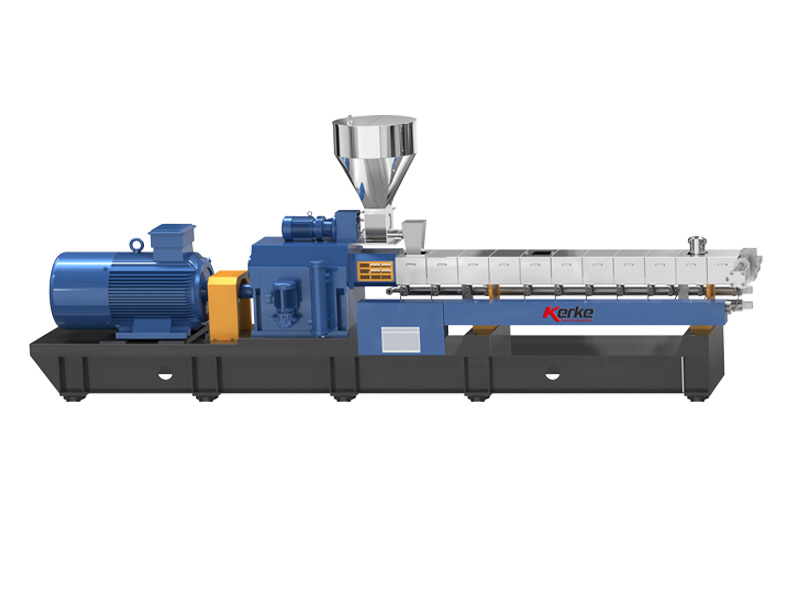
The Kerke KTE Series twin screw extruders, ranging from compact KTE-16B models to large-scale KTE-135D configurations, offer scalable solutions for medical grade compounding operations. Each model incorporates design features optimized for pharmaceutical plastic processing, including precision temperature control, contamination-resistant construction, and comprehensive documentation capabilities for medical grade plastic compounding.
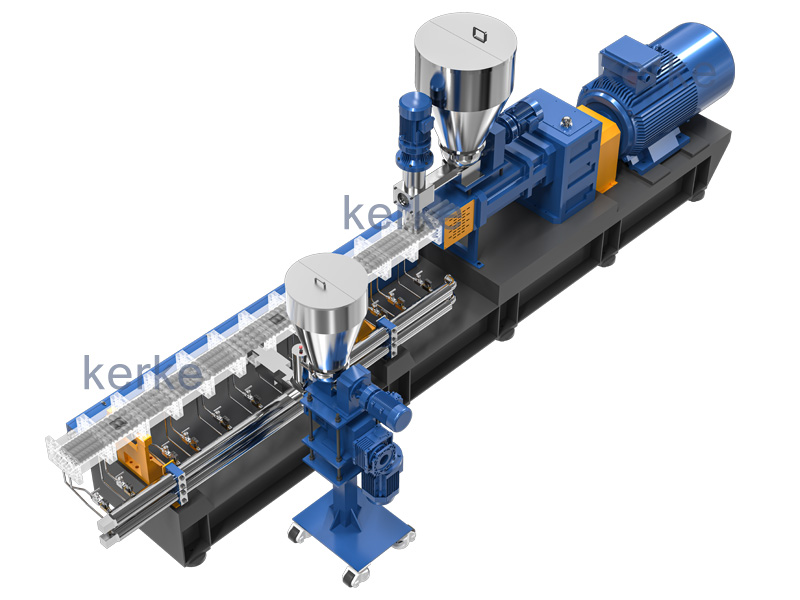
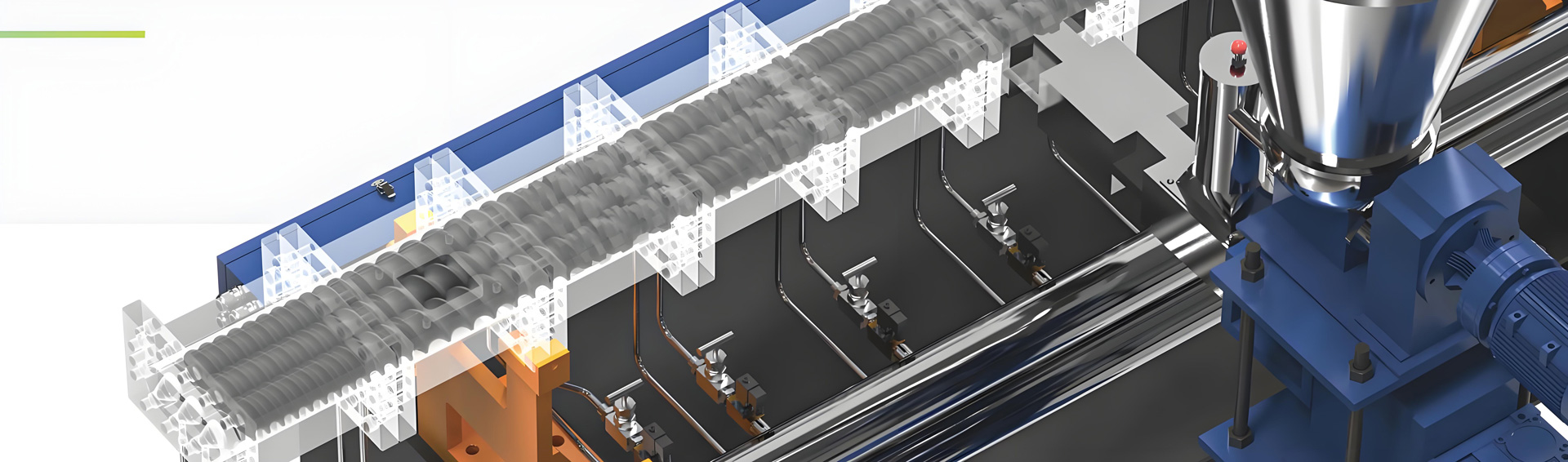
The modular architecture of KTE Series equipment enables flexible configuration to address specific application requirements. Feed zone configurations can be optimized for free-flowing materials, difficult-to-feed additives, or sensitive formulations requiring gentle handling. Vent zone designs accommodate moisture removal and degassing requirements common in medical polymer processing using twin screw extruder technology.
Throughput capabilities spanning from laboratory-scale to high-volume production enable manufacturers to select equipment appropriately sized for their market requirements. This scalability supports technology transfer between production scales while maintaining consistent compound characteristics across different equipment sizes for medical grade plastic compounding operations.
Sanitary Design Features
Kerke medical grade twin screw extruders incorporate comprehensive sanitary design features that address contamination control requirements. A medical twin screw extruder from Kerke features all product contact surfaces utilizing 316L stainless steel construction with appropriate surface finishes for medical applications. The design eliminates dead spots and crevices where material accumulation could occur, facilitating thorough cleaning and sterilization during pharmaceutical plastic manufacturing.
Sealing systems utilize FDA-compliant materials selected for their compatibility with medical applications and resistance to degradation during cleaning cycles. Dynamic seals at shaft penetrations prevent leakage while minimizing wear particle generation. Static seals employ appropriate gasket materials that maintain integrity across temperature cycles and cleaning protocols for medical grade plastic compounding.
The equipment design facilitates complete drainage during cleaning operations, eliminating pools of cleaning solution or rinse water that could compromise sanitization effectiveness. All interior surfaces maintain consistent slope toward drainage points, ensuring complete removal of liquids and facilitating rapid drying in twin screw extruder applications for medical grade plastic compounding.
Precision Control Capabilities
Advanced control systems distinguish Kerke medical grade extruders, providing the precision and documentation capabilities required for pharmaceutical plastic applications. Multi-zone temperature control with precision sensors maintains melt temperature profiles throughout the compounding process, ensuring consistent material properties in medical grade plastic compounding operations.
Integrated monitoring systems track critical parameters including motor load, torque, pressure, and throughput, enabling real-time process verification. Automatic alarm functions alert operators to conditions outside acceptable ranges, enabling immediate corrective action before quality is compromised during twin screw extruder operations. Statistical process control capabilities support continuous improvement initiatives while demonstrating process capability to regulatory auditors.
Quality Assurance Systems
Kerke maintains comprehensive quality management systems aligned with international standards, including ISO 9001 certification and relevant medical device industry requirements. These systems ensure consistent equipment quality while providing documentation frameworks that support customer regulatory compliance efforts for medical grade plastic compounding.
Equipment undergoes comprehensive testing prior to shipment, ensuring performance parameters meet specifications. Complete test records, including temperature profiles, pressure data, and blend uniformity verification, provide foundations for equipment startup and process validation. This quality commitment helps medical device manufacturers reduce risk and accelerate time to market for their pharmaceutical plastic products.
Kerke’s technical support team provides ongoing assistance throughout the equipment lifecycle, from initial process development through ongoing maintenance and optimization. This continued support ensures that medical grade plastic compounding operations can maintain consistent performance and regulatory compliance with their medical twin screw extruder investment.
Medical Grade Twin Screw Extruder Configuration Options
Medical grade twin screw extruder systems can be configured to address varying requirements and budget constraints. Understanding the trade-offs between configuration levels enables manufacturers to select solutions appropriately matched to their specific applications and market requirements for pharmaceutical plastic manufacturing.
Basic Versus Advanced Configuration Comparison
Basic medical grade configurations provide essential capabilities for compliant production while minimizing initial capital investment. These configurations typically include sanitary construction materials, appropriate surface finishes, and basic process control capabilities sufficient for standard applications. Basic configurations may require more manual intervention and monitoring compared to advanced alternatives in medical grade plastic compounding.
Advanced configurations add capabilities that enhance process control, documentation, and operational efficiency. Features such as automated material handling integration, real-time quality monitoring, and comprehensive data acquisition systems reduce operator burden while improving process consistency. Advanced configurations typically offer faster changeover times and reduced validation requirements for subsequent product introductions on the twin screw extruder.
Configuration selection should consider not only immediate requirements but also anticipated future needs. Equipment with higher capability levels provides flexibility to address evolving requirements without requiring complete system replacement. The incremental cost difference between configuration levels often proves modest compared to the disruption and expense of equipment upgrades for medical twin screw extruder investments.
Auxiliary Equipment Selection
Complete medical grade compounding systems require supporting equipment that influences overall performance and compliance capability. Material handling systems including loss-in-weight feeders, material blenders, and delivery systems must be designed for the precision and cleanliness requirements of medical applications using twin screw extruder technology.
Material drying systems require particular attention for moisture-sensitive polymers commonly used in medical applications. Desiccant dryer systems with appropriate capacity and control capability ensure consistent material moisture content, preventing hydrolysis-related defects in final products. Monitoring systems that verify dried material moisture content provide additional assurance of processing consistency for medical grade plastic compounding.
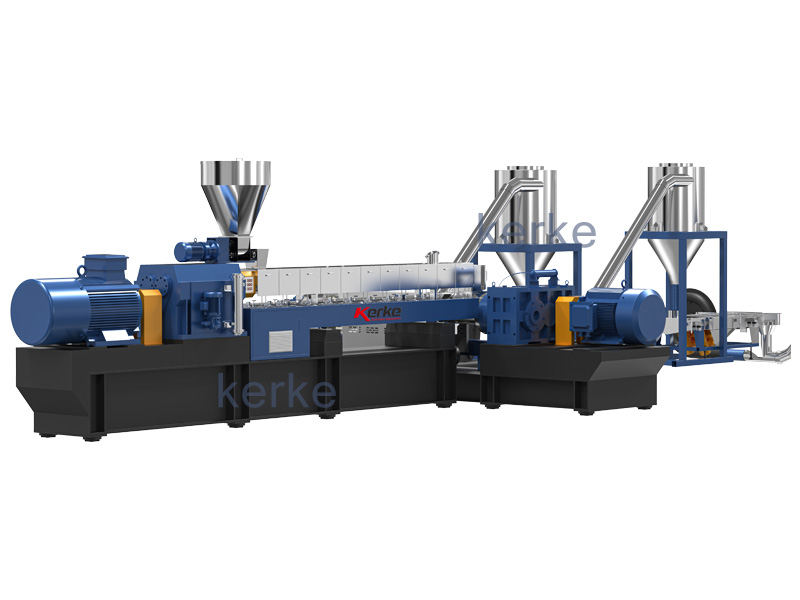
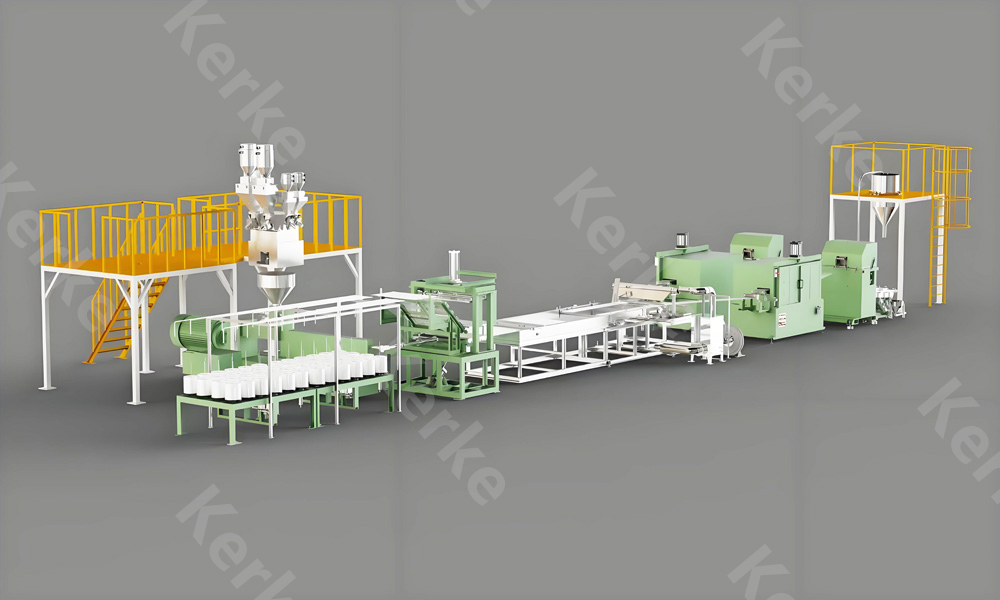
Downstream equipment including strand pelletizers, underwater pelletizing systems, and water treatment systems complete the compounding line. Each component selection should consider maintainability, cleanability, and documentation requirements appropriate for medical applications. Integrated systems from qualified suppliers simplify validation while ensuring component compatibility in pharmaceutical plastic manufacturing.
Quality Monitoring Integration
Modern medical grade compounding facilities increasingly rely on automated quality monitoring systems that provide real-time product verification. Inline sensors measuring parameters such as melt temperature, pressure, and viscosity enable immediate detection of process deviations that could affect product quality during twin screw extruder operations.
Near-infrared (NIR) spectroscopy systems can provide real-time composition monitoring for compounds incorporating specific additives or colorants. These systems enable rapid detection of formulation errors while reducing the need for offline laboratory testing. The integration of spectroscopic monitoring with process control systems enables automatic corrective actions that maintain product quality within specification limits in medical grade plastic compounding.
Automated sampling systems enable collection of production samples for laboratory verification without interrupting continuous operation. These systems support validation requirements while maintaining production efficiency. Sample identification and chain-of-custody documentation ensure that laboratory results can be reliably linked to specific production intervals for pharmaceutical plastic quality assurance.
Packaging and Identification Systems
Finished compound packaging must maintain product integrity while enabling complete traceability throughout distribution and use. Medical grade compounds typically require packaging systems that prevent contamination, protect against environmental exposure, and facilitate identification throughout the supply chain for twin screw extruder output.
Packaging materials must be compatible with the compounds being packaged and appropriate for the intended storage and handling conditions. For sterile applications, packaging systems must maintain sterility until point of use while enabling aseptic presentation. Documentation including certificates of analysis, material certification, and traceability records must accompany each shipment from medical grade plastic compounding operations.
Automated packaging systems can improve consistency and efficiency while reducing the potential for human error in labeling and documentation. Integration with production tracking systems ensures that packaging information accurately reflects the contained material characteristics and production history for pharmaceutical plastic products.
Cost Analysis for Medical Grade Plastic Compounding
Understanding the complete cost structure for medical grade plastic compounding enables informed equipment selection and business planning. Costs extend beyond initial equipment purchase to encompass validation, ongoing operations, and compliance maintenance throughout the equipment lifecycle when operating a twin screw extruder.
Capital Investment Requirements
Medical grade twin screw extruder equipment represents substantial capital investment, with costs varying significantly based on capacity, configuration level, and included features. Basic medical grade configurations may require investments starting from moderate levels for compact systems, while advanced configurations with comprehensive automation and documentation capabilities can require substantially higher initial expenditure.
Supporting equipment and facility modifications add to overall capital requirements. Cleanroom facilities, material handling systems, quality control equipment, and utility infrastructure all contribute to total implementation costs for medical grade plastic compounding operations. Comprehensive planning should address all capital requirements to avoid budget shortfalls that could compromise project success.
When evaluating capital requirements, manufacturers should consider not only initial costs but also the flexibility and capability provided by different equipment levels. Higher-capability equipment may command premium pricing but can reduce operational costs and compliance risks over the equipment lifecycle of the twin screw extruder.
Certification and Validation Expenses
Medical grade plastic compounding requires extensive validation to demonstrate compliance with regulatory requirements. These validation activities include IQ, OQ, and PQ protocols that document equipment installation, operation, and performance. Validation costs can represent substantial investment, particularly for complex systems or stringent application requirements for twin screw extruder operations.
Material certification expenses include USP Class VI testing, ISO 10993 biological evaluation, and other testing required to establish material safety for intended medical applications. These tests often require extended time periods and specialized laboratory services that command premium pricing. Multi-material compounds may require separate certification for each component material used in pharmaceutical plastic manufacturing.
Ongoing compliance maintenance requires continuous investment in quality systems, documentation, and regulatory monitoring. Change control procedures, deviation investigations, and corrective action implementations all require resources that should be factored into operational budgeting for medical grade plastic compounding. Regular audits from regulatory bodies and customers add to compliance costs while providing assurance of continued conformance.
Operational and Maintenance Costs
Ongoing operational costs for medical grade plastic compounding include labor, utilities, materials, and consumables required for continuous production. Labor costs may exceed those for standard compounding operations due to additional documentation requirements, more extensive cleaning protocols, and tighter process monitoring requirements when operating twin screw extruder equipment.
Maintenance requirements for medical grade equipment emphasize contamination control and reliability. Scheduled maintenance programs prevent unexpected failures that could compromise product quality or regulatory compliance. Spare parts inventories must include components that meet medical-grade specifications, potentially at higher cost than standard industrial alternatives for the twin screw extruder.
Cleaning consumables, sanitization agents, and environmental monitoring supplies represent ongoing operational expenses specific to medical grade production. These costs can be substantial for facilities operating multiple products with extensive cleaning requirements between production runs using twin screw extruder technology.
Certification Timelines and Time-to-Market Considerations
The time required to achieve full medical grade compounding capability can significantly impact business outcomes. Certification timelines vary based on application requirements, regulatory jurisdiction, and available documentation from equipment and material suppliers. Planning should account for realistic timelines while implementing strategies to accelerate compliance for pharmaceutical plastic manufacturing.
Process validation activities typically require 3-6 months for completion, depending on complexity and testing requirements. Material certification may extend for additional periods, particularly for new formulations requiring extensive biological testing. Equipment selection from suppliers with established medical industry experience can accelerate validation by providing proven documentation frameworks and demonstrated compliance history for twin screw extruder implementations.
Quality management system implementation represents a parallel workstream that influences overall timeline. Organizations without existing medical device quality systems face substantial effort to establish compliant frameworks. Implementation of comprehensive quality management software can accelerate system development while ensuring alignment with regulatory requirements for medical grade plastic compounding.
Total Cost of Ownership Analysis
Total cost of ownership (TCO) analysis provides a comprehensive framework for evaluating equipment alternatives, accounting for all costs throughout the equipment lifecycle. TCO analysis typically considers capital costs, installation expenses, operational costs, maintenance requirements, and end-of-life disposal or removal costs for twin screw extruder investments.
Equipment reliability significantly influences TCO through effects on production continuity, scrap rates, and maintenance expenses. Higher-quality equipment with demonstrated reliability may command premium pricing but can reduce operational costs through improved uptime and reduced scrap. Manufacturer support capabilities also influence TCO by affecting maintenance costs and production impact during equipment issues in medical grade plastic compounding.
Flexibility and scalability affect TCO by determining the equipment’s ability to address future requirements without replacement. Equipment with modular architectures and scalable capabilities can accommodate market growth and product evolution, extending effective service life and improving return on investment for twin screw extruder users.
Compounding Requirements for Different Medical Application Areas
Medical grade plastic compounds serve diverse application areas with varying requirements that influence compound formulation and processing specifications. Understanding these application-specific requirements enables appropriate equipment selection and process design for targeted market segments in pharmaceutical plastic manufacturing.
Implantable Device Materials
Implantable medical devices present the most demanding requirements for plastic compounding due to their permanent contact with body tissues and fluids. Materials for implants must demonstrate long-term biocompatibility, mechanical stability, and resistance to degradation over intended implant lifetimes that may span decades of continuous body contact during twin screw extruder processing.
Specialized medical twin screw extruder processing for implantable materials requires exceptional attention to contamination control and process consistency. Any foreign material or variation in compound properties could potentially affect device performance or biological response. Equipment validation for implantable applications typically requires extensive testing under worst-case conditions to establish safety margins for medical grade plastic compounding.
Specialized polymers for implant applications include polyetheretherketone (PEEK), ultra-high molecular weight polyethylene (UHMWPE), and biodegradable polymers such as polylactic acid (PLGA). Each material presents unique processing challenges that influence equipment configuration and process parameters for twin screw extruder operations. Processing knowledge specific to each material system is essential for achieving consistent, compliant results.
Medical Device Housings and Enclosures
External medical device housings and enclosures represent a substantial market segment for medical grade plastic compounds. These applications typically require combinations of aesthetic properties, mechanical strength, chemical resistance, and regulatory compliance that influence compound formulation and processing requirements for pharmaceutical plastic manufacturing.
Processing requirements for housing materials emphasize surface appearance, dimensional consistency, and production efficiency. Equipment capable of maintaining tight temperature control and consistent feeding provides advantages for achieving these requirements. Color consistency across production batches and over time represents a critical quality attribute for visible device components produced using twin screw extruder technology.
Medical grade housing materials must withstand cleaning and disinfection protocols without degradation or surface damage. Chemical resistance requirements vary based on intended cleaning agents, with some formulations requiring resistance to aggressive disinfectants used in healthcare environments. Equipment construction must accommodate these chemical exposures during both processing and cleaning operations in medical grade plastic compounding.
Pharmaceutical Packaging Materials
Pharmaceutical packaging applications include containers, closures, delivery systems, and administrative devices that contact drug products or are used in medication administration. These applications require compounds meeting specific regulatory requirements for drug contact materials while maintaining functionality and compatibility with pharmaceutical products in medical grade plastic compounding.
Extractables and leachables testing represents a critical requirement for pharmaceutical packaging materials. Compounds must demonstrate that no substances will migrate into drug products at levels that could affect product safety or efficacy. This testing evaluates potential interactions between packaging materials and drug formulations under various storage and use conditions for twin screw extruder output.
Equipment for pharmaceutical packaging compounds must minimize contamination that could affect drug product compatibility. Clean production environments, validated cleaning procedures, and comprehensive documentation support regulatory submissions for pharmaceutical packaging approvals using twin screw extruder systems. Supply chain traceability requirements ensure complete accountability for materials throughout the pharmaceutical product lifecycle.
Diagnostic Equipment Components
Diagnostic equipment applications include components for analytical instruments, sample collection devices, and testing apparatus. These applications often require specialized compound properties such as optical clarity, chemical resistance for sample handling, and dimensional stability for precision assemblies in medical grade plastic compounding.
Processing requirements for diagnostic applications may include tight dimensional tolerances, specific optical properties, or specialized surface characteristics. Equipment with precise control capabilities and comprehensive monitoring supports achievement of these demanding specifications during twin screw extruder operations. Production validation must demonstrate capability to maintain these properties consistently across production volumes.
Diagnostic applications may involve contact with biological samples requiring specific material compatibility. Compounds must not interfere with analytical measurements or sample integrity while maintaining safe handling characteristics. Equipment selection should consider the range of potential sample contact scenarios in the intended diagnostic applications for pharmaceutical plastic manufacturing.
Implementation Guide for Medical Grade Compounding Projects
Successful implementation of medical grade plastic compounding capabilities requires systematic planning and execution across multiple workstreams. Understanding the critical success factors and common pitfalls enables more effective project management and improved outcomes when deploying twin screw extruder systems.
Regulatory Compliance Planning
Regulatory compliance should be considered from project initiation rather than addressed after equipment selection and installation. Early engagement with regulatory requirements enables appropriate equipment specification, facility design, and quality system development that supports efficient compliance achievement for medical grade plastic compounding.
Regulatory intelligence activities should identify requirements specific to target markets and intended applications. This includes understanding relevant standards, guidance documents, and precedent decisions from regulatory authorities. Consultation with regulatory affairs specialists can provide valuable insights while avoiding costly misinterpretations of requirements for twin screw extruder implementations.
Quality management system development should align with regulatory requirements from project initiation. Document control systems, change management procedures, and deviation investigation capabilities require early implementation to support validation activities for medical grade plastic compounding. System gaps identified late in implementation projects can require substantial rework and project delays.
Equipment Selection Recommendations
Equipment selection should balance immediate requirements against long-term flexibility and capability needs. Engaging equipment suppliers early in the selection process enables informed specification development while building relationships that support future technical assistance requirements for twin screw extruder purchases.
Equipment demonstrations and testing capabilities provided by suppliers enable evaluation of actual performance characteristics before commitment. Witness testing of proposed equipment or similar configurations provides confidence in capability claims while identifying potential issues before purchase commitment for medical grade plastic compounding. Supplier willingness to support application development and process optimization indicates commitment to customer success beyond initial sale.
Reference customers from similar applications provide valuable insights into real-world equipment performance and supplier support quality. Direct conversations with current users reveal information that may not be apparent during formal evaluation processes, including operational challenges, maintenance requirements, and supplier responsiveness during issues with twin screw extruder operations.
Validation and Confirmation Processes
Validation planning should commence early in the project timeline, establishing protocols that address all applicable regulatory requirements while maintaining practical execution feasibility. Protocol development should involve cross-functional teams including quality, regulatory, engineering, and operations perspectives for medical grade plastic compounding projects.
Installation qualification activities verify that equipment has been received, installed, and configured according to specifications. Documentation review confirms that critical components match specifications while identifying any discrepancies requiring resolution. Utility connections and environmental controls require verification before operational testing commences for twin screw extruder validation.
Operational qualification establishes that equipment functions as intended across operating ranges. Testing should verify control system accuracy, alarm functions, and safety interlocks while demonstrating capability to maintain process parameters within specification. Challenge testing under worst-case conditions establishes performance boundaries and safety margins for medical grade plastic compounding equipment.
Performance qualification demonstrates that equipment consistently produces product meeting specifications under routine production conditions. This testing typically spans multiple production batches to demonstrate process stability and consistency. Statistical analysis of qualification data establishes process capability indices that predict routine production performance for twin screw extruder operations.
Conclusion: Why Choose a Specialized Medical Grade Extruder Supplier
Selecting appropriate equipment for medical grade plastic compounding represents a strategic decision that influences both immediate operational capabilities and long-term business success. The demanding requirements of medical applications, including stringent regulatory compliance, exceptional quality standards, and complex documentation requirements, necessitate engagement with suppliers possessing specialized expertise and demonstrated experience in twin screw extruder manufacturing.
Medical grade twin screw extruder equipment differs fundamentally from standard industrial equipment in its design emphasis, construction quality, and supporting documentation. A medical twin screw extruder designed specifically for medical applications incorporates features that address contamination control, cleanability, and regulatory compliance from the initial design stage. These inherent capabilities provide advantages that cannot be easily achieved through modification of industrial equipment for pharmaceutical plastic manufacturing.
Supplier capabilities beyond equipment delivery significantly influence project success and ongoing operational excellence. Comprehensive technical support, application development assistance, and responsive service capabilities provide value that extends throughout the equipment lifecycle. Suppliers with established presence in the medical device supply chain bring insights into regulatory requirements and industry best practices that benefit customers engaged in medical grade plastic compounding.
Nanjing Kerke Extrusion Equipment Co., Ltd (WANPLAS Group) offers comprehensive solutions for medical grade plastic compounding applications, backed by extensive industry experience and global customer support capabilities. The company’s KTE Series twin screw extruders incorporate design features specifically developed for pharmaceutical plastic processing, providing manufacturers with equipment capable of meeting stringent medical device industry requirements. With over 2,000 machines operating globally and established presence across more than 70 countries, Kerke provides the expertise and reliability that medical device material manufacturers demand for their twin screw extruder investments.
The investment in a medical twin screw extruder, combined with systematic validation and quality system implementation, positions manufacturers to successfully serve the growing medical device market. Careful attention to equipment selection, supplier evaluation, and implementation planning creates foundations for sustainable competitive advantage in this demanding and rewarding industry sector focused on medical grade plastic compounding using twin screw extruder technology.