Introduction to Antibacterial Masterbatch
Antibacterial masterbatch has emerged as a critical solution in the plastics industry, particularly for applications requiring high standards of hygiene and safety. This specialized additive technology incorporates antibacterial agents into plastic polymers, creating materials that actively inhibit the growth of bacteria and other microorganisms. The demand for antibacterial plastics has grown exponentially in recent years, driven by increasing awareness of cross-contamination risks, stricter regulatory requirements in food and medical sectors, and consumer preferences for products that offer enhanced protection. Antibacterial masterbatch represents a sophisticated approach to creating antimicrobial surfaces that maintain their effectiveness throughout the product lifecycle.
The global market for antibacterial masterbatch has experienced significant expansion as manufacturers across various industries recognize the value of integrating antimicrobial properties into their plastic products. Food packaging, medical devices, food processing equipment, and consumer products all benefit from the enhanced protection provided by antibacterial masterbatch. These specialized formulations enable plastic products to actively combat microbial contamination, reduce the risk of foodborne illnesses, and contribute to infection control in healthcare settings. The technology has evolved from simple silver-based formulations to advanced multi-agent systems that offer broad-spectrum antibacterial activity with improved stability and compatibility.
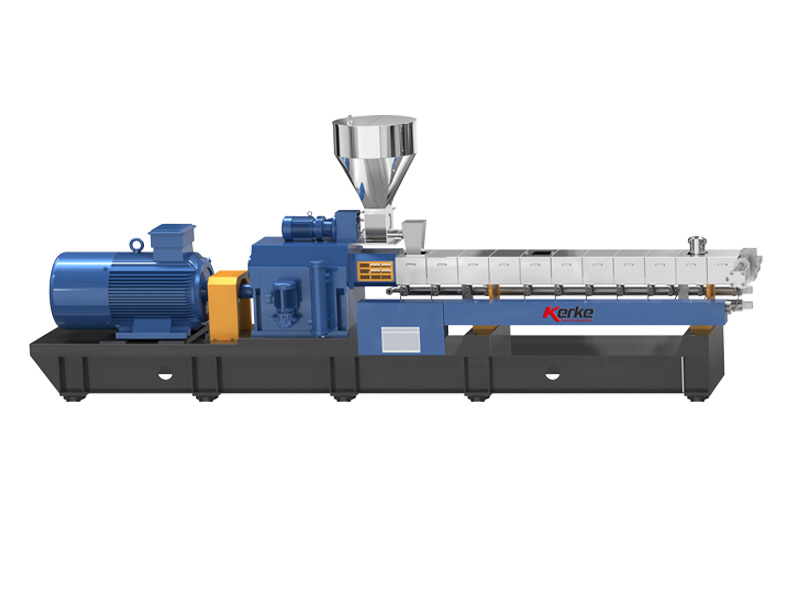
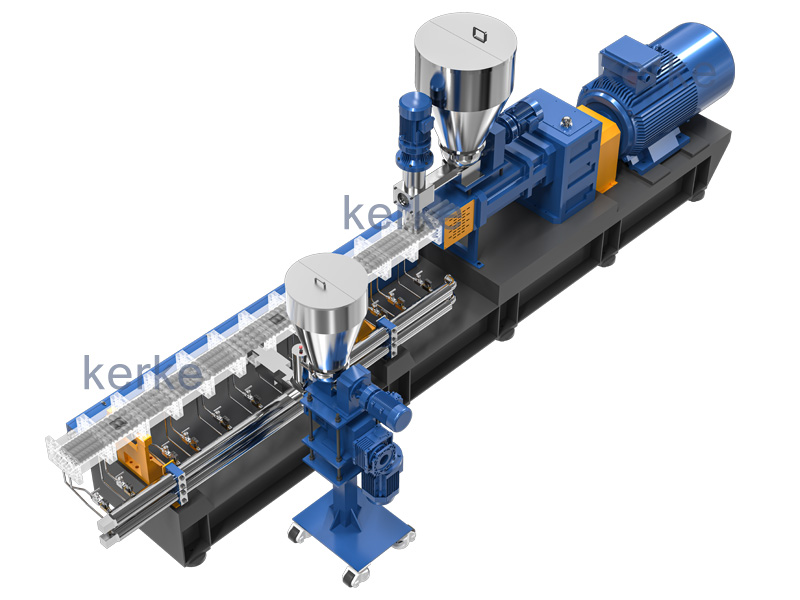
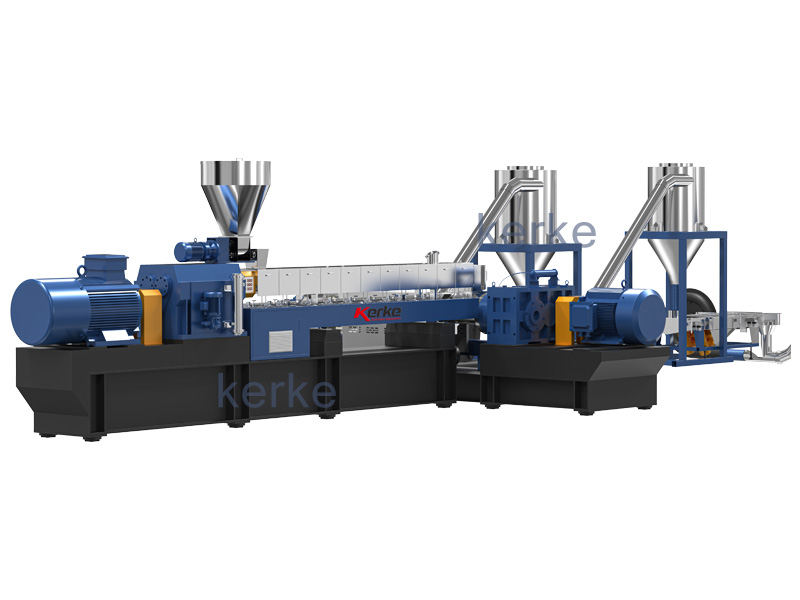
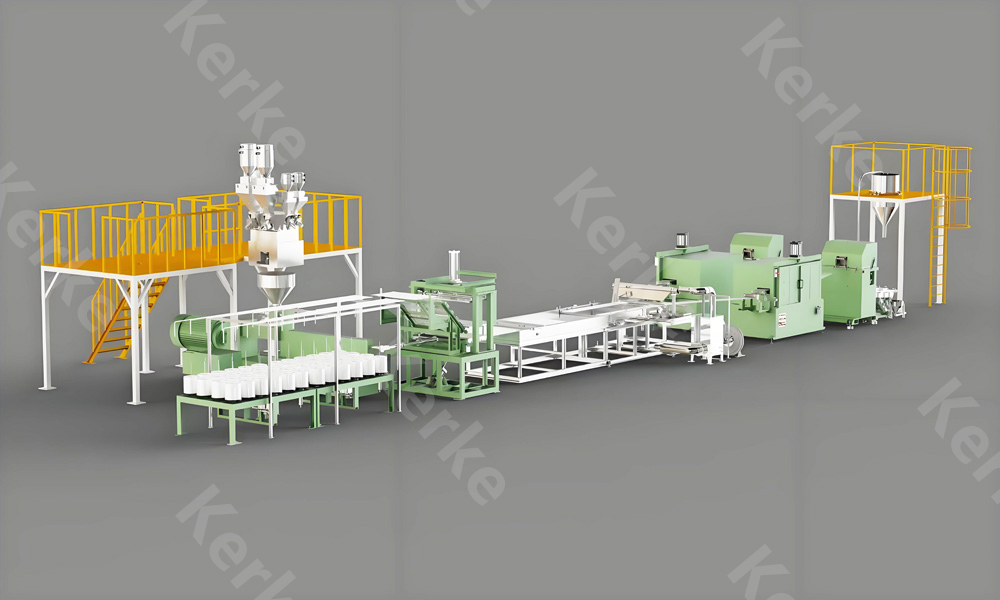
As a leading manufacturer of twin screw extruders and masterbatch compounding equipment, Kerke understands the unique requirements of antibacterial masterbatch production. The company’s KTE Series twin screw extruders provide the precise control and mixing capabilities necessary for achieving uniform dispersion of antibacterial agents throughout the polymer matrix. Proper compounding is essential for ensuring consistent antibacterial performance and maintaining the mechanical properties of the base polymer. Kerke’s equipment is designed to handle the specific challenges associated with processing antibacterial masterbatch, including temperature-sensitive active ingredients and the need for thorough distributive mixing.
Understanding Antibacterial Mechanisms
Antibacterial masterbatch operates through various mechanisms depending on the active ingredients incorporated into the formulation. The most common mechanisms involve the controlled release of antibacterial agents that interfere with microbial cell functions. Silver ions, widely used in antibacterial plastics, work by binding to bacterial cell membranes and disrupting essential enzymatic processes. This mechanism makes silver effective against a broad spectrum of bacteria while being relatively safe for human exposure at appropriate concentrations. The controlled release mechanism ensures sustained antibacterial activity throughout the product’s useful life.
Zinc-based antibacterial agents operate through similar mechanisms but may offer advantages in certain applications. Zinc pyrithione and zinc oxide provide antibacterial activity through ion release and oxidative stress mechanisms. These compounds are particularly effective against fungi in addition to bacteria, making them suitable for applications requiring protection against multiple types of microorganisms. The choice between silver and zinc antibacterial agents often depends on specific application requirements, regulatory considerations, and cost factors. Both mechanisms rely on the gradual release of active ions that maintain effective antibacterial concentrations on the plastic surface.
Organic antibacterial agents including quaternary ammonium compounds and triclosan represent another class of antibacterial agents used in masterbatch formulations. These organic compounds typically work by disrupting bacterial cell membranes or interfering with cellular metabolism. Organic antibacterial agents often provide immediate contact killing action and can be effective against specific bacterial strains. However, they may have limitations regarding long-term stability and thermal resistance during processing. The selection of antibacterial agents must consider processing conditions, intended end-use environment, and required duration of antibacterial activity.
Nanotechnology has enabled the development of advanced antibacterial masterbatch formulations with enhanced performance. Silver nanoparticles, for example, provide increased surface area and improved dispersion within the polymer matrix, resulting in more efficient antibacterial activity at lower concentrations. Nano-antibacterial agents can provide sustained release of active ingredients and improved compatibility with various polymer systems. The use of nanotechnology also enables the creation of multifunctional masterbatch formulations that combine antibacterial properties with other performance-enhancing additives. These advanced formulations often require specialized compounding equipment and processing expertise.
Silver-Based Antibacterial Masterbatch
Silver-based antibacterial masterbatch represents the most widely used technology for creating antimicrobial plastics. Silver has been recognized for its antibacterial properties for centuries, and its application in plastic materials has proven highly effective. Silver ions released from the polymer matrix provide broad-spectrum antibacterial activity against gram-positive and gram-negative bacteria, as well as many fungi. The effectiveness of silver-based masterbatch depends on several factors including silver particle size, distribution, concentration, and the type of silver compound used in the formulation.
Silver ion release kinetics are carefully controlled in modern antibacterial masterbatch formulations. The goal is to achieve sufficient antibacterial activity while preventing excessive silver release that could lead to discoloration or regulatory concerns. Advanced silver compounds including silver zinc zeolite, silver glass, and silver phosphate provide controlled release characteristics. These compounds embed silver ions within a carrier matrix that controls the rate of ion migration to the plastic surface. This controlled release mechanism ensures consistent antibacterial performance throughout the product lifecycle without depletion of the active agent.
The concentration of silver in antibacterial masterbatch typically ranges from 0.5 to 5 percent by weight, depending on the desired level of antibacterial activity and application requirements. Higher silver concentrations generally provide stronger antibacterial performance but may affect processing characteristics and increase cost. Masterbatch manufacturers must balance antibacterial efficacy with economic considerations and processing requirements. Twin screw extruders play a crucial role in achieving uniform distribution of silver particles throughout the masterbatch, ensuring consistent performance in the final plastic products.
Processing considerations for silver-based antibacterial masterbatch include potential effects on polymer color and thermal stability. Silver compounds can cause slight yellowing or discoloration in some polymers, particularly at higher concentrations or when subjected to prolonged high-temperature exposure. This consideration is particularly important for applications where product appearance is critical. Compounding equipment must provide adequate mixing to disperse silver particles uniformly while minimizing thermal exposure that could affect antibacterial agent stability. Kerke KTE Series twin screw extruders offer the precise temperature control and mixing capabilities needed for processing silver-based formulations.
Zinc-Based Antibacterial Masterbatch
Zinc-based antibacterial masterbatch offers an alternative to silver formulations, often providing cost advantages while maintaining effective antibacterial performance. Zinc oxide and zinc pyrithione are commonly used zinc compounds that provide antibacterial and antifungal activity. Zinc-based masterbatch can be particularly suitable for applications requiring protection against both bacteria and fungi, making it valuable for food packaging and certain medical applications. The cost advantage of zinc compared to silver makes these formulations attractive for high-volume applications.
Zinc oxide antibacterial masterbatch operates through multiple mechanisms including ion release, generation of reactive oxygen species, and disruption of bacterial cell membranes. This multi-modal approach provides broad-spectrum activity and reduces the likelihood of bacterial resistance development. Zinc oxide is relatively stable during processing and can withstand the thermal requirements of most polymer systems. The white color of zinc oxide is compatible with many plastic applications and can even provide some pigmenting effect, eliminating the need for additional colorants in some cases.
Zinc pyrithione antibacterial masterbatch provides particularly effective action against fungi in addition to bacteria. This makes zinc pyrithione formulations suitable for applications requiring protection against mold and mildew, such as food packaging films and medical device housings. The compound has a long history of use in personal care products and has demonstrated effectiveness at relatively low concentrations. Processing considerations for zinc pyrithione masterbatch include its sensitivity to high temperatures and potential for thermal degradation during compounding.
The cost comparison between zinc-based and silver-based antibacterial masterbatch typically favors zinc formulations, with zinc-based materials often costing 30 to 50 percent less than silver-based alternatives. However, the total cost analysis must consider required concentration levels, processing requirements, and end-use performance requirements. Zinc-based formulations may require higher concentrations to achieve equivalent antibacterial activity, partially offsetting the raw material cost advantage. Kerke’s compounding equipment can help optimize processing efficiency for both silver and zinc-based formulations, contributing to overall cost effectiveness.
Applications in Food Packaging
Food packaging represents one of the largest application areas for antibacterial masterbatch, driven by the need to extend shelf life and reduce food waste. Antibacterial plastics used in food packaging create a protective barrier that inhibits bacterial growth on food contact surfaces, helping to maintain product freshness and safety. This technology is particularly valuable for perishable foods including meat, poultry, seafood, and ready-to-eat products where bacterial contamination is a significant concern. The active ingredients in antibacterial masterbatch migrate to the packaging surface where they create an environment unfavorable for bacterial proliferation.
Meat and poultry packaging benefits significantly from antibacterial masterbatch technology. Fresh meat products are particularly susceptible to bacterial contamination during storage and distribution. Antibacterial films and trays used in meat packaging can help control bacterial growth, extend shelf life, and reduce the risk of foodborne illness. The ability to maintain product freshness for longer periods reduces food waste and improves profitability throughout the supply chain. Antibacterial masterbatch for meat packaging must be carefully formulated to ensure compatibility with the specific requirements of meat products and regulatory compliance for food contact applications.
Seafood packaging presents unique challenges due to the rapid bacterial growth characteristics of seafood products. Antibacterial plastics used in seafood packaging must provide strong antibacterial activity against marine bacteria and other microorganisms commonly found on seafood. The cold storage conditions used for seafood products can affect the release kinetics of antibacterial agents, requiring specialized formulations. Seafood packaging films incorporating antibacterial masterbatch can significantly extend shelf life while maintaining product quality and safety. Kerke’s twin screw extruders are particularly well-suited for producing the specialized masterbatch formulations required for seafood packaging applications.
Fresh produce packaging represents another important application for antibacterial masterbatch. Fruits and vegetables can carry bacterial contamination from field conditions, and antibacterial packaging can help reduce cross-contamination and extend shelf life. However, antibacterial formulations for produce packaging must be carefully selected to avoid affecting produce quality or leaving undesirable residues. Natural antibacterial agents or carefully controlled release rates may be preferred for produce packaging applications. The complex requirements of produce packaging highlight the need for specialized masterbatch formulations and precise compounding capabilities.
Medical Device Applications
Medical device applications represent a critical use case for antibacterial masterbatch, where infection control is paramount. Plastics used in medical devices, hospital equipment, and healthcare facilities can serve as reservoirs for pathogenic bacteria if not properly protected. Antibacterial masterbatch helps reduce the risk of healthcare-associated infections by creating surfaces that actively inhibit bacterial growth. These applications require the highest standards of safety, efficacy, and regulatory compliance. Medical device manufacturers must carefully select antibacterial formulations that meet the specific requirements of their applications.
Hospital equipment and surfaces benefit from antibacterial plastic components that help reduce cross-contamination and improve infection control. Bed rails, tray tables, medical instrument handles, and other frequently touched surfaces can incorporate antibacterial masterbatch to provide continuous antimicrobial protection. This is particularly important in intensive care units, operating rooms, and other high-risk hospital environments where infection control is critical. The antibacterial properties must be maintained despite frequent cleaning and disinfection procedures used in healthcare settings.
Medical device housings and components that contact patients or healthcare workers can be protected with antibacterial masterbatch. Blood pressure monitors, infusion pumps, ventilator components, and other medical devices can all benefit from antibacterial surface protection. These applications require antibacterial formulations that are biocompatible and meet stringent medical device regulations. The choice of antibacterial agents and carrier polymers must consider potential patient exposure, device usage conditions, and sterilization requirements. Medical device manufacturers must work closely with masterbatch suppliers to ensure appropriate formulation selection.
Dental applications represent another important use case for antibacterial plastics. Dental instruments, toothbrushes, and other dental products can incorporate antibacterial masterbatch to reduce bacterial contamination and improve oral hygiene outcomes. The moist environment of the mouth creates ideal conditions for bacterial growth, making antibacterial protection particularly valuable in dental applications. Dental applications require antibacterial formulations that are safe for oral exposure and effective against oral bacteria. The specific requirements of dental applications often necessitate customized masterbatch formulations.
Safety and Regulatory Compliance
Safety considerations are paramount in the development and use of antibacterial masterbatch for food and medical applications. Regulatory requirements vary by region and application, but generally require thorough testing to demonstrate safety for intended use. Food contact applications must comply with regulations such as FDA food contact substance approvals in the United States, EU regulations for plastic materials in contact with food, and similar regulations in other countries. Medical device applications must meet medical device regulations such as ISO 10993 biocompatibility testing requirements.
FDA compliance for food contact applications requires comprehensive migration testing to ensure that antibacterial agents do not migrate into food at levels that would raise safety concerns. The FDA evaluates food contact substances based on intended use, migration levels, and toxicological data. Silver-based antibacterial agents have generally received FDA approval for food contact applications at specified concentrations. Manufacturers must maintain appropriate documentation and ensure that their formulations comply with current FDA regulations. Compliance requires ongoing monitoring as regulations evolve over time.
EU regulations for plastic food contact materials establish specific requirements for antibacterial substances used in food packaging. The European Food Safety Authority evaluates the safety of these substances and establishes permitted uses and migration limits. The EU approach typically requires more extensive testing compared to some other regions, including studies on reproductive toxicity, genotoxicity, and other potential health effects. Masterbatch manufacturers selling into the EU market must ensure compliance with these comprehensive requirements. Kerke’s quality systems help ensure that produced masterbatch meets regulatory requirements.
Medical device biocompatibility testing according to ISO 10993 standards is required for antibacterial plastics used in medical applications. This testing includes cytotoxicity, sensitization, irritation, and other biocompatibility assessments depending on the device classification and duration of patient contact. The testing requirements are more stringent for devices that have prolonged or permanent contact with patients. Medical device manufacturers must work with qualified testing laboratories to complete the required testing. Masterbatch suppliers should provide technical data to support medical device manufacturers’ biocompatibility assessment efforts.
Processing Parameters and Equipment
Processing antibacterial masterbatch requires careful attention to temperature profiles and mixing parameters to ensure proper dispersion while preserving antibacterial agent activity. The thermal sensitivity of many antibacterial agents necessitates careful temperature control throughout the compounding process. Excessive temperatures can degrade antibacterial agents, reducing their effectiveness or potentially creating undesirable decomposition products. Processing temperatures must be high enough to achieve proper polymer melt flow and mixing but not so high as to damage antibacterial activity. Kerke KTE Series twin screw extruders provide precise temperature control across multiple barrel zones to optimize processing conditions.
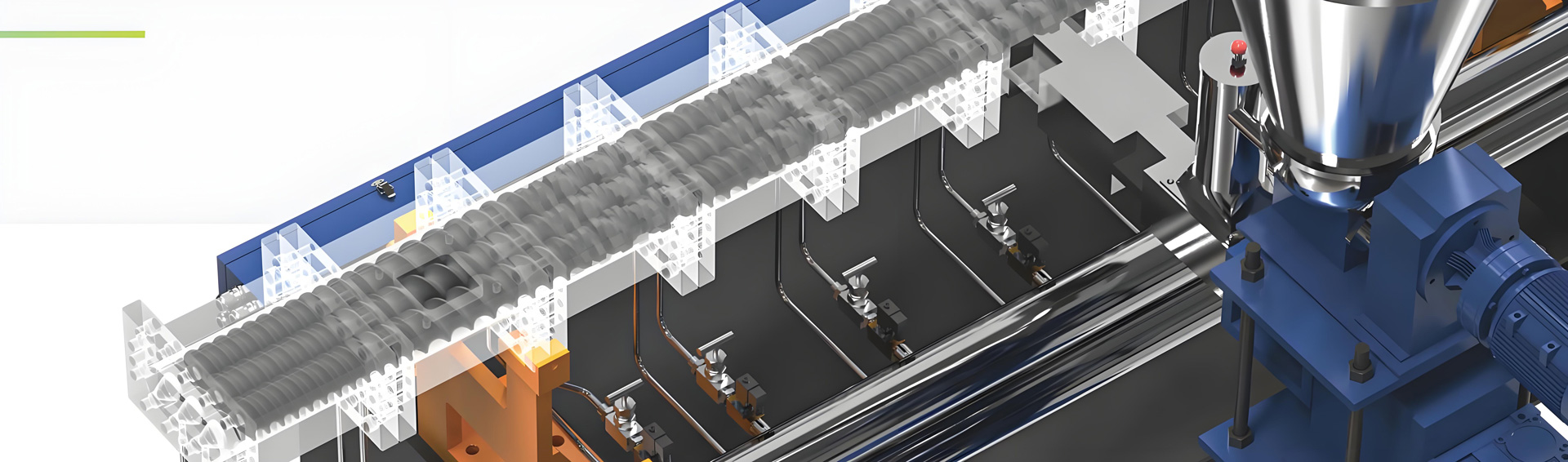
Mixing intensity and screw configuration are critical factors in achieving uniform dispersion of antibacterial agents throughout the polymer matrix. Insufficient mixing can result in agglomeration of antibacterial particles, creating areas of high concentration that may affect product performance and areas of low concentration with inadequate antibacterial activity. Twin screw extruders are preferred for antibacterial masterbatch production due to their superior mixing capabilities compared to single screw extruders. The screw configuration must balance distributive and dispersive mixing to achieve optimal dispersion without excessive shear that could degrade antibacterial agents.
Residence time in the extruder affects both mixing quality and thermal exposure of antibacterial agents. Longer residence times can improve mixing but also increase thermal exposure that may degrade sensitive antibacterial compounds. Optimal residence time depends on the specific antibacterial agents used, polymer system, and equipment design. Processors must find the balance point that provides adequate mixing while preserving antibacterial activity. Kerke twin screw extruders allow precise control over residence time through adjustment of screw speed, feed rate, and screw configuration.
Feeding technology for antibacterial masterbatch production must ensure accurate metering of antibacterial agents into the polymer melt. Gravimetric feeding systems are preferred for precise control of additive concentrations. The antibacterial agents may be fed as powders, pellets, or pre-dispersed concentrates depending on the formulation. Proper feeding ensures consistent masterbatch composition and batch-to-batch uniformity. Accurate feeding is particularly important for maintaining the precise antibacterial agent concentrations required for regulatory compliance and performance consistency.
Cost Analysis and Pricing
The cost of antibacterial masterbatch varies significantly depending on the active ingredients, concentration levels, and base polymers used. Silver-based antibacterial masterbatch typically costs between 5 and 15 dollars per kilogram, depending on silver content and carrier polymer. Zinc-based formulations generally cost between 3 and 10 dollars per kilogram, reflecting the lower raw material cost of zinc compounds compared to silver. The actual cost depends on the specific formulation, antibacterial agent purity, and volume purchased. Masterbatch manufacturers must optimize formulations to achieve required performance at acceptable cost levels.
Concentration levels significantly affect antibacterial masterbatch pricing. Higher antibacterial agent concentrations increase raw material costs proportionally but may improve performance and allow higher dilution ratios in end-use applications. The optimal concentration balances performance requirements with economic considerations. Typical antibacterial masterbatch formulations contain between 1 and 20 percent active ingredients, with the exact level determined by required antibacterial activity and regulatory limits for the intended application. Masterbatch manufacturers work with customers to determine appropriate concentration levels for specific applications.
Volume discounts are commonly available for antibacterial masterbatch purchases, with prices decreasing as order quantities increase. Large volume purchases may receive discounts of 10 to 30 percent compared to small volume purchases. Contract pricing arrangements are available for customers with consistent high-volume requirements. The economics of antibacterial masterbatch use must consider not only the masterbatch cost but also the value provided through extended shelf life, reduced waste, and enhanced product safety. These benefits can often justify the additional cost of antibacterial materials.
Total cost of ownership for antibacterial masterbatch includes considerations beyond the initial material cost. Processing costs, including energy consumption and equipment wear, should be factored into the economic analysis. Some antibacterial formulations may require special handling or processing conditions that add to production costs. The value provided through reduced product returns, extended shelf life, and enhanced brand reputation should be considered in the economic evaluation. Kerke offers cost analysis support to help customers optimize their antibacterial masterbatch applications economically.
Quality Control and Testing
Quality control for antibacterial masterbatch production involves comprehensive testing to ensure consistent performance and regulatory compliance. Testing protocols include measurement of antibacterial agent concentration, dispersion quality assessment, and antibacterial efficacy testing. Consistent masterbatch quality is essential for ensuring reliable performance in end-use applications. Masterbatch manufacturers must maintain rigorous quality control systems to ensure batch-to-batch uniformity and compliance with specifications.
Antibacterial efficacy testing verifies that the masterbatch provides the required level of antibacterial activity. Standard test methods including ISO 22196, JIS Z 2801, and ASTM E2149 provide standardized procedures for measuring antibacterial activity against specific bacterial strains. Testing typically involves exposing masterbatch samples to bacterial cultures and measuring reduction in bacterial colony forming units after a specified contact time. Efficacy testing should be performed against bacteria relevant to the intended application, such as E. coli and S. aureus for food contact applications or MRSA for healthcare applications.
Dispersion quality assessment ensures that antibacterial agents are uniformly distributed throughout the polymer matrix. Microscopic examination can identify agglomeration or uneven distribution of antibacterial particles. Poor dispersion can lead to inconsistent antibacterial performance and may affect other material properties. Scanning electron microscopy with energy-dispersive X-ray spectroscopy can provide detailed information about particle distribution. Kerke’s quality systems include dispersion quality assessment as a critical control point in masterbatch production.
Migration testing is required for food contact applications to ensure that antibacterial agents do not migrate into food at levels that would raise safety concerns. Migration testing involves exposing the plastic material to food simulants under specified temperature and time conditions, then measuring the amount of migrated substances. The specific test conditions depend on the intended food contact conditions and applicable regulations. Migration testing results must demonstrate compliance with regulatory migration limits for the target market.
Kerke Equipment for Antibacterial Masterbatch
Kerke KTE Series twin screw extruders provide the ideal platform for producing high-quality antibacterial masterbatch. The KTE Series features advanced screw geometry optimized for dispersive and distributive mixing, ensuring uniform dispersion of antibacterial agents throughout the polymer matrix. Precise temperature control across multiple barrel zones allows processors to maintain optimal processing conditions while preserving antibacterial agent activity. The modular design of KTE Series extruders enables customization for specific antibacterial masterbatch formulations.
KTE Series twin screw extruders offer L/D ratios from 40:1 to 72:1, providing sufficient residence time for thorough mixing while minimizing thermal degradation of sensitive antibacterial agents. The available processing widths from 20mm to 150mm accommodate production volumes from laboratory scale to full-scale manufacturing. Kerke’s patented screw configuration technology enables optimization of mixing intensity and residence time for each antibacterial masterbatch formulation. This flexibility allows processors to achieve the optimal balance between mixing quality and antibacterial agent preservation.
Pricing for Kerke KTE Series twin screw extruders ranges from 25,000 dollars for laboratory-scale models to over 500,000 dollars for large-scale production equipment, depending on size, configuration, and automation level. This investment provides the capability to produce high-quality antibacterial masterbatch with consistent performance. The return on investment can be achieved through improved product quality, reduced processing costs, and the ability to command premium prices for high-performance antibacterial materials. Kerke offers flexible financing options to help customers acquire the equipment they need.
Kerke provides comprehensive support for antibacterial masterbatch production, including process development, formulation assistance, and ongoing technical support. The company’s experience with various antibacterial agents and polymer systems enables them to provide valuable guidance for optimizing processing conditions. Kerke’s quality systems ensure that produced equipment meets the highest standards for consistency and reliability. The company’s commitment to innovation ensures that customers receive equipment capable of meeting evolving market requirements.
Environmental Considerations
Environmental considerations are increasingly important in the development and use of antibacterial masterbatch. The potential for environmental release of antibacterial agents, particularly silver, has raised concerns about environmental impact. Silver ions can be toxic to aquatic organisms at high concentrations, making proper end-of-life management of antibacterial plastics important. Masterbatch manufacturers and users must consider environmental impacts throughout the product lifecycle, from production through disposal or recycling.
Recycling considerations for antibacterial plastics present challenges due to the potential accumulation of antibacterial agents in recycled materials. Recycling streams that combine antibacterial and non-antibacterial plastics may result in dilute antibacterial content in recycled materials. This raises questions about the appropriate applications for such recycled materials and potential for environmental release of antibacterial agents. Masterbatch manufacturers are developing approaches to address recycling challenges, including formulations designed for easier separation or degradation of antibacterial agents during recycling processes.
Biodegradable antibacterial masterbatch represents an emerging area of development that combines antibacterial properties with biodegradable polymers. These formulations are designed for applications where biodegradability is desired in addition to antibacterial performance. The challenge lies in maintaining antibacterial efficacy throughout the useful life of the product while ensuring complete biodegradation after disposal. Biodegradable antibacterial masterbatch may use natural antibacterial agents or carefully selected synthetic agents that are compatible with biodegradation processes.
Life cycle assessment studies are increasingly used to evaluate the overall environmental impact of antibacterial plastics compared to conventional alternatives. These studies consider factors including resource consumption, energy use, emissions, and end-of-life impacts. The extended shelf life provided by antibacterial packaging can reduce food waste, which represents a significant environmental benefit. Masterbatch manufacturers are conducting life cycle assessments to optimize formulations and processing methods for minimal environmental impact.
Market Trends and Future Developments
The antibacterial masterbatch market continues to grow as new applications emerge and regulatory requirements evolve. The COVID-19 pandemic has accelerated interest in antibacterial surfaces across multiple industries, creating new opportunities for antibacterial plastics. Consumer awareness of hygiene and infection control has increased, driving demand for products with antibacterial properties. These market dynamics suggest continued growth for antibacterial masterbatch across multiple application sectors.
Innovation in antibacterial agents continues to advance, with new compounds and technologies being developed to address specific application requirements. Next-generation silver compounds with improved controlled release characteristics are expanding performance options. Natural antibacterial agents derived from plants and other natural sources are gaining interest, particularly for applications requiring natural positioning. Combination formulations that incorporate multiple antibacterial mechanisms provide broader spectrum activity and reduce the likelihood of resistance development.
Smart antibacterial masterbatch represents an emerging concept where antibacterial activity can be activated or modulated in response to specific stimuli. pH-responsive, temperature-responsive, or light-responsive formulations could provide antibacterial activity only when needed, reducing unnecessary use of antibacterial agents. These smart systems require sophisticated chemistry and processing capabilities. Kerke’s advanced equipment platforms are well-suited for processing these next-generation formulations that require precise control over distribution and morphology.
Regulatory evolution continues to shape the antibacterial masterbatch market. Increasing scrutiny of antibacterial agents in food contact applications may drive formulation changes or concentration limits. Environmental regulations may affect the use of certain antibacterial agents, particularly silver. Medical device regulations continue to evolve, with increasing emphasis on demonstrating clinical benefit for antimicrobial surfaces. Masterbatch manufacturers must stay current with regulatory developments and be prepared to adapt formulations as requirements change.
Conclusion
Antibacterial masterbatch for food and medical plastics represents a valuable technology that enhances product safety, extends shelf life, and contributes to infection control. The technology has evolved significantly from early silver-based formulations to today’s sophisticated systems incorporating multiple mechanisms and advanced carriers. Proper formulation and processing are essential for achieving consistent antibacterial performance while maintaining material properties and meeting regulatory requirements. Kerke KTE Series twin screw extruders provide the mixing capabilities and process control needed for producing high-quality antibacterial masterbatch.
The selection of appropriate antibacterial agents and formulations requires careful consideration of application requirements, regulatory compliance, and economic factors. Silver-based formulations offer proven performance but at higher cost, while zinc-based alternatives provide economic advantages. Organic antibacterial agents offer different performance characteristics that may suit specific applications. Masterbatch manufacturers must work closely with customers to optimize formulations for each application.
As the market for antibacterial plastics continues to grow, innovation in antibacterial agents and processing technologies will expand performance capabilities and application possibilities. Environmental considerations and regulatory compliance will continue to shape development directions. Kerke remains committed to providing the advanced equipment and technical support needed to produce high-quality antibacterial masterbatch that meets evolving market requirements.
Investment in proper compounding equipment, such as Kerke KTE Series twin screw extruders, is essential for producing antibacterial masterbatch with consistent quality and performance. The precise control and mixing capabilities of Kerke equipment enable manufacturers to optimize processing conditions for each formulation. This investment pays dividends through improved product quality, reduced processing costs, and the ability to meet the growing market demand for high-performance antibacterial plastics.