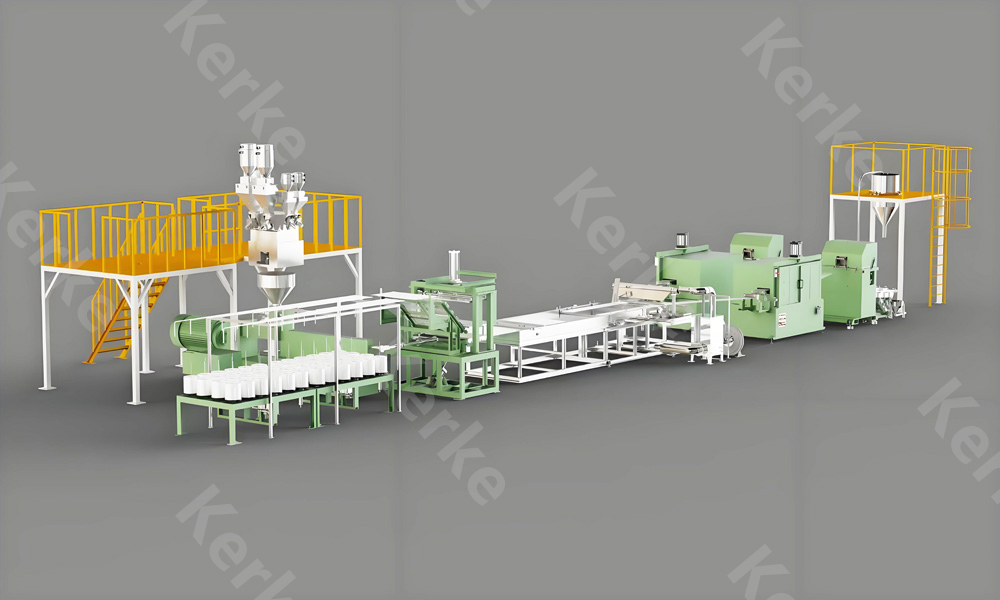
Color consistency across production batches stands as one of the most demanding challenges in masterbatch manufacturing. Customers expect that every shipment of color masterbatch delivers identical color values regardless of when it was produced. Achieving this level of consistency requires more than simply following a recipe; it demands a comprehensive understanding of how twin screw extrusion technology influences color development and retention throughout the production process. This understanding guides the process optimization efforts that ultimately determine consistency performance.
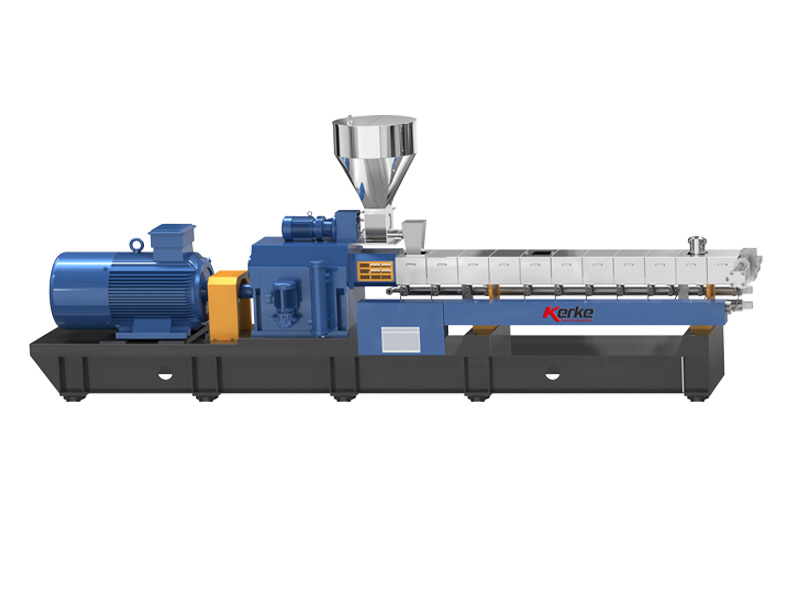
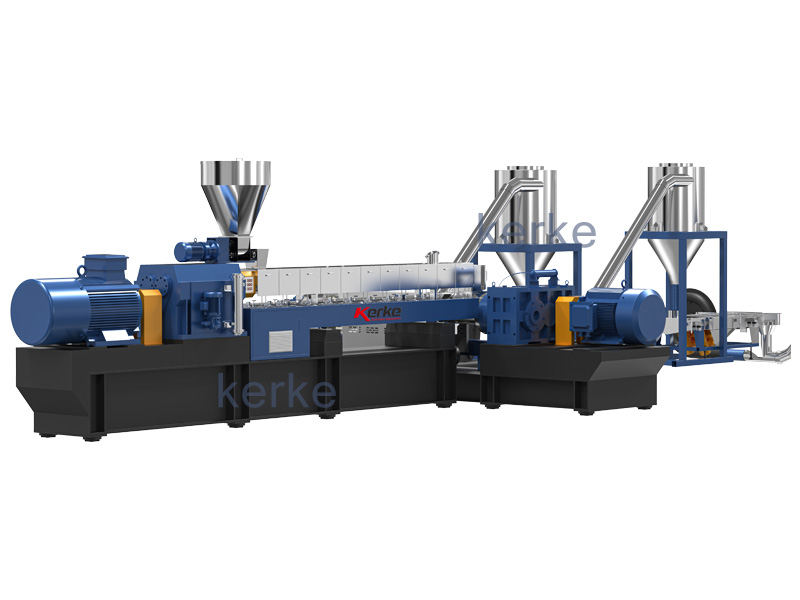
A twin screw masterbatch extruder provides the precise control over mixing, temperature, and material handling that color-critical applications demand. The co-rotating screw design creates predictable material flow patterns and consistent shear environments that ensure each batch experiences essentially identical processing conditions. This technological foundation enables manufacturers to produce color masterbatches that meet the strictest consistency requirements. Equipment selection and configuration directly affect achievable consistency levels.
The investment in color consistency capability generates returns through reduced waste, improved customer satisfaction, and premium pricing opportunities. Manufacturers who achieve industry-leading consistency build market position and customer loyalty that competitors struggle to match. This competitive advantage justifies the investment in equipment, processes, and quality systems that consistency requires. Long-term success in masterbatch production depends on consistent quality delivery.
The Science of Color Development in Compounding
Color in masterbatch originates from pigments or dyes dispersed within a carrier resin matrix. The visual appearance of the final color depends not only on the chemical composition of the colorants but also on their physical distribution within the carrier. Identical colorant loadings can produce dramatically different colors if dispersion quality varies between batches. This fundamental relationship between distribution and appearance guides all consistency optimization efforts.
Pigment particles must be uniformly distributed at a particle size small enough to interact with light in predictable ways. When pigment agglomerates remain in the final product, they create color streaks, specks, or inconsistent shading that customers immediately recognize as quality defects. The twin screw extruder must break down agglomerates while preserving the crystal structure of organic pigments that contributes to color brilliance. These dual requirements define the processing optimization challenge.
The physics of light interaction with pigment particles determines how color appears to observers. Light scattering, absorption, and reflection all contribute to perceived color. Particle size distribution affects scattering behavior and thus color development. Larger particles scatter more light, creating lighter shades, while smaller particles scatter less, producing deeper colors. Processing conditions that affect particle size thus directly influence color values.
Pigment Wetting and Incorporation Mechanics
The initial contact between pigment particles and molten carrier resin determines how effectively subsequent mixing can distribute the colorant. Pigment wetting involves displacing air from pigment particle surfaces and establishing proper adhesion between the colorant and carrier. Inadequate wetting leaves air pockets that interfere with light transmission and reduce color strength. The wetting process begins immediately upon pigment introduction and continues throughout mixing.
Twin screw extruders create excellent conditions for pigment wetting through their intensive mixing action and ability to process at appropriate viscosities. The screws continuously expose fresh pigment surfaces to molten resin, accelerating the wetting process. Kerke extruders feature screw configurations optimized for rapid pigment incorporation in color masterbatch applications. This optimization reduces processing requirements while improving incorporation completeness.
Wetting efficiency depends on carrier resin viscosity, pigment surface characteristics, and processing temperature. Higher temperatures reduce viscosity, improving wetting but potentially affecting heat-sensitive pigments. Lower temperatures maintain pigment quality but may result in incomplete wetting. The optimal temperature balances these competing considerations for specific formulation combinations.
Shear Effects on Pigment Crystal Structure
Organic pigments often exist in specific crystal forms that contribute to their color properties. Excessive shear forces during processing can cause crystal phase transitions that alter color shade or reduce color strength. Understanding the shear sensitivity of specific pigments guides processing parameter selection to preserve color quality. Crystal form effects vary significantly between pigment types.
Beta crystal phases of phthalocyanine blue, for example, convert to the alpha phase under high shear conditions, producing a redder shade that differs from target specifications. Controlling shear intensity and exposure time through proper screw design and speed selection prevents unwanted crystal transformations while still achieving adequate dispersion. This balancing act requires detailed understanding of both equipment capability and pigment characteristics.
Quinacridone pigments exhibit similar crystal sensitivity, with different polymorphs producing significantly different color shades. Some formulations require specialized processing approaches that preserve the desired crystal form. Supplier technical support provides guidance on processing requirements for sensitive pigments. This guidance enables optimal processing without extensive trial-and-error experimentation.
Critical Process Variables Affecting Color Consistency
Multiple process variables influence color consistency in twin screw extrusion. These variables interact in complex ways, requiring systematic optimization approaches to identify stable operating windows. Controlling these variables within tight tolerances ensures that each batch receives equivalent processing regardless of production sequence or operator. This control discipline distinguishes professional operations from casual producers.
Modern extrusion controls incorporate advanced algorithms that maintain process stability despite external variations. Temperature control systems, variable frequency drives, and gravimetric feeding systems work together to minimize batch-to-batch variation. Kerke extruders integrate these technologies to deliver the consistency that color masterbatch production requires. Technology integration distinguishes capable equipment from basic alternatives.
Temperature Uniformity Across the Mixing Zone
Barrel temperature directly affects material viscosity, which in turn influences shear intensity and mixing efficiency. Temperature variations within the mixing zone create localized differences in processing conditions that manifest as color variations between extruded strands. Precise temperature control throughout the barrel ensures uniform processing conditions. Temperature control precision directly affects consistency performance.
Kerke extruders employ multi-zone temperature control with independent heating and cooling circuits for each zone. This granular control prevents temperature gradients that could affect mixing uniformity. Thermocouple placement and calibration protocols ensure accurate temperature measurement and feedback control. The sophistication of temperature control systems distinguishes professional equipment from basic alternatives.
Temperature setpoint optimization requires understanding how each zone affects processing. Feed zones typically run cooler to prevent premature melting. Compression and mixing zones operate at higher temperatures to maintain appropriate viscosity for mixing. Die zones require precise temperature control to optimize melt flow and strand formation. Zone-by-zone optimization creates the overall temperature profile.
Screw Speed Consistency and Control
Screw speed determines shear rate, residence time distribution, and overall mixing intensity. Speed variations between batches directly translate to color variations if other parameters remain constant. Variable frequency drives with closed-loop speed control maintain consistent screw speeds regardless of line voltage variations or motor load changes. Speed consistency provides the processing repeatability that color consistency requires.
The relationship between screw speed and color properties must be established through designed experiments that map the color response across the expected operating range. This information enables selection of optimal speeds that provide adequate dispersion while minimizing sensitivity to normal operating variations. Operating at speed setpoints with minimal color sensitivity reduces consistency problems from normal speed variations.
Speed control accuracy should exceed the resolution required for color consistency. Small speed variations that might be insignificant in other applications may create visible color differences in critical masterbatch production. Investing in high-quality drive systems provides the speed control precision that color consistency demands. This precision investment often proves economical compared to the cost of color consistency failures.
Feeding System Accuracy and Consistency
Accurate metering of colorants and carrier resin ensures that each batch receives the correct formulation. Gravimetric feeding systems provide superior accuracy compared to volumetric systems, particularly for expensive pigments where formulation precision directly impacts cost and quality. Feed system accuracy must exceed color specification tolerances to enable consistent production. Feeding accuracy provides the foundation for color consistency.
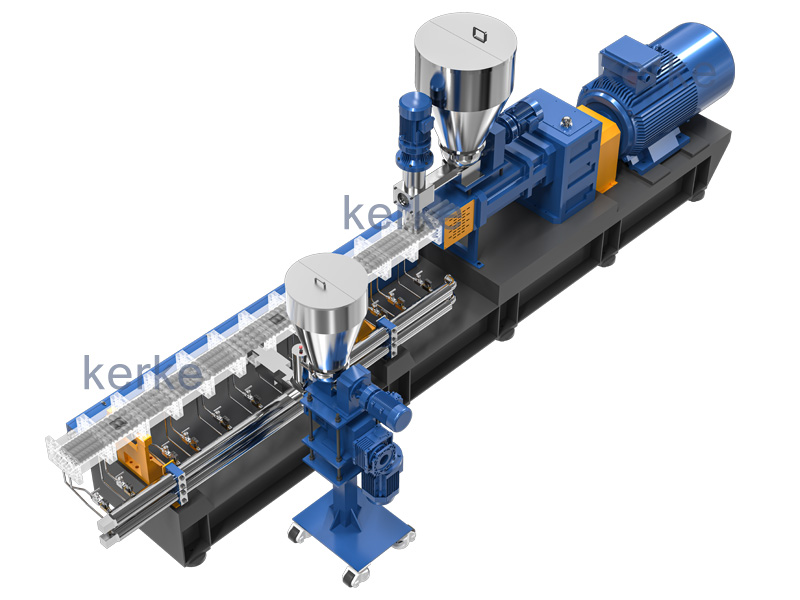
Kerke offers integrated gravimetric feeding solutions designed for masterbatch applications. These systems feature loss-in-weight feeders with precise control algorithms that maintain accuracy even as material hoppers empty during production runs. Dual-speed feeding approaches prevent overfeeding during startup and shutdown transitions. This integrated approach ensures that feeding and extrusion work together optimally.
Feed system calibration and verification protocols ensure that accuracy remains consistent over time. Regular testing confirms that delivered quantities match setpoints despite variations in material flow characteristics or feeder condition. Calibration records support quality assurance requirements and facilitate troubleshooting when consistency problems occur. Documentation demonstrates the control maintained over critical process parameters.
Screw Configuration Strategies for Color Uniformity
The screw configuration determines how material flows through the extruder and how much mixing it receives. Different masterbatch formulations require different mixing intensities and shear exposure levels. Optimizing screw configuration for specific color systems ensures adequate dispersion while avoiding degradation of heat-sensitive or shear-sensitive colorants. Configuration optimization requires understanding both equipment capability and formulation requirements.
Kerke twin screw extruders feature modular screw designs that accommodate a wide range of configuration options. This flexibility enables optimization for diverse color masterbatch formulations from organic pigments to inorganic pigments and from white concentrates to black masterbatches. The ability to reconfigure for different formulations maximizes equipment utility across diverse production requirements.
Feed Section Design for Pigment Incorporation
The feed section must successfully introduce pigments and carrier resin into the extruder without causing premature melting or feed problems. For dusty pigments, feed zone design must prevent pigment aeration and flush that creates quality and handling problems. Conveying elements in the feed section establish the material introduction rate that affects downstream processing. Feed section design sets the foundation for consistent processing.
Specialized feed throat designs with cooling jackets prevent carrier resin from softening prematurely in the feed zone. This cooling ensures that solid conveying remains stable until sufficient compression and melting occur in the transition zone. Proper feed zone design establishes the foundation for consistent color development. Cooling system capacity must match the heat input from motor power and material friction.
Multiple feed ports enable sequential introduction of different components. Some formulations benefit from pre-blending before extrusion, while others process better with separate colorant and carrier introduction. Understanding which approach works best for specific formulations guides equipment configuration and procedure development. Kerke applications engineering supports this optimization process.
Mixing Section Optimization for Dispersion
The mixing section provides the mechanical work that breaks down pigment agglomerates and achieves uniform distribution. Kneading block sequences create alternating high-pressure and low-pressure zones that fold and redistribute the material repeatedly. The width, number, and staggering of kneading disks determine mixing intensity and residence time distribution. Each configuration parameter affects consistency in predictable ways.
For color masterbatch applications, mixing section design must balance aggressive dispersion against potential colorant degradation. Kerke applications engineering provides configuration recommendations based on specific pigment systems and concentration targets. Iterative optimization through color testing validates configuration effectiveness. This systematic approach ensures that configuration decisions rest on objective data rather than assumptions.
Mixing intensity requirements vary with pigment type and concentration. Inorganic pigments typically require less aggressive mixing than organic pigments due to their naturally smaller primary particle sizes. High-concentration formulations may require more intensive mixing to achieve uniform distribution of the higher pigment loading. Understanding these relationships guides configuration development.
Vacuum Degassing for Color Clarity
Volatile contaminants in the formulation or generated during processing can affect color clarity and consistency. Moisture, residual monomers, and decomposition products create voids and surface defects that alter the visual appearance of colored products. Vacuum degassing zones remove these volatiles before the melt exits the extruder. Degassing capability becomes important for certain formulations and applications.
Vacuum systems must maintain stable vacuum levels while tolerating the high temperatures and material flow rates present in the extruder. Proper degassing zone design ensures complete volatiles removal without losing material or creating flow instabilities. Vacuum pump selection and maintenance affect degassing performance reliability. Kerke provides degassing zone design guidance based on application requirements.
For critical color applications, vacuum degassing significantly improves color clarity and consistency. The removal of volatiles eliminates trapped gas bubbles that might affect light transmission and color appearance. This improvement often justifies the additional equipment and complexity that vacuum degassing requires. The benefit assessment should consider both quality improvement and potential waste reduction.
Material Handling and Preparation Impact
Raw material consistency directly influences finished product color consistency. Variations in pigment lot, carrier resin properties, or additive quality manifest as finished product variations regardless of process control effectiveness. Establishing material qualification procedures and supplier quality programs reduces incoming material variability. These upstream investments create the foundation for downstream consistency.
Material preparation and handling procedures also affect color consistency. Pigment moisture content, carrier resin contamination, and additive mixing sequences all contribute to final product variation. Standardized procedures ensure that each batch begins with materials in consistent condition. Procedure development and enforcement create the operating discipline that consistency requires.
Pigment Lot Change Management
Pigment suppliers produce materials to specification ranges that may cause subtle color variations between lots. Even within specification, differences in particle size distribution, crystal form, or surface treatments affect final color. Lot change management protocols define how to integrate new pigment lots with existing inventory to minimize color transitions. These protocols prevent color drift from supplier-related variations.
Some manufacturers maintain pigment inventories sufficient to blend multiple lots together, reducing individual lot impact on final product color. This blending approach requires additional inventory investment and handling but provides insurance against lot-to-lot variations. Others establish specific lot numbers for critical colors and verify color performance before releasing new lots for production. Both approaches have merit depending on business circumstances.
Tracking pigment lots enables investigation of color issues when they occur. Complete lot traceability from incoming inspection through finished product enables root cause analysis that prevents recurrence. This traceability capability requires information systems that record lot usage at each production stage. Kerke production management support helps customers implement appropriate tracking systems.
Carrier Resin Consistency Requirements
Carrier resin properties including melt flow index, molecular weight distribution, and thermal stability influence processing and final product color. Lot-to-lot resin variations create processing differences that affect dispersion and color development. Establishing resin specifications with appropriate tolerances ensures acceptable consistency. These specifications should reflect both supplier capability and customer requirements.
For color masterbatch production, using resin from single lots for critical colors eliminates one source of variation. Pre-blending resin inventory before use in production ensures that each batch processes identical material. These material management practices complement process control to achieve the consistency required. The additional handling cost often proves economical compared to color variation problems.
Resin drying conditions affect moisture content and processing behavior. Inconsistent drying creates processing variations that manifest as color differences. Establishing and following standardized drying procedures ensures consistent material preparation. Monitoring systems verify that drying conditions remain within specifications throughout the process.
Pre-blending and Preconditioning Procedures
Pre-blending pigment concentrates with carrier resin before extrusion feeding improves distribution and reduces feeder variability. Thorough pre-blending ensures that the extrusion process receives a homogeneous mixture rather than requiring the extruder to incorporate discrete pigment additions. Pre-blending equipment and procedures must achieve consistent results to support color consistency. This preparation step investment often pays rapid dividends.
Preconditioning or pre-heating materials before extrusion reduces energy requirements and improves processing stability. Temperature-controlled premix vessels prepare materials at consistent temperatures before feeding, reducing startup variations and improving batch-to-batch consistency. These preparation steps add process time but generate quality and efficiency benefits that justify the investment.
Blending procedures should ensure complete colorant incorporation before extrusion. Incomplete blending transfers incorporation responsibility to the extrusion process, which may not have sufficient mixing capacity. Optimized pre-blending reduces the extrusion processing requirements while improving overall consistency. This transfer of processing burden often improves both quality and productivity.
Quality Assurance Testing for Color Verification
Comprehensive quality testing verifies that produced masterbatch meets color specifications and identifies problems before product reaches customers. Testing protocols must be fast enough to provide timely feedback while thorough enough to detect the variations that affect customer satisfaction. Investment in testing capabilities directly supports consistency improvement efforts. Testing infrastructure distinguishes professional operations from basic producers.
Statistical process control transforms testing from simple pass/fail inspection into proactive quality management. Control charts track color measurements over time, revealing trends and variations that might escape individual inspection. Capability analysis quantifies the ability of processes to meet specifications consistently. These SPC techniques enable continuous improvement rather than simple compliance.
Spectrophotometric Color Measurement
Spectrophotometers measure color numerically using standardized color spaces like CIELAB or CIE XYZ. Delta-E values represent the total color difference between a sample and a standard, with lower values indicating better color matching. Industry standards typically require delta-E values below 1.0 for imperceptible differences in critical applications. Measurement precision determines the resolution of consistency monitoring.
Proper spectrophotometric measurement requires standardized sample preparation, instrument calibration, and measurement protocols. Temperature effects, surface conditions, and sample geometry all influence measured values. Training operators in proper measurement techniques ensures reproducible results that enable meaningful color control. Investment in training pays dividends through improved consistency management.
Instrument calibration using traceable standards ensures measurement accuracy over time. Regular calibration verification confirms that instruments remain within specification. Calibration records support quality assurance requirements and facilitate troubleshooting when measurement discrepancies occur. These quality practices create the measurement infrastructure that consistency requires.
Color Strength and Tint Tone Assessment
Beyond overall color matching, specific color strength and tint tone measurements assess detailed color characteristics. Color strength testing measures how much colorant is effectively contributing to color appearance. Tint tone assessment evaluates whether the color shade matches the intended hue within the target color family. These detailed measurements reveal consistency issues that overall color measurements might miss.
These detailed assessments reveal subtle variations that overall color measurements might miss. For example, a masterbatch might match the target color at full concentration but display different tinting behavior during letdown. Testing at multiple letdown ratios ensures that color performance meets expectations across the expected application range. This comprehensive testing prevents customer complaints from application-related color variations.
Kubelka-Munk analysis provides quantitative assessment of color strength based on light reflectance measurements. This analysis enables objective color strength comparison between batches, reducing subjective assessment variability. Instrument color strength measurements complement visual evaluation to ensure complete color characterization. Both approaches contribute to comprehensive quality verification.
Statistical Process Control Implementation
SPC techniques transform color testing from reactive inspection into proactive quality management. Control charts track color measurements over time, identifying when processes drift outside acceptable ranges. Control limits derived from process capability studies define the boundaries that trigger corrective action. SPC implementation requires investment in both technology and training that many operations underestimate.
Process capability indices like Cpk quantify the ability of processes to meet specifications consistently. Processes with high capability indices demonstrate consistent performance that reduces customer quality concerns. Capability improvement initiatives target the sources of variation that limit process performance. This systematic approach distinguishes professional quality management from simple pass/fail inspection.
Response protocols define actions when control chart signals indicate out-of-control conditions. Quick, appropriate responses prevent quality problems from propagating through production. Training operators in SPC interpretation and response procedures ensures consistent quality management across shifts and personnel changes. These procedural investments create the quality culture that sustained consistency requires.
Equipment Considerations for Batch Consistency
Equipment condition and configuration directly impact batch consistency over time. Wear in processing components, calibration drift in control systems, and changes in tooling all affect process performance. Establishing maintenance schedules and calibration protocols ensures that equipment consistently delivers the performance required for color masterbatch production. Proactive maintenance prevents the consistency degradation that characterizes neglected equipment.
Kerke provides comprehensive support for equipment maintenance and optimization, including technical services that help customers maintain consistent quality over extended production periods. Regular service and parts replacement using genuine Kerke components ensures continued performance matching original specifications. This support infrastructure creates the foundation for long-term customer relationships.
Screw and Barrel Wear Effects on Color
As screws and barrels wear during operation, clearances increase and mixing patterns change. These changes alter shear exposure and residence time distribution, affecting dispersion and color development. Wear effects accumulate gradually, causing subtle shifts in color that may not be immediately apparent but eventually exceed specifications. Monitoring wear progression enables proactive response before quality problems develop.
Monitoring wear progression through regular inspection enables proactive replacement before quality problems develop. Kerke applications engineering provides wear rate estimates for specific applications, helping customers schedule maintenance at appropriate intervals. Investment in wear-resistant components for abrasive formulations extends maintenance intervals and improves consistency. These investments often prove economical through reduced quality failures.
Wear rate depends on formulation abrasiveness, operating severity, and component materials. Establishing wear rate estimates for specific applications enables scheduled replacement that prevents quality degradation. Kerke provides wear rate guidelines based on extensive application experience. These guidelines help customers plan maintenance activities and budget for replacement parts.
Control System Calibration and Verification
Temperature sensors, pressure transducers, and feeders require regular calibration to maintain measurement accuracy. Calibration drift causes control systems to respond to incorrect information, producing variations that affect batch consistency. Documented calibration procedures and verification schedules ensure that measurements remain accurate. These calibration practices create the measurement confidence that consistency requires.
Temperature sensor accuracy should be verified against reference thermometers at established intervals. Feed system accuracy verification through catch-and-weigh testing confirms that delivered quantities match setpoints. Pressure transducer calibration ensures that melt pressure control maintains proper levels for consistent processing. These verification activities prevent the measurement drift that causes consistency problems.
Control system software updates may affect processing behavior. Validation protocols ensure that updates maintain or improve consistency performance rather than introducing new variations. Change management procedures document and verify all system modifications. These practices ensure that control system evolution supports rather than threatens consistency objectives.
Economic Analysis of Color Consistency Investment
Investing in color consistency capabilities generates returns through multiple mechanisms including reduced waste, improved customer satisfaction, and premium pricing for consistent quality. Understanding the economics of consistency investment guides prioritization of improvement initiatives and equipment purchases. Comprehensive economic analysis considers all relevant factors to determine whether consistency initiatives provide acceptable returns.
Quality costs fall into four categories: prevention, appraisal, internal failure, and external failure. Prevention costs include activities that reduce the likelihood of quality problems, such as process optimization and operator training. Appraisal costs cover testing and inspection activities that verify quality. Internal and external failure costs result from quality problems that occur before or after product delivery. Investment in prevention activities generally provides the best return on investment.
Quality Cost Categories
Prevention costs include activities that reduce the likelihood of quality problems, such as process optimization and operator training. These investments prevent problems before they occur, eliminating the downstream costs of failure. Prevention investments often provide the best return on investment in quality improvement programs. Examples include SPC implementation, operator training, and preventive maintenance programs.
Appraisal costs cover testing and inspection activities that verify quality. While necessary, appraisal represents cost that does not add value from the customer perspective. Reducing appraisal costs through improved prevention lowers total quality costs while maintaining or improving quality assurance. Investment in improved processes reduces both failure and appraisal costs simultaneously.
Internal failure costs result from quality problems discovered before product reaches customers, including scrap, rework, and production delays. External failure costs result from quality problems discovered after delivery, including returns, complaints, and contract penalties. Both categories represent waste that consistency improvement reduces. The magnitude of these failure costs often surprises operations managers unfamiliar with quality cost accounting.
Equipment Investment for Consistency
Advanced extrusion equipment with sophisticated controls represents a significant investment in consistency capability. The Kerke KTE series provides options across the capacity range, with pricing from $25,000 to $35,000 for the KTE-36B model up to $120,000 to $200,000 for the KTE-95D. Each model offers the control precision required for color-critical applications. Equipment selection should reflect both current requirements and future growth expectations.
Higher-capacity models often provide better consistency due to their ability to maintain stable processing at lower speeds while achieving adequate throughput. For color masterbatch production requiring tight consistency tolerances, the additional capability of larger models often justifies their higher cost through improved process stability. This trade-off analysis should inform equipment selection decisions.
Beyond base equipment, investment in feeding systems, temperature control, and testing equipment completes the consistency-capable installation. These auxiliary investments often equal or exceed the extruder cost itself. Budget planning should account for the complete installation rather than equipment alone. Kerke provides comprehensive quotations that include all necessary components.
Return on Investment Calculation
Calculating return on investment for consistency improvements requires estimating both the costs of implementation and the benefits generated. Waste reduction, customer retention, and premium pricing contribute to financial returns. Non-financial benefits like improved reputation and reduced stress on production teams provide additional value that may not appear directly in financial calculations. Comprehensive ROI analysis captures all relevant factors.
Typical paybacks for consistency improvement investments range from one to three years depending on the specific situation. Higher-volume operations generally achieve faster paybacks due to the larger quantity of product affected by consistency improvements. The calculation should account for both direct cost savings and revenue benefits from improved customer satisfaction. Long-term value often exceeds short-term cost reduction.
Risk-adjusted returns account for the uncertainty in benefit estimates. Conservative assumptions ensure that investments remain justified even if benefits prove lower than expected. Sensitivity analysis identifies which assumptions most affect the conclusion, guiding efforts to reduce uncertainty. This analytical rigor ensures that investment decisions rest on objective analysis rather than optimistic hopes.
Conclusion
Achieving consistent color in masterbatch production requires comprehensive attention to process control, equipment maintenance, material management, and quality assurance. Twin screw extruders from Kerke provide the technological foundation for consistency through their precise control capabilities, flexible configuration options, and reliable performance. The range of models from KTE-36B to KTE-95D addresses applications from specialty colors to high-volume production. Equipment capability establishes the foundation for consistency achievement.
Consistency improvement is an ongoing journey rather than a destination. Markets and customer expectations continue to evolve, requiring manufacturers to continuously enhance their capabilities. Investment in people, processes, and equipment ensures that manufacturers remain competitive in demanding color masterbatch applications. This continuous improvement discipline distinguishes successful operations from those that plateau or decline.
Contact Kerke applications engineering to discuss your color consistency challenges and discover how modern twin screw extrusion technology can help you achieve the consistency that your customers demand. This consultation connects you with expertise accumulated across diverse color masterbatch applications worldwide.