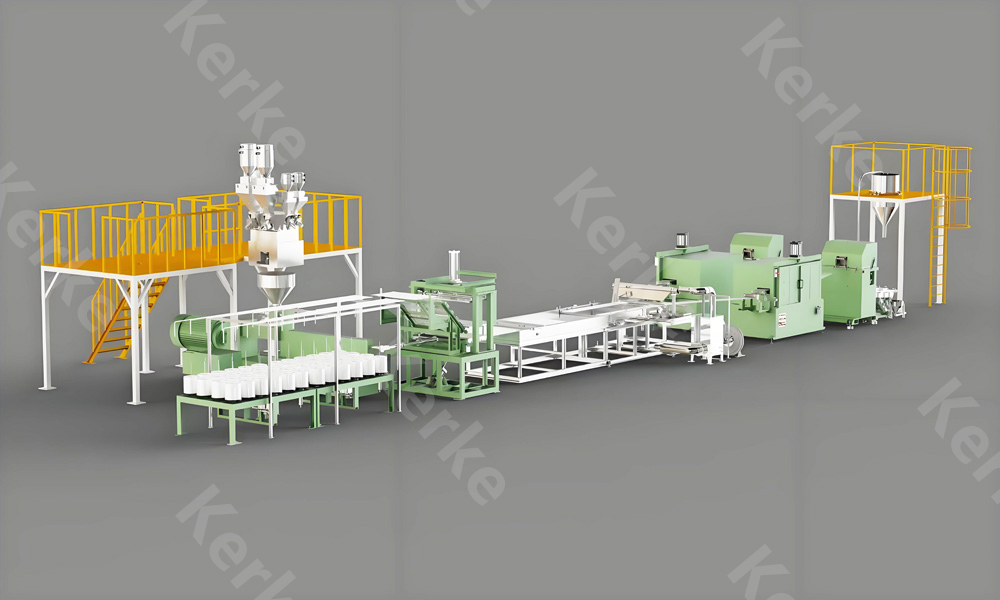
Introduction to Masterbatch Production
Masterbatch production is a critical process in the polymer industry that involves mixing high concentrations of pigments, additives, and fillers with a carrier resin. The resulting masterbatch is then used to color or modify the properties of plastics during the manufacturing process. Uniform mixing is essential to ensure consistent color and performance of the final product.
However, achieving uniform mixing in a masterbatch extruder system can be challenging due to the wide range of materials involved, varying particle sizes, and different processing conditions. In this article, we will discuss the key factors that affect mixing in a masterbatch extruder system and provide practical tips on how to ensure uniform mixing.
The Importance of Uniform Mixing in Masterbatch Production
Consistent Color and Performance
The primary goal of masterbatch production is to achieve consistent color and performance in the final plastic product. Uniform mixing ensures that the pigments and additives are evenly distributed throughout the carrier resin, resulting in consistent color intensity and shade variations. This is especially important for applications where color matching is critical, such as in the automotive and packaging industries.
Cost Savings
Uniform mixing also helps reduce material waste and production costs. When the pigments and additives are evenly distributed, less material is needed to achieve the desired color or performance. This can significantly reduce the cost of masterbatch production and improve the overall profitability of the company.
Improved Product Quality
Uniform mixing can also improve the quality of the final plastic product. When the pigments and additives are evenly distributed, the plastic product has better mechanical properties, such as impact resistance and tensile strength. This can help improve the durability and lifespan of the product, resulting in higher customer satisfaction.
Key Factors Affecting Mixing in a Masterbatch Extruder System
Material Properties
The properties of the materials used in masterbatch production, such as particle size, shape, and density, can have a significant impact on mixing. Smaller particles tend to mix more easily than larger particles, while irregularly shaped particles may require more energy to mix. Materials with different densities may also separate during mixing, leading to inconsistent color and performance.
Extruder Design
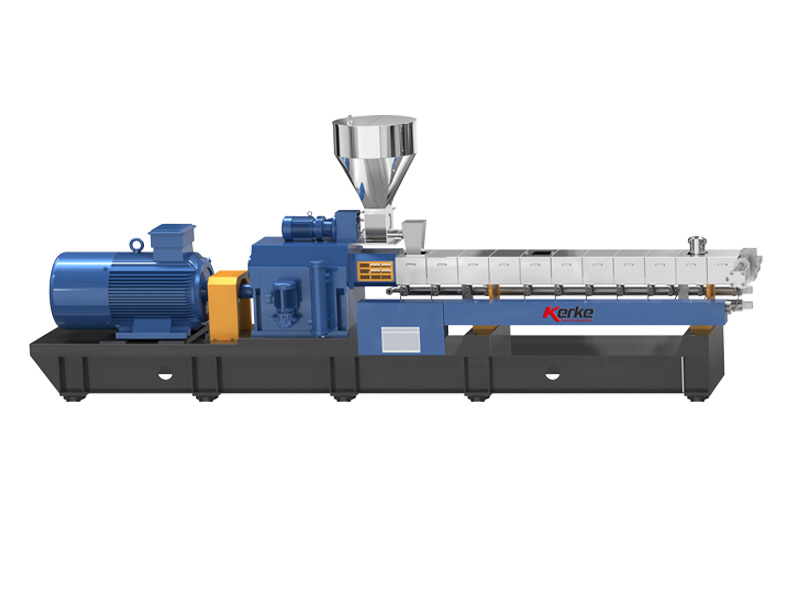
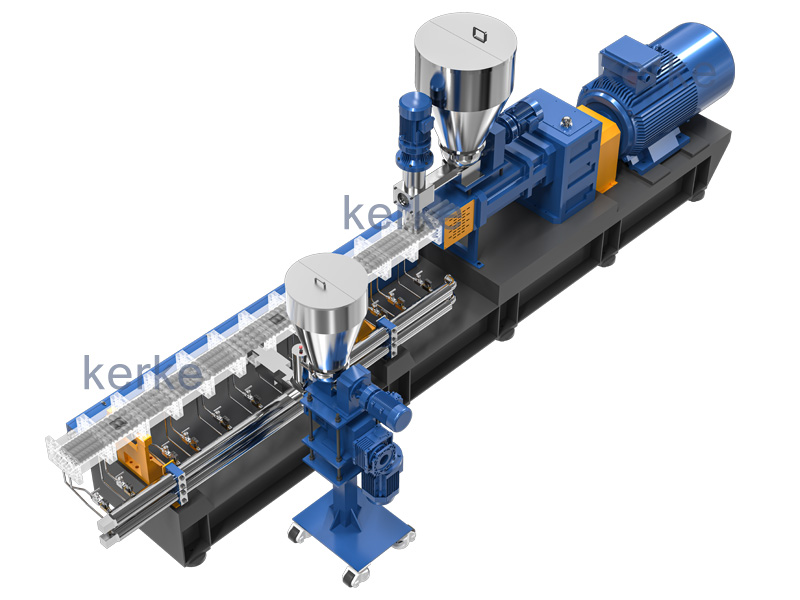
The design of the extruder, including the screw configuration, barrel design, and temperature control, also plays a crucial role in mixing. Twin screw extruders are generally preferred for masterbatch production due to their superior mixing capabilities compared to single screw extruders. The intermeshing screws create a high shear environment that ensures uniform distribution of the pigments and additives throughout the carrier resin.
Processing Parameters
The processing parameters, such as screw speed, temperature, and pressure, can also affect the mixing process. Higher screw speeds generally result in better mixing, but may also increase energy consumption and wear and tear on the extruder. Temperature control is also important to ensure that the carrier resin is melted uniformly and that the pigments and additives are evenly distributed.
Mixing Technologies
The mixing technologies used in the extruder also play a significant role in achieving uniform mixing. Common mixing technologies include kneading blocks, mixing elements, and shear pins. These technologies are designed to create high shear forces that break up agglomerates and distribute the pigments and additives throughout the carrier resin.
How to Ensure Uniform Mixing in a Masterbatch Extruder System
Select the Right Extruder Design
Choosing the right extruder design is crucial for achieving uniform mixing in masterbatch production. Twin screw extruders are generally preferred due to their superior mixing capabilities. Look for extruders with advanced screw designs that include kneading blocks and mixing elements to ensure thorough mixing.
Optimize Screw Configuration
The screw configuration should be optimized to match the specific requirements of the masterbatch production. The screw should be designed to create high shear forces that break up agglomerates and distribute the pigments and additives throughout the carrier resin. The screw should also be able to handle the wide range of materials involved in masterbatch production.
Control Processing Parameters
Proper control of processing parameters is essential for achieving uniform mixing. The screw speed, temperature, and pressure should be optimized to ensure that the carrier resin is melted uniformly and that the pigments and additives are evenly distributed. Regular monitoring and adjustment of these parameters can help ensure consistent mixing and product quality.
Use Advanced Mixing Technologies
Investing in advanced mixing technologies can also help improve the mixing process. Look for extruders that include kneading blocks, mixing elements, and shear pins to create high shear forces that break up agglomerates and distribute the pigments and additives throughout the carrier resin. These technologies can help achieve better mixing and consistent product quality.
Pre-Process Materials
Pre-processing the materials before they are fed into the extruder can also help improve the mixing process. This may include grinding, drying, or coating the materials to ensure that they are in the right form and consistency. Pre-processing can also help reduce agglomerates and improve the dispersion of the pigments and additives.
Maintain Proper Maintenance
Proper maintenance of the extruder is essential for ensuring uniform mixing. Regular cleaning and inspection of the extruder can help prevent material buildup and ensure that the extruder is operating at peak efficiency. This can help reduce downtime and improve the overall productivity of the company.
Kerke Masterbatch Extruder Systems: Designed for Uniform Mixing
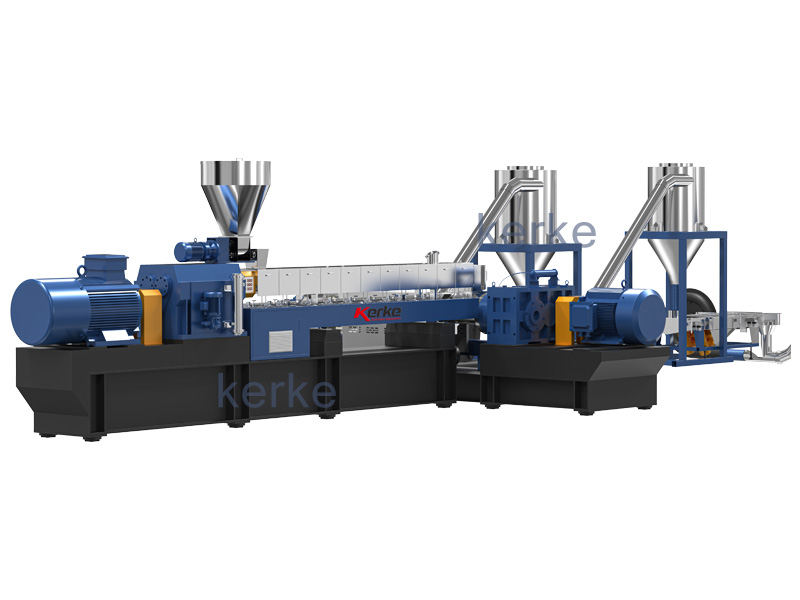
Kerke Extrusion Equipment Co., Ltd is a leading manufacturer of masterbatch extruder systems with over 12 years of experience in the industry. The company’s KTE series twin screw extruders are specifically designed for masterbatch production and feature advanced technologies that ensure uniform mixing.
Advanced Screw Design
Kerke masterbatch extruder systems feature advanced screw designs that include kneading blocks and mixing elements. The screws are designed to create high shear forces that break up agglomerates and distribute the pigments and additives throughout the carrier resin. This ensures uniform mixing and consistent product quality.
Precise Temperature Control
The extruders are equipped with precise temperature control systems that ensure uniform melting of the carrier resin and proper dispersion of the pigments and additives. The temperature control system uses advanced sensors and controllers to maintain consistent temperature throughout the extruder, preventing overheating or underheating of the material.
Intelligent Control System
Kerke masterbatch extruder systems feature intelligent control systems that monitor and adjust the processing parameters in real-time. The system uses advanced algorithms to optimize the mixing process and ensure uniform product quality. This helps reduce material waste and improve the overall efficiency of the production process.
High Torque and Speed Capabilities
The extruders are designed with high torque and speed capabilities that allow for efficient processing of materials at lower temperatures. This helps reduce energy consumption and minimize thermal degradation of the polymer. The high torque and speed capabilities also ensure thorough mixing of the materials, resulting in uniform product quality.
Customizable Solutions
Kerke Extrusion Equipment Co., Ltd offers customizable masterbatch extruder systems that can be tailored to meet the specific requirements of the customer. The company’s team of experts works closely with the customer to design and manufacture extruders that are optimized for their specific application. This ensures that the extruder meets the unique needs of the customer and delivers consistent product quality.
Best Practices for Masterbatch Production
Material Testing
Before starting the masterbatch production process, it is important to test the materials to ensure that they are compatible and have the right properties for mixing. This may include testing the particle size, shape, and density of the materials, as well as their melting point and flow characteristics. Material testing can help identify any potential issues and ensure that the materials are suitable for masterbatch production.
Process Optimization
Once the materials have been tested, the production process should be optimized to ensure uniform mixing. This may include adjusting the screw speed, temperature, and pressure to match the specific requirements of the materials. Regular monitoring and adjustment of these parameters can help ensure consistent mixing and product quality.
Quality Control
Implementing a robust quality control system is essential for ensuring consistent product quality in masterbatch production. This may include regular testing of the masterbatch to ensure that the color and performance meet the required specifications. Quality control testing can help identify any issues early on and prevent them from affecting the final product.
Operator Training
Proper training of the operators is essential for ensuring uniform mixing in a masterbatch extruder system. Operators should be trained to understand the extruder’s operation, including how to adjust the processing parameters and monitor the mixing process. Regular training can help improve the operators’ skills and knowledge, resulting in better product quality and increased productivity.
Conclusion
Uniform mixing is essential for achieving consistent color and performance in masterbatch production. By understanding the key factors that affect mixing and implementing the right strategies, companies can ensure that their masterbatch extruder system operates at peak efficiency and delivers uniform product quality.
Kerke Extrusion Equipment Co., Ltd offers a wide range of masterbatch extruder systems that are designed for uniform mixing. With advanced screw designs, precise temperature control, and intelligent control systems, Kerke extruders can help companies achieve consistent product quality and reduce production costs.
If you are looking for a reliable and efficient masterbatch extruder system, contact Kerke Extrusion Equipment Co., Ltd today to learn more about their products and services. Their team of experts will be happy to help you find the right solution for your specific application.