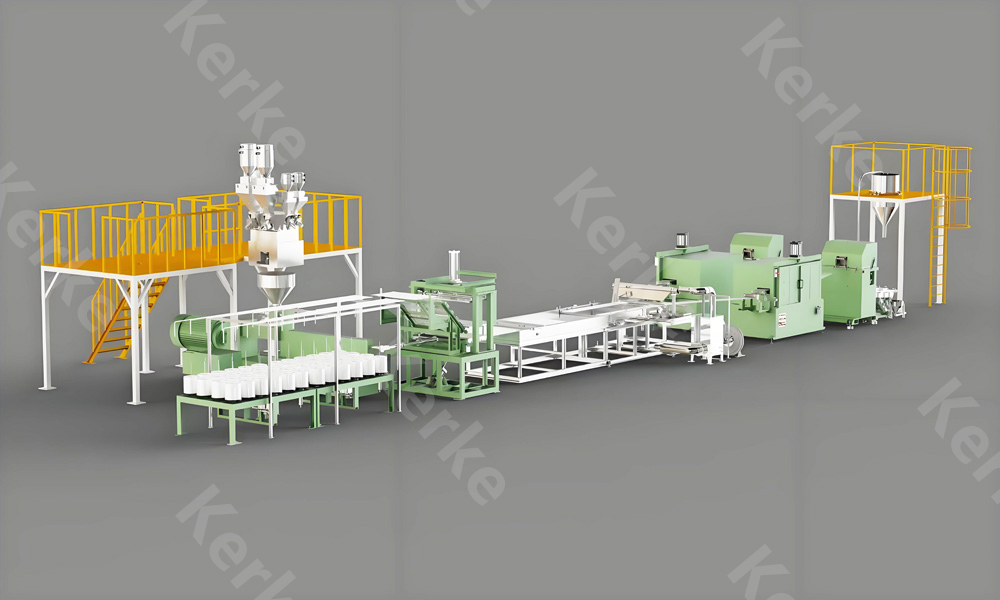
The plastic sheet manufacturing industry serves diverse applications ranging from packaging materials and display products to construction panels and industrial components. These applications share demanding requirements for sheet quality including excellent flatness, uniform thickness distribution, and consistent coloration throughout the sheet. Masterbatch formulations play a critical role in achieving these quality characteristics, providing the colorants and functional additives that enable plastic sheets to meet application requirements while maintaining production efficiency.
Sheet extrusion processes impose unique demands on masterbatch performance compared to other plastic processing methods. The extended processing length, controlled cooling profiles, and tensioning systems characteristic of sheet extrusion create conditions where masterbatch quality directly influences product quality. Inadequate dispersion, poor thermal stability, or inconsistent addition rates manifest as visible defects that compromise sheet appearance and functionality.
This comprehensive guide examines the technical considerations and best practices for achieving optimal flatness and color uniformity in plastic sheet production. We explore the formulation requirements, production capabilities, and quality control measures essential for producing masterbatches that meet the demanding requirements of sheet extrusion applications. Special attention focuses on how modern compounding equipment from manufacturers like Nanjing Kerke Extrusion Equipment Co., Ltd enables production of masterbatches that deliver consistent quality in sheet manufacturing operations.
What is Masterbatch for Plastic Sheets?
Masterbatch for plastic sheets is a concentrated additive composition specifically engineered for incorporation into polymer sheet extrusion processes. Unlike masterbatches designed for injection molding or other processing methods, sheet extrusion masterbatches must address the particular challenges of extended melt residence times, controlled cooling requirements, and the flatness constraints that define quality sheet products.
The formulation of sheet extrusion masterbatch begins with careful pigment selection that ensures thermal stability throughout the processing conditions the masterbatch will encounter. Sheet extrusion typically involves melt temperatures maintained for extended periods during the extrusion and coating processes, requiring colorants that resist thermal degradation and color shift. High-performance organic pigments and premium inorganic pigments provide the thermal stability necessary for demanding sheet applications.
Carrier resin selection addresses compatibility requirements with the specific sheet polymers employed in production. Common sheet polymers include polystyrene, polypropylene, polyethylene, polyvinyl chloride, and polyethylene terephthalate, each presenting different compatibility considerations. The masterbatch carrier should exhibit melt behavior and rheological characteristics that ensure uniform dispersion and blending throughout the extrusion process.
Role of Twin Screw Extruder in Sheet Masterbatch Production
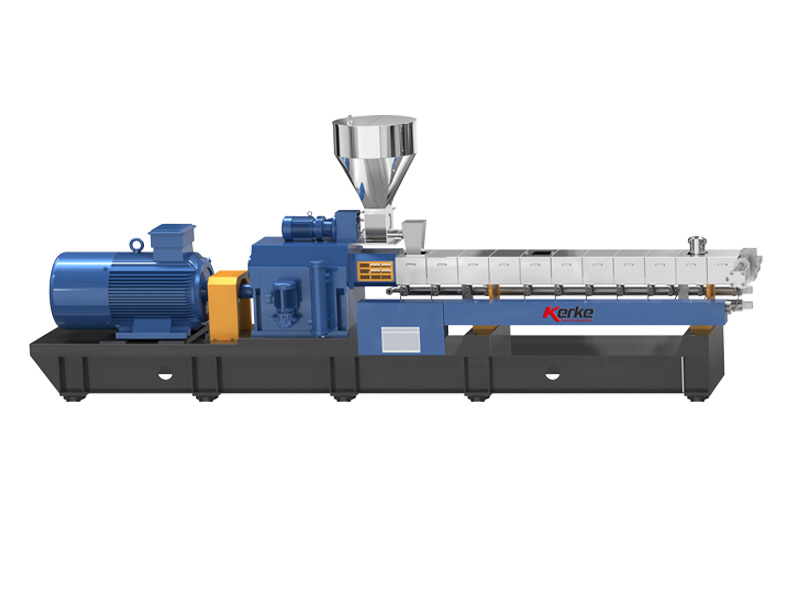
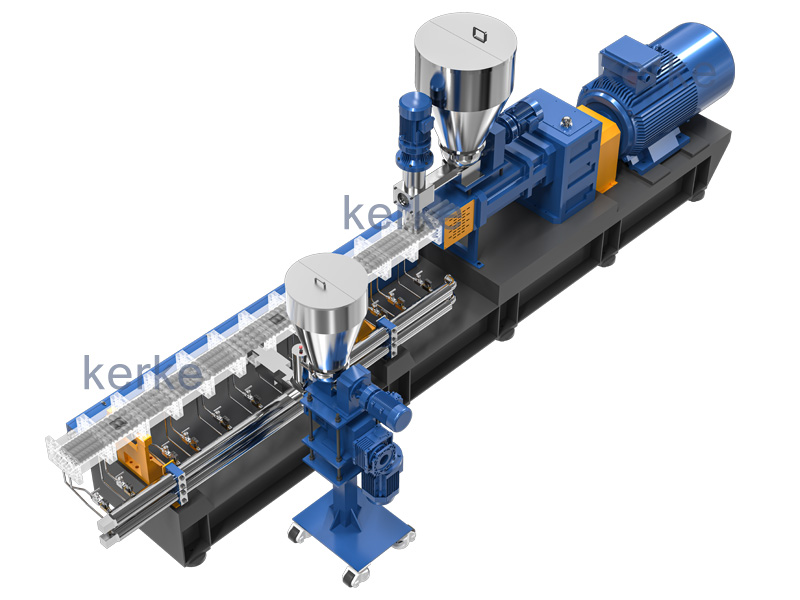
The production of high-quality masterbatch for sheet extrusion demands the superior mixing performance and precise control that only advanced twin screw extrusion technology provides. Nanjing Kerke Extrusion Equipment Co., Ltd has developed the KTE series compounding extruders with capabilities specifically suited to the demanding requirements of sheet masterbatch production.
Exceptional dispersion quality distinguishes masterbatch produced on twin screw extruders from alternatives employing less sophisticated mixing technology. The intensive mixing action within the intermeshing, co-rotating screw configuration breaks apart pigment agglomerates and distributes particles uniformly throughout the carrier resin. This dispersion quality translates directly to the color uniformity that sheet extrusion customers demand.
Precise temperature control ensures that thermal-sensitive colorants maintain their characteristics throughout the compounding process. The multiple heating zones and advanced control systems of the KTE series enable processors to establish optimal temperature profiles that achieve complete melting and thorough mixing without exposing temperature-sensitive pigments to unnecessary thermal stress.
Working Principle of Compounding Extruder
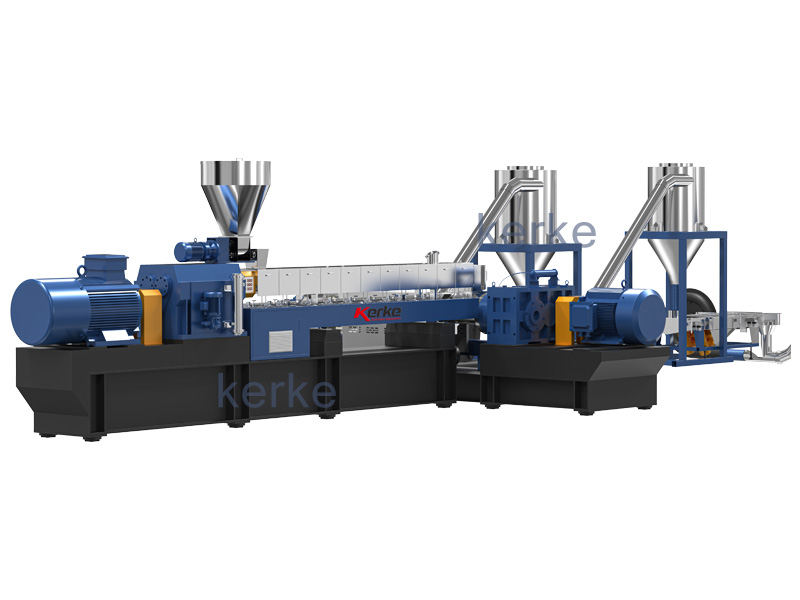
Understanding the operational principles of the compounding extruder helps appreciate how processing capabilities translate into the quality characteristics sheet extrusion masterbatch customers require. The compounding extruder integrates multiple processing functions into a continuous operation optimized for masterbatch production.
Material introduction systems deliver pigments, carriers, and additives to the extruder with the precision necessary for consistent composition. Gravimetric feeding systems provide accurate addition rates for each component, ensuring that pigment loadings remain constant throughout production. The precise control over addition rates proves particularly important for sheet masterbatch where color consistency directly affects customer product quality.
The melting and mixing section of the compounding extruder subjects the formulation to the processing conditions necessary for complete melting and thorough pigment dispersion. Barrel temperature profiles, screw speed, and throughput rate combine to create the residence time and shear intensity required for each specific formulation. The flexibility to adjust these parameters enables optimization for different masterbatch products.
Pelletization systems convert the compounded melt into finished masterbatch pellets suitable for storage, handling, and use in sheet extrusion operations. Underwater pelletization provides rapid cooling that preserves pigment quality and generates uniform pellets with consistent size and shape characteristics. Quality testing verifies that finished products meet specifications before release for customer shipment.
Kerke KTE Series Extruder Features
Nanjing Kerke Extrusion Equipment Co., Ltd has established its reputation through decades of engineering development supporting demanding compounding applications. The KTE series twin screw extruders embody the capabilities necessary for producing sheet extrusion masterbatches that meet the stringent quality requirements of sheet manufacturers.
The comprehensive range of KTE series models spans production capacities from laboratory development through high-volume commercial manufacturing. The KTE-16B laboratory extruder enables formulation development and small-batch production for product qualification, while larger models including the KTE-52, KTE-65, KTE-90, and KTE-135 series address the volume requirements of commercial sheet masterbatch supply. This range ensures scalability from development through production.
Advanced mixing configurations address the dispersion requirements that distinguish high-quality sheet masterbatch from commodity products. Kerke screw designs incorporate specialized mixing geometries that intensify shear forces during critical dispersion stages while maintaining productive throughput rates. These mixing optimizations enable processors to achieve superior dispersion quality efficiently.
Precise temperature control systems maintain thermal uniformity throughout the processing length, preventing the hot spots that could cause pigment degradation or carrier resin discoloration. Multiple independent heating and cooling zones enable creation of temperature profiles optimized for each formulation type, ensuring consistent product quality batch after batch.
Applications in Plastic Sheet Industry
The plastic sheet industry encompasses diverse product categories, each with specific requirements for flatness, color uniformity, and functional performance. Understanding these application areas helps masterbatch producers develop formulations optimized for specific sheet manufacturing requirements.
Packaging Sheet and Film
Packaging sheet applications prioritize visual appeal, consistency, and cost-effectiveness for applications including thermoformed trays, formed containers, and protective packaging materials. Color uniformity in packaging sheet directly affects product appearance and brand presentation, making masterbatch quality essential for customer satisfaction. Flat sheet extrusion demands tight thickness tolerance control that masterbatch rheological characteristics can influence.
Food packaging applications impose additional requirements for regulatory compliance and material purity. Masterbatch formulations serving food packaging must meet stringent regulatory requirements for food contact materials while maintaining the color consistency and processing performance that production efficiency demands. Documentation and traceability capabilities enable customers to verify compliance with applicable regulations.
Construction and Building Materials
Construction sheet applications include wall panels, ceiling tiles, glazing materials, and decorative panels that require durability, weather resistance, and aesthetic appeal. Color retention under environmental exposure conditions requires masterbatches incorporating appropriate UV stabilizers and lightfast pigments. Flatness requirements ensure proper installation and appearance in finished construction applications.
Industrial sheet applications serve requirements for chemical resistance, impact strength, and dimensional stability in demanding environments. Masterbatch formulations may incorporate functional additives that enhance these performance characteristics while providing the coloration industrial applications require. Careful formulation ensures that masterbatch additives do not compromise the engineering properties of the base polymer.
Display and Signage Products
Display and signage applications demand exceptional color consistency and surface appearance that showcase products and communicate messages effectively. Masterbatch quality directly affects the visual impact and professional appearance of finished displays. Consistent coloration across production runs ensures brand consistency and customer satisfaction.
Backlit signage applications require sheet materials with uniform light transmission characteristics that depend on consistent thickness and coloration. Masterbatch formulations must disperse uniformly to prevent localized color concentration that would create visible variations in illuminated signs. Premium dispersion quality enables production of signage products meeting demanding visual requirements.
Flatness Control in Sheet Production
Flatness represents a critical quality characteristic for plastic sheet products, determining fitness for end-use applications and influencing processing efficiency in downstream operations. Masterbatch formulation and quality affect flatness through multiple mechanisms that manufacturers must understand and address.
Material Factors Affecting Flatness
Residual stress in extruded sheet arises from non-uniform cooling and molecular orientation during the extrusion and subsequent processing stages. Masterbatch formulations can influence residual stress development through their effects on polymer crystallization behavior and rheological characteristics. Nucleating agents in masterbatch formulations modify crystallization rates and morphology in ways that affect stress development and flatness.
Thermal expansion coefficient differences between the masterbatch carrier and the base polymer can create stress when the sheet experiences temperature variations. Proper carrier selection ensures compatibility and minimizes differential expansion effects. Testing under representative thermal cycling conditions verifies flatness performance in finished products.
Processing Factors and Optimization
Sheet extrusion processing parameters interact with masterbatch characteristics to determine flatness outcomes. Melt temperature, extrusion speed, cooling roll temperatures, and tensioning system settings all influence the stress state and flatness of finished sheet. Masterbatch formulations should perform consistently across the normal range of processing conditions to ensure reliable flatness performance.
Quality control during sheet production includes flatness measurement at appropriate stages to identify problems before large quantities of off-specification material accumulate. Laser scanning, coordinate measurement, and visual inspection provide flatness data that guides process adjustments and masterbatch qualification decisions.
Color Uniformity Requirements
Color uniformity in plastic sheet products encompasses multiple dimensions including consistency within individual sheets, agreement between sheets from the same production run, and reproducibility across different production lots and time periods. Masterbatch quality provides the foundation for achieving the color uniformity that demanding applications require.
Dispersion Quality and Color Development
Pigment dispersion quality directly determines the color uniformity achievable in sheet extrusion. Well-dispersed pigments appear as uniform coloration throughout the sheet, while poorly dispersed pigments create visible agglomerates, streaks, and color variation. The intensive mixing achieved in twin screw extrusion produces the dispersion quality necessary for streak-free coloration.
Pigment particle size affects both color development and dispersion requirements. Fine pigment particles provide high color strength but require more intensive dispersion to prevent agglomeration. Coarser pigments may be easier to disperse but provide lower color strength and potentially different color characteristics. Formulation optimization balances these considerations for specific color requirements.
Thermal Stability and Color Consistency
Sheet extrusion processing subjects masterbatch to extended thermal exposure that can cause color shift if pigments lack adequate thermal stability. High-temperature processing conditions, common in sheet extrusion of engineering polymers, require masterbatches incorporating thermally stable pigments and appropriate stabilization packages.
Consistent processing conditions throughout sheet production runs ensure that thermal exposure remains constant and color outcomes remain uniform. Temperature variations during extrusion create color variations that manifest as visible defects in finished sheet. Masterbatch formulations should tolerate normal processing variations without significant color shift.
Formulation and Composition
Sheet extrusion masterbatch formulations require careful attention to pigment selection, carrier compatibility, and additive package design. Formulation scientists must balance color requirements, processing compatibility, and cost considerations to develop products meeting specific application needs.
Pigment selection for sheet applications prioritizes dispersion quality, thermal stability, and lightfastness appropriate for the intended application. Titanium dioxide and other inorganic pigments provide excellent opacity and lightfastness for white and pastel colors. High-performance organic pigments offer superior color strength and stability for vivid colors in demanding applications.
Carrier resin selection addresses melt flow characteristics, compatibility with sheet polymers, and regulatory requirements for specific applications. Melt flow rate of the carrier should approximate that of the base sheet polymer to ensure consistent blending behavior during extrusion. Regulatory compliance requirements may constrain carrier and additive options in food contact or medical applications.
Additive packages for sheet masterbatch may include UV stabilizers, antioxidants, processing aids, and functional additives selected for specific application requirements. UV stabilizers protect outdoor applications from environmental degradation. Antioxidants prevent thermal oxidation during processing. Processing aids improve extrusion behavior and surface appearance.
Production Process for Sheet Masterbatch
The production of sheet extrusion masterbatch follows established processes optimized for the particular requirements of this product category. Careful attention to process parameters ensures consistent quality batch after batch.
Raw material preparation includes verification of pigment quality, carrier properties, and additive specifications before production use. Pigment testing verifies color strength, thermal stability, and particle size characteristics. Carrier resin verification confirms melt flow properties and purity levels. Only materials meeting specifications enter production use.
Compounding extrusion processes the formulation through conditions optimized for sheet masterbatch requirements. Processing temperatures balance complete melting against thermal preservation of sensitive pigments. Screw speed and throughput determine residence time and shear intensity. Optimization for each formulation ensures consistent quality and productive efficiency.
Pelletization and packaging complete the production process, converting compounded material into finished masterbatch. Quality testing verifies color characteristics, physical properties, and dispersion quality before release. Certificate of analysis documentation summarizes test results for each production lot.
Technical Parameters and Specifications
Sheet extrusion masterbatch specifications encompass parameters addressing color quality, dispersion characteristics, and processing performance. Understanding these specifications enables sheet manufacturers to select products appropriate for their requirements.
Color strength specifications define the tinting intensity relative to established reference standards. Delta E color difference limits specify acceptable variation from target color coordinates. These specifications ensure that masterbatch provides consistent coloration meeting customer requirements across production lots and time periods.
Dispersion quality specifications verify that pigments achieve adequate deagglomeration and uniform distribution. Filter pressure value testing measures the tendency toward agglomerate-related defects. Microscopy examination provides visual verification of dispersion quality at defined magnification levels.
Thermal stability specifications define the processing temperature limits within which masterbatch maintains acceptable color characteristics. Testing at elevated temperatures verifies stability margins and identifies limitations for specific processing conditions.
Cost and Price Analysis
Understanding the economics of sheet extrusion masterbatch enables manufacturers to evaluate supplier quotations and optimize their material costs. Total cost considerations extend beyond purchase price to include addition rates, processing efficiency, and quality-related costs.
Pigment costs represent the largest component of masterbatch cost for most color formulations. Premium organic pigments with superior thermal stability and lightfastness may cost significantly more than commodity alternatives. The formulation scientist must evaluate whether additional pigment costs provide proportionate benefits in specific applications.
Masterbatch production costs include equipment investment, energy consumption, labor, and quality control expenses. Equipment investment ranges from approximately $150,000 for laboratory systems to over $1 million for high-volume production installations. These investments influence pricing for different order volumes and product categories.
Commercial sheet extrusion masterbatches typically price from $3 to $25 per kilogram depending on pigment type, loading level, and performance requirements. Standard color masterbatches with inorganic pigments may price in the $3 to $8 range. Premium formulations with high-performance organic pigments and specialized additive packages may exceed $15 per kilogram. Evaluation should consider both masterbatch price and the addition rate required to achieve target color levels.
Equipment Selection Guide
Selecting compounding equipment for sheet extrusion masterbatch production requires evaluation of capabilities that determine product quality and production efficiency. The importance of dispersion quality and color consistency makes equipment selection critical for this product category.
Mixing performance capabilities determine the dispersion quality achievable with specific formulations. Kerke KTE series extruders incorporate advanced mixing geometries that intensify shear forces during critical dispersion stages. Equipment selection should verify that mixing capabilities match the dispersion requirements of target formulations.
Throughput capacity requirements should align with production volume needs while providing flexibility for development and small-batch specialty products. The KTE series range from compact laboratory units to large production machines enables appropriately scaled equipment selection for different business models.
Temperature control precision ensures that processing conditions maintain consistency throughout production runs. Advanced temperature control systems with multiple zones and precise sensors enable optimization for different formulations while maintaining stable processing conditions.
Production Quality Control
Quality control for sheet extrusion masterbatch production ensures that products meet the color consistency and dispersion quality requirements sheet manufacturers demand. Comprehensive quality systems verify raw materials, monitor production, and test finished products.
Incoming material verification confirms that pigments, carriers, and additives meet specifications before production use. Certificate of analysis review, physical testing, and reference comparisons verify raw material quality. Only materials passing verification tests enter production use.
In-process monitoring tracks processing conditions throughout production runs. Temperature profiles, pressures, and motor loads reveal processing stability and potential problems. Regular sampling provides material for quality testing that verifies product characteristics.
Finished product testing includes color measurement, dispersion testing, and physical property verification. Spectrophotometric color measurement quantifies color characteristics and variation from targets. Filter pressure testing verifies dispersion quality. Physical testing confirms melt flow and handling characteristics.
Common Issues and Solutions
Sheet extrusion masterbatch applications may encounter problems related to color consistency, dispersion defects, or processing behavior. Understanding common issues and their solutions enables sheet manufacturers to address problems effectively.
Color streaking in finished sheet indicates inadequate dispersion of pigment particles that accumulate during flow. Solutions include improving masterbatch dispersion quality through formulation optimization or equipment modification, adjusting extrusion conditions to reduce flow-related particle accumulation, or selecting masterbatches with improved dispersion characteristics.
Color variation between sheets or production runs suggests inconsistent masterbatch quality or variable addition rates. Verify masterbatch quality through color testing of retained samples. Check feeding equipment calibration and function. Confirm that processing conditions remain consistent throughout production.
Surface defects including pitting, gel spots, or contamination marks may indicate masterbatch quality issues or handling problems. Ensure proper masterbatch drying before use. Verify that feeding and conveying equipment maintains cleanliness. Evaluate alternative masterbatch products for problematic formulations.
Maintenance and Operation
Proper equipment maintenance and operational practices ensure consistent quality from sheet extrusion masterbatch production systems. Preventive maintenance programs maintain equipment performance and reliability.
Daily operational procedures include verification of material supplies, equipment inspection, and processing monitoring throughout production. Operators should maintain logs of processing conditions and quality results that enable identification of trends or problems.
Preventive maintenance addresses wear components, calibration requirements, and equipment cleaning. Screw elements, barrel liners, and seals require periodic inspection and replacement based on operating experience. Temperature controller calibration ensures accurate process control. Equipment cleaning between production runs prevents cross-contamination.
Troubleshooting procedures follow systematic approaches that efficiently identify root causes of quality problems. Documentation of symptoms, process conditions, and recent changes guides investigation. Testing of hypotheses through controlled experiments verifies corrective actions.
Market Trends and Industry Development
The sheet extrusion masterbatch market continues to evolve in response to changing application requirements, sustainability pressures, and technological developments. Understanding these trends helps manufacturers anticipate future requirements.
Sustainability requirements drive interest in recycled content, bio-based polymers, and reduced material consumption in sheet applications. Masterbatch formulations must perform effectively with these alternative materials that may have different processing characteristics and properties than virgin polymers.
Advanced sheet products including multi-layer structures, functional coatings, and intelligent materials create new requirements for masterbatch formulations. These specialized products may require enhanced dispersion quality, specialized additive packages, or compatibility with multiple polymer layers.
Digital color management technologies enable more precise color matching and consistency verification throughout the supply chain. Spectrophotometric color data sharing between masterbatch suppliers and sheet manufacturers accelerates color development and approval processes while ensuring consistency across production facilities.
Why Choose Kerke Extruder
Nanjing Kerke Extrusion Equipment Co., Ltd provides the compounding capabilities necessary for producing high-quality sheet extrusion masterbatches that meet demanding quality requirements. Engineering excellence, manufacturing capability, and global support establish Kerke as a preferred partner for sheet masterbatch production.
The KTE series twin screw extruders offer superior mixing performance that achieves the dispersion quality sheet manufacturers demand. Advanced screw configurations and precise temperature control enable consistent production of masterbatches with excellent color consistency and minimal defects.
Kerke manufacturing facilities spanning nearly 20,000 square meters enable production of compounding equipment meeting the most demanding quality standards. Modern manufacturing equipment ensures precision fabrication of critical components. Comprehensive quality management systems verify that every machine meets specifications.
Global presence in over 70 countries ensures that Kerke customers receive responsive support regardless of location. Factory-trained distributors and Kerke technical specialists provide support for equipment selection, installation, and optimization. This global network supports long-term partnership and supply continuity.
Frequently Asked Questions
What pigment loadings are typical for sheet extrusion masterbatch?
Pigment loadings in sheet extrusion masterbatch typically range from 20 to 50 percent depending on the pigment type and the color intensity requirements. Higher loadings reduce addition rates but may affect dispersion quality. Technical data sheets specify loadings and recommended addition rates for specific products.
How does masterbatch affect sheet flatness?
Masterbatch can influence sheet flatness through effects on polymer crystallization, residual stress development, and processing behavior. Nucleating agents, processing aids, and carrier compatibility all affect flatness outcomes. Testing under representative conditions verifies flatness performance for specific formulations.
What addition rates are recommended for sheet extrusion?
Addition rates depend on the masterbatch loading level and the target color intensity. Typical addition rates range from 1 to 5 percent by weight. Technical data sheets provide specific recommendations for achieving target colors with each masterbatch product.
How should sheet extrusion masterbatch be stored?
Masterbatch should be stored in clean, dry conditions protected from contamination and moisture absorption. Most masterbatches benefit from storage at temperatures below 30 degrees Celsius. Proper storage extends shelf life and ensures consistent performance.
What causes color variation between sheets from the same production run?
Color variation may indicate inconsistent masterbatch quality, variable addition rates, or processing fluctuations during extrusion. Verify feeding equipment calibration, processing condition stability, and masterbatch consistency. Evaluate whether color measurement procedures provide accurate sampling representation.
Can masterbatch be used with recycled sheet materials?
Yes, masterbatch can be used with recycled polymers to achieve target colors. However, recycled materials may have different processing characteristics and may affect color development compared to virgin polymers. Testing is recommended to verify compatibility and optimize addition rates.
What UV protection do sheet masterbatches provide?
UV protection levels depend on the specific additive package incorporated in each masterbatch formulation. Some masterbatches include UV absorbers or HALS stabilizers for outdoor applications, while standard color masterbatches may not include UV protection. Technical data sheets specify UV stability characteristics for each product.
How does masterbatch carrier selection affect sheet extrusion?
Carrier selection affects compatibility with the base sheet polymer, dispersion quality, and processing behavior. Carriers with melt flow characteristics matching the base polymer provide consistent blending during extrusion. Incompatible carriers may cause dispersion problems or affect sheet properties.
What technical support does Kerke provide for sheet masterbatch production?
Kerke technical specialists assist customers with equipment selection, process optimization, and troubleshooting for sheet extrusion masterbatch production. Contact Kerke or authorized distributors for technical consultation regarding specific applications.
Conclusion
Masterbatch for plastic sheets provides the coloration and functional additives that enable sheet manufacturers to meet demanding application requirements. Achieving optimal flatness and color uniformity requires masterbatches with excellent dispersion quality, thermal stability, and consistent processing performance.
Producing high-quality sheet extrusion masterbatch demands compounding equipment with superior mixing capabilities and precise process control. The KTE series twin screw extruders from Nanjing Kerke Extrusion Equipment Co., Ltd provide these capabilities, enabling masterbatch producers to meet the quality requirements sheet manufacturers demand.
Understanding masterbatch technology and its application enables sheet manufacturers to specify appropriate products and optimize their production processes. Partnership with capable masterbatch suppliers and equipment manufacturers supports continued quality improvement and competitive positioning in demanding sheet extrusion markets.