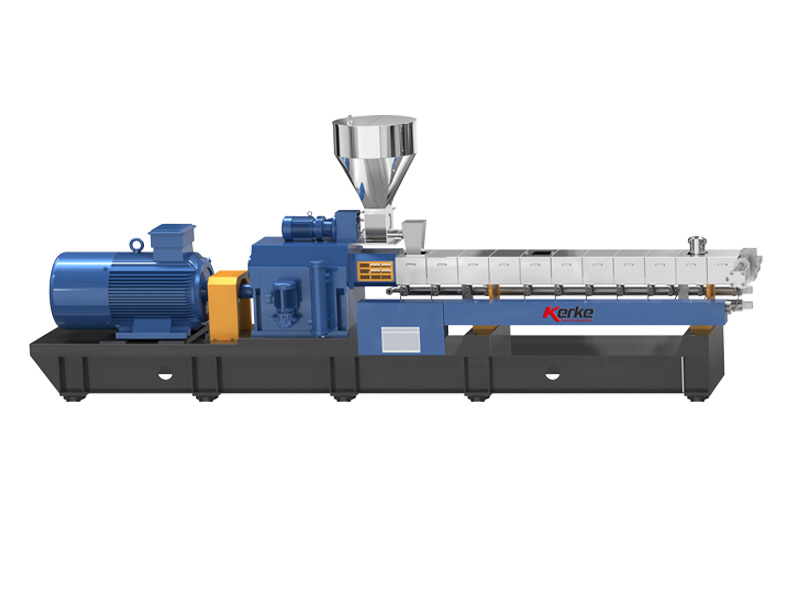
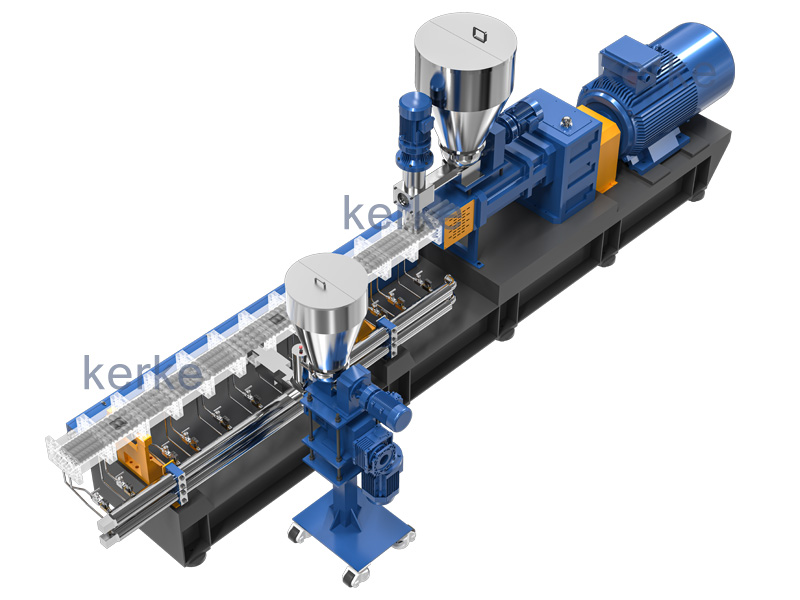
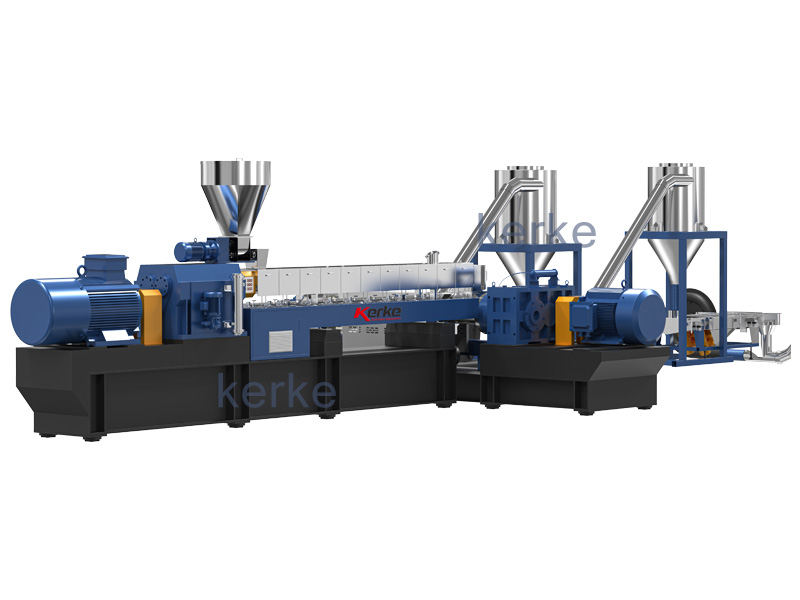
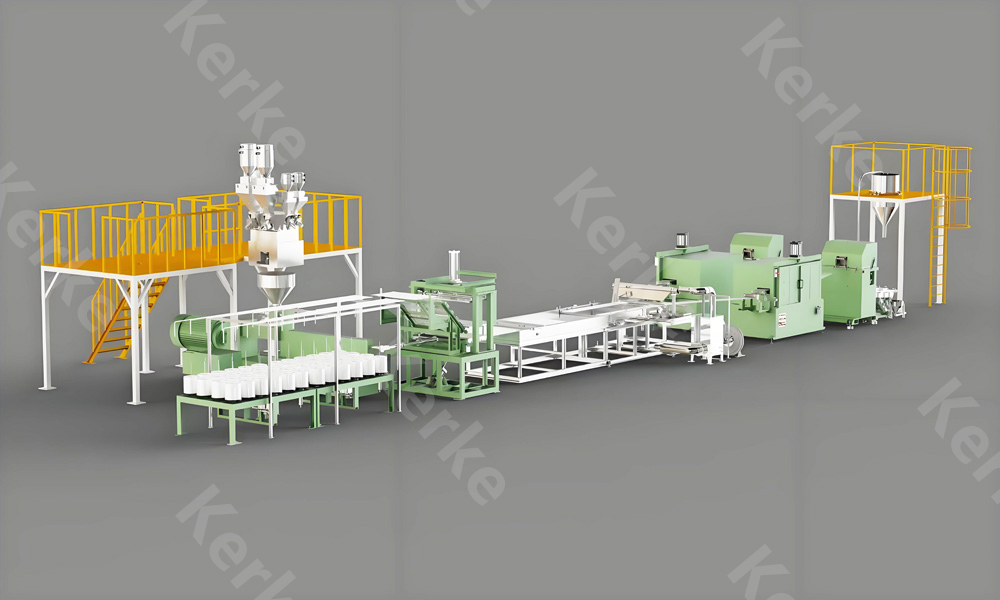
Twin-screw extruders are core equipment in industries such as plastics, food, and chemicals. The quality and cost of their spare parts directly affect production efficiency, product quality, and operation and maintenance costs. This report classifies key spare parts by core functional modules, details their market price ranges, and provides corresponding service life recommendations based on industry standards, material properties, and application conditions, aiming to provide reference for enterprise procurement decisions and maintenance planning.
I. Core Transmission and Conveying Components
1. Screw and Barrel
Price Analysis: As the core components of the extruder, the prices of screws and barrels are significantly affected by material, specifications (diameter, length-diameter ratio), and manufacturing processes, with large differences in market prices. The unit price of a common nitrided steel (38CrMoAlA) screw and barrel set is approximately 828 – 2760 US dollars; bimetallic materials (such as centrifugally cast wear-resistant alloys and powder metallurgy alloys) have higher prices due to their excellent wear and corrosion resistance. The quotation for an 80/156 model bimetallic conical screw and barrel set is 4350 – 4500 US dollars, and the bimetallic screw and barrel specially used for nylon and chemical fiber can even reach more than 2070 US dollars per set; the unit price of modular segmented screw elements is lower, with a single segment element about 1.1 – 2 US dollars per millimeter, and discounts are available for bulk purchases of more than 500 millimeters.
Service Life Recommendations: The service life is closely related to materials, processed materials, and working conditions. The service life of ordinary nitrided steel screws and barrels is about 6 – 12 months when processing ordinary plastics (such as PP and PE); when processing materials containing fillers such as glass fiber and calcium powder, the service life is shortened to 3 – 6 months. Bimetallic screws and barrels have significantly improved wear resistance, and their service life can reach 12 – 24 months when processing high-filler materials, which is 2 – 3 times that of ordinary nitrided steel. The service life of parallel twin screws is usually longer than that of conical twin screws; the guaranteed service life of the former is mostly more than 6 months, and that of the latter is about 3 months. According to industry standard JB/T 11686 – 2013, when the radial unilateral wear of the screw reaches 2mm, it should be replaced in a timely manner.
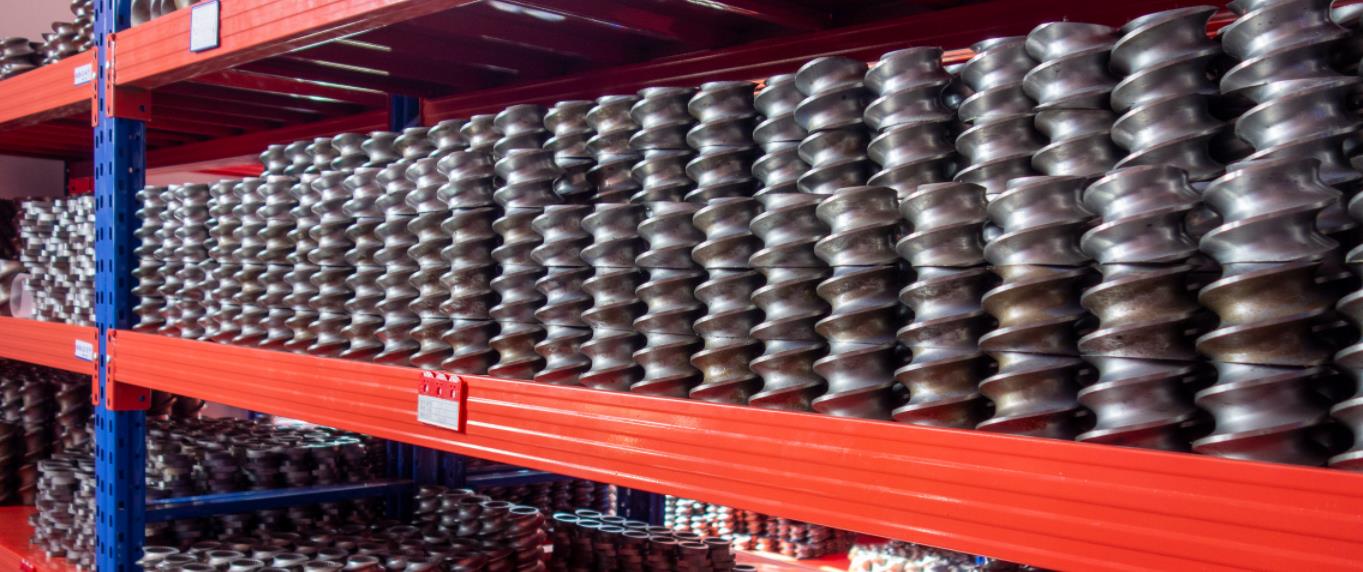
2. Screw Elements and Kneading Blocks
Price Analysis: Screw elements (conveying blocks, shear blocks, transition blocks, etc.) adopt a modular design, and their prices are measured by material and specification. The unit price of commonly used 6542 high-speed steel elements is about 0.62 US dollars per piece (domestic), and the unit price of imported or special alloy materials is about 1.5 – 2.8 US dollars per piece; when purchasing more than 100 pieces in bulk, the unit price can be reduced to less than 1.1 US dollars per millimeter.
Service Life Recommendations: The service life of screw elements made of 6542 high-speed steel or nitrided steel is about 4 – 8 months under normal working conditions; when processing high-wear materials, the service life is about 2 – 4 months. Elements adopting bimetallic spray welding technology can have their service life extended to 8 – 12 months. When the radial unilateral wear of the major diameter of the kneading disc reaches 2mm, it will affect the uniformity of material mixing and needs to be replaced.
II. Wear-Resistant Protective Components
1. Bushing (Expansion Chamber)
Price Analysis: The main materials of bushings are nitrided steel and nickel-based alloys. The unit price of ordinary nitrided steel bushings is about 41.4 – 69 US dollars; nickel-based tungsten carbide bushings have higher prices due to their excellent wear and corrosion resistance, with a single set quoted at 2800 – 3000 US dollars.
Service Life Recommendations: The service life of ordinary nitrided steel bushings is about 3 – 6 months, with a short maintenance cycle; the service life of nickel-based alloy bushings can reach more than 12 months, and the wear amount is less than 50μm after 1000 hours of operation, which is 2 – 3 times that of ordinary nitrided steel, and the comprehensive maintenance cost can be reduced by 30%. According to industry standards, when the radial unilateral wear of the inner hole of the bushing reaches 2mm, it should be replaced.
III. Transmission System Components
1. Gearbox and Internal Accessories
Price Analysis: The gearbox is a precision transmission component, and the overall replacement price is relatively high. The unit price of ordinary models is about 1800 – 3800 US dollars; the unit prices of internal accessories such as gears and bearings are lower, the unit price of gears is about 24.84 – 27.6 US dollars per piece, and the unit price of main bearings is about 16 – 21 US dollars per piece.
Service Life Recommendations: Under normal lubrication and maintenance conditions, the overall service life of the gearbox is about 5 – 8 years; the service life of internal main bearings and gears is about 15000 hours (about 1.7 years). When the gearbox has abnormal noise, increased vibration, or wear and damage to gears and bearings, it is necessary to inspect, repair or replace components in a timely manner.
2. Timing Belt and Pulley
Price Analysis: The unit price of a timing belt is about 6.9 – 27.6 US dollars per piece, the price of pulleys varies by specification, about 0.78 – 4.56 US dollars per piece, and discounts are available for bulk purchases of more than 5 pieces.
Service Life Recommendations: The service life of timing belts and pulleys is about 1 – 2 years, which is greatly affected by operating speed and load. When the timing belt cracks, the tooth surface is severely worn, or the pulley is worn or deformed, it should be replaced in a timely manner to avoid affecting transmission accuracy.
IV. Heating and Temperature Control Components
1. Heater (Heating Coil, Heating Rod)
Price Analysis: The unit price of a cast aluminum heating coil is about 6.9 – 13.8 US dollars per piece, and the unit price of a head heating rod is about 2.76 – 6.9 US dollars per piece; the price of imported high-temperature resistant heating elements is higher, about 5 – 10 US dollars per piece.
Service Life Recommendations: The service life of conventional heating elements is about 6 – 12 months, and may be shortened to 3 – 6 months under high-temperature and high-humidity working conditions. When the heating efficiency decreases, the surface is damaged, or there is an open circuit, it should be replaced in a timely manner to avoid affecting the plasticization effect of materials.
V. Feeding and Discharging Components
1. Feeding System Components (Feeding Screw, Side Feeder)
Price Analysis: The unit price of a hollow feeding screw is about 41.4 – 82.8 US dollars per piece, the overall quotation of a side feeder set is about 1791 US dollars, and the price of a feeding screw set specially used in the food industry is about 500 – 700 US dollars.
Service Life Recommendations: The service life of the feeding screw is about 6 – 12 months, and about 3 – 6 months when processing materials with high viscosity or impurities. The overall service life of the side feeder is about 3 – 5 years, and the internal transmission components need to be regularly maintained.
2. Die Plate and Screen Changing Components
Price Analysis: The unit price of a discharge die plate is about 27.6 – 69 US dollars per piece, the unit price of a screen changing orifice plate is about 13.8 – 41.4 US dollars per piece, and the price of a die plate specially used for food extruders is higher, about 200 – 500 US dollars per set.
Service Life Recommendations: The service life of the die plate is more than 400 hours under normal working conditions, and shortened to 200 – 300 hours when processing high-wear materials. According to industry standards, when the diameter of the die plate hole is worn to 1.2 times the original size, or qualified products cannot be processed, it should be replaced. Screen changing components are wearing parts, and it is recommended to check them every 1 – 2 months and replace them as needed.
VI. Sealing and Auxiliary Components
1. Oil Seal, O-Ring
Price Analysis: The unit price of the input/output oil seal of the transmission box is about 2.76 – 6.9 US dollars per piece, the unit price of the O-ring of the vacuum component is about 0.69 – 2.76 US dollars per piece, and the cost is lower for bulk purchases.
Service Life Recommendations: The service life of oil seals and O-rings is about 6 – 12 months, which is greatly affected by temperature, pressure, and material corrosion. When oil leakage or air leakage occurs, they should be replaced in a timely manner.
2. Fuse, Solid State Relay
Price Analysis: The unit price of a fuse is about 0.28 – 0.69 US dollars per piece, the unit price of a solid state relay is about 13.8 – 41.4 US dollars per piece, and the unit price of imported brand temperature control instruments such as Omron (Japan) is about 69 – 138 US dollars per piece.
Service Life Recommendations: Fuses are disposable protective components and should be directly replaced after failure; the service life of solid state relays and temperature control instruments is about 2 – 3 years, and their accuracy needs to be regularly calibrated, and they should be replaced in a timely manner when failures occur.
VII. Key Influencing Factors and Optimization Recommendations
1. Material Selection: When processing high-wear materials containing glass fiber, calcium powder, etc., priority should be given to wear-resistant materials such as bimetallic and nickel-based alloys. Although the initial purchase cost is high, it can significantly extend the service life and reduce the comprehensive maintenance cost; when processing ordinary materials, nitrided steel materials can meet the needs with higher cost performance.
2. Working Condition Control: Avoid long-term over-temperature and over-load operation, and reduce the impurity content in materials, which can effectively reduce the wear of spare parts and extend the service life. For example, controlling the material temperature in the feeding area can reduce the mechanical wear of solid materials on the inner wall of the barrel.
3. Maintenance: Regularly add lubricating oil to transmission components such as gearboxes and bearings, inspect heating elements and seals, and timely handle minor faults, which can avoid premature failure of spare parts.