Introduction
Engineering plastics are widely used in various industries due to their excellent mechanical properties, heat resistance, and chemical stability. Compounding is a critical process in the production of engineering plastics, as it involves mixing polymers with additives, fillers, and reinforcements to achieve the desired material properties. A professional compounding extruder is essential for ensuring consistent quality, high output rates, and efficient processing of engineering plastics. This article will discuss the key features to look for in a compounding extruder for engineering plastics.
Understanding Compounding Extruders
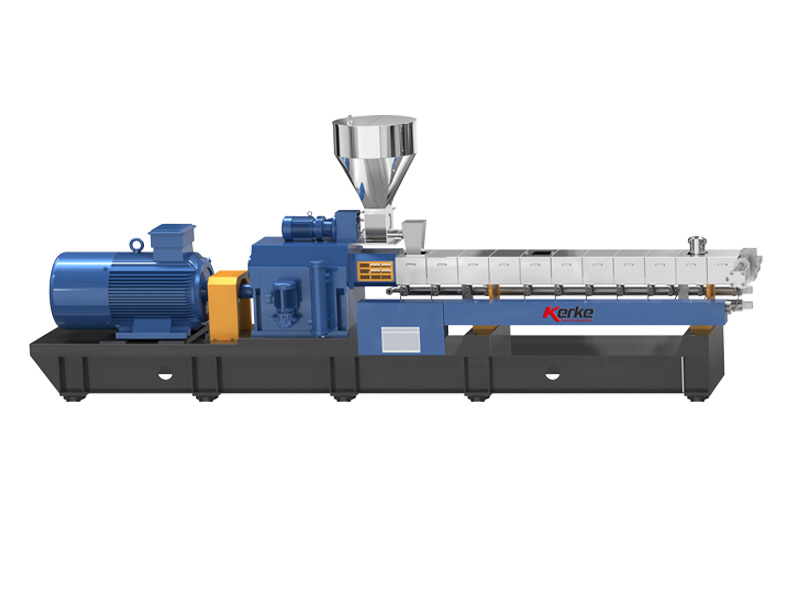
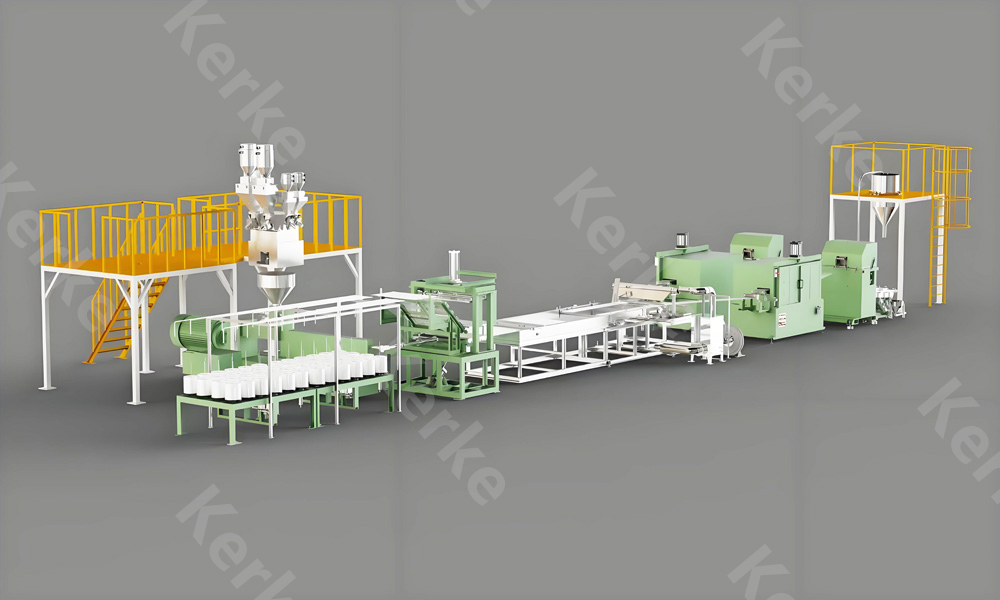
A compounding extruder is a specialized machine used to mix and process polymers with various additives and fillers. It consists of a screw or screws that rotate within a heated barrel, providing the necessary shear and mixing forces to homogenize the material. Compounding extruders can be single-screw or twin-screw, with twin-screw extruders being more commonly used for processing engineering plastics due to their superior mixing capabilities.
Key Features of a Professional Compounding Extruder for Engineering Plastics
1. High Torque and Screw Speed
Engineering plastics often require high shear forces to achieve proper mixing and dispersion of additives and fillers. A professional compounding extruder should have a high-torque drive system and be capable of operating at high screw speeds to provide the necessary shear energy. This ensures that the material is thoroughly mixed and homogenized, resulting in consistent quality and performance.
2. Modular Screw Design
The screw design is a critical factor in determining the performance of a compounding extruder. A modular screw design allows for easy customization of the screw configuration to meet specific processing requirements. For engineering plastics, a screw configuration that provides intensive mixing and dispersion is essential. Look for extruders with modular screw elements, such as kneading blocks and reverse elements, that can be easily rearranged to optimize the mixing process.
3. Precise Temperature Control
Engineering plastics are often sensitive to temperature variations, and precise temperature control is essential to prevent material degradation and ensure consistent processing. A professional compounding extruder should have a multi-zone temperature control system that allows for independent temperature adjustment along the length of the barrel. This ensures that the material is heated and cooled at the appropriate rates, maintaining the desired melt temperature and viscosity.
4. Efficient Venting and Degassing
Many engineering plastics contain volatile components or moisture that need to be removed during processing. A professional compounding extruder should have an efficient venting and degassing system to remove these volatile components and trapped air. This improves the quality and consistency of the final product and reduces the risk of defects. Look for extruders with multiple venting zones and vacuum capabilities to ensure effective degassing.
5. Robust Barrel and Screw Materials
Engineering plastics can be abrasive or filled with hard particles, which can cause wear and tear on the extruder components. A professional compounding extruder should have a barrel and screws made of high-quality materials, such as nitrided steel or bimetallic alloys, to resist wear and corrosion. This ensures the long-term durability and reliability of the extruder, reducing maintenance costs and downtime.
6. Advanced Automation and Control System
An advanced automation and control system can significantly improve the efficiency and consistency of the compounding process. Look for extruders with user-friendly control interfaces that allow for easy adjustment of processing parameters, real-time monitoring of the process, and data logging for quality control purposes. Some extruders also offer advanced features such as predictive maintenance and remote monitoring, which can help reduce downtime and improve overall productivity.
7. Versatile Feeding System
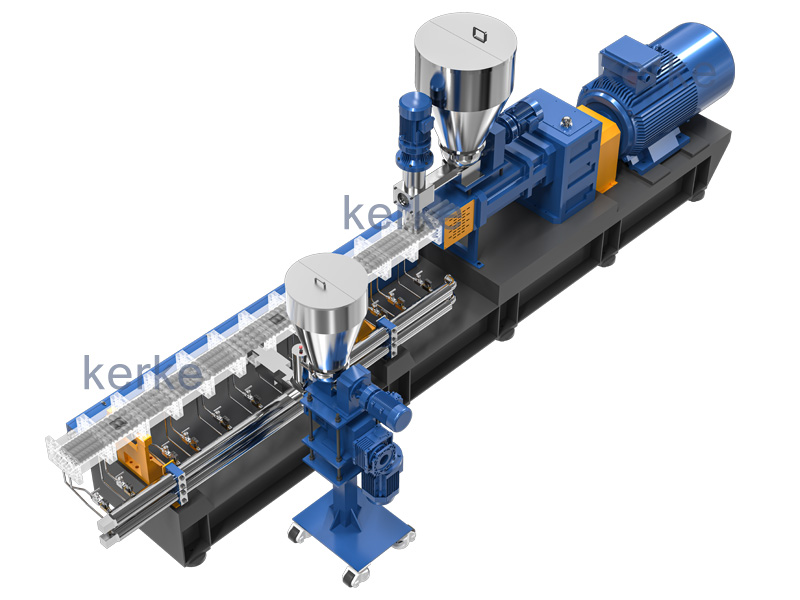
Engineering plastics can be processed in various forms, including pellets, powders, and liquids. A professional compounding extruder should have a versatile feeding system that can handle different material types and feeding rates. Look for extruders with multiple feeding ports and options for volumetric or gravimetric feeding to ensure precise control of the material dosage.
8. Customizable Pelletizing System
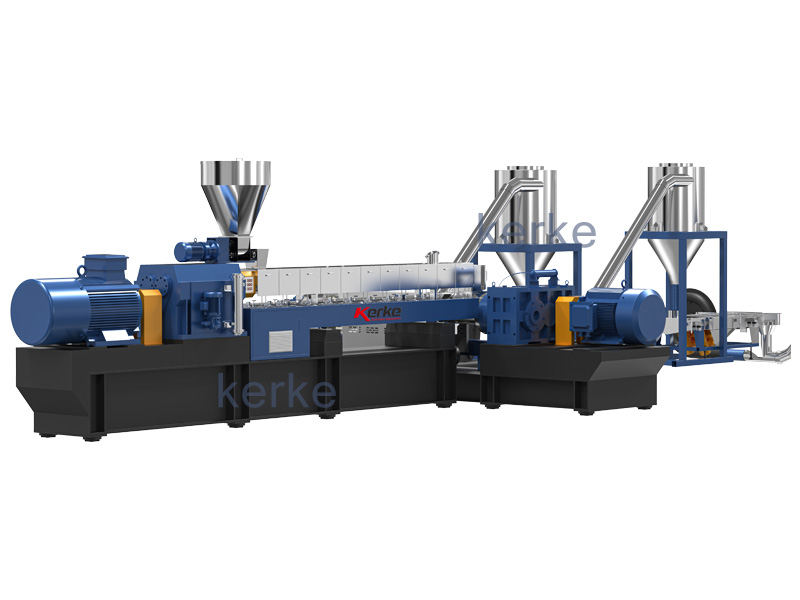
The pelletizing system is responsible for cutting the extruded material into uniform pellets. For engineering plastics, a customizable pelletizing system is essential to meet specific pellet size and shape requirements. Look for extruders with options for strand pelletizing, underwater pelletizing, or die-face hot cutting, depending on the material properties and production needs.
Why Choose Kerke Compounding Extruders for Engineering Plastics
Kerke is a leading manufacturer of compounding extruders, with over 12 years of experience in the industry. Our extruders are designed to meet the specific needs of engineering plastics processing, offering superior performance, reliability, and cost-effectiveness. Here are some of the key advantages of choosing Kerke compounding extruders:
1. High-Quality Components
Our extruders are built with high-quality components, including robust barrels, screws, and drive systems, to ensure long-term durability and reliability. We use advanced materials and manufacturing processes to produce extruders that can handle even the most challenging materials and formulations.
2. Customizable Solutions
We understand that every engineering plastics processing application is unique, which is why we offer customizable extruder solutions to meet your specific requirements. Our team of experienced engineers can work with you to design and configure an extruder that is tailored to your material properties, production volume, and quality standards.
3. Advanced Automation and Control
Kerke compounding extruders are equipped with advanced automation and control systems that allow for easy operation and precise control of the processing parameters. Our user-friendly interfaces and real-time monitoring capabilities help ensure consistent product quality and reduce the risk of human error.
4. Comprehensive After-Sales Support
We are committed to providing our customers with the highest level of after-sales support and service. Our team of experienced technicians is available to provide training, technical assistance, and spare parts support to help you keep your extruder running at peak performance.
Conclusion
A professional compounding extruder is essential for the efficient and consistent processing of engineering plastics. By considering the key features outlined in this article and choosing a reliable manufacturer like Kerke, you can ensure that you select an extruder that meets your specific needs and delivers high-quality results. Whether you are processing reinforced polymers, filled compounds, or specialty engineering plastics, a Kerke compounding extruder can help you achieve your production goals.