Introduction to Biodegradable Masterbatch
Biodegradable masterbatch represents a transformative technology in the plastics industry, offering solutions to environmental concerns associated with conventional plastic waste. These specialized additive formulations enable traditional polymers to degrade under specific environmental conditions, reducing persistence in landfills and natural environments. The growing global focus on sustainability and circular economy principles has driven significant investment and innovation in biodegradable masterbatch technology. As environmental regulations become more stringent and consumer demand for eco-friendly products increases, biodegradable masterbatch offers a pathway to enhanced environmental performance without requiring complete replacement of existing polymer infrastructure.
The market for biodegradable masterbatch has experienced exponential growth as manufacturers seek to address plastic waste concerns while maintaining the performance characteristics and cost advantages of conventional polymers. Biodegradable masterbatch can be incorporated into existing polymer processing operations with minimal changes to equipment or processing conditions, making it an attractive option for manufacturers looking to improve environmental credentials without major capital investment. The technology has evolved from simple additive packages to sophisticated systems that can be tailored to specific degradation mechanisms, environmental conditions, and application requirements.
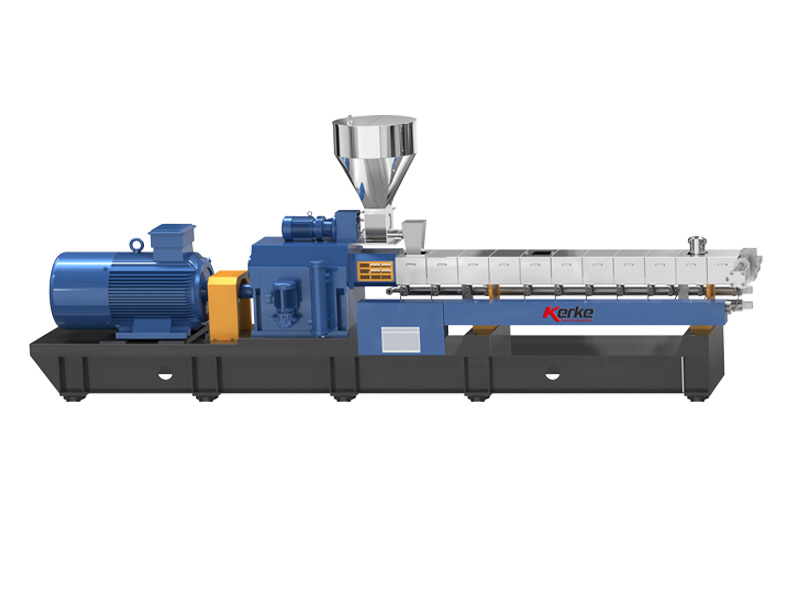
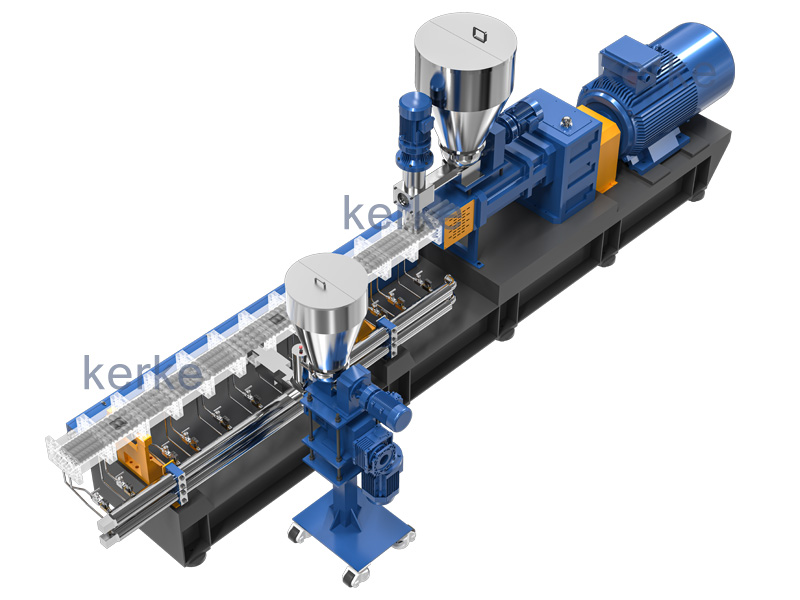
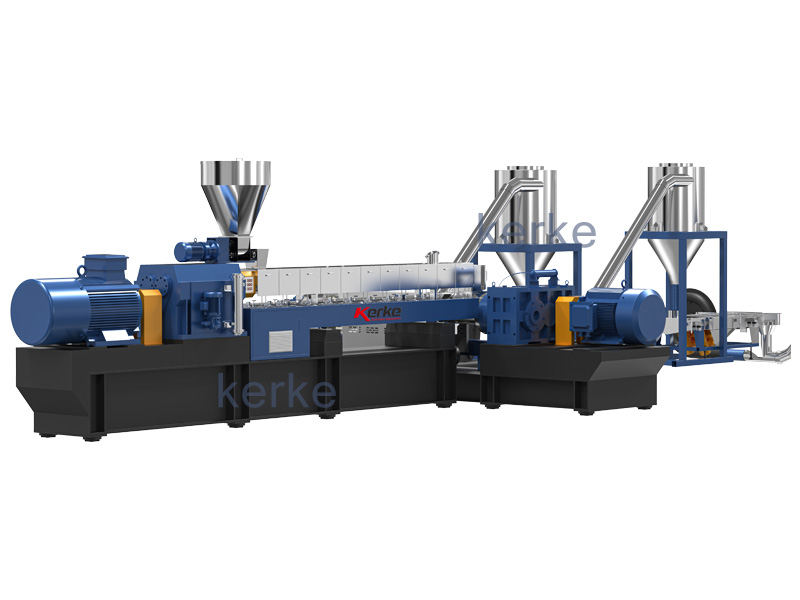
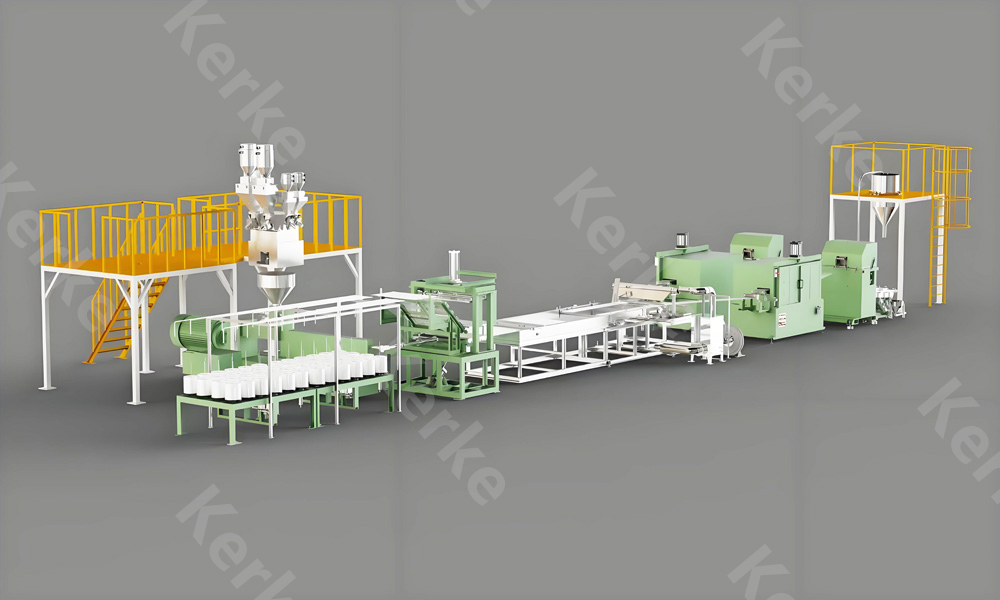
Kerke, as a leading manufacturer of twin screw extruders and masterbatch compounding equipment, understands the unique requirements of biodegradable masterbatch production. The company’s KTE Series twin screw extruders provide the precise control and mixing capabilities necessary for achieving uniform dispersion of biodegradable additives throughout the polymer matrix. Proper compounding is essential for ensuring consistent biodegradation performance while maintaining the mechanical properties of the base polymer. Kerke’s equipment is designed to handle the specific challenges associated with processing biodegradable masterbatch, including temperature-sensitive active ingredients and the need for thorough distributive mixing.
Understanding Biodegradation Mechanisms
Biodegradation of plastics occurs through complex biological processes that break down polymer chains into smaller molecules that can be metabolized by microorganisms. The process typically involves multiple stages including bio-deterioration, bio-fragmentation, assimilation, and mineralization. Understanding these mechanisms is essential for designing effective biodegradable masterbatch formulations that provide controlled degradation under desired conditions. Different biodegradable additives work through various mechanisms, each with specific environmental triggers and degradation pathways.
Oxidative degradation represents one of the most common mechanisms for biodegradable masterbatch additives. These additives promote oxidation of polymer chains through the action of oxygen and UV light, breaking down molecular weight and making the polymer more susceptible to microbial attack. Pro-oxidant additives including transition metal salts such as iron, cobalt, and manganese catalyze oxidation reactions that initiate polymer chain scission. The oxidative mechanism is particularly effective in applications where exposure to oxygen and light is guaranteed, such as agricultural films or packaging materials.
Hydrolytic degradation occurs when water molecules attack the polymer backbone, breaking chemical bonds and reducing molecular weight. Hydrolytic biodegradable masterbatch additives are particularly effective with polymers containing hydrolytically sensitive groups, such as polyesters and polycaprolactone. The rate of hydrolytic degradation depends on factors including polymer crystallinity, temperature, pH conditions, and the presence of catalytic additives. This mechanism is particularly important for applications in moist environments where water exposure is consistent.
Enzymatic degradation involves the action of specific enzymes produced by microorganisms that target and break down polymer chains. Some biodegradable masterbatch formulations include enzyme precursors or nutrients that stimulate microbial growth and enzyme production in the presence of the plastic material. The enzymatic mechanism is highly specific to certain polymer types and requires appropriate environmental conditions to support microbial activity. This approach can provide controlled degradation under composting conditions where specific microbial populations are present.
Oxidative Biodegradable Masterbatch
Oxidative biodegradable masterbatch formulations have been developed as a cost-effective approach to enabling biodegradation of conventional polymers, particularly polyolefins. These formulations incorporate pro-oxidant additives that accelerate oxidation of the polymer matrix when exposed to environmental triggers. The oxidation process reduces polymer molecular weight, making the material more susceptible to further biological breakdown. This technology has been widely adopted in applications such as agricultural mulch films, shopping bags, and packaging materials where controlled degradation is desired.
Transition metal salts represent the core active ingredients in most oxidative biodegradable masterbatch formulations. Iron stearate, cobalt stearate, and manganese stearate are commonly used pro-oxidants that catalyze oxidation reactions. These metal compounds work through redox reactions that generate free radicals, initiating polymer chain scission. The concentration of transition metals in the formulation affects the degradation rate and must be carefully controlled to achieve desired performance. Higher concentrations accelerate degradation but may affect processing characteristics and material properties.
UV sensitizers are often incorporated into oxidative biodegradable masterbatch formulations to enhance degradation in outdoor applications. These compounds absorb ultraviolet light and transfer energy to the polymer matrix, promoting photo-oxidation reactions. UV sensitizers such as benzophenone derivatives and quinones work synergistically with transition metal pro-oxidants to accelerate degradation under sunlight exposure. This combination provides controlled degradation in agricultural films and other outdoor applications where UV exposure is guaranteed.
Processing considerations for oxidative biodegradable masterbatch include potential effects on polymer stability and the need to prevent premature degradation during processing and product lifetime. The pro-oxidant additives are typically encapsulated or combined with stabilizers that prevent premature oxidation until exposure to triggering environmental conditions. Processing temperatures and residence times must be carefully controlled to avoid activating degradation during compounding or end-use processing. Kerke KTE Series twin screw extruders provide precise temperature control and mixing capabilities needed for processing these sensitive formulations.
Hydrolytic Biodegradable Masterbatch
Hydrolytic biodegradable masterbatch formulations are designed to promote water-induced degradation of polymers, particularly useful for applications in moist environments or for materials that will be composted. These formulations incorporate additives that catalyze hydrolysis reactions, breaking polymer chains through water attack. The hydrolytic mechanism is particularly effective for polyesters and other polymers with hydrolytically sensitive bonds. Hydrolytic biodegradable masterbatch can enable degradation of otherwise stable polymers under composting conditions.
Acidic or basic catalysts are commonly incorporated into hydrolytic biodegradable masterbatch formulations to accelerate hydrolysis reactions. These catalysts provide protons or hydroxide ions that attack polymer bonds, accelerating the hydrolytic breakdown process. The type and concentration of catalyst must be carefully selected based on the polymer system and desired degradation rate. Acidic catalysts such as organic acids or metal salts work well with some polymer systems, while basic catalysts including metal hydroxides or amines are more effective with others.
Water-absorbing additives can be incorporated into hydrolytic biodegradable masterbatch formulations to increase water uptake and accelerate degradation. These additives, including superabsorbent polymers or hydrophilic nanoparticles, create pathways for water penetration into the polymer matrix. Increased water availability accelerates hydrolysis reactions throughout the material rather than being limited to surface degradation. The balance between water absorption and material properties must be carefully controlled to maintain adequate performance during the product’s useful lifetime.
Crystallinity modifiers are often included in hydrolytic biodegradable masterbatch formulations for semi-crystalline polymers. These additives reduce polymer crystallinity, making amorphous regions more accessible to water attack. Crystallinity reduction accelerates degradation by increasing the surface area available for hydrolysis. However, excessive crystallinity reduction can compromise mechanical properties, requiring careful optimization. The specific crystallinity modifiers used depend on the polymer system and application requirements.
Compostable Biodegradable Masterbatch
Compostable biodegradable masterbatch formulations are designed to enable degradation under industrial composting conditions, typically requiring temperatures between 55 and 70 degrees Celsius and specific humidity levels. These formulations incorporate combinations of additives that work synergistically to achieve complete biodegradation within the composting timeframe required by standards such as EN 13432 or ASTM D6400. The technology is particularly valuable for food packaging applications and other single-use items where composting infrastructure is available.
Thermophilic microbial enhancers are key components of compostable biodegradable masterbatch formulations. These additives stimulate the growth of thermophilic microorganisms that thrive at composting temperatures. By promoting microbial activity at elevated temperatures, these enhancers accelerate the biodegradation process. The specific enhancers used may include nutrients, minerals, or microbial spores that become active under composting conditions. These components are typically dormant during normal use and only activate under the specific conditions of industrial composting.
Buffering agents are incorporated into compostable biodegradable masterbatch formulations to maintain optimal pH conditions for microbial activity during composting. Different microorganisms require different pH ranges for optimal activity, and the composting process can generate acidic or basic byproducts that affect pH. Buffering agents such as carbonate salts or phosphates help maintain pH within the optimal range for biodegradation. The specific buffering system depends on the polymer system and composting conditions.
Nutrient additives provide essential elements for microbial growth during composting. These additives may include nitrogen, phosphorus, potassium, and micronutrients that support microbial metabolism. By providing these nutrients, compostable biodegradable masterbatch formulations ensure that microbial activity is not limited by nutrient availability. The nutrient composition must be balanced to provide adequate support for microbial growth without causing excessive microbial activity that could generate heat or other issues during composting.
Material Compatibility and Selection
Material compatibility is a critical consideration in biodegradable masterbatch formulation, as the additives must work effectively with the base polymer system. Different polymers have different susceptibilities to various degradation mechanisms, requiring additive selection based on the polymer chemistry. The degradation pathway should be compatible with the polymer’s molecular structure to ensure efficient breakdown. Additionally, the additives must be compatible with processing conditions and must not adversely affect the mechanical properties or appearance of the base polymer.
Polyethylene represents one of the most common polymers for biodegradable masterbatch applications, particularly in agricultural films and packaging. Polyolefins are inherently resistant to biodegradation, making biodegradable masterbatch essential for any environmental degradation. Oxidative biodegradable masterbatch formulations are most commonly used with polyethylene, as the oxidative mechanism works well with this polymer system. The specific formulation must be optimized for the density and crystallinity of the polyethylene grade used.
Polypropylene biodegradable masterbatch formulations face challenges due to the polymer’s different chemical structure compared to polyethylene. Polypropylene’s tertiary carbon structure makes it more susceptible to oxidation than polyethylene, which can be advantageous for oxidative biodegradation. However, polypropylene also tends to degrade differently and may require different additive concentrations or combinations. The specific polypropylene grade, including homopolymer versus copolymer, affects the formulation requirements.
Polystyrene biodegradable masterbatch requires different considerations due to the aromatic structure of this polymer. The aromatic rings in polystyrene are more resistant to oxidative degradation, requiring higher additive concentrations or different mechanisms. Hydrolytic biodegradation mechanisms are not effective with polystyrene due to the absence of hydrolytically sensitive bonds. Alternative approaches including enzymatic degradation or specialized oxidative systems may be required for effective polystyrene biodegradation.
Degradation Rate Control
Controlling the degradation rate is essential for biodegradable masterbatch applications to ensure that materials maintain adequate performance during their useful lifetime before degrading in the environment. The degradation rate depends on multiple factors including additive concentration, environmental conditions, polymer properties, and application-specific requirements. Masterbatch formulations must be carefully optimized to achieve the desired degradation profile while balancing performance, cost, and processing requirements.
Additive concentration is the primary factor affecting degradation rate in biodegradable masterbatch formulations. Higher concentrations of pro-oxidants, catalysts, or other active ingredients generally accelerate degradation, but excessive concentrations can negatively affect processing characteristics and material properties. The optimal concentration depends on the specific polymer system, desired degradation timeframe, and environmental conditions. Formulation optimization requires balancing degradation rate with other performance requirements.
Environmental factors including temperature, UV exposure, moisture, and microbial activity significantly affect degradation rates. Higher temperatures accelerate most degradation mechanisms, which is why industrial composting with elevated temperatures can achieve faster degradation than ambient environmental conditions. UV exposure accelerates oxidative degradation, making sunlight exposure an important consideration for outdoor applications. Moisture is essential for hydrolytic and biological degradation processes. Masterbatch formulations can be optimized for specific environmental conditions.
Polymer properties including molecular weight, crystallinity, and additive compatibility affect degradation rates. Higher molecular weight polymers typically degrade more slowly as more chain scission events are required to reduce molecular weight to the point where biological degradation becomes effective. Crystallinity affects degradation as crystalline regions are more resistant to attack than amorphous regions. The specific polymer grade and processing history affect degradation behavior and must be considered in formulation.
Testing and Certification
Testing and certification are critical aspects of biodegradable masterbatch development and marketing. Various standards exist for evaluating biodegradable performance, each with specific test methods and criteria. Certification provides credibility and market access, particularly for applications making specific environmental claims. Manufacturers must ensure that their biodegradable masterbatch formulations meet applicable standards and obtain appropriate certifications for their target markets.
EN 13432 represents the European standard for packaging recoverable through composting and biodegradation. This standard requires that materials achieve at least 90 percent biodegradation within 180 days under industrial composting conditions. The standard also includes requirements for disintegration, ecotoxicity, and heavy metal content. Certification to EN 13432 is valuable for packaging materials sold in European markets and provides credibility for biodegradable performance claims.
ASTM D6400 is the North American standard for compostable plastics, requiring biodegradation within 180 days under industrial composting conditions. The standard includes requirements for disintegration, biodegradation rate, and safety. ASTM D6400 certification is important for materials sold in North American markets making compostable claims. The test methods and criteria are similar to EN 13432 but with some differences in test conditions and requirements.
ISO 14855 provides a standardized test method for determining aerobic biodegradation of plastic materials under controlled composting conditions. This test method measures carbon dioxide evolution as an indicator of biodegradation, providing quantitative data on degradation rate and extent. Testing according to ISO 14855 can be used to support certification claims or to compare the biodegradable performance of different formulations. The test method requires careful control of conditions including temperature, humidity, and microbial inoculum.
Market Demand and Applications
The market demand for biodegradable masterbatch has grown significantly as environmental concerns about plastic waste have intensified. Various applications have emerged as major users of biodegradable masterbatch technology, driven by regulatory requirements, consumer demand, and corporate sustainability initiatives. Understanding market drivers and application requirements helps manufacturers develop appropriate formulations and target market opportunities effectively.
Agricultural films represent one of the largest application areas for biodegradable masterbatch, particularly mulch films used in crop production. These films are typically used for a single growing season before needing to be removed and disposed of. Biodegradable mulch films can be left in the field to degrade, eliminating the need for removal and disposal while providing agronomic benefits. The controlled degradation timeline must match the crop growing season and provide sufficient weed suppression and moisture retention during use. Oxidative biodegradable masterbatch formulations are commonly used for this application.
Food packaging applications for biodegradable masterbatch have grown as food manufacturers and retailers seek to reduce environmental impact of packaging waste. Biodegradable packaging can be composted along with food waste, simplifying waste management and reducing landfill contributions. Food packaging applications require that materials maintain barrier properties, mechanical strength, and appearance throughout the product shelf life while degrading under composting conditions after disposal. Compostable biodegradable masterbatch formulations meeting EN 13432 or ASTM D6400 standards are typically required for these applications.
Retail bags and single-use items including shopping bags, trash bags, and disposable cutlery represent another major application area for biodegradable masterbatch. These applications generate significant waste volumes and are increasingly targeted by regulations requiring biodegradable alternatives. The formulations for these applications must provide adequate strength and performance during use while degrading within reasonable timeframes in landfill or composting environments. Oxidative biodegradable masterbatch formulations are commonly used for these applications due to cost effectiveness and adequate performance.
Cost Analysis and Pricing
The cost of biodegradable masterbatch varies significantly depending on the specific additives, concentration levels, and base polymers used. Oxidative biodegradable masterbatch typically costs between 6 and 15 dollars per kilogram, depending on the pro-oxidant system and carrier polymer. More complex formulations incorporating multiple degradation mechanisms or specialized additives can cost between 12 and 25 dollars per kilogram. The actual cost depends on the specific formulation, additive purity, and volume purchased. Masterbatch manufacturers must optimize formulations to achieve required performance at acceptable cost levels.
Raw material costs for biodegradable additives vary significantly depending on the specific chemicals and purity levels required. Transition metal pro-oxidants typically cost between 5 and 12 dollars per kilogram depending on the metal type and compound form. Specialized pro-oxidants with enhanced performance characteristics can cost significantly more. UV sensitizers and other synergistic additives typically cost between 15 and 40 dollars per kilogram. These costs must be balanced against performance benefits and concentration requirements to determine overall formulation economics.
Concentration levels significantly affect biodegradable masterbatch pricing. Higher additive concentrations increase raw material costs proportionally but may allow higher dilution ratios in end-use applications. The optimal concentration balances degradation performance with economic considerations. Typical biodegradable masterbatch formulations contain between 5 and 40 percent active ingredients, with the exact level determined by required degradation rate and application requirements. Masterbatch manufacturers work with customers to determine appropriate concentration levels for specific applications.
Volume discounts are commonly available for biodegradable masterbatch purchases, with prices decreasing as order quantities increase. Large volume purchases may receive discounts of 15 to 30 percent compared to small volume purchases. Contract pricing arrangements are available for customers with consistent high-volume requirements. The economics of biodegradable masterbatch use must consider not only the masterbatch cost but also the value provided through environmental benefits, regulatory compliance, and market positioning. These benefits can often justify the additional cost of biodegradable materials.
Processing Parameters and Equipment
Processing biodegradable masterbatch requires careful attention to temperature profiles and mixing parameters to ensure proper dispersion while preserving additive effectiveness. The sensitivity of many biodegradable additives to thermal exposure necessitates careful temperature control throughout the compounding process. Excessive temperatures can degrade sensitive additives, reducing their effectiveness or potentially creating undesirable byproducts. Processing temperatures must be high enough to achieve proper polymer melt flow and mixing but not so high as to damage additive functionality.
Mixing intensity and screw configuration are critical factors in achieving uniform dispersion of biodegradable additives throughout the polymer matrix. Insufficient mixing can result in agglomeration of additive particles, creating areas of high concentration that may affect material properties and areas of low concentration with inadequate biodegradable performance. Twin screw extruders are preferred for biodegradable masterbatch production due to their superior mixing capabilities compared to single screw extruders. The screw configuration must balance distributive and dispersive mixing to achieve optimal dispersion without excessive shear that could degrade sensitive additives.
Residence time in the extruder affects both mixing quality and thermal exposure of biodegradable additives. Longer residence times can improve mixing but also increase thermal exposure that may degrade sensitive compounds. Optimal residence time depends on the specific additives used, polymer system, and equipment design. Processors must find the balance point that provides adequate mixing while preserving additive functionality. Kerke KTE Series twin screw extruders allow precise control over residence time through adjustment of screw speed, feed rate, and screw configuration.
Feeding technology for biodegradable masterbatch production must ensure accurate metering of additives into the polymer melt. Gravimetric feeding systems are preferred for precise control of additive concentrations. The additives may be fed as powders, pellets, or pre-dispersed concentrates depending on the formulation. Proper feeding ensures consistent masterbatch composition and batch-to-batch uniformity. Accurate feeding is particularly important for maintaining the precise additive concentrations required for consistent biodegradable performance.
Kerke Equipment for Biodegradable Masterbatch
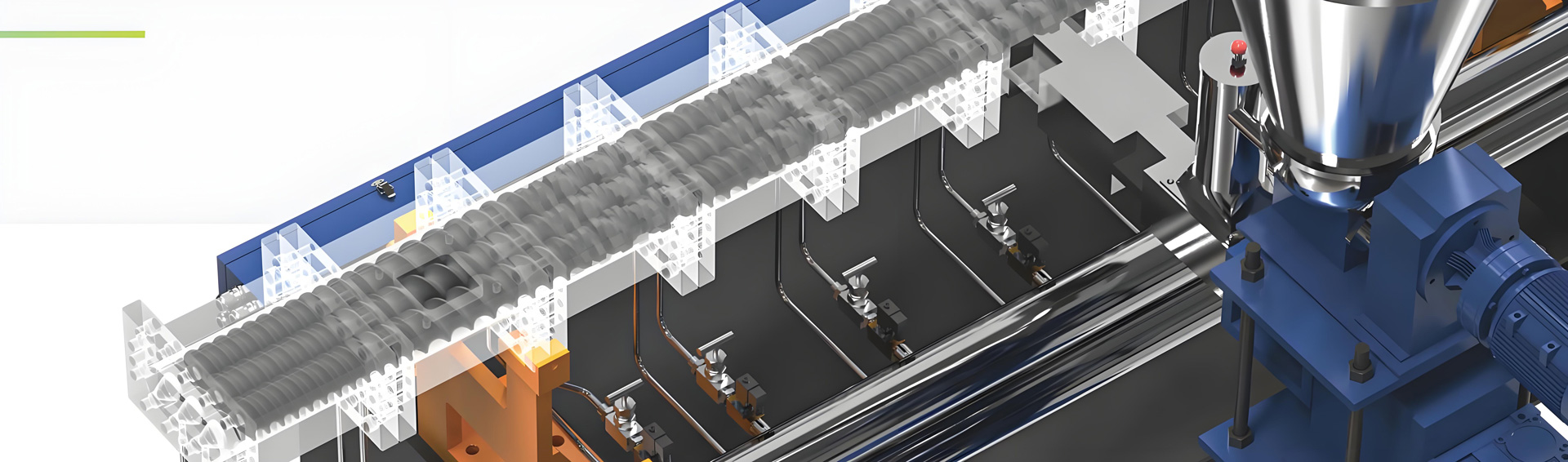
Kerke KTE Series twin screw extruders provide the ideal platform for producing high-quality biodegradable masterbatch. The KTE Series features advanced screw geometry optimized for dispersive and distributive mixing, ensuring uniform dispersion of biodegradable additives throughout the polymer matrix. Precise temperature control across multiple barrel zones allows processors to maintain optimal processing conditions while preserving additive functionality. The modular design of KTE Series extruders enables customization for specific biodegradable masterbatch formulations.
KTE Series twin screw extruders offer L/D ratios from 40:1 to 72:1, providing sufficient residence time for thorough mixing while minimizing thermal degradation of sensitive additives. The available processing widths from 20mm to 150mm accommodate production volumes from laboratory scale to full-scale manufacturing. Kerke’s patented screw configuration technology enables optimization of mixing intensity and residence time for each biodegradable masterbatch formulation. This flexibility allows processors to achieve the optimal balance between mixing quality and additive preservation.
Pricing for Kerke KTE Series twin screw extruders ranges from 25,000 dollars for laboratory-scale models to over 500,000 dollars for large-scale production equipment, depending on size, configuration, and automation level. This investment provides the capability to produce high-quality biodegradable masterbatch with consistent performance. The return on investment can be achieved through improved product quality, reduced processing costs, and the ability to command premium prices for biodegradable materials. Kerke offers flexible financing options to help customers acquire the equipment they need.
Kerke provides comprehensive support for biodegradable masterbatch production, including process development, formulation assistance, and ongoing technical support. The company’s experience with various biodegradable additives and polymer systems enables them to provide valuable guidance for optimizing processing conditions. Kerke’s quality systems ensure that produced equipment meets the highest standards for consistency and reliability. The company’s commitment to innovation ensures that customers receive equipment capable of meeting evolving market requirements.
Quality Control and Testing
Quality control for biodegradable masterbatch production involves comprehensive testing to ensure consistent performance and regulatory compliance. Testing protocols include measurement of additive concentration, dispersion quality assessment, and biodegradable performance testing. Consistent masterbatch quality is essential for ensuring reliable biodegradable performance in end-use applications. Masterbatch manufacturers must maintain rigorous quality control systems to ensure batch-to-batch uniformity and compliance with specifications.
Additive concentration analysis verifies that biodegradable additives are present at the specified concentrations. Analytical techniques including inductively coupled plasma spectroscopy for metal-based additives, thermogravimetric analysis, and chromatographic methods can be used to quantify additive content. Accurate concentration control is essential for achieving consistent biodegradable performance and meeting customer specifications. Concentration analysis should be performed on production batches to verify compliance with specifications.
Dispersion quality assessment ensures that biodegradable additives are uniformly distributed throughout the polymer matrix. Microscopic examination can identify agglomeration or uneven distribution of additive particles. Poor dispersion can lead to inconsistent biodegradable performance and may affect other material properties. Scanning electron microscopy with energy-dispersive X-ray spectroscopy can provide detailed information about particle distribution. Kerke’s quality systems include dispersion quality assessment as a critical control point in masterbatch production.
Biodegradable performance testing verifies that the masterbatch provides the required level of biodegradation under specified conditions. Testing should be performed according to applicable standards including EN 13432, ASTM D6400, or ISO 14855 depending on the target market and application. Biodegradable testing measures the rate and extent of degradation under controlled conditions, typically through measurement of carbon dioxide evolution or other indicators. Performance testing should be conducted to verify that masterbatch formulations meet certification requirements.
Environmental Considerations
Environmental considerations are central to the development and use of biodegradable masterbatch technology. While biodegradable masterbatch offers potential environmental benefits compared to conventional non-degradable plastics, the complete environmental impact must be carefully evaluated. Life cycle assessment studies are increasingly used to understand the overall environmental footprint of biodegradable materials compared to conventional alternatives. These considerations affect both formulation development and market positioning.
Landfill degradation considerations are important for understanding the actual environmental benefits of biodegradable masterbatch in realistic disposal scenarios. Modern landfills are designed to minimize degradation through limited oxygen and moisture availability, which can slow or prevent biodegradation. Biodegradable masterbatch formulations may be less effective under landfill conditions compared to composting environments. The actual degradation timeframe in landfills can vary significantly depending on landfill design and operating conditions. These considerations must be factored into realistic expectations for environmental benefits.
Microplastic formation represents a potential concern with some biodegradable technologies that fragment into smaller pieces before complete biodegradation. If degradation is not complete or if degradation products persist in the environment, microplastic formation could still occur. Complete biodegradation to water, carbon dioxide, and biomass is essential for realizing the full environmental benefits of biodegradable technology. Testing should verify complete biodegradation rather than just fragmentation or disintegration.
Greenhouse gas emissions from biodegradation processes should be considered in the overall environmental assessment. Complete biodegradation ultimately results in carbon dioxide release, contributing to greenhouse gas emissions. However, this carbon was originally fixed from the atmosphere in fossil fuel extraction, so biodegradation completes the carbon cycle. The timing and conditions of biodegradation affect the greenhouse gas impact. Biodegradation under controlled composting conditions with methane capture can reduce the greenhouse gas impact compared to uncontrolled degradation in landfills.
Future Trends and Innovations
The biodegradable masterbatch market continues to evolve as new technologies emerge and environmental requirements become more stringent. Innovation in additive chemistries, degradation mechanisms, and application-specific formulations is driving expansion of capabilities and performance. Future trends in biodegradable masterbatch include more controlled degradation profiles, improved compatibility with recycling infrastructure, and enhanced performance characteristics.
Triggered degradation systems represent an emerging approach where degradation is initiated by specific environmental signals such as pH change, specific enzyme presence, or UV exposure. These systems enable materials to remain stable during use but degrade rapidly when exposed to specific trigger conditions. The technology requires sophisticated chemistry and processing capabilities. Kerke’s advanced equipment platforms are well-suited for processing these next-generation formulations that require precise control over additive distribution and functionality.
Recyclable biodegradable materials represent a potential future direction that addresses compatibility between biodegradability and recycling. Materials that can maintain performance through multiple recycling cycles before eventual biodegradation offer the potential to combine the benefits of both recycling and biodegradation. Developing such materials requires careful formulation to ensure that biodegradable additives do not interfere with recycling processes and only activate after multiple use cycles. This approach could significantly enhance the overall environmental performance of plastic materials.
Smart biodegradable systems with environmental sensors that adjust degradation behavior based on environmental conditions represent another area of innovation. These systems could monitor oxygen levels, temperature, moisture, or other environmental parameters and adjust degradation rates accordingly. The technology could provide more predictable and controlled degradation profiles across diverse environmental conditions. Developing such systems requires integration of additive technology with sensor technology and advanced processing capabilities.
Regulatory Landscape
The regulatory landscape for biodegradable materials is evolving rapidly as governments implement policies to address plastic waste concerns. Various jurisdictions have implemented or are considering regulations affecting biodegradable materials, including bans on certain single-use plastics, requirements for compostable packaging, and labeling requirements for biodegradable claims. Masterbatch manufacturers must stay current with regulatory developments and ensure their formulations comply with applicable requirements.
European Union regulations have been particularly influential in shaping the biodegradable materials market. The EU Single-Use Plastics Directive includes measures to reduce plastic waste and promote sustainable alternatives. Requirements for biodegradable packaging and compostability certifications affect material choices for various applications. EU regulations also affect which degradation mechanisms are acceptable for environmental claims. Masterbatch manufacturers serving the European market must ensure compliance with these evolving requirements.
United States regulations regarding biodegradable materials vary by state and application, with some jurisdictions implementing composting requirements and biodegradable material mandates. Federal regulations through the Environmental Protection Agency affect certain aspects of biodegradable materials, particularly regarding biodegradability claims and environmental marketing. The Federal Trade Commission provides guidance on environmental marketing claims, including requirements for substantiation of biodegradable claims. Masterbatch manufacturers must ensure that marketing claims are properly substantiated.
Asia-Pacific regulations are evolving rapidly, with several countries implementing biodegradable material requirements and restrictions on conventional plastics. Countries including China, India, and Japan have implemented various regulations affecting biodegradable materials. The specific requirements vary by country and application, creating a complex regulatory landscape for manufacturers serving multiple markets. Masterbatch manufacturers must understand the requirements for each target market and ensure compliance.
Conclusion
Biodegradable masterbatch for eco-friendly plastics represents a valuable technology that addresses growing environmental concerns about plastic waste. The technology has evolved significantly from simple pro-oxidant formulations to sophisticated systems incorporating multiple degradation mechanisms and controlled degradation profiles. Proper formulation and processing are essential for achieving consistent biodegradable performance while maintaining material properties and meeting regulatory requirements. Kerke KTE Series twin screw extruders provide the mixing capabilities and process control needed for producing high-quality biodegradable masterbatch.
The selection of appropriate biodegradable additives and formulations requires careful consideration of application requirements, degradation mechanisms, regulatory compliance, and economic factors. Oxidative formulations offer cost effectiveness for many applications, while more complex systems may be required for specific degradation profiles or certification requirements. Masterbatch manufacturers must work closely with customers to optimize formulations for each application.
As the market for biodegradable plastics continues to grow, innovation in additive technologies and processing methods will expand capabilities and application possibilities. Environmental considerations and regulatory compliance will continue to shape development directions. Kerke remains committed to providing the advanced equipment and technical support needed to produce biodegradable masterbatch that meets evolving market requirements and environmental objectives.
Investment in proper compounding equipment, such as Kerke KTE Series twin screw extruders, is essential for producing biodegradable masterbatch with consistent quality and performance. The precise control and mixing capabilities of Kerke equipment enable manufacturers to optimize processing conditions for each formulation. This investment pays dividends through improved product quality, reduced processing costs, and the ability to meet the growing market demand for biodegradable materials.