The plastic manufacturing industry has witnessed remarkable evolution over the past decades, with blow molding emerging as one of the most critical processes for producing hollow plastic products. From household containers to automotive fuel tanks, blow molding technology enables the mass production of complex shapes with excellent structural integrity. At the heart of this manufacturing excellence lies the masterbatch, a concentrated mixture of pigments, additives, and carriers that determines the final product’s color, properties, and performance characteristics. Understanding how to achieve optimal uniformity in blow molding masterbatch represents a fundamental concern for manufacturers seeking to deliver consistent, high-quality products while optimizing production efficiency and reducing waste.
Masterbatch for blow molding applications demands exceptional dispersion quality and thermal stability compared to other plastic processing methods. The blow molding process subjects the polymer material to intense heat, pressure, and stretch forces during the parison formation and inflation stages. Any inconsistency in pigment distribution or additive dispersion within the masterbatch can manifest as visible defects in the finished product, including color streaking, surface imperfections, and uneven wall thickness. These defects not only compromise the aesthetic appeal of the final product but can also affect structural integrity and functional performance, potentially leading to product recalls, customer complaints, and significant financial losses.
This comprehensive guide explores the technical intricacies of masterbatch formulation, production methods, and quality control measures essential for achieving superior uniformity in blow molding applications. We will examine how modern twin screw extruder technology from manufacturers like Nanjing Kerke Extrusion Equipment Co., Ltd enables producers to create masterbatches that meet the stringent requirements of the blow molding industry. Whether you are a manufacturer seeking to improve your current production processes or an engineer evaluating masterbatch suppliers, this guide provides the knowledge and insights necessary to make informed decisions and achieve optimal results in your blow molding operations.
What is Masterbatch for Blow Molding?
Masterbatch for blow molding is a concentrated additive composition specifically engineered for use in blow molding plastic manufacturing processes. Unlike standard masterbatches designed for injection molding or extrusion, blow molding masterbatches must possess unique characteristics that address the particular challenges of this manufacturing method. The masterbatch typically consists of high concentrations of pigments or dyes, functional additives such as stabilizers and processing aids, and a carrier resin compatible with the base polymer used in the blow molding process.
The fundamental purpose of masterbatch in blow molding is to impart color and functional properties to the finished product while ensuring these properties remain stable and uniformly distributed throughout the manufacturing process. The blow molding process involves melting the polymer, forming it into a tube-shaped parison, and then inflating the parison against a cooled mold cavity. This sequence subjects the material to multiple thermal cycles and mechanical stresses, each presenting opportunities for color migration, additive agglomeration, or property degradation if the masterbatch formulation lacks adequate stability and dispersion quality.
Modern blow molding masterbatches incorporate advanced additive packages designed to address specific performance requirements. UV stabilizers protect products from environmental degradation when used outdoors. Impact modifiers enhance toughness and resistance to cracking during handling and use. Antioxidants prevent thermal oxidation during the high-temperature processing stages. Flame retardants enable production of products meeting stringent fire safety regulations. Each additive must be carefully selected and formulated to ensure compatibility with both the carrier resin and the base polymer, preventing phenomena such as plate-out, migration, or adverse chemical reactions that could compromise product quality.
Role of Twin Screw Extruder in Masterbatch Production
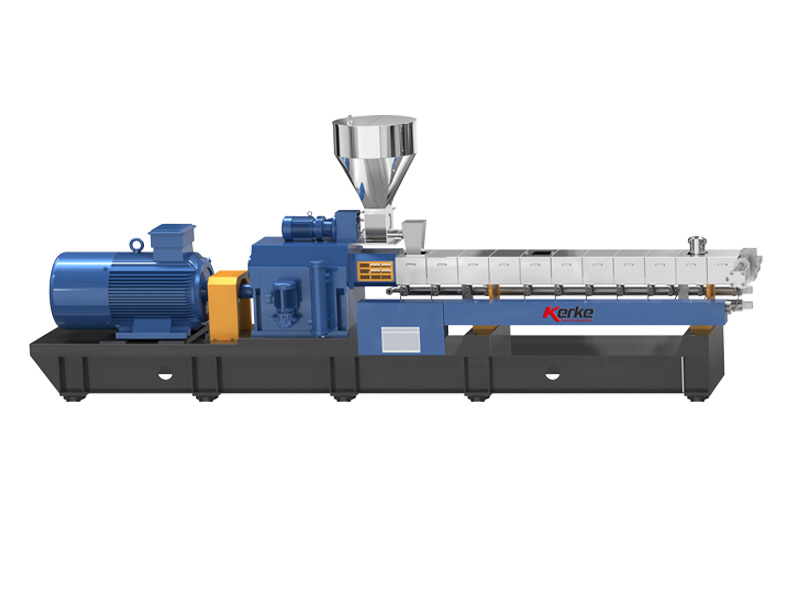
The twin screw extruder plays a pivotal role in the production of high-quality masterbatches for blow molding applications. Nanjing Kerke Extrusion Equipment Co., Ltd has developed specialized KTE series twin screw extruders that excel in masterbatch production due to their superior mixing capabilities, precise temperature control, and exceptional throughput consistency. The twin screw configuration, featuring two intermeshing screws rotating within a precision-engineered barrel, creates conditions ideal for achieving the uniform dispersion essential for blow molding masterbatch quality.
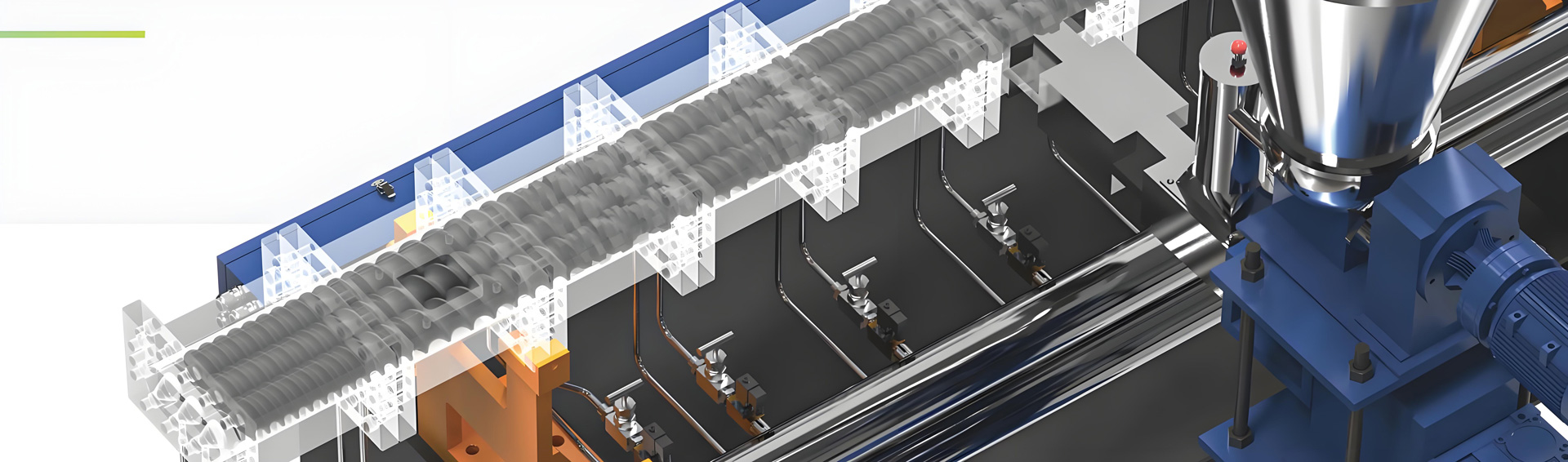
The mixing mechanism within a twin screw extruder operates through multiple complementary mechanisms that work together to break down pigment agglomerates and distribute additives throughout the polymer matrix. Conveying elements move the material forward through the barrel while kneading blocks and rotor elements subject the material to intensive shear forces. This combination of distributive and dispersive mixing ensures that even the most difficult-to-disperse pigments achieve the particle size reduction necessary for smooth, streak-free coloration in the finished product. The twin screw extruder achieves mixing efficiency that single screw machines simply cannot match, making it the preferred equipment for masterbatch production serving quality-conscious blow molders.
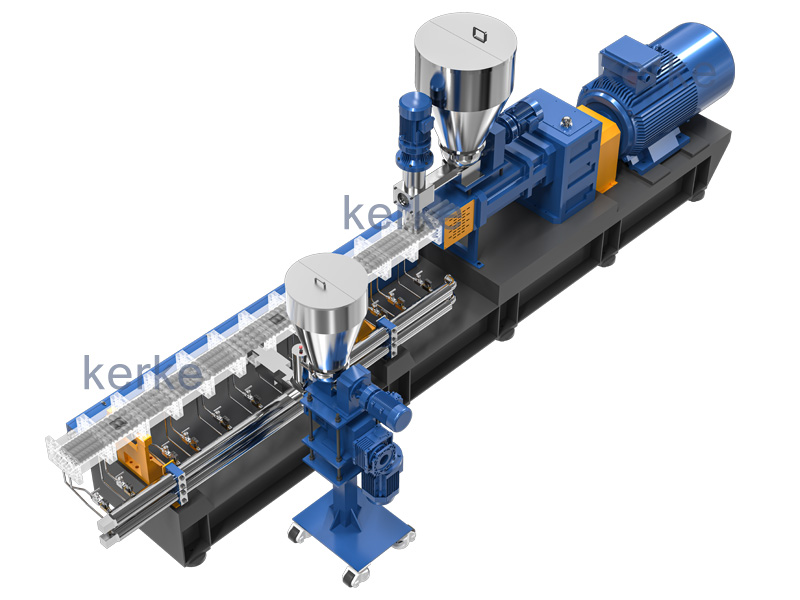
Nanjing Kerke’s KTE series extruders incorporate advanced screw designs optimized for masterbatch applications. The co-rotating, intermeshing screw configuration creates positive pumping action while maintaining excellent mixing performance across a wide range of formulations. Modular barrel sections allow processors to configure the machine according to specific formulation requirements, placing different additive feeds at optimal positions along the processing length. This flexibility enables production of masterbatches with multiple component additions, each mixed at the appropriate intensity level for its particular dispersion requirements.
Working Principle of Compounding Extruder
The compounding extruder serves as the core processing unit for transforming raw materials into finished masterbatch. Understanding the working principle of this equipment helps manufacturers appreciate why certain machine characteristics matter for blow molding masterbatch quality. The compounding extruder integrates multiple processing functions into a continuous, efficient operation that converts solid and liquid inputs into a homogeneous, molten polymer composition suitable for pelletizing into the final masterbatch product.
The extrusion process begins with material feeding, where raw polymer resin, concentrated pigments, and functional additives enter the feed throat of the compounding extruder. The screws, typically featuring specially designed feed sections with deep flights, draw material into the barrel and begin the compression and melting process. As material progresses through the barrel, combination of external heating and viscous dissipation of mechanical energy brings the composition to the molten state required for mixing and compounding operations.
The mixing section of the compounding extruder represents the heart of the masterbatch production process. Here, carefully designed screw elements create the conditions necessary for pigment dispersion and additive incorporation. The intermeshing region of co-rotating twin screws experiences intense shear stresses as material passes between the screw elements. Kneading blocks create additional disruption of material flow patterns, ensuring that all portions of the composition experience adequate mixing intensity. The precise control over residence time distribution achieved in twin screw extruders prevents both undermixing, which produces poor dispersion, and overmixing, which can degrade heat-sensitive additives or cause excessive shear heating.
Kerke KTE Series Extruder Features
Nanjing Kerke Extrusion Equipment Co., Ltd, operating as part of the WANPLAS Group, has established itself as a leading manufacturer of compounding extruders serving the masterbatch industry worldwide. The KTE series represents the culmination of over twelve years of engineering expertise and customer collaboration, offering performance characteristics specifically optimized for masterbatch production applications. With more than 2000 machines currently operating globally and a presence in over 70 countries, Kerke has earned recognition for reliable, high-quality equipment that delivers consistent results in demanding production environments.
The KTE series encompasses a comprehensive range of machine sizes, from compact laboratory units to large-scale production systems capable of throughputs exceeding 2000 kilograms per hour. The KTE-16B laboratory extruder serves formulation development and small-batch production needs, enabling customers to optimize recipes before scaling to production volumes. Mid-range models such as the KTE-52 and KTE-65 address typical commercial masterbatch production requirements, while the KTE-90 and KTE-135 series serve high-volume manufacturers requiring maximum output efficiency.
Key features distinguishing the KTE series include advanced barrel temperature control systems that maintain precise thermal uniformity throughout the processing length. Multiple heating and cooling zones allow processors to create optimal temperature profiles for different formulation types, ensuring complete melting without thermal degradation of sensitive additives. The screw drive systems feature variable frequency drives that enable precise control over screw speed, allowing operators to optimize processing conditions for different materials and formulations.
The compounding extruder designs from Kerke incorporate wear-resistant materials in high-abrasion zones, extending equipment life when processing formulations containing mineral fillers or glass fibers. Specialized barrel and screw configurations address the specific challenges of masterbatch production, including pigment incorporation, dispersion intensification, and vacuum devolatilization for moisture removal. These engineering features combine to deliver the performance characteristics essential for consistent, high-quality masterbatch production serving the blow molding industry.
Applications in Blow Molding Industry
The blow molding industry encompasses multiple distinct processes, each presenting unique requirements for masterbatch performance. Understanding these application areas helps masterbatch producers develop formulations optimized for specific customer needs while enabling blow molders to select masterbatches that deliver optimal results in their particular manufacturing environment.
Extrusion Blow Molding
Extrusion blow molding represents the most common blow molding process, particularly for producing containers and bottles. In this process, molten polymer extruded through a die forms a tube-shaped parison that hangs from the die head until the mold closes around it. Compressed air then inflates the parison against the cooled mold cavity, taking the shape of the mold cavity and producing the finished hollow product. Masterbatches for extrusion blow molding must maintain stability through the extrusion stage, where material experiences prolonged exposure to elevated temperatures, and must disperse uniformly to prevent surface defects on the finished container.
The uniformity requirements in extrusion blow molding are particularly stringent for applications such as pharmaceutical containers, where inconsistent coloration can compromise product identification and patient safety. Food packaging applications demand masterbatches that meet stringent regulatory requirements for food contact materials while maintaining the visual consistency consumers expect from branded products. The high production speeds typical of modern extrusion blow molding lines place additional demands on masterbatch flow characteristics, requiring formulations that feed consistently without bridging or surging in the extruder feed zone.
Injection Blow Molding
Injection blow molding combines injection molding and blow molding technologies to produce preforms that are subsequently blown into finished containers. This process offers superior control over wall thickness distribution and neck finish precision compared to extrusion blow molding, making it preferred for applications requiring tight dimensional tolerances. Masterbatches for injection blow molding must perform through the injection stage, where material experiences high pressure and shear during injection into the preform mold, before undergoing the blow molding stage where the preform is reheated and inflated.
The two-stage thermal history of injection blow molding places particular demands on masterbatch thermal stability. Pigments must resist color shift or degradation during the injection molding phase, where temperatures may reach 250 degrees Celsius or higher, and must maintain their characteristics through the subsequent reheat and blow stage. Functional additives incorporated in injection blow molding masterbatches must remain active and effective despite the multiple thermal exposures, requiring careful selection of additive types and concentrations.
Stretch Blow Molding
Stretch blow molding, used extensively for producing PET bottles for beverages, subjects the polymer to biaxial orientation during the blow molding stage. This orientation process significantly enhances mechanical properties including impact strength and barrier characteristics, but it also creates unique challenges for masterbatch performance. The masterbatch must not interfere with the polymer crystallization or orientation processes that determine the finished bottle’s mechanical properties.
Preform manufacturers serving the stretch blow molding industry require masterbatches that introduce color or functional properties without affecting the reheating behavior critical to the stretch blow process. Masterbatches must disperse uniformly to prevent optical defects visible in the thin-walled regions of stretched bottles while remaining compatible with the high-speed preform production rates typical of modern manufacturing operations.
Formulation and Composition
Developing masterbatch formulations for blow molding applications requires careful consideration of multiple factors that influence both processing performance and final product characteristics. The formulation scientist must balance pigment loading levels, carrier resin selection, and additive package design to achieve the desired color properties while ensuring adequate dispersion stability and processing compatibility.
Pigment selection represents the foundation of color masterbatch formulation. Organic pigments offer vibrant colors and high color strength but typically require more intensive dispersion processing to achieve optimal results. Inorganic pigments provide excellent lightfastness and heat stability but may offer more limited color ranges. Pigment selection must consider not only the target color and color strength but also the processing conditions the masterbatch will encounter and the end-use requirements of the finished product.
The carrier resin serves as the delivery vehicle for pigments and additives, requiring careful selection to ensure compatibility with the base polymer used in blow molding. Common carrier resins include polyethylene, polypropylene, and ethylene-vinyl acetate copolymers, each offering different processing characteristics and compatibility profiles. For blow molding applications using specific base polymers, masterbatch producers may develop custom carriers that provide optimal compatibility and migration resistance in the finished product.
Functional additive packages extend masterbatch capabilities beyond simple coloration. Processing aids such as waxes and fluoropolymers reduce friction during extrusion and blow molding, improving surface finish and reducing die buildup. Antioxidants protect both the polymer and the pigments from thermal degradation during processing. UV stabilizers ensure long-term color retention in outdoor applications. Impact modifiers enhance toughness in applications requiring resistance to mechanical stress. Each additive must be evaluated for compatibility with other formulation components and for potential interactions during processing and end-use conditions.
Production Process for Blow Molding Masterbatch
The production of high-quality masterbatch for blow molding follows a systematic process that transforms raw materials into a finished product meeting stringent quality specifications. Understanding this production process enables customers to appreciate the expertise and equipment investment required to achieve consistent, high-quality results.
Material preparation begins with the receipt and inspection of raw materials, including pigments, carriers, and additives. Each raw material undergoes quality verification to ensure it meets specifications for purity, particle size, and performance characteristics. Pigments are typically pre-blended with portions of the carrier resin in separate mixing operations that facilitate uniform distribution before the main extrusion process. Liquid additives may require specialized handling systems to ensure accurate addition rates and consistent incorporation into the final formulation.
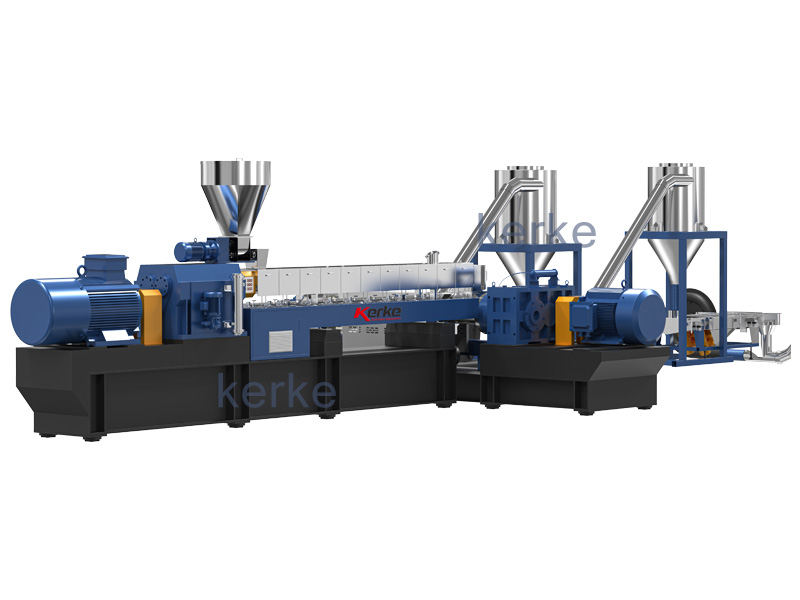
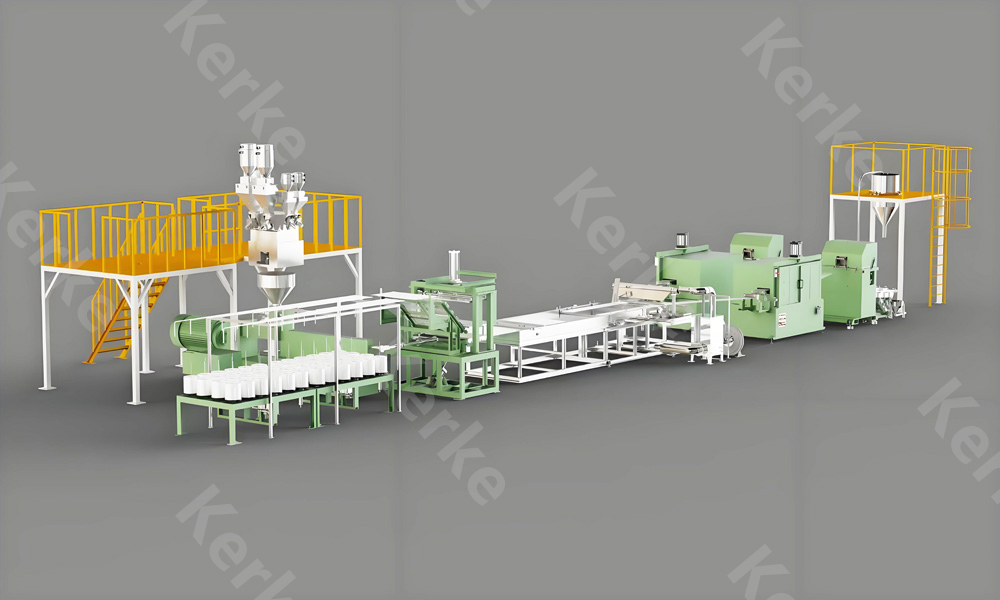
The extrusion compounding process represents the core of masterbatch production. The Kerke KTE series twin screw extruder receives pre-blended material through its feed throat, where the screws draw material into the barrel and initiate the melting and mixing process. Barrel temperature profiles are established according to the specific formulation requirements, with typical processing temperatures ranging from 160 to 240 degrees Celsius depending on the carrier resin and additive package. Screw speed and throughput rate are optimized to achieve adequate residence time for complete melting and dispersion while maintaining productive output levels.
Vacuum devolatilization sections remove moisture and other volatiles that could cause defects in the finished masterbatch or the products made using it. The underwater pelletization system at the extruder discharge converts the molten polymer stream into uniform pellets that cool rapidly in the water bath. Finished pellets are dried, inspected, and packaged according to customer requirements, with quality control samples retained for verification testing.
Technical Parameters and Specifications
Masterbatch specifications for blow molding applications encompass multiple parameters that determine fitness for use in specific manufacturing environments. Understanding these specifications enables customers to select masterbatches that will perform optimally in their particular applications while providing benchmarks for quality verification.
Pigment loading levels in masterbatch typically range from 20 to 50 percent by weight depending on the pigment type and the color strength requirements of the application. Higher loadings reduce the addition rate required to achieve target color levels but may compromise dispersion quality or processing behavior. Masterbatch producers must balance these competing considerations to develop formulations that provide optimal cost-performance characteristics.
Dispersion quality is typically evaluated using various standardized methods that assess pigment agglomerate size and distribution. The filter pressure value test measures the tendency of poorly dispersed particles to block filters, providing an indirect measure of dispersion quality. Optical microscopy examination reveals the size and frequency of pigment agglomerates visible at various magnifications. For critical applications, customers may specify maximum acceptable agglomerate sizes or distribution uniformity requirements.
Thermal stability specifications ensure that masterbatch maintains its color and performance characteristics through the thermal exposure encountered during blow molding processing. Accelerated aging tests expose masterbatch samples to elevated temperatures and then evaluate color change and property degradation. The thermal stability temperature represents the maximum temperature at which the masterbatch can be processed without unacceptable degradation, typically specified as a temperature at which the color change remains within acceptable limits after a defined exposure period.
Cost and Price Analysis
Understanding the cost structure and pricing factors for masterbatch enables manufacturers to evaluate supplier quotations and make informed purchasing decisions. The total cost of masterbatch extends beyond the quoted price per kilogram to include considerations such as addition rate requirements, processing performance, and quality-related costs.
Raw material costs dominate masterbatch pricing, with pigments representing the largest single cost component for most color masterbatches. Organic pigments range from approximately $15 to $80 per kilogram depending on the specific chemistry and color, while inorganic pigments typically range from $5 to $30 per kilogram. Carrier resin costs generally range from $1.50 to $3 per kilogram, representing a smaller but still significant portion of formulation cost. Functional additives vary widely in price depending on the specific additive type and concentration required.
Equipment investment for masterbatch production represents a substantial fixed cost that influences pricing for lower-volume specialty products. A complete compounding extrusion line based on Kerke KTE series equipment, including material handling systems and quality control instrumentation, represents an investment ranging from $150,000 for a laboratory-scale system to over $1 million for a high-volume production installation. This investment must be amortized across production volumes, influencing the pricing structures available to customers with different order volumes.
For a typical commercial masterbatch formulation suitable for blow molding applications, pricing ranges from $3 to $15 per kilogram depending on pigment type, loading level, and performance requirements. Standard color masterbatches using common inorganic pigments may price in the $3 to $6 range, while specialty formulations using premium organic pigments or extensive functional additive packages may exceed $12 per kilogram. Customers should evaluate quotations based on delivered cost considering the addition rate required to achieve target color levels, as a higher-priced masterbatch with superior color strength may actually reduce total material costs through lower addition rates.
Equipment Selection Guide
Selecting appropriate compounding equipment for masterbatch production requires evaluation of multiple factors that influence both product quality and production economics. The choice of twin screw extruder significantly impacts the capabilities and limitations of the masterbatch production operation.
Throughput requirements represent a primary consideration in equipment selection. Kerke offers the KTE series spanning throughput capacities from approximately 30 kilograms per hour for the smallest laboratory models to over 2000 kilograms per hour for the largest production machines. Operations requiring batch flexibility and frequent product changes may prefer smaller machines that enable rapid changeover, while high-volume production of standardized products benefits from the economies of scale available with larger equipment.
Screw diameter and length-to-diameter ratio determine the processing capacity and mixing intensity available from the compounding extruder. Larger screw diameters enable higher throughput but may sacrifice mixing intensity in some configurations. Length-to-diameter ratios typically range from 32:1 to 48:1, with longer ratios providing more processing flexibility and extended mixing sections but requiring more energy for extrusion. Masterbatch production generally benefits from longer processing lengths that enable multiple mixing zones and adequate dispersion intensification.
Barrel configuration flexibility allows processors to adapt equipment for different formulation requirements. Kerke offers modular barrel designs that enable positioning of feeding ports, venting zones, and specialized processing sections according to formulation requirements. For masterbatch production requiring liquid additive injection or intensive mixing of difficult-to-disperse pigments, the ability to configure barrels appropriately becomes essential for achieving consistent quality.
Production Quality Control
Quality control in masterbatch production encompasses multiple stages of verification and testing that ensure products meet specifications for color, dispersion, and performance characteristics. Comprehensive quality management systems enable masterbatch producers to deliver consistent products that perform reliably in customer applications.
Incoming material inspection verifies that raw materials meet specifications before use in production. Pigment shipments are tested for color strength, particle size distribution, and moisture content. Carrier resins undergo melt flow testing and purity verification. Additive materials are checked for assay levels and contamination. Only materials passing these verification tests enter production use, preventing quality problems that could result from substandard raw materials.
In-process monitoring during extrusion production provides real-time feedback on processing conditions and product quality. Temperature profiles, motor load indicators, and pressure measurements reveal deviations from normal operation that might indicate quality problems. Periodic sampling during production enables visual inspection and preliminary testing that identifies problems before large quantities of off-specification material accumulate.
Finished product testing validates that masterbatch meets all specifications before shipment to customers. Color testing using spectrophotometric methods provides quantitative measurement of color characteristics against reference standards. Dispersion testing evaluates the quality of pigment distribution using standardized methods. Physical property testing verifies melt flow characteristics, bulk density, and other parameters affecting processing behavior. Only products passing all testing requirements receive release for shipment.
Common Issues and Solutions
Despite careful formulation and production control, masterbatch-related problems occasionally occur in blow molding operations. Understanding the root causes of common issues and their appropriate solutions enables manufacturers to address problems quickly and prevent recurrence.
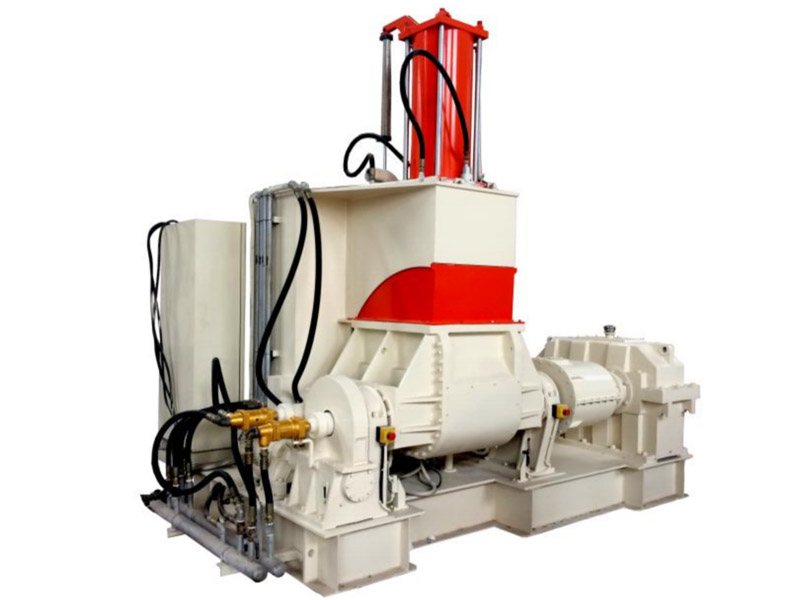
Color streaking in finished products typically indicates inadequate dispersion of pigment particles in the masterbatch. When poorly dispersed agglomerates pass through the blow molding process, they can accumulate at flow fronts or freeze in place as the parison inflates, creating visible streaks in the finished product. Solutions include increasing the dispersion intensity in masterbatch production through higher-shear screw configurations, extending mixing zone lengths, or using auxiliary dispersion equipment to pretreat pigments before extrusion compounding.
Surface roughness or pitting on blow molded products may result from moisture in the masterbatch or volatile components that flash off during processing. The rapid pressure release during parison inflation can cause volatile materials to form bubbles or surface defects. Addressing this issue requires ensuring adequate drying of masterbatch before use and specifying masterbatches with vacuum devolatilization during production to remove moisture and other volatiles.
Color variation between production runs or throughout a single production run indicates inconsistent masterbatch quality or addition rate control. Masterbatch production quality control should be reviewed to identify sources of variation, including raw material consistency, processing condition stability, and sampling and testing procedures. In the blow molding operation, feeder calibration and maintenance should be verified to ensure consistent addition rates.
Maintenance and Operation
Proper maintenance and operation practices ensure consistent performance from compounding equipment and maximize return on investment in capital equipment. Both equipment operators and maintenance personnel play essential roles in maintaining production quality and equipment reliability.
Daily operational procedures include verification of material supply levels, inspection of feeding equipment for proper function, and monitoring of processing parameters throughout production runs. Operators should maintain logs of processing conditions that enable identification of trends or deviations that might indicate developing problems. Regular sampling and quality testing provide feedback on product consistency that guides operational adjustments.
Preventive maintenance schedules ensure that equipment remains in proper operating condition throughout its service life. Wear components including screw elements, barrel liners, and seals require periodic inspection and replacement based on operating hours and observed wear patterns. Lubrication of moving components, calibration of temperature controllers, and verification of safety interlocks should follow established schedules that reflect manufacturer recommendations and operating experience.
When troubleshooting production problems, systematic approaches yield faster resolution than random adjustments. Document the symptoms carefully, including when they were first observed and what changes occurred around that time. Review recent changes in formulations, raw materials, or processing conditions. Check the most likely causes first based on the symptom patterns, and verify the effectiveness of corrective actions through controlled testing.
Market Trends and Industry Development
The masterbatch industry serving blow molding applications continues to evolve in response to changing market demands, regulatory requirements, and technological developments. Understanding these trends helps manufacturers anticipate future requirements and position their operations for continued success.
Sustainability requirements increasingly influence masterbatch development and selection. Regulatory pressures and consumer preferences drive demand for recycled content in plastic products, requiring masterbatches that perform effectively with recycled polymer materials that may have different processing characteristics than virgin resins. Bio-based polymers offer additional sustainability benefits but present unique challenges for masterbatch formulation due to their different thermal and rheological properties.
Lightweighting trends in packaging design reduce material usage but increase demands on masterbatch performance. Thinner-walled containers require improved dispersion to prevent visible defects in reduced wall sections. Enhanced mechanical properties become critical when wall thickness is reduced, driving demand for masterbatches incorporating impact modifiers and other performance additives. Colorants must maintain visual appeal in products with reduced color concentration resulting from lower addition rates in lightweighted designs.
Digital color management technologies enable more precise color matching and consistency verification throughout the supply chain. Spectrophotometric color data can be shared electronically between masterbatch suppliers and blow molders, enabling faster color approval and reducing the risk of color mismatches. These technologies support just-in-time inventory strategies that reduce working capital requirements while maintaining color consistency across production batches and production facilities.
Why Choose Kerke Extruder
Nanjing Kerke Extrusion Equipment Co., Ltd offers compelling advantages for manufacturers seeking reliable, high-quality compounding equipment for masterbatch production. The combination of engineering excellence, manufacturing capability, and customer support establishes Kerke as a preferred partner for operations ranging from laboratory development to high-volume commercial production.
The KTE series twin screw extruders incorporate design features specifically optimized for masterbatch production requirements. Advanced screw configurations provide superior dispersion characteristics that achieve the pigment agglomerate reduction essential for streak-free coloration in blow molding applications. Precise temperature control systems maintain thermal uniformity that prevents hot spots capable of degrading heat-sensitive additives while ensuring complete melting throughout the processing length.
Kerke manufacturing facilities spanning nearly 20,000 square meters enable production of equipment meeting the most demanding quality standards. Modern CNC machining centers ensure precision manufacturing of critical components including barrels, screws, and drive systems. Comprehensive quality management systems verify that every machine leaving the factory meets specifications for performance, reliability, and safety.
Global presence in over 70 countries ensures that Kerke customers receive responsive support regardless of their location. Factory-trained distributors provide local sales and service capabilities, while Kerke technical specialists offer advanced support for complex applications or troubleshooting requirements. This global network, combined with over 2000 machines operating worldwide, provides confidence that Kerke will continue serving customer needs for equipment and support over the long term.
Frequently Asked Questions
What is the recommended addition rate for masterbatch in blow molding?
Addition rates typically range from 1 to 5 percent by weight depending on the masterbatch formulation, pigment loading level, and target color intensity. Technical data sheets for specific masterbatch products provide recommended addition rates based on typical blow molding processing conditions. Higher addition rates may be required for deep colors or when using masterbatches with lower pigment loadings.
How should masterbatch be stored to maintain quality?
Masterbatch should be stored in a clean, dry environment protected from direct sunlight and sources of contamination. Most masterbatches benefit from storage at temperatures below 30 degrees Celsius and relative humidity below 60 percent. Proper storage extends shelf life and ensures consistent performance when the masterbatch is used in production.
What causes color variation between production runs?
Color variation may result from inconsistent masterbatch quality, variable addition rates, or changes in base polymer color. Verify masterbatch consistency through quality testing, check feeder calibration and function, and confirm that base polymer specifications have not changed. When switching between masterbatch lots, proper blending during addition helps minimize variation.
Can masterbatch affect the mechanical properties of blow molded products?
When properly formulated, masterbatch has minimal effect on mechanical properties. However, high additive loadings or certain additive types may influence impact strength, stiffness, or other properties. Technical evaluations should verify that specific masterbatch formulations meet mechanical property requirements for critical applications.
What is the typical lead time for custom masterbatch orders?
Standard masterbatch products may ship within days of order confirmation, while custom formulations typically require 2 to 6 weeks for development, qualification, and initial production. Complex formulations with extensive functional additive packages may require longer development periods.
How does carrier resin selection affect masterbatch performance?
The carrier resin determines compatibility with base polymers, processing characteristics, and migration resistance in finished products. Carrier selection should match the base polymer used in blow molding to ensure proper dispersion and prevent compatibility issues that could cause surface defects or property degradation.
What quality certifications should masterbatch suppliers maintain?
Quality management system certifications such as ISO 9001 demonstrate commitment to consistent quality processes. For food, pharmaceutical, or medical applications, relevant regulatory compliance certifications verify that masterbatches meet specific safety and performance requirements. Request documentation of relevant certifications when evaluating suppliers.
How can I reduce masterbatch costs without sacrificing quality?
Strategies for cost optimization include increasing pigment loading levels to reduce addition rates, optimizing formulations for specific applications to eliminate unnecessary additives, consolidating color requirements to reduce product SKUs, and establishing long-term supply relationships that enable volume pricing. Regular review of usage patterns may reveal opportunities for consolidation or optimization.
What technical support does Kerke provide for equipment selection?
Kerke technical specialists work with customers to understand their production requirements and recommend appropriate equipment configurations. This support includes formulation review, processing recommendations, and assistance with equipment installation, startup, and optimization. Contact Kerke or authorized distributors to initiate technical consultation for your specific requirements.
Conclusion
Achieving optimal uniformity in masterbatch for blow molding applications requires attention to multiple factors spanning formulation science, production equipment, processing technology, and quality management. The masterbatch serves as more than a simple colorant; it represents a carefully engineered composition that must perform consistently through the demanding conditions of blow molding while delivering the color and functional properties required in the finished product.
Twin screw extruder technology, exemplified by the KTE series from Nanjing Kerke Extrusion Equipment Co., Ltd, provides the capabilities necessary to produce masterbatches meeting the stringent requirements of modern blow molding operations. The superior mixing performance, precise control, and proven reliability of these systems enable masterbatch producers to achieve the consistency and quality that blow molders depend upon for their manufacturing operations.
Understanding the technical factors influencing masterbatch performance empowers manufacturers to make informed decisions about formulations, equipment, and suppliers. By partnering with experienced suppliers who combine quality products with technical expertise, blow molders can achieve the production consistency and product quality that competitive markets demand. The investment in understanding and specifying appropriate masterbatch solutions yields returns through reduced defects, improved production efficiency, and enhanced product quality that strengthens brand value and customer satisfaction.