Introduction
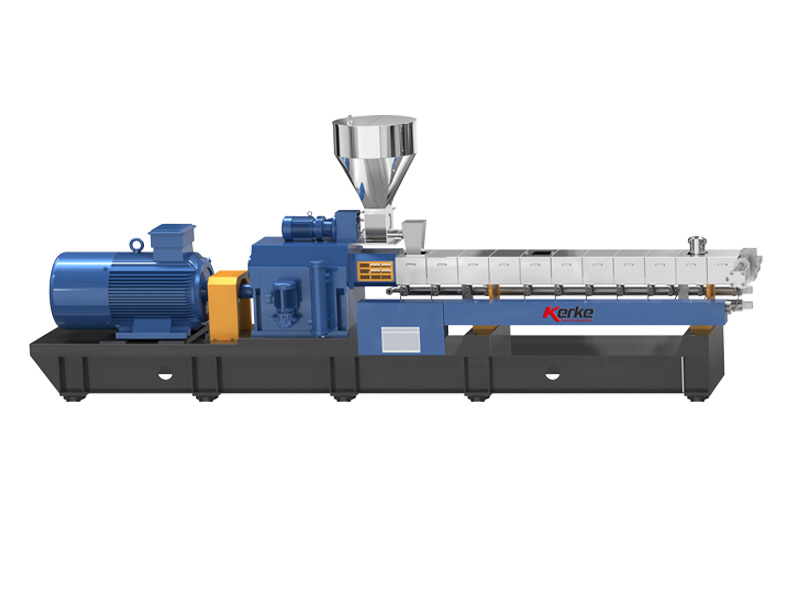
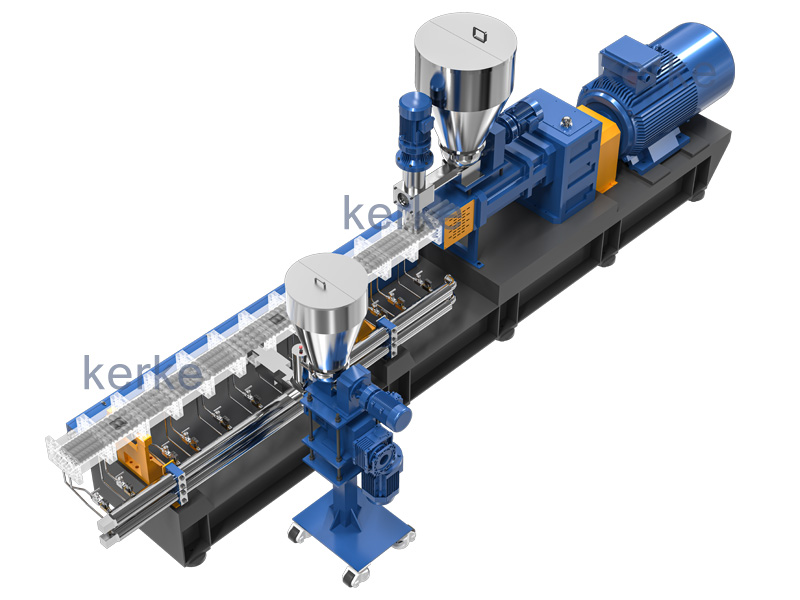
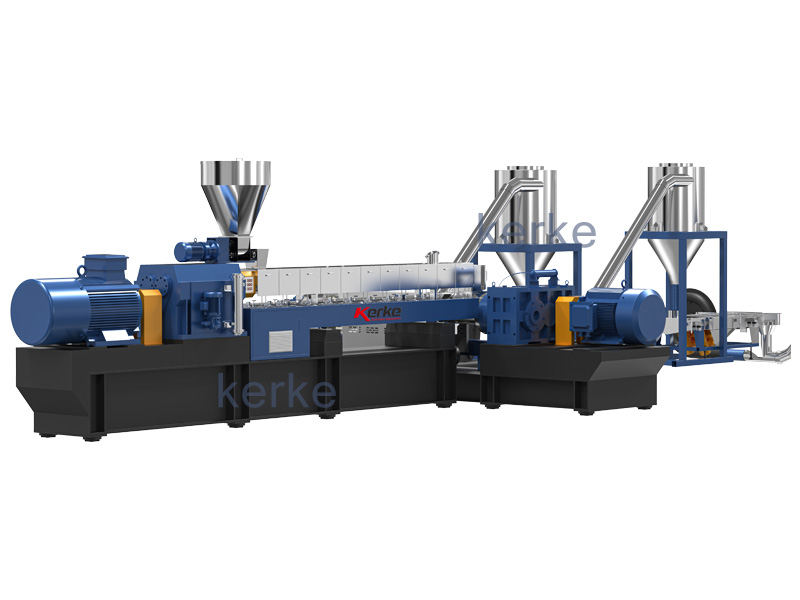
The adhesive film industry has evolved dramatically in response to increasing demands for reliable bonding solutions across diverse applications. From packaging laminates to automotive assemblies, manufacturers require adhesive systems that deliver consistent performance while meeting stringent processing and environmental requirements. Masterbatch for adhesive films has emerged as a critical technology enabler, providing controlled additive incorporation that enhances film properties and processing characteristics. A twin screw extruder serves as the essential equipment for producing these specialized masterbatch formulations with consistent quality and performance.
Modern adhesive film formulations incorporate multiple additive systems that address specific performance requirements including tackification, crosslinking facilitation, and processing stability. Masterbatch technology enables precise delivery of these additives while ensuring uniform distribution throughout the polymer matrix. As regulatory requirements and sustainability concerns influence formulation development, masterbatch producers must balance performance requirements against environmental and safety considerations that increasingly drive market trends. A compounding extruder system enables the production quality that adhesive masterbatch applications demand.
This comprehensive guide examines the technical foundations, formulation approaches, and production methodologies that define successful adhesive film masterbatch development. Whether you are a formulation scientist, film manufacturer, or production engineer, the insights provided here will enhance your understanding of this specialized application area. The guide concludes with practical recommendations for equipment selection and process optimization that enable consistent, high-quality adhesive film masterbatch production. A masterbatch extruder from Kerke or similar equipment enables manufacturers to achieve the production quality that demanding applications require.
What is Masterbatch for Adhesive Films
Masterbatch for adhesive films encompasses a family of concentrated additive formulations designed to enhance the bonding performance, processing characteristics, and end-use properties of adhesive film products. These masterbatches typically contain tackifying resins, waxes, antioxidants, and specialized modifiers dispersed within a compatible polymer carrier system. The concentrated masterbatch form enables precise additive addition during film manufacturing while avoiding handling issues associated with dusty or difficult-to-dose raw materials.
The fundamental purpose of adhesive film masterbatch is to modify the surface energy, rheological properties, and cohesion characteristics of the base polymer to achieve optimal bonding performance. Tackifying resins reduce the glass transition temperature and increase surface wetability, enabling better contact with substrate surfaces. Waxes modify crystalline behavior and improve slip characteristics, affecting both processing and final product properties. The synergistic combination of these additives creates adhesive formulations capable of forming strong, durable bonds across diverse substrate combinations.
Compounding extruder technology plays a central role in producing adhesive film masterbatches with the dispersion quality and consistency that demanding applications require. Twin screw extruders provide the intensive mixing necessary to incorporate high loadings of tackifying resins and other additives while maintaining stable processing conditions. The screw design and barrel configuration must accommodate the challenging rheological characteristics of adhesive formulations, which often include sticky components that can cause handling difficulties if not properly processed.
Why Use Masterbatch for Adhesive Films
The utilization of masterbatch technology for adhesive film production offers multiple advantages that justify its adoption across the industry. Process efficiency improvements represent a primary benefit, as masterbatch incorporation replaces multiple individual additive additions with a single material handling step. This consolidation reduces weighing errors, minimizes dust generation, and accelerates formulation changeovers during production. A twin screw extruder enables the production efficiency that adhesive film manufacturers require. Film manufacturers report productivity improvements of 15 to 25 percent when switching from individual additive addition to masterbatch-based formulations.
Consistency and quality control benefits accompany the operational advantages that masterbatch technology provides. Concentrated masterbatch production under controlled conditions ensures batch-to-batch uniformity that is difficult to achieve through direct addition methods. A compounding extruder system provides the consistency that adhesive film applications demand. The premixing and compounding process distributes additives throughout the carrier polymer, eliminating segregation and dosing variability that can compromise film quality. Statistical process control data demonstrates reduced property variation when using masterbatch rather than direct addition.
Material cost optimization through masterbatch utilization extends beyond direct additive cost savings. Improved dispersion reduces the effective additive concentration required to achieve target properties, as better distribution means more additive surface area is available for interaction with the polymer matrix. Reduced waste from handling and processing errors further contributes to material cost reduction. The ability to formulate with difficult-to-handle additives, including highly viscous resins and reactive modifiers, expands the formulation options available to product developers.
Types and Classifications
Adhesive film masterbatch formulations can be classified according to their primary function and the adhesive system they support. Hot melt adhesive masterbatches represent the largest product category, incorporating tackifying resins, waxes, and stabilizers that modify the properties of EVA, polypropylene, or polyamide base polymers. These masterbatches enable film manufacturers to optimize hot melt formulations for specific applications without investing in dedicated tackifying resin handling and mixing equipment.
Pressure-sensitive adhesive masterbatches address the unique requirements of permanently tacky film products used in tapes, labels, and protective films. These formulations incorporate low molecular weight polymers, plasticizers, and specialized tackifiers that create the characteristic grab and peel properties that pressure-sensitive adhesives require. The masterbatch carrier must be carefully selected to ensure compatibility with the pressure-sensitive formulation components and the base film polymer.
Crosslinkable adhesive masterbatches contain peroxides, silanes, or other crosslinking agents that enable thermal or moisture-triggered network formation in adhesive films. These formulations provide enhanced thermal resistance and chemical resistance compared to non-crosslinked alternatives. Masterbatch production of crosslinking systems requires specialized handling procedures to prevent premature reaction during storage and processing, adding complexity to production and quality control protocols.
Specialty adhesive masterbatches address specific application requirements such as flame retardancy, UV resistance, or food contact compliance. Flame retardant adhesive masterbatches incorporate intumescent or char-forming additives that improve fire performance for construction and transportation applications. UV-stabilized formulations protect adhesive properties from degradation during outdoor exposure. Food contact compliant masterbatches use approved additives and carriers that satisfy regulatory requirements for packaging applications.
Key Properties and Specifications
Physical property specifications for adhesive film masterbatches reflect the performance requirements of the final adhesive product. Melt flow index values indicate processing behavior and range from less than 1 gram per 10 minutes for high-viscosity formulations to more than 20 grams per 10 minutes for easy-processing grades. The melt flow characteristics must be compatible with the film extrusion equipment and processing conditions employed by the customer. Incompatible melt flow can cause processing difficulties and property deficiencies in the final film.
Thermal properties including melting point, glass transition temperature, and decomposition onset temperature define the processing window and application temperature range of adhesive formulations. Differential scanning calorimetry provides detailed thermal characterization that enables formulation optimization for specific processing and end-use conditions. Adhesive films intended for high-temperature applications require formulations with elevated glass transition temperatures and minimal cold flow at service temperatures.
Mechanical property specifications address the cohesion and adhesion balance that determines adhesive performance. Peel strength, shear strength, and tack values provide quantitative measures of bond performance that correlate with real-world application requirements. These properties depend on the concentration and type of tackifying resin, wax content, and polymer molecular weight distribution. Masterbatch formulations must provide consistent additive release characteristics to ensure uniform property development in the final film product.
Storage stability requirements recognize the reactive nature of many adhesive formulation components. Antioxidant systems must provide sufficient protection against thermal oxidation during processing and storage. Peroxide-containing crosslinking masterbatches require cold storage and handling procedures to prevent premature activation. Shelf life specifications typically range from 6 to 12 months depending on formulation stability and packaging protection.
Applications and Use Cases
Flexible packaging lamination represents the largest application sector for adhesive film masterbatch products. Food packaging laminates requiring high bond strength between dissimilar materials such as aluminum foil and polyester benefit from tackifier-modified adhesive formulations that achieve reliable seals despite surface energy differences. Masterbatch technology enables film manufacturers to produce laminating adhesives with tailored performance characteristics for specific packaging requirements. The growing demand for sustainable packaging solutions drives adoption of bio-based adhesive components that reduce environmental impact while maintaining performance standards.
Automotive assembly applications utilize adhesive films for structural bonding, acoustic damping, and interior trim attachment. These applications demand consistent bond performance under demanding environmental conditions including temperature extremes, humidity exposure, and chemical contact. Adhesive film masterbatches for automotive applications often incorporate toughening agents, UV stabilizers, and heat stabilizers that ensure long-term performance in the challenging automotive service environment. Electric vehicle battery pack assembly creates new requirements for adhesive films that provide both structural bonding and thermal management capabilities.
Electronic device manufacturing employs adhesive films for display assembly, battery bonding, and component encapsulation. These applications require precise thickness control, optical clarity, and reliable performance across wide temperature ranges. Masterbatch formulations for electronic adhesive applications typically exclude components that could outgas or migrate, ensuring compatibility with sensitive electronic components and maintaining clean manufacturing environments. The trend toward thinner, lighter electronic devices intensifies requirements for adhesive systems that provide strong bonds at minimal thickness.
Construction materials including structural insulated panels, roofing membranes, and flooring underlayments utilize adhesive films for durable bonding under demanding installation and service conditions. Adhesive masterbatch formulations for construction applications incorporate UV stabilizers, flame retardants, and weather-resistant additives that ensure long-term performance in outdoor and high-humidity environments. The ability to formulate with recycled polymer content supports sustainability initiatives in the construction industry. Building code requirements and energy efficiency mandates drive adoption of adhesive-bonded structural systems that require reliable, durable adhesive performance.
Medical device manufacturing represents a demanding application sector for adhesive film masterbatch products. Medical adhesive applications require biocompatibility testing, regulatory compliance, and consistent performance across sterilization processes. Masterbatch formulations for medical applications must utilize USP Class VI approved components and exclude any substances that could leach into patient contact applications. The stringent requirements of medical device manufacturing drive continuous improvement in masterbatch quality and consistency that benefits all application sectors.
Cost and Price Analysis
Economic considerations for adhesive film masterbatch production encompass raw material costs, manufacturing expenses, and the value-in-use benefits that justify premium pricing for high-performance formulations. Raw material costs for adhesive film masterbatches typically range from $3 to $12 per kilogram depending on additive complexity and loading levels. A twin screw extruder enables cost-effective production of these formulations. Tackifying resins, which often constitute the largest portion of formulation cost, range from $2 to $8 per kilogram depending on type and quality. Wax components add $1 to $4 per kilogram to formulation costs.
Manufacturing costs for masterbatch production depend on production scale, equipment utilization, and process complexity. Twin screw extruder operating costs include energy consumption, labor, maintenance, and overhead allocation. A compounding extruder system provides the capabilities necessary for efficient adhesive masterbatch production. Energy costs for twin screw extrusion typically range from $0.05 to $0.15 per kilogram of production, depending on equipment efficiency and local energy costs. Labor costs vary significantly by region and automation level, ranging from $0.10 to $0.50 per kilogram in automated facilities.
Equipment investment for adhesive film masterbatch production scales with production capacity requirements. Laboratory and pilot-scale production using equipment like the Kerke KTE-16B or KTE-35 systems represents investments of $30,000 to $100,000. Small-scale commercial production using KTE-50 or KTE-65 extruders requires investments of $100,000 to $200,000. Full-scale production facilities utilizing KTE-95 or KTE-135D equipment typically represent total investments of $300,000 to $600,000, including auxiliary equipment and facility modifications.
Value-in-use analysis demonstrates the economic justification for adhesive film masterbatch adoption despite premium pricing compared to raw materials. Manufacturing productivity improvements of 15 to 25 percent reduce per-unit labor and overhead costs. Reduced quality issues and waste decrease material and disposal costs. Formulation flexibility enables optimization that reduces overall formulation cost while improving performance. The total cost of ownership analysis should include these factors when evaluating masterbatch versus raw material economics.
Production Process with Twin Screw Extruder
Production of adhesive film masterbatch using twin screw extrusion technology requires careful attention to formulation characteristics and processing parameters. Raw material preparation begins with drying of hygroscopic polymers and any moisture-sensitive additives. Tackifying resins typically do not require drying but should be stored in clean, contamination-free conditions. Antioxidant and stabilizer systems should be accurately weighed according to formulation specifications to ensure consistent additive concentrations when processed through any masterbatch extruder system.
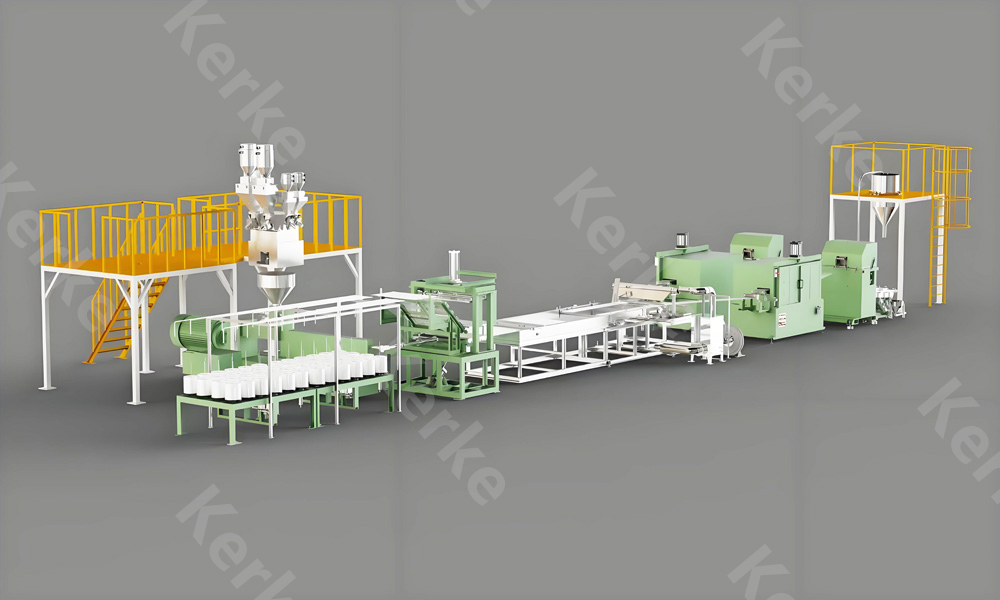
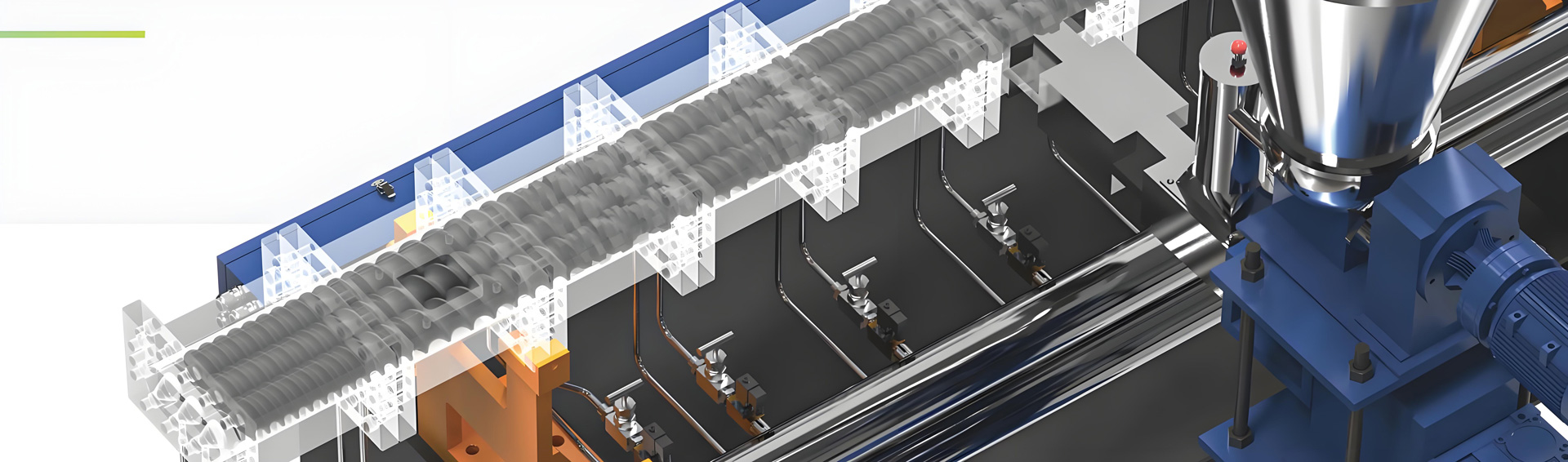
Twin screw extruder configuration for adhesive masterbatch production must address the challenging rheological characteristics of tackifying resins and waxes. High-intensity mixing elements in the feed zone facilitate rapid incorporation of viscous additives before complete polymer melting. The screw design must provide sufficient compression to eliminate air entrainment while avoiding excessive pressure that could cause resin leakage past screw elements. A typical adhesive masterbatch screw configuration includes tight-pitch feed elements, intermediate compression elements, and mixing sections with staggered kneading blocks. The twin screw extruder provides the distributive mixing that ensures uniform additive distribution throughout the polymer matrix.
Temperature profile management requires balancing additive melt characteristics against thermal stability requirements. Feed zone temperatures should be set low enough to prevent premature softening of tackifying resins, which could cause feeding difficulties and polymer-resin separation. Barrel zones progress to higher temperatures that melt the polymer carrier and reduce viscosity for efficient mixing. Mixing section temperatures must maintain sufficient viscosity for dispersive mixing while avoiding thermal degradation of sensitive additives. Die temperatures are typically set 10 to 20 degrees Celsius lower than the mixing zone to control die swell and ensure stable strand formation.
Pelletizing and cooling systems must handle the sticky characteristics of adhesive masterbatch compounds without causing agglomeration or contamination. Water-cooled strand pelletizers with dedicated cutting chambers prevent pellet sticking during initial cooling. Enhanced cooling systems with extended water trays and air knives ensure complete solidification before packaging. Some adhesive masterbatches require special coating systems such as talc dusting or film wrapping to prevent pellet blocking during storage and shipment.
Quality Control and Testing
Quality assurance for adhesive film masterbatch production encompasses raw material verification, process monitoring, and finished product testing that ensures consistent performance. Incoming raw material inspection verifies that tackifying resins, polymers, and additives meet specification requirements for identity, purity, and physical properties. Supplier certification provides baseline verification, but periodic testing confirms that materials continue to meet internal requirements throughout the production campaign.
Process monitoring during extrusion provides real-time indication of production stability and enables immediate correction of process deviations. Melt temperature and pressure profiles indicate viscosity changes that might signal ingredient variation or equipment problems. Motor load and torque measurements reflect throughput consistency and mixing intensity. Online monitoring systems can trigger alarms or process adjustments when parameters deviate from established acceptable ranges.
Finished product testing verifies that masterbatch properties meet specification requirements for additive concentration, processing characteristics, and performance properties. Gel permeation chromatography quantifies molecular weight distribution and detects crosslinking or degradation. Thermal analysis using differential scanning calorimetry verifies formulation composition and detects contamination. Melt flow index testing confirms processing compatibility with customer equipment.
Application testing represents the most relevant quality verification method for adhesive film masterbatch. Small-scale film extrusion trials using customer-representative equipment and conditions demonstrate processing behavior and property achievement. Peel strength testing of laminated structures fabricated with the masterbatch provides direct performance verification. These trials also enable development of technical support documentation and recommended processing guidelines that assist customers in successful product implementation.
Maintenance and Operation Guidelines
Effective maintenance programs for adhesive film masterbatch production equipment address the unique challenges that tackifying resins and sticky additives present. Residue accumulation in screw channels, barrel zones, and die areas can cause contamination between formulations and create processing instabilities. Thorough purging with compatible polymers between production runs removes residue and prepares equipment for subsequent formulations. Specialized purge compounds formulated for sticky materials may be required for difficult residue removal.
Screw element inspection and replacement schedules must account for the abrasive and corrosive characteristics of some adhesive formulation components. Tackifying resins can leave sticky deposits that obscure wear patterns during visual inspection. Barrel inspection using borescopes enables assessment of wear without complete disassembly. Kerke KTE Series extruders feature wear-resistant materials and coatings that extend service intervals in demanding adhesive masterbatch applications.
Operating procedures should address the specific handling requirements that adhesive formulation components present. Tackifying resins stored in heated tanks require temperature control to maintain appropriate viscosity for pumping and feeding. Solid resin forms such as flakes or prills must be handled to prevent breakage and fines generation that could cause feeding problems. Antioxidant and crosslinking additive handling requires personal protective equipment and procedural controls that prevent skin contact and inhalation exposure.
Changeover procedures between adhesive masterbatch formulations require particular attention to residue removal and cross-contamination prevention. Color and odor from previous formulations can create customer complaints if not completely removed. Complete barrel and screw purging, followed by inspection of die and pelletizing equipment, ensures clean transitions. Documentation of changeover procedures and verification of purge effectiveness supports quality assurance requirements.
Kerke’s Solutions
Kerke, operating as Nanjing Kerke Extrusion Equipment Co., Ltd. and part of the WANPLAS Group, offers comprehensive solutions for adhesive film masterbatch production. With over 12 years of experience and more than 2,000 extrusion systems operating globally, Kerke has developed deep expertise in the specialized requirements of adhesive masterbatch production. The company manufacturing facility spanning nearly 20,000 square meters supports production of the extensive KTE Series twin screw extruder lineup that serves all production scales from laboratory to industrial.
The Kerke KTE Series encompasses models from compact laboratory units to large-scale production systems, all designed with features that address adhesive masterbatch production challenges. KTE-27 and KTE-35 systems serve research and development and small-batch production requirements, while KTE-50 and KTE-65 units address mid-scale commercial production. KTE-95, KTE-110, and KTE-135D extruders provide the throughput capacity and reliability that high-volume adhesive masterbatch production demands.
Kerke equipment features advanced control systems that enable precise management of the temperature profiles and screw speeds that adhesive formulations require. Variable frequency drives provide smooth, accurate speed control that maintains consistent throughput despite variations in material flow characteristics. Touchscreen control interfaces with recipe management functionality simplify operation and ensure repeatability across production campaigns. Data logging capabilities support quality documentation and continuous improvement initiatives.
Technical support services complement Kerke equipment offerings with formulation development assistance, process optimization consulting, and operator training programs. These services accelerate the learning curve for new adhesive masterbatch producers and help established manufacturers optimize their operations for quality and efficiency. Kerke’s global presence with equipment in 70 countries ensures responsive support regardless of customer location.
Frequently Asked Questions
What is the typical tackifying resin loading in adhesive film masterbatch?
Tackifying resin loadings typically range from 30 to 60 percent by weight in adhesive film masterbatch formulations. Higher loadings provide greater tackification effect but increase processing difficulty and may cause handling problems. The optimal loading depends on the base polymer, target application requirements, and processing constraints.
How do I prevent cross-contamination between adhesive formulations?
Effective purge procedures using compatible polymers followed by thorough equipment inspection ensure clean changeovers. Record-keeping of formulation sequences and purge effectiveness verification through visual inspection and product testing document changeover completion. Some facilities dedicate equipment to specific formulation types to eliminate cross-contamination risk.
Can adhesive film masterbatch be used with recycled polymer carriers?
Yes, recycled polymer carriers can be used when they are compatible with the formulation additives and meet application requirements. Recycled content reduces formulation cost and supports sustainability objectives. However, recycled polymers may introduce property variability that requires additional quality verification.
What storage conditions are required for adhesive film masterbatch?
Cool, dry storage conditions typically maximize shelf life for adhesive masterbatch products. Temperature should be maintained below 30 degrees Celsius to prevent softening and blocking of pellets. Humidity control prevents moisture absorption by hygroscopic polymers. Some crosslinkable masterbatches require refrigeration storage.
How do I select the appropriate carrier polymer for my adhesive masterbatch?
Carrier polymer selection depends on compatibility with formulation additives, processing temperature requirements, and end-use application conditions. EVA carriers offer good tackifier compatibility and broad processing windows. Polypropylene carriers provide higher temperature resistance. Polyethylene carriers offer cost-effective options for general-purpose applications.
What antioxidant system should I use in adhesive film masterbatch?
Antioxidant selection depends on processing conditions, service environment, and regulatory requirements. Hindered phenol antioxidants provide effective processing protection for most adhesive formulations. Phosphite antioxidants offer secondary protection and synergize with phenol systems. For high-temperature applications, more robust antioxidant combinations may be required.
How does wax content affect adhesive film properties?
Wax additions modify crystalline behavior, reduce tack, and improve processing characteristics of adhesive films. Low molecular weight waxes increase flexibility and reduce blocking tendency. Higher melting point waxes improve heat resistance and reduce cold flow. Wax content typically ranges from 5 to 25 percent depending on target properties.
What extruder size should I select for adhesive masterbatch production?
Extruder selection depends on production volume requirements, formulation complexity, and processing flexibility needs. KTE-35 units produce approximately 30 to 80 kilograms per hour, suitable for development and small-scale production. KTE-65 systems achieve 150 to 400 kilograms per hour for mid-scale production. KTE-110 and KTE-135D units produce 500 to 1500 kilograms per hour for high-volume requirements.
Conclusion
Masterbatch technology provides essential capabilities for adhesive film production, enabling efficient additive incorporation, consistent quality, and formulation flexibility that meets diverse application requirements. The intensive mixing capabilities of twin screw extruders like the Kerke KTE Series make them ideal production equipment for adhesive masterbatch formulations that demand uniform additive dispersion and stable processing characteristics. A compounding extruder from Kerke enables manufacturers to produce adhesive films masterbatch that meets demanding specifications.
Success in adhesive film masterbatch production requires attention to formulation design, processing optimization, and quality assurance throughout the production process. Understanding the characteristics and interactions of tackifying resins, waxes, and performance modifiers enables formulation development that achieves target properties while maintaining processability. Equipment selection must consider not only current production requirements but also anticipated growth and formulation evolution needs. Kerke’s twin screw extruder systems provide the versatility necessary for long-term success in adhesive masterbatch production.
The continued expansion of adhesive film applications across packaging, automotive, electronics, and construction markets creates substantial opportunities for masterbatch producers equipped to deliver consistent, high-performance formulations. Investment in modern compounding equipment, quality systems, and technical expertise positions manufacturers to capture this growth while building sustainable competitive advantages in demanding markets.