The plastic compounding industry has witnessed remarkable transformation over the past decade, with manufacturers seeking comprehensive solutions that streamline production while maximizing efficiency and quality. Turnkey plastic compounding projects have emerged as the preferred approach for businesses looking to establish or upgrade their manufacturing capabilities without the complexity of sourcing individual components from multiple vendors. At the heart of these complete solutions lies the twin screw extruder, a versatile piece of equipment that serves as the processing core for countless applications ranging from color masterbatch production to technical compound development. Understanding how a twin screw extruder integrates into turnkey projects is essential for any manufacturer considering this investment, as the selection and configuration of this critical equipment will ultimately determine the success and profitability of the entire production line. This comprehensive guide explores every aspect of twin screw extruder integration in turnkey plastic compounding projects, providing actionable insights for industry professionals, plant managers, and business owners evaluating their manufacturing options.
Understanding Turnkey Plastic Compounding Projects
Before examining the specific role of twin screw extruder equipment in these comprehensive solutions, it is important to establish a clear understanding of what turnkey projects encompass and why they have become increasingly popular in the plastic compounding sector. A turnkey project represents a complete, ready-to-operate manufacturing solution where a single contractor assumes responsibility for designing, sourcing, installing, and commissioning an entire production facility or production line. This approach eliminates the need for the client to coordinate multiple suppliers, manage complex interfaces between different equipment systems, or possess specialized technical knowledge in each component area. The turnkey provider acts as a single point of contact throughout the project lifecycle, from initial feasibility studies through final production validation, significantly reducing project management overhead and minimizing the risk of compatibility issues between equipment from different manufacturers.
Definition and Scope of Turnkey Solutions
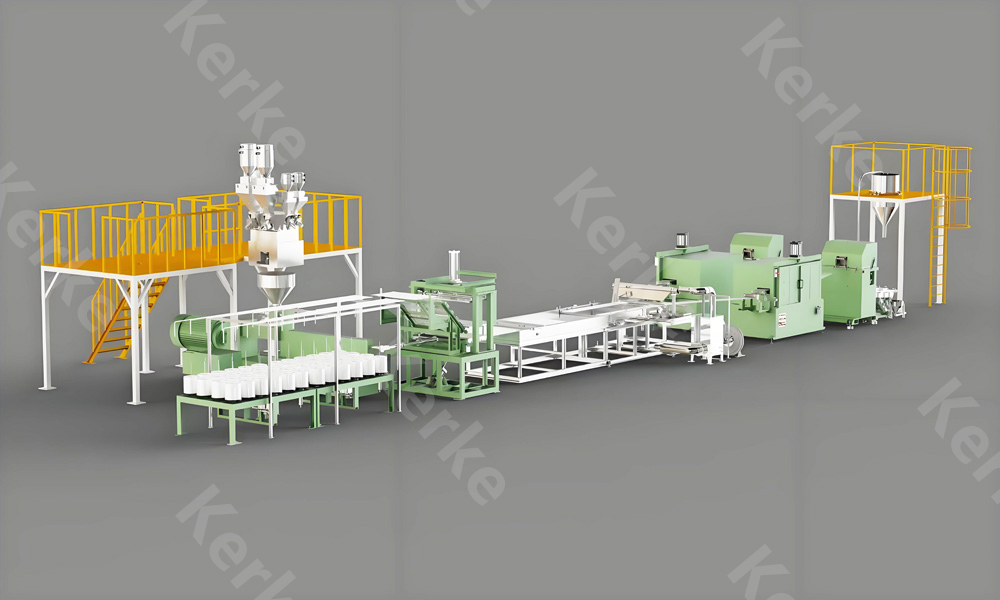
Turnkey plastic compounding solutions encompass the complete spectrum of equipment, infrastructure, and services required to transform raw polymer materials into finished compounded products ready for downstream processing or direct sale. The scope typically includes raw material handling and storage systems, precise dosing and feeding equipment, the primary processing machinery (such as twin screw extruder units), downstream pelletizing or cutting systems, product cooling and collection mechanisms, quality control instrumentation, and comprehensive electrical control systems with human-machine interfaces. Additionally, turnkey providers often include site preparation guidance, utility requirements documentation, operator training programs, and documentation packages covering equipment manuals, maintenance schedules, and standard operating procedures. This holistic approach ensures that every element of the production system has been carefully selected and integrated to work harmoniously, resulting in a cohesive manufacturing operation that meets specified performance targets from the first day of production.
Components of a Complete Turnkey Project
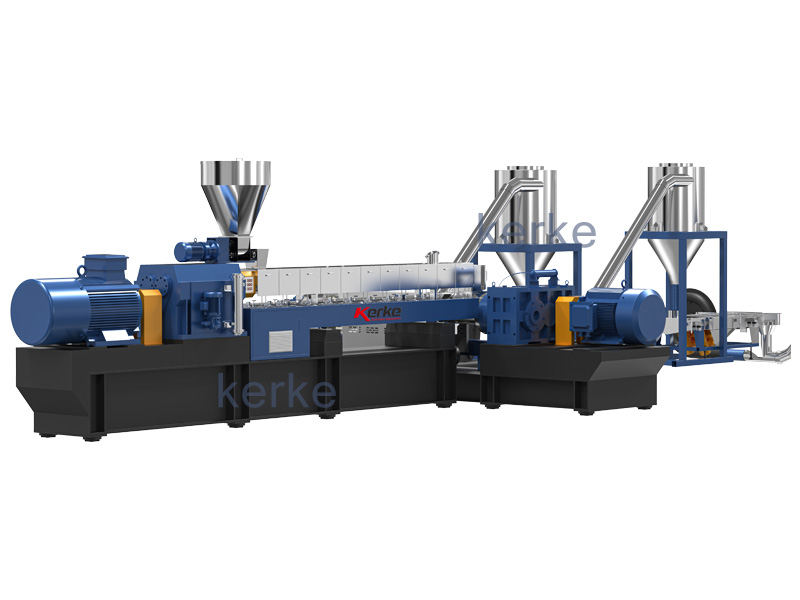
A well-designed turnkey plastic compounding project consists of several interconnected subsystems that must function seamlessly together to achieve optimal production outcomes. The material preparation section handles the intake, storage, and preliminary processing of raw polymers, fillers, additives, and colorants that will be incorporated into the final compound. This area typically includes silos or hoppers for bulk material storage, conveying systems for moving materials between storage and processing areas, and pre-blending equipment for combining multiple ingredients in predetermined ratios. The feeding and dosing subsystem precisely meters each ingredient into the twin screw extruder at controlled rates, ensuring accurate formulation compliance and consistent product quality. The heart of the system, the twin screw extruder itself, provides the mixing, melting, and shearing actions necessary to disperse all components uniformly and achieve the desired polymer matrix characteristics. Downstream of the extruder, pelletizing systems convert the molten polymer stream into discrete pellets of consistent size and shape, which are then cooled, dried, and packaged for storage or shipment.
The Central Role of Twin Screw Extruder in Turnkey Projects
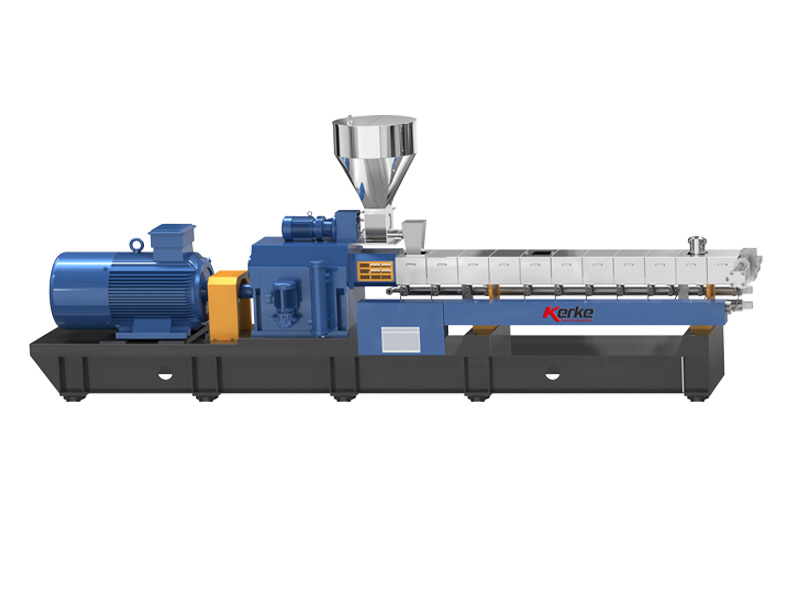
The twin screw extruder occupies a position of paramount importance within any turnkey plastic compounding system, serving as the processing engine that transforms raw materials into finished compounded products. Unlike single screw extruders, which rely primarily on drag-induced material movement and limited mixing capability, twin screw extruder machines offer superior mixing performance through the intermeshing, co-rotating screw elements that generate intensive distributive and dispersive mixing actions. This enhanced mixing capability is particularly valuable in compounding applications where uniform dispersion of pigments, fillers, or additives is critical to product performance. The modular nature of twin screw extruder design allows processors to configure screw layouts precisely matched to their specific application requirements, whether they are producing highly filled compounds with high loadings of calcium carbonate or talc, or delicate color masterbatches requiring gentle handling of heat-sensitive pigments. This flexibility makes the twin screw extruder the most versatile and widely adopted processing platform for plastic compounding operations worldwide.
Superior Mixing Uniformity for Quality Compounds
One of the primary advantages that twin screw extruder equipment provides in turnkey plastic compounding projects is exceptional mixing uniformity that ensures consistent product quality across production batches and over extended operating periods. The co-rotating twin screw configuration creates a positive displacement pumping action that provides consistent material throughput independent of pressure variations downstream. Simultaneously, the screw elements compress, fold, and redistribute the material melt multiple times as it progresses through the processing barrel, achieving dispersion levels that would be impossible with conventional single screw equipment. For applications such as color masterbatch production where pigment agglomerates must be broken down to particle sizes below one micron to achieve optimal color development, the intensive shearing forces generated by the kneading blocks and mixing elements in a twin screw extruder are absolutely essential. Similarly, filled compounds requiring uniform distribution of additives throughout the polymer matrix benefit tremendously from the thorough mixing action, resulting in consistent mechanical properties and surface finish in the final product.
Production Capacity Matching Capabilities
Turnkey plastic compounding projects must be designed to meet specific production volume requirements, and twin screw extruder selection plays a crucial role in achieving capacity targets while maintaining product quality and operational efficiency. Modern twin screw extruder machines are available in a wide range of sizes, from compact laboratory units processing just a few kilograms per hour to massive industrial systems capable of producing thousands of kilograms annually. The KTE series offered by Kerke exemplifies this range, with models spanning from the entry-level KTE-16B suitable for development and small-batch production through the high-capacity KTE-135D designed for large-scale commercial manufacturing. When planning a turnkey project, capacity calculations must account for not only the rated throughput of the twin screw extruder but also the capabilities of upstream feeding systems and downstream pelletizing and cooling equipment. A well-integrated turnkey solution ensures that all subsystems are properly sized to support the target production rate, avoiding bottlenecks that would limit overall line throughput or force operation at reduced speeds that compromise economic viability.
Formula Flexibility and Product Versatility
The ability to process a wide variety of formulations with minimal reconfiguration is another significant advantage of incorporating twin screw extruder technology into turnkey plastic compounding projects. Different compounds require different processing conditions and screw configurations to achieve optimal results, and the modular design of twin screw extruder machines allows processors to tailor the equipment precisely to their product requirements. For highly filled compounds, screw configurations emphasize conveying efficiency and allow the incorporation of specialized elements that facilitate filler incorporation and deaeration. For color masterbatches, configurations prioritize dispersive mixing to break down pigment agglomerates while maintaining gentle handling to preserve pigment properties. This versatility means that a single twin screw extruder can often serve multiple product lines, reducing capital investment requirements and maximizing equipment utilization. Turnkey project designers leverage this flexibility by specifying screw element kits and barrel configuration options that support the client’s current product portfolio while providing capability for anticipated future products, protecting the investment against evolving market demands.
Complete Configuration of Turnkey Compounding Systems
A successful turnkey plastic compounding project requires careful attention to every element of the production system, not just the central twin screw extruder. Each subsystem must be selected and integrated to complement the extruder capabilities while providing reliable, efficient operation that meets production targets. The following sections examine each major component of a comprehensive turnkey solution, explaining its function and the key considerations for system design. Understanding these elements helps project planners make informed decisions when evaluating turnkey proposals and ensures that all critical aspects receive appropriate attention during planning and implementation.
Raw Material Handling and Storage Systems
The raw material handling subsystem forms the foundation of any turnkey plastic compounding operation, providing the infrastructure for storing, conveying, and preparing ingredients before they enter the twin screw extruder. Material storage options range from simple bulk bags and floor-standing hoppers for small-scale operations to sophisticated silo systems with pneumatic conveying networks for high-volume facilities processing multiple polymer grades and additives. The selection of storage equipment depends on the physical characteristics of the materials being handled, production volumes, inventory management practices, and available floor space. Polymer resins in pellet or powder form require different handling approaches than liquid additives or dusty mineral fillers. Turnkey providers must carefully evaluate each material in the formulation to design appropriate storage and conveying systems that prevent segregation, contamination, or material degradation. Automation of material transfers between storage and production reduces labor requirements and minimizes exposure to potential handling errors that could affect formulation accuracy.
Precision Feeding and Dosing Equipment
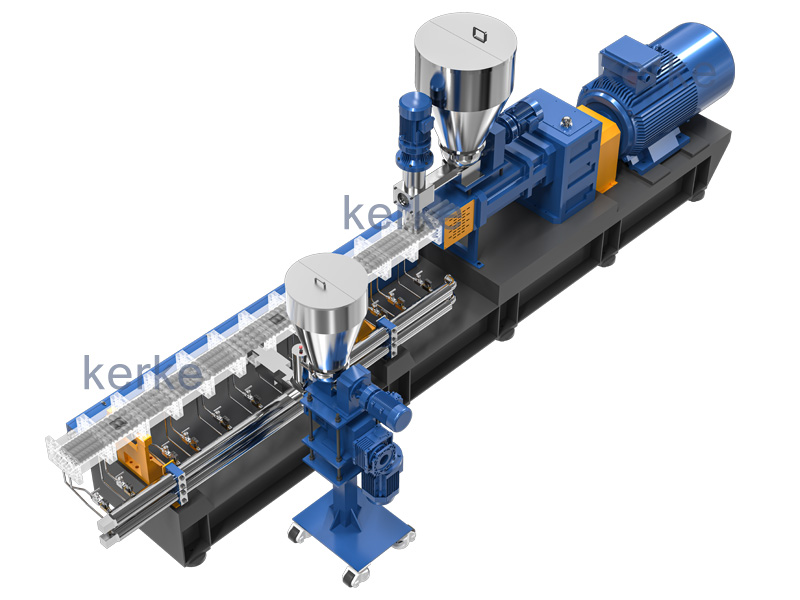
Accurate ingredient metering is essential for compound quality consistency, and turnkey plastic compounding systems incorporate sophisticated feeding equipment designed to deliver precise quantities of each material component to the twin screw extruder. Gravimetric feeders weigh materials continuously as they are delivered, providing closed-loop control that automatically adjusts feed rates to maintain precise formulation ratios regardless of material bulk density variations or feed rate changes. Volumetric feeders, while less precise, offer a cost-effective solution for certain applications where absolute formulation accuracy is less critical. Side feeders positioned along the processing barrel allow incorporation of additives or fillers at specific points where they can be most effectively integrated into the polymer matrix. Liquid additive systems provide precise injection of colorants, lubricants, or processing aids directly into the extruder barrel. The coordination of multiple feeders with the twin screw extruder control system ensures synchronized operation that maintains consistent throughput and formulation throughout production runs.
The Twin Screw Extruder Processing System
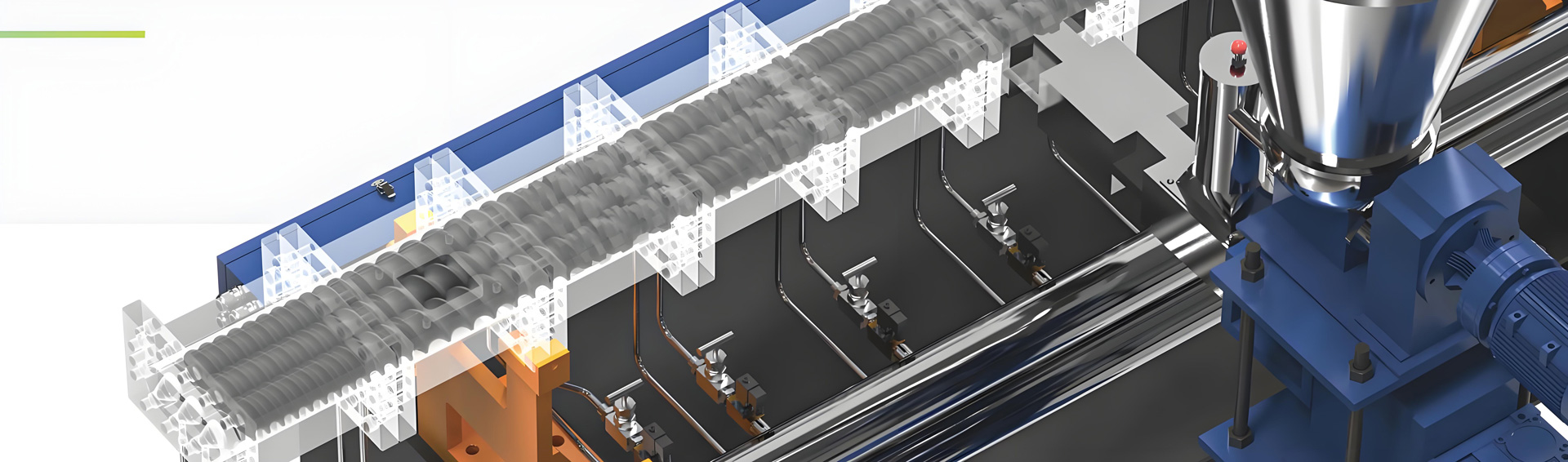
As the central element of the compounding line, the twin screw extruder receives materials from the feeding systems and performs the critical functions of melting, mixing, devolatilization, and polymer modification that transform raw ingredients into finished compounds. The extruder barrel consists of individual sections that can be configured with different heating and cooling capabilities, feeding ports, vent openings, and pressure monitoring points to create an optimized processing environment for each specific application. Screw elements of various designs, including conveying elements, kneading blocks, and specialized mixing configurations, are assembled on splined shafts to create a custom screw profile that achieves the desired processing objectives. The extruder drive system, typically featuring an AC variable frequency motor with gearbox, provides the torque and speed necessary to process the target materials at required throughput rates. Advanced control systems continuously monitor and adjust processing parameters including barrel temperatures, screw speeds, motor load, and pressure profiles to maintain consistent product quality despite variations in material properties or ambient conditions.
Pelletizing and Particle Formation Systems
Downstream of the twin screw extruder, pelletizing systems convert the molten polymer stream into discrete pellets suitable for handling, storage, and subsequent processing by end users. The choice of pelletizing technology depends on the compound characteristics, production rate requirements, and desired pellet geometry. Strand pelletizing, the most common approach, forces the molten polymer through multiple die holes to form continuous strands that are cooled in a water bath and subsequently cut into pellets of uniform length by a rotating knife. Underwater pelletizing systems cut the polymer immediately as it exits the die, with water carrying the pellets through a dedicated cooling and dewatering system. Water ring pelletizers create spherical pellets through a combination of centrifugal force and water flow. Each method offers distinct advantages for specific applications, and turnkey system designers select the appropriate technology based on polymer characteristics, throughput requirements, and downstream customer preferences regarding pellet shape and size distribution.
Cooling, Conveying, and Collection Systems
Proper handling of finished pellets from the pelletizer through cooling and final collection is essential for maintaining product quality and achieving efficient production flow. Cooling systems must reduce pellet temperatures from the melt point to ambient conditions without causing thermal shock that could affect polymer properties or create moisture condensation issues. Water-based cooling systems circulate temperature-controlled water through heat exchangers to achieve efficient thermal transfer while minimizing water consumption. Conveying systems, typically employing pneumatic or mechanical transport methods, move pellets from the pelletizing area to storage silos or packaging stations. Proper design prevents particle breakage, which can create fines that cause processing problems for end users, and minimizes product contamination from foreign materials. Collection and packaging equipment ready the finished compound for storage or shipment, with options ranging from bulk containers for large-volume customers to packaged bags or boxes for smaller quantities or specialty products.
Control and Monitoring Systems
Modern turnkey plastic compounding installations rely on sophisticated control and monitoring systems that integrate all line components into a cohesive, automated operation. Programmable logic controllers (PLCs) coordinate the operation of feeders, extruder drives, pelletizers, and material handling equipment according to predefined recipes and operating sequences. Human-machine interfaces (HMIs) provide operators with intuitive access to process parameters, production data, and alarm information through color graphic displays. Data logging capabilities record all significant process variables, enabling production tracking, quality analysis, and troubleshooting assistance. Advanced systems incorporate statistical process control algorithms that automatically detect process variations and alert operators to conditions that could affect product quality. Integration with enterprise resource planning systems allows production scheduling, material tracking, and quality documentation to flow seamlessly between the production floor and business operations. The comprehensive control architecture ensures that the entire turnkey system operates as a unified whole rather than a collection of independent components.
Kerke Twin Screw Extruder Integration Advantages
Nanjing Kerke Extrusion Equipment Co., Ltd, operating under the WANPLAS Group banner, has established itself as a leading manufacturer of twin screw extruder equipment with extensive experience supporting turnkey plastic compounding projects worldwide. With twelve years of industry expertise and more than two thousand machines currently operating globally across seventy countries, Kerke has developed deep understanding of the requirements for successful equipment integration in comprehensive manufacturing solutions. The company’s commitment to quality, innovation, and customer support has made its KTE series twin screw extruder machines the preferred choice for turnkey project providers seeking reliable, high-performance processing equipment. Understanding the specific advantages that Kerke equipment brings to turnkey applications helps project planners appreciate why this manufacturer has achieved such widespread market acceptance.
KTE Series Technical Specifications and Capabilities
The Kerke KTE series encompasses a comprehensive range of twin screw extruder models designed to address every scale of plastic compounding operation from laboratory development through full-scale commercial production. The series begins with the compact KTE-16B, an ideal entry point for research facilities, educational institutions, or companies developing new formulations before scaling to production volumes. This bench-scale machine offers the same fundamental processing capabilities as larger models, allowing direct correlation between development work and production results. Mid-range models such as the KTE-50 and KTE-65 provide throughput capabilities suitable for small to medium commercial production, while the high-capacity KTE-95 and KTE-135D address large-scale manufacturing requirements. All KTE models feature modular barrel construction allowing flexible configuration, precision-ground splined shafts for reliable screw element engagement, high-torque drive systems for processing difficult materials, and advanced control systems compatible with industry-standard automation platforms. The extensive size range ensures that turnkey project designers can specify equipment precisely matched to capacity requirements without the compromises that arise from limited product offerings.
Compatibility with Third-Party Equipment
Turnkey plastic compounding projects typically involve equipment from multiple manufacturers, and successful integration requires that all components communicate and coordinate effectively. Kerke twin screw extruder machines are designed with industry-standard interfaces and communication protocols that facilitate integration with feeders, pelletizers, and control systems from any qualified supplier. Drive systems accept external control signals for speed and torque regulation, while process monitoring outputs provide real-time data for integration into plant-wide control architectures. Mechanical interfaces follow industry conventions for connection to downstream equipment, ensuring that die heads, adapters, and take-off systems can be installed without custom fabrication. This open-architecture approach gives turnkey project designers freedom to specify the best equipment for each application without being constrained by proprietary systems or single-source supply requirements. Kerke’s technical support team works collaboratively with other equipment suppliers and system integrators to resolve any interface challenges, ensuring smooth project execution regardless of the specific equipment combination selected.
Installation, Commissioning, and Ongoing Support Services
Beyond equipment quality, successful turnkey projects depend heavily on the support services provided during installation, commissioning, and ongoing operation. Kerke offers comprehensive installation guidance including detailed foundation requirements, utility specifications, and spatial planning recommendations that help civil and mechanical contractors prepare sites efficiently. During commissioning, Kerke engineers work alongside customer personnel and other equipment suppliers to optimize processing parameters, validate product quality, and train operators on equipment operation and basic maintenance procedures. The company’s global service network ensures that technical support is available regardless of customer location, with response times that minimize production disruption in the event of equipment issues. Spare parts availability through regional warehouses and express shipping options further reduces the impact of any necessary repairs. This comprehensive support structure gives turnkey project developers confidence that their investments will deliver sustained value throughout the equipment lifecycle, which typically spans fifteen to twenty years or more in well-maintained plastic compounding operations.
Cost Budget Analysis for Turnkey Plastic Compounding Projects
Investment in turnkey plastic compounding capabilities represents a significant capital commitment that requires careful financial planning and realistic budgeting across all cost categories. Understanding the typical cost structure for these projects helps business leaders evaluate proposals, compare alternatives, and make informed decisions about project scope and timing. While actual costs vary considerably based on specific requirements, geographic location, and market conditions, the following analysis provides general guidelines and frameworks that apply broadly to turnkey project planning. Thorough cost analysis during project development prevents the budget overruns and scope reductions that can compromise project success or delay time-to-market for new products.
Equipment Investment Budget Breakdown
The processing equipment, with the twin screw extruder as the largest single component, typically represents forty to fifty percent of total turnkey project investment. A complete equipment package for a medium-capacity compounding line might include twin screw extruder pricing in the range of one hundred fifty thousand to three hundred thousand US dollars depending on size and specifications, complemented by feeding equipment costing thirty to sixty thousand dollars, pelletizing systems priced at fifty to one hundred twenty thousand dollars, and material handling equipment adding another twenty to fifty thousand dollars. Control systems and electrical integration typically require thirty to seventy thousand dollars in hardware and engineering. Turnkey projects that include complete material storage and conveying infrastructure can expect additional costs of fifty to one hundred fifty thousand dollars depending on the sophistication of the systems and the number of materials handled. Project planners should request detailed equipment specifications and pricing breakdowns from potential suppliers to ensure complete understanding of what is included and to identify any items that might require separate procurement. The twin screw extruder quotation should clearly specify the drive motor power, torque rating, barrel configuration, and included screw elements to enable accurate comparison between competing proposals.
Facility and Infrastructure Requirements
Beyond equipment purchase, turnkey plastic compounding projects require supporting infrastructure that represents a significant portion of total investment. Building construction or modification costs depend heavily on existing facilities and local construction economics, with general estimates ranging from one hundred to three hundred dollars per square foot for industrial space suitable for compounding operations. Electrical infrastructure must supply adequate power for extruder drives, heating systems, and material handling equipment, with total connected loads for medium-capacity lines typically ranging from two hundred to five hundred kilowatts. Three-phase power service with appropriate voltage levels and amperage capacity is essential, and some older facilities may require substantial electrical system upgrades to accommodate the twin screw extruder and its associated support equipment. Compressed air systems, cooling water circulation, and ventilation equipment add to utility requirements. Foundation work to support heavy equipment and vibration isolation measures may be necessary depending on equipment specifications and building construction. Project budgets should include fifteen to twenty percent contingency for infrastructure costs, as these items frequently reveal surprises during implementation that require additional investment.
Installation, Integration, and Commissioning Expenses
The cost of installing equipment, integrating subsystems, and commissioning the complete production line is often underestimated in project planning but represents a critical determinant of project success. Mechanical installation by qualified contractors typically costs ten to fifteen percent of equipment value, covering equipment placement, alignment, piping, and ductwork connections. Electrical installation including control panel fabrication, wiring, and system interconnection generally requires eight to twelve percent of equipment investment. Engineering services for system design, integration planning, and commissioning support may add another five to ten percent of equipment costs. When turnkey equipment suppliers provide installation and commissioning services as part of their scope, these costs may be bundled differently, making direct comparison more difficult but potentially providing better overall value through single-source responsibility. The commissioning phase, during which the production line is operated, optimized, and validated to meet performance specifications, typically requires four to eight weeks depending on system complexity and the number of products being qualified. During this period, the twin screw extruder undergoes extensive testing and optimization to achieve the processing conditions that will be used for routine production.
Operational Cost Estimation
Ongoing operational costs must be projected realistically during project planning to ensure that the resulting production capability will be economically sustainable at expected sales volumes and pricing. Raw material costs represent the largest variable expense, typically comprising eighty to ninety percent of the production cost per kilogram for most compounding applications. Energy consumption for extruder operation, heating, cooling, and material handling varies with throughput, product complexity, and equipment efficiency but generally ranges from 0.3 to 0.8 kilowatt-hours per kilogram of finished compound. The twin screw extruder drive system typically accounts for the largest portion of energy consumption, making high-efficiency motors and optimized processing conditions important for minimizing operating costs. Labor costs depend on the degree of automation, local wage levels, and production schedule requirements, with modern highly-automated lines requiring as few as two to three operators per shift while maintaining high throughput. Maintenance costs, including planned preventive maintenance, consumable supplies, and unscheduled repairs, typically run three to five percent of equipment value annually for well-maintained systems. Quality control testing, documentation, and compliance activities add additional operational overhead that must be factored into production cost estimates.
Return on Investment and Payback Period Analysis
Turnkey plastic compounding investments must generate adequate returns to justify the capital commitment, and ROI analysis should be a standard component of project evaluation. Simple payback period, calculated by dividing total capital investment by annual net cash flow from operations, provides a quick assessment metric that many companies use for initial investment screening. Turnkey compounding projects with favorable market positioning and efficient operations can achieve payback periods of two to four years, while projects with higher risk profiles or less favorable economics may require five years or longer to recover investment costs. When calculating returns, the cost of the twin screw extruder itself must be considered alongside all support equipment, infrastructure, and installation services to arrive at a complete picture of total capital requirements. More sophisticated financial analysis considers the time value of money through net present value and internal rate of return calculations that account for cash flow timing and project duration. Break-even analysis identifies the production volume required for the project to cover all costs, providing insight into the minimum utilization required for economic viability. Sensitivity analysis examining how changes in key variables such as material costs, product pricing, or production rates affect financial outcomes helps identify the most important factors to monitor and manage during project operation.
Project Implementation Process and Timeline
Successful execution of turnkey plastic compounding projects requires systematic planning and disciplined implementation following established project management methodologies. Understanding the typical phases and activities involved helps project teams anticipate requirements, allocate resources appropriately, and recognize potential issues before they become critical problems. While specific timelines vary based on project scope, site conditions, and supplier capabilities, most turnkey compounding projects proceed through similar phases from initial concept through full production operation. Clear definition of responsibilities, decision points, and acceptance criteria for each phase reduces confusion and disputes while ensuring that all critical requirements are addressed before project completion. The twin screw extruder serves as the focal point around which commissioning schedules are organized, as optimizing this critical equipment determines the timeline for achieving full production capability.
Feasibility and Planning Phase Activities
The feasibility phase establishes the foundation for successful project execution by defining requirements, evaluating alternatives, and securing necessary approvals and funding. Initial activities include market analysis to confirm demand for proposed compounding capabilities, technical assessment of available technologies and equipment options, and preliminary cost estimation to establish project economics. Site evaluation examines the adequacy of existing facilities or requirements for new construction, identifying any constraints that might affect project scope or timeline. Process development work on twin screw extruder equipment, often conducted in collaboration with equipment suppliers, validates that the proposed formulations can be produced to quality specifications at target throughput rates. The feasibility phase typically requires eight to twelve weeks and concludes with a comprehensive project definition document and management approval to proceed with detailed engineering and procurement.
Engineering, Procurement, and Fabrication Phase
Following feasibility approval, the engineering phase develops detailed designs for all project elements, while procurement activities secure equipment and materials according to established schedules. Detailed engineering produces fabrication drawings, electrical schematics, process flow diagrams, and installation specifications that guide construction activities. Equipment orders are placed with appropriate lead times, which for custom-configured twin screw extruder machines may extend to sixteen to twenty-four weeks from order to delivery. Modular pre-fabrication of control panels, piping assemblies, and structural elements can accelerate installation by allowing parallel preparation activities. The engineering and procurement phase typically spans four to six months for medium-capacity turnkey projects, with longer timelines required for large-scale installations or projects with complex custom requirements. Regular progress reviews and change management procedures ensure that the project remains on track and that any scope modifications are properly evaluated and documented.
Construction, Installation, and Commissioning Phase
The construction phase brings together all project elements, transforming engineering designs into an operational production facility. Site preparation activities including foundation work, utility connections, and building modifications proceed according to the project schedule, with equipment arrival timed to support installation workflows. Mechanical installation of equipment, piping, and ductwork typically requires four to eight weeks depending on project complexity and the availability of qualified contractors. The twin screw extruder requires careful positioning and leveling to ensure proper shaft alignment with the downstream pelletizing equipment. Electrical installation including control panel placement, wiring, and system interconnection follows mechanical completion, generally requiring two to four additional weeks. Commissioning activities begin with individual equipment verification and proceed through system integration testing, process optimization, and product qualification. Operator training is conducted during commissioning to ensure that personnel are prepared for production responsibilities when the line becomes operational. The complete construction and commissioning cycle for a turnkey compounding project typically spans four to six months from groundbreaking through full production operation.
Success Stories Across Different Application Areas
Examining real-world implementations of turnkey plastic compounding projects provides valuable insights into the practical considerations that influence project success and the benefits that well-executed projects deliver to their owners. The diversity of applications that benefit from twin screw extruder-based turnkey solutions demonstrates the versatility of this technology platform and the broad applicability of turnkey project approaches. From established compounders expanding their capabilities to entrepreneurs entering the market with new products, successful implementations share common characteristics including thorough planning, appropriate technology selection, and effective execution management. A reliable twin screw extruder from an established manufacturer provides the foundation upon which successful turnkey projects are built.
Color Masterbatch Production Line Success
A prominent color masterbatch manufacturer in Southeast Asia recently completed a turnkey project featuring a Kerke KTE-65 twin screw extruder as the processing core for their expansion into high-performance specialty compounds. The project scope included complete raw material handling for twelve different pigment and additive components, gravimetric feeding systems with recipe management capabilities, underwater pelletizing with continuous dewatering and drying, and a comprehensive quality control laboratory for color measurement and dispersion testing. The facility began production at target throughput within four weeks of commissioning completion, achieving pigment dispersion levels that exceeded the quality specifications required by their target customers in the automotive interior components market. Operating efficiency has stabilized at greater than ninety percent of design capacity, with product quality consistency enabling the manufacturer to secure contracts with major polymer processors who value supplier reliability as highly as competitive pricing.
Filled Compound Production Facility Achievement
A European compound producer specializing in highly-filled polypropylene and polyethylene compounds for the construction industry implemented a turnkey project featuring a high-capacity Kerke KTE-95 twin screw extruder configured for efficient filler incorporation and processing. The project addressed the challenge of handling high loadings of calcium carbonate and talc fillers, with material storage and conveying systems designed specifically for the dusty, abrasive characteristics of mineral fillers. Special attention to feeding system design ensured accurate metering despite the challenging flow properties of fine mineral powders. The production line has operated continuously since commissioning, processing compounds with filler loadings up to seventy percent by weight while maintaining consistent mechanical properties and surface finish. Energy efficiency has exceeded projections, with actual specific energy consumption running fifteen percent below initial estimates due to optimized screw configuration and process parameter settings developed during the initial operating period.
Recycling and Re-compounding Project Results
The growing importance of recycled polymer materials in sustainable manufacturing has driven increased investment in turnkey projects focused on recycling and re-compounding applications. A North American recycling company implemented a turnkey facility featuring a Kerke KTE-50 twin screw extruder configured for processing mixed-color post-consumer polyethylene materials into high-quality re-compounds suitable for non-food-contact applications. The project included advanced material sorting and cleaning systems to prepare incoming recyclates for processing, with particular attention to removing contaminants that could affect final product quality. The twin screw extruder configuration emphasized gentle handling to preserve polymer molecular weight while achieving adequate mixing to blend materials from diverse sources into consistent products. The facility processes over three million kilograms annually, contributing to the circular economy while generating attractive returns for its owners. Success in this application demonstrates the viability of turnkey approaches for emerging market segments where technology providers must balance processing requirements with the variable characteristics of incoming materials.
Key Selection Considerations and Important Notes
Selecting the appropriate twin screw extruder and turnkey solution provider requires careful evaluation of multiple factors that will influence project success and long-term operational performance. While initial equipment pricing and supplier capabilities are important considerations, they represent only part of the evaluation framework that experienced project planners employ. Understanding the full scope of factors that distinguish successful projects from problematic implementations helps ensure that evaluation processes address all critical elements. The following guidance synthesizes lessons learned from numerous turnkey projects to provide a framework for effective decision-making.
Evaluating Twin Screw Extruder Specifications
When evaluating twin screw extruder equipment for turnkey projects, technical specifications must be interpreted in the context of actual application requirements rather than viewed as abstract performance metrics. Throughput ratings published by manufacturers typically reflect testing conditions with standard polymers at moderate fill levels, and real-world performance may differ substantially depending on material characteristics, formulation complexity, and product quality requirements. A properly sized twin screw extruder should provide adequate torque capacity, barrel length, and cooling capability to meet the demands of the target formulations while maintaining efficiency and product quality. Torque density, expressed as torque per unit barrel volume, provides a meaningful comparison of processing capability across different machine sizes and manufacturers, with higher torque density enabling processing of more demanding formulations or higher throughput rates. Barrel length-to-diameter ratio determines the available processing length and directly influences mixing capability and residence time distribution, with longer ratios providing greater flexibility for complex formulations but requiring larger equipment investments. Screw speed range affects the ability to optimize processing conditions for different materials and products, with wider speed ranges providing greater operational flexibility but potentially at the cost of mechanical complexity. The twin screw extruder barrel configuration should include sufficient zones for material feeding, melting, mixing, and devolatilization as required by the specific compound formulations planned for production.
Assessing Turnkey Provider Capabilities
The capabilities and experience of the turnkey solution provider significantly influence project outcomes, and thorough evaluation of potential partners should be a standard component of project planning. Experience with projects of similar scope and application focus provides confidence that the provider understands relevant technical requirements and has established relationships with qualified equipment suppliers and installation contractors. Financial stability ensures that the provider can sustain commitments throughout the extended timeline typical of turnkey projects, protecting buyers from the disruptions that accompany provider financial difficulties. Engineering capabilities determine the quality of system integration and the ability to address novel challenges that inevitably arise during complex projects. A turnkey provider with deep expertise in twin screw extruder technology can offer valuable guidance during equipment selection, helping customers choose the optimal machine size and configuration for their specific requirements. After-sales support infrastructure, including service personnel, spare parts availability, and response time commitments, protects the investment against operational issues that will inevitably occur over the equipment lifecycle. References from previous customers provide valuable insight into actual project experiences that supplement vendor-provided information about capabilities and performance.
Important Considerations for Project Success
Beyond equipment selection and provider evaluation, several important considerations frequently determine the difference between successful turnkey projects and problematic implementations. Clear, detailed specification of requirements prevents misunderstandings and disputes by establishing unambiguous criteria for evaluating supplier proposals and measuring project success. Realistic scheduling that accounts for typical delays in equipment delivery, contractor availability, and commissioning challenges avoids the cost overruns and quality compromises that accompany unrealistic timelines. The twin screw extruder installation timeline should be coordinated with facility preparation, utility connections, and support equipment installation to ensure smooth commissioning. Adequate contingency budgeting for both capital expenses and operating costs during the startup period ensures that projects have resources to address issues as they arise without compromising core objectives. Effective communication between all project participants, including owner representatives, equipment suppliers, installation contractors, and operating personnel, prevents coordination failures that cause delays and quality problems. Operator involvement beginning during commissioning, rather than only at project completion, builds the knowledge and skills necessary for successful long-term operation while providing valuable feedback that improves initial system performance.
Conclusion: Why Choose Kerke for Turnkey Plastic Compounding Solutions
The integration of twin screw extruder technology into turnkey plastic compounding projects represents the convergence of processing excellence, system engineering, and comprehensive project support that enables manufacturers to establish world-class production capabilities efficiently and reliably. Throughout this comprehensive analysis, the critical importance of twin screw extruder selection has been demonstrated repeatedly, as this equipment serves as the processing heart of the entire production system and fundamentally determines achievable product quality, production capacity, and operational flexibility. The twin screw extruder provides the mixing uniformity, processing versatility, and capacity scaling that turnkey projects require to address diverse market opportunities while maintaining competitive production economics.
Kerke stands apart as the preferred partner for turnkey plastic compounding projects through the combination of comprehensive equipment capabilities, extensive industry experience, and unwavering commitment to customer success that characterizes every engagement. The KTE series of twin screw extruder machines offers the most complete range of processing capabilities available from any single manufacturer, with models spanning from development-scale units through the highest-capacity production systems required by commercial compounders. Twelve years of focused experience in twin screw extruder design and manufacturing, supported by over two thousand machines operating globally across more than seventy countries, provides the application expertise necessary to configure optimal solutions for any compounding requirement.
The infrastructure supporting Kerke equipment, including professional engineering support, global service networks, and comprehensive spare parts availability, ensures that turnkey projects receive assistance throughout the entire lifecycle from initial planning through long-term operation. Factories spanning nearly twenty thousand square meters dedicated to manufacturing and testing capabilities demonstrate the scale of commitment to equipment quality that customers can depend upon. The team of over one hundred experienced professionals provides the technical depth necessary to address challenges ranging from basic equipment selection to complex process optimization and troubleshooting.
For manufacturers evaluating turnkey plastic compounding opportunities, Kerke offers the combination of equipment quality, application expertise, and ongoing support that transforms ambitious projects into successful production operations. The versatility of twin screw extruder technology, when properly integrated by experienced engineers, addresses the full range of compounding applications from color masterbatches through highly-filled technical compounds while maintaining the flexibility to adapt to evolving market requirements. Choosing Kerke for turnkey project implementation means partnering with a supplier that understands not only the equipment but also the complete production ecosystem, ensuring that every component of the turnkey solution contributes to operational excellence and business success.