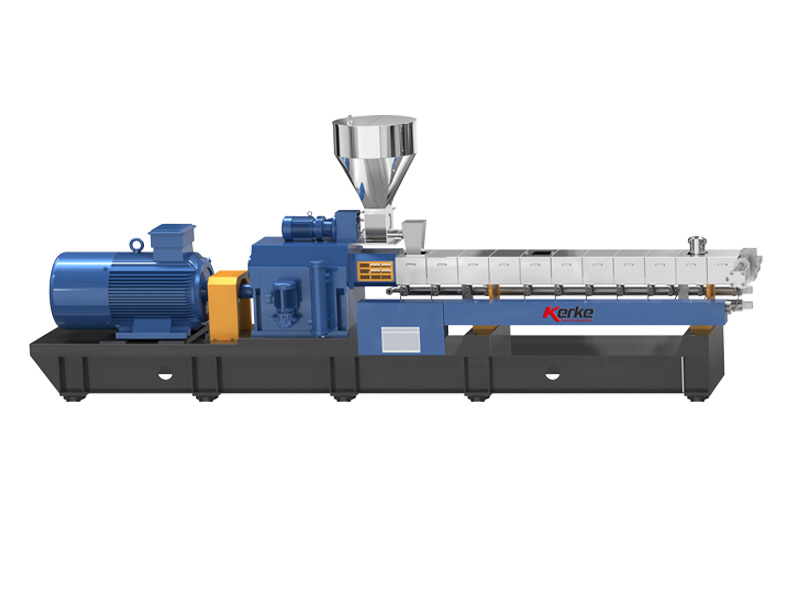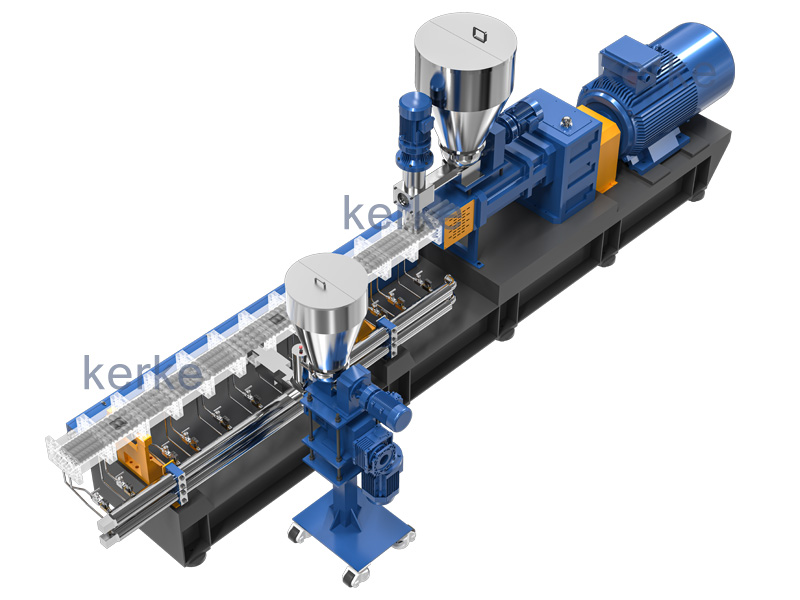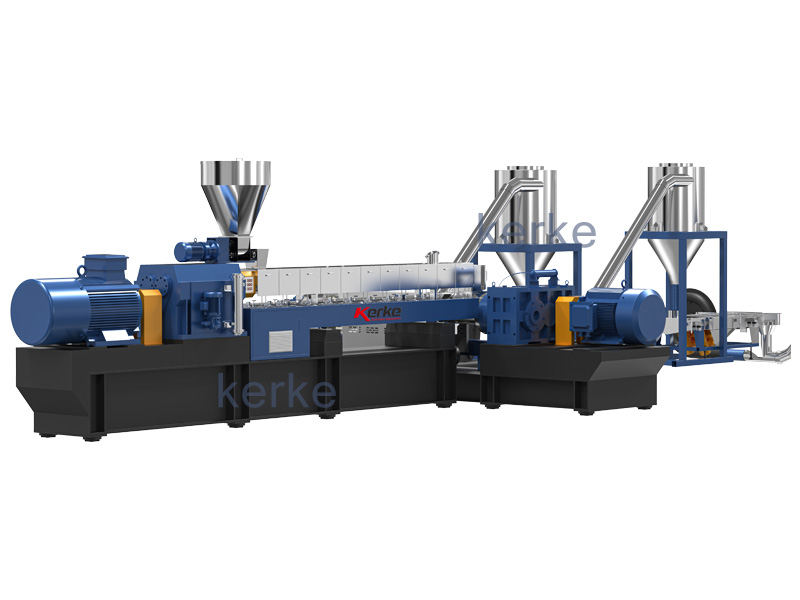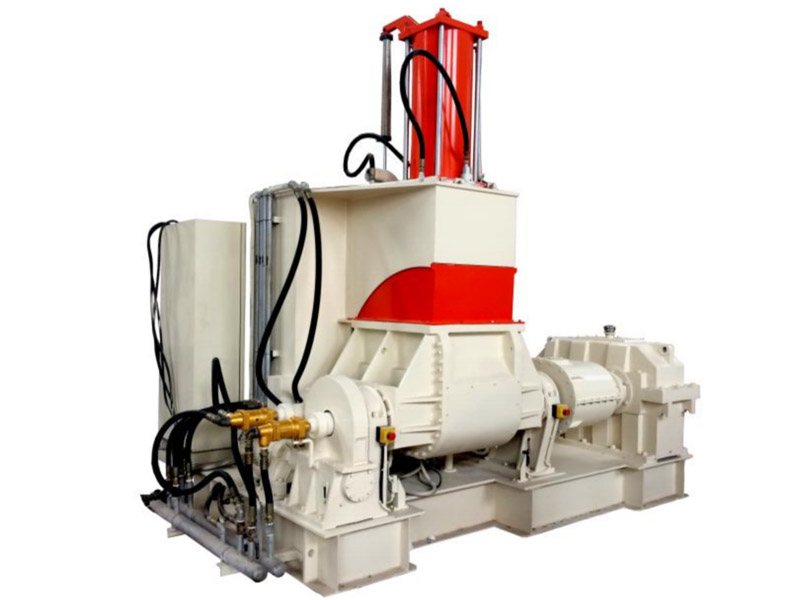
The global plastic compounding industry faces an unprecedented challenge from raw material variations, which have become increasingly severe due to global supply chain disruptions, rising demand for recycled plastics, and volatile petrochemical markets. Valued at USD 68.2 billion in 2026 and projected to reach USD 97.5 billion by 2031, the compounding industry relies on consistent raw material quality to produce uniform, high-performance plastic compounds. However, modern compounders must deal with significant variations in resin properties, additive concentrations, moisture content, and contamination levels, particularly as recycled content requirements increase from 10% to 50% in many regions. These variations can lead to inconsistent product quality, high scrap rates, production downtime, and increased costs, threatening the profitability and competitiveness of compounding operations. As a leading global manufacturer of twin screw compounding extruders, Kerke has developed advanced extrusion technologies that effectively mitigate the impact of raw material variations, enabling compounders to maintain consistent product quality and operational efficiency even with variable feedstocks.
Raw material variations affect every aspect of the compounding process, from feeding and melting to mixing and pelletizing. Even minor variations in resin melt flow index (MFI) can change the viscosity of the polymer melt, altering shear rates, mixing intensity, and residence time in the extruder. Variations in additive concentrations can lead to inconsistent color, mechanical properties, and functional performance of the final compound. Moisture and volatile content variations can cause bubbles, voids, and surface defects in the finished product, while contamination with foreign materials can damage equipment and compromise product safety. Traditional compounding extruders, with limited process control and inflexible design, often struggle to compensate for these variations, resulting in average scrap rates of 5-10% across the industry. For compounders operating on thin margins, these losses can be the difference between profitability and loss.
Modern compounding extruders, particularly co-rotating twin screw extruders, have evolved into sophisticated processing systems that can actively compensate for raw material variations through advanced feeding systems, precision process control, and adaptive mixing technology. Kerke compounding extruders incorporate a range of patented technologies that address the root causes of variation-related quality issues. Our high-precision gravimetric feeding systems ensure accurate dosing of all components regardless of bulk density variations, while modular screw designs allow for customized mixing profiles tailored to specific material characteristics. Advanced closed-loop control systems continuously monitor and adjust process parameters in real time, maintaining consistent processing conditions even as raw material properties change. With over 20 years of experience and more than 1,500 successful installations worldwide, Kerke has established itself as the trusted partner for compounders seeking reliable solutions to raw material variation challenges.
This comprehensive guide examines how modern compounding extruders reduce the impact of raw material variations on production quality and profitability. It analyzes the different types of raw material variations facing compounders today and their financial and operational impacts, explains the core technologies that enable compounding extruders to compensate for these variations, provides a detailed overview of Kerke’s compounding extruder solutions with specifications and cost analysis, includes a comprehensive return on investment calculation comparing traditional and advanced extrusion systems, features real-world success stories from Kerke customers worldwide, offers practical guidance for selecting the right compounding extruder for variation control, and explores future trends in variation-resistant compounding technology. Whether you are processing virgin resins, recycled plastics, or complex functional compounds, this guide will help you understand how investing in a high-quality compounding extruder can transform your production operations and improve your bottom line.
1. The Critical Challenge of Raw Material Variations in Plastic Compounding
1.1 Types of Raw Material Variations in Modern Compounding
Raw material variations can be categorized into several distinct types, each affecting the compounding process in different ways. The most common type is resin property variation, which includes differences in melt flow index (MFI), molecular weight distribution, density, and crystallinity. These variations can occur between different batches of the same resin grade from the same supplier, between different suppliers of the same grade, and even within the same batch due to inconsistent polymerization processes. For example, MFI variations of ±10-20% are common in commercial resin grades, which can significantly change the processing characteristics of the material.
Additive concentration variation is another major challenge facing compounders. Additives such as pigments, fillers, stabilizers, and flame retardants are typically added in small concentrations, but even minor variations in their dosage can have a significant impact on the properties of the final compound. Variations can occur due to inconsistent additive quality from suppliers, improper storage and handling, or inaccurate dosing during the compounding process. For critical applications such as automotive and medical components, additive concentration variations of more than ±1% can result in product failure and regulatory non-compliance.
Moisture and volatile content variations are particularly problematic for hygroscopic polymers such as nylon, polyester, and polycarbonate. These materials absorb moisture from the atmosphere, and even small variations in moisture content can cause hydrolysis during processing, leading to molecular weight degradation and reduced mechanical properties. Volatile components such as residual monomers, solvents, and processing aids can also vary between batches, causing processing issues such as vent flow, bubbles, and surface defects.
Contamination and foreign material variation is an increasing concern as compounders incorporate more recycled content into their formulations. Recycled plastics often contain contaminants such as other polymer types, metal, glass, paper, and dirt, which can vary significantly between batches. Even small amounts of contamination can cause equipment damage, product defects, and quality issues. Cross-contamination between different polymer types is particularly problematic, as even trace amounts of incompatible polymers can lead to phase separation and reduced mechanical properties.
Finally, recycled material variations represent the most significant challenge facing modern compounders. Recycled plastics can vary widely in composition, molecular weight, contamination level, and thermal history depending on their source and processing history. Post-consumer recycled materials, in particular, can show significant batch-to-batch variation due to differences in collection, sorting, and reprocessing methods. These variations make it extremely difficult to produce consistent compounds using traditional extrusion technology.
1.2 Financial and Operational Impacts of Uncontrolled Variations
The financial impact of uncontrolled raw material variations on compounding operations is substantial and often underestimated. The most direct cost is increased scrap and rework, which can account for 5-20% of total production costs for compounders using outdated equipment. For a medium-sized compounding operation producing 10,000 tons per year with an average scrap rate of 8%, this translates to 800 tons of scrap per year, representing a loss of over $1.6 million annually at an average raw material cost of $2,000 per ton. Reworking scrap material adds additional costs for labor, energy, and equipment wear, further increasing the financial impact.
Production downtime is another significant cost associated with raw material variations. When variations cause process instability or quality issues, production lines must be shut down to adjust process parameters, clean equipment, or troubleshoot problems. These unplanned shutdowns can reduce overall equipment effectiveness (OEE) by 10-25%, resulting in lost production capacity and missed delivery deadlines. For compounders operating at full capacity, this lost production can translate into millions of dollars in lost revenue each year.
Quality control and testing costs also increase significantly when dealing with variable raw materials. Compounders must implement more frequent and rigorous testing procedures to ensure product quality, increasing labor and laboratory costs. In some cases, entire batches must be quarantined and tested before release, tying up valuable inventory and working capital. Failed batches that cannot be reworked must be disposed of, adding additional waste disposal costs.
The most damaging impact of raw material variations, however, is damage to brand reputation and customer relationships. Inconsistent product quality can lead to customer complaints, rejected shipments, and lost business. For compounders supplying critical components to industries such as automotive and medical, quality issues can result in costly product recalls, liability claims, and regulatory penalties. In today’s competitive market, maintaining consistent product quality is essential for retaining customers and gaining a competitive advantage.
2. Core Technologies of Compounding Extruders for Variation Mitigation
Modern compounding extruders incorporate a range of advanced technologies that work together to mitigate the impact of raw material variations. These technologies address variation at every stage of the compounding process, from feeding and metering to mixing, degassing, and pelletizing. By providing precise control over all process parameters and adapting to changing material characteristics, these technologies enable compounders to maintain consistent product quality even with variable feedstocks.
2.1 High-Precision Gravimetric Feeding Systems
The foundation of variation control in compounding is accurate and consistent feeding of all raw materials. Traditional volumetric feeders, which meter material by volume rather than weight, are highly susceptible to variations in bulk density, particle size, and flow characteristics. These variations can lead to dosing errors of up to ±5%, which are unacceptable for most modern compounding applications. In contrast, high-precision gravimetric feeding systems, such as those used in Kerke compounding extruders, meter material by weight, providing dosing accuracy of ±0.1% or better regardless of material properties.
Kerke gravimetric feeding systems use advanced load cell technology to continuously measure the weight of material in the feeder hopper. The control system calculates the actual feed rate in real time and automatically adjusts the screw speed to maintain the desired set point. This closed-loop control system compensates for variations in bulk density, moisture content, and flow characteristics, ensuring consistent dosing of all components. For multi-component formulations, Kerke offers synchronized feeding systems that coordinate the operation of multiple feeders to maintain the correct formulation ratio at all times, even during production rate changes.
Kerke also offers specialized feeding solutions for difficult-to-handle materials such as fine powders, fibers, and low-bulk-density materials. Our twin-screw feeders provide excellent feeding performance for cohesive powders, while crammer feeders are ideal for low-bulk-density materials such as recycled film flakes. Liquid feeding systems with precision metering pumps are available for adding liquid additives such as plasticizers, lubricants, and crosslinking agents with accuracy of ±0.2%. These specialized feeding systems ensure that even the most challenging materials are dosed accurately and consistently, minimizing formulation variations.
2.2 Modular Twin Screw Design for Adaptive Mixing
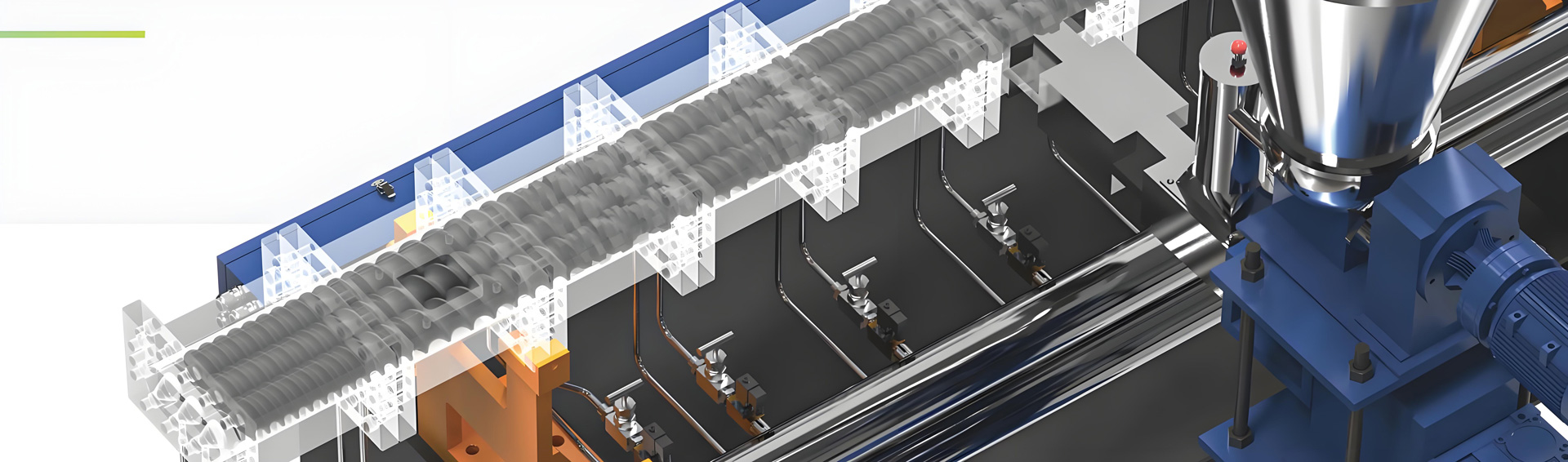
The modular twin screw design is one of the most important technological advancements in compounding extrusion, enabling compounders to adapt the mixing process to different materials and formulations. Unlike single screw extruders, which have a fixed screw geometry, twin screw extruders use interchangeable screw elements that can be arranged in different configurations to create customized mixing profiles. This modularity allows compounders to optimize the shear intensity, residence time, and mixing characteristics of the extruder for specific material requirements, compensating for variations in raw material properties.
Kerke twin screw extruders feature a comprehensive library of screw elements, including conveying elements, kneading blocks, mixing elements, reverse elements, and barrier elements. These elements can be combined in different sequences to create zones of high shear for dispersive mixing, low shear for distributive mixing, and extended residence time for reactive processing. For example, when processing recycled materials with variable molecular weight, the screw configuration can be adjusted to provide additional shear and mixing to ensure uniform melt properties. When processing heat-sensitive materials, the screw configuration can be optimized to minimize shear and thermal degradation.
The co-rotating, intermeshing screw design used in Kerke extruders also provides excellent self-cleaning capability, preventing material buildup and cross-contamination between batches. This is particularly important when processing multiple formulations or materials with different colors and properties. The self-cleaning action of the screws reduces changeover time and material waste, improving overall production efficiency.
2.3 Closed-Loop Temperature and Pressure Control
Precise control of temperature and pressure is essential for maintaining consistent processing conditions and compensating for raw material variations. Temperature affects the viscosity of the polymer melt, which in turn affects shear rates, mixing intensity, and residence time. Pressure affects the melting behavior of the material and the quality of the final pellet. Even small variations in temperature or pressure can lead to significant changes in product quality.
Kerke compounding extruders feature multi-zone temperature control systems with independent heating and cooling for each barrel segment. Advanced PID controllers maintain temperature within ±1°C of the set point, ensuring uniform melting and processing of the material. Infrared sensors measure the actual melt temperature at the die exit every 0.2 seconds, providing real-time feedback to the control system. If the melt temperature deviates from the set point, the control system automatically adjusts the barrel heating and cooling to bring it back to the desired level.
Pressure control is equally important for maintaining process stability. Kerke extruders are equipped with high-precision pressure sensors that monitor melt pressure at multiple points along the barrel and at the die. The control system uses this pressure data to adjust the screw speed and feed rate in real time, maintaining consistent die pressure and throughput. This closed-loop pressure control system compensates for variations in resin viscosity and feed rate, ensuring consistent product quality and preventing process upsets.
2.4 Multi-Stage Vacuum Degassing System
Effective degassing is essential for removing moisture, residual monomers, solvents, and other volatile contaminants from the polymer melt. Variations in volatile content are common in both virgin and recycled materials, and if not properly removed, these volatiles can cause bubbles, voids, and surface defects in the final product. Traditional single-stage degassing systems often struggle to handle variable volatile loads, leading to inconsistent product quality and vent flow issues.
Kerke compounding extruders feature multi-stage vacuum degassing systems that provide efficient removal of volatiles even with variable feedstocks. The systems typically include two or three vacuum ports located at strategic points along the barrel, each connected to a high-performance vacuum pump. The first vacuum port removes bulk moisture and easily volatile components, while subsequent ports remove more stubborn volatiles and residual monomers. The vacuum level in each port can be independently controlled to optimize degassing performance for different materials.
Kerke’s degassing systems are designed to prevent vent flow, a common problem when processing materials with high volatile content. The screw configuration in the degassing zones is optimized to create a melt seal before and after each vacuum port, preventing material from being drawn into the vacuum system. The systems also include automatic vent cleaning features that remove any accumulated material from the vent ports without interrupting production, ensuring continuous and reliable operation.
2.5 Intelligent Process Automation and Real-Time Adjustment
Intelligent process automation is the key to effectively mitigating the impact of raw material variations in modern compounding operations. Advanced control systems can continuously monitor all process parameters, detect variations in real time, and automatically adjust process settings to maintain consistent product quality. This level of automation goes far beyond simple PID control, incorporating advanced algorithms and machine learning to predict and compensate for variations before they affect product quality.
Kerke compounding extruders are equipped with state-of-the-art Siemens S7-1500 PLC control systems with large touch screen HMIs that provide comprehensive monitoring and control of all process functions. The control system features powerful recipe management capabilities that allow operators to store and recall process parameters for hundreds of different formulations. When changing between products, the system automatically adjusts all process settings, ensuring consistent quality every time.
The most advanced feature of Kerke’s control system is its adaptive process control capability. The system continuously collects data from all sensors and uses advanced algorithms to analyze process trends and detect variations. If the system detects a change in material properties, such as an increase in resin viscosity, it automatically adjusts process parameters such as screw speed, temperature, and feed rate to compensate. This closed-loop adaptive control ensures that the process remains stable and product quality remains consistent even as raw material properties change.
Kerke also offers remote monitoring and diagnostic capabilities that allow our technical support team to access the extruder control system from anywhere in the world. This enables us to quickly identify and resolve any issues that may arise, minimizing production downtime. The remote monitoring system also allows us to collect performance data from our customers’ machines, which we use to continuously improve our products and develop new process optimization strategies.
2.6 Integrated In-Line Quality Monitoring
Integrated in-line quality monitoring systems provide real-time feedback on product quality, enabling compounders to detect and correct quality issues immediately. Traditional quality control methods, which rely on periodic sampling and laboratory testing, are slow and often fail to detect quality issues until after an entire batch has been produced. In-line monitoring systems, on the other hand, can measure product quality parameters continuously, allowing for immediate corrective action and minimizing scrap.
Kerke compounding extruders can be equipped with a range of in-line quality monitoring systems, including melt flow index (MFI) analyzers, color sensors, and near-infrared (NIR) spectrometers. These systems measure critical quality parameters such as MFI, color, composition, and additive concentration in real time as the material exits the extruder. The data from these systems is fed back to the control system, which automatically adjusts process parameters to bring the product back into specification if any deviations are detected.
For example, an in-line MFI analyzer can detect a change in resin viscosity and signal the control system to adjust the barrel temperature or screw speed to maintain the desired melt properties. An in-line color sensor can detect color variations and adjust the feeder speed for the color masterbatch to correct the color. This closed-loop quality control system ensures that only material meeting the specified quality standards is produced, minimizing scrap and rework.
3. Kerke Compounding Extruder Solutions for Raw Material Stability
Kerke offers a comprehensive range of compounding extruders designed to meet the diverse needs of compounders worldwide. Our KTE series twin screw extruders are specifically engineered for variation resilience, incorporating all the advanced technologies described above to ensure consistent product quality even with variable feedstocks. From laboratory-scale extruders for research and development to large-scale industrial extruders for high-volume production, Kerke has the perfect solution for compounders of all sizes and types.
3.1 Kerke KTE Series: Built for Variation Resilience
The Kerke KTE series is our flagship line of co-rotating twin screw compounding extruders, designed and built to the highest quality standards for maximum reliability and performance. All KTE series extruders feature high-torque gearboxes, precision-machined screws and barrels, advanced control systems, and a range of optional features to meet specific application requirements. The series includes models with screw diameters ranging from 20mm to 95mm, providing production capacities from 5 kg/h to 5000 kg/h.
All KTE series extruders share a common design philosophy focused on variation control and process stability. They feature high-precision gravimetric feeding systems with accuracy of ±0.1%, modular screw and barrel systems for maximum flexibility, multi-zone temperature control with ±1°C accuracy, multi-stage vacuum degassing systems, and advanced intelligent control systems with adaptive process control. These features work together to ensure consistent product quality and operational efficiency even with the most variable raw materials.
The KTE series also offers excellent energy efficiency, with specific energy consumption up to 40% lower than traditional compounding extruders. This not only reduces operating costs but also minimizes the environmental impact of production. The extruders are designed for easy maintenance and long service life, with quick-access panels, easily replaceable wear parts, and comprehensive diagnostic capabilities to minimize downtime.
3.2 Customized Configurations for Specific Material Challenges
While our standard KTE series extruders provide excellent performance for most compounding applications, we understand that some materials and formulations present unique challenges that require customized solutions. Kerke specializes in designing and manufacturing custom compounding extruders tailored to the specific needs of each customer. Our experienced engineering team works closely with customers to understand their raw material characteristics, process requirements, and quality objectives, then develops a customized extruder configuration to meet those needs.
For example, for customers processing highly filled compounds with up to 80% filler content, we offer heavy-duty extruders with reinforced gearboxes, wear-resistant screw and barrel materials, and specialized screw designs to handle the high torque and abrasive conditions. For customers processing heat-sensitive materials such as biodegradable polymers and medical compounds, we offer extruders with optimized screw designs for low-shear processing and precise temperature control to prevent thermal degradation.
For customers processing recycled plastics with high levels of contamination and variation, we offer extruders with enhanced feeding systems, multiple degassing stages, and advanced filtration systems to remove contaminants and ensure consistent product quality. We also offer integrated washing and drying systems for recycled materials, providing a complete turnkey solution for recycled plastic compounding.
3.3 Laboratory Scale Extruders for Pre-Production Variation Testing
One of the most effective ways to mitigate the impact of raw material variations is to test and characterize materials before they enter full-scale production. Kerke’s laboratory-scale extruders, such as the KTE-20 and KTE-35, are ideal for this purpose, allowing compounders to evaluate raw material properties, optimize formulations, and develop process parameters in a controlled laboratory environment.
The KTE-20 laboratory extruder has a screw diameter of 20mm and a production capacity of 5-20 kg/h, making it perfect for small-batch testing and formulation development. Despite its small size, the KTE-20 incorporates all the advanced technologies of our larger production extruders, including modular screw and barrel design, multi-zone temperature control, vacuum degassing, and advanced process control. This ensures that results obtained in the laboratory can be accurately scaled up to industrial production, minimizing the risk of quality issues when transitioning to full-scale manufacturing.
By testing each batch of raw material on a laboratory extruder before using it in production, compounders can identify variations early and adjust process parameters accordingly. This proactive approach to variation control can significantly reduce scrap rates and production downtime, improving overall operational efficiency and profitability.
4. Comprehensive Cost Analysis and Return on Investment
Investing in a high-quality Kerke compounding extruder offers significant financial benefits through reduced scrap rates, improved production efficiency, lower operating costs, and higher product quality. While the initial investment in an advanced compounding extruder may be higher than a traditional machine, the rapid return on investment (ROI) and long-term cost savings make it a highly attractive proposition for compounders of all sizes.
4.1 Cost Comparison: Traditional Extruders vs. Kerke Compounding Extruders
To illustrate the financial benefits of investing in a Kerke compounding extruder, we will compare the total cost of ownership of a Kerke KTE-65 mid-large production extruder with a traditional twin screw extruder of similar capacity. The comparison is based on a compounding operation producing 10,000 tons per year of polypropylene compounds with an average selling price of $2,800 per ton.
Initial Investment:
Traditional twin screw extruder: $180,000
Kerke KTE-65 compounding extruder: $250,000
Additional initial investment for Kerke: $70,000
Annual Operating Costs:
Traditional Extruder:
Raw material costs: $18,000,000 ($1,800 per ton)
Scrap costs (8% scrap rate): $1,440,000
Energy costs: $432,000 ($0.12 per kWh)
Labor costs (6 workers): $180,000
Maintenance and repair costs: $45,000
Quality control costs: $60,000
Total annual operating costs: $20,157,000
Cost per ton: $2,015.70
Kerke KTE-65 Extruder:
Raw material costs: $18,000,000 ($1,800 per ton)
Scrap costs (1% scrap rate): $180,000
Energy costs: $259,200 (40% energy savings)
Labor costs (4 workers): $120,000
Maintenance and repair costs: $15,000
Quality control costs: $20,000
Total annual operating costs: $18,594,200
Cost per ton: $1,859.42
The Kerke KTE-65 reduces the cost per ton of compound production by $156.28 compared to the traditional extruder, resulting in annual operating cost savings of $1,562,800. These savings come primarily from reduced scrap rates, lower energy consumption, reduced labor requirements, and lower maintenance and quality control costs.
4.2 Quantified Savings from Reduced Variation
The most significant savings from investing in a Kerke compounding extruder come from reduced variation and improved product quality. In addition to the direct savings from lower scrap rates, compounders also benefit from reduced rework costs, improved production efficiency, and higher product value.
Reduced rework costs: Traditional extruders often require reworking 3-5% of production to correct quality issues, while Kerke extruders typically have rework rates of less than 0.5%. For a 10,000 ton per year operation, this represents a savings of 250-450 tons of rework per year, worth $500,000-$900,000 annually.
Improved production efficiency: Kerke extruders typically operate at 90-95% OEE, compared to 70-80% for traditional extruders. This 15-20% increase in production efficiency allows compounders to produce more product with the same equipment, increasing revenue by $4.2-$5.6 million annually for a 10,000 ton per year operation.
Higher product value: The consistent, high-quality compounds produced by Kerke extruders command a premium price in the market, typically 5-10% higher than compounds produced with traditional equipment. For a 10,000 ton per year operation, this represents additional revenue of $1.4-$2.8 million annually.
When all these savings are combined, the total annual financial benefit of investing in a Kerke compounding extruder can exceed $3 million for a medium-sized compounding operation.
4.3 Return on Investment Calculation
Based on the annual operating cost savings of $1,562,800 calculated above, the payback period for the additional $70,000 investment in a Kerke KTE-65 extruder is:
Payback Period = Additional Initial Investment ÷ Annual Cost Savings
Payback Period = $70,000 ÷ $1,562,800 = 0.045 years = 0.54 months = 16 days
This exceptionally short payback period demonstrates that the additional investment in a Kerke compounding extruder is recovered in just 16 days through reduced operating costs. Over the 15-year service life of the extruder, the total savings amount to over $23 million, providing a return on investment of over 33,000%.
Even in the most conservative scenario, with only half the expected savings, the payback period is still less than 1 month. This makes investing in a Kerke compounding extruder one of the most profitable investments a compounder can make.
5. Real-World Success Stories with Kerke Compounding Extruders
Kerke compounding extruders have helped hundreds of compounders around the world overcome raw material variation challenges and improve their production operations. The following case studies demonstrate the real-world benefits of our variation-resistant extrusion technology for different applications and industries.
5.1 Case Study 1: Recycled PP Compounder in Germany
EuroRecycle GmbH, a leading recycled plastic compounder based in Bavaria, Germany, was struggling with significant quality issues due to the highly variable nature of their post-consumer recycled polypropylene feedstock. The company was processing approximately 8,000 tons per year of recycled PP into compounds for the automotive industry, but their traditional twin screw extruder was unable to compensate for the batch-to-batch variations in the recycled material. This resulted in a scrap rate of 12%, frequent production downtime, and difficulty meeting the strict quality requirements of their automotive customers.
After researching several equipment suppliers, EuroRecycle selected Kerke as their partner based on our advanced variation control technology and experience with recycled plastics. We designed and manufactured a custom-configured Kerke KTE-65 compounding extruder specifically optimized for processing recycled PP. The extruder featured a high-precision gravimetric feeding system, a modular screw design optimized for recycled materials, a three-stage vacuum degassing system, and an advanced control system with adaptive process control.
Results after implementation:
Scrap rate reduced from 12% to 1.2%, saving over €450,000 per year in raw material costs
Production efficiency increased by 35% from 72% to 97% OEE
Product consistency improved significantly, with batch-to-batch variation reduced from ±18% to ±2%
Energy consumption reduced by 38% compared to their old extruder, saving €75,000 per year
The company successfully qualified their recycled compounds for use in automotive interior components, allowing them to increase their selling price by 15%
Payback period of 4.8 months
EuroRecycle has since purchased two additional Kerke KTE-75 extruders to expand their production capacity to 25,000 tons per year.
5.2 Case Study 2: Automotive Modifier Producer in the United States
AutoModifiers Inc., a specialized automotive modifier producer based in Michigan, USA, was experiencing significant quality issues due to variations in the polypropylene resin they purchased from multiple suppliers. The company produces impact-modified PP compounds for automotive bumper and interior components, and even minor variations in resin MFI were leading to inconsistent impact strength and dimensional stability in the final product. This resulted in customer complaints, rejected shipments, and a high scrap rate of 8%.
The company selected Kerke as their new equipment supplier after a thorough evaluation process. They were particularly impressed with Kerke’s advanced closed-loop control system and modular screw design, which could compensate for resin viscosity variations. They purchased a Kerke KTE-75 compounding extruder with integrated in-line MFI monitoring and adaptive process control.
Results after implementation:
Impact strength variation reduced from ±15% to ±2%, eliminating customer complaints and rejected shipments
Scrap rate reduced from 8% to 0.8%, saving over $320,000 per year
Production capacity increased by 40% from 12,000 tons to 16,800 tons per year
The company was able to consolidate their resin supply from 5 suppliers to 2, reducing procurement costs by 10%
Payback period of 5.3 months
AutoModifiers has since become a preferred supplier to several major automotive manufacturers and is currently planning to add a second Kerke KTE-75 extruder to meet growing demand.
5.3 Case Study 3: Food Packaging Compound Manufacturer in Thailand
ThaiFoodCompounds Co., Ltd., a food packaging compound manufacturer based in Bangkok, Thailand, was struggling with inconsistent additive concentration in their polyethylene compounds. The company produces compounds for food contact applications, which require strict compliance with FDA and EU food safety regulations. Their traditional extruder’s volumetric feeding system was unable to accurately dose the small amounts of additives required, leading to additive concentration variations of up to ±3%. This resulted in frequent failed quality tests and the need for extensive laboratory testing to ensure compliance.
The company selected Kerke as their equipment supplier based on our high-precision gravimetric feeding technology and experience with food contact applications. They purchased a Kerke KTE-50 compounding extruder with multiple high-precision loss-in-weight feeders and integrated in-line NIR spectroscopy for real-time additive concentration monitoring.
Results after implementation:
Additive concentration variation reduced from ±3% to ±0.1%, ensuring consistent compliance with food safety regulations
Scrap rate reduced from 7% to 0.5%, saving over $180,000 per year
Laboratory testing costs reduced by 70% due to improved process consistency
Production efficiency increased by 25% from 75% to 94% OEE
The company successfully obtained FDA and EU food contact certification for their entire product line, allowing them to expand into export markets
Payback period of 6.2 months
ThaiFoodCompounds has since become a leading supplier of food packaging compounds in Southeast Asia and is currently planning to add a second Kerke KTE-65 extruder to their production facility.
6. How to Select a Compounding Extruder for Raw Material Variation Control
Selecting the right compounding extruder for raw material variation control is a critical decision that will have a significant impact on the success of your compounding operation. There are several factors to consider when evaluating different extruder options to ensure that the machine you choose can effectively mitigate the impact of raw material variations and meet your specific production requirements.
6.1 Assess Your Raw Material Variation Profile
The first step in selecting a compounding extruder is to conduct a thorough assessment of your raw material variation profile. You should analyze the types and magnitudes of variations you typically experience in your feedstocks, including resin property variations, additive concentration variations, moisture and volatile content variations, and contamination levels. You should also consider the sources of your raw materials and the likelihood of future changes in supply, particularly if you plan to increase your use of recycled materials.
Based on this assessment, you can determine the level of variation control technology you need in your extruder. For example, if you process highly variable recycled materials, you will need an extruder with advanced feeding systems, multiple degassing stages, and robust filtration capabilities. If you process heat-sensitive materials with narrow processing windows, you will need an extruder with precise temperature control and low-shear mixing capabilities.
6.2 Key Equipment Features to Prioritize
When evaluating different compounding extruders, there are several key features you should prioritize to ensure effective variation control:
High-precision gravimetric feeding systems: Look for feeders with dosing accuracy of at least ±0.5%, and preferably ±0.1% for critical additives. The feeders should be able to handle the specific types of materials you process, including powders, pellets, fibers, and liquids.
Modular screw and barrel design: The extruder should have a modular screw design that allows for easy reconfiguration to adapt to different materials and formulations. The barrel should be made of high-quality wear-resistant material, particularly if you process abrasive fillers or recycled materials.
Advanced temperature and pressure control: The extruder should have multi-zone temperature control with accuracy of at least ±1°C and real-time pressure monitoring at multiple points along the barrel. The control system should be able to automatically adjust process parameters in response to variations in material properties.
Effective degassing system: The extruder should have at least two vacuum degassing stages to remove moisture and volatiles. The degassing system should be designed to prevent vent flow and allow for independent control of vacuum level in each stage.
Intelligent control system: The extruder should have an advanced control system with recipe management, data logging, and adaptive process control capabilities. The system should be user-friendly and provide comprehensive monitoring of all process parameters.
In-line quality monitoring: Consider adding in-line quality monitoring systems such as MFI analyzers, color sensors, or NIR spectrometers to provide real-time feedback on product quality and enable closed-loop quality control.
6.3 Evaluate Supplier Technical Expertise and Support
The level of technical expertise and after-sales support provided by the equipment supplier is just as important as the equipment itself. A compounding extruder is a complex piece of equipment that requires proper installation, training, and ongoing maintenance to perform optimally. You should select a supplier with extensive experience in the compounding industry and a proven track record of delivering reliable solutions for raw material variation control.
Look for a supplier who can provide comprehensive technical support throughout the entire lifecycle of the equipment, from initial process development and installation to ongoing maintenance and upgrades. The supplier should have a team of experienced process engineers who can help you optimize your formulations and process parameters to maximize the performance of the extruder. They should also maintain a comprehensive inventory of spare parts and have a network of service technicians who can provide fast on-site support when needed.
Kerke has over 20 years of experience in the compounding extrusion industry and a global network of service and support centers. Our team of experienced engineers works closely with each customer to develop customized solutions that meet their specific needs and provide ongoing support to ensure the long-term success of their operations.
7. Future Trends in Variation-Resistant Compounding Technology
The compounding extrusion industry is continuously evolving, driven by technological advancements, changing market demands, and increasing environmental regulations. Several key trends are shaping the future of variation-resistant compounding technology, enabling compounders to achieve even greater levels of process stability and product consistency with increasingly variable feedstocks.
7.1 Artificial Intelligence and Machine Learning
Artificial intelligence (AI) and machine learning are poised to revolutionize variation control in compounding extrusion. These technologies can analyze vast amounts of process data to identify patterns and correlations that are not apparent to human operators, enabling more accurate prediction and compensation for raw material variations. Machine learning algorithms can continuously learn from process data, improving their predictive capabilities over time and optimizing process parameters in real time to maintain consistent product quality.
Kerke is actively developing AI-powered process control systems that will enable our extruders to automatically adapt to changing raw material properties without human intervention. These systems will be able to predict variations before they affect product quality and adjust process parameters proactively, further reducing scrap rates and improving production efficiency.
7.2 Advanced Sensing and Monitoring Technologies
Advancements in sensing and monitoring technologies are providing compounders with unprecedented visibility into the compounding process. New sensor technologies are being developed that can measure a wider range of process and product parameters in real time with greater accuracy and reliability. These include advanced melt rheology sensors, inline composition analyzers, and 3D surface inspection systems.
These advanced sensors will provide more comprehensive data on the compounding process, enabling more precise control and earlier detection of variations. When combined with AI and machine learning, these technologies will create fully autonomous compounding systems that can self-optimize and self-correct to maintain consistent product quality regardless of raw material variations.
7.3 Circular Economy and Recycled Materials
The transition to a circular economy will continue to drive demand for variation-resistant compounding technology as compounders incorporate increasing amounts of recycled materials into their formulations. Recycled materials present unique challenges due to their inherent variability, and advanced extrusion technology will be essential for producing consistent, high-quality compounds from these materials.
Kerke is committed to developing technologies that enable the efficient and cost-effective recycling of plastic waste. We are continuously improving our extruders to handle a wider range of recycled materials with higher levels of contamination and variation, helping our customers meet their sustainability goals while maintaining profitability.
8. Conclusion
Raw material variations represent one of the most significant challenges facing the global compounding industry today, affecting product quality, production efficiency, and profitability. As supply chains become more complex and demand for recycled plastics increases, these variations will only become more severe, making effective variation control essential for the success of compounding operations.
Modern compounding extruders, particularly advanced co-rotating twin screw extruders like those manufactured by Kerke, provide powerful tools for mitigating the impact of raw material variations. Through high-precision gravimetric feeding systems, modular screw designs, closed-loop temperature and pressure control, multi-stage degassing, intelligent automation, and in-line quality monitoring, these extruders can compensate for variations in raw material properties and maintain consistent product quality even with the most challenging feedstocks.
The financial benefits of investing in a high-quality compounding extruder are clear, with exceptionally fast return on investment periods and significant long-term cost savings. Kerke customers have experienced dramatic improvements in product quality, production efficiency, and profitability, with scrap rates reduced by up to 90% and production efficiency increased by up to 40%.
With over 20 years of experience and a global reputation for quality and innovation, Kerke is the trusted partner for compounders seeking reliable solutions to raw material variation challenges. Our comprehensive range of compounding extruders, combined with our expert technical support and commitment to customer success, makes us the ideal choice for compounders of all sizes and types. Whether you are processing virgin resins, recycled plastics, or complex functional compounds, Kerke has the technology and expertise to help you overcome your variation challenges and achieve your production goals.