LDPE (Low Density Polyethylene) masterbatch is a granular product made by adding various functional additives or pigments to LDPE as a carrier, widely used in the plastic processing industry.
Types of LDPE masterbatch
LDPE (low-density polyethylene) masterbatch can be divided into the following common types based on their functions and uses:
Ordinary filling masterbatch
Introduction: This is the most common type of LDPE masterbatch, mainly composed of LDPE resin, fillers such as calcium carbonate, and a small amount of additives.
Features: By adding fillers, the cost of plastic products can be reduced while maintaining the original properties of LDPE, such as flexibility and water resistance.
Usage: Widely used in fields such as film, pipe, injection molded products, etc., it effectively reduces production costs without affecting the basic performance of the product. For example, in agricultural films, adding an appropriate amount of ordinary filling masterbatch can reduce raw material costs while ensuring the film’s insulation, transparency, and other properties.
Functional masterbatch
Anti-aging masterbatch
Introduction: Adding functional additives such as UV absorbers and antioxidants to LDPE resin can improve the aging resistance of plastic products.
Features: Effectively absorbs ultraviolet rays, inhibits oxidation reactions, delays the aging and brittleness of plastic products during long-term use, and extends their service life.
Usage: Commonly used plastic products for outdoor use, such as agricultural film, sunshade nets, wire and cable sheaths, etc. Taking agricultural film as an example, after adding anti-aging masterbatch, the agricultural film can be used in outdoor environment for a long time without cracking and fading, ensuring the stable growth environment of crops.
Smooth masterbatch
Introduction: It generally contains lubricants such as oleic acid amide and erucic acid amide, which can reduce the friction coefficient on the surface of plastic products.
Features: Make plastic products have good smoothness, improve their processing performance and usability. During the processing, it can reduce the adhesion between films and improve production efficiency; Easy to open and use the product during use.
Usage: Mainly used in the fields of film, pipe, etc. For example, adding smooth masterbatch to packaging film can make the film easier to transport and process on the packaging production line, and also make it convenient for consumers to open the packaging when using it.
Opening masterbatch
Introduction: It is usually made by mixing inorganic fillers (such as diatomaceous earth, talcum powder, etc.) and LDPE resin to improve the opening performance of films.
Characteristics: In the film production process, it can effectively prevent film adhesion, make the film have good openness, and facilitate subsequent processing and use.
Usage: Widely used in the production of various plastic films, such as food packaging films, agricultural films, etc. Taking food packaging film as an example, adding open masterbatch can prevent the film from sticking together during the packaging process, ensuring smooth packaging.
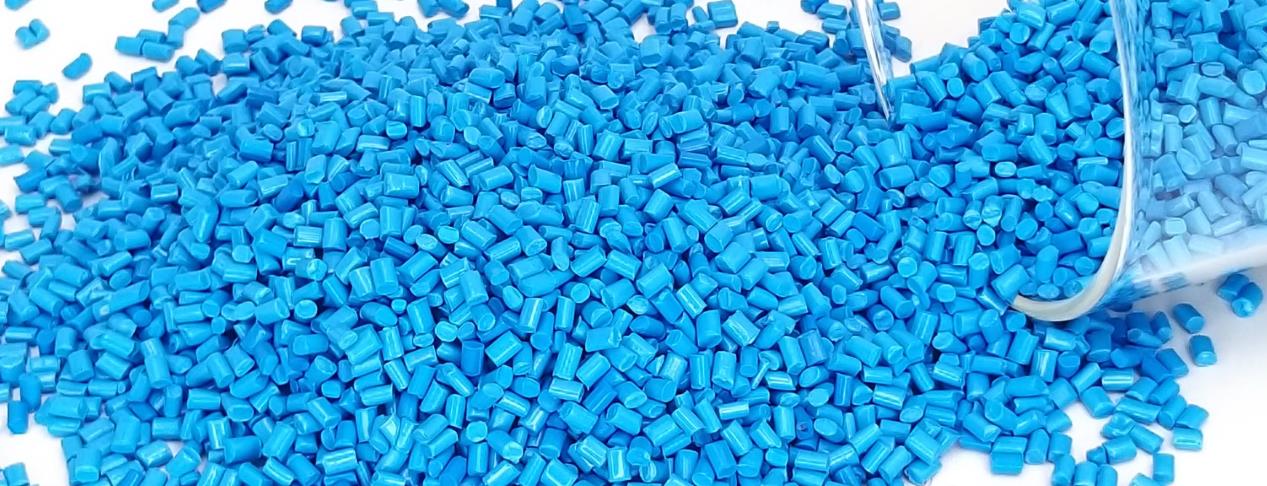
Coloring masterbatch
Introduction: Made by mixing high concentration pigments or dyes with LDPE resin carrier, used to add color to plastic products.
Characteristics: It has good dispersibility, heat resistance, and migration resistance, which can make plastic products obtain uniform and bright colors, and the color is not easy to fade or migrate during processing and use.
Usage: Suitable for various LDPE plastic products that require coloring, such as toys, stationery, packaging containers, etc. For example, in toy manufacturing, using colored masterbatch can give toys a rich and diverse range of colors, attract children’s attention, and ensure the safety and stability of colors.
Features
LDPE masterbatch is a concentrated particle made of low-density polyethylene (LDPE) as a carrier, which concentrates a high proportion of functional fillers, additives, or pigments. Its core value is to accurately adapt to the high flexibility, high melt flowability, and low processing temperature characteristics of LDPE substrate, strengthen its function, and make up for its performance shortcomings. Its characteristics revolve around “LDPE compatibility, processing adaptability, and functional specificity”, combining the advantages of universal masterbatch with the unique adaptation highlights of LDPE
1. Excellent substrate compatibility, retaining the core advantages of LDPE
The carrier is selected with resin that matches the target LDPE (different melt index, blown film/extrusion grade) completely, with 100% compatibility and without damaging the natural advantages of LDPE: high flexibility (elongation at break ≥ 500%), low temperature flexibility (no brittle fracture at -40 ℃), and good processing flowability (melt flow rate MFR 0.5-10g/10min);
Non interfering with LDPE processing characteristics: functional components (such as fillers and additives) match the viscosity of LDPE melt, without reducing its fluidity, ensuring uniform film thickness and smooth pipe forming during blowing and extrusion;
Good compatibility with LDPE recycled materials, can be mixed and processed with recycled LDPE in proportion, does not affect the flexibility and appearance of the finished product, and helps promote circular economy.
2. Strong processing adaptability, suitable for LDPE low-temperature flexible processing needs
Suitable for LDPE wide processing window (120-140 ℃): The functional components and additives are made of temperature resistant matching materials, which do not decompose or evaporate at LDPE processing temperature, have no irritating odor, and avoid melt fracture and mold blockage during processing;
Adapt to LDPE core process: focus on optimizing blown film process (packaging film, greenhouse film), solve pain points such as LDPE film adhesion and difficult opening (such as opening masterbatch can reduce film opening force by 40% -60%); Simultaneously compatible with extrusion (pipes, profiles), injection molding (daily necessities, accessories), blow molding (bottles and cans), and can be directly mixed with LDPE resin in proportion without adjusting process parameters;
Improving processing efficiency: Some masterbatch (such as smooth masterbatch and nucleating masterbatch) can reduce the friction coefficient of LDPE melt, improve the stability of film bubbles during blown film, and increase extrusion speed by 10% -20%; The molding cycle of injection molded parts is shortened by 20% -30%.
3. Precise customization of functions, targeted strengthening of LDPE performance
LDPE natural short board has insufficient rigidity, general heat resistance (heat deformation temperature 60-70 ℃), limited aging resistance, and masterbatch can be accurately supplemented:
Basic functions: coloring (color masterbatch, uniform color without spots, suitable for food packaging and daily necessities), filling to reduce costs (calcium carbonate/talc filling, reducing raw material costs by 10% -25%, without significantly affecting flexibility);
Enhanced functionality:
Enhanced modification: Talc powder/mica powder enhances tensile strength by 30% -50%, rigidity by 40% -80%, suitable for LDPE pipes and injection molded parts (such as trash cans and turnover boxes), without sacrificing core flexibility;
Anti aging enhancement: compound antioxidant+light stabilizer, the outdoor service life is extended from 1-2 years to 5-6 years, suitable for greenhouse film and outdoor packaging film;
Function upgrade:
Opening/Smooth: Solving the problem of LDPE film adhesion, the opening masterbatch (silica/talc powder) makes the film easy to open, and the smooth masterbatch (oleic acid amide) reduces the surface friction coefficient by 30% -50%;
Anti static: Surface resistance reduced to 10 ⁶ -10 ¹⁰ Ω, suitable for electronic component packaging film and food packaging film (anti dust adsorption);
Flame retardant: halogen-free/bromine based flame retardant system, up to UL94 V2 level, suitable for industrial packaging and flame retardant pipes;
Anti fog: Avoid fogging on the inner wall of the film, suitable for fresh packaging film and greenhouse film (with a light transmittance of ≥ 90%).
4. Stable and uniform performance, ensuring consistency in mass production
Accurate and controllable formula: The fluctuation of functional ingredient content in the same batch of masterbatch is ≤ 3%, ensuring that the color, flexibility, rigidity and other indicators of LDPE products are consistent in batches (such as blown film masterbatch causing film thickness deviation of ≤± 5%, color difference of colored masterbatch Δ E ≤ 1.5);
Excellent dispersibility: LDPE melt has good flowability, and when combined with specialized dispersants (PE wax, EVA wax), functional components (color powder, filler, additives) are evenly dispersed to avoid problems such as color spots, filler aggregation, and additive precipitation;
Good storage stability: The granular structure is not easily hygroscopic or clumped, and the performance does not deteriorate after being stored at room temperature for more than 1 year. The functional components are wrapped in LDPE carrier, reducing the risk of oxidation failure.
5. Excellent cost controllability and high comprehensive production efficiency
High concentration design: Functional ingredients account for 20% -70% (color masterbatch powder 20% -50%, filling masterbatch calcium carbonate 50% -80%, opening masterbatch opening agent 10% -20%), and only 1% -30% (coloring 2% -5%, filling 10% -30%, opening 0.5% -2%) needs to be added during use, with a raw material utilization rate of ≥ 95%;
Reduce overall costs: avoid uneven dispersion and waste caused by direct addition of scattered additives (such as powder additives with a loss rate of over 15%), have a granular form that is easy to measure and mix, have no dust pollution, and reduce equipment cleaning costs;
The cost-effectiveness of filling masterbatch is outstanding: without significantly affecting the flexibility of LDPE, the amount of calcium carbonate filling can reach 30%, reducing raw material costs by 10% -25%, suitable for mid to low end packaging and daily use scenarios.
6. Flexible environmental compliance and adaptability to diverse scenarios
The selection of additives meets environmental standards: food contact grade masterbatch uses FDA and GB 4806 certified color powder and additives, which are free of heavy metals and odors, and can be used for food packaging films, tableware, and bottle accessories;
Support green production: environmentally friendly fillers such as calcium carbonate and talc powder are used for filling the masterbatch, and halogen-free system (magnesium hydroxide/aluminum) is optional for flame retardant masterbatch, which complies with RoHS and REACH standards;
Suitable for special scenarios: Medical LDPE masterbatch uses biocompatible additives that comply with ISO 10993 standards; Degradable LDPE masterbatch with degradation promoter, in line with environmental policies.
7. Wide applicability, covering the core field of LDPE
Suitable for LDPE types: blown film grade (packaging film, greenhouse film), extrusion grade (pipes, profiles), injection grade (daily necessities, accessories), blow molding grade (bottles and cans);
Typical application scenarios:
Packaging field: food packaging film (coloring+smoothness+anti fog), express bag (filling+anti-aging), industrial packaging film (anti-static+flame retardant);
Agriculture: greenhouse film (weather resistance+anti fog+opening), agricultural film (anti-aging+filling);
In the field of daily necessities: injection molded parts (coloring+filling), hoses (toughening+weather resistance);
Industry: LDPE pipe (reinforcement+anti-aging), cable sheath (flame retardant+anti-static).
The core characteristics of LDPE master batch can be summarized as follows: compatible and non-destructive, processing super adaptation, precise function compensation, high cost efficiency. It not only fully retains the core advantages of LDPE, such as high flexibility, low temperature flexibility, and easy processing, but also specifically solves the problems such as its lack of rigidity, general anti-aging, film adhesion, and so on. It realizes the functional upgrading of LDPE products in a convenient and low-cost way, and is widely used in core fields such as packaging, agriculture, daily necessities, and industry.

Formula ratio
The ratio of LDPE masterbatch may vary depending on the type of masterbatch, specific application requirements, and manufacturer. The following are examples of common proportioning ranges for different types of LDPE masterbatch:
Ordinary filling masterbatch
LDPE resin: usually accounts for 30% -70%. Generally, LDPE resin with high melt index and good flowability is selected to better encapsulate fillers and have good formability during processing.
Fillers: mainly calcium carbonate, accounting for 30% -70%. The particle size and surface treatment method of calcium carbonate can affect the performance of the masterbatch. Fine grained calcium carbonate can improve the mechanical properties and appearance quality of the product. Surface treated calcium carbonate has better compatibility with LDPE resin.
Additives: The content of dispersants, coupling agents and other additives is usually around 0.5% -5%. Dispersants help to evenly disperse fillers in resins, while coupling agents can enhance the bonding force between fillers and resins, improving the overall performance of masterbatch.
Functional masterbatch
Anti-aging masterbatch
LDPE resin: accounting for about 70% -90%.
UV absorbers: generally 1% -5%. It can effectively absorb ultraviolet rays, protect LDPE products from UV damage, and delay the aging process.
Antioxidants: Content is around 0.5% -3%. Cooperating with UV absorbers, it prevents resin oxidation reactions during processing and use, further improving the aging resistance of the product.
Other additives, such as dispersants, lubricants, etc., account for about 0.5% -2% and are used to improve the processing performance and stability of masterbatch.
Smooth masterbatch
LDPE resin: usually accounts for 60% -80%.
Slippery agents: mainly oleic acid amide, erucic acid amide, etc., with a content of 10% -30%. The amount of lubricant added directly affects the smoothness performance of plastic products. An appropriate amount of lubricant can significantly reduce the friction coefficient of the product surface and improve its processing and usage performance.
Other additives: including antioxidants, dispersants, etc., accounting for about 1% -5%, to prevent the lubricant from oxidizing during processing and ensure uniform dispersion of the lubricant in the resin.
Opening masterbatch
LDPE resin: accounting for 50% -70%.
Inorganic fillers: such as diatomaceous earth, talc powder, etc., accounting for 30% -50%. These inorganic fillers can form tiny protrusions on the surface of the film, preventing film adhesion and improving opening performance.
Additives: including dispersants, anti-static agents, etc., with a content of 1% -5%, help to disperse inorganic fillers and further improve the surface properties of the film.
Coloring masterbatch
Pigments or dyes: Depending on the depth and concentration of the desired color, they generally account for 1% -20%. High concentration pigments can be used to produce masterbatch with bright and dark colors, while low concentration pigments are suitable for products with light colors or low color requirements.
LDPE carrier resin: accounting for 70% -95%. The performance of carrier resin has a significant impact on the dispersion of pigments and the processing performance of masterbatch. LDPE resin with good compatibility and flowability with the product resin is usually selected.
Dispersant: Content is around 1% -10%. Dispersants can reduce the surface tension between pigment particles, evenly disperse them in the carrier resin, and improve the coloring effect and appearance quality of the product.
Other additives, such as lubricants, antioxidants, etc., account for about 0.5% -5% and are used to improve the processing performance and storage stability of masterbatch.
The above ratios are for reference only. In actual production, adjustments and optimizations need to be made based on specific product requirements, raw material characteristics, and production processes to achieve the best product performance and economic benefits.
Production process of different types of LDPE masterbatch
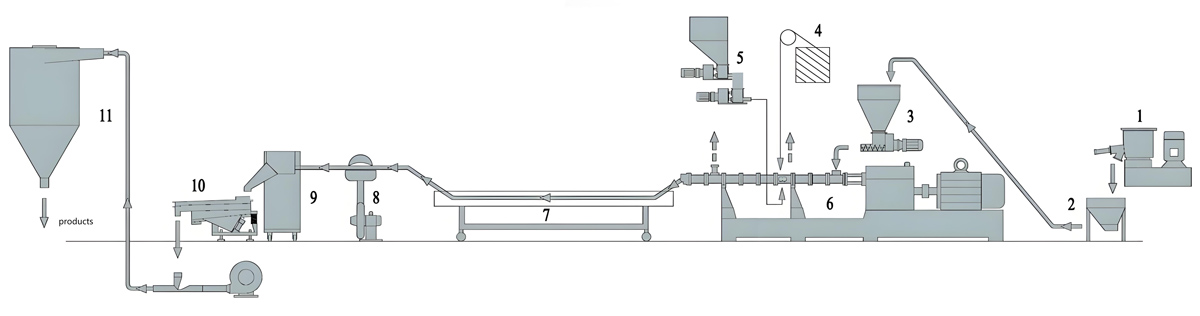
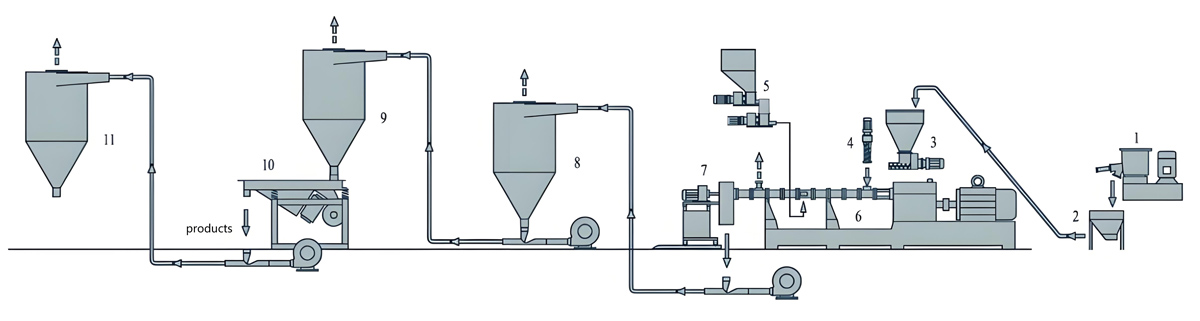
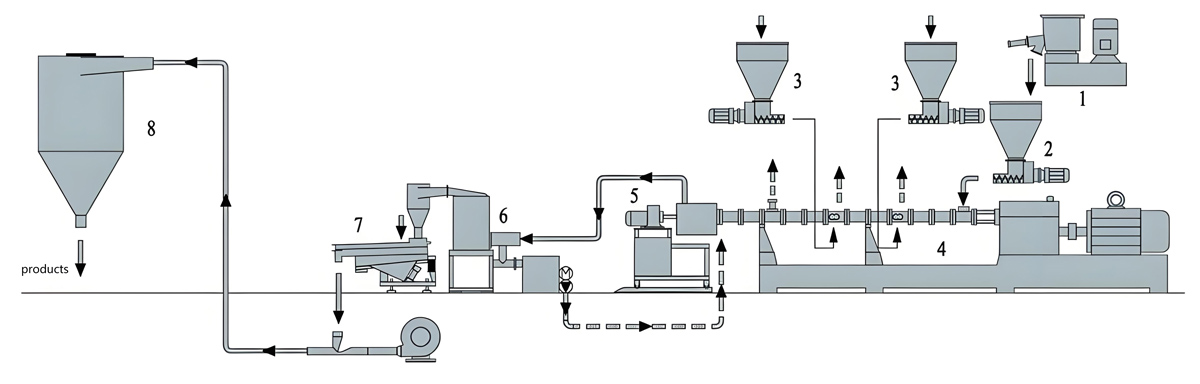
The production process of different types of LDPE masterbatch has similarities in the basic process, but there may be differences in specific formulas, additives, and processing parameters. The following are the general production processes for ordinary filling masterbatch, functional masterbatch, and coloring masterbatch:
Ordinary filling masterbatch
1. Raw material preparation: The main raw materials are LDPE resin, calcium carbonate and other fillers, as well as a small amount of additives (such as dispersants, coupling agents, etc.). LDPE resin should be selected according to product performance requirements, and calcium carbonate needs to be pre treated to improve its compatibility and dispersibility with the resin.
2. Mixing and stirring: Add LDPE resin, calcium carbonate, and additives in a certain proportion to a high-speed mixer for thorough mixing. By stirring, the fillers and additives are evenly distributed on the surface of the resin particles, preparing for subsequent processing.
3. Melt extrusion: The mixed material enters the twin-screw extruder and undergoes melt extrusion at a certain temperature and screw speed. The temperature setting of the extruder is usually determined based on the melting point and flowability of LDPE resin, typically between 150-200 ℃. During the extrusion process, the rotation of the screw causes the material to undergo shear and compression, further mixing evenly and expelling air.
4. Cooling granulation: The extruded material is formed into strips or filaments through the die head, and then enters the cooling water tank for cooling and shaping. The cooled material is then cut into particles of a certain size by a granulator to obtain ordinary filling masterbatch.
Functional masterbatch
1. Raw material selection and formula design: according to different functional requirements, select corresponding functional additives (such as ultraviolet absorber and antioxidant in anti-aging masterbatch, oleamide and erucic amide in smooth masterbatch, etc.), and make reasonable formula design with LDPE resin. The amount of functional additives added needs to be determined based on the specific performance requirements and usage environment of the product.
2. Mixing and dispersion: LDPE resin is mixed with functional additives in a high-speed mixer or internal mixer. In order to evenly disperse the additives in the resin, it may be necessary to add some dispersants or use special mixing processes. For some difficult to disperse additives, pre-treatment methods can also be used, such as making the additives into mother liquor or performing surface treatment.
3. Melt blending and extrusion: Similar to ordinary filling masterbatch, the mixed material is sent into a twin-screw extruder for melt blending and extrusion. During the extrusion process, it is necessary to strictly control parameters such as temperature, screw speed, and residence time to ensure that functional additives are thoroughly mixed with LDPE resin and form a stable structure. For example, in the production of anti-aging masterbatch, too high temperature may lead to the decomposition of UV absorbers and other additives, affecting the performance of masterbatch.
4. Cooling and granulation: The extruded material is cooled and shaped in a cooling water tank, and then cut into granules by a granulator. For some functional masterbatch with special requirements for particle shape and size, special granulation equipment and processes may be required, such as underwater granulation or air-cooled granulation.
Coloring masterbatch
1. Pigment selection and pretreatment: Choose the appropriate pigment or dye based on the desired color and the requirements for the use of plastic products. Pigments need to have good properties such as heat resistance, light resistance, dispersibility, and migration resistance. In order to improve the dispersibility of pigments in resins, it is usually necessary to pre treat the pigments, such as grinding, surface treatment, etc., to achieve a certain particle size requirement.
2. Selection of carrier resin: Choose a resin with good compatibility and moderate flowability with LDPE as the carrier. Generally, LDPE resin with a higher melt index is selected to better encapsulate and disperse pigments during processing.
3. Ingredients and Mixing: Add pigments, carrier resins, and appropriate additives (such as dispersants, lubricants, etc.) in a certain proportion to a high-speed mixer for thorough mixing. During the mixing process, it is necessary to ensure that the pigment is evenly distributed in the carrier resin to avoid pigment aggregation or uneven dispersion.
4. Melt extrusion and granulation: The mixed material enters the twin-screw extruder for melt extrusion. During the extrusion process, the pigment is further refined and uniformly dispersed in the carrier resin through the shearing and squeezing action of the screw. The temperature and screw speed parameters of the extruder should be adjusted according to the characteristics of the pigment and resin to ensure the smooth progress of the extrusion process and product quality. The extruded material is processed through cooling, granulation, and other processes to produce colored masterbatch.
In actual production, different manufacturers may adjust and optimize their production processes based on their own equipment conditions, product quality requirements, and production experience to produce LDPE masterbatch products with stable performance and reliable quality.
Production equipment
The equipment for producing LDPE masterbatch mainly includes raw material processing equipment, mixing equipment, extrusion equipment, cooling equipment, granulation equipment, etc. The following is a specific introduction:
1. Raw material processing equipment
Drying machine: used for drying LDPE resin and other raw materials to remove moisture and volatile substances. Because the moisture in the raw materials can affect the quality of the masterbatch, resulting in problems such as bubbles and surface defects in the product. Common drying machines include hot air circulation drying machines, dehumidification drying machines, etc.
Screening equipment: such as vibrating screens, rotary vibrating screens, etc., used to screen solid raw materials such as fillers and pigments, remove impurities and large particles, ensure the uniformity of raw material particle size, and prevent the performance and processing stability of masterbatch from being affected by uneven raw material particle size.
2. Hybrid equipment
High speed mixer: It is a device that preliminarily mixes LDPE resin, fillers, additives and other raw materials. It achieves uniform mixing of materials in a short period of time through high-speed rotating stirring blades, and can also raise the temperature appropriately during the stirring process to better bond the additives with the resin surface and improve the mixing effect.
Internal mixer: For some formulas that require more thorough mixing and dispersion, especially for the production of functional masterbatch containing difficult to disperse additives or requiring higher mixing uniformity, internal mixer is a commonly used equipment. It uses two relatively rotating rotors to strongly shear, squeeze, and knead materials in a sealed chamber, achieving a highly uniform mixing state.
3. Extrusion equipment
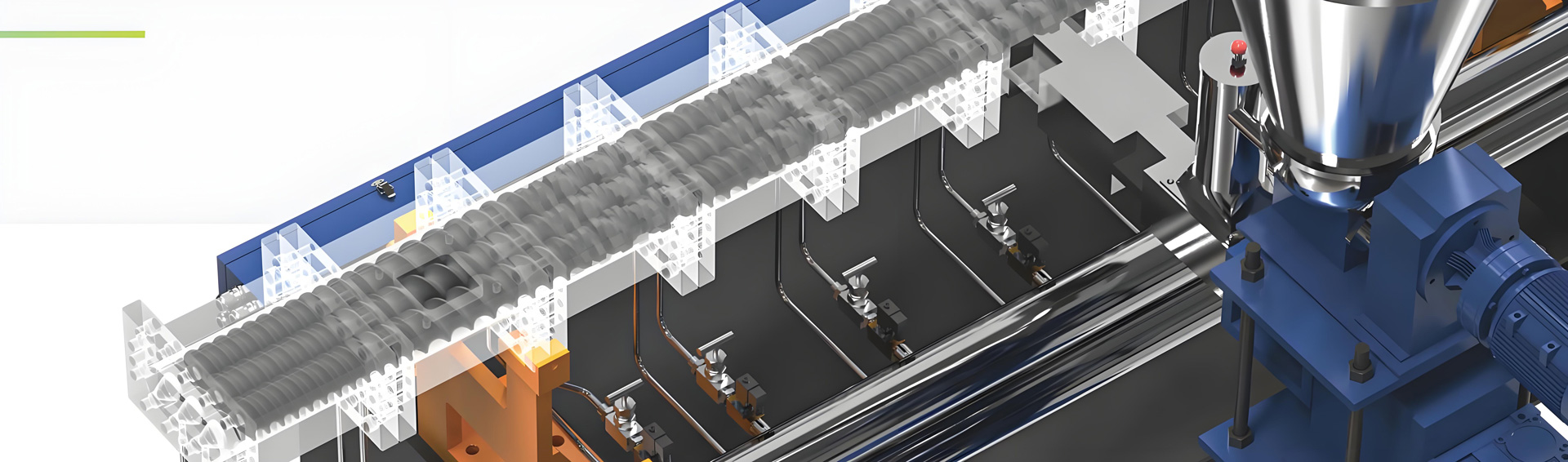
Twin screw extruder: It is one of the core equipment for LDPE masterbatch production. It has good mixing, plasticizing, and extrusion capabilities, which can fully melt and mix materials uniformly under high temperature, high pressure, and high shear force, and extrude them into the desired shape. Its screw structure is complex and can be designed and combined according to different process requirements to meet the needs of various masterbatch production.
Single screw extruder: In some situations where production efficiency is not high or the masterbatch formula is relatively simple, single screw extruders are also used. It has a simple structure and easy operation, but its mixing and plasticizing ability is relatively weak, making it suitable for ordinary filling masterbatch or coloring masterbatch with lower production requirements.
4. Cooling equipment
Cooling water tank: used for cooling and shaping extruded strip-shaped or filamentous materials. Usually, circulating water cooling is used, and the water temperature is generally controlled between 15-30 ℃ to ensure that the material can cool quickly and prevent problems such as deformation and adhesion.
Air cooling device: For some special requirements of masterbatch, such as functional masterbatch that should not come into contact with water during the cooling process, an air cooling device can be used. By using forced air cooling to cool the material, the air cooling speed is relatively slow, but it can avoid the influence of moisture on the performance of the masterbatch.
5. Granulation equipment
Granulator: Cut the cooled material into granules of a certain size. There are two common types of pelletizers: hot pelletizers and cold pelletizers. Hot cutting machine is used to cut materials in a thermoplastic state, suitable for high viscosity and difficult to cool materials; Cold granulator is a widely used cutting method that cuts materials after they have completely cooled, resulting in regular particle shapes and better quality.
6. Auxiliary equipment
Measuring equipment: including electronic scales, measuring pumps, etc., used to accurately measure the amount of various raw materials added, ensuring the accuracy and stability of the masterbatch formula.
Conveyor equipment: such as screw conveyors, belt conveyors, etc., used to transport raw materials from storage areas to production equipment, as well as to transport finished masterbatch to packaging areas, achieving automated production processes.
Packaging equipment: There are automatic packaging machines, sealing machines, etc. used to package the produced LDPE masterbatch for storage and transportation. Packaging equipment can be selected according to packaging specifications and requirements, such as particle packaging machines for small packaging and ton bag packaging machines for large packaging.
LDPE masterbatch extruder
Kerke’s masterbatch extruder can be used to produce LDPE masterbatch. Our LDPE masterbatch extruder has multiple models to choose from, which can meet different production requirements.
-

Laboratory Twin Screw Extruder
When will you need a lab twin screw extruder? If you want to make trials and tests of…
-
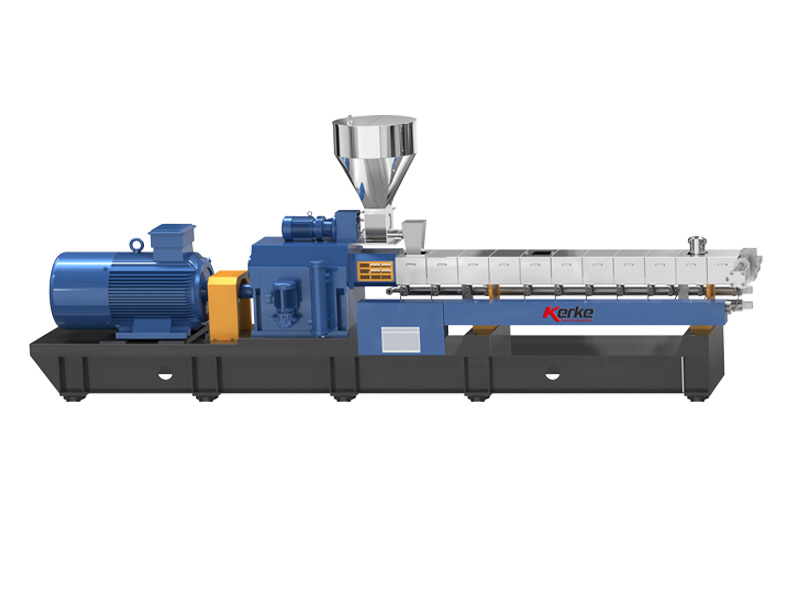
Twin Screw Extruder
Our Parallel Co-rotating twin screw extruder is designed for compounding and masterbatch making with an output capacity from…
-
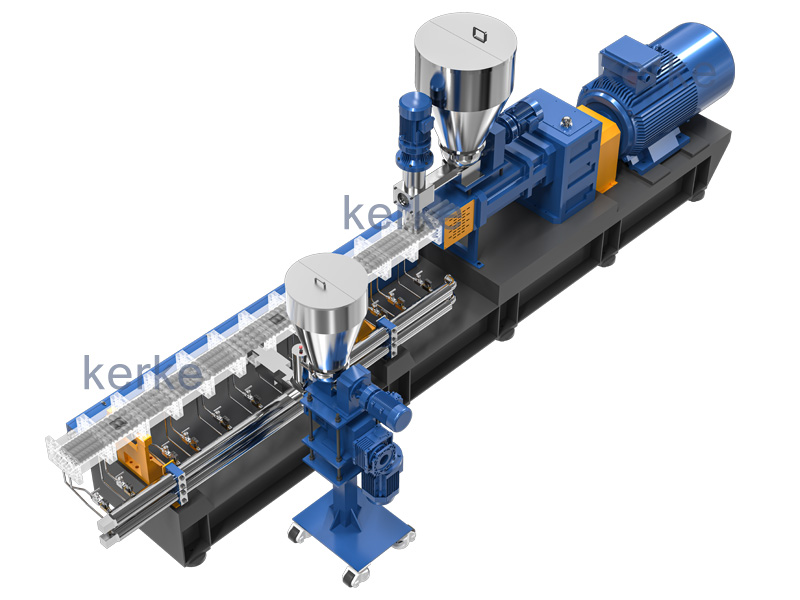
Triple (3 screws) Extruder
3 Screws extruder is a new technology that has many advantages. The triple screw extruder is mainly used…
-
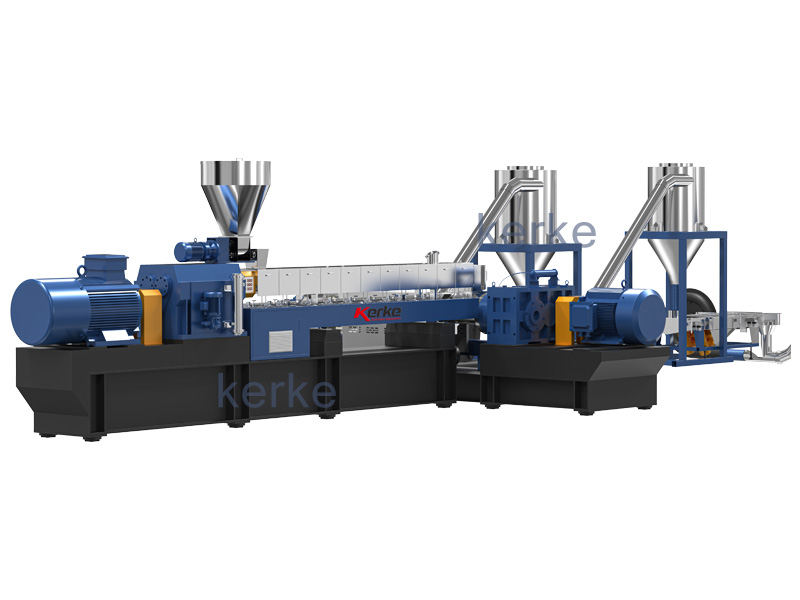
Double-Stage Extrusion System
Mother-baby extrusion system is designed for special materials which can not process on one stage extruder, the first…
-
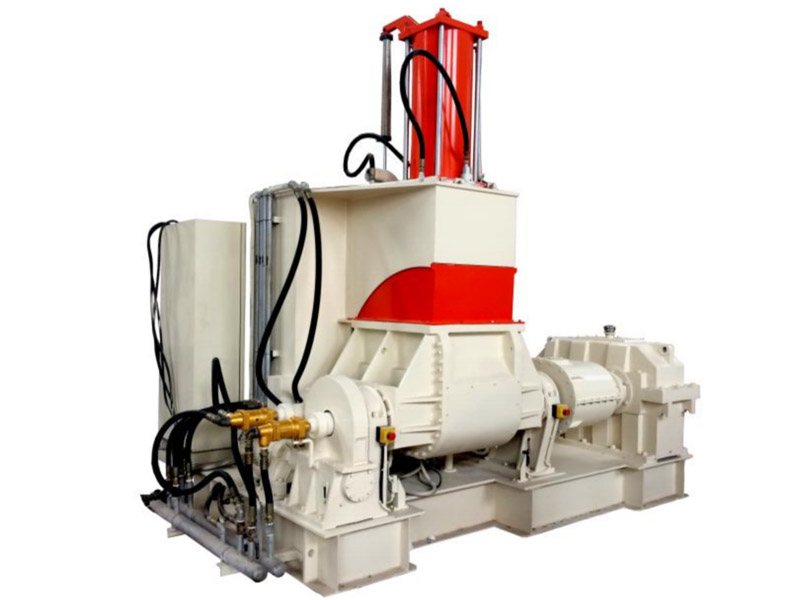
Banbury Kneader Compounding Line
Our kneader + extruder is designed for making special applications with an output capacity from 30kg/h to 1000kg/h.…
-
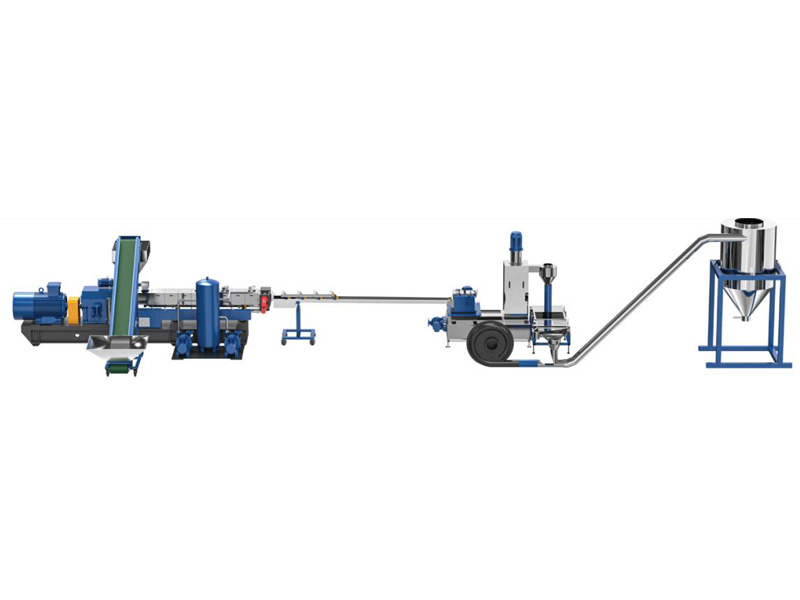
Cutting System / Pelletizing System
Different material needs different cutting system, Kerke provides all kinds of cutting system, here is the explanation of…
Related requirements
The production of LDPE masterbatch requires the following extruder requirements:
Screw speed: LDPE has good adaptability to high screw speeds and can be extruded at higher screw speeds, generally ranging from 30-100r/min.
Temperature control: The temperature range for extrusion molding is usually 170 ℃ -240 ℃, and the specific temperature needs to be adjusted according to factors such as the material grade, characteristics, shape, size, extrusion speed, and mold temperature.
Extruder type: It is best to use a parallel and co rotating twin-screw extruder for polyethylene plastic granulation, or a metering single screw extruder can be used. The screw diameter is 45-150mm, the length to diameter ratio L/D is 20-25, and the compression ratio e is 3.0-3.5. The new combination screw granulation mixing effect is better.
Common problems and solutions
The core process of LDPE masterbatch production is the same as that of general PE masterbatch (raw material pretreatment → mixing → melt extrusion → granulation → cooling and drying → screening and packaging), but due to the high melt flowability (MFR 0.5-10g/10min), low crystallinity (40% -50%), high flexibility, and low processing temperature (120-140 ℃) of LDPE, the problems focus on “additive precipitation, insufficient melt strength, adhesion, and uneven dispersion of functional components”, which form core differences from HDPE, PET and other masterbatch. The following is a classification and sorting of the production process, covering the three major pain points of appearance, processing stability, and functional effectiveness
I. Raw materials and mixing process: hidden dangers at the source of functional failure of LDPE masterbatch
1. Aggregation of functional components (exacerbated by weak wrapping force of LDPE melt)
Performance: There are hard lumps of color powder, agglomerated particles of calcium carbonate, and clumps of opening agent in the masterbatch. Subsequently, there are pockmarks and stripes on the surface of LDPE products, uneven coloring, and poor filling dispersion;
Cause: ① Functional components become damp (filler/color powder moisture content>0.1%), leading to the formation of hydrogen bonds and agglomeration between particles; ② Insufficient dosage of dispersant (less than 8% of the functional component mass), LDPE melt has good flowability but weak wrapping force, unable to fully encapsulate particles; ③ The filler has not undergone surface treatment (such as calcium carbonate not modified with coupling agents), resulting in poor compatibility with LDPE;
Solution: ① Raw material pretreatment: The filler/color powder is dried at 100-120 ℃ for 2-4 hours, with a moisture content of ≤ 0.05%; Calcium carbonate is modified with 1% -2% titanate coupling agent to enhance its adhesion with LDPE; ② Dispersant optimization: Select LDPE specific dispersant (PE wax+EVA wax composite system), increase the dosage to 12% -20% of the functional components (increase the ultrafine powder to 20% -25%); ③ Pre dispersion process: Functional ingredients and dispersants are first pre mixed at high speed for 10 minutes (rotation speed 600-800r/min), and then LDPE carrier is added.
2. Uneven mixing of opening/smoothing agents (exclusive for film grade masterbatch)
Performance: Local stickiness and frosting of the masterbatch, difficulty in opening the subsequent LDPE film, and large fluctuations in surface friction coefficient (some areas are sticky, some areas are excessively smooth);
Cause: ① Opening agent (silica/talc powder) or lubricant (oleic acid amide) is not pre dispersed, resulting in high local concentration after agglomeration; ② Mixing sequence error (adding LDPE carrier first and then additives, additives floating on the surface of the melt); ③ Excessive use of additives (lubricant>1%), exceeding the load-bearing capacity of LDPE;
Solution: ① Pre dispersion of additives: Opening agents/lubricants are pre mixed with a small amount of LDPE powder to form “concentrated masterbatch”, which is then mixed with bulk carriers; ② Optimize mixing sequence: LDPE carrier → dispersant (pre mixed for 5 minutes) → functional components (mixed for 10 minutes) → opening/smoothing agent (finally mixed for 5 minutes); ③ Accurate control of dosage: opening agent 0.5% -2%, lubricant 0.3% -1%, total amount ≤ 3%.
3. Poor compatibility of raw materials (exclusive to functional masterbatch)
Performance: After mixing, the material clumps and the melt delaminates during extrusion, resulting in the failure of the masterbatch function (such as flame retardant masterbatch being unable to flame retardant, and toughening masterbatch having insufficient toughness);
Cause: ① Poor compatibility between functional additives and LDPE (such as ordinary flame retardants and high melting point elastomers); ② The carrier LDPE melt index does not match the functional components (such as high melt index LDPE combined with low flowability fillers, resulting in uneven mixing);
Solution: ① Choose LDPE compatible additives (such as magnesium hydroxide/aluminum for halogen-free flame retardants and EVA/POE for toughening agents); ② Matching of carrier and functional component melt index (LDPE melt index ≤ functional component melt index ± 2g/10min); ③ Small batch compatibility testing: Mix additives with LDPE in proportion and observe whether there is layering or clumping.
II. Melting extrusion process: the core risk point of LDPE masterbatch processing
1. Volatile/precipitated additives (LDPE specific high-frequency issue)
Performance: During extrusion, a pungent odor is produced (due to the evaporation of additives), and the surface of the masterbatch is frosted and sticky, resulting in severe precipitation of subsequent products (such as white frost on the surface of the film and sticky texture);
Cause: ① The extrusion temperature is too high (barrel>150 ℃, die>160 ℃), exceeding the LDPE processing window, resulting in the volatilization/precipitation of low melting point additives such as opening agents, lubricants, antioxidants, etc; ② Excessive use of additives (such as lubricants>1%, lubricants>3%); ③ Incorrect selection of additives (such as using ordinary paraffin as lubricant, with low melting point and easy precipitation);
Solution: ① Precise temperature control: segmented temperature control of the barrel (front section 120-130 ℃, middle section 130-135 ℃, end section 135-140 ℃), mold head 140-145 ℃, strictly prohibited from exceeding 150 ℃; ② Optimize additives: Choose high-temperature resistant additives (such as erucic acid amide as a lubricant with a melting point of 102 ℃, and 1010/168 compound as an antioxidant), and control the dosage within the recommended range; ③ Add 0.5% -1% anti precipitation agent (such as EVA wax) to enhance the adhesion between the additive and LDPE.
2. Insufficient plasticization (under plasticization)
Performance: The surface of the masterbatch is rough and has a granular feel, with visible unmelted LDPE particles or undissolved functional components on the cross section. During subsequent processing, there are mold blockages and pockmarks on the surface of the product;
Cause: ① Low extrusion temperature (< 120 ℃), incomplete melting of LDPE (melting point of LDPE is about 110 ℃); ② The screw speed is too slow (<100r/min), resulting in insufficient heat generation during shearing; ③ The filler content is too high (>70%), and the LDPE melt cannot be completely coated;
Solution: ① Targeted heating: Raise the temperature at the end of the barrel to 138-142 ℃ and the mold head temperature to 145-150 ℃ to ensure complete melting of LDPE; ② Increase the screw speed to 120-160r/min to increase shear heat generation; ③ Control the filler content to ≤ 60%, and increase the proportion of LDPE carrier if it exceeds the limit; ④ Add 0.3% -0.5% lubricant (such as stearamide) to assist plasticization.
3. Melt fracture/material strip sagging (due to low LDPE melt strength)
Performance: The surface of the extruded material strip is uneven, wavy, and even broken; The material strip droops and bends, making it difficult to smoothly enter the granulator;
Cause: ① The mold head temperature is too low (<140 ℃), resulting in poor fluidity of LDPE melt and high outlet resistance; ② The die gap is too small (<2mm), and the melt shear rate is too high; ③ Insufficient strength of LDPE melt and insufficient self support of the material strip;
Solution: ① Increase the mold head temperature by 5-10 ℃ to ensure smooth flow of the melt; ② Adjust the gap between the mold mouth to 2-3mm and match the diameter of the material strip; ③ Add 0.5% -1% melt enhancer (such as LLDPE powder) to enhance the melt strength of LDPE; ④ Stabilize the screw speed and avoid fluctuations in melt pressure (fluctuation range ≤ ± 5MPa).
4. Uneven dispersion of flame retardants/anti fog agents (exclusive to functional masterbatch)
Performance: Fragmentation of flame retardant effect of flame retardant masterbatch (local compliance, local non-compliance), poor anti fog effect of anti fog masterbatch (local fogging on the inner wall of the film);
Cause: ① Flame retardants/anti fog agents are not pre dispersed, and after agglomeration, they cannot be uniformly dispersed in LDPE melt; ② LDPE melt has good fluidity, but additives are prone to settling, resulting in uneven concentration between the upper and lower layers; ③ Discrepancies between dispersants and additives (such as poor dispersion effect of PE wax for anti fog agents);
Solution: ① Pre dispersion of additives: flame retardants/anti fog agents are mixed with dispersants and a small amount of LDPE powder to make concentrated masterbatch; ② Optimize extrusion process: Select a twin-screw extruder with mixing elements, with a speed of 150-180r/min, to enhance dispersion; ③ Matching dispersant: Anti fog agent is dispersed with EVA wax, flame retardant is dispersed with PE wax+calcium stearate compound.
III. Granulation and cooling process: core issues of LDPE masterbatch appearance and forming
1. Mother particle adhesion (LDPE exclusive core pain point)
Performance: After cutting, the mother granules adhere to each other into blocks, which cannot be separated during screening, and the clumping becomes more severe after storage;
Cause: ① Insufficient cooling (water temperature>30 ℃, cooling time<20s), the surface temperature of the masterbatch has not dropped below 40 ℃, and LDPE has good flexibility and is easy to adhere; ② Insufficient opening/smoothing agents (opening agent<0.5%, smoothing agent<0.3%), high friction coefficient on the surface of the masterbatch; ③ Insufficient secondary drying results in residual moisture on the surface of the masterbatch;
Solution: ① Cooling process: The water temperature is controlled at 15-25 ℃, and the material strip stays in the cooling water tank for 30-40 seconds. After the water is discharged, it is air-cooled for 10-15 seconds for secondary cooling; ② Additional additives: increase the opening agent to 0.8% -2% and the lubricating agent to 0.5% -1%, forming a surface lubricating film; ③ Secondary drying: Dry at 60-80 ℃ for 1-2 hours to ensure a surface moisture content of ≤ 0.05%.
2. Irregular grain cutting (due to strong flexibility of the material strip)
Performance: uneven length of masterbatch (deviation>1mm), burrs on both ends, wire drawing, and even entanglement of the cutting blade with the material strip during grain cutting;
Cause: ① The cutting blade becomes dull or the gap is too large (>0.5mm), LDPE has strong flexibility, and it is easy to stretch instead of cut when cutting; ② The traction speed is not synchronized with the cutting speed, and the material strip is excessively stretched; ③ Uneven thickness of the material strip (due to uneven dispersion of functional components causing fluctuations in melt viscosity);
Solution: ① Cutting blade optimization: Use a sharp hard alloy cutting blade, polish it every 8 hours, and adjust the distance between the cutting blade and the mold mouth to be less than 0.3mm; ② Parameter matching: Traction speed of 1-2m/min, cutting machine speed of 600-800r/min, to ensure that the material strip is not stretched during cutting; ③ Adjust the gap between the mold heads to ensure that the diameter deviation of the material strip is ≤ 0.2mm, and avoid uneven thickness.
3. Hollow/Bubbles in the Mother Particle (due to water or air entrainment)
Performance: The cross-section of the masterbatch has hollow pores or tiny bubbles, which are prone to rupture during subsequent processing and affect the density of the product (such as pinholes in the film or insufficient pressure on the pipe);
Cause: ① Moisture absorption of raw materials (moisture content>0.05%), vaporization of water at high temperatures; ② When mixed with air, LDPE melt has good fluidity and bubbles are easily wrapped; ③ Insufficient die pressure prevents the release of bubbles;
Solution: ① Thoroughly dry the raw materials (LDPE resin baked at 80 ℃ for 1-2 hours, filler/color powder baked at 120 ℃ for 4 hours); ② Install exhaust ports on the mixer and seal the hopper to prevent air from being drawn in; ③ Turn on the vacuum exhaust system (vacuum degree ≤ 5Pa), adjust the gap between the mold mouth to increase the mold head pressure, and promote the discharge of bubbles.
4. The surface of the masterbatch becomes sticky/frosty (caused by the precipitation of additives)
Performance: The surface of the masterbatch is sticky and feels greasy, or there is a white powdery frost layer, which precipitates more severely after storage;
Cause: ① Excessive opening/lubricant and lubricant (total amount>3%); ② Excessive extrusion temperature accelerates the migration and precipitation of additives; ③ Poor compatibility between additives and LDPE (such as using low molecular weight paraffin);
Solution: ① Reduce the amount of additives: the total amount of opening agent, lubricant, and lubricant should be ≤ 3%; ② Reduce the extrusion temperature by 5-10 ℃ to avoid accelerated precipitation; ③ Replace compatible additives: Replace ordinary paraffin with high molecular weight oxidized polyethylene wax, and choose erucic acid amide as the lubricant (with better compatibility than oleic acid amide).
IV. Performance and subsequent use issues: Key pain points of LDPE masterbatch functional failure
1. The functional effect does not meet the standard (core failure issue)
Performance: ① Opening masterbatch: LDPE film opening force>0.5N, unable to open smoothly; ② Anti fog masterbatch: fogging on the inner wall of the film, with a light transmittance of less than 85%; ③ Anti static masterbatch: surface resistance>10 ¹² Ω, poor anti-static effect; ④ Color masterbatch: Insufficient coloring power, adding 5% still results in a lighter color;
Cause: ① Insufficient content of functional components (opening agent<0.8%, anti fog agent<10%, anti-static agent<5%, color powder<20%); ② Uneven dispersion or volatilization/precipitation of additives; ③ Incorrect selection of additives (such as using short acting anti-static agents to meet long-term requirements);
Solution: ① Increase the concentration of functional ingredients (opening agent ≥ 1%, anti fog agent ≥ 15%, anti-static agent ≥ 8%, color powder ≥ 25%); ② Optimize dispersion process (pre dispersion+strong shear extrusion), control extrusion temperature to avoid loss of additives; ③ Correct selection (choose permanent anti-static agent for long-term anti-static, choose low-temperature suitable for fresh packaging for anti fog agent).
2. Poor compatibility with LDPE substrate (compatibility issue)
Performance: After mixing the masterbatch with pure LDPE for processing, the product may delaminate, crack, or experience rapid fluctuations in processing flowability (such as high/low melt viscosity);
Cause: ① The melting point of the carrier LDPE does not match the substrate (such as high melting point masterbatch combined with low melting point LDPE, resulting in excessive fluidity); ② Excessive content of functional components can damage the structure of LDPE melt; ③ No compatibilizer added (such as no coupling agent added to the reinforcing masterbatch);
Solution: ① Matching of carrier and substrate melt fingers (deviation ≤ 2g/10min); ② Control the proportion of masterbatch addition (color masterbatch 2% -5%, filling masterbatch 10% -30%, functional masterbatch 0.5% -5%); ③ Enhance/fill the masterbatch with 1% -3% coupling agent (titanium ester/silane) to improve the interfacial bonding strength.
3. Masterbatchs absorb moisture/clump (performance decreases after storage)
Performance: After storage for 1-3 months, the surface of the masterbatch becomes damp and clumped, and bubbles are generated during subsequent processing, resulting in a decline in functional effectiveness (such as the anti fog effect disappearing after the anti fog masterbatch absorbs moisture);
Cause: ① Insufficient drying after cooling (moisture content>0.05%); ② The packaging is not tightly sealed, and moisture absorbing functional ingredients (such as calcium carbonate and anti fog agents) absorb moisture from the air; ③ Additive precipitation and moisture absorption;
Solution: ① Thoroughly dry: secondary drying temperature of 60-80 ℃, time of 2 hours, moisture content ≤ 0.05%; ② Sealed packaging: sealed with aluminum foil bag and desiccant, stored in an environment temperature of 15-25 ℃ and humidity ≤ 60%; ③ Reduce the amount of hygroscopic additives or use hydrophobic modified functional ingredients (such as hydrophobic silica).
V. Exclusive issues and targeted solutions for different types of LDPE masterbatch
1. Open mouth/smooth masterbatch
Exclusive issues: Poor opening effect, surface frosting, stickiness, and precipitation;
Solution: The content of the opening agent (silica/talc powder) is 1% -2%, the lubricating agent (erucic acid amide) is 0.5% -1%, and a compound of 0.5% EVA wax is used to prevent precipitation; The extrusion temperature should be controlled between 135-140 ℃ to avoid the volatilization of additives; The cooling water temperature is 15-20 ℃ to ensure the formation of a surface lubricating film.
2. Anti fog masterbatch
Exclusive issues: Poor anti fog effect, short anti fog time, decreased film transmittance;
Solution: Anti fog agent (glycerol fatty acid ester/polyethylene glycol) content of 15% -20%, adding 5% EVA wax to enhance dispersion; Extrusion temperature is 130-135 ℃ to avoid the decomposition of anti fog agents; The proportion of masterbatch added is 3% -5% to ensure that the anti fog agent evenly covers the surface of the film.
3. Calcium carbonate filled masterbatch
Exclusive issues: Surface roughness, thin film pinholes, decreased toughness;
Solution: Calcium carbonate with a mesh size of ≥ 2000 is modified with 1% -2% titanate coupling agent; Fill amount ≤ 50%, dispersant (PE wax+calcium stearate) dosage is 15% -20% of calcium carbonate; Optimization of pre dispersion process to avoid surface defects caused by agglomeration.
4. Weather resistant (UV resistant) masterbatch
Exclusive problems: poor anti-aging effect, fast outdoor fading, conflict with antioxidants;
Solution: Compound of light stabilizer (UV531/UV327) and antioxidant (1010/168) (total amount ≥ 3%); Select rutile titanium dioxide as weather resistant filler; Small batch testing of additive compatibility to avoid mutual inhibition; Extrusion temperature ≤ 140 ℃ to prevent decomposition of UV agent.
VI. Key troubleshooting logic in the production process (quick identification of problems)
First, check the raw materials: whether the moisture content of the raw materials is ≤ 0.05%, whether the functional components have been pre treated (modified/pre dispersed), and whether the selection of additives is suitable for LDPE (such as high temperature resistance and high compatibility);
Recheck the process: whether the extrusion temperature is in the range of 120-140 ℃, screw speed (120-160r/min), mixing time (≥ 25min), and eliminate the problems of volatilization of additives and insufficient plasticization;
Check the equipment afterwards: whether the cutting blade is sharp, whether the cooling water temperature meets the standard (15-25 ℃), and whether the vacuum exhaust is normal;
Small scale verification: Conduct a 5-10kg small scale test before each batch to test the appearance (no adhesion, frosting) and functional indicators (such as opening force, anti fog effect) of the masterbatch. After passing the test, mass production will be carried out.
The core contradiction in the production of LDPE masterbatch is the balance between LDPE melt flowability and wrapping force, control of additive precipitation, and prevention of adhesion. Most problems can be solved through “raw material drying (moisture content ≤ 0.05%), selection of high-temperature resistant additives, precise temperature control (120-140 ℃), sufficient opening/smooth additives, and sufficient cooling and drying”. The key is to adapt to the low processing temperature characteristics of LDPE and avoid the volatilization/precipitation of additives; ② Strengthen the pre dispersion of functional components to compensate for the shortcomings of insufficient wrapping power in LDPE; ③ Targeted solution to adhesion issues, with dual guarantees of additives and cooling processes.
During mass production, it is recommended to establish a “raw material process finished product” testing ledger to record drying parameters, extrusion temperature, dosage of additives, and functional indicators of the finished product (such as opening force and anti-static effect), in order to facilitate rapid traceability and troubleshooting of repetitive issues.
Application
LDPE masterbatch has good flexibility, transparency, and low temperature resistance, and is widely used in various fields. The following are its main application areas:
Packaging field
Film packaging: In terms of food packaging, such as packaging films for bread, candy, vegetables, etc., films made of LDPE masterbatch have good flexibility and transparency, which can protect food from external pollution and display the appearance of food. LDPE masterbatch is often used as the outer packaging film for daily necessities such as shampoo and shower gel. Its puncture resistance and chemical resistance ensure that the products are not damaged during storage and transportation.
Injection molding packaging: When producing injection molded packaging products such as plastic turnover boxes and plastic trays, adding LDPE masterbatch can improve the toughness and impact resistance of the products, making them more durable and suitable for frequent use in logistics and warehousing fields.
Agriculture
Agricultural film: LDPE masterbatch is an important raw material for producing agricultural films, such as greenhouse films, mulching films, etc. The greenhouse film needs to have good transparency, insulation, and weather resistance, and LDPE masterbatch can meet these requirements to help crops grow in a suitable environment. Plastic film requires good coverage and moisture retention properties. Plastic film made from LDPE masterbatch can effectively maintain soil moisture, increase soil temperature, and promote crop root development.
Irrigation equipment: In the production of drip irrigation pipes, sprinkler irrigation pipes and other equipment for agricultural irrigation, the use of LDPE masterbatch can make the products have good flexibility and corrosion resistance, adapt to different agricultural environments and irrigation needs, and extend the service life of irrigation equipment.
Medical field
Medical packaging: The packaging of medical products, such as syringes, infusion sets, drug packaging, etc., often uses films or containers made of LDPE masterbatch. LDPE masterbatch has good hygiene and barrier properties, ensuring that medical products are not contaminated during storage and transportation, while also facilitating product opening and use.
Medical supplies: Some medical catheters, protective gloves, and other medical supplies also use LDPE masterbatch. It can make these products have good softness and elasticity, meet ergonomic requirements, improve patient comfort, while ensuring product safety and reliability.
Other fields: In the wire and cable industry, LDPE masterbatch can be used to produce insulation layers and sheaths for wires and cables. With its good insulation performance and low temperature resistance, it protects wires and cables from external environmental influences and ensures the safety and stability of power transmission. In the toy manufacturing industry, LDPE masterbatch can be used to produce various plastic toys, such as toy balls, toy cars, etc., giving toys good flexibility and safety, suitable for children’s use.