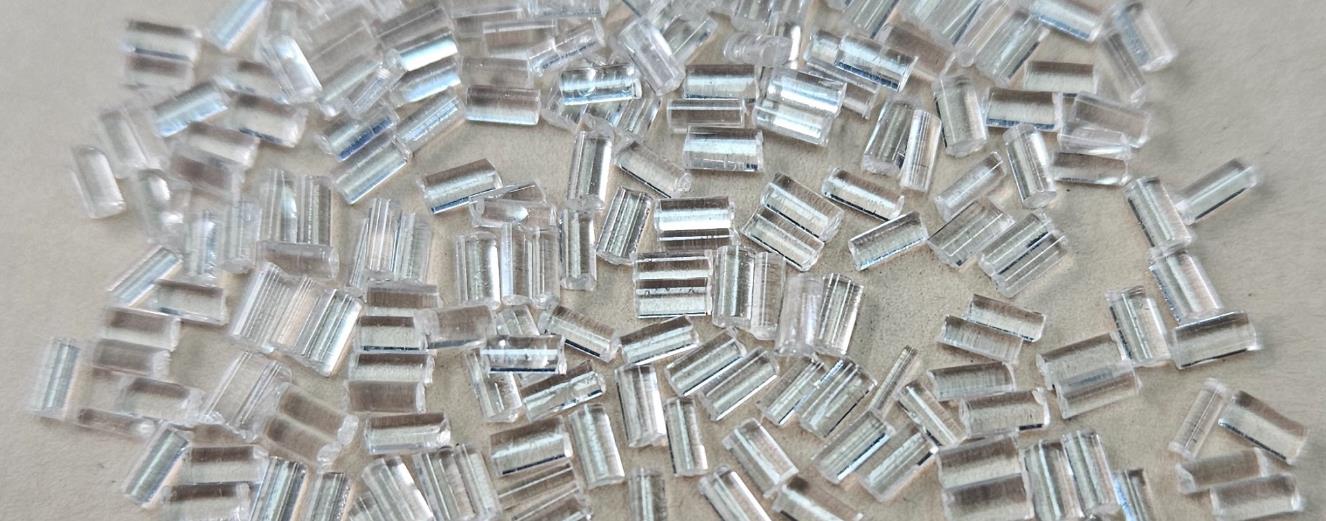
PET masterbatch is usually a milky white or light yellow granular material with high glossiness and transparency. Its density is about 1.38-1.41g/cm ³, with good dimensional stability and mechanical strength. At the same time, it has excellent chemical corrosion resistance and can resist the erosion of most acids, alkalis, and organic solvents. But in high temperature and high humidity environments, hydrolysis reactions may occur. The melting point of PET masterbatch is relatively high, generally around 250-260 ℃, and it has good thermal stability. It can maintain good physical properties within a certain temperature range. Its glass transition temperature is about 70-80 ℃. PET masterbatch has good processing performance and can be processed into various plastic products through various molding processes such as extrusion, injection molding, blow molding, etc. During the processing, it is necessary to strictly control process parameters such as temperature and humidity to ensure product quality.
Features
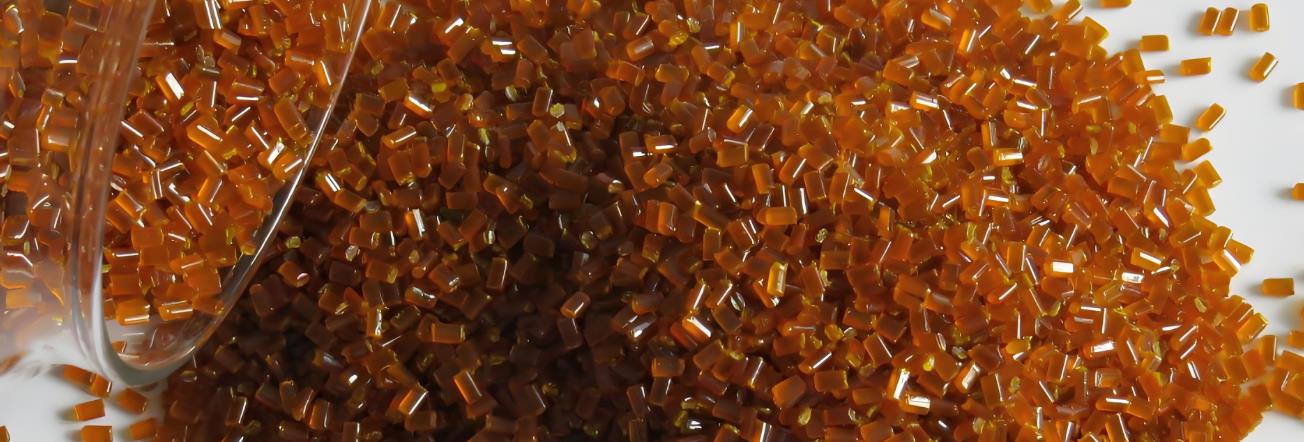
PET masterbatch is a concentrated particle made of polyethylene terephthalate (PET) as a carrier, which concentrates a high proportion of functional fillers, additives or pigments. Its core value is to adapt to the high temperature resistance and high crystallization characteristics of PET, accurately solve its processing pain points and performance shortcomings. Its characteristics revolve around “PET substrate compatibility, high temperature processing stability, and functional specificity”, combining the advantages of universal masterbatch with PET exclusive adaptability.
1. Strong high-temperature resistance and adaptability (PET exclusive core advantage)
The processing temperature of PET can reach up to 260-290 ℃, and ordinary masterbatch is prone to decomposition and failure. Targeted optimization of PET masterbatch:
Both the carrier and functional components are made of high temperature resistant materials (such as high temperature resistant color powder and heat stable setting aids), which do not decompose or evaporate in the processing range of 260-290 ℃, and have no irritating odor, ensuring the stability of the masterbatch function;
Heat stabilizers (such as phosphites) have strong compatibility with PET molecular chains, which can inhibit oxidative degradation at high temperatures, avoid yellowing of products, and reduce mechanical properties;
Adapting to the crystallization characteristics of PET, some masterbatches (such as nucleating masterbatches) can regulate the crystallization rate, while balancing processing fluidity and finished product heat resistance (thermal deformation temperature can reach 120-150 ℃).
2. Flexible customization of functions, covering PET full scene requirements
PET masterbatch can be precisely formulated according to different scenarios such as packaging, engineering, and textile, covering basic coloring to high-end modification
Basic functions: coloring (food contact grade masterbatch), cost reduction filling (talc/calcium carbonate filling), crystallization regulation (nucleation masterbatch);
Enhanced functions: enhanced (glass fiber/carbon fiber reinforcement, improves rigidity and strength), flame retardant (halogen-free/bromine based flame retardant, suitable for electronic components), weather resistant (UV resistant masterbatch, extends outdoor product life), anti-static (for electronic packaging);
Composite functions: coloring+cooking resistance (food packaging), reinforcement+flame retardancy (engineering components), nucleation+toughening (thin-walled products), reducing the types of masterbatch added and simplifying production.
3. High processing convenience, solving the pain points of PET processing
PET melt has high viscosity and slow crystallization rate, and direct addition of additives can easily lead to uneven dispersion and processing difficulties. Targeted solutions for PET masterbatch include:
The granular form is easy to measure and mix, and after being mixed with pure PET slices in proportion (1% -30%), it can directly enter extrusion, injection molding, bottle blowing, spinning and other equipment without adjusting process parameters;
The functional components are pre dispersed to form a stable system with the PET carrier, avoiding problems such as color spots, filler aggregation, and additive precipitation, and improving processing stability (such as continuous spinning during spinning and uniform wall thickness during bottle blowing);
Compatible with PET full processing technology: from food packaging bottles (blow molding), films (extrusion), engineering accessories (injection molding) to textile fibers (spinning), with strong versatility.
4. Stable and uniform performance, ensuring consistency in mass production
Accurate and controllable formula: The fluctuation of functional ingredient content in the same batch of masterbatch is ≤ 3%, ensuring consistent color, rigidity, heat resistance and other indicators of PET products produced in bulk (such as uniform color of beverage bottles and stable strength of engineering parts);
Uniform dispersion of functional components: Color powder, fillers, and additives form a stable dispersion system in the masterbatch, avoiding the appearance of color spots, pockmarks, and mechanical property fragmentation in the product (such as reinforcing the masterbatch without glass fiber agglomeration and uniform rigidity);
Good storage stability: The functional components are wrapped in PET carrier, reducing contact with air and moisture, and can maintain stable performance even after being stored at room temperature for more than 1 year without moisture absorption or clumping.
5. The carrier has excellent compatibility and does not damage the original performance of PET
The carrier is selected with resin that matches the target PET substrate (homopolymer PET, copolymer PET, recycled PET), with 100% compatibility, and does not affect the high rigidity, chemical resistance (acid and alkali resistance, oil and grease resistance), and transparency of PET itself (transparent PET masterbatch can retain over 90% light transmittance);
Not interfering with the core performance of PET: Enhancing/filling masterbatch does not reduce the heat resistance of PET, toughening masterbatch does not sacrifice rigidity, and only focuses on targeted strengthening of target functions (such as toughening masterbatch for thin-walled products, which increases impact strength by more than 50% and maintains the same hot deformation temperature).
6. Excellent environmental compliance and adaptability to high demand scenarios
The selection of additives strictly complies with environmental standards: food contact grade masterbatch uses FDA and GB 4806 certified color powders and additives, which are free of heavy metals and odors, and can be used for beverage bottles, food packaging films, etc;
Support recycling: Good compatibility with PET recycled materials, does not affect the processing performance and product quality of recycled materials, and helps promote circular economy;
Halogen free flame retardant, environmentally friendly reinforcement and other types of masterbatch, compliant with RoHS and REACH standards, suitable for high-end fields such as electronics and automobiles.
7. Targeted solutions to pain points in PET products
PET natural short board: slow crystallization (long processing cycle) → nucleation masterbatch shortens molding cycle by 30% -50%;
Excessive rigidity and insufficient toughness → Toughened masterbatch (POE-g-MAH, elastomer modification) enhances low-temperature impact strength;
Transparent products are prone to yellowing → anti yellowing masterbatch+high-temperature resistant color powder ensures long-term use without fading;
Insufficient strength of engineering components → Glass fiber/carbon fiber reinforced masterbatch, with a 60% -120% increase in tensile strength, replacing some metal components.
8. Wide adaptability, covering the core application areas of PET
Suitable substrates: homopolymer PET (food packaging, spinning), copolymer PET (thin-walled products, engineering parts), recycled PET (recycled packaging, building materials);
Application scenarios: food packaging (beverage bottles, packaging films, heat-resistant bags), electronic appliances (flame-retardant shells, anti-static packaging), automotive industry (reinforced PET accessories, interior parts), textile fibers (colored PET silk, functional fibers), building materials (PET sheets, pipes).
The core characteristics of PET masterbatch can be summarized as follows: high temperature stability, customized full coverage of functions, convenient processing to relieve pain points, and wide environmental compliance and adaptability. It not only solves the natural pain points of high processing temperature, slow crystallization, and complex formula of PET, but also empowers product functional upgrades in a low-cost and high-efficiency manner. It is a key material for the development of PET products from “universal grade” to “high-end and functional”, and is widely used in core fields such as food packaging, electronics, automobiles, and textiles.
Classification
PET masterbatch can be classified into various types according to different classification criteria. The following are some common classification methods and specific types:
Classified by purpose
Fiber grade PET masterbatch: mainly used for the production of various polyester fibers, such as long and short fibers for textile and clothing, as well as high-strength yarns for industrial use. This type of masterbatch has strict requirements for molecular weight and its distribution, viscosity, and other indicators to ensure the strength, toughness, spinnability, and other properties of the fibers.
Bottle grade PET masterbatch: used for manufacturing packaging bottles, such as beverage bottles, food bottles, etc. Require the masterbatch to have high transparency, good barrier properties, low acetaldehyde content, and other characteristics to ensure the quality and safety of the packaging contents, while meeting the processing performance requirements of the preform.
Film grade PET masterbatch: used for producing various plastic films, including packaging films, electronic films, etc. Film grade PET masterbatch needs to have excellent tensile properties, optical properties, and thermal stability to meet the performance requirements of the film in processes such as stretching, printing, and lamination.
Engineering plastic grade PET masterbatch: used for manufacturing engineering plastic products such as electronic appliances and automotive components. This type of masterbatch usually requires the addition of various additives, such as reinforcing agents, flame retardants, toughening agents, etc., to improve its mechanical strength, heat resistance, flame retardancy, and other properties, meeting the requirements of engineering applications.
Classify based on characteristics
Conventional PET masterbatch: It has ordinary physical and chemical properties and meets the basic requirements for general use, such as the production of conventional fibers, films, bottle products, etc.
Modified PET masterbatch: By adding different additives or using special production processes, PET is modified to have special properties. Common types of modifications include:
Flame retardant PET masterbatch: Added flame retardant to give PET good flame retardant properties, widely used in fields such as electronics and automotive interiors that require fire safety.
Toughened PET masterbatch: Adding toughening agents to improve the toughness and impact resistance of PET, suitable for manufacturing products that require significant external forces.
Heat resistant PET masterbatch: After special treatment or the addition of heat-resistant additives, the thermal deformation temperature and thermal stability of PET are improved, making it suitable for applications in high-temperature environments.
Anti static PET masterbatch: Adding anti-static agents to reduce the surface resistance of PET and prevent static electricity accumulation. It is commonly used in electronic device packaging, film and other fields to avoid damage to products caused by static electricity.
Classify by color
White PET masterbatch: It is the most common color, with high transparency and good appearance, suitable for products with low color requirements or requiring subsequent dyeing, such as ordinary fiber, film, and bottle products.
Colored PET masterbatch: By adding color masterbatch or using special dyeing processes, various colors of PET masterbatch are produced, such as black, red, blue, etc. Colored PET masterbatch can be directly used to produce products with specific color requirements, reducing subsequent dyeing processes, improving production efficiency, and ensuring color uniformity and stability.
Production process of PET masterbatch
1. Raw material preparation:
Purified terephthalic acid (PTA): requires high purity and low impurity content, usually with a purity of 99.5% or higher. The quality of PTA directly affects the quality of PET masterbatch, and indicators such as carboxyl content and metal ion content need to be strictly controlled.
Ethylene glycol (EG): Purity is generally required to be above 99.8%, with low moisture content. Impurities in EG can affect the progress of the reaction and the performance of PET, such as aldehyde impurities that may cause branching or cross-linking of PET molecular chains.
Additives: Depending on product performance requirements, catalysts, stabilizers, matting agents, etc. may be added. The commonly used catalysts include antimony based, germanium based, and titanium based catalysts, such as antimony trioxide, with a typical addition amount of 200-500 ppm. Stabilizers can prevent thermal oxidative degradation of PET during processing and use, while matting agents such as titanium dioxide can reduce the glossiness of PET.
2. Esterification reaction:
Feed: Put PTA and EG in a certain molar ratio (usually 1:1.2-1:1.3) into the esterification reactor.
Heating and pressurization: Under stirring conditions, gradually raise the temperature to 220-260 ℃ while applying a pressure of 0.2-0.3MPa.
Reaction proceeds: PTA and EG undergo esterification reaction, producing dihydroxyethyl terephthalate (BHET) and water. During the reaction process, the generated water is continuously removed through a distillation device to promote the reaction towards the positive direction. The conversion rate of esterification reaction is usually required to reach over 95%.
3. Pre condensation reaction:
Transfer to the pre condensation kettle: After the esterification reaction is completed, transfer the reactants to the pre condensation kettle.
Reduce pressure: Gradually reduce the pressure inside the reaction vessel to 0.05-0.1MPa, while raising the temperature to 270-275 ℃.
Preliminary condensation: At lower pressure and higher temperature, BHET molecules begin to undergo condensation reactions, forming oligomers. The pre polymerization reaction time is generally 1-2 hours, at which point the intrinsic viscosity of the polymer reaches 0.2-0.4 dL/g.
4. Final condensation reaction:
Transfer to the final condensation kettle: Transfer the pre condensation product to the final condensation kettle.
High vacuum condensation: Further increase the reaction temperature to 275-280 ℃, while reducing the pressure inside the reaction vessel to a high vacuum state of 10-30Pa. Under high vacuum, the hydroxyl and carboxyl groups between oligomer molecules continue to undergo condensation reactions, causing the molecular chains to continuously grow and form high molecular weight PET.
Control reaction endpoint: The reaction endpoint is controlled by online detection of the intrinsic viscosity of the polymer. Generally, the intrinsic viscosity of PET masterbatch is required to be between 0.6-0.85dL/g. The final condensation reaction time is usually 2-4 hours.
5. Granulation:
Melt extrusion: The PET melt that meets the quality requirements is extruded from the bottom of the final condensation kettle and transported to the granulator through the melt pipeline.
Underwater or air-cooled granulation:
Underwater granulation: The melt is extruded into thin strips underwater through a die, and then cut into granules by a rotating cutter. The particles are cooled in water and transported to the dehydration and drying system. The particles produced by this method have regular shapes, smooth surfaces, and uniform particle sizes.
Air cooled pellet cutting: After the melt is extruded from the die, it is naturally cooled into strips in the air, and then cut into pellets by a cutting knife. The air-cooled granulation equipment is simple, but the particle surface may not be smooth enough and the particle size uniformity is relatively poor.
6. Post processing:
Drying: The PET masterbatch after granulation contains a certain amount of moisture and needs to be dried. The commonly used drying methods include hot air drying and dehumidification drying. The drying temperature is generally between 150-180 ℃, and the drying time is 3-8 hours to reduce the moisture content of the masterbatch to below 0.05%.
Screening: The dried mother particles are screened using equipment such as vibrating screens or rotating screens to remove oversized or undersized particles and possible impurities, ensuring uniform particle size distribution of the product.
Packaging: PET masterbatch that meets quality standards is packaged in plastic bags or ton bags to prevent moisture absorption and external contamination.
Formula ratio
The formula ratios of different types of PET masterbatch may vary depending on the manufacturer and specific product requirements. The following are the approximate formula ratio ranges and main ingredient descriptions of some common types of PET masterbatch:
Fiber grade PET masterbatch
Main components and ratios:
Polyethylene terephthalate (PET): usually accounting for about 90% -99%, it is the main component of the masterbatch and determines the basic properties of the fiber, such as strength, melting point, chemical resistance, etc.
Additives: Overall accounting for 1% -10%. Including matting agents (such as titanium dioxide, usually added in an amount of 0.1% -2%), used to adjust the glossiness of fibers; Heat stabilizers (such as phosphate esters, added in an amount of about 0.1% -0.5%) are used to prevent PET from degrading due to high temperatures during processing; Lubricants (such as fatty acid esters, usually added in an amount of 0.1% -0.3%) improve the processing performance of fibers and reduce friction.
Bottle grade PET masterbatch
Main components and ratios:
PET: The content is generally around 98% -99.5%, requiring high purity and specific molecular weight distribution to ensure the processing performance of the preform and the physical properties of the bottle, such as transparency, strength, and barrier properties.
Additives: accounting for 0.5% -2%. Among them, acetaldehyde inhibitors (such as cobalt salts, manganese salts, etc., with an addition amount of about 0.01% -0.1%) are used to reduce the acetaldehyde content in bottle grade PET and prevent beverage and other packaging contents from being contaminated by acetaldehyde; Crystallization nucleating agents (such as sodium benzoate, usually added in an amount of 0.05% -0.2%) can accelerate the crystallization rate of PET, improve production efficiency and bottle quality.
Film grade PET masterbatch
Main components and ratios:
PET: Usually accounting for 97% -99%, there are strict requirements for its molecular weight and molecular weight distribution to ensure that the film has good tensile, optical, and mechanical properties.
Additives: accounting for 1% -3%. Including lubricants (such as oleic acid amide, etc., with a general addition amount of 0.05% -0.2%), reducing the friction coefficient of the film surface and preventing the film from sticking during winding and use; Anti adhesive agents (such as diatomaceous earth, with an addition amount of about 0.1% -0.5%) can improve the anti adhesive properties of the film, which is beneficial for the storage and transportation of the film; UV absorbers (such as benzophenones, usually added in an amount of 0.1% -0.3%) are used to prevent the film from aging due to UV exposure during outdoor use.
Flame retardant PET masterbatch
Main components and ratios:
PET: The basic content is generally around 70% -90%.
Flame retardants: The addition amount is usually 10% -30%. Commonly used flame retardants include phosphorus based flame retardants (such as phosphate esters), halogen based flame retardants (such as decabromodiphenyl ether, but their use is gradually limited due to environmental issues), and inorganic flame retardants (such as magnesium hydroxide, aluminum hydroxide, etc.). In order to improve the compatibility and dispersibility of flame retardants with PET, an appropriate amount of compatibilizer (such as maleic anhydride grafted polyethylene, etc., with an addition amount of about 1% -3%) is sometimes added.
Toughened PET masterbatch
Main components and ratios:
PET: The content is about 80% -95%.
Toughening agent: The addition amount is generally between 5% and 20%. Common toughening agents include ethylene octene copolymer (POE), nitrile rubber (NBR), thermoplastic polyurethane elastomer (TPU), etc. At the same time, in order to improve the interfacial adhesion between toughening agents and PET, some coupling agents (such as silane coupling agents, usually added in an amount of 0.5% -2%) may be added.
The above formula ratios are for reference only. In actual production, manufacturers will optimize and adjust based on specific performance requirements, production processes, and cost factors of the product.
Production equipment
The production process of PET masterbatch involves various machinery and equipment, and the following are the main production machines and their functions:
1. Reactor
Esterification reactor: It is the place where PTA and EG undergo esterification reaction. It is usually made of stainless steel material and has good corrosion resistance and sealing properties. It is equipped with a stirring device, heating system, feed inlet, discharge outlet, water separator, etc., to ensure that the reactants are fully mixed and uniformly heated, so that the esterification reaction can proceed smoothly.
Pre condensation reaction kettle: used for preliminary condensation reaction, with a structure similar to esterification reaction kettle, but with higher requirements for stirring intensity, temperature and pressure control accuracy to meet the conditions of pre condensation reaction and promote the formation of oligomers.
Final condensation reactor: It is a key equipment for forming high molecular weight PET. It is necessary to have high vacuum maintenance ability, precise temperature and stirring control to achieve deep condensation reaction and make PET molecular weight meet product requirements.
2. Heat exchanger
Esterification heat exchanger: used to control the reaction temperature during the esterification reaction process, by circulating heat medium or cooling water to regulate the temperature of the materials in the reaction kettle, ensuring that the esterification reaction proceeds within an appropriate temperature range.
Condensation heat exchanger: It plays a similar role in pre condensation and final condensation reactions, and can also be used to recover heat during the reaction process, improving energy utilization efficiency.
3. Fractionation tower
Used to separate the water generated in the esterification reaction from the unreacted EG. Through the distillation action of the fractionation tower, the water is discharged from the top of the tower, and the EG is refluxed to the reaction kettle to continue participating in the reaction, in order to improve the conversion rate of the reaction.
4. Vacuum pump
During the pre condensation and final condensation reaction stages, a vacuum pump is required to reduce the pressure inside the reaction vessel, create a high vacuum environment, promote the discharge of small molecule by-products, and push the condensation reaction towards the direction of generating high molecular weight PET.
5. Granulator
Underwater granulator: composed of die head, cutter, water chamber, drying system, etc. After the PET melt is extruded from the die, it is cut into particles by a high-speed rotating cutter underwater. The particles are cooled in water and transported to a drying system to produce PET masterbatch with regular shape and smooth surface.
Air cooled granulator: mainly includes extrusion die, cutting device, and cooling air system. The molten material is naturally cooled into strips in the air after extrusion, and then cut into particles by a cutting knife. The structure of an air-cooled granulator is relatively simple, but the appearance and size uniformity of the particles are not as good as those of an underwater granulator.
6. Drying equipment
Hot air circulation dryer: uses circulating hot air to dry PET masterbatch. By heating the air to a certain temperature, it fully contacts with the masterbatch in the drying room and removes moisture. It has the advantages of uniform drying and easy temperature control, but the drying time is relatively long.
Dehumidification dryer: uses a desiccant to adsorb moisture from the air, providing low humidity dry air to dry the masterbatch. It can effectively reduce the moisture content of the masterbatch and has a higher drying efficiency, but the equipment and operating costs are relatively high.
7. Screening equipment
Vibration screen: By using a vibration motor to generate high-frequency vibration on the screen, the mother particles bounce on the screen, and are classified according to their size to screen out oversized or undersized particles and impurities, ensuring the uniformity of the product’s particle size.
Rotating sieve: using a rotating sieve cylinder for screening, the mother particles enter the sieve cylinder from the feeding port. During the rotation process, particles that meet the particle size requirements fall through the sieve holes, while those that do not meet the requirements are discharged from the other end. It is suitable for screening operations in large-scale production.
8. Measuring and conveying equipment
Measurement pump: used for precise measurement and transportation of PTA, EG and other raw materials as well as PET melt, ensuring that each raw material is accurately fed into the reaction kettle in a certain proportion, and the melt is stably transported in the pipeline.
Material conveying pipeline: made of materials such as stainless steel or polytetrafluoroethylene, with good corrosion resistance and wear resistance, used to connect various production equipment, achieve automated material conveying, and reduce errors and pollution caused by manual operation.
Pneumatic conveying system: using compressed air to transport PET masterbatch from the granulator to drying equipment, screening equipment or packaging equipment, it has the advantages of high conveying efficiency, cleanliness and hygiene, and is suitable for long-distance transportation of granular materials.
PET masterbatch extruder
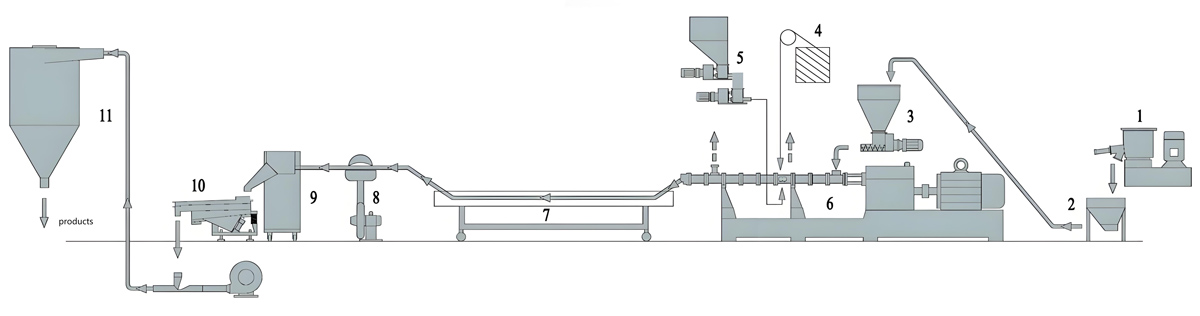
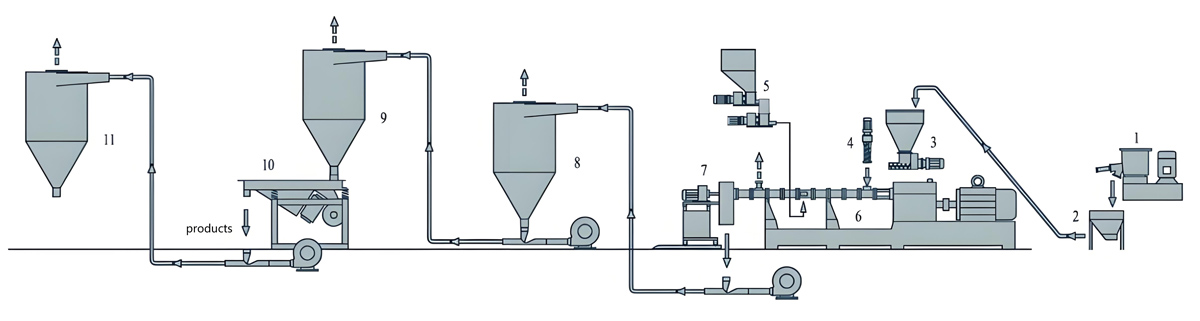
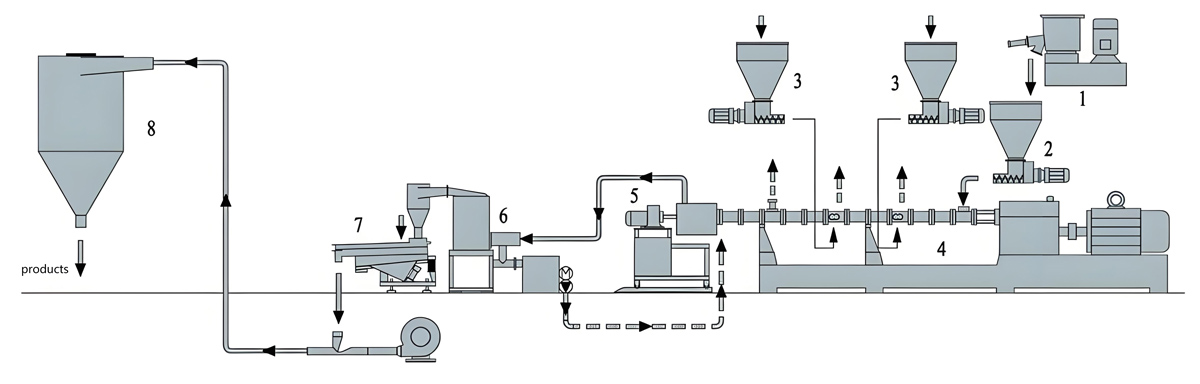
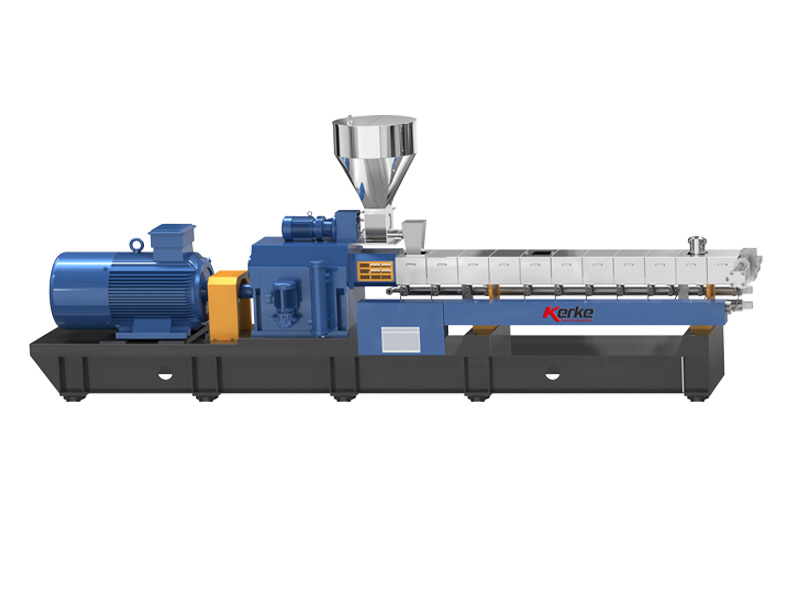
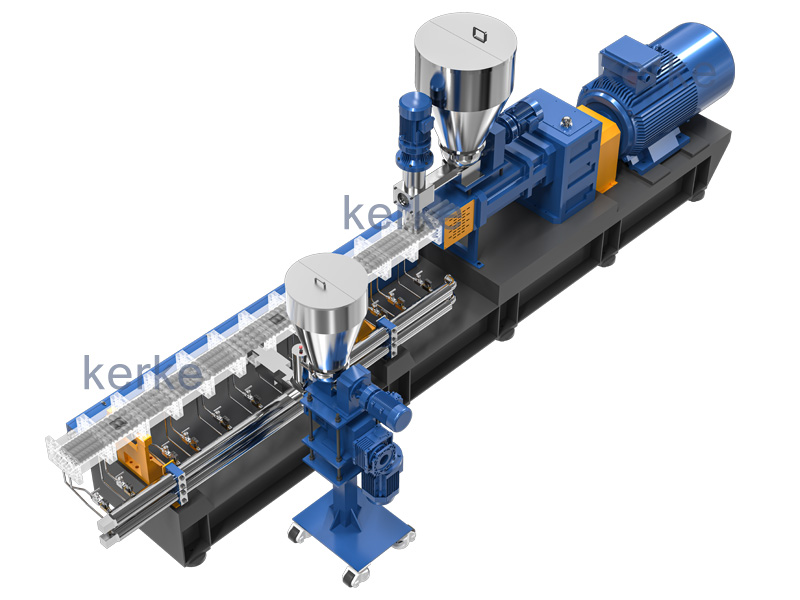
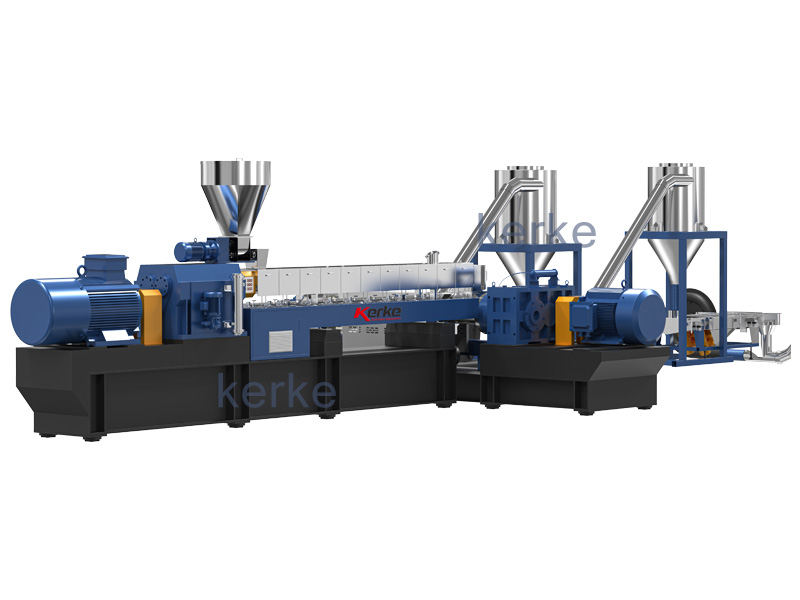
Kerke’s masterbatch extruder can be used to produce PET masterbatch. Our PET masterbatch extruder has multiple models to choose from, which can meet different production requirements.
-

Laboratory Twin Screw Extruder
When will you need a lab twin screw extruder? If you want to make trials and tests of…
-
Twin Screw Extruder
Our Parallel Co-rotating twin screw extruder is designed for compounding and masterbatch making with an output capacity from…
-
Triple (3 screws) Extruder
3 Screws extruder is a new technology that has many advantages. The triple screw extruder is mainly used…
-
Double-Stage Extrusion System
Mother-baby extrusion system is designed for special materials which can not process on one stage extruder, the first…
-
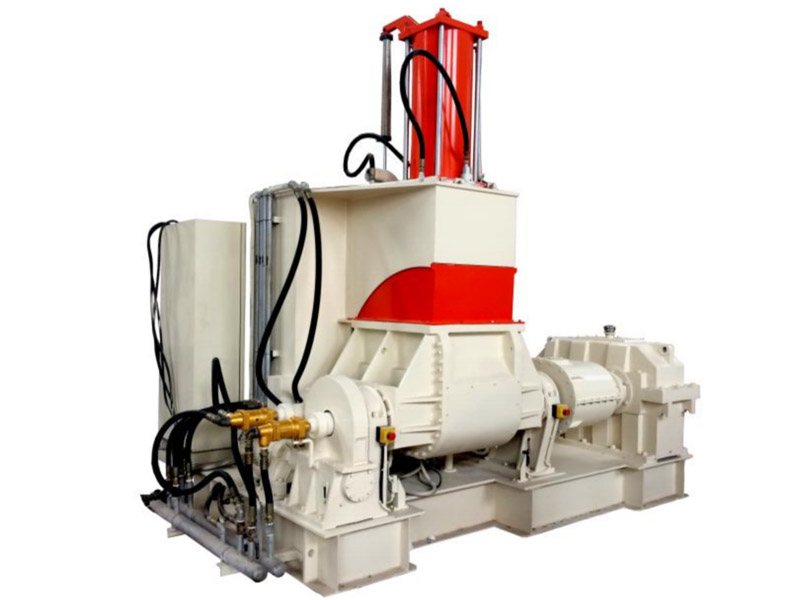
Banbury Kneader Compounding Line
Our kneader + extruder is designed for making special applications with an output capacity from 30kg/h to 1000kg/h.…
-
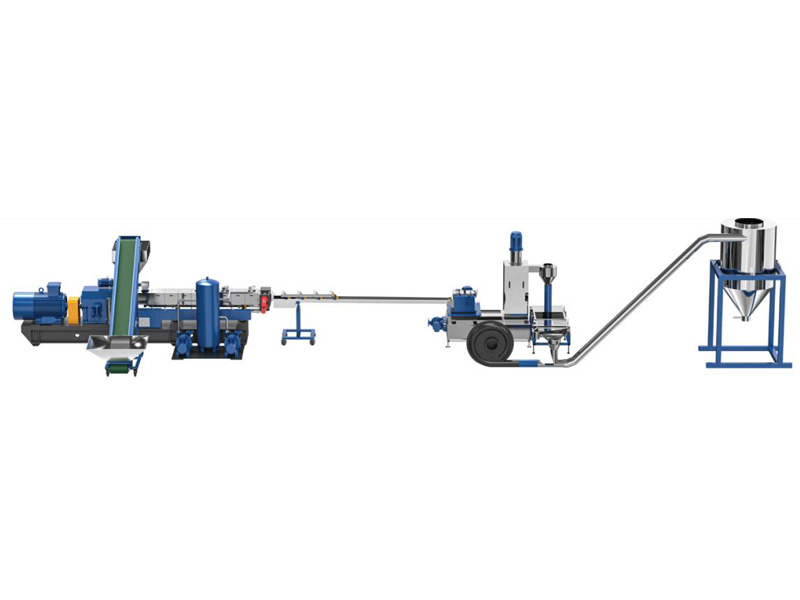
Cutting System / Pelletizing System
Different material needs different cutting system, Kerke provides all kinds of cutting system, here is the explanation of…
Related requirements
The production of PET masterbatch requires the extruder to meet the following requirements:
Temperature control:
The melting temperature of PET particles should be controlled within the range of 240 ° C to 280 ° C, and heating should be as uniform as possible to avoid insufficient annealing or excessive extrusion caused by uneven heat distribution.
The extruder should be equipped with a high-precision temperature control system to ensure that the temperature of each heating section is stable and meets the process requirements.
Screw design:
The design of the screw should provide good plasticization and uniform melt flow. For PET materials, the aspect ratio and diameter of the screw need to be selected according to production requirements. Generally, larger screw diameters can handle more materials, but equipment volume and energy consumption will also increase.
The rotational speed of the screw also needs to be precisely controlled. A higher rotational speed can improve production efficiency, but it can also increase equipment wear and energy consumption, and may lead to excessive material shearing and heating.
Extruder type:
Twin screw extruders are commonly used in the production of PET masterbatch, especially co rotating twin screw extruders, due to their excellent mixing and plasticizing effects.
For specific production needs, such as high-yield or special performance PET masterbatch, it may be necessary to choose extruders with special screw structures or configurations.
Equipment performance and stability:
The extruder should have high torque and stable operating performance to ensure stable operation when processing PET materials with high viscosity or high filling volume.
The equipment should have good wear resistance and corrosion resistance to withstand high temperature, high pressure, and material friction.
Cooling system:
The extruder should be equipped with an effective cooling system to ensure that the PET melt can quickly cool and solidify after extrusion, maintaining the dimensional stability and surface quality of the product.
Other considerations:
The material barrel structure of the extruder should have good heating and cooling performance to ensure that the material can be processed within a suitable temperature range.
For the production of specific functional PET masterbatch (such as flame retardant, antibacterial, etc.), extruders may require special feeding systems or mixing devices to ensure uniform dispersion of functional additives.
Common problems and solutions
The core process of PET masterbatch production is the same as that of general masterbatch (raw material pretreatment → mixing → melt extrusion → granulation → cooling and drying → screening and packaging), but due to the extremely high processing temperature (260-290 ℃), strong moisture absorption, sensitive crystallization rate, high melt viscosity, and the frequent addition of special components such as glass fiber and nucleating agents, the problems focus on “high-temperature degradation prevention and control, moisture control, dispersion uniformity, and crystallization regulation”, which form the core differences from PE/PVC masterbatch. The following are classified and sorted according to the production process.
I. Raw materials and mixing process: hidden dangers at the source of PET masterbatch functional failure
1. Moisture absorption of raw materials (core issue exclusive to PET)
Performance: There are bubbles and pinholes in the cross-section of the masterbatch, and during subsequent processing, the product may have silver lines, brittle cracks, and even produce acetaldehyde odor (fatal in food packaging scenarios);
Cause: The moisture content of PET carrier slices and functional components (color powder, glass fiber, fillers) is greater than 0.05%. After PET absorbs moisture, the moisture evaporates at high temperatures, damaging the molecular chain structure and causing uneven dispersion of functional components;
Solution: ① Thoroughly dry the raw materials: PET slices are dried at 120-140 ℃ for 4-6 hours, color powder/filler is dried at 100-120 ℃ for 4 hours, glass fiber is dried at 80 ℃ for 2 hours, ensuring a moisture content of ≤ 0.03%; ② Prevent secondary moisture absorption after drying: The dried raw materials are immediately transferred to a sealed hopper, and a moisture-proof cover is installed on the mixer. The mixing time is controlled within 30 minutes; ③ The mixer is equipped with an exhaust port to discharge the moisture adsorbed during the mixing process in real time.
2. Insufficient high temperature resistance of functional components (PET specific high-frequency problem)
Performance: Stimulating odor is produced during extrusion, the color of the masterbatch turns yellow/black (color masterbatch fades), and the functional effect is weakened (such as a decrease in the flame retardant grade of the flame retardant masterbatch, and the failure of the UV resistant masterbatch);
Cause: ① The thermal decomposition temperature of functional components is lower than the PET processing temperature (260-290 ℃), such as ordinary organic color powders (thermal decomposition temperature<250 ℃) and low melting point flame retardants; ② High temperature reactions between additives (such as conflicts between some antioxidants and light stabilizers, accelerating decomposition);
Solution: ① Optimal selection of high-temperature resistant functional ingredients: phthalocyanine and inorganic pigments (thermal decomposition temperature ≥ 300 ℃) are selected as color powders, halogen-free high-temperature resistant flame retardants (such as ammonium polyphosphate, thermal decomposition temperature ≥ 280 ℃) are selected, and a complex system of hypophosphite esters (such as 168) and hindered phenols (such as 1010) is selected as antioxidants; ② Small batch high-temperature testing: Mix functional ingredients with PET slices in proportion, keep at 280 ℃ for 10 minutes, and verify whether they decompose or change color; ③ Control the mixing temperature to ≤ 60 ℃ to avoid premature triggering of component decomposition.
3. Aggregation of functional components (exacerbated by high viscosity of PET melt)
Performance: There are hard blocks of color powder, glass fiber bundles, and agglomerated particles of fillers in the masterbatch, and there are pockmarks and stripes on the surface of subsequent products, with fluctuations in mechanical properties (such as uneven rigidity of the reinforced masterbatch);
Cause: ① Functional components have not undergone surface treatment (such as glass fibers not coated with silane coupling agents, fillers not modified), resulting in poor compatibility with PET carriers; ② Insufficient dosage of dispersant (less than 10% of the functional component mass), high viscosity of PET melt, and inability to fully encapsulate hard particles; ③ Insufficient mixed shear force (rotation speed<600r/min), and the agglomerated particles have not been dispersed;
Solution: ① Functional component pretreatment: Surface modification of glass fiber with 1% -2% silane coupling agent, modification of filler with titanium ester coupling agent (1% -3%), pre dispersion of color powder with a small amount of PET powder; ② Dispersant optimization: Select PET specific dispersants (such as EVA wax PET oligomer), Increase the dosage to 15% -25% of the functional ingredients (glass fiber needs to be increased to 20% -30%); ③ Enhanced mixing process: rotation speed of 700-900r/min, mixing time of 20-30 minutes, pre mix functional ingredients with dispersants for 10 minutes, and then add PET slices.
4. Uneven dispersion of nucleating agent (exclusive to crystalline PET masterbatch)
Performance: The crystallization rate of the masterbatch fluctuates greatly, and the subsequent product molding cycle is inconsistent (some fast, some slow), with poor dimensional stability (uneven shrinkage);
Cause: ① Insufficient (<0.5%) or excessive (>2%) dosage of nucleating agents (such as talc powder and sorbitol); ② The nucleating agent is not pre dispersed, and after agglomeration, it cannot uniformly induce PET crystallization;
Solution: ① Precise control of nucleating agent dosage: Add 0.8% -1.5% and pre mix with dispersant to make “concentrated masterbatch”, then mix with PET slices; ② Extend the pre dispersion time (15 minutes) during mixing to ensure uniform distribution of nucleating agents in the PET carrier.
II. Melt extrusion process: the core risk point of PET masterbatch processing
1. PET degradation (exclusive fatal issue)
Performance: During extrusion, acetaldehyde odor is released, the masterbatch turns yellow/black, there are burnt spots on the surface, the tensile strength decreases by more than 30%, and the subsequent products become brittle and the acetaldehyde content exceeds the standard (unqualified in food packaging scenarios);
Cause: ① Excessive extrusion temperature (barrel>290 ℃, die>300 ℃) or local overheating (temperature sensor failure); ② The aspect ratio of the screw is too small (<32), the plasticizing stroke is insufficient, and PET is extruded before it is fully melted; ③ Insufficient amount of heat stabilizer (<0.5%), unable to inhibit high-temperature oxidation degradation; ④ Unclean carbon deposits inside the barrel and contaminated materials;
Solution: ① Precise temperature control: segmented temperature control of the barrel (front section 260-270 ℃, middle section 270-280 ℃, end section 280-290 ℃), mold head 285-295 ℃, and regular calibration of temperature sensors; ② Optimize heat stabilizer: Add 0.8% -1.5% phosphite+hindered phenol compound antioxidant, and food grade masterbatch can be additionally added with 0.3% -0.5% acetaldehyde scavenger; ③ Equipment adjustment: Select a twin-screw extruder with a length to diameter ratio of ≥ 36 (strong shear+short residence time), control the screw speed at 150-200r/min, and reduce the residence time of PET in the barrel (≤ 3min); ④ Regular cleaning: Rinse the machine barrel with PET cleaning material and high-temperature resistant wax every 8 hours to remove carbon deposits.
2. Insufficient plasticization (under plasticization)
Performance: The surface of the masterbatch is rough and has a granular feel, with visible unmelted PET slices or undissolved functional components on the cross section. During subsequent processing, the mold head is blocked and there are pockmarks on the surface of the product;
Cause: ① Low extrusion temperature (< 260 ℃), incomplete melting of PET (PET melting point is about 255 ℃); ② Insufficient screw shear force (ordinary single screw or weak shear element), unable to overcome the high melt viscosity of PET; ③ The content of functional components is too high (such as glass fiber>40%, filler>50%), and PET melt cannot be completely coated;
Solution: ① Targeted heating: Raise the temperature at the end of the barrel to 285-290 ℃ and the mold head temperature to 290-295 ℃ to ensure complete melting of PET; ② Enhanced shearing: Use a twin-screw extruder with meshing shear elements, or add 0.5% -1% PET specific plasticizers (such as epoxy soybean oil, high-temperature resistant type); ③ Control the content of functional components: glass fiber ≤ 35%, filler ≤ 40%, excessive amount needs to increase the proportion of PET carrier.
3. Melt fracture (caused by high viscosity of PET melt)
Performance: The surface of the extruded material strip is uneven, rippled, and even broken, making it difficult to cut particles smoothly;
Cause: ① The mold head temperature is too low (<285 ℃), resulting in poor flowability of PET melt and high outlet resistance; ② The die gap is too small (<2mm), and the melt shear rate is too high; ③ Insufficient dispersant and excessive friction coefficient between the melt and the mold head;
Solution: ① Increase the mold head temperature by 5-10 ℃ to ensure smooth flow of the melt; ② Adjust the gap between the mold mouth to 2-3mm and match the diameter of the material strip; ③ Add 0.3% -0.5% high-temperature resistant lubricant (such as oxidized polyethylene wax, with a thermal decomposition temperature ≥ 300 ℃); ④ Stabilize the screw speed and avoid fluctuations in melt pressure (fluctuation range ≤ ± 5MPa).
4. Glass fiber exposure/equipment wear (exclusive for glass fiber reinforced PET masterbatch)
Performance: There are glass fiber burrs on the surface of the masterbatch, and subsequent products will have fiber formation and decreased mechanical properties; The screw and the inner wall of the barrel are severely worn, and the plasticization efficiency decreases after long-term production;
Cause: ① Glass fiber has not undergone surface modification, resulting in poor compatibility with PET carrier and inability to be completely encapsulated by the melt; ② Fiberglass has high hardness (Mohs hardness 7), and long-term friction scratches the screw barrel; ③ If the extrusion temperature is too high, the viscosity of the PET melt decreases, and the wrapping force on the glass fiber weakens;
Solution: ① Glass fiber pretreatment: Coating with silane coupling agent (1% -2%) to enhance the interfacial bonding strength with PET; ② Equipment protection: Double alloy screw/barrel (WC Co coating, wear-resistant and corrosion-resistant) is selected, and an 80 mesh filter element is installed on the mold head to intercept undissolved fiberglass bundles; ③ Control the extrusion temperature between 280-285 ℃ to avoid insufficient wrapping force caused by low melt viscosity.
III. Granulation and cooling process: core issues of PET masterbatch appearance and crystallization
1. Brittle/uneven crystallization of masterbatch (core pain point exclusive to PET)
Performance: Easy to break after cutting or during transportation, with a flat and non ductile cross-section; The crystallinity of the masterbatch fluctuates greatly (such as partial crystallinity of 25% and partial crystallinity of 35%), resulting in inconsistent molding cycles and uneven shrinkage of the product during subsequent processing;
Cause: ① PET degradation (molecular chain breakage), resulting in decreased toughness; ② The cooling rate is too fast (water temperature<20 ℃), and PET cannot crystallize in time, resulting in internal stress concentration; ③ Slow cooling rate (water temperature>40 ℃), excessive crystallization, and hard and brittle mother particles; ④ Uneven dispersion of nucleating agents and inconsistent crystallization induction;
Solution: ① Optimize extrusion temperature to avoid PET degradation; ② Accurate control of cooling process: The water temperature is 25-35 ℃, and the material strip stays in the cooling water tank for 30-40 seconds. The “water tank cooling+air cooling secondary cooling” is used to slowly crystallize PET and release internal stress; ③ Accurate addition of nucleating agents (0.8% -1.5%) ensures uniform dispersion and stable crystallization rate; ④ If necessary, add 1% -3% toughening agent (such as POE-g-MAH, high temperature resistant type) to enhance the toughness of the masterbatch.
2. Irregular grain cutting (caused by fluctuations in the hardness of the material strip)
Performance: uneven length of masterbatch (deviation>1mm), broken edges at both ends, burrs, and even breakage of the material strip during grain cutting;
Cause: ① Blunt cutting blade (due to wear of fiberglass/filler cutting blade) or excessive gap (>0.5mm); ② The traction speed is not synchronized with the cutting speed; ③ Uneven thickness of the material strip (due to uneven dispersion of functional components causing fluctuations in melt viscosity);
Solution: ① Knife optimization: Use a hard alloy knife, polish it every 8 hours, and adjust the distance between the knife and the mold mouth to be less than 0.5mm; ② Parameter matching: Traction speed of 1-2m/min, cutting machine speed of 600-800r/min, ensure uniform length of the masterbatch (2-3mm); ③ Adjust the gap between the mold heads to ensure that the diameter deviation of the material strip is ≤ 0.2mm, and replace the mold head filter element if necessary.
3. Mother particle adhesion/agglomeration (caused by insufficient cooling)
Performance: After cutting, the mother granules adhere to each other, forming large blocks that cannot be separated during screening;
Cause: ① The cooling water temperature is too high (>35 ℃), the surface temperature of the material strip has not dropped below 60 ℃, and there is still viscosity after cutting; ② Insufficient secondary drying, residual moisture on the surface of the masterbatch, and moisture absorption and adhesion during storage; ③ Insufficient lubricant dosage and high friction coefficient on the surface of the masterbatch;
Solution: ① Reduce the cooling water temperature to 25-30 ℃, extend the air cooling time to 15-20 seconds, and ensure that the surface temperature of the masterbatch is ≤ 50 ℃; ② Secondary drying after cutting: Dry at 80-100 ℃ for 1-2 hours to ensure a surface moisture content of ≤ 0.03%; ③ Add 0.3% -0.5% high-temperature resistant lubricant (such as erucic acid amide, with a thermal decomposition temperature ≥ 280 ℃).
IV. Performance and subsequent use issues: Key pain points for PET masterbatch functional failure
1. The functional effect does not meet the standard (core failure issue)
Performance: ① Color masterbatch: insufficient coloring power (even with 8% addition, the color still appears light), high temperature fading; ② Enhanced masterbatch: tensile strength increased by<30%, insufficient rigidity (bending modulus<3000MPa); ③ Nucleation masterbatch: The molding cycle of PET products has not been shortened (still>60s); ④ Flame retardant masterbatch: not up to UL94 V0 level; ⑤ UV resistant masterbatch: fades and becomes brittle after 6 months of outdoor use;
Cause: ① Insufficient content of functional components (color powder<20%, glass fiber<30%, nucleating agent<0.8%, flame retardant<40%); ② High temperature decomposition or uneven dispersion of functional components; ③ Incorrect selection of additives (such as using ordinary nucleating agents to adapt to rapid prototyping scenarios);
Solution: ① Increase the concentration of functional components (color powder ≥ 25%, glass fiber ≥ 30%, nucleating agent 0.8% -1.5%, flame retardant ≥ 45%); ② Optimize dispersion process (adding dispersants, strong shear screws, pre dispersion steps); ③ Correct selection (choose sorbitol based nucleating agent suitable for rapid prototyping, choose benzophenone based high-temperature resistant type for UV resistance).
2. Poor compatibility with PET substrate (compatibility issue)
Performance: After mixing the masterbatch with pure PET slices for processing, the product may experience delamination, cracking, or a sharp decrease in processing flowability (due to a surge in melt viscosity, making it difficult to extrude/blow bottle smoothly);
Cause: ① Mismatch of carrier PET type (such as using homopolymer PET carrier to adapt to copolymer PET substrate, conflicting crystallization rates); ② Excessive content of functional components leads to a mismatch between melt viscosity and substrate; ③ No compatibilizer added (such as glass fiber reinforced masterbatch without silane coupling agent);
Solution: ① Strict matching between carrier and substrate (homopolymer PET carrier for homopolymer PET products, copolymer PET carrier for copolymer PET products); ② Control the proportion of masterbatch addition (color masterbatch 2% -8%, reinforcement masterbatch 10% -30%, nucleation masterbatch 1% -3%); ③ Targeted addition of compatibilizers (silane coupling agent for fiberglass, POE-g-MAH for toughening).
3. Excessive acetaldehyde content (exclusive for PET masterbatch in food packaging)
Performance: The masterbatch and subsequent products have an odor of acetaldehyde, with a detection content greater than 10ppm (the national standard limit for food packaging);
Cause: ① Degradation of PET carrier produces acetaldehyde (high processing temperature, long residence time); ② The raw materials are not completely dried due to moisture absorption, which accelerates the generation of acetaldehyde; ③ No acetaldehyde capture agent was added;
Solution: ① Strictly control the processing temperature (≤ 290 ℃) and shorten the residence time of PET in the barrel (≤ 3 minutes); ② Thoroughly dry the raw materials (moisture content ≤ 0.03%); ③ Add 0.3% -0.5% acetaldehyde scavenger (such as amine compounds); ④ After extrusion, the masterbatch is subjected to “formaldehyde removal treatment” (80 ℃ ventilation drying for 2 hours).
V. Exclusive issues and targeted solutions for different types of PET masterbatch
1. Fiberglass/carbon fiber reinforced PET masterbatch
Exclusive issues: glass fiber exposure, equipment wear and tear, uneven rigidity, and excessive acetaldehyde;
Solution: Pre treat the glass fiber with silane coupling agent and increase the dispersant dosage to 20% -30% of the glass fiber; Choose dual alloy screws/barrels, and install filter cartridges on the mold head; Control the extrusion temperature at 280-285 ℃ to shorten the residence time; Add acetaldehyde capture agent (food grade scenario).
2. Color masterbatch (food contact grade)
Exclusive issues: High temperature fading, acetaldehyde odor, and excessive heavy metals;
Solution: Choose phthalocyanine/inorganic high-temperature resistant color powder (thermal decomposition temperature ≥ 300 ℃), add 1% -1.5% compound antioxidant; Thoroughly dry the raw materials and strictly control the processing temperature to ≤ 285 ℃; Select FDA certified color powder and test for heavy metal (Pb/Cd/Hg, etc.) content ≤ 10ppm.
3. Nucleating masterbatch
Exclusive issues: Fluctuations in crystallization rate, uneven shrinkage rate of products, and inconsistent molding cycles;
Solution: Control the content of nucleating agent (sorbitol/talc powder) at 0.8% -1.5%, and pre mix it with dispersant to make concentrated masterbatch; Optimize the cooling process to ensure uniform crystallization; Small batch testing molding cycle, adjust the proportion of nucleating agent.
4. Flame retardant masterbatch (halogen-free type)
Exclusive issues: low flame retardant efficiency, high melt viscosity, and difficult processing;
Solution: Choose a synergistic system of ammonium polyphosphate and melamine (total content ≥ 45%), and add 5% -10% compatibilizer (such as PET-g-MAH); Raise the extrusion temperature to 285-290 ℃ and increase the lubricant dosage to 1% -2%; Open the vacuum exhaust to release the decomposed gas of the flame retardant.
VI. Key troubleshooting logic in the production process (quick identification of problems)
First, check the moisture content: whether the moisture content of the raw materials is ≤ 0.03%, whether the drying process meets the standards (temperature, time), and eliminate problems such as bubbles and excessive acetaldehyde;
Recheck the temperature: whether the extrusion temperature is within the range of 260-290 ℃, whether the die temperature matches, and whether it avoids degradation and insufficient plasticization;
Post check dispersion: whether the functional components have been pre treated (modified/pre dispersed), whether the dispersant dosage is sufficient, and whether aggregation and surface defects have been eliminated;
Finally, check the equipment: whether the screw/barrel is wear-resistant, whether the cutting blade is sharp, whether the vacuum exhaust is normal, and eliminate batch problems caused by the equipment;
Small scale verification: Conduct a 5-10kg small scale test before each batch to test the appearance of the masterbatch (no bubbles, brittleness), thermal stability (no yellowing at 280 ℃), and functional indicators (such as crystallization rate and flame retardant level). After passing the test, mass production will be carried out.
The core contradiction in the production of PET masterbatch is “high-temperature degradation prevention and control+moisture control+dispersion uniformity+crystallization regulation”. Most problems can be solved through “deep drying of raw materials (moisture content ≤ 0.03%), matching of high-temperature resistant formulas, precise temperature control (260-290 ℃), strong shear dispersion, and gradient cooling”. The key is to strictly control moisture and avoid a series of problems caused by moisture absorption; ② The functional components must be compatible with the PET high-temperature processing window; ③ Balancing plasticization and degradation to shorten the residence time of PET in the barrel; ④ Adjust the process according to the type of masterbatch (such as emphasizing wear-resistant equipment and glass fiber modification for enhanced masterbatch, and emphasizing acetaldehyde control and environmental compliance for food grade color masterbatch).
When producing in bulk, it is recommended to establish a “raw material process finished product” testing ledger to record drying parameters, extrusion temperature, screw speed, and finished acetaldehyde content/functional indicators for quick traceability and troubleshooting of repetitive issues.
Applications
PET masterbatch has excellent physical and chemical properties and is widely used in various fields. The following are some of the main application aspects:
Fiber field
Clothing and textile: PET masterbatch can be made into polyester fibers, which are used to produce various clothing fabrics. This type of fiber has the characteristics of being firm, wrinkle resistant, easy to wash and dry, and not deformed. It can also be blended with natural fibers to improve fabric performance, and is widely used in the production of shirts, jackets, sportswear, and more.
Home textile: In home textile products, PET fibers are used to manufacture bedding, curtains, sofa covers, etc. It can provide good warmth, softness, and wear resistance, making home textile products more durable and comfortable.
Industrial fibers: In the industrial field, PET fibers can be used to manufacture ropes, fishing nets, geotextiles, filter materials, etc. For example, geotextiles are used for reinforcement, isolation, and drainage in civil engineering, while filter materials are used for air and liquid filtration, utilizing the high strength, chemical resistance, and excellent filtration performance of PET fibers.
Packaging field
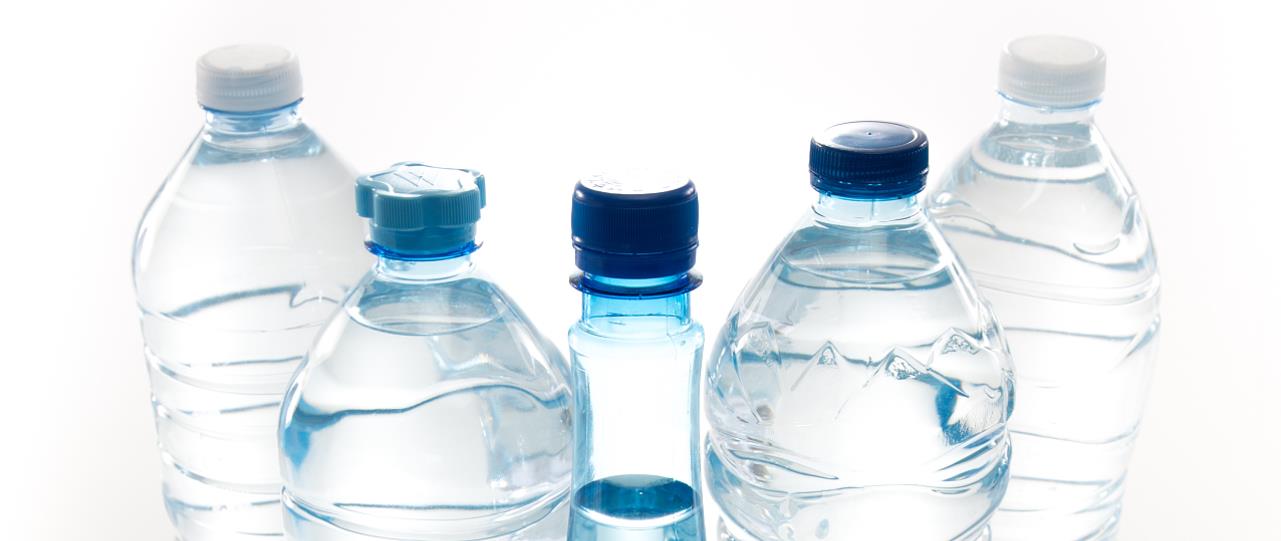
Bottle packaging: PET masterbatch is the main raw material for producing plastic bottles, especially for packaging beverages, food, cosmetics, and other products. PET bottles have the advantages of high transparency, good barrier properties, light weight, and resistance to breakage, which can effectively maintain the quality and taste of the contents, and are easy to recycle and reuse.
Film packaging: The PET film produced has excellent tensile strength, transparency, and glossiness, and can be used for food packaging, electronic device packaging, gift packaging, and more. At the same time, the performance of the film can be further improved through coating, composite and other processes to meet different packaging needs.
Engineering plastics field
Electronic appliances: PET masterbatch can be processed into engineering plastics, which are used to manufacture casings, components, etc. of electronic and electrical products. The casing of products such as televisions, computers, and mobile phones ensures their structural strength and safety by utilizing their excellent mechanical properties, insulation properties, and heat resistance.
Automotive components: In automotive manufacturing, PET engineering plastic can be used to produce instrument panels, door interior parts, engine covers, etc. It can reduce the weight of cars, improve fuel economy, and have good weather resistance and impact resistance.
Other areas
Medical field: PET material has biocompatibility and can be used to manufacture some medical products, such as medical sutures, artificial blood vessels, tissue engineering scaffolds, etc. After special treatment, PET fibers can also be used as wound dressings, with good breathability and water absorption.
In the field of optics, PET film can be used to manufacture optical components such as optical lenses, polarizers, and reflective films. Its excellent optical performance can meet the requirements of high-precision optical products and has important applications in fields such as liquid crystal displays and projectors.