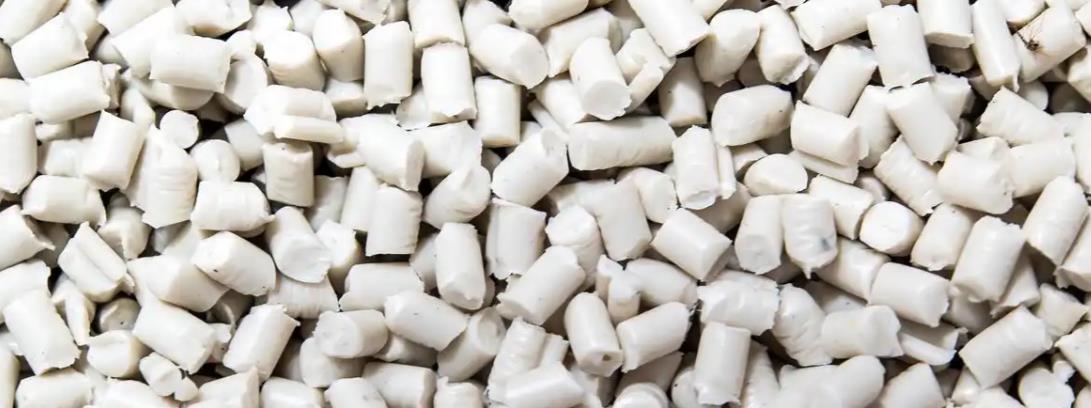
PS masterbatch is a granular product made by processing polystyrene (PS) resin as a carrier, adding various pigments, additives, etc.
Type
There are various types of PS masterbatch, and the following are some common classifications and specific types:
Classification by function
Coloring masterbatch
Colored masterbatch: This is the most common type of colored masterbatch, which can make PS products present various bright colors such as red, yellow, blue, green, etc. by adding pigments or dyes of different colors. Widely used in daily necessities, toys, home appliance shells and other fields to meet the appearance color requirements of different products.
White masterbatch: mainly used for producing white PS products, such as white plastic cups, white household appliance shells, etc. Usually added with white pigments such as titanium dioxide, it has high coverage and good whiteness.
Black masterbatch: used to dye PS resin black, it is widely used in the outer shell of electronic and electrical products, insulation layer of wires and cables, and other aspects. The carbon black in black masterbatch not only provides a black appearance, but also enhances the weather resistance and UV resistance of the product.
Functional masterbatch
Flame retardant masterbatch: Adding flame retardants to PS masterbatch can improve the flame retardant performance of PS products, making them less prone to combustion or delaying the combustion rate when exposed to open flames. Commonly used in fields with high requirements for fire safety, such as electronic appliances, buildings, etc., such as TV casings, building insulation materials, etc.
Anti static masterbatch: Adding anti-static agents can reduce the surface resistance of PS products, making them less prone to static electricity accumulation. Suitable for fields such as electronic component packaging and optical instrument packaging that are sensitive to static electricity, to prevent damage to products caused by static electricity.
Antibacterial masterbatch: Contains antibacterial agents that can inhibit the growth and reproduction of bacteria, molds, and other microorganisms, maintaining the hygiene and cleanliness of PS products. Commonly used in medical devices, food packaging, daily necessities and other fields, such as medical syringes, food preservation boxes, children’s toys, etc.
Weathering masterbatch: Added with UV absorbers, antioxidants and other additives, it can improve the aging resistance of PS products in outdoor environments, prevent discoloration, brittleness, cracking and other phenomena caused by long-term exposure to natural environments such as sunlight and wind and rain. Commonly used in fields such as building door and window profiles, outdoor billboards, automotive components, etc.
Function
Universal masterbatch: suitable for the production of general PS products, such as ordinary plastic containers, stationery, hangers, etc. This type of masterbatch can meet basic usage requirements in terms of performance, and has good processing performance and physical and mechanical properties.
Specialized masterbatch
Food packaging masterbatch: designed for the special requirements of food packaging, with good hygiene performance, in compliance with relevant food safety standards, and strict restrictions on the use of additives to ensure no contamination of food.
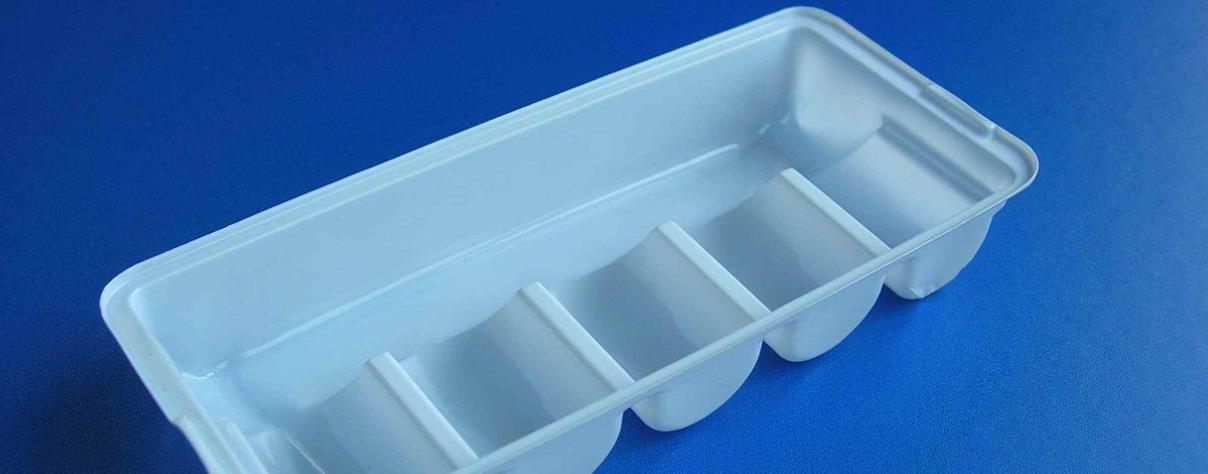
Masterbatch for electronic and electrical appliances: It has high requirements in terms of electrical insulation performance, flame retardancy, impact resistance, etc., to meet the safety and performance requirements of electronic and electrical products, such as used in the production of computer cases, mobile phone charger shells, etc.
Optical grade masterbatch: characterized by high transparency, low birefringence, and good optical uniformity, it is mainly used in the manufacturing of optical lenses, optical discs, display screens, and other products that require high optical performance.
Classified by added ingredients
Inorganic additive masterbatch
Filling masterbatch: Inorganic fillers such as calcium carbonate, talc powder, and kaolin are added to reduce the cost of PS products, while also improving their hardness, rigidity, and dimensional stability. However, excessive filling may lead to a decrease in the toughness and transparency of the product.
Enhanced masterbatch: Adding reinforcing materials such as glass fiber and carbon fiber can significantly improve the strength, modulus, and heat resistance of PS products. It is commonly used in the manufacturing of products with high mechanical performance requirements, such as automotive parts and engineering plastic parts.
Organic additive masterbatch
Toughening masterbatch: Organic toughening agents such as elastomers and rubber are added to improve the toughness and impact resistance of PS products, making them less prone to breakage when subjected to external impact. Commonly used for products that require high toughness, such as plastic pipes, plastic films, etc.
Plasticizing masterbatch: Adding plasticizers such as phthalates and aliphatic diesters can reduce the melting temperature and viscosity of PS resin, improve its processing performance and flexibility, and make PS products softer and more elastic. It is commonly used in the production of soft PS plastic products, such as plastic films and synthetic leather.
Characteristics of PS Masterbatch
PS Masterbatch (Polystyrene Masterbatch) is a highly concentrated granular plastic additive made from polystyrene (PS) as the carrier resin, combined with pigments, fillers, functional additives, etc., through specialized processes. It boasts the following core characteristics:
I. Common Core Characteristics
| Characteristic | Description |
|---|---|
| High Compatibility | Matches the molecular structure of PS substrates (GPPS/HIPS, etc.), ensuring uniform dispersion without delamination or migration issues. |
| High Concentration | Features high content of functional components (pigments/fillers/flame retardants, etc.) (15%-70%), requiring a low addition ratio (typically 2%-10%) for cost-effectiveness. |
| Easy Processability | Granular form, dust-free, with excellent fluidity, suitable for various processing technologies such as injection molding, extrusion, and blow molding. |
| Stable Performance | Pre-dispersed to avoid defects like color spots, streaks, or performance fluctuations, ensuring consistent quality across batches. |
| Clean and Environmentally Friendly | Low volatile content (≤0.2%), minimal moisture (≤0.01%), non-toxic and odorless, compliant with environmental standards such as RoHS. |
II. Characteristics of Different Types of PS Masterbatch
1. PS Color Masterbatch
- Superior Color Performance: High gloss, high blackness (for black masterbatch), bright and saturated colors; capable of creating special effects like cloud patterns or wood grains.
- Strong Migration Resistance: Pigments do not easily migrate to the product surface or contact materials, maintaining long-term color stability.
- Light and Weather Resistance: Added with UV stabilizers to resist ultraviolet radiation and extend product service life.
- Wide Application Range: Suitable for household appliance casings, toys, daily necessities, food packaging, etc.
2. PS Filler Masterbatch
- High Filling Capacity: Filling ratio up to 20%-40%, significantly reducing production costs.
- Performance Enhancement: Improves product rigidity, heat resistance, compression resistance, and wear resistance; reduces shrinkage and deformation.
- Pure Texture: Pure white granular material, non-hygroscopic and non-discoloring, without affecting product appearance.
- Anti-aging Additives: Extends product service life and maintains long-term stability.
3. PS Flame Retardant Masterbatch
- High Flame Retardant Efficiency: Low addition ratio (typically 5%-20%) achieves V0-level flame retardancy, with an oxygen index of 37-38%.
- Good Transparency: Special formulations retain the original transparency of PS products (light transmittance of 87.7-88.5%), suitable for optical components.
- Minimal Impact on Physical Properties: High compatibility with PS, without significantly reducing impact strength or mechanical performance.
- Environmental Safety: Complies with EU environmental standards; halogen-free formulations meet higher environmental requirements.
4. Other Functional PS Masterbatch
- Antistatic/Conductive Masterbatch: Provides long-lasting antistatic effects with stable surface resistance, suitable for the electronics and electrical industry.
- Toughening Masterbatch: Improves PS impact strength, reduces brittleness, and adapts to thin-walled large-scale products.
- Light Diffusing Masterbatch: Uniformly scatters light, used in LED lampshades, optical sheets, etc., balancing light transmittance and uniformity.
III. Summary of Application Advantages
- Simplifies Production Processes: Ready-to-use with no additional dispersion equipment required, improving production efficiency.
- Precise Performance Control: Stable color or functional effects achieved through proportional addition, reducing trial-and-error costs.
- Protects Processing Equipment: Granular form reduces screw wear and extends equipment service life.
- Enhances Product Added Value: Endows products with special colors or functions to meet high-end market demands.
With its excellent compatibility, processability, and functionality, PS Masterbatch has become an indispensable key material in the production of polystyrene products, widely used in packaging, household appliances, electronics, building materials, and other industries.
Common proportioning information for different types of PS masterbatch
Coloring masterbatch
Color masterbatch: The general reference ratio is around 1% -5%, depending on the required color depth and product requirements. If used for general plastic products, the ratio of coloring masterbatch to PS resin may be around 1:50; For advanced plastic products, the ratio may be around 1:20.
White masterbatch: The content of titanium dioxide is usually around 40% -80%, with the rest being PS carrier resin and a small amount of additives. The addition ratio in the product is generally 2% -5%.
Black masterbatch: The carbon black content is relatively high, reaching 30% -55%, or even higher, such as some high concentration black masterbatch with a carbon black content of up to 92%. The common addition ratio of PS black masterbatch in PS resin is 2% -5%, and the specific dosage depends on the requirement for blackness.
Functional masterbatch
Flame retardant masterbatch: The addition ratio is usually between 10% and 30%, depending on the flame retardant grade required for PS products.
Anti static masterbatch: The reference ratio of HIPS specific permanent anti-static masterbatch is 15% -20%, and the reference ratio of ordinary anti-static PS masterbatch is about 3%.
Antibacterial masterbatch: The recommended dosage is generally 2% -4%, which should be directly mixed with PS plastic particles before processing.
Weathering masterbatch: The addition ratio is generally around 5% -15%, mainly determined according to the weather resistance requirements of the product’s usage environment.
Mother granules classified by purpose
Universal masterbatch: The addition ratio is usually between 2% and 10%, adjusted according to the performance requirements and cost control of the product.
Food packaging masterbatch: The general addition amount is around 2% -5%, which not only meets the hygiene requirements of food packaging, but also ensures the performance of the product.
Electronic and electrical masterbatch: For example, conductive masterbatch used in the production of PS carrier tape conductive plastic, with a reference ratio of about 25%.
Optical grade masterbatch: The addition amount is usually low, usually around 1% -3%, to ensure the optical performance of the product.
Mother granules classified by added ingredients
Inorganic additive masterbatch
Filling masterbatch: The content of inorganic fillers such as calcium carbonate and talc powder can range from 30% to 80%, with PS carrier resin accounting for 20% to 70%. The addition ratio in PS products can be adjusted between 10% and 50% according to the performance requirements of the product.
Reinforced masterbatch: The content of glass fiber and other reinforcing materials is generally around 20% -50%, with PS carrier resin accounting for 50% -80%. The proportion added to PS resin is usually 10% -30%.
Organic additive masterbatch
Toughening masterbatch: The content of toughening agents such as elastomers is generally around 10% -30%, and PS carrier resin accounts for 70% -90%. The addition amount in PS products is usually 2% -10%.
Plasticizing masterbatch: The plasticizer content can be between 20% -50%, and the PS carrier resin accounts for 50% -80%. The proportion added to PS resin is generally 5% -20%.
The above ratios are for reference only. In actual production, adjustments and optimizations need to be made based on specific product requirements, production processes, raw material properties, and other factors.
Formulation Ratios of Different Types of PS Masterbatch
The following are typical formulation ratios of various PS masterbatches (calculated by mass fraction %), based on industry universal standards. They can be fine-tuned according to actual requirements (e.g., processing technology, product performance, environmental regulations). All formulations use GPPS/HIPS as the carrier resin to ensure compatibility with PS substrates and processing stability:
I. PS Color Masterbatch
Core Function: Provide uniform and stable color, suitable for extrusion/injection molding/blow molding processes
| Component | Ratio Range (%) | Description |
|---|---|---|
| Carrier Resin (GPPS/HIPS) | 50-75 | Select PS with a melt flow rate (MFR 10-20 g/10min) matching the substrate to ensure dispersibility and processing fluidity. |
| Pigments (Powder/Paste) | 15-40 | – Organic pigments: High vividness (e.g., Phthalocyanine Blue, Permanent Red, addition ratio 15-25%)- Inorganic pigments: Excellent weather resistance (e.g., Titanium Dioxide, Carbon Black, addition ratio 20-40%)- Special effect pigments: Pearl powder, metal powder (addition ratio 25-35%) |
| Dispersant | 3-8 | Polyethylene Wax, EBS (Ethylene Bis Stearamide), Calcium Stearate – prevent pigment agglomeration and improve dispersion uniformity. |
| Auxiliary Additives | 0.5-2 | – UV Stabilizer (e.g., UV531, 0.5-1%): For outdoor products- Antioxidant (e.g., 1010+168, 0.3-0.8%): Prevent processing degradation- Lubricant (e.g., Stearic Acid, 0.2-0.5%): Improve mold release. |
Typical Formulation Example (Black PS Color Masterbatch):
- GPPS: 60% + Carbon Black (N330): 30% + Polyethylene Wax: 6% + Antioxidant 1010: 0.5% + Calcium Stearate: 3.5%
II. PS Filler Masterbatch
Core Function: Reduce production costs, enhance product rigidity and heat resistance, and minimize shrinkage deformation
| Component | Ratio Range (%) | Description |
|---|---|---|
| Carrier Resin (GPPS/HIPS) | 20-40 | Low-proportion carrier to ensure uniform filler dispersion; slightly higher MFR (15-25 g/10min) is preferred. |
| Inorganic Fillers | 50-70 | – Calcium Carbonate (CaCO₃): Particle size 1250-2500 mesh, cost-effective (addition ratio 55-70%)- Talc Powder: Improve rigidity and heat resistance (addition ratio 50-65%)- Barium Sulfate: Enhance product surface smoothness (addition ratio 50-60%) |
| Coupling Agent | 1-3 | Silane Coupling Agent (e.g., KH550), Titanate Coupling Agent – improve compatibility between filler and resin to avoid delamination. |
| Dispersant | 2-5 | Polyethylene Wax, Stearic Acid, EBS – prevent filler agglomeration and improve processing fluidity. |
| Auxiliary Additives | 0.5-2 | – Antioxidant (1010+168, 0.3-0.8%): Prevent processing degradation- Lubricant (Zinc Stearate, 0.2-0.5%): Reduce equipment wear. |
Typical Formulation Example (Calcium Carbonate-Filled PS Masterbatch):
- HIPS: 25% + 2500-mesh Calcium Carbonate: 68% + Titanate Coupling Agent: 2% + Polyethylene Wax: 3% + Antioxidant 168: 0.5% + Zinc Stearate: 1.5%
III. PS Flame Retardant Masterbatch
Core Function: Achieve V0-level (UL94) flame retardancy; two formulations (halogen-containing/halogen-free) available
| Component | Halogen-Containing Formula (%) | Halogen-Free Formula (%) | Description |
|---|---|---|---|
| Carrier Resin (GPPS/HIPS) | 35-60 | 30-50 | Halogen-free formulations require HIPS with better compatibility to improve flame retardant dispersion. |
| Flame Retardant | 25-45 | 40-60 | – Halogen-containing: Brominated (Decabromodiphenylethane, Tetrabromobisphenol A, 25-40%)- Halogen-free: Phosphorus-based (Phosphate Esters, Hypophosphites, 40-55%), Nitrogen-based (MCA, 50-60%) |
| Synergist | 5-15 | 5-10 | – Halogen-containing: Antimony Trioxide (Sb₂O₃, 5-12%) – enhance flame retardant efficiency- Halogen-free: Zinc Oxide, Talc Powder (5-8%) – improve char formation. |
| Dispersant | 3-8 | 4-8 | Polyethylene Wax, EBS – prevent flame retardant agglomeration and improve processing fluidity. |
| Auxiliary Additives | 1-3 | 1-3 | – Antioxidant (1010+168, 0.5-1%)- Lubricant (Calcium Stearate, 0.5-1%)- Smoke Suppressant (Ammonium Molybdate, 1-2%): Optional for halogen-containing formulations. |
Typical Formulation Example (Halogen-Free Flame Retardant PS Masterbatch):
- HIPS: 40% + Hypophosphite Flame Retardant: 50% + Zinc Oxide: 5% + EBS: 3% + Antioxidant 1010: 0.8% + Calcium Stearate: 1.2%
IV. PS Antistatic/Conductive Masterbatch
Core Function: Provide long-lasting antistatic or conductive properties, suitable for electronics and packaging industries
| Component | Antistatic Masterbatch (%) | Conductive Masterbatch (%) | Description |
|---|---|---|---|
| Carrier Resin (GPPS/HIPS) | 65-85 | 55-75 | Conductive masterbatches require low-molecular-weight GPPS to improve conductive filler dispersion. |
| Functional Components | 10-30 | 20-40 | – Antistatic Agents: Cationic (Quaternary Ammonium Salts, 10-20%), Non-ionic (Polyethylene Glycol, 15-30%)- Conductive Fillers: Carbon Black (conductive grade, 20-35%), Carbon Fiber (15-25%), Graphene (5-10%) |
| Dispersant | 2-5 | 3-8 | Antistatic masterbatches: Stearic Acid, EBS (2-4%)Conductive masterbatches: Polyethylene Wax, Carbon Black Dispersant (5-8%) – key to enhancing conductive network continuity. |
| Auxiliary Additives | 0.5-2 | 0.5-2 | Antioxidant (1010+168, 0.5-1%), Lubricant (Zinc Stearate, 0.2-0.5%). |
Typical Formulation Example (Conductive PS Masterbatch):
- GPPS: 65% + Conductive Carbon Black (Acetylene Black): 30% + Polyethylene Wax: 3% + Carbon Black Dispersant: 1.5% + Antioxidant 168: 0.5%
V. PS Toughening Masterbatch
Core Function: Improve PS brittleness and enhance impact strength (especially for HIPS modification or thin-walled products)
| Component | Ratio Range (%) | Description |
|---|---|---|
| Carrier Resin (HIPS/GPPS) | 55-75 | HIPS is preferred for better compatibility with tougheners; MFR (10-18 g/10min). |
| Toughening Agent | 20-40 | – POE (Polyolefin Elastomer): Improve low-temperature impact (addition ratio 25-35%)- EVA (VA content 15-20%): Cost-effective (addition ratio 20-30%)- SBS (Styrene-Butadiene-Styrene Block Copolymer): Improve toughness while maintaining rigidity (addition ratio 25-40%) |
| Compatibilizer | 3-8 | MAH-g-PS (Maleic Anhydride Grafted PS) – improve compatibility between toughener and PS carrier to avoid delamination. |
| Auxiliary Additives | 0.5-2 | Antioxidant (1010+168, 0.5-1%), Lubricant (EBS, 0.3-0.8%). |
Typical Formulation Example (POE-Toughened PS Masterbatch):
- HIPS: 60% + POE (MFR 2 g/10min): 30% + MAH-g-PS: 7% + Antioxidant 1010: 0.5% + EBS: 2.5%
VI. PS Light Diffusing Masterbatch
Core Function: Uniformly scatter light while maintaining high light transmittance, suitable for LED lampshades and optical sheets
| Component | Ratio Range (%) | Description |
|---|---|---|
| Carrier Resin (GPPS) | 70-85 | High-transparency GPPS (light transmittance ≥90%) with MFR (12-20 g/10min) to ensure product transparency. |
| Light Diffusing Agent | 10-25 | – Silicone Microspheres: Good dispersibility and high light transmittance (addition ratio 12-20%)- PMMA Microspheres: High hardness and excellent weather resistance (addition ratio 15-25%)- Inorganic Diffusing Agents: Silicon Dioxide (addition ratio 10-15%), cost-effective. |
| Dispersant | 2-5 | Polyethylene Wax, EBS – prevent diffusing agent agglomeration and ensure uniform light scattering. |
| Auxiliary Additives | 0.5-2 | – UV Stabilizer (UV531, 0.5-1%): For outdoor lighting fixtures- Antioxidant (1010, 0.3-0.8%): Prevent processing yellowing. |
Typical Formulation Example (PS Light Diffusing Masterbatch for LED Lampshades):
- High-Transparency GPPS: 78% + Silicone Microspheres (particle size 5μm): 18% + EBS: 3% + UV531: 0.5% + Antioxidant 1010: 0.5%
Key Formulation Notes:
- Carrier Resin Matching: For extrusion processes, prioritize PS with high MFR (15-25 g/10min); for injection molding, select medium MFR (10-15 g/10min) to ensure processing fluidity.
- Dispersant Selection: Higher pigment/filler content requires a corresponding increase in dispersant ratio (e.g., ≥3% for filler masterbatches) to avoid agglomeration-induced product defects (color spots, pitting).
- Environmental Compliance: For export products, use RoHS-compliant raw materials (e.g., halogen-free flame retardants, low-heavy-metal pigments); for food-contact products, adopt food-grade carriers and additives (e.g., FDA-certified PS, food-grade lubricants).
- Performance Verification: After formulation adjustment, conduct lab-scale tests (e.g., twin-screw extrusion granulation) to verify key indicators (e.g., dispersion uniformity, impact strength, flame retardant grade, light transmittance).
Production process
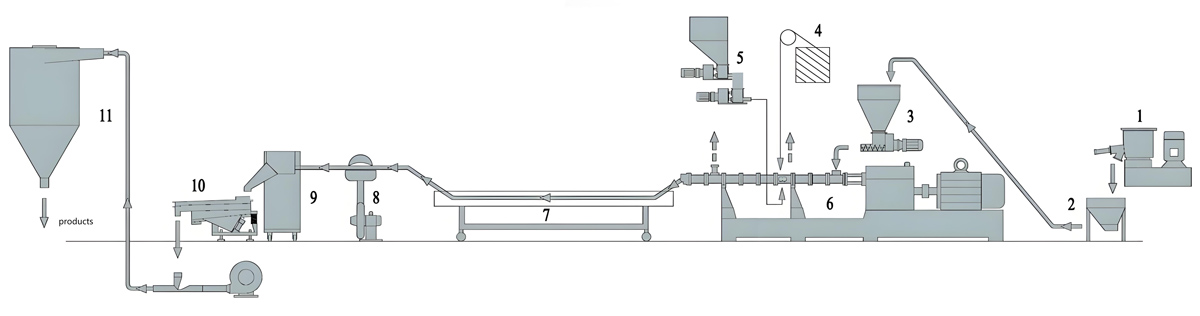
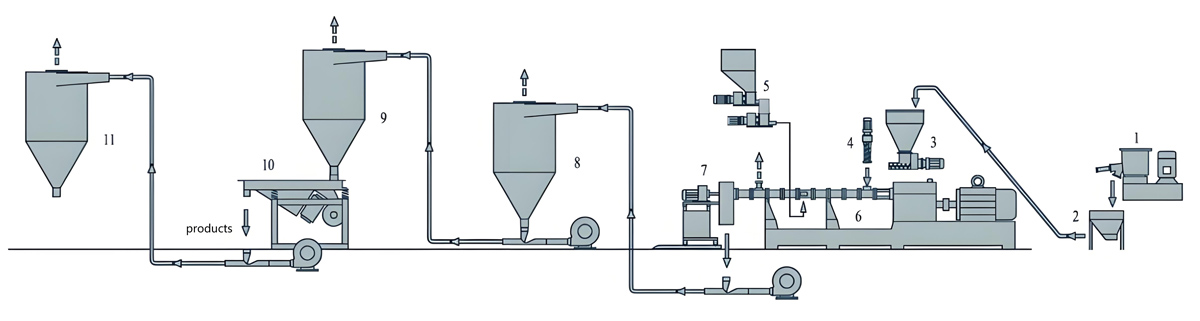
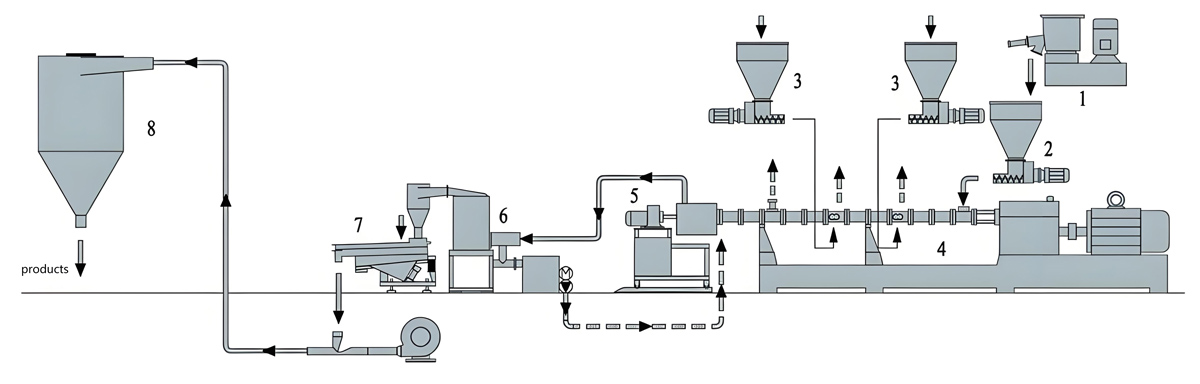
The production process of PS masterbatch usually includes the following key steps:
Raw material preparation
Resin selection: Select suitable polystyrene (PS) resin based on product performance requirements, such as general-purpose PS, high impact PS, etc.
Additive preparation: Prepare corresponding additives according to the type and formula of the masterbatch, such as pigments, flame retardants, antistatic agents, antibacterial agents, plasticizers, etc. Ensure that the quality and purity of additives meet production requirements.
Mixing of ingredients
Accurate measurement: Use high-precision measuring equipment to accurately weigh PS resin and various additives according to the formula. For some masterbatch with strict requirements for addition amount, such as functional masterbatch, the measurement accuracy may be required to reach ± 0.1% or even higher.
Pre mixing: Add the weighed raw materials into a high-speed mixer for pre mixing. The speed and mixing time of the mixer need to be adjusted according to the characteristics of the raw materials and the formula. Generally, the speed is between 500-1500 revolutions per minute, and the mixing time is 5-15 minutes to ensure that the additives are evenly dispersed in the PS resin.
Melt extrusion
Extruder setting: Add the mixed material into the twin-screw extruder. Based on the characteristics of PS resin and additives, set parameters such as temperature, screw speed, and feeding speed for each section of the extruder. Generally speaking, the temperature of the extruder is set between 160-220 ℃, the screw speed is 100-500 revolutions per minute, and the feeding speed is adjusted according to the extruder’s production capacity and formula requirements.
Melt mixing: The material is gradually melted and thoroughly mixed through heating, pressure, and screw shearing in the extruder. The additive is further uniformly dispersed in the melted PS resin to form masterbatch with specific properties. In this process, it is necessary to ensure that the material stays uniformly in the extruder to ensure the stability of the quality of the masterbatch.
Filtering and impurity removal: In order to improve the quality of the masterbatch, filtering devices such as filters and screen changers are usually installed during the extrusion process to filter out impurities and undissolved additive particles in the material, ensuring high purity of the extruded masterbatch.
Cooling granulation
Water cooling or air cooling: The extruded masterbatch is extruded into strips or filaments through a die, and then enters a cooling water tank or air cooling device for cooling. The water cooling method has a fast cooling speed and can quickly shape the masterbatch, but it may result in a higher surface moisture content of the masterbatch; The air cooling method has a relatively slow cooling speed, but the surface of the masterbatch is dry and the subsequent treatment is relatively simple.
Granulation: The cooled mother granules are cut into granules of a certain length by a granulator. The tool speed and cutting method of the granulator will affect the particle shape and size uniformity of the masterbatch. Generally speaking, the particle size of the masterbatch is controlled at around 2-5 millimeters to meet the requirements for subsequent processing and use.
Packaging and storage
Drying treatment: If the masterbatch absorbs a lot of moisture during the cooling process, it needs to be dried to prevent moisture from affecting the performance of the masterbatch. The drying temperature is generally between 60-80 ℃, and the drying time is 2-4 hours.
Packaging: Pack the dried masterbatch in plastic film bags or paper bags, and then pack it into cardboard boxes or woven bags. During the packaging process, attention should be paid to preventing moisture and impurities from entering the masterbatch. For some masterbatch with special requirements, such as anti-static masterbatch, it may be necessary to use anti-static packaging materials for packaging.
Storage in warehouse: Store the packaged masterbatch in a dry and ventilated warehouse, avoiding direct sunlight and high temperature environments. At the same time, the mother granules should be classified and stored, and labeled for easy management and traceability.
Throughout the entire production process, it is necessary to strictly control the process parameters of each link and regularly maintain and upkeep the equipment to ensure the production of PS masterbatch products with stable quality and reliable performance. In addition, it is necessary to conduct quality testing on the produced masterbatch, including appearance, particle size, melt flow rate, additive content, performance indicators, etc. Only masterbatch that passes the testing can enter the market for sale and use.
Production equipment
The equipment for producing PS masterbatch mainly includes the following types:
Batching equipment
Electronic scale: used for precise weighing of raw materials such as PS resin and additives. Its high weighing accuracy can meet the precise requirements of different formulas for raw material dosage, ensuring the stability of product quality.
High speed mixer: Mix the weighed raw materials thoroughly to ensure that the additives are initially evenly dispersed in the PS resin. By using high-speed rotating stirring blades, sufficient mixing of materials can be achieved in a short period of time, preparing for subsequent melt extrusion.
Extrusion equipment
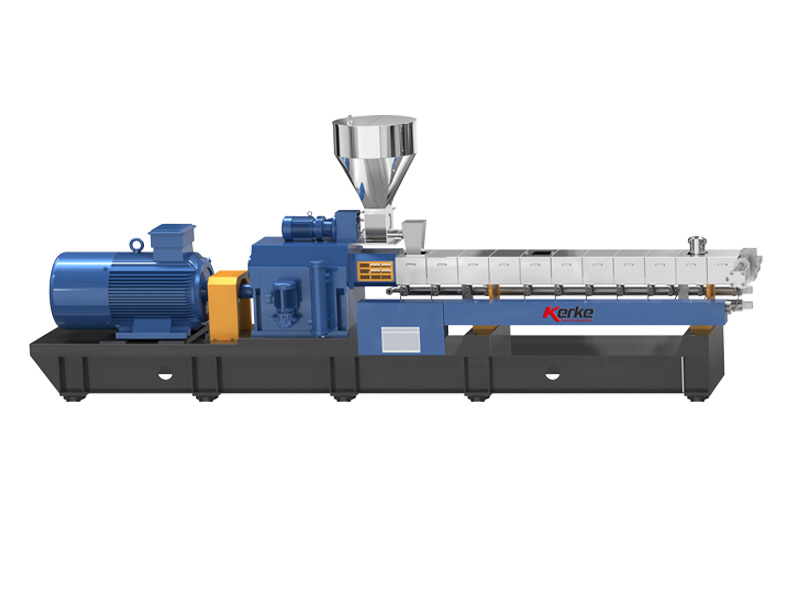
Twin screw extruder: It is the core equipment for the production of PS masterbatch. It has good mixing, plasticizing, and conveying capabilities, which can fully melt and mix materials under high temperature, high pressure, and screw shear, allowing additives to be uniformly combined with PS resin. By adjusting parameters such as screw speed, temperature, and feeding speed, it is possible to adapt to different formulations and product requirements.
Single screw extruder: It is also used in the production of PS masterbatch with low mixing requirements. Its structure is relatively simple and the cost is low, but the mixing effect is not as good as that of twin-screw extruders, and it is usually used to produce simpler PS masterbatch products.
Extrusion mold: Installed at the outlet of the extruder, it determines the shape and size of the extruded masterbatch. Common molds include mouth molds with different shapes such as circular and square, which can be selected and replaced according to product requirements.
Cooling equipment
Cooling water tank: used for water-cooled cooling. When the extruded masterbatch passes through the water tank, it comes into direct contact with cooling water and quickly cools and solidifies. The length, water temperature, and water flow rate of the sink can be adjusted according to the characteristics of the masterbatch and production speed to ensure cooling effect.
Air cooling device: uses air cooling to cool the masterbatch. Blow cold air towards the extruded masterbatch through a fan, allowing it to cool naturally in the air. The air cooling device has a simple structure and is easy to operate, which can avoid the problem of residual water caused by water cooling. However, the cooling speed is relatively slow, making it suitable for the production of masterbatch with low cooling speed requirements.
Granulation equipment
Granulator: Cut the cooled mother granules into particles of a specified length. According to the different cutting methods, it can be divided into hot cutting granulators and cold cutting granulators. The hot cutting machine is used to cut the mother granules while they are in a hot state, with fast cutting speed and regular particle shape, but the equipment is relatively complex; The cold granulator cuts after the mother granules have cooled down. The equipment is simple, but the cutting speed is slow, and the uniformity of particle size may be slightly poor.
Auxiliary equipment
Drying machine: used for drying the masterbatch to remove the moisture absorbed during the production process. Common drying machines include hot air circulation drying machines, dehumidification drying machines, etc. Suitable drying equipment can be selected according to the characteristics and drying requirements of the masterbatch.
Packaging machine: Packaging the produced masterbatch. There are automatic packaging machines and semi-automatic packaging machines, which can complete packaging processes such as measurement, filling, and sealing, improve packaging efficiency and quality, and ensure that the masterbatch is not affected by moisture or pollution during storage and transportation.
Screening equipment: Screen the mother granules after granulation to remove particles and impurities that do not meet the required size. The commonly used screening equipment includes vibrating screens, rotating screens, etc., which classify and screen the mother particles through different aperture screens to ensure the uniformity of product particle size.
PS masterbatch extruder
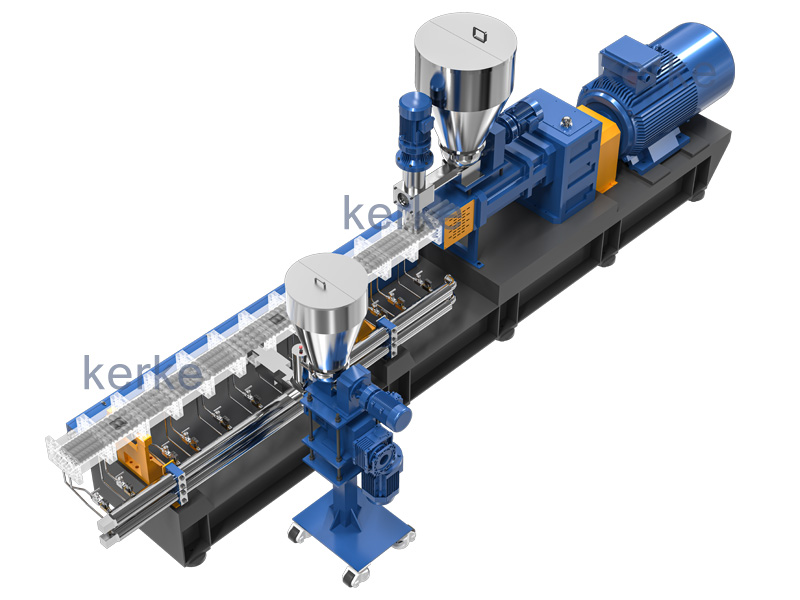
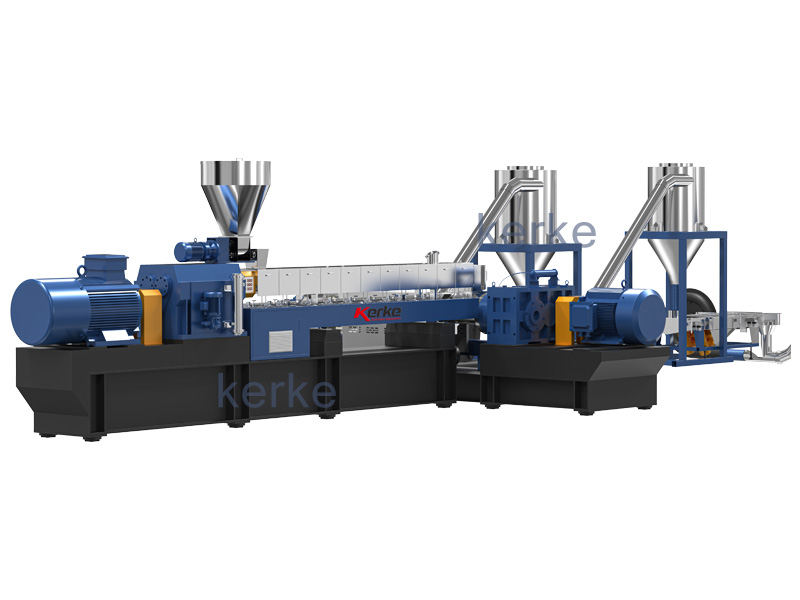
Kerke’s masterbatch extruder can be used to produce PS masterbatch. Our PS masterbatch extruders has multiple models to choose from, which can meet different production requirements.
-

Laboratory Twin Screw Extruder
When will you need a lab twin screw extruder? If you want to make trials and tests of…
-
Twin Screw Extruder
Our Parallel Co-rotating twin screw extruder is designed for compounding and masterbatch making with an output capacity from…
-
Triple (3 screws) Extruder
3 Screws extruder is a new technology that has many advantages. The triple screw extruder is mainly used…
-
Double-Stage Extrusion System
Mother-baby extrusion system is designed for special materials which can not process on one stage extruder, the first…
-
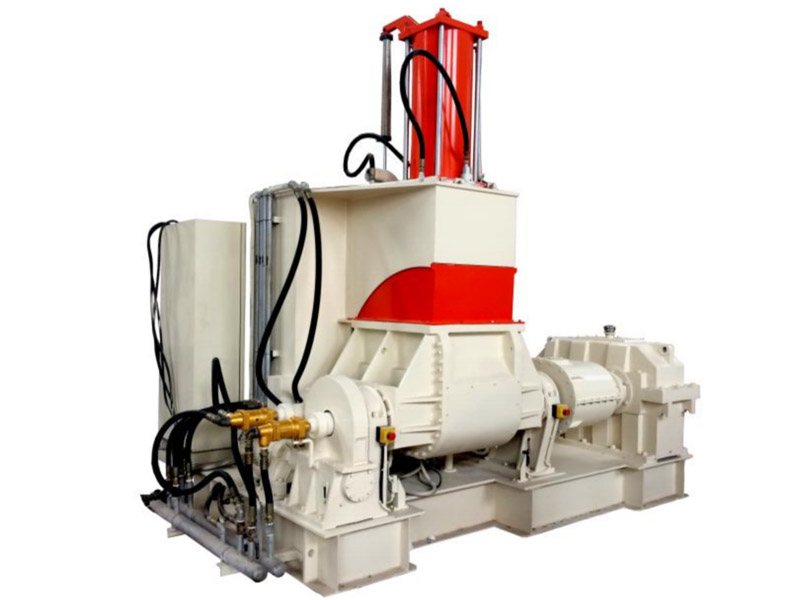
Banbury Kneader Compounding Line
Our kneader + extruder is designed for making special applications with an output capacity from 30kg/h to 1000kg/h.…
-
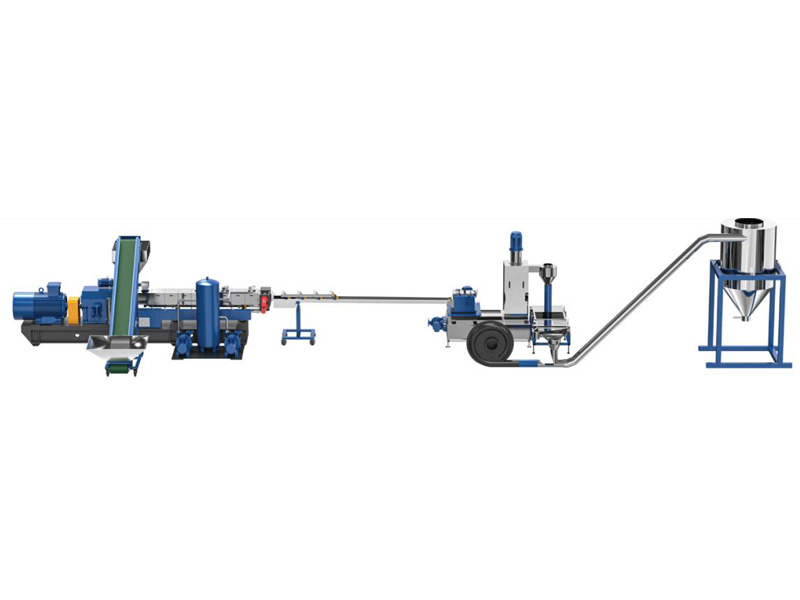
Cutting System / Pelletizing System
Different material needs different cutting system, Kerke provides all kinds of cutting system, here is the explanation of…
Common Problems and Solutions in the Production of PS Masterbatch
The production process of PS masterbatch (with GPPS/HIPS as the carrier resin) mainly includes batching and mixing → twin-screw extrusion granulation → pelletizing → drying → screening and packaging. Various quality or processing issues may arise in different links due to factors such as raw material properties, equipment parameters, and process control. Below are phenomenon descriptions, core causes, and actionable solutions for high-frequency industry issues, covering common and specific problems of various PS masterbatches (e.g., color masterbatch, filler masterbatch, flame retardant masterbatch):
I. Common Problems in the Mixing Stage
Problem 1: Uneven Raw Material Mixing (Color Spots or Filler Agglomeration After Extrusion)
- Phenomenon: Localized high concentrations of pigments/fillers in the mixed material; after extrusion granulation, pellets show uneven color depth (for color masterbatch) or “hard lumps” formed by filler agglomeration (for filler masterbatch).
- Core Causes:
- Pigments/fillers are directly mixed with carrier resin without pre-dispersion, leading to agglomeration due to strong interparticle forces;
- Insufficient mixing time (usually 5-10 minutes required) or low mixer speed (300-500rpm recommended), resulting in inadequate material diffusion;
- Insufficient dispersant dosage or poor compatibility between dispersant and pigments/fillers.
- Solutions:
- Pre-treat pigments/fillers: Premix pigments with dispersant at a ratio of 1:0.2-0.3, or pre-disperse using a high-speed mixer (800-1200rpm) for 3-5 minutes to break initial agglomeration;
- Optimize mixing process: Extend mixing time to 8-10 minutes, ensure material temperature rises to 40-60℃ (utilize slight resin softening to enhance adhesion), and let the mixed material stand for 2-3 minutes before feeding;
- Adjust dispersant: Select compatible dispersants based on pigment type (e.g., polyethylene wax + carbon black-specific dispersant for carbon black; titanate coupling agent + EBS for inorganic fillers), and increase dispersant ratio by 1-2%.
Problem 2: Moisture Absorption of Mixed Material (Bubbles and Odor During Extrusion)
- Phenomenon: The mixed material feels sticky; a large number of bubbles form in the melt during extrusion, with pinholes on the product surface and even slight burning odor.
- Core Causes:
- Carrier resin (especially HIPS) or fillers (e.g., calcium carbonate) stored in a humid environment, with moisture content >0.1%;
- Excessively high mixing temperature (>60℃), causing resin moisture absorption or additive volatilization.
- Solutions:
- Pre-dry raw materials: Dry carrier resin in an oven at 80-100℃ for 2-4 hours; dry inorganic fillers (e.g., calcium carbonate, talc powder) at 100-120℃ for 4-6 hours to ensure moisture content ≤0.05%;
- Control mixing temperature: Monitor temperature in real-time during mixing, avoid exceeding 60℃, and activate the mixer’s cooling system if necessary;
- Add moisture absorbent: Incorporate 0.1-0.3% calcium oxide or molecular sieve into the formulation to absorb trace moisture.
II. Common Problems in the Extrusion Stage
Problem 1: Poor Melt Fluidity (High Extruder Current, Uneven Discharge)
- Phenomenon: Extruder current exceeds the rated value (usually >30A), material accumulates in the barrel, discharge is intermittent, and pellets vary in size.
- Core Causes:
- Low melt flow rate (MFR <10g/10min) of the carrier resin, mismatched with the processing technology (extrusion requires MFR 15-25g/10min);
- Excessively high filler/pigment dosage (e.g., filler >70% in filler masterbatch), increasing melt viscosity;
- Low barrel temperature setting, resulting in incomplete resin melting (PS melting temperature: 150-180℃);
- Improper screw configuration with insufficient shear strength, leading to inadequate material plasticization.
- Solutions:
- Adjust formulation: Replace with high-MFR carrier resin (MFR 15-20g/10min) or reduce filler/pigment dosage (e.g., limit filler ratio to <65% in filler masterbatch);
- Optimize temperature parameters: Set barrel temperature to 160-180℃ (feeding zone: 160-170℃, melting zone: 170-180℃, die head: 175-180℃) to ensure complete resin melting;
- Adjust screw configuration: Increase the number of shear blocks (e.g., add 2-3 groups of reverse shear blocks in the middle section of the screw) to enhance shear strength and promote plasticization;
- Add lubricant: Incorporate 0.5-1% zinc stearate or EBS into the formulation to reduce melt viscosity.
Problem 2: Melt Fracture (Rough Pellet Surface with Burrs)
- Phenomenon: The extruded strands have an uneven, rough surface; pellets have burrs and sharp edges after pelletizing, affecting subsequent processing fluidity.
- Core Causes:
- Excessively high barrel temperature (>180℃), causing resin degradation and reduced melt strength;
- Low die head temperature (<170℃), leading to rapid cooling and uneven surface shrinkage;
- High screw speed (>400rpm), resulting in excessive shear rate and elastic melt fracture.
- Solutions:
- Adjust temperature: Lower the melting zone temperature to 170-175℃, increase the die head temperature to 175-180℃, and maintain a stable temperature gradient;
- Control screw speed: Adjust to 250-350rpm to reduce shear rate and avoid melt fracture;
- Add anti-degradant: Increase antioxidant dosage (0.2-0.5% of 1010+168 composite) to prevent high-temperature resin degradation.
Problem 3: Uneven Dispersion of Functional Components (Color Deviation in Color Masterbatch, Substandard Flame Retardancy in Flame Retardant Masterbatch)
- Phenomenon:
- Color masterbatch: Uneven pellet color; color streaks or spots appear in injection-molded/extruded products;
- Flame retardant masterbatch: Flame retardant grade fails to reach UL94 V0, oxygen index <35%;
- Conductive masterbatch: Large fluctuation in surface resistance (>10⁸Ω), unstable conductive performance.
- Core Causes:
- Insufficient dispersant dosage or poor compatibility between dispersant and functional components;
- Inadequate screw shear strength, preventing functional components (e.g., pigments, flame retardants, conductive carbon black) from forming a uniform dispersion system;
- Excessively large particle size of functional components (e.g., pigment particle size >5μm), making dispersion difficult.
- Solutions:
- Optimize dispersion system: Increase dispersant dosage by 1-2% for color masterbatch (e.g., EBS + polyamide wax for organic pigments; calcium stearate + polyethylene wax for inorganic pigments); add 4-8% dispersant for flame retardant masterbatch (e.g., EBS + zinc stearate for phosphorus-based flame retardants); use carbon black-specific dispersant (5-8%) for conductive masterbatch;
- Enhance shear plasticization: Adjust screw speed to 300-350rpm, increase shear blocks, and extend material residence time in the barrel (1-2 minutes);
- Refine functional component particle size: Select functional components with smaller particle sizes (e.g., pigment particle size <3μm, conductive carbon black particle size <50nm) or pre-treat via ultra-fine grinding.
Problem 4: Barrel/Die Head Clogging (Interrupted Discharge, Material Charring)
- Phenomenon: Charred material accumulates at the die head, discharge is suddenly interrupted, and barrel pressure rises sharply (>15MPa).
- Core Causes:
- Excessively high barrel temperature (>185℃), causing resin degradation and charring during prolonged residence;
- Clogged die head filter (mesh size too high, e.g., >120 mesh) or infrequent filter replacement;
- Excessive addition of additives (e.g., flame retardants, antioxidants) leading to volatile deposition.
- Solutions:
- Lower barrel temperature: Reduce the melting zone temperature to 170-175℃ and die head temperature to 175-180℃ to avoid resin degradation;
- Regular equipment cleaning: Replace the die head filter (80-100 mesh recommended) every 4-6 hours; clean the barrel and screw with pure PS resin after production;
- Optimize additive ratio: Strictly control additive dosage (e.g., total antioxidant ≤0.8%, flame retardant synergist ≤10%) to prevent excessive volatilization.
III. Common Problems in the Pelletizing Stage
Problem 1: Uneven Pelletizing (Variable Pellet Size, Excessive Dust)
- Phenomenon: Pellet length variation >0.5mm, excessive fine dust (particle size <1mm), and qualification rate <90% after screening.
- Core Causes:
- Mismatch between pelletizer speed and strand discharge speed (excessively high speed causes short pellets; low speed causes long pellets);
- Inadequate strand cooling (water temperature >30℃), leading to soft strands that stick or deform during pelletizing;
- Dull pelletizing blades or excessive blade-template gap (>0.1mm).
- Solutions:
- Match speed and discharge rate: Adjust pelletizer speed (300-500rpm) according to strand diameter (usually 2-3mm) to control pellet length at 2-3mm;
- Optimize cooling system: Maintain cooling water temperature at 20-25℃ and strand cooling time ≥30 seconds to ensure strands harden before pelletizing;
- Maintain blades: Regularly sharpen blades and adjust the blade-template gap to 0.05-0.1mm for sharp cutting.
Problem 2: Pellet Agglomeration (Severe Clumping, Unscreenable)
- Phenomenon: Pellets adhere to form large clumps (diameter >10mm) after pelletizing, which are difficult to separate during screening, affecting product packaging and use.
- Core Causes:
- Incomplete strand cooling, with surface temperature >40℃; residual heat causes pellet adhesion after pelletizing;
- Insufficient lubricant dosage (<0.5%) in the formulation, leading to high surface friction of pellets;
- Excessively high drying temperature (>80℃), causing surface softening and adhesion of pellets.
- Solutions:
- Enhance cooling: Extend the strand cooling path (e.g., increase cooling water tank length) or lower cooling water temperature to 15-20℃ to ensure pellet surface temperature <30℃;
- Add lubricant: Incorporate 0.5-1% stearic acid or EBS into the formulation to reduce pellet surface adhesion;
- Optimize drying process: Control drying temperature at 60-70℃ and time at 2-3 hours; naturally cool pellets to room temperature before packaging.
IV. Common Problems in the Drying and Packaging Stage
Problem 1: Excessive Pellet Moisture (Bubbles in Subsequent Processing)
- Phenomenon: Dried pellets feel moist; pinholes and bubbles appear on the product surface during injection molding/extrusion, affecting appearance and performance.
- Core Causes:
- Low drying temperature (<60℃) or insufficient time (<2 hours), leading to incomplete moisture removal;
- Insufficient air volume in the dryer, poor hot air circulation, and uneven material heating;
- Unsealed packaging, causing pellets to absorb moisture from the air.
- Solutions:
- Optimize drying parameters: Dry at 60-80℃ for 3-4 hours to ensure pellet moisture content ≤0.05%;
- Inspect the dryer: Clean the dryer filter to ensure smooth hot air circulation, with wind speed controlled at 1-2m/s;
- Hermetic packaging: Immediately seal dried pellets in aluminum foil bags with desiccants (5-10g per bag) after cooling to room temperature to prevent moisture absorption.
Problem 2: Excessive Pellet Impurities (Low Qualification Rate After Screening)
- Phenomenon: Screened pellets contain metal impurities, charred particles, or unplasticized raw materials, with qualification rate <95%.
- Core Causes:
- Impurities (e.g., metal shavings, dust) mixed in raw materials without filtration;
- Damaged die head filter, allowing charred or unplasticized material to enter strands;
- Wear of the pelletizer template, producing metal shavings.
- Solutions:
- Screen raw materials: Filter raw materials through a 100-mesh screen before use to remove impurities;
- Inspect equipment: Regularly check the die head filter (replace immediately if damaged) and inspect the pelletizer template every 8 hours to avoid wear-induced shavings;
- Multi-stage screening: First pass pellets through an 8-mesh coarse screen to remove large impurities, then through a 20-mesh fine screen to remove dust and small impurities, ensuring pellet purity.
V. Common Product Performance Issues (Targeted Solutions)
Problem 1: Color Migration in Color Masterbatch (Product Staining or Fading)
- Phenomenon: After using color masterbatch for injection molding/extrusion, product surface color migrates to contact objects (e.g., white paper), or obvious fading occurs after 6 months of outdoor use.
- Core Causes:
- Selection of pigments with high migration tendency (e.g., certain organic dyes);
- No anti-migration agent or UV stabilizer added;
- Excessively high processing temperature, causing pigment decomposition.
- Solutions:
- Replace pigments: Select pigments with high migration resistance (e.g., phthalocyanine, quinacridone-based organic pigments, or inorganic pigments);
- Add additives: Incorporate 1-2% anti-migration agent (e.g., polyvinyl chloride wax) and 0.5-1% UV stabilizer (e.g., UV531, UV327) into the formulation;
- Control processing temperature: Limit subsequent processing temperature to <180℃ to avoid pigment decomposition.
Problem 2: Substandard Flame Retardancy of Flame Retardant Masterbatch (Failure to Reach UL94 V0)
- Phenomenon: When used at the recommended dosage (5-20%), the product only reaches UL94 V1 or V2, with oxygen index <35%.
- Core Causes:
- Insufficient flame retardant dosage or improper synergist ratio;
- Uneven flame retardant dispersion, failing to form a continuous flame retardant network;
- Excessively high subsequent processing temperature, causing flame retardant decomposition (e.g., brominated flame retardants decompose at <200℃).
- Solutions:
- Adjust formulation: Increase flame retardant dosage (e.g., raise halogen-free flame retardant ratio to 55%) and optimize synergist ratio (e.g., brominated flame retardant + antimony trioxide = 3:1);
- Enhance dispersion: Increase dispersant dosage (4-8%) and optimize screw shear configuration to ensure uniform flame retardant dispersion;
- Control processing temperature: Limit subsequent processing temperature to <190℃ to avoid flame retardant decomposition.
Problem 3: Reduced Impact Strength of Products Caused by Filler Masterbatch (Increased Brittleness)
- Phenomenon: After adding filler masterbatch, the Izod impact strength of PS products decreases by >30%, making them prone to fracture.
- Core Causes:
- Excessively high filler dosage (>60%), destroying the continuity of the resin matrix;
- Fillers not treated with coupling agents, resulting in poor compatibility with resin and weak interfacial bonding;
- Excessively large filler particle size (<1250 mesh), causing stress concentration.
- Solutions:
- Reduce filler dosage: Control filler ratio at 50-60% to balance cost and performance;
- Modify fillers: Surface-treat fillers with coupling agents (e.g., silane coupling agent KH550, titanate coupling agent) to improve compatibility with resin;
- Select fine-particle fillers: Use ultra-fine fillers with mesh size >2500 to reduce stress concentration and minimize impact on impact strength.
VI. Key Control Points in Production (Prevention-Oriented)
- Raw Material Control: All raw materials (resin, pigments, fillers, additives) must comply with environmental standards such as RoHS and FDA; test moisture content, particle size, and purity before use;
- Process Parameter Standardization: Develop standardized process parameter tables for different types of PS masterbatches (mixing time/temperature, extruder temperature/speed, pelletizing speed, drying parameters, etc.) to avoid arbitrary adjustments;
- Equipment Maintenance: Clean the extruder screw and barrel weekly; inspect blades, templates, and filters monthly to ensure stable equipment operation;
- In-Process Testing: Sample and inspect pellet appearance (color, smoothness, uniformity) every hour; test key performance indicators (e.g., color deviation of color masterbatch, flame retardant grade of flame retardant masterbatch, dispersion of filler masterbatch) per batch;
- Environmental Control: Maintain a dry (humidity ≤60%) and clean production workshop to prevent moisture absorption and impurity contamination of raw materials and finished products.
Application
PS masterbatch has a wide range of applications, mainly including the following aspects:
Plastic Modification
Improving mechanical properties: By adding reinforced PS masterbatch, such as glass fiber reinforced PS masterbatch, the strength, rigidity, and tensile properties of plastic products can be significantly improved. In the fields of electronic and electrical casings, automotive components, etc., this enhanced PS masterbatch is widely used to meet the structural strength requirements of products.
Improving processing performance: Some PS masterbatch can improve the processing flowability of PS resin, reduce its melt viscosity, and make it easier to form in molds. For example, when producing complex shaped plastic products, adding PS masterbatch with good processing performance can improve production efficiency and product quality, and reduce waste rates.
Color
Accurate color matching: PS coloring masterbatch can achieve precise color matching, meeting the diverse color needs of different users for plastic products. Whether it is bright colors or soft solid colors, they can be achieved by selecting suitable coloring masterbatch. PS coloring masterbatch is widely used in industries such as toys, stationery, and packaging to enhance the visual appeal of products.
Color stability: PS coloring masterbatch has good color stability in plastic products and is not easily affected by environmental factors such as light, temperature, and humidity, which can cause fading or discoloration. This enables plastic products to maintain bright colors during long-term use, improving the product’s lifespan and appearance quality.
Functional addition
Flame retardant: In some fields that require fire resistance, such as electronic appliances, building materials, etc., flame retardant PS masterbatch is used. This type of masterbatch contains efficient flame retardants, which can give PS plastic products good flame retardant properties, reduce the risk of fire, and protect people’s lives and property safety.
Anti static: PS anti-static masterbatch can endow plastic products with anti-static properties, preventing the accumulation of dust and electric shock on their surfaces due to static electricity. The application of anti-static PS masterbatch can improve the quality and safety of products in fields such as electronic component packaging and medical and health products.
Antibacterial: Antibacterial PS masterbatch contains antibacterial agents that can inhibit the growth and reproduction of microorganisms such as bacteria and mold, giving plastic products antibacterial properties. In the fields of food packaging, daily necessities, medical devices, etc., the application of antibacterial PS masterbatch can improve the hygiene performance of products and ensure people’s health.