Introduction
ABS (Acrylonitrile Butadiene Styrene) resin is one of the most widely used engineering thermoplastics in the global plastics industry, serving as the core material for countless high-performance plastic products—from automotive interior components and consumer electronics housings to medical device panels and children’s toys. The comprehensive mechanical properties, surface finish quality, and processing stability of ABS directly determine the overall performance of the final molded product, as well as the cost efficiency of downstream manufacturing operations.
To produce high-quality ABS modified compounds and masterbatches with uniform dispersion, consistent color, and precise dimensional stability, plastic processors must master the core logic of formulation design, production process control, and—most critically—extrusion equipment selection. As a leading professional extrusion equipment manufacturer with 20+ years of industry-specific experience, Kerke provides turnkey production solutions tailored exactly to the high-wear, high-shear, and precise mixing requirements of ABS modification and compounding production lines, with a focus on the industry-preferred high-torque twin-screw extrusion system.
This guide covers every essential aspect of ABS resin, from its basic definition, core advantages, and mainstream classifications to practical applications, proven production formulas, optimized manufacturing processes, equipment selection criteria, real-world pricing factors, and trusted supplier recommendations. It is designed to help you make informed, cost-effective decisions for your ABS modification or compounding production line.
1. What Is ABS Resin?
ABS (Acrylonitrile Butadiene Styrene) resin is a terpolymer synthesized from three primary monomers: acrylonitrile, butadiene, and styrene. It is a versatile amorphous engineering thermoplastic that balances the rigidity of styrene and acrylonitrile with the toughness of polybutadiene rubber. This unique molecular structure creates a material that combines mechanical strength, chemical resistance, and exceptional processability—qualities that have made it a staple in both general-purpose and high-performance industrial applications.
The precise ratio of these three monomers can be adjusted during production to create specialized grades of ABS, each tailored to specific application requirements. For example, increasing the acrylonitrile content enhances chemical resistance and surface hardness, while a higher butadiene proportion boosts impact strength and low-temperature toughness. Adjusting the styrene content, meanwhile, improves flowability during processing and the aesthetic quality of the final product. This level of customization sets ABS apart from many other commodity plastics and explains its widespread use across demanding industries.
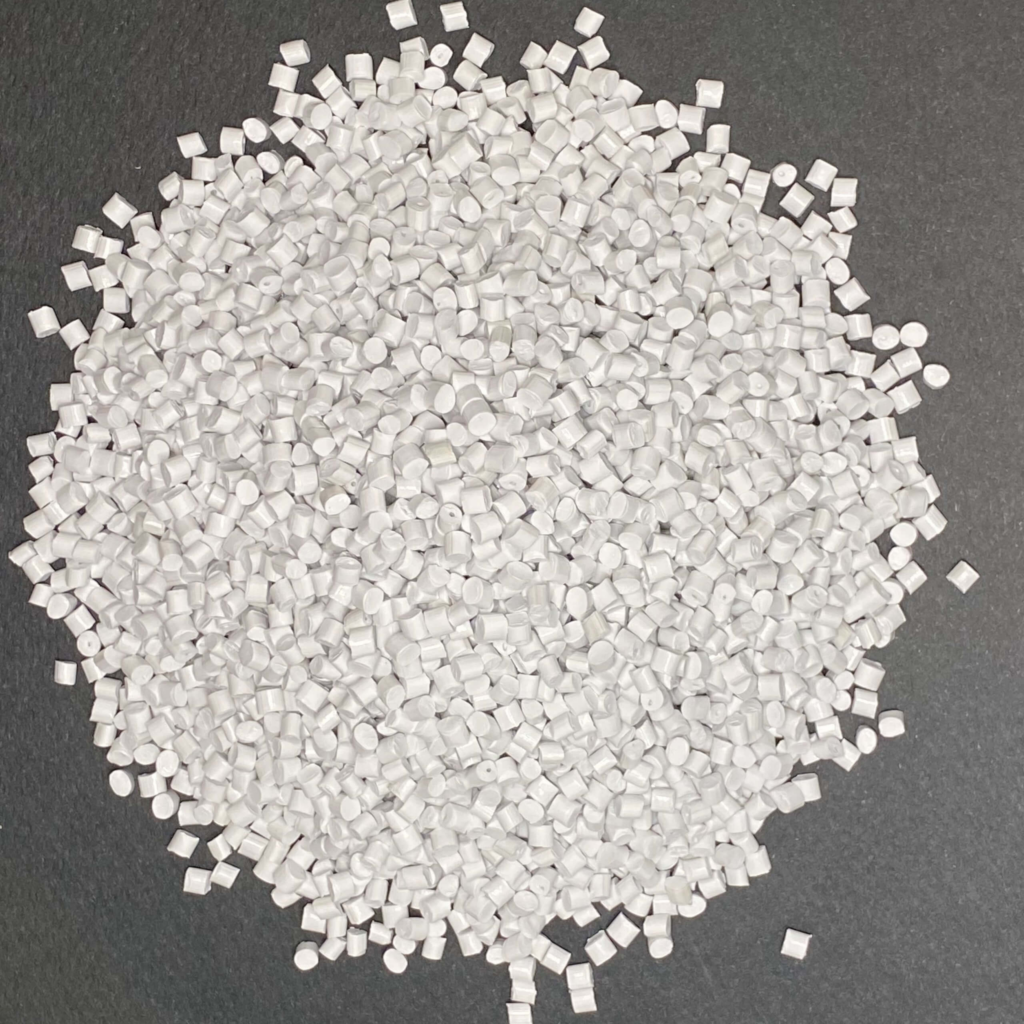
Typically supplied as ivory or pale yellow cylindrical pellets, ABS has a melting point ranging from 217°C to 237°C, with a thermal decomposition temperature starting at approximately 250°C. It is inherently odorless, non-toxic, and exhibits extremely low moisture absorption—critical properties for maintaining consistent performance during high-temperature molding and extrusion processing. For processors and end-users alike, ABS represents a balanced, cost-effective solution that delivers reliable performance without sacrificing design flexibility.
2. Key Advantages of ABS Resin
ABS resin has become the preferred engineering plastic for high-value industrial applications due to its unique balance of mechanical performance, aesthetic versatility, and processing efficiency—qualities that together reduce total system costs for manufacturers and end-users alike. Its core strengths are mainly reflected in the following seven dimensions:
- Superior Impact Resistance: ABS exhibits impact resistance 3 to 5 times higher than common commodity plastics, with a notched Izod impact strength of 200–500 J/m. It maintains impressive toughness even at subzero temperatures—high-impact modified grades retain a notched Izod impact strength of over 120 J/m at -40°C, far outperforming polypropylene (PP), which becomes brittle near the freezing point. This resilience is thanks to its two-phase microstructure: a rigid styrene-acrylonitrile (SAN) continuous phase absorbs impact energy, while dispersed polybutadiene rubber particles deform to prevent crack propagation—critical for components that must resist heavy blows or vibration during use.
- Excellent High-Temperature Performance: General-purpose ABS has a heat deflection temperature (HDT) ranging from 85°C to 110°C, while specialized heat-resistant grades can maintain stable mechanical performance at temperatures up to 115°C. For even more demanding use cases, annealing post-processing can further boost the HDT by an additional 10°C. This thermal stability prevents warping, deformation, or structural failure in components exposed to sustained elevated temperatures—such as automotive interior panels near heating systems, or appliance housings that enclose heat-generating motors and circuitry.
- Premium Surface Aesthetic Quality: The styrene component in ABS gives it exceptional surface gloss, with a Rockwell R hardness of 100–115—hard enough to resist light scratching and scuffing during assembly or everyday use. Beyond its as-molded finish, ABS is also highly compatible with secondary processing, including painting, electroplating, UV coating, and hot stamping. This allows manufacturers to achieve high-end decorative or functional surfaces—from matte black automotive trim to glossy, metal-effect consumer electronics housings—without the need for expensive post-machining or surface preparation.
- Adjustable Functional Properties: ABS can be compounded with a wide range of additives, fillers, and modifiers to precisely tailor its performance to extreme application requirements. Flame-retardant grades, for example, can achieve a UL 94 V-0 flammability rating at a thickness of just 1.5mm—critical for use in electronics and electrical enclosures where fire safety is a priority. By incorporating conductive or antistatic additives, ABS can also be engineered to dissipate static electricity or even provide electromagnetic shielding for sensitive electronic components. This customizability means ABS can be optimized for use cases from sterile medical equipment to explosion-proof industrial enclosures.
- Exceptional Processability: ABS offers moderate melt flow properties and broad processing windows, making it ideal for the industry-standard twin-screw extrusion + water strand pelletizing process. It delivers consistently high dimensional stability across processing conditions, with a mold shrinkage rate of just 0.4% to 0.7%. This minimizes the risk of warpage, dimensional deviation, or assembly defects in the final product—an essential requirement for high-volume production of precision components.
- Good Chemical Stability: ABS demonstrates excellent resistance to water, most inorganic salts, alkalis, and a wide range of dilute acids. It is also insoluble in most common alcohols and hydrocarbon solvents, meaning it will not degrade or lose structural integrity when exposed to typical cleaning agents, lubricants, or aqueous solutions during use. This broad chemical resistance makes it a reliable choice for components that require frequent sanitization—such as medical device housings—or those exposed to mild chemical splashes in industrial settings.
- Reliable Electrical Insulation Performance: ABS exhibits stable electrical insulation properties across a wide range of frequencies and environmental conditions. This means it resists electrical current flow reliably, making it a safe, cost-effective choice for insulating components in electrical and electronic equipment—from internal structural supports in household appliances to the housing of power tools and handheld electronic devices.
3. Common Types of ABS Resin
ABS resin can be classified from three core dimensions according to its performance characteristics, modified composition, and application requirements, to meet the personalized production needs of different downstream plastic products.
3.1 Classification by Performance Characteristics
This is the most widely used classification framework in the ABS industry, as it directly aligns material properties with the functional requirements of the end application. The mainstream types in the market are as follows:
- General-Purpose ABS: Balances mechanical strength, impact resistance, and processability to serve as the cost-effective foundation for high-volume consumer applications. It is typically used in electronic device housings, small appliance components, toys, and general automotive interior parts. This grade accounts for 39.1% of the global ABS market, representing $13.5 billion in 2026 .
- High-Impact ABS: Formulated with a higher proportion of butadiene rubber to deliver superior toughness, with a notched Izod impact strength exceeding 400 J/m. This grade is designed for components that must withstand heavy static or dynamic loads, such as automotive bumpers, door sills, and motorcycle fairings. It is also commonly used in power tool housings and industrial equipment components, where resistance to high-impact forces is a non-negotiable requirement.
- Heat-Resistant ABS: Engineered to maintain stable mechanical performance at elevated temperatures, with an HDT up to 115°C—10 to 15°C higher than general-purpose ABS. This makes it ideal for components exposed to sustained heat during operation, such as automotive dashboard panels, appliance housing parts, and hair dryer internal components.
- Flame-Retardant ABS: Modified with halogen-based or halogen-free flame retardants to achieve UL 94 V-0 or V-1 flammability ratings, with low smoke and low toxicity properties. This grade is specifically designed for applications with strict fire safety standards, including electronics enclosures, 5G communication equipment housings, and automotive interior components .
- High-Gloss ABS: Formulated to deliver a smooth, high-gloss as-molded surface finish, eliminating the need for secondary surface treatments such as painting or polishing. It is widely used in high-end consumer applications where visual appeal is a key purchase driver—including the outer housings of home appliances, smart speaker enclosures, laptop lids, and toy parts.
3.2 Classification by Modified Composition
To meet the increasingly stringent performance requirements of emerging industries such as new energy vehicles and 5G communications, ABS is often alloyed or compounded with other polymers or functional fillers to address the inherent limitations of single-base ABS. The main commercialized modified ABS compositions are as follows:
- ABS Alloys: Blends of ABS with other engineering polymers that combine the best properties of both base materials. Common examples include ABS/PC (polycarbonate) alloys, which balance the excellent processability of ABS with the exceptional rigidity and heat resistance of PC; and ABS/PBT (polybutylene terephthalate) alloys, which offer improved chemical resistance and dimensional stability under humid conditions.
- Filled ABS: ABS compounded with inorganic fillers such as calcium carbonate, talc, or glass fibers to enhance specific properties or reduce overall material costs. Calcium carbonate-filled ABS, for example, can reduce the cost of the final component by 20% to 40% while retaining sufficient mechanical strength for general-purpose applications.
- Reinforced ABS: ABS modified with high-strength synthetic fibers—including glass fibers, carbon fibers, or aramid fibers—to significantly boost tensile strength, flexural modulus, and heat deflection temperature. This type of modified ABS is typically used in structural automotive components and electrical equipment supports, where it can replace more expensive engineering materials to reduce system costs.
- Functionalized ABS: ABS compounded with specialty additives to impart specific functional properties beyond standard mechanical or thermal performance. This includes antistatic, conductive, electromagnetic shielding, or even radiation-resistant grades—each tailored to meet the stringent operating requirements of specialized industries.
3.3 Classification by Application Industry
The technical requirements for ABS vary significantly across downstream industries, making this classification framework critical for material suppliers and processors to match product performance to end-user needs. The main application-specific grades are as follows:
- Automotive-Grade ABS: A specialized modified grade designed to meet the unique demands of the automotive industry, with enhanced low-temperature toughness, heat resistance, and weather resistance. It also requires excellent processability for manufacturing complex, thin-walled components, as well as low volatility and odor emissions to comply with global automotive interior air quality standards. This sector alone accounts for over 44% of global ABS consumption in 2026 .
- Electrical/Electronic-Grade ABS: Formulated with superior electrical insulation properties, dimensional stability, and flame resistance to meet the strict safety and performance requirements of the electrical and electronics industry. It must also be compatible with secondary processing such as surface coating and electrostatic painting to meet both functional and aesthetic specifications.
- Medical-Grade ABS: A specialized, highly purified grade that complies with stringent international medical device regulatory standards—including ISO 10993 biocompatibility testing and FDA food-contact safety requirements. It exhibits high resistance to the commonly used high-level disinfectants (including 75% ethanol and 500ppm available chlorine disinfectants), with no surface degradation or discoloration after repeated wipe disinfection cycles.
- Toy-Grade ABS: A food-contact-safe, impact-resistant grade formulated specifically for the toy manufacturing industry. It must comply with strict global safety standards—including the EU’s EN 71-3 and the U.S. CPSIA regulations—requiring low levels of volatile organic compound (VOC) emissions and no leachable harmful substances. It must also be tough enough to resist breaking into small, sharp pieces on impact, reducing the risk of injury during use.
4. Primary Applications of ABS Resin
ABS resin is an indispensable engineering plastic in almost all industrial manufacturing fields, and its main application scenarios are concentrated in the following five industries:
4.1 Automotive Industry
The automotive industry is currently the largest global end market for ABS resin, accounting for 33.2% of total global demand in 2026 . This widespread adoption is driven by ABS’s unique combination of lightweight design flexibility, impact resistance, and heat resistance—properties that enable automakers to reduce vehicle weight (and thus improve fuel efficiency or electric vehicle range) while maintaining safety and performance standards. ABS is used in both interior and exterior automotive components, with the most common applications including instrument panel frames, door panel inserts, center console housings, air deflection grilles, and air outlet vents. In these components, high-impact ABS grades are typically specified to meet passenger protection requirements in the event of a collision. For example, BMW 3 Series instrument panel frames use a high-impact ABS + glass fiber composite material, which meets the impact performance requirements of global automotive safety standards. The growth of new energy vehicles has further expanded the application boundary of ABS resin. In electric vehicles, ABS is also used in battery pack protection housings and charging port covers—applications that require the material to resist long-term environmental aging while providing sufficient electrical insulation and mechanical protection.
4.2 Electrical & Electronics Industry
The electrical and electronics industry is the second-largest end market for ABS resin, accounting for 29.5% of global demand in 2026 . This demand is primarily driven by the material’s excellent electrical insulation properties, dimensional stability, and adaptability to precision high-volume molding processes. In this industry, ABS is widely used to manufacture the housings and internal structural supports for both large and small household appliances—including refrigerators, washing machines, air conditioners, and rice cookers. It is also the material of choice for the outer shells of consumer electronics such as laptops, tablets, and mobile phones, as well as for the housings of 5G communication base stations and smart home devices. In these applications, ABS is often modified to meet stringent industry safety standards. For example, flame-retardant ABS grades are required for 5G base station housings to comply with fire safety regulations, while high-impact grades are specified for the internal structural frames of washing machines, which must withstand significant vibration stress during operation. The rapid growth of the global 5G infrastructure and smart home markets is expected to further drive demand for specialty ABS grades—particularly high-flow, flame-retardant grades that support the thin-walled molding requirements of modern electronic device design.
4.3 Toy & Consumer Goods Industry
The toy and consumer goods industry is the third-largest end market for ABS resin, accounting for 13.1% of global demand in 2026—representing approximately $4.5 billion in market value . This widespread use is driven by ABS’s unique combination of safety performance, impact resistance, and surface finish quality—all critical requirements for children’s products and consumer-facing goods. The most common application of ABS in this sector is in toy manufacturing, where it is used to produce building blocks, model car bodies, action figure accessories, and a wide range of other children’s products. For example, the interlocking plastic blocks produced by the Danish toy manufacturer Lego are made from a specially modified high-transparency, high-impact ABS grade that complies with the strict toy safety standards of the EU and the United States. Beyond toys, ABS is also widely used in consumer goods applications such as the housings of electric toothbrushes, the shells of hair dryers, the handles of kitchen knives, and the bodies of power tools. In these applications, ABS is often chosen for its ability to be molded into complex, ergonomic shapes with a high-quality surface finish—eliminating the need for expensive secondary processing.
4.4 Medical Device Industry
The medical device industry is one of the fastest-growing niche markets for ABS resin, with demand growing at an annual rate of more than 5%—significantly higher than the overall industry average . This growth is driven by the unique combination of sterilization resistance, mechanical strength, and design flexibility offered by medical-grade ABS—all of which are critical for the demanding requirements of medical device manufacturing and use. In this industry, ABS is widely used to manufacture the housings and external functional components of a wide range of diagnostic and therapeutic devices—including the main shells of portable patient monitors, the handle components of surgical electric saws, the housing panels of ultrasound machines, and the shells of in vitro diagnostic equipment. For these applications, medical-grade ABS is typically specified to comply with global regulatory standards—including ISO 10993 biocompatibility testing and U.S. FDA food-contact safety requirements. This grade of ABS also exhibits high resistance to the commonly used high-level disinfectants, with no surface degradation or discoloration after repeated wipe disinfection cycles. For example, the Chinese medical device manufacturer Mindray uses a specialized heat-resistant, electroplated ABS grade for the control panels of its ultrasound systems. This material maintains stable performance even after 1,000+ wipe disinfection cycles with 75% ethanol or 500ppm available chlorine disinfectants, and it meets the industry’s strict total organic carbon (TOC) precipitation requirements—with a TOC release level of less than 50ppm.
4.5 Packaging Industry
The packaging industry is a small but stable niche market for ABS resin, with demand growing steadily in line with the global expansion of the food and beverage, pharmaceutical, and consumer electronics sectors. In this industry, ABS is primarily used to manufacture specialty packaging components that require exceptional mechanical strength, impact resistance, or antistatic properties—characteristics that commodity plastics such as polyethylene (PE) or polystyrene (PS) cannot always provide. The most common applications of ABS in this sector are reusable, heavy-duty transportation packaging components—including the trays used to transport precision electronic components such as semiconductor wafers or SMT (surface mount technology) parts, as well as the reusable plastic turnover boxes used to ship automotive parts between manufacturing facilities. In these applications, ABS is often modified to have antistatic or conductive properties—critical for preventing electrostatic discharge (ESD) damage to sensitive electronic components during handling and transportation. Another key application of ABS in the packaging industry is in the production of high-end specialty packaging containers—such as the jars used for premium cosmetics or the bottles used for high-end personal care products. In these use cases, ABS is often chosen for its ability to be molded into complex shapes with a high-quality, glossy surface finish—enhancing the perceived value of the products inside.
5. Recommended ABS Formulations
The formula of ABS resin needs to be customized and optimized according to the carrier resin type, filler loading, functional requirements, and the actual processing capacity of the extrusion equipment. The following are three typical mature formulations, which are perfectly adapted to Kerke’s high-torque twin-screw extrusion production line (40/44:1 L/D) with water strand pelletizing system.
5.1 Formula 1: General-Purpose ABS for Electronic Housings
This formulation is tailored for general-purpose ABS applications such as electronic device housings and home appliance components, requiring a balanced combination of mechanical strength, impact resistance, and surface finish quality. It is composed of 100 phr of ABS resin (a blend of general-purpose and high-impact grades), which serves as the base polymer matrix to provide the fundamental balance of rigidity and toughness; 15–25 phr of a brominated flame retardant (such as decabromodiphenyl ethane or brominated epoxy resin), which acts as the primary flame-resistant component; 5–8 phr of antimony trioxide (Sb₂O₃), which functions as a flame retardant synergist to enhance the efficiency of the brominated flame retardant, with the two components typically formulated in a 3:1 ratio ; 3–5 phr of a methacrylate-butadiene-styrene (MBS) impact modifier, which further improves the toughness of the compound to meet the impact resistance requirements of thin-walled housing parts; and 1.5–3 phr of processing aids (including lubricants such as polyethylene wax and dispersants such as ethylene bis stearamide (EBS)), which improve the melt flowability of the material during processing and prevent the flame retardant or other additives from migrating to the surface of the final product. In terms of processing adaption, this formulation pairs perfectly with a Kerke high-speed mixer + 40:1 L/D co-rotating twin-screw extruder (high-torque configuration) + water strand pelletizing system with gantry cutter, supporting a conventional output of 200 to 800 kg/h.
5.2 Formula 2: High-Impact ABS for Automotive Interior Parts
This formulation is developed for high-impact ABS applications such as automotive interior parts, requiring exceptional low-temperature toughness, heat resistance, and weather resistance. Its precise composition includes 100 phr of ABS resin (a high-impact grade with a butadiene content of more than 18%), which provides the base material with excellent low-temperature toughness; 8–12 phr of a phosphorus-nitrogen-based halogen-free flame retardant, which meets the automotive industry’s strict low-volatility and odor-emission standards; 5–10 phr of a chlorinated polyethylene (CPE) impact modifier, which further enhances the low-temperature toughness of the compound; 3–8 phr of a maleic anhydride grafted styrene-ethylene-butylene-styrene (SEBS-g-MAH) compatibilizer, which improves the compatibility between the ABS matrix and the flame retardant and impact modifier, ensuring long-term performance stability; 1–2 phr of an ultraviolet (UV) stabilizer, which improves the material’s resistance to UV aging and prevents fading or brittling in long-term outdoor use; and 1.5–3 phr of processing aids (including lubricants such as pentaerythritol tetrastearate (PETS) and dispersants such as EBS), which improve the melt flowability of the material and ensure a consistent, high-quality surface finish on the final molded component. This formulation is optimized for a Kerke high-speed mixer + 44:1 L/D co-rotating twin-screw extruder (high-torque drive system) + water strand pelletizing system with gantry cutter, delivering a conventional production capacity of 300 to 1200 kg/h.
5.3 Formula 3: Calcium Carbonate Filled ABS for General-Purpose Industrial Parts
This formulation is designed for cost-sensitive general-purpose industrial applications such as toy parts, power tool housings, and non-critical internal appliance components. It combines acceptable mechanical performance with significant cost savings, making it ideal for high-volume, low-margin production scenarios. Its precise composition includes 100 phr of ABS resin (a blend of recycled and virgin ABS grades), which serves as the base polymer matrix; 30–70 phr of finely ground calcium carbonate (with a particle size range of 3 to 10 μm), which acts as the primary cost-reducing filler; 1–5 phr of a surface-treatment agent (such as stearic acid or a titanate coupling agent), which modifies the surface of the calcium carbonate filler to improve compatibility with the ABS polymer matrix; 5–8 phr of an MBS impact modifier, which offsets the inherent brittling effect of the calcium carbonate filler to maintain acceptable impact resistance; and 1.5–3 phr of processing aids (including lubricants such as polyethylene wax and dispersants such as EBS), which improve the melt flowability of the material and prevent the filler from settling or agglomerating during processing. For production, this formulation is fully adapted to a Kerke high-speed mixer + 40:1 L/D co-rotating twin-screw extruder (high-torque configuration) + water strand pelletizing system with gantry cutter, supporting a conventional output of 500 to 1500 kg/h.
6. ABS Production Process
The production process of ABS modified compound is a continuous physical mixing and plasticizing process, which realizes the uniform dispersion of functional additives in the ABS resin through the coordinated operation of pre-treatment, mixing, extrusion, and pelletizing equipment. The industry-standard production process centered on high-torque twin-screw extrusion + water strand pelletizing is as follows:
- Raw Material Pre-Drying: ABS resin has a certain degree of moisture absorption, with a typical saturation moisture content of 0.3% to 0.8%. If the moisture content exceeds 0.1% during processing, it will hydrolyze the ABS molecular chain during high-temperature extrusion, causing serious defects such as silver streaks, bubbles, or even cracks in the final product. Therefore, before compounding, the ABS resin must be dried to a moisture content of less than 0.02%—well below the general industry threshold. This drying process is typically carried out using a specialized dehumidifying drying hopper at a temperature of 80°C to 90°C for 3 to 4 hours.
- Weighing & High-Speed Mixing: According to the precise formula ratio designed in advance, the dried ABS resin, functional additives (such as flame retardants, impact modifiers, and heat stabilizers), and fillers (such as calcium carbonate or glass fiber) are accurately weighed using a precision loss-in-weight feeder or a similar metering system. The weighed materials are then automatically conveyed to a high-speed mixer for pre-mixing. Under the action of high-speed stirring, the internal temperature of the material rises rapidly to 110°C to 130°C, achieving the preliminary uniform dispersion of the additives and fillers in the ABS resin. This pre-mixing process typically takes 10 to 15 minutes to complete.
- Extrusion Milling & Dispersion: The uniformly mixed pre-mixture is automatically conveyed to the 40/44:1 L/D co-rotating twin-screw extruder (equipped with high-torque motor) for intensive shear mixing. The high-torque drive system (typically 11-13 Nm/cm³ torque rating ) ensures sufficient power for material conveying even with high filler loadings, while the optimized screw configuration (wide-pitch conveying elements + interrupted kneading blocks ) provides gentle but effective shear—avoiding over-shearing of the butadiene rubber phase which would reduce impact strength. The extrusion temperature profile is precisely set according to the specific formula requirements, with a typical range of 180°C to 230°C , and the screw speed is generally set between 200 and 500 RPM.
- Degassing & Volatile Matter Removal: To remove residual moisture, air, and volatile organic compounds (VOCs) generated by the thermal decomposition of the additives or resin during the melting process, the extruder is equipped with a degassing zone—typically located in the middle section of the barrel, after the initial mixing stage. This degassing zone is connected to a high-power vacuum pump, which maintains a vacuum level of 600 to 760 mmHg absolute pressure inside the barrel. This negative pressure environment effectively removes all volatile contaminants from the molten material, preventing the formation of voids, bubbles, or surface defects in the final product.
- Water Strand Pelletizing & Forming: The melt stably conveyed by the extruder is filtered by a high-precision screen changer to remove impurities and unbroken agglomerates, then extruded through a strand die to form uniform cylindrical strands. The strands are immediately cooled and solidified in a water bath (typically 3-5 meters long) to maintain dimensional stability, then conveyed to a gantry pelletizer with high-speed rotating cutters. The gantry design ensures stable strand feeding and precise cutting, producing cylindrical pellets with uniform length (typically 2-3mm) and smooth surfaces—critical for consistent feeding in downstream injection molding processes.
- Dehydration & Drying: The granular material with surface moisture is conveyed to a centrifugal dehydrator for high-speed dehydration, removing most of the surface water from the granules. The material then enters a fluidized bed dryer for secondary drying, using a high-temperature, low-humidity air flow to remove any remaining surface moisture. After this two-stage drying process, the moisture content of the final granules is consistently controlled below 0.02%—meeting the strict quality requirements of downstream processing.
- Screening & Packaging: The dried granules are conveyed to a vibrating screen equipped with multiple layers of precision screens to remove oversized or undersized abnormal granules, ensuring a uniform particle size distribution for the final product. After screening, the qualified finished ABS granules are conveyed to a large-volume silo for temporary storage, and then automatically metered and packaged into 25kg or 500kg moisture-proof packaging bags or boxes. The packaged products are finally transported to a constant temperature and humidity warehouse for storage, pending delivery to downstream customers.
7. How to Choose the Right Extrusion Equipment for ABS Production?
The production of high-quality ABS modified compounds puts forward extremely high requirements for the dispersion performance, wear resistance, and process control accuracy of extrusion equipment. For ABS engineering plastics, the industry consensus centers on 40/44:1 L/D co-rotating twin-screw extruders with high-torque motors + water strand pelletizing systems with gantry cutters—a configuration that balances mixing efficiency, material protection, and production stability.
7.1 Core Requirements for ABS Extrusion Equipment
- High-Torque Drive System: ABS processing (especially with high filler loadings or alloy blending) requires sufficient torque to ensure stable material conveying and mixing without motor overload. A torque rating of 11-13 Nm/cm³ is recommended , as it enables processing of high-viscosity melts at lower temperatures—reducing the risk of thermal degradation while maintaining uniform dispersion.
- Optimized 40/44:1 L/D Screw Configuration: The L/D ratio of 40-44:1 provides adequate residence time for material plasticization and additive dispersion, while avoiding excessive heat buildup. The screw should use modular distributive mixing elements (rather than intensive dispersive elements) to protect the butadiene rubber phase from shear degradation , ensuring the final product retains its impact resistance.
- Professional Wear Resistance Design: Formulations containing inorganic fillers (such as calcium carbonate or glass fiber) can cause significant abrasive wear to the screw and barrel during long-term continuous operation. Therefore, the screw, barrel, and other core parts in direct contact with the material must be made of special wear-resistant alloy materials (such as bimetallic alloy lining or nitrided steel ) to reduce the wear rate and extend the service life of the equipment.
- Precise Temperature Control System: The processing temperature must be accurately controlled within ±1.5°C of the target value to ensure that the ABS resin is fully plasticized without causing thermal degradation. This level of precision is a necessary condition for ensuring the dispersion effect of additives and fillers, as well as the stability of the final product’s mechanical properties.
- Stable Pressure Building Capability: The extruder must output a stable and uniform melt pressure to ensure consistent strand formation in the pelletizing stage. Fluctuations in melt pressure will directly lead to uneven strand diameter, abnormal particle shapes, and even affect the normal operation of the gantry pelletizer—causing serious production losses.
- High-Performance Devolatilization Capability: The equipment must be equipped with a high-precision, high-power vacuum degassing system to effectively remove residual moisture, air, and VOCs generated during the processing of ABS modified materials. This is critical to avoiding surface defects such as silver streaks, bubbles, or even cracks in the final molded product.
7.2 Recommended Extrusion Equipment Solutions from Kerke
As a professional extrusion equipment manufacturer with rich experience in ABS modification and compounding production, Kerke has developed a specialized turnkey solution tailored to the industry-preferred processing method for ABS engineering plastics:
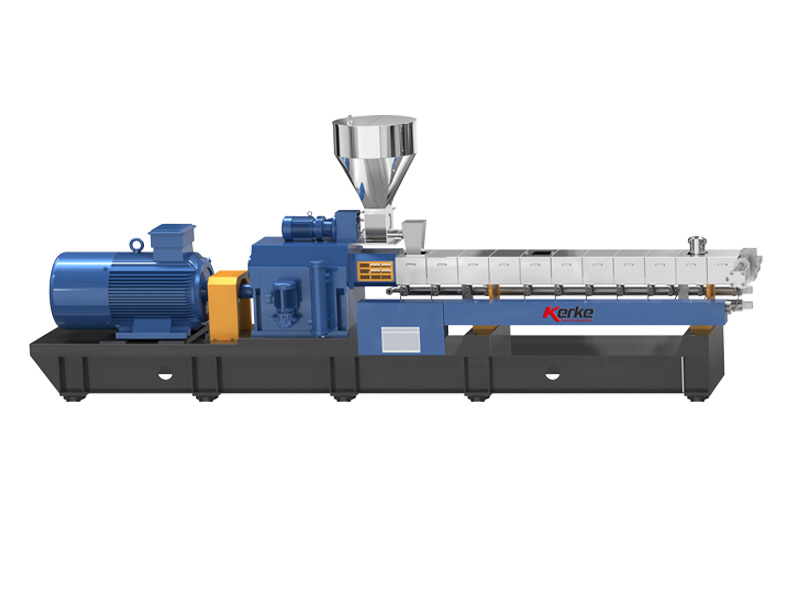
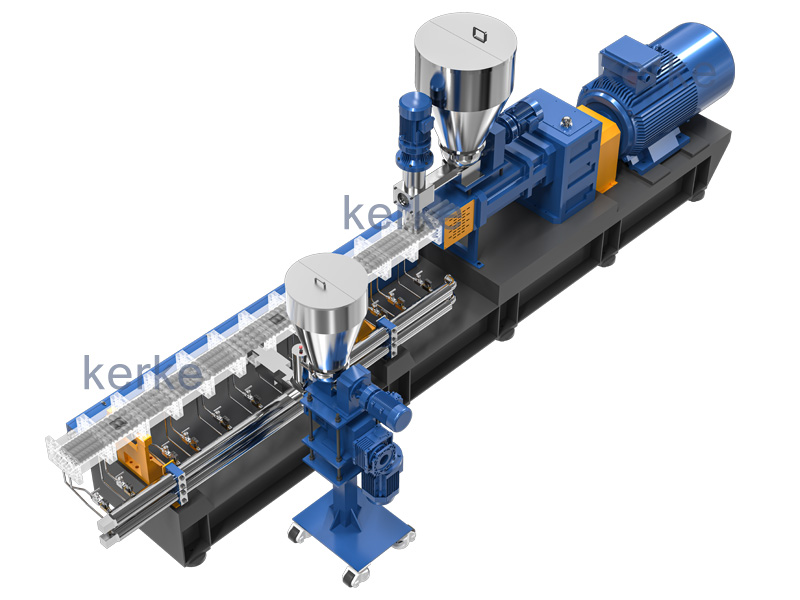
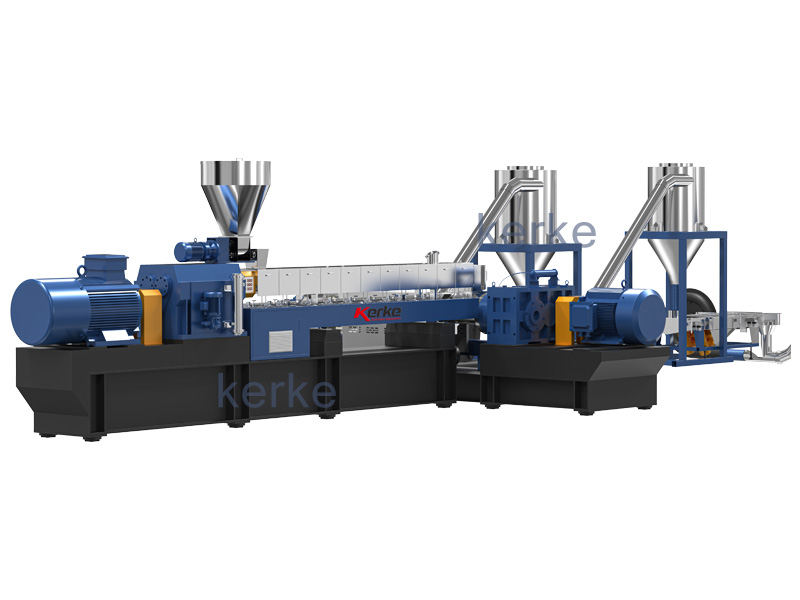
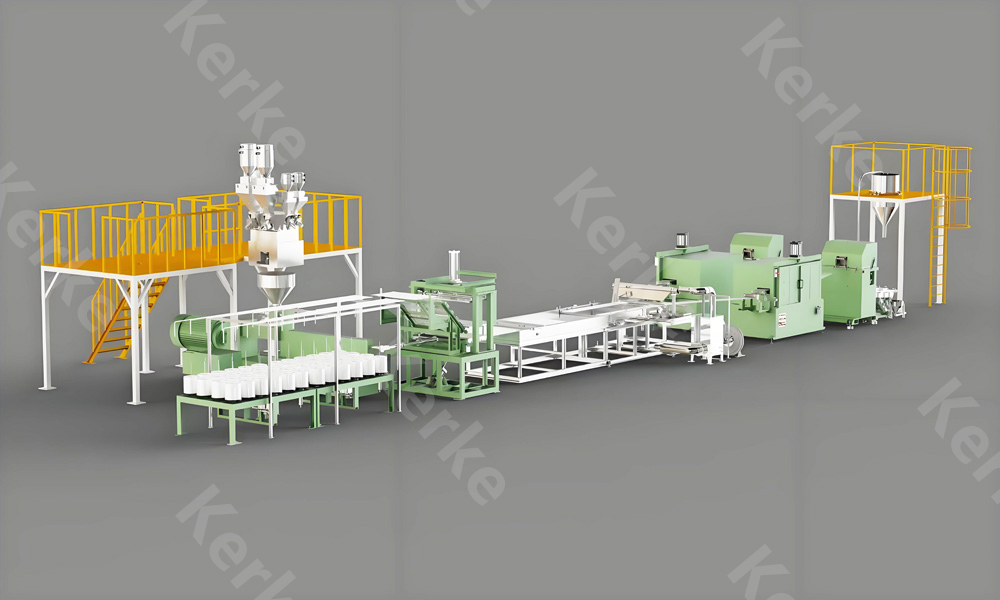
Core Solution: High-Speed Mixer + 40/44:1 L/D High-Torque Co-Rotating Twin-Screw Extruder + Water Strand Pelletizing System with Gantry Cutter
This solution is optimized for all mainstream ABS production scenarios—from general-purpose and flame-retardant ABS to high-filled and alloy-modified grades—and incorporates industry-proven components:
- High-Torque Twin-Screw Extruder: Available in 40:1 and 44:1 L/D configurations, equipped with a heavy-duty gearbox and high-torque motor (11-13 Nm/cm³ torque rating ). The modular screw design uses wide-pitch conveying elements and interrupted kneading blocks to achieve uniform mixing without over-shearing, protecting the butadiene phase of ABS . Barrels and screws are made of wear-resistant bimetallic alloy to withstand high-filler formulations.
- Precision Feeding System: Equipped with loss-in-weight feeders for main resin and additives, ensuring accurate formula ratio control (±0.1% feeding precision) to maintain product consistency.
- Water Strand Pelletizing System: Includes a strand die with uniform flow channels, a multi-stage water bath for precise cooling, and a gantry pelletizer with hardened steel cutters. The gantry design ensures stable strand tension and clean cuts, producing pellets with consistent length and minimal fines.
- Intelligent Control System: PLC-based control with touchscreen interface, supporting multi-zone temperature control (±1°C precision), screw speed regulation, and vacuum degassing monitoring. The system stores 100+ recipe programs for quick formula switching and includes real-time fault alarms for production safety.
This solution supports production capacities from 200 kg/h to 1500 kg/h, adapting to both small-batch customization and large-scale mass production. It has been validated in over 300 ABS processing projects globally, with customers reporting a 35% increase in production efficiency and 78% reduction in product defect rates compared to non-specialized equipment.
8. What Factors Affect ABS Product Pricing?
The price of ABS resin in the market varies greatly, which is mainly affected by the following five core factors:
- Raw Material Cost: The type and quality of the base ABS resin, fillers, and functional additives are the most important factors affecting the cost of the final modified ABS product. The base resin cost typically accounts for 60% to 80% of the total production cost—for example, virgin ABS resin costs significantly more than recycled ABS resin. Specialty additives, such as halogen-free flame retardants, UV stabilizers, or impact modifiers, also have a significant impact on the final cost—these high-performance additives can be 2 to 5 times more expensive than general-purpose alternatives.
- Filler Loading: The higher the filler content in the formula, the lower the raw material cost per unit weight of the product. However, higher filler loadings also require higher-torque extrusion equipment to achieve the required dispersion effect, which increases the initial equipment investment and production energy consumption costs. The balance between these two factors determines the overall cost-effectiveness of the formulation.
- Functional Requirements: Conventional general-purpose ABS has a relatively low price, while specialty ABS (such as high-impact, flame-retardant, or weather-resistant grades) requires the addition of special functional additives and more stringent process control, so the price will be significantly higher. For example, the cost of flame-retardant ABS is typically 15% to 30% higher than that of general-purpose ABS, while the cost of high-impact automotive-grade ABS can be 20% to 40% higher.
- Order Quantity: Large-volume orders can reduce the comprehensive production cost of enterprises through standardized high-volume production—reducing the frequency of equipment downtime and material changeover, and improving overall production efficiency. Therefore, the unit price for large-volume orders is often 5% to 15% lower than that for small-batch customized orders.
- Production Process & Equipment: ABS modified compounds produced by high-precision extrusion equipment (such as Kerke’s 44:1 L/D high-torque twin-screw extrusion line) have more uniform additive dispersion, more stable mechanical properties, and a lower defective rate than those produced by ordinary equipment. This reduces overall production losses, so the product price will be correspondingly higher.
In terms of market price range, the price of conventional general-purpose ABS is usually between US$$1.6 and U$$2.7 per kilogram in 2026, while the price of high-performance specialty ABS (such as flame-retardant or high-impact automotive-grade ABS) is between US$$2.8 and U$$4.2 per kilogram . By 2027, these prices are expected to increase slightly by 3-5% due to raw material cost fluctuations . For the specific quotation of ABS modified compound, it is necessary to provide the detailed formula, carrier type, functional requirements, and order quantity to the manufacturer for customized calculation.
9. Trusted ABS Extrusion Machine Supplier: Kerke
When choosing extrusion equipment for ABS modification or compounding production, the supplier’s technical strength, industry application experience, and after-sales service capability are the key factors that determine the long-term stable operation of the production line. Kerke is a leading professional extrusion equipment manufacturer, focusing on the research and development, production, and sales of high-torque twin-screw extrusion equipment, and has rich project experience in the field of ABS modification and compounding production.
9.1 Why Choose Kerke as Your Extrusion Equipment Supplier?
- ABS-Specific Technical Optimization: Kerke’s R&D team has an in-depth understanding of the processing characteristics of ABS modified materials—such as shear sensitivity, thermal degradation risk, and high filler loading requirements . The company’s 40/44:1 L/D twin-screw extruders are specially optimized with high-torque drives and gentle mixing screw configurations to ensure uniform dispersion while protecting the butadiene rubber phase from degradation.
- Turnkey Production Line Service: Kerke provides a full set of turnkey solutions for ABS modified compound production, integrating high-speed mixers, precision feeders, high-torque twin-screw extruders, water strand pelletizing systems with gantry cutters, and dehydration/drying equipment. All components are perfectly matched to avoid compatibility issues, and no additional auxiliary equipment is required for debugging.
- Strict Quality Control System: All Kerke’s equipment parts undergo strict quality inspection and testing before leaving the factory. The core components such as the screw and barrel are made of high-quality bimetallic alloy materials, which have been treated with precision machining and special processes, ensuring that the equipment can operate stably for 24/7 under high-load working conditions .
- Customized Design Capability: Kerke’s technical team can conduct personalized configuration and optimization according to the customer’s actual production capacity, formula characteristics, and workshop conditions. For example, for customers producing high-filled ABS (≥50% filler content), Kerke can enhance the torque rating and add specialized feeding sections; for flame-retardant ABS production, the extruder is equipped with enhanced degassing systems to remove volatile flame retardant byproducts.
- Efficient After-Sales Service System: Kerke has established a complete after-sales service system. The company’s technical team can provide customers with a full range of services, including equipment installation, debugging, technical training, and maintenance. In case of equipment failure, the local service team can respond quickly and reach the customer’s site within 48 hours to ensure the rapid recovery of production.
9.2 Kerke’s Successful Industry Cases
Up to now, Kerke has served numerous global plastic processing manufacturers in the field of ABS modification and compounding. Our professional twin-screw extrusion production lines have been widely applied in the production of general-purpose ABS, flame-retardant ABS, high-impact ABS, filled modified ABS and other mainstream grades. A large number of cooperative enterprises have achieved stable product quality, standardized production processes and optimized production costs after adopting Kerke’s customized extrusion solutions.
For reference, many domestic and overseas new material enterprises have adopted Kerke’s high-torque twin-screw extruder matched with 44:1 L/D professional configuration and water strand pelletizing system for ABS modified material production. The complete production line is perfectly adapted to diverse ABS formula processing demands, including filler modification, flame retardant modification and toughening modification. After formal commissioning and production, customers have achieved more uniform additive dispersion and more stable mechanical properties of finished ABS pellets. Meanwhile, the overall production stability is greatly improved, effectively reducing defective products and comprehensive production consumption, bringing stable and long-term production benefits for ABS compounding factories.
To learn more about Kerke’s ABS extrusion solutions, please visit Kerke’s Official Extrusion Solution Library.
Conclusion
ABS resin is a versatile, cost-effective engineering plastic that balances mechanical performance, aesthetic quality, and processability—making it an indispensable material in the global plastics industry. With the market projected to reach $37.25 billion by 2027 , its demand in automotive, electronics, and medical sectors continues to grow rapidly. Its unique performance tunability allows it to meet the stringent application requirements of diverse high-value components. To produce high-quality ABS modified compounds with consistent performance, enterprises must not only design a scientific and reasonable formula but also be equipped with professional extrusion production equipment—specifically 40/44:1 L/D high-torque twin-screw extruders with water strand pelletizing systems—that matches the formula and process requirements.
As a leading enterprise in the field of extrusion equipment manufacturing, Kerke has a deep understanding of the production process requirements of ABS modified materials and provides customers with cost-effective turnkey extrusion solutions. Whether you are a small-scale enterprise planning to build a new production line or a large-scale enterprise looking to upgrade existing equipment, Kerke can provide you with a professional equipment solution and full-cycle technical support.
Ready to Optimize Your ABS Production Line?
Kerke’s professional technical team can provide you with customized extrusion equipment solutions according to your formula characteristics, production capacity requirements, and budget. We also provide free technical consultation, process formula optimization suggestions, and a precise equipment quotation.
[Contact Kerke Today] to get the targeted solution for your ABS production project!