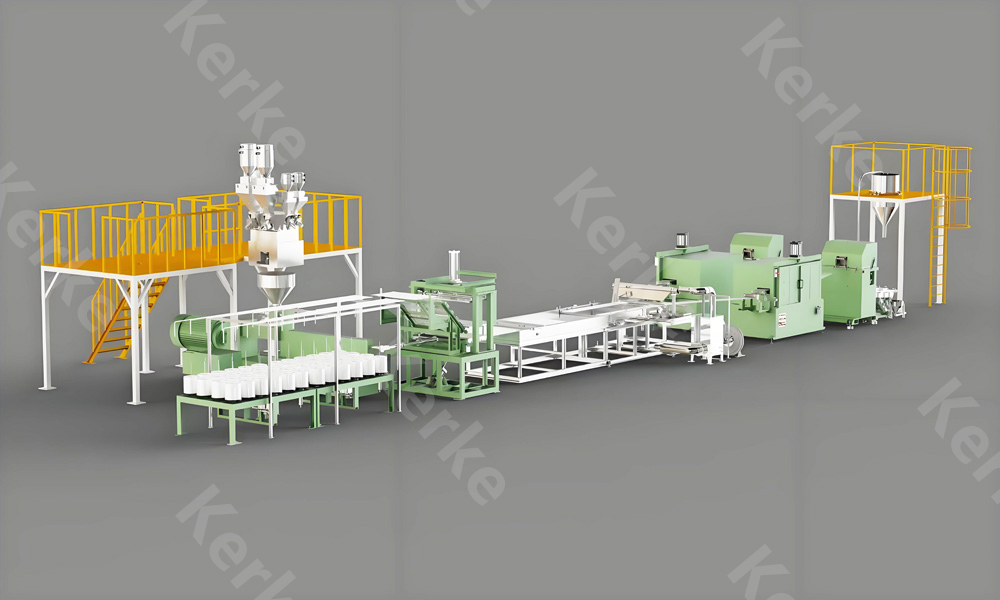
Introduction to Twin Screw Extrusion in Masterbatch Production
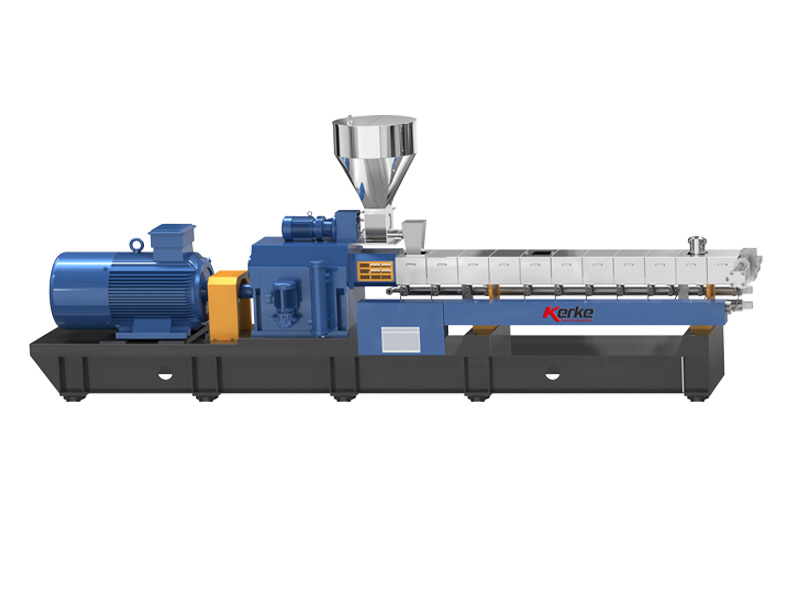
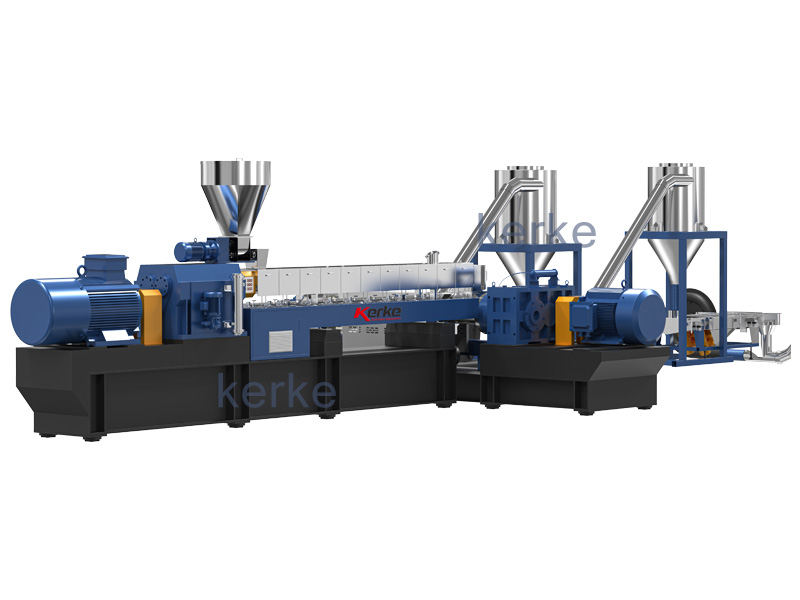
The plastic masterbatch industry relies heavily on precision, consistency, and efficiency. Among the various machinery available, the twin screw extruder stands out as the most versatile and efficient solution for compounding processes. Unlike single screw extruders, twin screw machines provide superior mixing capabilities, self-cleaning functions, and precise residence time distribution. At Kerke Extruder, we specialize in manufacturing high-performance twin screw extruders designed specifically for the rigorous demands of the masterbatch sector. This article explores the best applications of these machines, detailing how they optimize production for different types of masterbatches.
Why Twin Screw Extruders are Preferred for Masterbatch
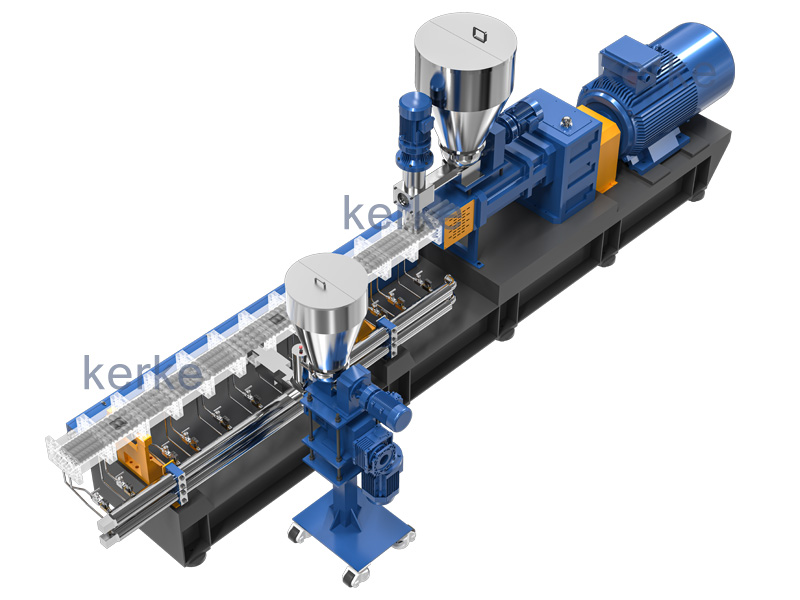
The primary reason manufacturers choose a twin screw extruder over other types is the intermeshing co-rotating screws. This design creates a positive conveying action and high shear forces, which are essential for dispersing pigments and additives into a polymer carrier. The modular design of the screw elements allows for customization based on the material properties. Whether you are producing color masterbatches, additive masterbatches, or filling masterbatches, the twin screw configuration ensures homogeneity that single screw machines cannot achieve. Kerke Extruder leverages this technology to provide machines that reduce energy consumption while maximizing output quality.
Application 1: Color Masterbatch Production
Color masterbatches require the uniform dispersion of pigments or dyes into a carrier resin. This is perhaps the most common application for a masterbatch extruder. The challenge lies in achieving a streak-free final product, especially when using high concentrations of pigments like titanium dioxide or carbon black. Twin screw extruders excel here due to their intensive distributive and dispersive mixing capabilities. The intermeshing screws break down agglomerates of pigments effectively. Kerke twin screw extruders are equipped with specialized mixing kneading blocks that ensure the pigment is perfectly encapsulated by the polymer, resulting in vibrant colors and excellent dispersion in the final plastic product.
High Concentration Color Masterbatches
For high concentration masterbatches (up to 50% pigment loading), the torque and shear force requirements are immense. A standard compounding extruder might struggle with heat buildup or inconsistent mixing at these levels. However, the co-rotating twin screw design handles high viscosity compounds efficiently. The modular barrel allows for precise temperature control zones, preventing degradation of heat-sensitive polymers while ensuring the pigment is fully wetted out. This application is critical for industries like automotive and packaging where color consistency is non-negotiable.
Application 2: Filling Masterbatch (CaCO3, Talc, etc.)
Filling masterbatches involve incorporating high loads of inorganic fillers like calcium carbonate, talc, or barium sulfate into a polymer matrix. These fillers are used to reduce costs or modify mechanical properties. The main challenge is the high volume of filler, which can be difficult to feed and mix without causing venting issues or poor mechanical interlocking. Twin screw extruders are ideal for this because they can handle high filler loadings (up to 80% in some cases) while maintaining good mechanical properties. The kneading blocks in a Kerke extruder create enough shear to coat the filler particles with the polymer, improving the impact strength of the final compounded plastic.
Surface Treatment of Fillers
In many filling masterbatch applications, the filler must be surface-treated (e.g., with stearic acid or silane) to improve compatibility with the polymer. The twin screw extruder acts as a chemical reactor where the filler, carrier, and coupling agent are compounded in a single pass. This in-situ treatment is more efficient than pre-treating the filler separately. The intense mixing ensures that every particle of filler is coated, which is vital for the mechanical performance of the end product. Kerke machines offer side feeder ports specifically designed for adding liquid coupling agents or powder treatments directly into the melt.
Application 3: Additive Masterbatch (Antioxidants, UV Stabilizers)
Additive masterbatches concentrate functional additives like antioxidants, UV stabilizers, antistatic agents, and flame retardants. These additives are usually used in small quantities (1-5%) but are critical for the performance of the final plastic part. Using a twin screw compounding extruder for this application ensures that these potent additives are dispersed uniformly without degradation. For example, flame retardants often require specific shear and temperature profiles to maintain their efficacy. The modular design of Kerke extruders allows operators to configure the screw profile to minimize shear heat for sensitive additives while still achieving perfect distribution. This prevents the “fish eyes” or gel defects that can occur with poor mixing.
Application 4: Engineering Plastics Compounding
Beyond standard masterbatches, twin screw extruders are extensively used for compounding engineering plastics like nylon (PA), polycarbonate (PC), and PBT. These materials often require reactive extrusion, where the polymer chains are modified or grafted. For instance, in the production of glass-fiber reinforced nylon, the twin screw extruder must not only mix the polymer and glass fibers but also ensure the fibers are not broken down to a length that compromises strength. The co-rotating system provides the necessary conveying force to move the viscous melt without excessive fiber attrition. Kerke Extruder offers specialized screw elements for glass fiber compounding that maintain fiber length while ensuring excellent wet-out.
Application 5: Biodegradable and Bio-based Plastics
The rising demand for sustainable packaging has led to increased production of biodegradable plastics like PLA (Polylactic Acid) and PBAT. These materials are sensitive to heat and shear history. A masterbatch extruder used for bioplastics must be designed to minimize residence time and control temperature precisely. Twin screw extruders are ideal because they can process materials with wide viscosity differences, such as blending PLA with starch or other bio-fillers. The self-cleaning capability of the intermeshing screws is crucial here to prevent material degradation and cross-contamination when switching between batches. Kerke extruders are increasingly being used in this sector due to their gentle yet efficient processing capabilities for heat-sensitive bio-polymers.
Application 6: Cable and Wire Compounds
In the cable industry, halogen-free flame retardant (HFFR) compounds are essential. These compounds often use EVA or EVA blends with high loadings of magnesium hydroxide or aluminum hydroxide flame retardants. The viscosity of these mixes is extremely high. A robust twin screw extruder is required to generate the pressure needed to push this viscous melt through a die. The high torque capability of Kerke twin screw machines makes them suitable for these demanding HFFR applications. Additionally, the mixing quality ensures that the flame retardant is evenly distributed, which is critical for passing safety standards like UL or IEC flame tests.
Application 7: Masterbatch for High-Speed Fiber Spinning
For fiber applications, the masterbatch must have extremely low gel content and high filterability. Any unmixed pigment or agglomerate can break the filament during spinning. Twin screw extruders provide the highest level of dispersion, reducing gels to a minimum. The intensive mixing in the kneading zones ensures that even sub-micron particles are dispersed. Kerke extruders can be equipped with high-pressure melt pumps and continuous screen changers to ensure a constant, clean flow of melt to the spinneret. This application demands the highest precision in temperature control and screw design to achieve the required filtration values (e.g., 20 microns or less).
Technical Advantages of Kerke Twin Screw Extruders in Masterbatch
When selecting a machine for these applications, several technical features set Kerke apart. First, our barrels are made of high-quality tool steel with bimetallic liners for wear resistance, crucial when processing abrasive fillers like talc or glass fiber. Second, the drive system uses high-torque gearboxes capable of handling the sudden load changes typical in masterbatch production. Third, the control system integrates feedback loops from pressure transducers and temperature sensors to maintain process stability. This level of automation ensures that every bag of masterbatch produced meets the exact specification, reducing waste and rework.
Conclusion
The twin screw extruder is the cornerstone of the modern masterbatch industry. From simple color concentrates to complex reactive compounding for engineering plastics, its versatility is unmatched. Applications ranging from high-loading fillers to heat-sensitive bioplastics all benefit from the superior mixing and self-cleaning properties of co-rotating twin screws. For manufacturers looking to upgrade their production capabilities, investing in a reliable machine like those offered by Kerke Extruder ensures long-term profitability, consistent product quality, and the ability to tackle complex compounding challenges. As the industry moves toward more sustainable and high-performance materials, the role of the advanced twin screw extruder will only become more critical.