Introduction
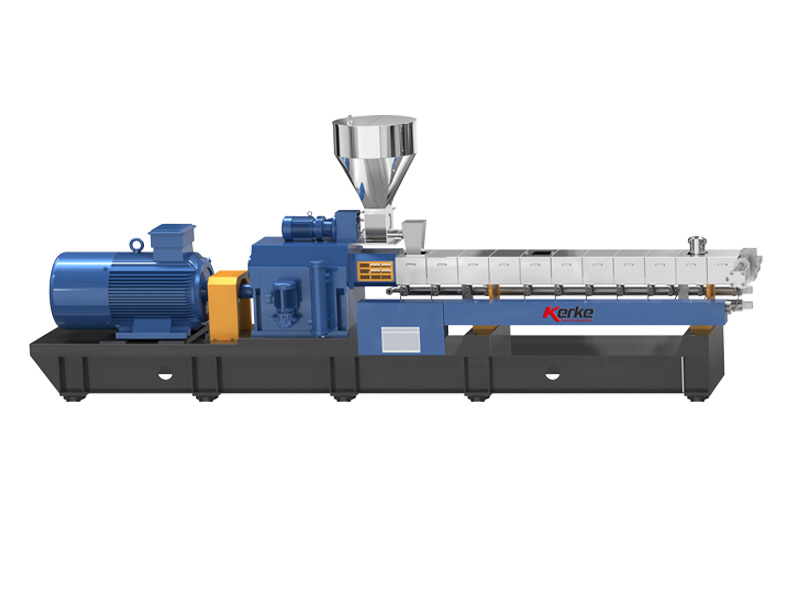
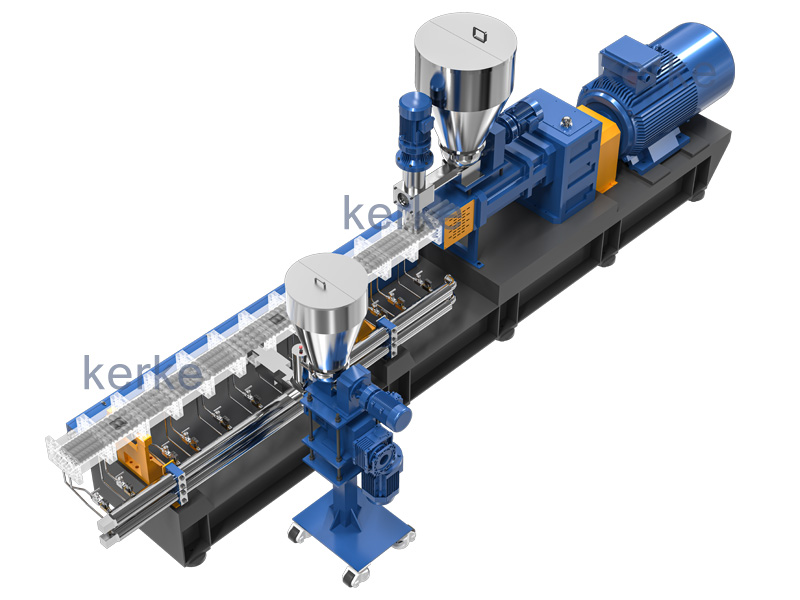
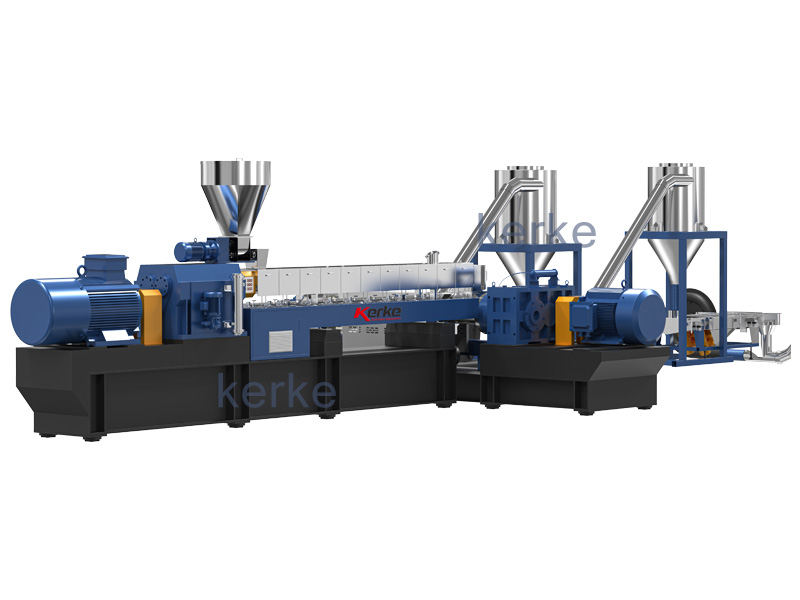
Operating a masterbatch extruder safely represents the fundamental priority for any plastic processing facility, as it protects personnel, equipment, and production quality while ensuring compliance with regulatory requirements. Twin screw extruders, particularly those from Kerke’s KTE Series used for masterbatch production, involve complex interactions between high temperatures, rotating machinery, and chemical materials that create multiple hazards requiring comprehensive safety management. This guide provides detailed best practices for safe extruder operation across startup, normal operation, shutdown, and maintenance procedures.
The importance of safe extruder operation extends beyond immediate injury prevention to encompass long-term worker health, equipment protection, and business continuity. Unsafe practices can lead to catastrophic failures resulting in injuries, production losses, equipment damage, and regulatory penalties. Implementing comprehensive safety protocols represents an investment that pays dividends through reduced incidents, improved worker morale, lower insurance costs, and enhanced operational efficiency.
Modern masterbatch extruders incorporate multiple safety systems designed to protect operators and equipment, but these systems must be properly understood, maintained, and operated by trained personnel. Kerke’s KTE Series extruders meet international safety standards including CE marking and ISO requirements, but achieving truly safe operation requires operator training, procedural discipline, and safety culture integration throughout the organization. This guide provides the foundation for developing and maintaining safe operating practices.
Understanding Extruder Hazards
Effective safety management begins with comprehensive understanding of the hazards associated with masterbatch extruder operation. Twin screw extruders present multiple hazard categories including mechanical, thermal, electrical, chemical, and ergonomic hazards. Each hazard type requires specific control measures and operator awareness to prevent incidents.
Mechanical Hazards
Mechanical hazards represent the most immediate and obvious dangers associated with extruder operation. Rotating components including the twin screws, drive shafts, and coupling systems create potential for crushing, entanglement, and pinch point injuries. The high torque generated by large motors, particularly in mid-size KTE Series extruders like the KTE-75D with motor power up to 315 kW, creates forces capable of causing severe injuries.
Screw assemblies rotate at speeds ranging from 100 to 800 rpm depending on model and application. The KTE-75D operates at 300-800 rpm, creating substantial rotational energy that must be respected. Even when the extruder appears stopped, residual rotational energy and automatic restart systems can create unexpected motion. Proper lockout-tagout procedures are essential whenever accessing rotating components.
Auxiliary equipment including feeders, pumps, and conveyors present additional mechanical hazards. The gravimetric feeding systems typically used in masterbatch production include rotating augers and conveyor belts that can cause entanglement if proper guarding is not maintained. Downstream equipment including pelletizers and cooling systems also includes rotating components requiring safety attention.
Thermal Hazards
Thermal hazards represent significant risks in masterbatch extruder operation, particularly when processing engineering plastics or working with high-temperature materials. Barrel sections, die heaters, and downstream processing equipment operate at temperatures ranging from 150°C to 350°C depending on the materials being processed. The KTE Series extruders feature barrel heating zones that maintain precise temperature control, but the high temperatures create burn hazards for operators.
Surface temperatures on unguarded barrel sections can reach 200-300°C during normal operation, causing immediate severe burns upon contact. Even after shutdown, substantial thermal mass maintains dangerous temperatures for extended periods. The barrel on a KTE-75D extruder, weighing approximately 2,000 kg, can retain dangerous heat for 8-12 hours after shutdown, requiring careful handling during maintenance activities.
Thermal expansion creates additional hazards during heating and cooling cycles. Metal components expand during heating, creating pinch points and changing clearances. Operators must understand these thermal effects to avoid getting fingers caught in moving components during temperature changes. Additionally, thermal stress can cause component failures if heating or cooling occurs too rapidly, potentially creating projectile hazards.
Electrical Hazards
Electrical hazards in extruder operation range from shock hazards to arc flash dangers. Large extruders like the KTE-75D require high-power electrical systems operating at voltages up to 480V and currents exceeding 600A. These high-power systems create substantial shock and arc flash hazards requiring specialized training and personal protective equipment.
Control systems including PLCs, sensors, and actuators operate at various voltage levels from 24V DC to 240V AC. While lower voltage systems present reduced shock hazards, they can still cause injuries and equipment damage if improperly handled. The complex control networks used in modern extruders create multiple connection points where faults can occur.
Variable frequency drives (VFDs) used for motor speed control present specific electrical hazards including stored energy in capacitors and potential DC bus hazards. Even after power disconnection, VFDs can maintain dangerous voltage levels for several minutes, requiring specific discharge procedures before servicing. The VFDs used in KTE Series extruders typically require 5-10 minutes discharge time before being safe to service.
Chemical Hazards
Chemical hazards in masterbatch extruder operation include exposure to polymer fumes, decomposition products, and additive materials. Many engineering plastics and additives release hazardous fumes when heated, requiring proper ventilation and respiratory protection. Polyvinyl chloride (PVC) processing releases hydrogen chloride gas, requiring specialized ventilation and monitoring systems.
Pigment and additive powders present dust explosion and inhalation hazards. Titanium dioxide, carbon black, and other common masterbatch components create fine dust that can cause respiratory issues if inhaled. Some pigments, particularly cadmium-based reds and yellows, are toxic and require special handling procedures. Carbon black is classified as a possible carcinogen, requiring respiratory protection during handling.
Lubricants and processing aids used in extruder operation present chemical hazards through skin contact and inhalation. Hydraulic oils used in auxiliary equipment can cause skin irritation and respiratory issues if aerosolized. Processing aids such as slip agents and antiblocking additives may release volatile organic compounds during processing, requiring adequate ventilation.
Pre-Operation Safety Procedures
Pre-operation safety procedures establish the foundation for safe extruder operation by ensuring equipment readiness, proper setup, and operator preparedness. These procedures prevent incidents by identifying potential problems before they cause hazards during operation.
Equipment Inspection
Comprehensive pre-operation inspection ensures equipment is in safe operating condition before starting production. The inspection should include verification of safety systems, examination of mechanical components, testing of controls, and verification of proper setup. Systematic inspection following documented checklists ensures consistency and thoroughness.
Safety system verification includes checking all emergency stop buttons for proper operation, verifying that all guards are in place and secured with interlock switches functional, and testing safety light curtains and pressure-sensitive mats where installed. The KTE-75D typically includes 4-6 emergency stop stations positioned around the machine, each requiring verification before operation. Testing should verify that emergency stops immediately stop all motion and disable restart capability until properly reset.
Mechanical inspection includes examination of rotating components for damage or wear, checking for loose or missing hardware, verifying proper alignment, and inspecting belts and couplings for wear. Particular attention should be paid to the screw and barrel assembly, checking for proper alignment and clearance. Damaged or worn components must be replaced before operation, as they can create hazards through unexpected failure or material entanglement.
Electrical System Verification
Electrical system verification ensures proper grounding, intact insulation, and secure connections before operation. Visual inspection should check for damaged cable insulation, loose connections, and signs of overheating or arcing. Thermal imaging can identify potential electrical problems before they cause failures or hazards.
Grounding system verification is particularly important for large extruders. The KTE-75D requires proper grounding of the frame, motor, drive system, and all auxiliary equipment to prevent shock hazards and ensure proper equipment operation. Grounding resistance should be measured and documented, with target values typically below 1 ohm for large equipment installations.
Control system verification includes testing all safety interlocks, verifying proper operation of limit switches and sensors, and testing alarm functions. The PLC control system should be checked for proper operation, including verification of all safety functions. Kerke’s KTE Series includes comprehensive diagnostic capabilities that should be reviewed before operation to identify any system faults or warnings.
Material Preparation Safety
Material preparation for masterbatch production involves handling of pigments, additives, and polymer carriers, each presenting specific hazards. Proper material preparation procedures minimize exposure to hazardous materials and prevent contamination or material-related problems during operation.
Pigment and additive handling requires appropriate personal protective equipment including respiratory protection, gloves, and safety glasses. Fine powders such as carbon black and titanium dioxide create dust that can be inhaled, requiring NIOSH-approved respirators with appropriate filtration. Some pigments require additional protection due to toxicity. Material Safety Data Sheets (MSDS) for all materials should be reviewed before handling.
Drying operations for hygroscopic materials present burn hazards from heating equipment and potential electrical hazards from dryers operating at high temperatures. Dehumidifying dryers used with materials like polycarbonate and nylon operate at 150-200°C, creating burn hazards during loading and unloading. Operators must use appropriate heat-resistant gloves and follow proper loading procedures to avoid burns.
Material feeding equipment including gravimetric feeders and hoppers presents mechanical and electrical hazards. The rotating augers in feeders can cause entanglement if guards are removed or defeated. Electrical connections on feeders present shock hazards if not properly grounded and maintained. Regular inspection and maintenance of feeding equipment is essential for safe operation.
Area and Facility Preparation
Area and facility preparation ensures the extrusion environment supports safe operation. This includes verifying adequate lighting, proper ventilation, clear access routes, and appropriate emergency equipment availability. Good facility organization prevents trips, falls, and access problems during operation.
Lighting in the extrusion area should provide adequate illumination for safe operation, typically 500-750 lux for machine areas. Poor lighting increases the risk of accidents and makes it difficult to identify developing problems. Emergency lighting should be tested regularly to ensure operation during power failures. The KTE-75D requires lighting that allows clear visibility of all operating components and displays.
Ventilation systems must provide adequate air exchange to remove polymer fumes, decomposition products, and dust. Local exhaust ventilation at the die and feeder areas captures emissions at the source. General ventilation provides overall air quality control. For PVC processing, dedicated hydrogen chloride monitoring and scrubbing systems are required to protect operators and prevent corrosion.
Emergency equipment availability should be verified before operation. This includes fire extinguishers appropriate for electrical fires (Class C), first aid kits, emergency showers and eye wash stations for chemical exposure, and spill containment materials for material releases. The location and accessibility of all emergency equipment should be reviewed regularly with operators.
Safe Startup Procedures
Safe startup procedures minimize hazards associated with bringing equipment from cold shutdown to operating temperature and speed. The startup process involves coordinated control of multiple systems including heating, motor starting, and material feeding, each presenting specific hazards if not properly sequenced.
Power-Up and Control System Initialization
Initial power-up procedures should follow proper sequencing to avoid electrical hazards and equipment damage. The main disconnect should be closed after verifying that all personnel are clear of the equipment. The control system should be initialized following manufacturer procedures, typically requiring a verification sequence that confirms all safety systems are operational before enabling machine motion.
The KTE-75D extruder control system includes a startup sequence that verifies interlock status, emergency stop button status, and proper initialization of all drive systems. This automated verification reduces the risk of starting the machine with unsafe conditions. Operators should understand this verification sequence and respond appropriately to any faults or warnings displayed.
Drive system initialization includes verification of proper motor rotation, checking parameter settings, and testing low-speed operation before proceeding to normal speeds. The variable frequency drive (VFD) should be allowed to complete its initialization sequence, which may include capacitor charging and self-diagnostic routines. Attempting to operate the machine before proper initialization can cause equipment damage and create safety hazards.
Temperature Control System Startup
Temperature control system startup should precede motor startup to ensure materials are at appropriate processing temperatures before mechanical action begins. The barrel heating zones should be enabled in sequence, typically starting from the feed zone and proceeding toward the die. This controlled heating prevents thermal stress and ensures proper temperature gradients.
Temperature ramp rates should be controlled to prevent thermal shock and component damage. Typical ramp rates for the KTE-75D barrel are 2-4°C per minute, meaning reaching 250°C from ambient requires 60-125 minutes. Attempting to heat too rapidly can cause thermal expansion problems and may create uneven temperature distribution that affects product quality and equipment operation.
Temperature verification should confirm that all zones reach setpoint before proceeding with motor startup. The KTE Series includes temperature display for each zone, allowing operators to verify actual temperatures versus setpoints. Operating with significant temperature deviations can cause material processing problems that lead to overpressure situations or equipment blockages, creating safety hazards.
Motor and Drive System Startup
Motor startup procedures should follow proper sequencing to minimize electrical stress and mechanical shock. The main motor should be started at low speed and gradually ramped to operating speed, allowing the drive system and mechanical components to stabilize. This controlled startup reduces starting current and mechanical shock compared to direct-on-line starting.
The KTE-75D with its 315 kW motor creates substantial starting currents that can stress electrical systems if not properly controlled. The VFD limits starting current to approximately 150% of rated current compared to 600-800% for direct-on-line starting, reducing electrical stress and improving system reliability. Operators should verify that the motor accelerates smoothly without excessive vibration or unusual sounds that indicate mechanical problems.
Drive system monitoring during startup should verify proper current draw, temperature, and vibration levels. Abnormal startup characteristics often indicate developing problems that should be investigated before proceeding to production operation. The KTE Series includes comprehensive drive monitoring that displays current, torque, and power factor, allowing operators to verify normal operation.
Material Feeding Startup
Material feeding should begin only after the extruder reaches operating temperature and speed, and after verifying that all discharge points are clear. Premature material feeding can cause blockages, overpressure, or material discharge at unexpected locations, creating safety hazards. The discharge path should be visually verified clear before initiating material feed.
Feeding rates should start low and gradually increase to production rates, allowing the system to stabilize at each level. Sudden increases in feed rate can cause overpressure situations or motor overload. For the KTE-75D operating at typical masterbatch production rates of 500-1000 kg/h, feed rate should increase in steps of approximately 100-200 kg/h, allowing 5-10 minutes of stabilization between steps.
Monitoring during initial material feed should verify normal pressure, temperature, and motor load. Abnormal readings indicate problems that require investigation before continuing. The die should be monitored for uniform discharge, and downstream equipment should verify proper material flow. Any blockages or irregular discharge should be addressed immediately to prevent safety hazards.
Normal Operation Safety
Safe operation during normal production requires continuous monitoring, adherence to operating procedures, and prompt response to abnormal conditions. Complacency during routine operation represents a significant hazard, as many incidents occur during what appears to be normal operation.
Process Monitoring
Continuous process monitoring enables early detection of developing problems before they create safety hazards. Operators should regularly check all process parameters including temperatures, pressures, motor loads, and production rates. The KTE Series provides comprehensive monitoring capabilities through the HMI interface, allowing operators to view all critical parameters from a central location.
Temperature monitoring should verify that all zones remain within acceptable ranges. Deviations from normal patterns often indicate developing problems. For example, gradual temperature increases in specific zones may indicate screw wear that reduces mixing efficiency. Sudden temperature changes may indicate heater failures or cooling system problems. Temperature excursions beyond safe limits can cause material degradation creating hazardous fumes.
Pressure monitoring, particularly melt pressure at the die, provides critical safety information. Overpressure situations can cause die blowouts or material discharge at unsafe locations. The KTE-75D typically operates at melt pressures of 100-200 bar during masterbatch production. Pressure alarms should be set at approximately 250 bar to provide warning before critical conditions develop. Any pressure increases above normal ranges require immediate investigation.
Equipment Condition Monitoring
Equipment condition monitoring during operation detects developing mechanical or electrical problems. Visual inspection should verify absence of leaks, unusual vibrations, or abnormal sounds. The KTE Series includes vibration monitoring and thermal imaging capabilities for critical components, enabling predictive maintenance and early problem detection.
Listening for unusual sounds provides valuable diagnostic information. Abnormal sounds from the gearbox may indicate bearing wear or gear mesh problems. Motor sounds that differ from normal operation may indicate winding problems or bearing issues. Unusual sounds from the screw area may indicate material blockages or wear problems. Operators should become familiar with normal operating sounds to recognize when something changes.
Visual inspection should check for leaks of oil, water, or other fluids. Hydraulic system leaks create slip hazards and can cause equipment damage. Cooling system leaks may reduce cooling capacity leading to overheating. Lubrication system leaks may cause inadequate lubrication leading to component failures. Any fluid leaks should be addressed promptly.
Material Handling Safety
Material handling during production involves replenishment of hoppers, handling of rework or scrap materials, and sampling operations, each presenting specific hazards. Proper procedures minimize exposure to hazardous materials and prevent contamination or processing problems.
Hopper replenishment requires attention to rotating components and dust hazards. The rotating screws create suction through the feed throat that can pull materials and objects into the extruder. No tools, hands, or other objects should ever be placed near the feed throat during operation. Dust from powder materials should be controlled through proper dust collection systems to prevent inhalation hazards.
Rework and scrap material handling requires verification of material compatibility and absence of contamination. Foreign materials introduced through rework can cause blockages, overpressure, or equipment damage. Metallic contaminants are particularly hazardous as they can damage screw and barrel components. Reused materials should be visually inspected and processed through proper cleaning and screening before reintroduction.
Sampling operations should follow proper procedures to avoid exposure to hot materials or moving components. Samples should be collected using appropriate tools and placed in properly labeled containers. Operators should be aware of hot surface locations and maintain appropriate clearance during sampling. Sampling equipment should be properly maintained and inspected for damage before use.
Shutdown Procedures
Safe shutdown procedures minimize hazards associated with bringing equipment from operating condition to safe shutdown state. Proper shutdown prevents equipment damage, protects personnel, and facilitates subsequent safe startup. The shutdown process should follow documented procedures rather than being left to individual operator judgment.
Material Feed Shutdown
Material feed should be stopped before stopping the extruder to allow purging of material from the barrel and die. Purging removes processing materials that could degrade during extended shutdowns and helps prevent blockages on subsequent startup. The purge material should be compatible with subsequent production to prevent contamination.
Purging procedures for the KTE-75D typically involve stopping the feed systems and allowing the extruder to continue running until material discharge becomes minimal, approximately 5-10 minutes depending on the material. A compatible purge material may be introduced to help clear the barrel of the production material. Purge material should be selected based on compatibility with both the production material and subsequent material to be processed.
After material feed is stopped and purging completed, all feeding equipment should be shut down following proper sequences. Auxiliary equipment including feeders, pumps, and cooling systems should be shut down according to documented procedures. Proper sequencing prevents situations where some systems continue operating while others have stopped, which can create safety hazards.
Motor and Drive System Shutdown
Motor shutdown should follow controlled procedures to minimize electrical and mechanical stress. The motor speed should be gradually reduced rather than simply stopping it, allowing drive systems and mechanical components to decelerate smoothly. This controlled shutdown reduces stress compared to abrupt stops and helps maintain equipment condition.
The VFD control in KTE Series extruders includes ramp-down functions that decelerate the motor smoothly. Typical deceleration times for the KTE-75D are 30-60 seconds, depending on operating speed. This controlled deceleration prevents electrical surges and mechanical shock that could damage components. Operators should verify that the deceleration proceeds normally without unusual sounds or vibrations.
After motor shutdown, all motion should cease and the system should come to complete rest before proceeding with other shutdown activities. Residual motion in rotating components, particularly screws and drive shafts, can create entanglement hazards if personnel contact the equipment too soon after shutdown. Visual verification that all motion has ceased should be performed before any maintenance or cleaning activities.
Temperature Control System Shutdown
Temperature control systems should be shut down in a controlled manner to prevent thermal shock to components. Heaters should be turned off in sequence, typically starting from the die end and proceeding toward the feed zone, allowing controlled cooling. This sequential cooling minimizes thermal stress and prevents excessive temperature gradients.
Natural cooling through ambient exposure should be allowed rather than forced cooling unless emergency cooling is required. Rapid cooling can cause thermal contraction problems and may damage temperature sensors or heating elements. The KTE Series barrel, with its substantial thermal mass, typically requires 4-8 hours to cool to ambient temperature naturally. Forced cooling should only be used when rapid access is required for emergency maintenance.
Cooling systems including fans and liquid circulation pumps should remain operating until barrel temperatures reach safe levels. Turning cooling systems off too soon can create localized overheating that damages components or causes material degradation in residual material. Cooling systems should be operated until barrel temperatures are below 50°C before shutdown, unless emergency procedures dictate otherwise.
Emergency Procedures
Emergency procedures provide structured responses to unexpected situations that pose immediate hazards to personnel or equipment. These procedures should be clearly documented, regularly trained, and immediately available to all personnel. Rapid, correct response during emergencies prevents escalation and minimizes harm.
Emergency Stop Activation
Emergency stop buttons should be activated immediately whenever hazardous conditions develop or potentially dangerous situations are observed. The KTE-75D includes multiple emergency stop stations positioned around the machine, with each button immediately accessible during operation. Any operator witnessing a hazardous situation should activate the nearest emergency stop without hesitation.
After emergency stop activation, the following sequence should occur: All machine motion stops immediately Motor power is interrupted Heating systems may continue operation depending on system configuration Restart is prevented until all emergency stops are reset and proper restart procedures are followed Operators should understand this sequence and verify proper operation after each emergency stop activation. Emergency stop buttons should be tested regularly according to documented schedules to ensure proper operation when needed.
After emergency stop, operators should assess the situation and determine the appropriate response. For situations requiring personnel evacuation, the area should be cleared immediately and emergency services contacted as appropriate. For equipment problems, a controlled restart may be attempted after addressing the underlying cause. All emergency stops should be reported and documented, even if no harm occurred, to identify recurring problems.
Fire Emergency Response
Fire emergencies may occur from electrical faults, material ignition, or external sources. Proper response requires immediate action to protect personnel and equipment while preventing fire spread. All extrusion areas should be equipped with appropriate fire extinguishers and personnel trained in their use.
For electrical fires, Class C fire extinguishers must be used to avoid electrical shock hazards. The KTE-75D electrical system operates at high power levels, creating significant electrical fire potential. Operators should never use water on electrical fires. If an electrical fire is suspected, the main disconnect should be opened if it can be done safely without approaching the fire.
For material fires involving polymers or additives, appropriate extinguishing agents should be selected based on the burning material. Water should generally not be used on polymer fires as it may cause splattering or spread the fire. Dry chemical or CO2 extinguishers are typically appropriate for polymer fires. Operators should be familiar with the materials being processed and the appropriate extinguishing agents.
If a fire cannot be quickly controlled with available equipment, the area should be evacuated immediately and emergency services contacted. All personnel should evacuate using primary evacuation routes, using secondary routes only if primary routes are blocked. No attempt should be made to fight large fires that may spread or create hazardous conditions beyond training and equipment capabilities.
Chemical Exposure Response
Chemical exposure may occur through inhalation, skin contact, or eye contact with processing materials, decomposition products, or auxiliary materials. Proper response varies by exposure type but generally requires immediate action to minimize harm and medical evaluation for serious exposures.
For inhalation exposure to polymer fumes or decomposition products, affected personnel should be moved to fresh air immediately. The area should be ventilated if safe to do so, and emergency services contacted if symptoms persist. Medical evaluation should be obtained for any significant exposure, particularly if hazardous materials such as hydrogen chloride from PVC processing are involved.
For skin contact with processing materials or hot components, immediate cooling and cleaning should be performed. For hot material contact, cool water should be applied immediately for at least 15 minutes, and medical attention sought for serious burns. For chemical contact, affected areas should be flushed with water for at least 15 minutes, removing contaminated clothing as necessary. Medical evaluation should be obtained for chemical exposures beyond minor incidents.
For eye contact with chemicals or materials, eyes should be flushed with water for at least 15 minutes using emergency eyewash stations. Contact lenses should be removed if possible during flushing. Immediate medical evaluation is essential for any eye contact incidents to prevent vision damage.
Maintenance Safety
Maintenance activities present some of the highest hazards in extruder operation due to exposure to energized components, rotating machinery, and high-temperature surfaces. Comprehensive safety procedures are essential to protect maintenance personnel and prevent accidents during equipment servicing.
Lockout-Tagout Procedures
Lockout-tagout (LOTO) procedures represent the foundation of maintenance safety by preventing unexpected equipment startup or energy release during servicing. All energy sources including electrical, mechanical, thermal, and hydraulic must be properly isolated and secured before any maintenance activities begin.
Electrical LOTO for the KTE-75D typically involves: Opening the main disconnect switch Applying a personal lockout device to the disconnect Applying a tag identifying the lockout person, date, and reason Testing circuits to verify zero energy state Grounding capacitors in VFDs after required discharge time This LOTO procedure prevents accidental energization during maintenance and protects personnel from electrical hazards. Only the person who applied the lockout may remove it, ensuring that no one else accidentally re-energizes equipment while someone is working on it.
Multiple lockout devices may be required when multiple maintenance personnel are involved in the same work. Each person applies their own lockout to the isolation point, ensuring that equipment cannot be re-energized until all lockouts are removed. This group lockout procedure ensures protection for all personnel involved in the maintenance activity.
Hot Work Procedures
Hot work including welding, cutting, or grinding on or near extruder equipment requires specific safety procedures to prevent fire, explosions, or toxic gas generation. A hot work permit system should be used to document hazards, required precautions, and authorization for hot work activities.
Fire watch should be maintained during hot work and for a specified period after work completion to detect and respond to any fires that may develop from sparks or heat generation. The fire watch should have appropriate fire extinguishing equipment and know how to respond to fire emergencies. The fire watch period typically continues for at least 30 minutes after hot work completion to allow detection of delayed fire starts.
Material compatibility must be considered before hot work on or near processing equipment. Hot work on equipment that has processed flammable materials may create fire or explosion hazards from residual materials. Equipment should be thoroughly cleaned and purged before hot work, particularly when polymers or organic materials have been processed. Atmosphere testing may be required to ensure safe conditions for hot work.
High-Temperature Equipment Handling
High-temperature equipment including barrels, dies, and heater bands require specific handling procedures to prevent burns and equipment damage. Heat-resistant gloves and protective clothing must be worn when handling components that may still be hot. Even when components appear cool, they may retain sufficient heat to cause burns, particularly internal surfaces that cool more slowly than external surfaces.
Temperature verification using infrared thermometers or thermal cameras should be performed before contacting any potentially hot components. The KTE-75D barrel may retain dangerous temperatures for 8-12 hours after shutdown, depending on operating temperature and ambient conditions. Thermal imaging can identify hot spots even when general temperature has decreased to safe levels.
Proper lifting and rigging procedures must be followed when removing heavy components such as barrel sections or die assemblies. The barrel on a KTE-75D weighs approximately 2,000 kg and requires appropriate lifting equipment. Never attempt to manually lift heavy components. Rigging equipment should be inspected before use and rated for the load being lifted. Lifting operations should be performed by trained personnel following established procedures.
Training and Documentation
Comprehensive training and documentation represent the foundation for safe extruder operation. Well-trained operators understand hazards, procedures, and emergency responses, enabling them to operate safely and respond appropriately to developing situations. Documentation ensures consistency and provides reference for training and procedures.
Operator Training Programs
Operator training programs should include both classroom instruction and hands-on experience covering all aspects of safe operation. Training should cover equipment description and operation, hazard identification, normal operating procedures, emergency procedures, and maintenance activities. The training program should be documented with attendance records and competency verification.
Classroom training should provide theoretical understanding of extruder operation, safety principles, and regulatory requirements. For the KTE-75D, classroom training should cover the equipment specifications, control systems, safety systems, and processing fundamentals. Understanding the theory enables operators to make informed decisions during operation and respond appropriately to unusual situations.
Hands-on training provides practical experience with actual equipment operation under supervision. Trainees should operate the equipment under close supervision until demonstrating competency. Experienced operators should mentor new operators, sharing practical knowledge and experience that complements formal training. Competency should be verified through demonstration of safe operating practices and proper response to simulated emergency situations.
Procedural Documentation
Procedural documentation including operating procedures, emergency procedures, and maintenance procedures should be comprehensive, current, and readily available to all personnel. Procedures should be written clearly with sufficient detail to ensure consistency and prevent ambiguity. Procedures should include step-by-step instructions, safety warnings, and references to related procedures.
Operating procedures should cover startup, normal operation, shutdown, and troubleshooting for the specific equipment configuration. For the KTE-75D, procedures should address the specific configuration, materials being processed, and production requirements. Procedures should be reviewed and updated regularly to reflect actual operating practices and any equipment modifications.
Emergency procedures should be clearly posted near the equipment and included in training programs. Procedures should cover all foreseeable emergencies including equipment malfunctions, fires, chemical exposures, and medical emergencies. Emergency contact information should be prominently displayed with emergency equipment.
Record Keeping
Comprehensive record keeping provides documentation of training, maintenance, and incidents that supports continuous safety improvement. Training records should document dates, topics covered, attendees, and competency verification. Maintenance records should document all maintenance activities including dates, personnel, parts used, and observations. Incident records should document all incidents including near misses, injuries, and equipment damage.
Incident investigation should follow established procedures to identify root causes and preventive actions. Incident reports should document what happened, why it happened, and what actions are being taken to prevent recurrence. Trend analysis of incident records identifies recurring problems requiring additional preventive measures. All incidents should be investigated regardless of severity to identify potential problems before more serious incidents occur.
Regulatory documentation should be maintained as required by applicable regulations and standards. This may include equipment certifications, inspection records, and compliance documentation. Kerke’s KTE Series includes documentation for CE certification and other regulatory requirements. This documentation should be maintained and available for review as required.
Economic Considerations for Safety
Safety represents a significant investment but provides substantial economic benefits through reduced incidents, improved productivity, and regulatory compliance. Understanding the economic aspects of safety helps justify safety investments and demonstrate the business value of comprehensive safety programs.
Safety Investment Costs
Safety investments for a KTE-75D installation typically include: Safety systems and guards: Included in base machine cost ($80,000-120,000) Training programs: $5,000-10,000 per operator for comprehensive training Personal protective equipment: $2,000-5,000 annually for replacement and upgrades Monitoring and inspection systems: $20,000-40,000 for advanced systems Documentation and procedures development: $10,000-20,000 for comprehensive documentation Total safety-related investment typically represents 10-15% of initial equipment cost but provides substantial returns through reduced incidents and improved operational performance.
Cost-Benefit Analysis
Cost-benefit analysis of safety investments considers both tangible and intangible benefits. Tangible benefits include reduced insurance premiums, reduced incident costs, and improved productivity. Intangible benefits include improved employee morale, reduced turnover, and enhanced reputation.
A simplified cost-benefit analysis illustrates the economic value of safety investments: Annual safety investment: $30,000 Reduced incidents: 2 incidents avoided per year Incident cost per incident: $50,000-100,000 (medical, downtime, equipment repair) Annual savings: $100,000-200,000 Net annual benefit: $70,000-170,000 This analysis demonstrates that safety investments typically provide 3-6 times return on investment when all costs and benefits are considered.
Insurance and Liability Considerations
Comprehensive safety programs reduce insurance costs through demonstrated risk management practices. Workers compensation insurance premiums typically decrease 20-40% for facilities with strong safety programs. Property insurance may also be reduced through demonstrated loss prevention measures. Liability insurance benefits from reduced risk of third-party claims.
Regulatory compliance costs are avoided through proactive safety management. Non-compliance penalties can be substantial, particularly for serious violations or repeat offenses. OSHA penalties can range from $15,000-150,000 per violation, with increased penalties for willful or repeated violations. Maintaining compliance through comprehensive safety programs avoids these costs and prevents business disruption from enforcement actions.
Conclusion
Safe operation of masterbatch extruders requires comprehensive understanding of hazards, implementation of preventive measures, and disciplined adherence to safety procedures. The advanced safety systems incorporated in Kerke’s KTE Series extruders provide important protection, but true safety comes from well-trained operators following documented procedures and maintaining constant awareness of potential hazards.
Implementing the best practices outlined in this guide provides the foundation for a strong safety culture that protects personnel, equipment, and business operations. Safety is not an additional task but an integral part of every activity associated with extruder operation. Continuous improvement in safety practices, supported by ongoing training and monitoring, ensures that safety performance continues to improve over time.
The investment in comprehensive safety programs provides substantial economic returns through reduced incidents, improved productivity, and regulatory compliance. However, the most important benefit is the protection of human life and health, which cannot be measured in economic terms. Every individual involved in extruder operation shares responsibility for safety and should be empowered to identify hazards and implement preventive measures.