The medical device and healthcare industry demands exceptionally high standards from materials used in critical applications. Medical grade masterbatch represents a specialized category of colorants and additives formulated to meet rigorous biocompatibility requirements, withstand multiple sterilization cycles, and maintain consistent performance in demanding healthcare environments. As healthcare innovation continues to accelerate and regulatory requirements become increasingly stringent, understanding medical grade masterbatch formulation, production requirements, and applications becomes essential for manufacturers serving this demanding market segment. This comprehensive guide examines the technical requirements, regulatory landscape, production considerations, and applications of medical grade masterbatch in healthcare applications.
Understanding Medical Grade Masterbatch: Technical Requirements and Standards
Medical grade masterbatch differs fundamentally from conventional masterbatch through its formulation and certification requirements designed specifically for medical device applications. The technical requirements encompass biocompatibility testing, sterilization resistance, extractables and leachables limits, and documentation requirements that collectively ensure patient safety and regulatory compliance.
Biocompatibility Requirements
Biocompatibility represents the most critical requirement for medical grade masterbatch, ensuring that materials do not produce adverse biological responses when in contact with patients or medical fluids. Testing follows ISO 10993 series standards, which outline comprehensive biological evaluation requirements for medical devices. ISO 10993-5 addresses cytotoxicity testing, ensuring that materials do not cause cell death or inhibit cell growth. ISO 10993-10 covers sensitization testing, evaluating potential allergic reactions that could result from material contact. ISO 10993-23 assesses irritation potential, ensuring materials do not cause inflammatory responses in tissues. Successful completion of these tests requires careful material selection and thorough quality control in masterbatch production.
Sterilization Resistance Capabilities
Medical devices must undergo various sterilization methods depending on application and device characteristics, requiring masterbatch that maintains performance and appearance after multiple sterilization cycles. Gamma sterilization represents one of the most common methods, requiring materials that resist color fading, yellowing, and mechanical property degradation at radiation doses typically ranging from 25-50 kGy. Ethylene oxide sterilization presents different challenges, requiring materials that resist chemical degradation from EO exposure while maintaining biocompatibility and physical properties. Autoclave sterilization using steam under pressure demands materials that resist hydrolysis and thermal degradation at temperatures up to 121-134°C. The masterbatch formulation must incorporate stabilizers and UV absorbers that protect pigments and carrier resin during these harsh sterilization processes.
Extractables and Leachables Limits
Medical grade masterbatch must meet strict limits on substances that could extract or leach from devices into patients or medical fluids during use. Extractables testing simulates worst-case conditions using aggressive solvents to identify potentially extractable substances. Leachables testing simulates actual use conditions using relevant medical fluids to identify substances that could leach during device use. Regulatory authorities set specific limits for various potentially harmful substances, including heavy metals, phthalates, and other compounds. The formulation must minimize use of such substances and ensure that any substances present remain below regulatory limits throughout the device lifecycle.
Regulatory Compliance Framework for Medical Grade Masterbatch
The regulatory landscape for medical grade masterbatch encompasses multiple jurisdictions and regulatory frameworks, each with specific requirements for materials used in medical devices. Understanding and complying with these frameworks is essential for market access and patient safety.
United States FDA Requirements
The United States Food and Drug Administration regulates medical devices through several pathways depending on device classification and risk level. For materials used in medical devices, including masterbatch, compliance with USP Class VI testing requirements represents a common standard. USP Class VI testing evaluates biological reactivity through intracutaneous and systemic injection tests, providing a standardized assessment of biological safety. For higher-risk devices, additional biocompatibility testing according to ISO 10993 standards may be required. Device classification determines the level of regulatory oversight, with Class I devices requiring the least oversight and Class III devices requiring the most comprehensive pre-market approval processes.
European Union Medical Device Regulation
The European Union Medical Device Regulation (MDR) 2017/745 establishes comprehensive requirements for medical devices marketed in EU countries. Under MDR requirements, materials used in medical devices must meet general safety and performance requirements outlined in Annex I. Masterbatch manufacturers must provide technical documentation demonstrating material safety, including biocompatibility testing results and chemical characterization data. The regulation emphasizes risk management throughout device lifecycle, requiring manufacturers to identify and mitigate potential risks associated with materials used. CE marking indicates compliance with MDR requirements and is required for medical devices marketed in EU countries.
ISO 13485 Quality Management System
ISO 13485 represents the international standard for quality management systems specifically for medical device manufacturers. Medical grade masterbatch manufacturers seeking to serve the medical device market must implement and maintain ISO 13485 certified quality management systems. The standard addresses requirements for design, development, production, installation, and servicing of medical devices and related services. Implementation requires comprehensive documentation of processes, supplier qualification, and traceability throughout the supply chain. Regular audits by accredited certification bodies verify ongoing compliance with ISO 13485 requirements.
Material Selection and Formulation Considerations
Successful medical grade masterbatch formulation requires careful selection of carrier resins, pigments, and additives that meet stringent requirements while delivering desired color and functional performance. The formulation process balances biocompatibility, sterilization resistance, processing requirements, and cost considerations.
Carrier Resin Selection
Carrier resin selection represents a critical decision in medical grade masterbatch formulation. Common carrier resins include medical-grade polypropylene, polyethylene, polystyrene, and polycarbonate selected based on application requirements and regulatory status. Medical-grade carrier resins must meet appropriate standards for their intended use, including USP Class VI certification where required. The molecular weight distribution of carrier resin affects processing characteristics and final properties, with narrow molecular weight distribution often providing better processing stability. The thermal properties must match processing requirements while maintaining performance through sterilization cycles.
Pigment Selection and Certification
Pigments used in medical grade masterbatch must meet strict requirements for purity and biocompatibility. All pigments must be listed on appropriate positive lists for medical device use in target markets. Heavy metal content must be minimized, with specific limits for elements such as lead, cadmium, mercury, and hexavalent chromium. Pigment particle size distribution affects dispersion quality and final appearance, with smaller particle sizes providing better dispersion but potentially increasing cost. The pigment selection must provide adequate color strength while maintaining stability through sterilization cycles without fading or color shift.
Functional Additives
Functional additives incorporated into medical grade masterbatch must meet the same stringent requirements as pigments. Antioxidants prevent oxidative degradation during processing and sterilization, extending device life and maintaining mechanical properties. UV stabilizers protect against color fading during gamma sterilization and storage. Slip agents may be incorporated to improve processing characteristics and final device performance. Antimicrobial agents may be added for specific applications requiring infection control properties, with silver-based compounds commonly used. All additives must be appropriately certified for medical device use and demonstrate no adverse biological effects.
Sterilization Methods and Material Performance
Different sterilization methods present unique challenges for medical grade masterbatch, requiring formulation adjustments to ensure consistent performance across various sterilization technologies. Understanding the effects of different sterilization methods enables formulation optimization for specific application requirements.
Gamma Sterilization Considerations
Gamma sterilization represents one of the most common sterilization methods for medical devices, particularly for single-use disposable devices. The radiation dose typically ranges from 25-50 kGy, with exact dose determined by device characteristics and sterilization validation requirements. Gamma radiation can cause color fading, yellowing, and degradation of certain polymers, particularly polyolefins. Masterbatch must incorporate radiation stabilizers and UV absorbers to protect pigments and prevent color changes. The formulation must also protect the carrier resin from chain scission and crosslinking reactions that could affect mechanical properties. Testing after gamma sterilization verifies that color remains stable and mechanical properties remain within specification.
Ethylene Oxide Sterilization Resistance
Ethylene oxide sterilization provides effective sterilization for devices sensitive to heat and radiation, making it suitable for temperature-sensitive polymers and electronic devices. The EO sterilization process typically involves exposure to ethylene oxide gas at concentrations of 450-1200 mg/L for 1-6 hours, followed by aeration periods of 12-72 hours to remove residual EO. Masterbatch must resist chemical degradation from EO exposure while maintaining color stability. The formulation must also consider potential absorption of EO that could affect subsequent aeration requirements and residual limits. Compatibility with EO sterilization requires careful selection of polymers and additives that do not react with ethylene oxide.
Steam Sterilization Compatibility
Steam sterilization using autoclaves provides effective sterilization for devices that can withstand elevated temperatures and moisture. The process typically involves exposure to steam at 121-134°C for 15-30 minutes at pressures of 15-30 psi. Masterbatch must resist hydrolysis, the breakdown of polymers in the presence of heat and water. The formulation must prevent color changes and pigment leaching that could occur in the presence of hot steam. Polymers with good moisture resistance are preferred for applications requiring steam sterilization. Testing after steam sterilization cycles verifies color stability and that no degradation products leach from the masterbatch.
Production Considerations and Quality Requirements
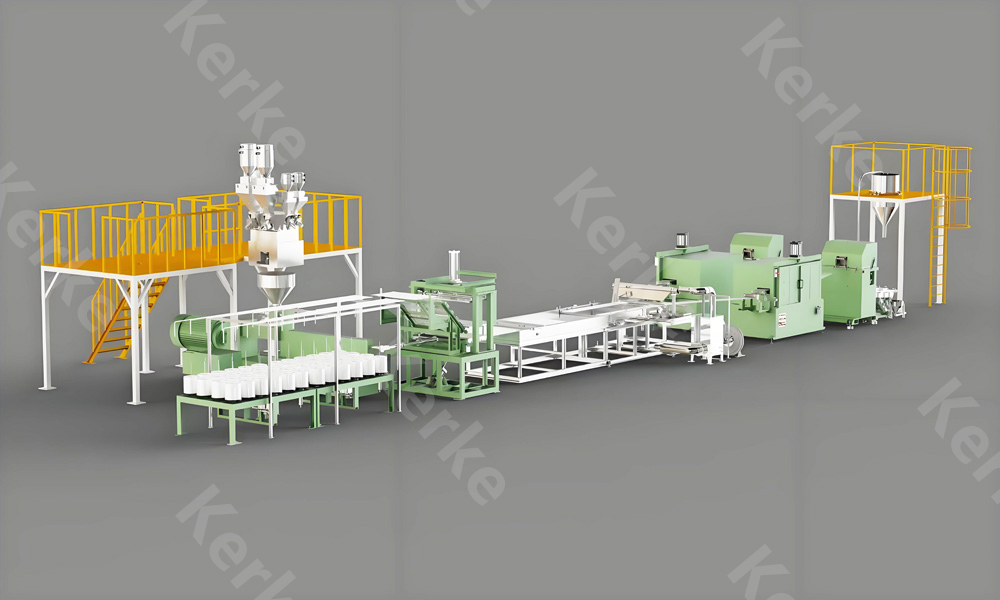
Producing medical grade masterbatch requires specialized equipment, processes, and quality systems to ensure consistent quality and regulatory compliance. Advanced twin screw extruder technology provides the mixing performance and control required for medical grade masterbatch production.
Clean Production Environment
Medical grade masterbatch production requires production environments meeting stringent cleanliness standards to prevent contamination that could compromise biocompatibility. Production areas should be maintained as clean rooms or controlled environments with appropriate filtration systems to minimize particulate contamination. Equipment must be designed for easy cleaning and sanitization between production runs to prevent cross-contamination. Strict material changeover procedures ensure traceability and prevent accidental mixing of non-medical grade materials. Environmental monitoring programs verify ongoing compliance with cleanliness standards through regular particulate and microbial testing.
Advanced Twin Screw Extruder Technology
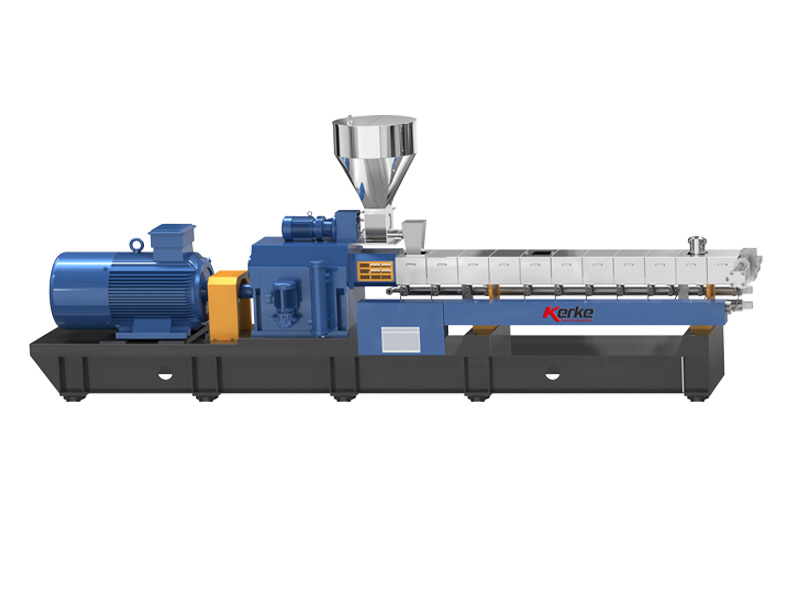
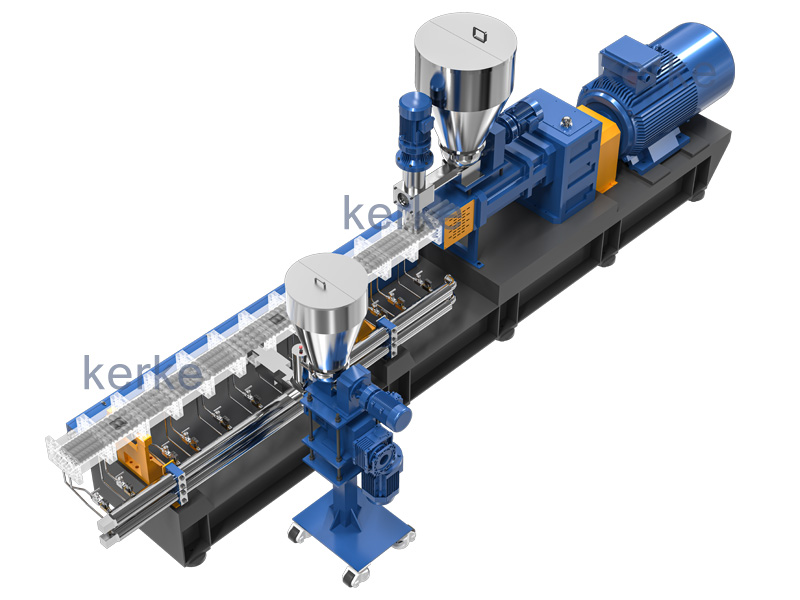
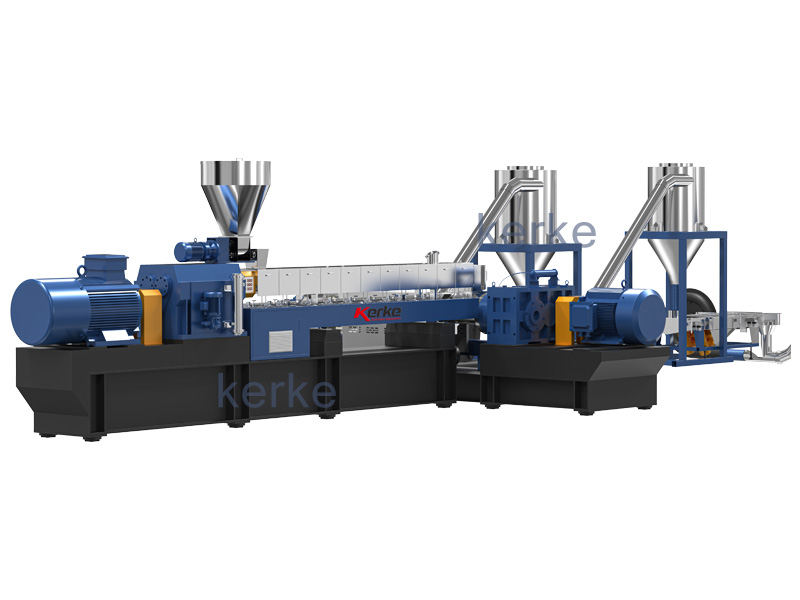
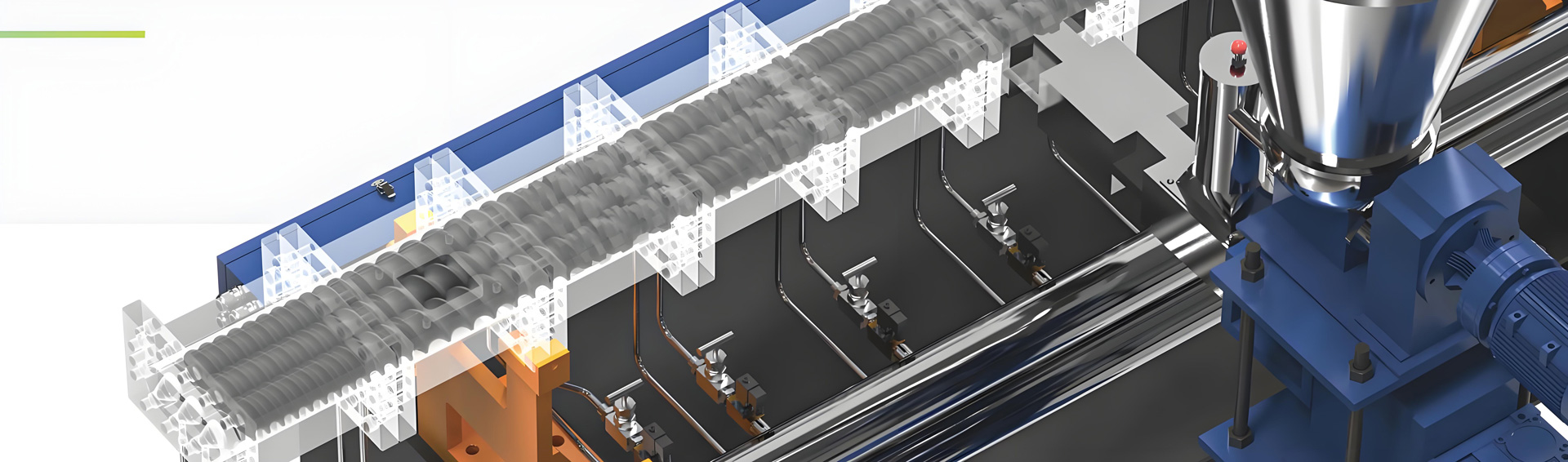
Kerke KTE series parallel co-rotating twin screw extruders provide the advanced mixing performance required for medical grade masterbatch production. The modular screw configuration allows optimization of mixing for specific medical grade formulations, with different kneading block arrangements providing varying levels of distributive and dispersive mixing. Precise temperature control along the barrel enables processing of heat-sensitive medical grade materials without degradation. The corrosion-resistant construction prevents metal contamination that could affect biocompatibility. Vacuum venting removes volatiles and moisture that could affect product quality and biocompatibility.
Comprehensive Quality Control Systems
Medical grade masterbatch production requires comprehensive quality control systems ensuring consistent product quality and regulatory compliance. Incoming material inspection verifies that all raw materials meet specified requirements and include appropriate certification documents. Inline process monitoring provides real-time feedback on process stability and product quality. Finished product testing includes color analysis, particle size analysis, biocompatibility testing, and sterilization resistance testing. Batch-to-batch consistency is verified through statistical process control and comprehensive documentation for each production lot.
Cost Analysis and Economic Considerations
Medical grade masterbatch involves significant cost considerations due to stringent material requirements, testing requirements, and quality system requirements. Understanding these cost factors enables manufacturers to make informed decisions about market entry and pricing strategies.
Material Costs
Raw material costs for medical grade masterbatch are significantly higher than conventional masterbatch due to certification and testing requirements. Medical-grade carrier resins typically cost 2-3 times more than standard resins due to additional testing and certification requirements. Certified pigments meeting biocompatibility requirements command premium pricing, with certain specialized pigments costing 5-10 times more than standard pigments. Functional additives meeting medical device requirements represent additional cost, particularly for specialized additives such as antimicrobial agents or radiation stabilizers. Material quality control and testing add to raw material costs, with certificates of analysis and biocompatibility testing typically required for each material lot.
Testing and Certification Costs
Testing and certification represents a significant cost component for medical grade masterbatch. Initial biocompatibility testing according to ISO 10993 standards typically costs 15,000-40,000 USD depending on the number of tests required. USP Class VI testing costs approximately 5,000-10,000 USD per material. Extractables and leachables testing adds additional costs of 8,000-20,000 USD depending on test complexity and required analysis. ISO 13485 quality management system certification costs approximately 15,000-25,000 USD for initial certification, with annual surveillance audits adding 5,000-10,000 USD in ongoing costs. These testing and certification requirements represent substantial investment but are essential for market access in the medical device sector.
Equipment and Production Costs
Investment in production equipment capable of meeting medical grade requirements represents significant capital expenditure. Kerke KTE series twin screw extruders configured for medical grade production typically cost 100,000-300,000 USD depending on capacity and configuration. Clean room facilities and environmental control systems add 50,000-200,000 USD depending on size and cleanliness classification. Quality control laboratory equipment for biocompatibility testing adds 100,000-500,000 USD depending on test capabilities required. Operating costs for medical grade production are approximately 20-30% higher than conventional masterbatch production due to additional quality controls, testing, and documentation requirements.
Healthcare Applications and Device Categories
Medical grade masterbatch finds applications across diverse healthcare sectors, each presenting unique requirements and challenges. Understanding these applications enables manufacturers to develop targeted solutions addressing specific healthcare market needs.
Surgical and Medical Devices
Surgical devices and medical instruments require masterbatch providing excellent color identification and sterilization resistance. Applications such as surgical handles, instrument housings, and device casings require color-coding that remains stable through repeated sterilization cycles. The masterbatch must provide excellent chemical resistance to cleaning and sterilization agents without color fading or degradation. For devices requiring color identification, the masterbatch must provide distinct, consistent colors that facilitate proper identification and reduce errors in medical settings. Sterilization resistance is particularly important for surgical devices that undergo frequent sterilization cycles throughout their service life.
Diagnostic and Laboratory Equipment
Diagnostic and laboratory equipment requires masterbatch with excellent optical properties and chemical resistance. Applications such as test tube racks, specimen containers, and laboratory equipment require clear or white colors that facilitate visual inspection of samples. The masterbatch must resist color changes from exposure to various chemicals and reagents used in laboratory environments. For applications requiring transparency, the masterbatch must maintain clarity while providing color where needed. Chemical resistance to common laboratory chemicals including acids, bases, and solvents is essential for long-term performance in laboratory environments.
Packaging and Containers
Medical packaging and containers represent a significant application area for medical grade masterbatch. Applications such as IV bags, specimen containers, and medication packaging require masterbatch with excellent biocompatibility and sterilization resistance. For transparent applications, the masterbatch must maintain clarity while providing color coding where required. The formulation must prevent leaching of substances that could affect medications or biological specimens. Sterilization resistance is critical for packaging that undergoes terminal sterilization before use. Barrier properties may be required for applications protecting medications from environmental factors.
Emerging Trends and Future Developments
The medical grade masterbatch industry continues to evolve in response to healthcare innovation, changing regulatory requirements, and technological advances. Understanding emerging trends enables manufacturers to position products for future market success.
Antimicrobial and Anti-Infective Solutions
Integration of antimicrobial properties into medical devices represents a significant trend driving innovation in medical grade masterbatch. Silver-based antimicrobial agents are commonly incorporated to provide long-lasting antimicrobial protection on device surfaces. Copper-based antimicrobial agents are also gaining attention for their effectiveness against resistant organisms. These antimicrobial masterbatches must demonstrate efficacy against specific pathogens while maintaining biocompatibility and not contributing to antimicrobial resistance development. Regulatory requirements for antimicrobial claims require comprehensive testing and documentation to substantiate effectiveness claims.
Advanced Sterilization Resistance
As sterilization technologies advance, masterbatch formulations must evolve to provide enhanced resistance to new sterilization methods. Hydrogen peroxide plasma sterilization requires materials that resist oxidation and maintain properties through plasma exposure. Low-temperature hydrogen peroxide gas plasma sterilization is increasingly used for sensitive devices requiring different material compatibility than traditional sterilization methods. Superheated steam sterilization provides alternatives to traditional autoclaving, requiring materials that withstand slightly different sterilization conditions. Masterbatch manufacturers must develop formulations compatible with these emerging sterilization technologies while maintaining cost competitiveness.
Bio-Based and Sustainable Solutions
Interest in bio-based and sustainable materials is extending into the medical device sector, driving development of bio-based medical grade masterbatch formulations. Bio-based carrier resins derived from renewable sources such as polylactic acid or bio-polyethylene are being evaluated for medical applications. These materials must meet the same stringent biocompatibility and performance requirements as traditional materials while providing sustainability benefits. Life cycle assessment demonstrates environmental benefits while ensuring no compromise of patient safety. Regulatory approval pathways for bio-based materials require additional testing and documentation compared to established materials.
Kerke Extrusion Equipment Solutions for Medical Grade Masterbatch
Kerke Extrusion Equipment offers advanced twin screw extruder solutions specifically designed for producing medical grade masterbatch meeting the most stringent requirements. The KTE series provides the mixing performance, quality control, and process reliability required for medical grade masterbatch production.
KTE-52B for Medical Grade Production
The KTE-52B twin screw extruder offers excellent capabilities for medical grade masterbatch production. With a screw diameter of 52mm and L/D ratio of 40, this model provides the mixing performance required for high-quality medical grade formulations. The motor power of 55-75kW enables processing of various medical-grade polymer systems while maintaining precise temperature control. Production capacity ranges from 80-200kg/hour, making it suitable for medium-scale medical grade masterbatch production. The corrosion-resistant construction prevents metal contamination that could affect biocompatibility. The price for KTE-52B configured for medical grade production typically ranges from 120,000-180,000 USD.
KTE-75D for High-Volume Medical Production
For manufacturers requiring high-volume medical grade masterbatch production capacity, the KTE-75D twin screw extruder provides superior performance. With a screw diameter of 75mm and advanced high-torque design, this model provides exceptional mixing and dispersion capabilities for demanding medical grade formulations. The motor power of 132-160kW enables processing at high throughput rates while maintaining excellent product quality and control. Production capacity reaches 300-800kg/hour, making this model ideal for large-scale production facilities serving major medical device manufacturers. The investment for KTE-75D medical grade configuration typically ranges from 200,000-280,000 USD.
KTE Laboratory Models for Medical Grade Development
For development and optimization of medical grade masterbatch formulations, Kerke offers laboratory-scale twin screw extruders such as KTE-20B and KTE-25D. These smaller capacity extruders enable efficient development and optimization of formulations with minimal material consumption, critical for expensive medical grade materials. The modular design allows quick screw configuration changes to test different mixing strategies for specific biocompatibility and sterilization resistance requirements. The precise temperature control enables processing of heat-sensitive medical grade materials. These laboratory models typically range from 45,000-75,000 USD, representing valuable investment for manufacturers developing medical grade masterbatch formulations.
Quality Assurance and Compliance Management
Implementing comprehensive quality assurance and compliance management systems is essential for successful medical grade masterbatch manufacturing. These systems ensure consistent product quality, regulatory compliance, and patient safety.
Material Traceability Systems
Comprehensive material traceability systems ensure that each component can be traced through the entire production process to its source. Each raw material lot is assigned a unique identifier that tracks through receiving, storage, use, and finished product lots. Supplier certificates of analysis and biocompatibility documentation are maintained for each material lot and linked to production records. This traceability enables rapid identification and response to any quality issues that may arise and provides documentation for regulatory audits demonstrating control of material quality throughout the supply chain.
Statistical Process Control
Statistical process control systems monitor critical process parameters to ensure consistent production quality. Key parameters including temperature profiles, screw speed, feed rate, and vacuum levels are monitored and recorded in real time. Control charts identify trends or deviations that may indicate process drift before product quality is affected. Automated alerts notify operators of parameter excursions requiring immediate attention. This proactive approach to quality control prevents production of non-conforming material and reduces waste from quality failures.
Change Control and Validation
Robust change control systems ensure that any changes to materials, processes, or equipment are properly evaluated and validated before implementation. Proposed changes undergo risk assessment to identify potential impacts on product quality and regulatory compliance. Small-scale trials evaluate the effects of changes before full-scale implementation. Documentation of changes includes rationale, evaluation results, and validation data demonstrating that changes do not adversely affect product quality or regulatory compliance. This systematic approach to change management maintains consistent product quality while allowing for continuous improvement.
Conclusion and Future Outlook
Medical grade masterbatch represents a specialized and critical component of the healthcare industry, enabling the delivery of safe, effective, and reliable medical devices. As healthcare continues to advance with new technologies, treatments, and regulatory requirements, manufacturers must maintain sophisticated understanding of formulation science, biocompatibility requirements, and production technology to succeed in this demanding market segment.
Kerke Extrusion Equipment provides advanced twin screw extruder solutions specifically designed for the challenges of medical grade masterbatch production. The KTE series offers options from laboratory-scale development equipment through high-volume production systems, providing solutions across the entire product development and manufacturing spectrum. With over 12 years of experience focused on parallel co-rotating compounding extruder technology, Kerke offers the technical expertise and equipment reliability required for successful medical grade masterbatch manufacturing.
Investment in advanced twin screw extruder technology from Kerke enables manufacturers to produce medical grade masterbatch meeting the most demanding biocompatibility and sterilization resistance requirements. The combination of superior mixing performance, precise process control, and quality system compliance ensures consistent product quality and regulatory compliance, positioning manufacturers for success in the critical healthcare market.