In the rapidly evolving food packaging industry, food grade masterbatch plays a critical role in delivering vibrant colors, essential functionality, and enhanced product performance while maintaining the highest safety standards. As consumer demands for visually appealing and functionally superior food packaging continue to rise, manufacturers must navigate complex regulatory landscapes while ensuring product safety and compliance. This comprehensive guide explores the world of food grade masterbatch, examining safety regulations, compliance requirements, applications in food packaging, production considerations, and the essential role of advanced extrusion equipment in manufacturing high-quality food grade masterbatch.
Understanding Food Grade Masterbatch: Fundamentals and Composition
Food grade masterbatch represents a sophisticated concentration of pigments, additives, or functional ingredients uniformly dispersed in a carrier resin specifically formulated for use in food contact applications. Unlike conventional masterbatch, food grade variants undergo rigorous testing and certification to ensure they meet stringent food safety regulations while providing enhanced properties such as color stability, UV protection, and antimicrobial effects.
Core Components of Food Grade Masterbatch
The formulation of food grade masterbatch typically consists of three primary components: carrier resin, active ingredients, and dispersing agents. The carrier resin must be food-grade certified and compatible with the intended application polymer, commonly including polyethylene (PE), polypropylene (PP), polystyrene (PS), and polyethylene terephthalate (PET). Active ingredients encompass FDA-approved pigments for coloration, functional additives such as UV stabilizers and antioxidants, and antimicrobial agents where appropriate. Dispersing agents ensure uniform distribution of active ingredients throughout the carrier resin, preventing agglomeration and ensuring consistent performance in the final application.
Types of Food Grade Masterbatch
Food grade masterbatches are categorized based on their primary function. Color masterbatches provide consistent and vibrant coloration while meeting food contact safety requirements. White masterbatches, utilizing titanium dioxide, offer excellent opacity and brightness for applications requiring enhanced visibility and product appeal. Black masterbatches incorporate carbon black pigments to provide UV protection and coloration, particularly valuable for outdoor food packaging applications. Functional masterbatches incorporate additives such as slip agents, antistatic agents, and antimicrobial agents to enhance specific performance characteristics of the final packaging material.
Global Safety Regulations and Compliance Requirements
Manufacturers of food grade masterbatch must navigate a complex regulatory landscape encompassing multiple jurisdictions and standards. Understanding and complying with these regulations is not merely a legal requirement but essential for consumer safety, brand reputation, and market access across different regions.
United States Food and Drug Administration (FDA) Regulations
In the United States, FDA regulations govern the use of materials in food contact applications. The Code of Federal Regulations (CFR) Title 21 outlines specific requirements for food contact substances. Color additives used in food grade masterbatch must be listed in the FDA Color Additive Status List or be generally recognized as safe (GRAS). The carrier resin and any other additives must comply with FDA food contact substance regulations, typically falling under 21 CFR 177 and 21 CFR 178 sections. Manufacturers must maintain detailed documentation including Statements of Identity, Intended Use, and Technical Effectiveness to demonstrate compliance and support regulatory audits.
European Union Regulations
The European Union maintains a comprehensive regulatory framework for food contact materials, governed primarily by Regulation (EC) No 1935/2004 and Regulation (EC) No 2023/2006 on Good Manufacturing Practices. All components of food grade masterbatch must be included in the positive list of substances permitted for use in food contact materials. The Plastics Regulation (EU) No 10/2011 specifies migration limits for various substances, ensuring that potentially harmful substances do not migrate into food at levels that could pose health risks. Manufacturers must provide comprehensive documentation including Declaration of Compliance (DoC), Good Manufacturing Practice certification, and detailed migration test results demonstrating compliance with specific migration limits.
Chinese National Standards
China has established a comprehensive food safety standards system under the Food Safety Law, encompassing multiple standards governing food contact materials. GB 4806.7-2016 specifies safety requirements for plastic materials and articles in contact with food, while GB 9685-2016 governs the use of food additives. GB 31604 series standards outline testing methods for migration of substances from food contact materials. Manufacturers targeting the Chinese market must ensure their products meet these national standards, providing test reports from accredited Chinese laboratories and registration with relevant authorities where required.
Food Packaging Applications and Performance Requirements
Food grade masterbatch serves diverse applications within the food packaging industry, each presenting unique performance requirements and technical challenges. Understanding these applications enables manufacturers to develop specialized formulations optimized for specific end-use requirements.
Rigid Packaging Applications
Rigid food packaging encompasses containers, bottles, caps, and closures requiring robust color consistency and mechanical properties. Food grade color masterbatch for rigid applications must demonstrate excellent thermal stability during injection molding processes, ensuring uniform coloration without degradation or thermal discoloration. The masterbatch must provide excellent dispersion quality to prevent color streaks or specks that could compromise product aesthetics. For applications such as transparent packaging, special attention must be paid to maintaining clarity while achieving desired coloration, requiring highly refined pigment dispersions and compatible carrier systems.
Flexible Packaging Applications
Flexible packaging, including films, pouches, and wraps, presents unique challenges for food grade masterbatch formulation. Applications such as food packaging films require masterbatch with excellent dispersion properties to prevent gel formation and surface defects that could compromise film integrity or aesthetics. The masterbatch must be compatible with high-speed extrusion processes used in film production, providing stable processing characteristics and consistent coloration at high production speeds. For applications requiring barrier properties, functional masterbatch incorporating oxygen scavengers or moisture barrier additives may be employed while maintaining food contact compliance.
Specialty Food Packaging Applications
Specialized food packaging applications demand tailored masterbatch formulations addressing specific performance requirements. Microwaveable food containers require masterbatch with excellent thermal stability at elevated temperatures, preventing discoloration or degradation during microwave heating. Active packaging incorporating antimicrobial masterbatch helps extend product shelf life by inhibiting microbial growth on packaging surfaces. Intelligent packaging incorporating indicators that respond to temperature, pH, or freshness conditions may utilize specialized color-change masterbatch that activates under specific conditions while maintaining food contact safety.
Production Considerations and Manufacturing Processes
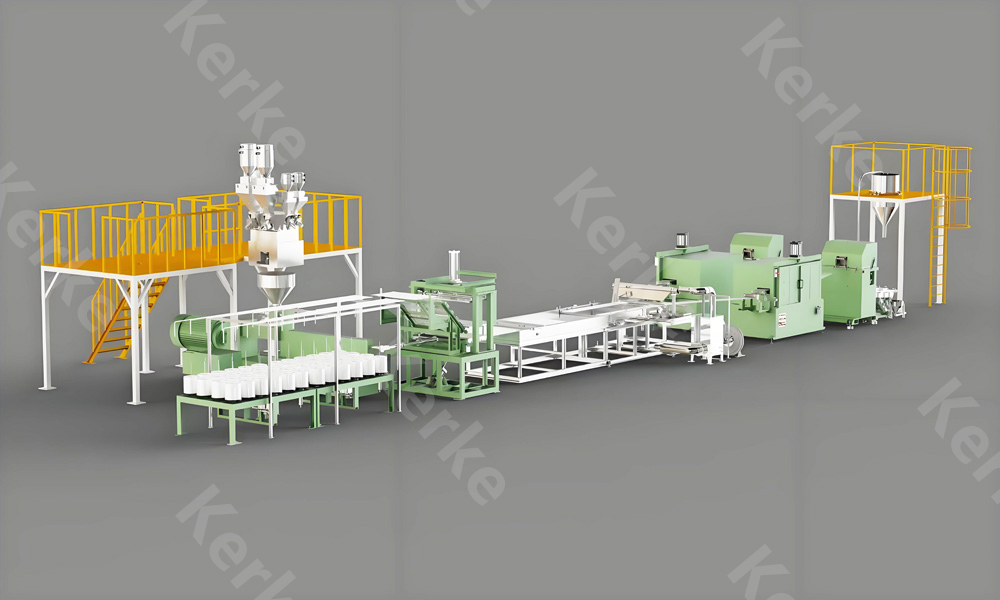
The manufacturing of high-quality food grade masterbatch requires specialized equipment, processes, and quality control systems to ensure consistent product quality and regulatory compliance. Advanced twin screw extruder technology plays a crucial role in achieving the uniform dispersion and thermal stability required for premium food grade masterbatch production.
Twin Screw Extruder Technology
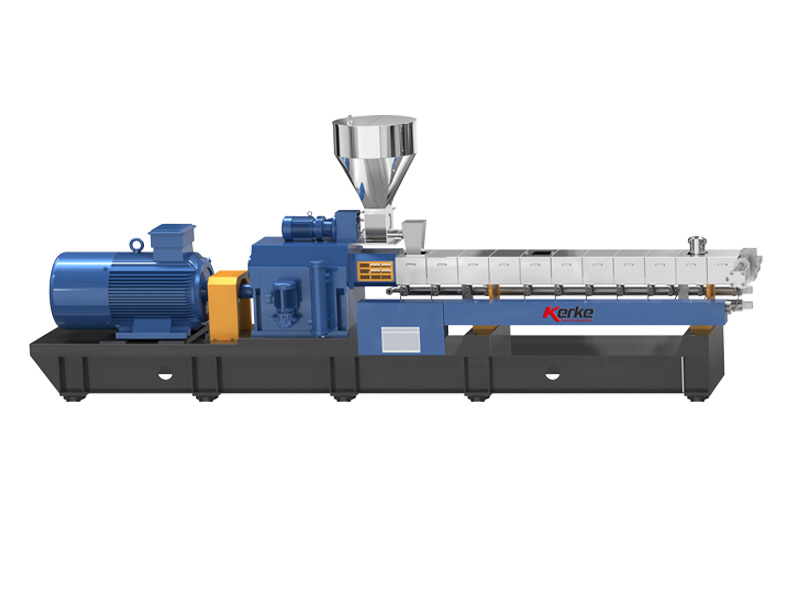
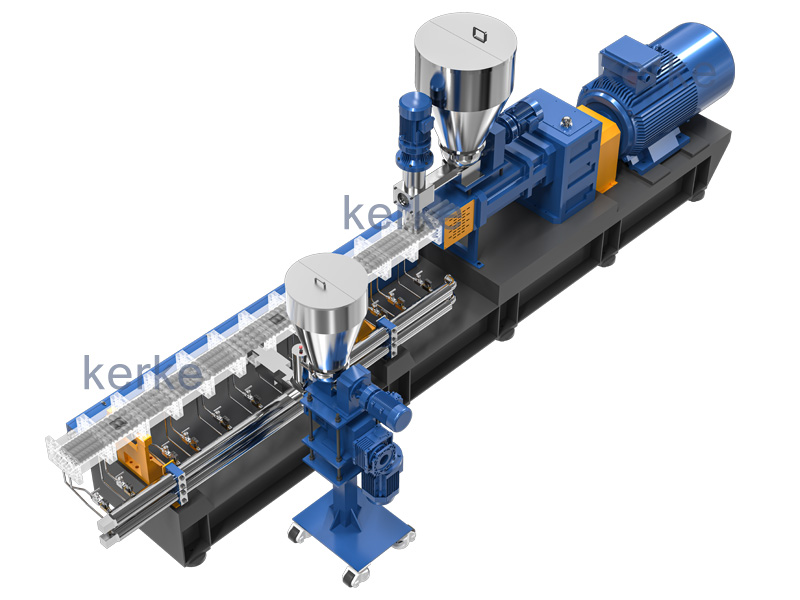
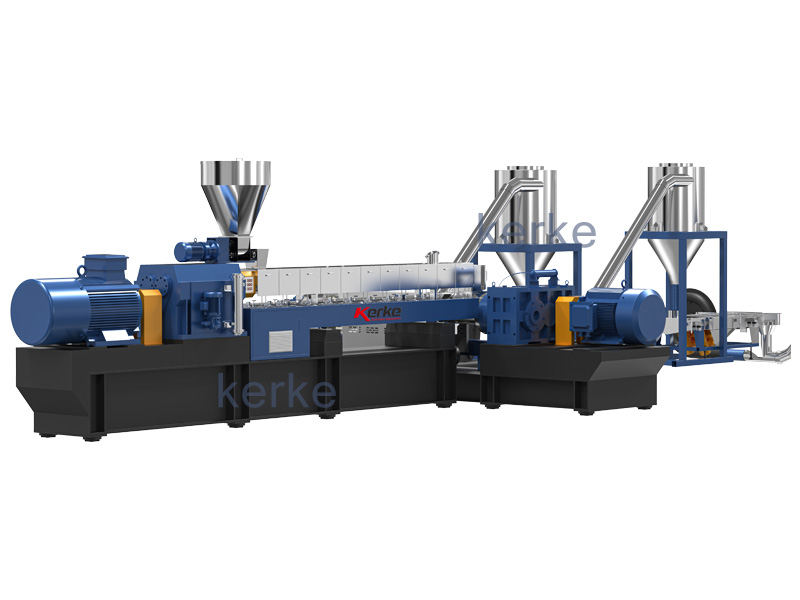
Parallel co-rotating twin screw extruders, such as the KTE series from Kerke Extrusion Equipment, are essential for producing high-quality food grade masterbatch. The intermeshing screw configuration provides intense mixing and distributive dispersion, ensuring uniform distribution of pigments and additives throughout the carrier resin. The modular design of twin screw extruders allows optimization of screw configuration for specific formulations, with different kneading block arrangements providing varying levels of distributive and dispersive mixing to achieve optimal dispersion quality for different application requirements. The ability to precisely control temperature profiles along the barrel ensures thermal stability of heat-sensitive pigments and additives, preventing degradation that could affect product performance or safety.
Process Parameters and Quality Control
Successful food grade masterbatch production requires precise control of multiple process parameters. Temperature profiles must be optimized to ensure adequate melting and mixing while preventing thermal degradation of sensitive components. Screw speed and feed rate must be balanced to achieve appropriate residence time for complete dispersion without excessive thermal history that could affect product stability. Vacuum venting removes volatiles and moisture that could compromise product quality or cause defects in final applications. Comprehensive quality control systems, including inline color measurement, particle size analysis, and migration testing, ensure consistent product quality and regulatory compliance throughout production runs.
Clean Production Environment
Manufacturing food grade masterbatch requires production environments meeting stringent cleanliness standards to prevent contamination that could compromise food contact compliance. Production areas should be designed and maintained to prevent cross-contamination with non-food grade materials. Equipment must be designed for easy cleaning and sanitization between production runs to prevent carryover of previous formulations. Strict changeover procedures and documentation ensure traceability and prevent accidental mixing of incompatible materials. Regular environmental monitoring and microbial testing verify the effectiveness of cleaning procedures and maintain the cleanliness standards required for food contact material production.
Cost Analysis and Economic Considerations
The production and application of food grade masterbatch involves significant economic considerations, affecting both manufacturing costs and overall packaging economics. Understanding these cost factors enables manufacturers to make informed decisions about formulation, production processes, and application strategies.
Raw Material Costs
Raw material costs represent a significant portion of food grade masterbatch production costs. Food-grade carrier resins typically command premium pricing compared to standard resins due to additional testing, certification, and quality control requirements. FDA-approved pigments and additives, particularly specialized or functional ingredients, often represent substantial cost components of formulations. The cost of dispersing agents and processing aids must also be considered, particularly for formulations requiring highly refined or specialized dispersing systems to achieve specific performance characteristics. Raw material quality variations can significantly impact final product quality, making supplier selection and quality control essential economic considerations.
Equipment and Production Costs
Investment in specialized extrusion equipment represents significant capital expenditure for food grade masterbatch production. Kerke KTE series twin screw extruders represent an investment of approximately 50,000 to 250,000 USD depending on capacity and configuration, with laboratory-scale models such as KTE-20B costing approximately 45,000-60,000 USD and production-scale models such as KTE-75B ranging from 150,000-200,000 USD. Operating costs include energy consumption, maintenance, and consumables, typically representing 10-20% of total production costs. The cost of quality control systems, testing equipment, and compliance certification represents ongoing operational expenditure essential for maintaining market access and product quality standards.
Testing and Compliance Costs
Regulatory compliance requires significant investment in testing and certification. Migration testing according to relevant standards typically costs 2,000-5,000 USD per formulation, with complete compliance documentation packages ranging from 10,000-25,000 USD depending on the number of jurisdictions and specific requirements. Ongoing monitoring and periodic retesting requirements represent recurring costs that must be factored into overall production economics. However, investment in compliance testing represents essential protection against costly recalls, regulatory actions, and market access restrictions that could result from non-compliance.
Applications in Food Packaging Industry Sectors
Food grade masterbatch finds applications across diverse food packaging industry sectors, each presenting unique requirements and opportunities for formulation optimization. Understanding sector-specific requirements enables manufacturers to develop targeted solutions addressing the needs of different market segments.
Beverage Packaging
Beverage packaging, including bottles for water, juices, soft drinks, and alcoholic beverages, requires masterbatch providing excellent color consistency and thermal stability during blow molding processes. Applications such as clear PET bottles require masterbatch with minimal impact on clarity while achieving desired coloration, demanding highly refined pigment dispersions. For applications requiring barrier properties such as beer bottles, oxygen scavenging masterbatch may be incorporated while maintaining regulatory compliance for food contact applications. The masterbatch must be compatible with high-speed bottle blowing processes, providing stable processing characteristics and consistent coloration at production speeds exceeding 10,000 bottles per hour.
Dairy and Fresh Food Packaging
Dairy products and fresh foods present unique challenges for food packaging masterbatch formulation. Applications such as yogurt containers and cheese packaging require masterbatch with excellent thermal stability at refrigeration temperatures, preventing color migration or discoloration over extended storage periods. For applications requiring product visibility through packaging, masterbatch must maintain excellent clarity while achieving desired coloration. Antimicrobial masterbatch may be incorporated to extend product shelf life by inhibiting microbial growth on packaging surfaces, particularly valuable for fresh produce and dairy applications with short shelf life requirements.
Snack and Confectionery Packaging
Snack foods and confectionery packaging requires masterbatch providing vibrant colors that maintain appearance over product shelf life while ensuring product safety. Applications such as potato chip bags require masterbatch with excellent resistance to oil migration, preventing color transfer or discoloration from product oils. For confectionery packaging where visual appeal is particularly important, masterbatch must provide consistent coloration with excellent hue and saturation to enhance product attractiveness. The masterbatch must be compatible with various printing processes used on packaging materials, providing stable color that withstands printing and subsequent handling processes without discoloration or degradation.
Emerging Trends and Future Developments
The food grade masterbatch industry continues to evolve in response to changing consumer demands, regulatory developments, and technological advances. Understanding emerging trends enables manufacturers to position their products for future market success and anticipate future regulatory and performance requirements.
Sustainable and Bio-Based Formulations
Increasing consumer demand for sustainable packaging solutions is driving development of bio-based and environmentally friendly food grade masterbatch formulations. Bio-based carrier resins derived from renewable sources such as sugarcane or cornstarch are increasingly being incorporated to reduce environmental impact and provide sustainability messaging. Biodegradable and compostable masterbatch formulations are being developed to align with growing interest in sustainable packaging solutions that minimize environmental impact at end-of-life. These sustainable formulations must maintain food contact compliance while providing equivalent performance to traditional petroleum-based formulations.
Active and Intelligent Packaging
The integration of active and intelligent functionality into food packaging represents a significant trend driving innovation in food grade masterbatch formulation. Antimicrobial masterbatch incorporating silver-based or other antimicrobial agents helps extend product shelf life by inhibiting microbial growth on packaging surfaces, reducing food waste and enhancing product safety. Oxygen scavenging masterbatch actively removes oxygen from packaging headspace, extending product shelf life and enabling reduced use of preservatives in food products. Intelligent packaging incorporating color-changing masterbatch that responds to temperature, pH, or freshness conditions provides visual indicators of product freshness and quality, enhancing consumer confidence and reducing food waste.
Advanced Regulatory Compliance
Regulatory requirements for food contact materials continue to evolve, becoming increasingly stringent and comprehensive. Emerging regulations in various jurisdictions are imposing additional testing requirements and lower migration limits for certain substances, requiring reformulation of existing masterbatch products to maintain compliance. Documentation requirements are becoming more extensive, with authorities demanding comprehensive traceability and transparency throughout supply chains. Masterbatch manufacturers must invest in advanced testing capabilities and regulatory expertise to anticipate and respond to evolving regulatory requirements across global markets.
Kerke Extrusion Equipment Solutions for Food Grade Masterbatch Production
Kerke Extrusion Equipment offers advanced twin screw extruder solutions specifically designed for producing high-quality food grade masterbatch. The KTE series of parallel co-rotating twin screw extruders provides the mixing performance, thermal control, and process reliability required for demanding food grade masterbatch production applications.
KTE-36B for Medium-Scale Production
The KTE-36B twin screw extruder represents an excellent choice for medium-scale food grade masterbatch production. With a screw diameter of 36mm and L/D ratio of 40, this model provides excellent mixing performance for producing color and functional masterbatches for food packaging applications. The motor power of 18-22kW enables processing of various polymer systems while maintaining energy efficiency. Production capacity ranges from 20-60kg/hour depending on formulation and processing conditions, making it suitable for dedicated food grade masterbatch production lines. The price for KTE-36B configuration typically ranges from 80,000-120,000 USD, representing a cost-effective solution for manufacturers seeking to enter or expand food grade masterbatch production.
KTE-65D for High-Volume Production
For manufacturers requiring high-volume food grade masterbatch production capacity, the KTE-65D twin screw extruder offers superior performance and production efficiency. With a screw diameter of 65mm and advanced high-torque design, this model provides exceptional mixing and dispersion capabilities for producing high-quality color and functional masterbatches. The motor power of 90-110kW enables processing at high throughput rates while maintaining excellent product quality. Production capacity reaches 200-450kg/hour, making this model ideal for large-scale production facilities serving major food packaging manufacturers. The investment for KTE-65D configuration typically ranges from 180,000-250,000 USD, providing excellent return on investment through high production capacity and superior product quality.
KTE Laboratory Models for Development
For research and development of new food grade masterbatch formulations, Kerke offers laboratory-scale twin screw extruders such as KTE-20B and KTE-25D. These smaller capacity extruders enable efficient development and optimization of formulations before scaling to production equipment. The modular design allows quick screw configuration changes to test different mixing strategies for specific applications. The compact size enables operation in laboratory environments with reduced material consumption for development trials. These laboratory models typically range from 45,000-70,000 USD, representing valuable investment for manufacturers focusing on formulation innovation and product development.
Quality Assurance and Compliance Management
Implementing comprehensive quality assurance and compliance management systems is essential for successful food grade masterbatch manufacturing. These systems ensure consistent product quality, regulatory compliance, and customer satisfaction while protecting manufacturers from costly recalls and regulatory actions.
Raw Material Qualification
Rigorous raw material qualification processes form the foundation of quality assurance for food grade masterbatch production. All raw materials must be accompanied by appropriate food contact certification and documentation demonstrating compliance with relevant regulations. Incoming inspection procedures verify material properties and ensure materials meet specified requirements before use in production. Supplier qualification processes evaluate supplier quality systems and reliability, ensuring consistent material quality over time. Certificate of Analysis verification confirms that received materials meet specified parameters and compliance requirements.
Process Control and Monitoring
Comprehensive process control and monitoring ensures consistent product quality throughout production runs. Temperature monitoring at multiple points along the extruder barrel ensures thermal profiles remain within specified ranges, preventing thermal degradation that could affect product quality or safety. Pressure monitoring provides indication of process stability and potential issues requiring adjustment. Material feed monitoring ensures consistent addition of all components at specified ratios, maintaining formulation integrity. Inline quality monitoring, including color measurement and dispersion analysis, provides real-time indication of product quality, enabling immediate adjustment if process parameters drift outside specification.
Finished Product Testing
Comprehensive finished product testing verifies that food grade masterbatch meets all specified requirements before release to customers. Color analysis confirms that product meets specified color parameters including hue, saturation, and brightness. Dispersion analysis evaluates pigment distribution uniformity, identifying any agglomeration or inconsistent dispersion that could affect final product quality. Migration testing according to relevant regulatory standards verifies that substances do not migrate from masterbatch into food at levels exceeding specified limits. Microbial testing ensures products are free from contamination that could compromise food safety or product quality.
Conclusion and Future Outlook
Food grade masterbatch represents an essential component of the food packaging industry, enabling delivery of vibrant colors, enhanced functionality, and superior product performance while maintaining the highest safety standards. As the industry continues to evolve with changing consumer demands, regulatory developments, and technological advances, manufacturers must maintain sophisticated understanding of formulation science, regulatory compliance, and production technology to succeed in this demanding market.
Kerke Extrusion Equipment provides advanced twin screw extruder solutions specifically designed for the challenges of food grade masterbatch production. The KTE series offers options from laboratory-scale development equipment through high-volume production systems, providing solutions across the entire product development and manufacturing spectrum. With over 12 years of experience focused on parallel co-rotating compounding extruder technology, Kerke offers the technical expertise and equipment reliability required for successful food grade masterbatch manufacturing.
Investment in advanced twin screw extruder technology from Kerke enables manufacturers to produce high-quality food grade masterbatch meeting the most demanding regulatory requirements and performance specifications. The combination of superior mixing performance, precise thermal control, and process reliability ensures consistent product quality and regulatory compliance, positioning manufacturers for success in the competitive food packaging market.