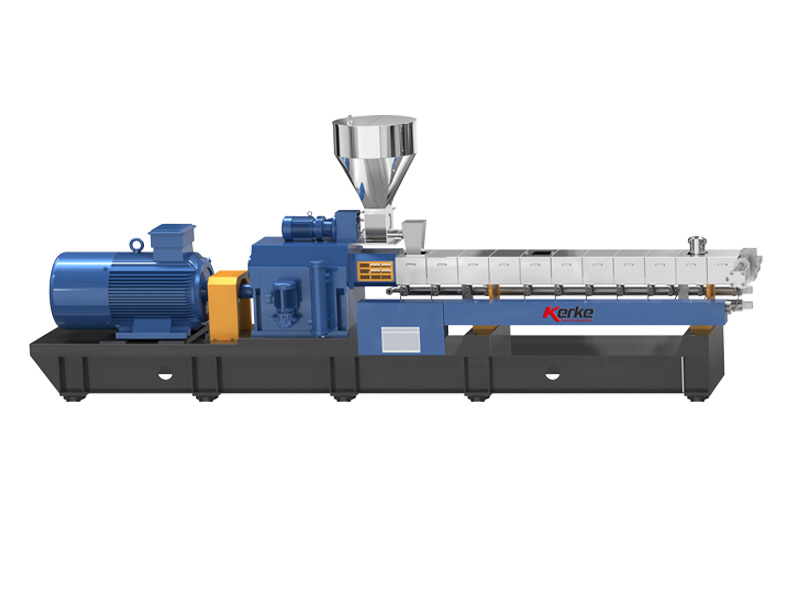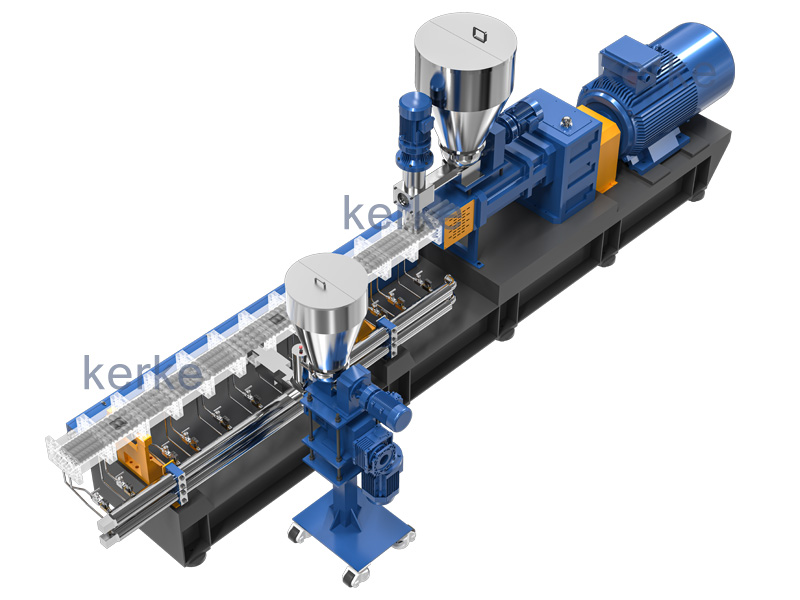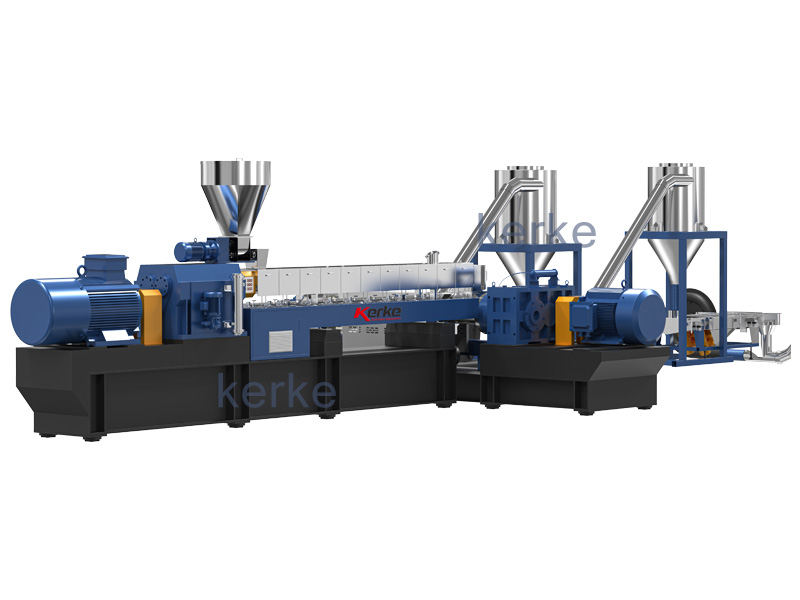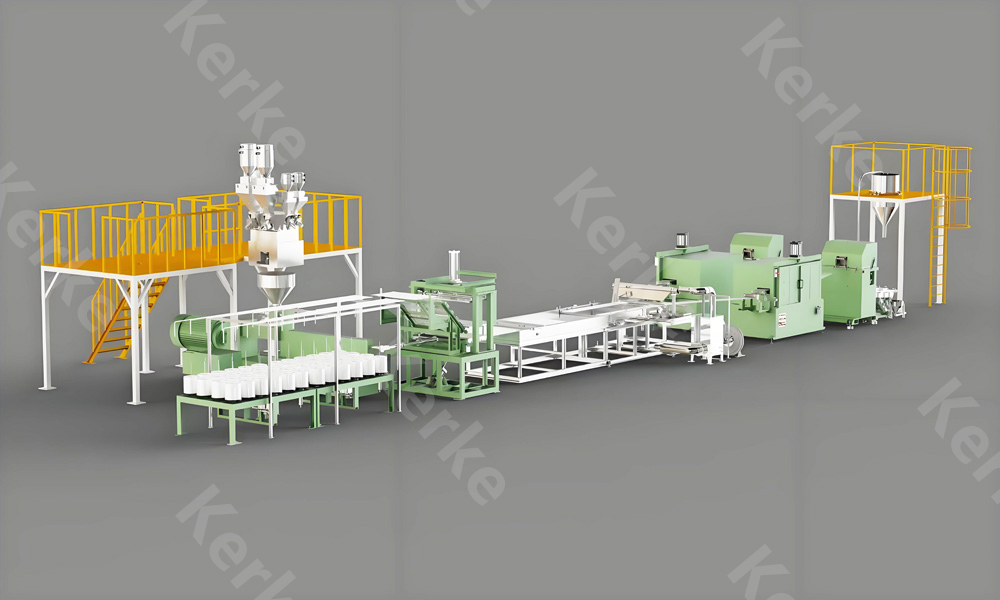
Implementing a comprehensive daily maintenance program for Masterbatch Extruder equipment is essential for ensuring consistent production quality, preventing unplanned downtime, and extending equipment service life. Kerke Extrusion Equipment Co., Ltd, with over 12 years of experience serving customers operating 2000+ machines worldwide, has developed detailed maintenance protocols based on real-world operating experience across diverse Twin Screw Extruder applications. This guide provides a complete daily maintenance checklist tailored for Compounding Extruder operations, helping operators and maintenance personnel establish effective preventive maintenance routines.
Pre-Startup Safety Inspections
Before starting Twin Screw Extruder operations each day, comprehensive safety inspections ensure equipment readiness and prevent potential safety hazards. Kerke’s safety-first approach emphasizes these critical pre-startup checks for Masterbatch Extruder operations across all KTE series models.
Machine Guarding Verification
Complete visual inspection of all machine guards and safety devices must be performed before startup. This includes verifying that all access covers, drive enclosures, and pelletizing system guards are properly secured and in good condition. Kerke Compounding Extruder systems feature safety interlocks that prevent operation if guards are not properly positioned. Check that interlock mechanisms are functioning correctly and that all safety switches return to the proper state when guards are closed. Inspect guard latches, hinges, and fasteners for damage or wear that could compromise protection. Any damaged or missing guards must be repaired or replaced before machine operation can proceed.
Emergency Stop System Check
Test all emergency stop buttons and switches to verify proper functionality before initiating Twin Screw Extruder operations. Kerke systems include multiple emergency stop devices strategically positioned around the equipment for operator safety. Press each emergency stop button to confirm that the machine immediately stops all motion and that the control system indicates emergency stop activation. Reset each emergency stop individually to verify that the reset mechanism functions properly and that the control system acknowledges the reset. Document any malfunctioning emergency stop devices and repair them before machine operation. Regular testing of emergency stop systems prevents dangerous situations where emergency stopping capability might be needed during actual operation.
Warning Light and Alarm System Verification
Verify that all warning lights, indicator lights, and alarm systems are functioning correctly before starting Masterbatch Extruder operations. Kerke’s KTE series Twin Screw Extruders feature comprehensive alarm and warning systems that alert operators to abnormal conditions. Check that power indicators show proper energization of all system components. Verify that temperature zone indicators display current temperatures accurately and that alarm indicators are not activated without cause. Test the audible alarm system to confirm it produces appropriate warning sounds. Ensure that any remote alarm indicators or plant communication interfaces are functioning correctly. These warning and alarm systems provide critical early warning of potential problems and must be fully operational before machine startup.
Fire Safety Equipment Check
Inspect fire extinguishers and other fire suppression equipment to ensure availability and readiness in case of fire emergencies. Kerke recommends keeping appropriate fire extinguishers rated for electrical fires and polymer fires within easy reach of the Twin Screw Extruder area. Check that fire extinguishers are properly charged and that pressure gauges indicate readiness. Verify that fire extinguisher inspection tags are current and that the extinguishers are positioned for easy access. Ensure that any automatic fire suppression systems are armed and that all sensors and detectors are unobstructed. Fire safety equipment represents the last line of defense in fire emergencies and must be verified daily before machine operation.
Electrical System Inspection
The electrical system represents the critical infrastructure that powers Twin Screw Extruder operation. Daily electrical inspections identify potential problems before they cause equipment failure or safety hazards. Kerke’s maintenance protocols emphasize these essential electrical system checks for Compounding Extruder reliability.
Main Power Supply Verification
Check the main power supply status and quality before starting Masterbatch Extruder operations each day. Verify that all circuit breakers and disconnect switches are in the proper position and that power indicators show correct voltage and phase presence. Measure actual voltage levels at the main power connection points to confirm they are within the acceptable operating range, typically ±10% of nominal voltage. For Kerke’s KTE series Twin Screw Extruders, nominal voltage is typically 380V 3-phase, with acceptable operating range of 342-418V. Document any voltage deviations and investigate causes before proceeding with startup. Check for proper grounding and that ground fault protection devices are not indicating faults.
Control Panel Inspection
Perform comprehensive inspection of the Twin Screw Extruder control panel before daily startup. Check that all panel doors and access covers are properly secured and that dust filters are clean and properly installed. Verify that the human-machine interface (HMI) displays are functioning correctly and that touchscreens respond properly to input. Inspect all selector switches, pushbuttons, and indicator lights for proper operation. Check that all control fuses are intact and that no fault indicators are active on PLC or drive components. Verify that communication with remote I/O racks and auxiliary equipment is functioning properly. Document any abnormal conditions and investigate before machine startup.
Drive System Power Check
Inspect the main drive system power components before starting Compounding Extruder operations. Check that the main drive motor and any auxiliary drive motors have proper power connections and that terminal connections are tight and free from corrosion or damage. Verify that variable frequency drives or soft starters display proper status and that no fault codes are indicated. For Kerke systems equipped with regenerative drives or dynamic braking systems, check that these systems indicate proper operation. Inspect power cables for any signs of damage, overheating, or insulation deterioration. Any abnormalities in the drive system power components must be investigated and resolved before machine startup.
Heating System Power Verification
Verify proper power supply to all barrel heating systems before Twin Screw Extruder startup. Check that all heating zone power circuits are energized and that no circuit breakers have tripped. Inspect heating element connections for tightness and signs of arcing or overheating. Verify that thermocouple connections are secure and that no damage to thermocouple wires is evident. Check that any cooling system power supplies are functioning correctly, particularly for zones that require both heating and cooling capability. Document any heating zone power discrepancies and investigate causes before startup. Proper heating system power is essential for achieving and maintaining processing temperatures.
Mechanical System Inspection
The mechanical systems of Masterbatch Extruder equipment require daily inspection to identify wear, misalignment, or potential failures before they cause serious problems. Kerke’s maintenance experience has identified these critical mechanical inspection points for Twin Screw Extruder reliability.
Drive Train and Coupling Check
Inspect the drive train and coupling components for proper condition before starting Compounding Extruder operations. Check that all drive belts are properly tensioned and show no signs of excessive wear, cracking, or glazing. For direct drive systems, verify that coupling bolts are tight and that coupling guards are properly installed. Inspect the gearbox for any signs of oil leakage around seals or gaskets. Check that oil level indicators show appropriate oil level and that oil condition appears normal without discoloration or contamination. Listen for unusual noises when the drive system is energized but not under load. Any abnormalities in the drive train must be investigated before machine startup.
Barrel and Screw Assembly Inspection
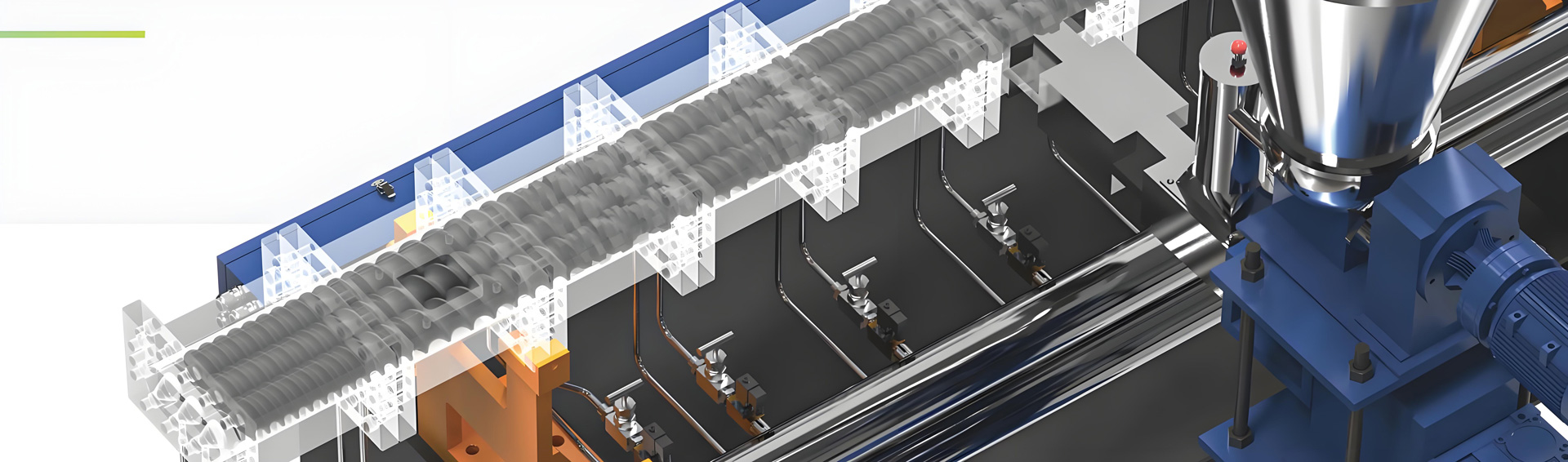
Perform visual inspection of the barrel and screw assembly areas before daily Twin Screw Extruder operation. Check that all barrel clamping bolts are properly tightened and that barrel alignment appears correct. Inspect the barrel exterior for any signs of damage, leaks, or thermal stress. Verify that all temperature zone connections are secure and that no damage to heater bands or cooling lines is evident. For extruders with split barrel designs, check that split line gaskets are in good condition and that barrel sections are properly joined. The barrel and screw assembly represents critical processing components that must be in excellent condition for reliable operation.
Feeding System Mechanical Check
Inspect all feeding system mechanical components before starting Masterbatch Extruder operations. Check that feeder hoppers are properly secured and that all access doors are closed and latched. Verify that feeder drive systems show proper mechanical condition with no unusual noises or vibrations. Inspect feeder screws or augers for any signs of wear, damage, or misalignment. Check that all feeding system couplings and drive connections are tight and properly secured. For gravimetric or loss-in-weight feeders, verify that load cell mounting is secure and that no mechanical interference could affect weighing accuracy. The feeding system must be mechanically sound to ensure consistent material delivery.
Pelletizing System Inspection
Perform comprehensive inspection of the pelletizing system before Twin Screw Extruder operation. Check that die heads are properly secured and that all connections are tight. Inspect cutting knives or blades for sharpness and proper condition – replace if showing signs of wear or damage. Verify that cutting mechanism drive systems are properly lubricated and show no signs of unusual wear. Check that water ring or underwater pelletizing systems have proper water flow and that circulation pumps are functioning. For strand pelletizing systems, verify that cooling tanks have proper water level and that circulation is adequate. The pelletizing system must be in excellent condition to produce quality pellets.
Lubrication System Maintenance
Proper lubrication represents one of the most important aspects of Twin Screw Extruder maintenance. Daily lubrication checks and replenishment ensure continued reliable operation of all mechanical components. Kerke’s maintenance protocols emphasize these critical lubrication tasks for Compounding Extruder longevity.
Gearbox Oil Level Check
Check the gearbox oil level daily before starting Masterbatch Extruder operations. For Kerke’s KTE series Twin Screw Extruders, the gearbox includes sight glasses or dip sticks for oil level verification. Verify that the oil level is within the acceptable operating range marked on the sight glass. Note the oil color and condition – clean amber oil is normal, while dark or milky oil may indicate contamination or degradation. If oil level is low, add oil of the specified type through the proper fill port. Document the oil level and condition for tracking over time. Consistent oil level monitoring helps identify potential leaks or consumption problems before they cause serious damage.
Bearing Lubrication
Perform lubrication of all bearing points according to the Compounding Extruder maintenance schedule. While many bearing assemblies on modern Twin Screw Extruders are sealed for life and require no regular lubrication, some components require periodic grease lubrication. Check the maintenance manual for your specific Kerke equipment to identify all lubrication points and the appropriate lubrication intervals. Use only the specified grease types and follow proper lubrication procedures to avoid contamination. Document all lubrication activities including date, bearing point, and amount of lubricant applied. Proper bearing lubrication prevents premature failure and extends service life of critical components.
Feeding System Lubrication
Lubricate all feeding system components according to the Masterbatch Extruder maintenance requirements. This includes feeder drive bearings, screw shaft bearings, and any moving linkage components. Check that all grease fittings are accessible and that the lubrication system shows no signs of damage or leakage. Apply the specified grease types in the appropriate quantities as indicated in the maintenance documentation. For systems with automatic lubrication, verify that lubrication reservoirs are filled to the proper level and that lubrication indicators show operation. Proper feeding system lubrication ensures reliable material delivery and prevents premature component failure.
Pelletizing System Lubrication
Perform lubrication of all pelletizing system moving components according to the Twin Screw Extruder maintenance schedule. This includes cutting knife bearings, drive train bearings, and any linkage or adjustment mechanisms. For water-cooled pelletizing systems, check that all rotating seals and bearings show proper lubrication without excessive water contamination. Inspect lubrication points for any signs of water ingress that could wash away lubricant or cause corrosion. Apply appropriate lubricants in specified quantities and document all lubrication activities. The pelletizing system requires proper lubrication for reliable operation and consistent pellet quality.
Temperature System Verification
The temperature control system is essential for consistent Masterbatch Extruder operation and product quality. Daily temperature system verification ensures all heating and cooling components are functioning correctly before production begins. Kerke’s maintenance protocols include these critical temperature system checks.
Thermocouple Calibration Check
Verify that all temperature zone thermocouples are reading correctly before starting Compounding Extruder operations. Compare thermocouple readings to known reference temperatures or to adjacent zone readings under similar conditions to identify any thermocouples showing significant deviation. For Kerke’s KTE series Twin Screw Extruders, thermocouples should read within ±2°C of actual barrel temperature under steady conditions. Document any thermocouples showing significant deviation and schedule calibration or replacement as needed. Accurate temperature measurement is essential for maintaining proper processing conditions and product quality.
Heater Performance Test
Test heating performance of all temperature zones before Twin Screw Extruder startup. Activate heating for each zone individually and observe the temperature response rate. Normal heating zones should show consistent temperature increase of approximately 5-10°C per minute under no-load conditions. Compare heating rates between similar zones to identify any heaters showing significantly reduced performance. Check all heater connections for proper tightness and inspect heater bands for any signs of damage or deterioration. Replace any heaters showing degraded performance before attempting production. Consistent heating performance across all zones is essential for proper processing.
Cooling System Function Verification
Verify that all cooling systems are functioning correctly before starting Masterbatch Extruder operations, particularly for zones equipped with both heating and cooling capability. Test cooling fans for proper operation and check that airflow is unobstructed. For water-cooled zones, verify that water circulation is adequate and that cooling control valves are functioning properly. Check that temperature control properly transitions between heating and cooling modes as required. Inspect all cooling lines for leaks or damage and repair any issues before production. The cooling system is essential for maintaining precise temperature control, particularly in zones with substantial heat generation.
Temperature Control Loop Verification
Verify that each temperature zone control loop is functioning correctly before Compounding Extruder operation. Set each zone to a moderate test temperature and observe control response. Temperature should approach setpoint with minimal overshoot and then maintain stable control within ±1°C of setpoint. Verify that PID controller parameters appear appropriate for each zone – excessive oscillation or sluggish response may indicate controller tuning problems. Check that temperature control outputs are appropriate and that no limit indicators are active under normal conditions. Document any zones showing poor control characteristics and investigate before production.
Material Handling System Check
The material handling system includes all components that deliver raw materials to the Twin Screw Extruder. Daily inspection of these components ensures consistent material flow and prevents feeding-related production problems. Kerke’s maintenance experience emphasizes these critical material handling checks.
Feeder Calibration Verification
Verify that all material feeders are properly calibrated before starting Masterbatch Extruder operations. For volumetric feeders, check that feeder speed settings correspond to actual throughput rates by conducting short test runs and measuring output. For gravimetric or loss-in-weight feeders, verify that the system has been properly tared and that all material information is correctly entered. Perform feeder accuracy tests by comparing actual delivered material quantity to the setpoint over a defined period. Document feeder accuracy and investigate any deviations greater than ±1% of setpoint. Proper feeder calibration is essential for maintaining correct material ratios and product quality.
Material Quality Inspection
Inspect all raw materials before loading into the Compounding Extruder to ensure quality and consistency. Check material appearance for any signs of contamination, moisture, or degradation that could affect processing. Verify that material batch numbers and specifications match the production requirements. For materials with known sensitivity to moisture, perform moisture content testing and compare to acceptable limits. Inspect packaging for any signs of damage that could have affected material quality. Document material quality inspections and reject any materials not meeting specifications. Using high-quality raw materials prevents processing problems and ensures consistent product quality.
Hopper and Storage Condition Check
Inspect all material hoppers and storage vessels before loading materials into the Twin Screw Extruder. Check that hoppers are clean and free from contamination, particularly when changing materials or colors. Verify that hopper lids are in place and that material is protected from environmental contamination. For materials sensitive to moisture, check that desiccant dryers or dehumidification systems are functioning properly. Inspect hopper level sensors and indicators for proper operation. Ensure that all material transfer lines and valves are functioning correctly and show no signs of leakage or blockage. Proper hopper and storage condition prevents material contamination and ensures consistent feeding.
Material Flow Verification
Verify that material flows freely through all feeding system components before starting Compounding Extruder production. Conduct short test runs of individual feeders to confirm that material flows consistently without bridging or rat-holing. Check that feeder screws rotate freely without excessive resistance or unusual noises. For side feeders or downstream feeding systems, verify that material transfer systems are functioning correctly. Inspect all flow paths for potential blockage points and ensure they are clear. Document any material flow issues and investigate before production. Consistent material flow is essential for stable Twin Screw Extruder operation.
Production Parameter Setup
Proper setup of production parameters before starting Twin Screw Extruder operation ensures consistent product quality and prevents processing problems. Kerke’s maintenance protocols include verification of all critical production parameters.
Screw Speed Setting Verification
Verify that all screw speed settings are correctly established before starting Masterbatch Extruder production. Check that main screw speed is set to the required value for the planned production rate. For systems with multiple independently controlled screws, verify that each screw speed is properly set. Confirm that speed ramp-up profiles are appropriately configured for smooth startup. Document the actual screw speeds indicated by the control system and compare to target values. Verify that screw speed control systems show no fault conditions or limit activations. Proper screw speed setting is essential for achieving target throughput and appropriate mixing intensity.
Temperature Profile Setup
Verify that the temperature profile is correctly established for the planned production before starting Compounding Extruder operation. Set each zone temperature according to the established recipe or processing guidelines. Pay particular attention to critical zones including feeding zones, melting zones, mixing zones, and discharge zones. Verify that all temperature setpoints are within acceptable operating ranges for the specific materials being processed. Document the established temperature profile and confirm that all zones are properly set. Verify that temperature control systems show no fault conditions. Proper temperature profile setup is essential for achieving consistent product quality.
Feeder Rate Configuration
Verify that all feeder rates are correctly configured before starting Twin Screw Extruder production. Set each feeder to deliver the appropriate rate based on the production recipe. For multi-component systems, verify that feeder ratios are correctly established to achieve target formulation. For gravimetric or loss-in-weight systems, verify that total throughput and individual component ratios are properly configured. Document the established feeder rates and confirm that all feeders show proper calibration. Verify that feeder control systems show no fault conditions. Proper feeder rate configuration ensures correct material ratios and product specifications.
Pelletizing System Setup
Verify that the pelletizing system is properly configured before starting Masterbatch Extruder production. Set cutting knife speed or rotation to achieve the desired pellet size. Verify that die face temperature is appropriate for the material being processed. For water-cooled systems, set appropriate water temperature and circulation rates. Check that all pelletizing system parameters match the established recipe. Verify that pelletizing system control functions show no fault conditions. Document the pelletizing system configuration for reference during production. Proper pelletizing system setup ensures consistent pellet quality and prevents operational problems.
During Operation Monitoring
Continuous monitoring during Twin Screw Extruder operation enables early detection of developing problems and allows prompt corrective action. Kerke recommends these monitoring activities throughout the production day.
Vibration Monitoring
Monitor equipment vibration levels during Compounding Extruder operation and investigate any increases. Normal operation should show consistent vibration patterns with no significant changes over time. Use vibration monitoring equipment if available to quantify vibration levels and track trends. Pay particular attention to new or increasing vibration that could indicate bearing problems, misalignment, or mechanical wear. For systems without formal vibration monitoring, place hands on non-moving surfaces to feel for unusual vibration patterns. Document vibration observations and investigate any significant changes promptly. Vibration monitoring helps identify mechanical problems before they cause serious damage.
Noise Level Monitoring
Listen for any unusual or changing noise patterns during Twin Screw Extruder operation. Normal operation should show consistent sound characteristics with no sudden changes. Pay particular attention to new grinding, squealing, or rattling noises that could indicate bearing failure, gear problems, or loose components. Use sound level meters if available to quantify noise levels and track changes over time. Document any unusual noises and investigate promptly. Noise level monitoring provides valuable early warning of developing mechanical problems.
Temperature Monitoring
Continuously monitor all temperature zones during Masterbatch Extruder operation to ensure stable control. Verify that all zones maintain temperature within ±1°C of setpoint under normal operating conditions. Pay particular attention to zones showing excessive temperature variation or inability to maintain setpoint. Document any temperature control problems and investigate potential causes including heater failure, thermocouple problems, or cooling system issues. Stable temperature control is essential for consistent product quality and should be maintained throughout production runs.
Power Consumption Monitoring
Monitor power consumption patterns during Compounding Extruder operation to identify potential problems. Normal operation should show consistent power draw patterns with minimal variation. Pay particular attention to increasing power consumption that could indicate developing bearing or gearbox problems. Monitor for sudden power consumption spikes that could indicate material blockages or processing problems. Compare actual power consumption to expected values for the production rate and materials being processed. Document any power consumption anomalies and investigate promptly. Power consumption monitoring provides valuable insight into equipment condition and processing efficiency.
Post-Production Shutdown Procedures
Proper shutdown procedures after Twin Screw Extruder production prevent material degradation and ensure equipment readiness for the next production run. Kerke’s maintenance protocols include these essential shutdown activities.
Material Purge Procedure
Perform proper material purge procedures before shutting down Masterbatch Extruder operation. Continue feeding purge material or the base polymer until the system is completely clear of the production material. For color changes, continue purging until the discharge shows no color contamination. Monitor purge material appearance to confirm complete material evacuation. Document the purge duration and material used for future reference. Proper purging prevents material degradation and facilitates easier startup for subsequent production runs.
Temperature Shutdown Sequence
Follow proper temperature shutdown sequence when stopping Compounding Extruder operation. Typically, zones should be shut down starting from the discharge end and working toward the feeding end. This sequence prevents material from becoming trapped in hot zones during cooling. Allow zones to cool according to established guidelines, typically reducing temperature in controlled steps rather than immediate shutdown. Document the shutdown sequence and cooling times for reference. Proper temperature shutdown prevents material degradation and thermal damage to components.
System Cleaning Inspection
Perform cleaning of accessible components after Twin Screw Extruder shutdown while components are still warm. Clean die faces, cutting knives, and pelletizing system components to remove material residue. Inspect the barrel discharge area and clean any material buildup. For systems with removable die heads, clean die plate and screen packs if equipped. Inspect all cleaning activities to identify potential problems or unusual wear patterns. Document cleaning activities and any observations. Regular cleaning prevents material degradation buildup and maintains product quality.
Production Data Documentation
Document all production data from the Masterbatch Extruder operation before shutting down. Record total production quantities, material consumption, and any quality issues observed. Document any operational problems, alarms, or process deviations that occurred during the production run. Record temperature profiles, screw speeds, and other critical parameters for reference. Document any maintenance issues identified during operation for follow-up action. Comprehensive production documentation enables trend analysis and facilitates continuous improvement of operations.
Maintenance Cost Analysis and Budgeting
Understanding the costs associated with daily maintenance and preventive care helps manufacturers budget appropriately and make informed decisions about equipment care. Kerke provides guidance on maintenance cost expectations for Twin Screw Extruder operations.
Labor Cost Considerations
Daily maintenance activities typically require 30-60 minutes per Twin Screw Extruder depending on equipment complexity and maintenance thoroughness. For a typical Compounding Extruder operation with two operators, this represents approximately 1-2 labor hours daily. At an average labor rate of $25 per hour, this equates to $25-$50 daily or approximately $625-$1250 per month for a single extruder. Kerke’s experience shows that well-structured maintenance programs improve efficiency and can reduce the time required for daily maintenance through better organization and documentation.
Material and Supply Costs
Maintenance activities consume various materials and supplies that should be included in maintenance budgeting. This includes lubricants, cleaning supplies, and replacement thermocouples or heaters that need periodic replacement. For a typical KTE-65 Twin Screw Extruder, annual lubricant costs typically run $800-$1200, with additional supplies costing $400-$600 annually. Kerke offers bulk purchasing programs for maintenance supplies that can reduce these costs by 15-25%. Proper material budgeting ensures that necessary supplies are always available for maintenance activities.
Replacement Part Inventory
Maintaining appropriate inventory of replacement parts helps minimize downtime when maintenance identifies the need for component replacement. Kerke recommends maintaining critical spare parts including heaters, thermocouples, common seals, and wearable mechanical components. Initial spare parts inventory investment typically ranges from $3000-$8000 depending on equipment size and complexity. Kerke can provide recommended spare parts lists and help customers establish appropriate inventory levels based on their specific operating patterns and maintenance capabilities.
Professional Service Costs
While daily maintenance activities are typically performed by in-house personnel, periodic professional service visits supplement in-house capabilities and provide expert insights. Kerke recommends annual professional service visits for comprehensive inspection and maintenance of critical systems. These professional service visits typically cost $2000-$4000 depending on equipment complexity and service scope. Kerke offers service contracts that provide regular scheduled maintenance at discounted rates compared to individual service calls. Professional service visits complement daily maintenance activities and help identify developing issues before they cause serious problems.
Kerke Support for Maintenance Programs
Kerke Extrusion Equipment provides comprehensive support to help customers establish and maintain effective maintenance programs for Masterbatch Extruder operations. With extensive experience serving 70+ countries, Kerke understands diverse maintenance requirements and provides appropriate support solutions.
Maintenance Training Programs
Kerke offers comprehensive maintenance training programs tailored to customer equipment and operational requirements. Training programs cover all aspects of Twin Screw Extruder maintenance including electrical systems, mechanical systems, lubrication requirements, and troubleshooting procedures. Training can be conducted at customer facilities or at Kerke’s training center in China. Kerke provides training materials and documentation that support continued learning and reference. Proper maintenance training enables customers to develop in-house maintenance capabilities and reduce reliance on external service providers.
Custom Maintenance Schedules
Kerke works with customers to develop customized maintenance schedules tailored to specific operating conditions and requirements. These schedules account for factors including operating hours, material types processed, environmental conditions, and quality requirements. Custom maintenance schedules specify daily, weekly, monthly, and annual maintenance activities appropriate for each specific installation. Kerke provides maintenance tracking tools and documentation that support implementation of custom maintenance programs. Tailored maintenance schedules optimize maintenance effort and focus resources on the most critical activities.
Remote Monitoring Support
Kerke offers remote monitoring capabilities that supplement on-site maintenance activities and provide expert oversight. Remote monitoring enables Kerke engineers to observe equipment operation and identify potential problems before they cause serious issues. This capability is particularly valuable for customers with limited in-house technical resources. Kerke provides remote monitoring support through secure internet connections and can alert customers to developing issues. Remote monitoring complements daily maintenance activities and provides expert insights to optimize equipment reliability.
Emergency Maintenance Support
Kerke provides emergency maintenance support 24/7 for customers experiencing serious operational problems. This support includes remote troubleshooting assistance and rapid dispatch of service technicians when needed. Kerke maintains service engineers in major regions worldwide to minimize response times. Emergency maintenance support helps customers minimize downtime when unexpected problems occur despite regular preventive maintenance. Kerke’s service team has extensive experience with diverse Twin Screw Extruder applications and can quickly diagnose and resolve problems.
Conclusion
Implementing a comprehensive daily maintenance program for Masterbatch Extruder equipment represents one of the most important factors in ensuring reliable operation, consistent product quality, and extended equipment service life. The detailed daily maintenance checklist provided in this guide, based on Kerke Extrusion Equipment’s 12+ years of experience with 2000+ machines operating worldwide, provides a foundation for establishing effective preventive maintenance programs. Consistent execution of these daily maintenance activities prevents unplanned downtime, reduces repair costs, and optimizes equipment performance. Whether implementing a new maintenance program or enhancing existing procedures, Kerke’s support services can help customers achieve excellence in maintenance practices. Contact Kerke today to discuss your specific maintenance requirements and discover how expert support can enhance your Twin Screw Extruder operation reliability and efficiency.