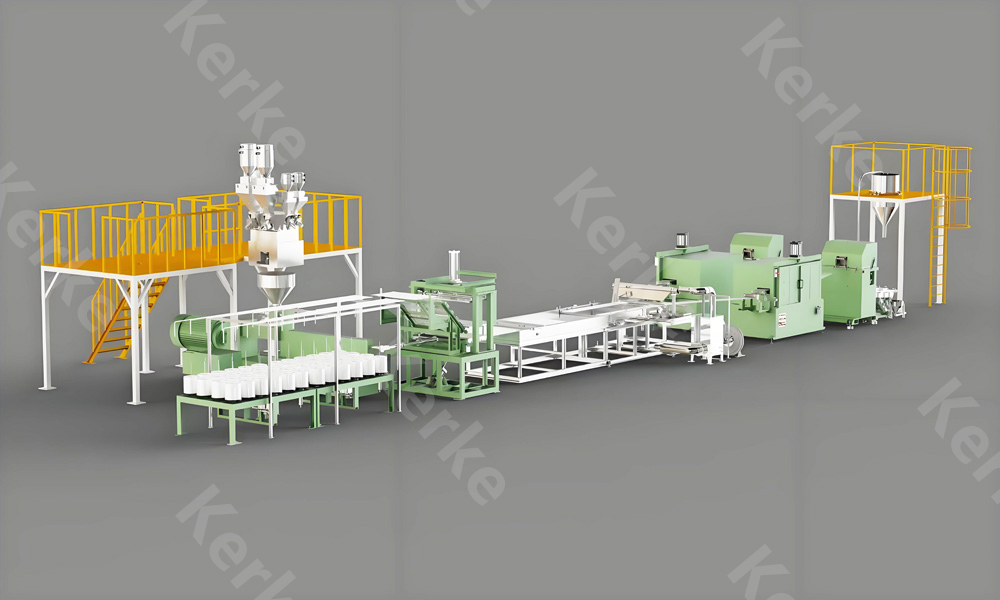
Selecting the right twin screw extruder for masterbatch production represents one of the most critical equipment decisions facing plastics manufacturers today. The choice directly impacts product quality, production efficiency, operational costs, and ultimately business profitability. With numerous options available in the market spanning different sizes, configurations, and price points, making an informed decision requires understanding key technical factors, application requirements, and total cost considerations. This comprehensive guide provides detailed analysis of selection criteria, equipment specifications, and investment considerations to help manufacturers choose the optimal masterbatch extruder for their specific needs.
Understanding Twin Screw Extruder Technology Fundamentals
Twin screw extruders have become the preferred choice for masterbatch production due to their superior mixing capabilities, processing flexibility, and consistent output quality. Unlike single screw alternatives, twin screw designs provide positive conveyance, self-wiping action, and excellent distributive and dispersive mixing. These characteristics prove essential for achieving uniform pigment dispersion, consistent additive distribution, and reliable product quality in masterbatch manufacturing operations.
The co-rotating twin screw extruder design dominates the masterbatch industry due to its exceptional mixing performance and operational flexibility. In this configuration, both screws rotate in the same direction, creating intermeshing zones where material experiences intensive shear and mixing. The self-wiping nature of co-rotating designs prevents material stagnation and degradation, critical when processing heat-sensitive pigments and additives. Understanding these fundamental characteristics helps guide equipment selection decisions for specific masterbatch applications.
Key Design Features of Modern Twin Screw Extruders
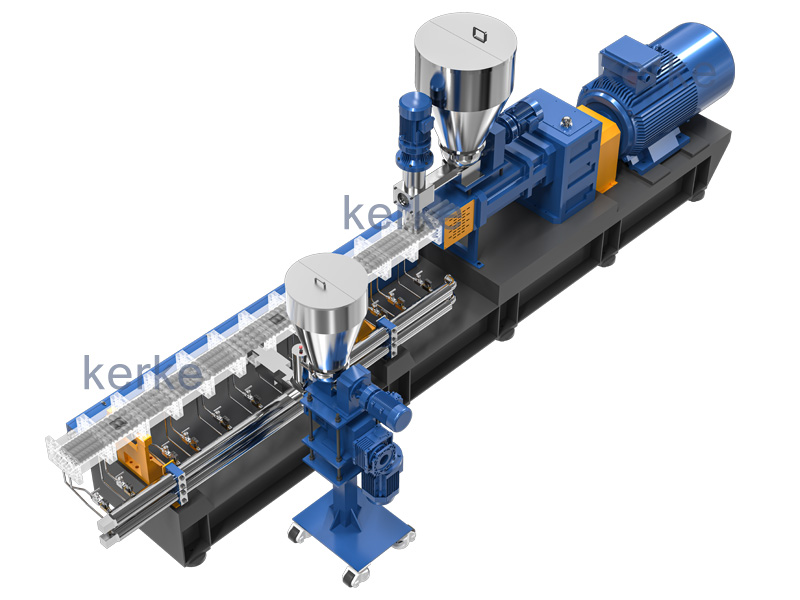
Modern twin screw extruder designs incorporate numerous features that enhance performance and flexibility for masterbatch production. Modular barrel sections enable precise temperature control in different processing zones, essential for managing the thermal requirements of diverse polymers and additives. Multiple feeding ports allow incorporation of ingredients at optimal processing stages, preventing degradation of sensitive components while ensuring thorough mixing. Advanced control systems provide real-time monitoring and adjustment capabilities, maintaining consistent product quality across production runs.
Screw design flexibility represents one of the most significant advantages of twin screw extruder technology. Modular screw elements including conveying sections, kneading blocks, and mixing elements can be arranged in countless configurations to achieve specific processing objectives. This flexibility enables optimization for different masterbatch formulations, from highly filled color concentrates to sophisticated additive packages. The ability to reconfigure screw profiles extends equipment utility across diverse product portfolios, maximizing return on investment for masterbatch extruder systems.
Processing Capabilities and Performance Parameters
Throughput capacity represents a primary consideration in twin screw extruder selection, directly impacting production economics and market competitiveness. Equipment sizing must balance current production requirements against anticipated growth, considering both technical capabilities and capital investment constraints. Modern compounding extruder designs offer improved throughput rates per screw diameter, enabling smaller equipment to achieve previously impossible production volumes. Understanding these capabilities helps optimize equipment selection for specific business requirements.
Torque capacity influences the types of formulations equipment can effectively process. High filler loadings, viscous polymers, and demanding mixing applications require substantial torque to maintain processing stability. Advanced twin screw extruder designs incorporate high-torque drive systems that enable processing of challenging formulations while maintaining consistent output quality. Matching torque capacity to formulation requirements ensures reliable operation and prevents equipment limitations from constraining product development opportunities.
Application-Specific Selection Criteria
Masterbatch applications span diverse requirements including color concentrates, additive packages, filled compounds, and specialized formulations. Each application category imposes specific demands on equipment capabilities, making application-specific evaluation essential for optimal twin screw extruder selection. Understanding these requirements guides equipment specification decisions and ensures chosen equipment effectively addresses production needs.
Color masterbatch production demands excellent dispersive mixing to achieve uniform pigment distribution at high concentrations. Processing challenges include handling high-viscosity pigment pastes, preventing pigment degradation, and achieving consistent color strength across production batches. Masterbatch extruder systems optimized for color applications incorporate specialized mixing sections, precise temperature control, and feeding systems designed for powder and liquid colorants. Equipment selection should prioritize dispersion quality and consistency for color-focused operations.
Color Masterbatch Equipment Requirements
Pigment dispersion quality directly impacts color masterbatch value and application performance. Inadequate dispersion results in color inconsistency, processing difficulties, and reduced mechanical properties in final products. Twin screw extruder configurations for color masterbatch typically emphasize dispersive mixing through kneading blocks and specialized mixing elements. Screw speed, temperature profile, and residence time optimization further enhance dispersion quality, enabling production of premium color concentrates.
Processing pigments requires careful attention to temperature management to prevent thermal degradation of sensitive organic colorants. Modern compounding extruder designs with multiple temperature zones enable precise thermal profiling, maintaining optimal processing conditions throughout the extruder length. Temperature monitoring and control systems provide real-time feedback, enabling rapid response to deviations that could impact product quality. These capabilities prove essential for consistent color masterbatch production.
Additive Masterbatch Considerations
Additive masterbatch formulations encompass diverse compositions including UV stabilizers, antioxidants, flame retardants, and processing aids. Each additive category presents unique processing requirements based on concentration, thermal sensitivity, and mixing intensity needs. Versatile twin screw extruder designs with flexible screw configurations and multiple feeding points address these diverse requirements effectively. Equipment selection should consider the range of additive formulations planned for production.
Some additives require incorporation at specific processing stages to prevent degradation or ensure optimal effectiveness. For example, antioxidants should be added downstream from high-shear zones to prevent consumption during processing. Masterbatch extruder designs with multiple injection ports enable stage-specific addition, preserving additive effectiveness while ensuring uniform distribution. Understanding these formulation requirements guides equipment specification decisions.
Filler and Reinforcement Masterbatch Production
Filled and reinforced masterbatch formulations present unique challenges including high viscosity, abrasive wear, and demanding mixing requirements. Mineral fillers such as calcium carbonate, talc, and glass fibers require intensive mixing for uniform dispersion while potentially accelerating equipment wear. Twin screw extruder selections for filler applications must consider wear resistance, torque capacity, and mixing efficiency to ensure reliable operation and acceptable equipment lifespan.
Wear-resistant barrel and screw components extend equipment life when processing abrasive fillers. Specialized materials including hardened steel alloys and wear-resistant coatings protect critical surfaces from premature wear. While wear-resistant options increase initial equipment cost, they typically deliver superior total cost of ownership for high-filler applications. Compounding extruder manufacturers offer various wear protection levels to match specific application requirements and budget constraints.
Technical Specifications and Performance Metrics
Evaluating twin screw extruder specifications requires understanding how different parameters impact processing capabilities and product quality. Key specifications including screw diameter, length-to-diameter ratio, torque rating, and speed range define equipment capabilities and appropriate applications. Careful analysis of these specifications against production requirements guides optimal equipment selection.
Screw diameter primarily determines throughput capacity, with larger diameters enabling higher production rates. However, diameter selection must balance capacity requirements against capital cost, floor space constraints, and formulation characteristics. Modern compounding extruder designs offer improved specific output rates, enabling smaller diameter equipment to achieve throughput previously requiring larger machines. Understanding the relationship between screw diameter, throughput, and formulation characteristics optimizes equipment sizing decisions.
Screw Diameter and Throughput Capacity
Screw diameter selection represents a fundamental equipment sizing decision with significant implications for production capacity, capital cost, and operational efficiency. Smaller diameter extruders offer lower initial cost and reduced space requirements but limited throughput capacity. Larger diameters provide higher capacity but increased capital investment and operational costs. Optimal sizing balances current requirements against growth projections and formulation characteristics.
Production volumes in the 20-100 kg/h range typically require twin screw extruder systems with screw diameters around 35-40mm. These compact systems suit small production operations, formulation development activities, and specialized low-volume applications. Medium production volumes of 200-500 kg/h correspond to screw diameters of approximately 60-65mm, representing the workhorse category for established masterbatch producers. High-volume production exceeding 1000 kg/h requires larger equipment with screw diameters of 90mm or greater.
Length-to-Diameter Ratio Considerations
Length-to-diameter ratio (L/D) influences residence time, mixing intensity, and processing flexibility available in a twin screw extruder. Longer L/D ratios provide more processing zones for complex formulations requiring multiple ingredient addition points or extended mixing. Shorter L/D designs offer compact footprint and reduced capital cost but limited processing zones. Standard masterbatch extruder configurations typically feature L/D ratios of 40:1, providing sufficient length for most applications while maintaining reasonable equipment dimensions.
Extended L/D ratios of 48:1 or greater become valuable for sophisticated formulations requiring sequential addition of multiple components or extended devolatilization zones. These configurations enable more complex processing schemes but increase equipment cost and floor space requirements. Selection should consider current and anticipated formulation complexity, balancing processing capability needs against capital investment constraints.
Torque and Speed Specifications
Torque capacity determines the processing power available for mixing and conveying materials through the twin screw extruder. Higher torque enables processing of high-viscosity formulations, highly filled compounds, and demanding mixing applications. Modern extruder designs offer significantly improved specific torque compared to earlier generations, enabling smaller equipment to process formulations previously requiring larger machines. Torque specification should match anticipated formulation requirements with some margin for future development.
Screw speed range influences throughput capacity, mixing intensity, and residence time control. Modern compounding extruder designs operate at speeds up to 1000 rpm or higher, enabling excellent throughput flexibility and mixing intensity control. Variable speed drives enable optimization for different formulations, balancing mixing requirements against thermal exposure. Equipment selection should consider the speed range needed to address anticipated formulation requirements.
Equipment Configuration Options
Modern twin screw extruder designs offer extensive configuration flexibility to address diverse processing requirements. Understanding available options and their implications for performance and cost enables informed selection decisions. Configuration choices should align with specific application requirements, production volumes, and budget constraints.
Barrel configuration options include standard monolithic designs and segmented modular constructions. Segmented barrels enable precise temperature control in individual zones and simplified maintenance access. Heating options include electric heaters, oil heating, or combination systems, each offering specific advantages for different applications. Cooling systems range from air cooling to water cooling, with selection based on temperature control requirements and ambient conditions.
Feeding System Configurations
Feeding system design significantly impacts twin screw extruder flexibility and formulation capability. Single main feed configurations suit simple formulations with all ingredients pre-blended. Multiple feed ports enable sequential addition of components at optimal processing stages, essential for sophisticated masterbatch formulations. Feed system selection should anticipate current and future formulation requirements.
Gravimetric feeding systems offer superior accuracy compared to volumetric alternatives, automatically compensating for material density variations. Multi-component gravimetric systems enable precise proportioning of multiple ingredients, essential for complex formulations. Investment in quality feeding systems improves product consistency and reduces material waste, delivering rapid return on investment for masterbatch extruder operations.
Screw Design Options
Screw configuration represents the primary determinant of mixing performance in twin screw extruder systems. Modular screw designs enable customization for specific formulations through selection and arrangement of conveying elements, kneading blocks, and mixing sections. Understanding the function of different element types guides optimization for specific masterbatch applications.
Conveying elements transport material through the extruder with minimal shear. Kneading blocks provide intensive dispersive mixing through staggered disc arrangements. Specialized mixing elements enhance distributive mixing for uniform component distribution. The arrangement and quantity of these elements determines overall mixing performance. Compounding extruder manufacturers provide application guidance and recommended screw configurations for different formulation types.
Downstream Equipment Integration
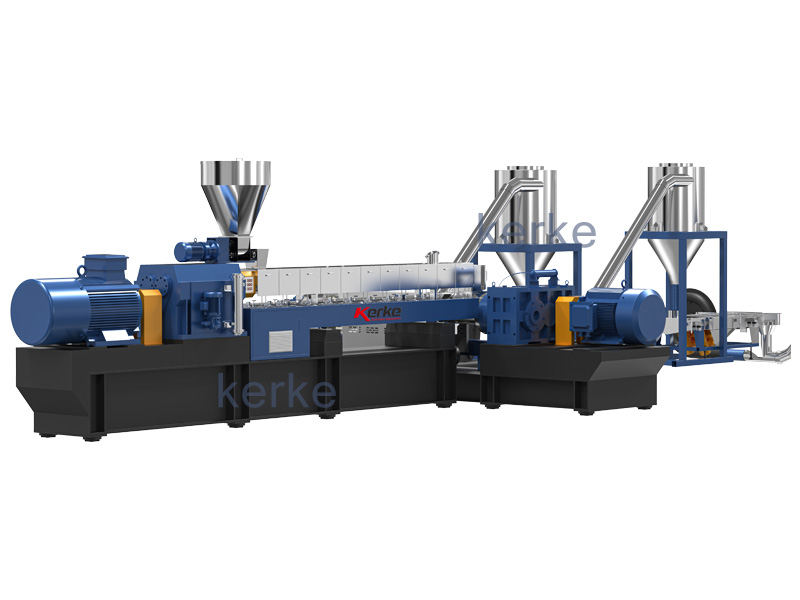
Complete masterbatch production systems require downstream equipment including pelletizers, cooling conveyors, and packaging systems. Strand pelletizers represent the most common option for masterbatch production, offering simple operation and reliable performance. Water ring and underwater pelletizers provide alternatives for specific applications requiring different pellet characteristics. Equipment selection should consider compatibility with downstream systems and overall production workflow requirements.
Process control integration enables coordinated operation of all system components for consistent production and quality management. Modern control systems provide recipe management, data logging, and remote monitoring capabilities. Investment in comprehensive process control improves operational efficiency and quality consistency while providing documentation for quality certification requirements.
Investment Analysis and Total Cost of Ownership
Equipment selection decisions must consider total cost of ownership rather than initial acquisition cost alone. Factors including energy consumption, maintenance requirements, reliability, and operational efficiency significantly impact long-term economics. Comprehensive cost analysis enables informed decisions balancing initial investment against ongoing operational costs.
Capital investment for twin screw extruder systems varies substantially based on size, configuration, and manufacturer. Entry-level systems suitable for small production volumes typically range from $25,000 to $50,000. Medium-capacity systems for established production operations range from $50,000 to $100,000. High-capacity production systems exceed $100,000, with sophisticated configurations reaching $200,000 or more. Understanding the relationship between equipment cost and capabilities guides budget-appropriate selection.
Initial Investment Considerations
Equipment quality significantly impacts initial investment but delivers superior value through improved reliability, lower maintenance costs, and better resale value. Established manufacturers with proven track records typically command premium prices but offer lower total cost of ownership. Budget-level equipment may offer attractive initial pricing but often incurs higher maintenance costs, reduced reliability, and limited technical support. Investment in quality compounding extruder equipment from reputable manufacturers typically proves more economical over the equipment lifespan.
Installation and startup costs should be included in total investment calculations. These costs include site preparation, utility connections, installation labor, and startup assistance. Quality manufacturers provide comprehensive installation support and operator training, minimizing startup challenges and accelerating time to production. Understanding these additional costs enables accurate budgeting and prevents surprises during implementation.
Operating Cost Factors
Energy consumption represents a significant ongoing cost in masterbatch extruder operations. Modern designs incorporate energy efficiency features including efficient motor drives, optimized screw geometries, and improved thermal insulation. Energy consumption varies with throughput rate, formulation complexity, and equipment design. Selection of energy-efficient equipment reduces operating costs throughout the equipment lifespan.
Maintenance and spare parts costs influence total cost of ownership throughout equipment life. Quality equipment from established manufacturers typically requires less frequent maintenance and offers better spare parts availability. Warranty coverage, service agreements, and technical support access impact both direct costs and production continuity. Understanding maintenance requirements and support availability guides selection toward optimal total cost of ownership.
Return on Investment Analysis
Equipment investment decisions should include analysis of anticipated return on investment considering production volumes, market prices, and operational costs. Higher-capacity equipment enables greater production volumes and potentially better economies of scale. However, overcapacity results in underutilization and extended payback periods. Matching equipment capacity to realistic production projections optimizes return on investment.
Market analysis should consider growth projections, competitive dynamics, and pricing trends when evaluating equipment investments. Masterbatch producers serving growing markets may justify larger investments based on anticipated demand increases. Stable or declining markets require more conservative capacity investments. Understanding market dynamics enables informed equipment sizing decisions aligned with business strategy.
Recommended Equipment Solutions: Kerke KTE Series
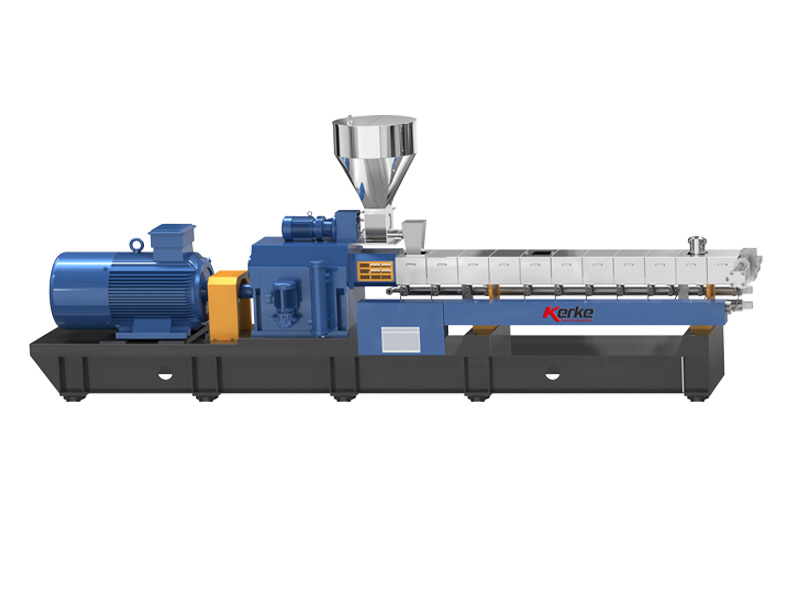
Kerke, operating under Wanplas Group with over 13 years of specialized twin screw extruder manufacturing experience, offers comprehensive solutions for masterbatch production applications. The KTE series co-rotating parallel twin screw extruder line addresses requirements from entry-level production through high-volume manufacturing operations. Each model incorporates advanced design features optimized for masterbatch applications while maintaining operational flexibility for diverse formulation requirements.
The KTE series design philosophy emphasizes high torque, high speed performance enabling superior mixing quality and higher throughput rates compared to conventional designs. Modular screw configurations provide optimization flexibility for different masterbatch formulations. Segmented barrel construction enables precise temperature control and simplified maintenance access. These design features address the core requirements of masterbatch production while supporting operational efficiency and equipment longevity.
KTE-36B: Entry Point for Masterbatch Production
The Kerke KTE-36B twin screw extruder provides an accessible entry point for masterbatch production with professional-grade capabilities. Featuring a screw diameter of 35.6mm, this compact system delivers throughput capacity of 20-100 kg/h suitable for small production volumes, formulation development, and specialized applications. Priced between $25,000 and $35,000 depending on configuration, the KTE-36B enables new market entrants to establish production capabilities with manageable initial investment.
Despite its compact dimensions, the KTE-36B incorporates features typically found on larger masterbatch extruder systems. The modular screw design enables optimization for color, additive, and filled masterbatch formulations. Multiple feeding zones support complex formulation requirements. Precise temperature control ensures consistent processing conditions. User-friendly controls simplify operation and reduce training requirements. These features enable the KTE-36B to serve diverse masterbatch production needs within its capacity range.
KTE-65B: Production Workhorse for Growing Operations
The Kerke KTE-65B twin screw extruder represents an ideal solution for medium-scale masterbatch production operations. With screw diameter of 62.4mm and throughput capacity of 200-450 kg/h, this production-grade system addresses the requirements of established masterbatch manufacturers serving regional markets. Investment range of $50,000 to $80,000 delivers exceptional value through robust construction, reliable performance, and operational flexibility.
This compounding extruder configuration offers the throughput capacity necessary for profitable commercial production while maintaining formulation flexibility essential for serving diverse customer requirements. The proven design incorporates lessons from hundreds of installations worldwide, ensuring reliable operation and consistent product quality. Enhanced features including advanced control systems and automation capabilities support efficient production operations. The KTE-65B serves as the production workhorse for numerous successful masterbatch operations globally.
KTE-95D: High-Volume Production Excellence
The Kerke KTE-95D twin screw extruder addresses high-volume masterbatch production requirements with screw diameter of 93mm and throughput capacity of 1000-2000 kg/h. This production-scale system serves demanding applications in automotive, packaging, and construction markets where high-volume capability and consistent quality prove essential. Investment range of $120,000 to $200,000 reflects the advanced capabilities and robust construction necessary for demanding production environments.
Advanced features including sophisticated process control, comprehensive automation options, and optimized energy efficiency make the KTE-95D ideal for continuous production operations. The robust design ensures reliable performance in demanding environments while maintaining flexibility for diverse formulations. Kerke’s comprehensive service support including $500 annual free parts and warranty coverage minimizes operational risks and supports total cost of ownership objectives. This masterbatch extruder configuration represents the pinnacle of production capability for serious masterbatch manufacturers.
Service Support and Warranty Considerations
Equipment reliability and service support significantly impact operational success and total cost of ownership. Quality manufacturers provide comprehensive warranty coverage, technical support, and spare parts availability. Understanding service and support offerings enables informed selection decisions and reduces operational risk.
Kerke demonstrates commitment to customer success through comprehensive service support programs. Annual free parts allowance of $500 helps manage maintenance costs while ensuring availability of critical components. Warranty coverage for damaged parts during the warranty period provides protection against unexpected repair costs. Technical support availability ensures prompt resolution of operational questions and issues. These support programs minimize operational risks and support long-term success.
Warranty Coverage Analysis
Warranty terms vary significantly among twin screw extruder manufacturers and directly impact risk exposure during initial operation. Comprehensive warranty coverage should include major components including screws, barrels, drive system, and control systems. Understanding warranty exclusions, duration, and claim procedures enables accurate comparison between equipment options. Quality manufacturers stand behind their products with substantial warranty coverage reflecting confidence in equipment reliability.
Extended warranty options provide additional protection beyond standard coverage periods. These options typically offer favorable cost-benefit ratios for critical equipment, protecting against unexpected repair costs during early equipment life. Evaluation of extended warranty options should consider equipment reliability history, manufacturer financial stability, and operational risk tolerance. Investment in extended coverage provides peace of mind and predictable maintenance costs.
Technical Support and Training Programs
Comprehensive training programs ensure operators can effectively utilize masterbatch extruder capabilities and maintain consistent production quality. Training should cover equipment operation, process optimization, troubleshooting procedures, and safety protocols. Quality manufacturers provide training at multiple levels including operator training, maintenance training, and process optimization guidance. Investment in training accelerates time to proficient operation and reduces costly mistakes.
Ongoing technical support availability proves essential for resolving operational challenges and optimizing processes. Support options range from telephone assistance to on-site service visits. Response time guarantees and support coverage hours impact production continuity when issues arise. Understanding support availability and response commitments enables informed manufacturer selection and reduces operational risk.
Spare Parts Availability and Inventory Management
Reliable spare parts availability minimizes downtime when maintenance or repairs are required. Quality manufacturers maintain comprehensive spare parts inventories and can provide rapid delivery when needed. Critical spare parts should be identified and stocked on-site to enable immediate repair capability. Understanding parts availability, pricing, and delivery times supports informed inventory decisions.
Inventory management programs offered by some manufacturers help optimize spare parts stocking. These programs may include consignment inventory, automatic replenishment, or recommended spare parts lists tailored to specific applications. Participation in such programs reduces inventory investment while ensuring parts availability. Evaluation of manufacturer inventory support programs should factor into equipment selection decisions.
Installation and Facility Requirements
Proper installation and adequate facility infrastructure prove essential for twin screw extruder performance and reliability. Site preparation, utility requirements, and environmental controls must be addressed before equipment delivery. Understanding installation requirements enables proper planning and prevents costly delays or performance issues.
Foundation requirements vary with equipment size and configuration. Larger compounding extruder systems may require reinforced concrete foundations to support equipment weight and absorb vibration. Smaller systems may operate on standard industrial flooring. Understanding foundation requirements early in planning enables proper site preparation and prevents installation delays.
Utility Requirements and Installation Planning
Electrical requirements for masterbatch extruder systems vary with equipment size and heating system type. Electric heating typically requires significant electrical capacity, while oil heating systems reduce electrical demand but require thermal fluid circulation systems. Understanding specific utility requirements enables proper facility preparation and prevents installation complications.
Cooling water systems prove essential for barrel temperature control and product cooling. Water quality, temperature, and flow rate requirements must be met for reliable operation. Closed-loop cooling systems may be required in areas with water quality concerns or environmental restrictions. Planning for adequate cooling capacity ensures consistent processing conditions and prevents thermal management issues.
Environmental and Safety Considerations
Proper ventilation proves essential for operator safety and equipment performance when processing masterbatch formulations. Dust collection systems protect operators from pigment and additive exposure while maintaining clean processing environments. Fume extraction may be required for certain additives or processing conditions. Understanding ventilation requirements enables proper facility design and regulatory compliance.
Safety interlocks, emergency stops, and protective guards protect operators from equipment hazards. Modern twin screw extruder designs incorporate comprehensive safety systems meeting international standards. Understanding safety requirements and features enables proper facility integration and operator protection. Compliance with safety standards also supports insurance and regulatory requirements.
Quality Assurance and Process Control
Consistent masterbatch quality requires robust quality assurance systems and process control capabilities. Modern compounding extruder systems offer extensive monitoring and control features supporting quality management. Understanding these capabilities enables their effective utilization for consistent production.
Real-time process monitoring including melt temperature, pressure, and torque provides immediate feedback on processing conditions. Statistical process control techniques enable detection of process variations before they impact product quality. Data logging capabilities support quality documentation and traceability requirements. Investment in process control capabilities improves quality consistency while supporting regulatory compliance.
Process Monitoring and Control Systems
Advanced control systems provide capabilities including recipe management, automatic startup and shutdown sequences, and process optimization algorithms. These features improve operational efficiency and consistency while reducing operator skill requirements. Understanding control system capabilities and options enables selection of appropriate functionality for specific operational requirements.
Integration with quality testing systems enables closed-loop quality management. Inline color measurement, melt index monitoring, and composition analysis provide real-time quality feedback. Automatic process adjustment based on quality measurements maintains product consistency without manual intervention. These advanced capabilities support demanding quality requirements while improving operational efficiency.
Documentation and Traceability Requirements
Quality documentation and product traceability prove essential for regulatory compliance and customer confidence. Modern masterbatch extruder control systems provide comprehensive data logging including processing parameters, raw material lots, and quality test results. Automated reporting capabilities simplify documentation requirements while ensuring accuracy and completeness.
Integration with enterprise resource planning and quality management systems enables comprehensive traceability from raw materials through finished products. Batch records, process data, and quality certificates can be automatically generated and archived. These capabilities support customer quality requirements while reducing administrative burden. Understanding documentation requirements guides control system selection and configuration decisions.
Future Expansion and Upgrade Considerations
Equipment selection should consider not only current requirements but also anticipated future needs. Modular designs enable capacity expansion and capability enhancement as business grows. Understanding upgrade paths and expansion options protects initial investment value while supporting business development.
Throughput expansion options vary by twin screw extruder model and manufacturer. Some designs enable capacity increases through screw speed enhancement or drive system upgrades. Others may require equipment replacement for significant capacity increases. Understanding expansion limitations and options guides equipment sizing decisions and future planning.
Capability Enhancement Options
Capability additions including additional feeding systems, devolatilization zones, or specialized mixing sections enable processing of new formulation types. Modular barrel designs with standard flange patterns simplify addition of processing zones. Understanding available capability enhancement options enables future-proofing of equipment investments.
Control system upgrades may enable improved process monitoring, automation capabilities, or integration with advanced quality systems. Selecting equipment with upgradable control systems protects against obsolescence while enabling adoption of new technologies. Understanding control system architecture and upgrade paths supports long-term investment value.
Technology Evolution Considerations
Twin screw extruder technology continues evolving with improvements in efficiency, control, and capability. Equipment selection should consider manufacturer commitment to technology development and upgrade support. Manufacturers actively developing their product lines offer better long-term value through continued innovation and support. Understanding manufacturer technology roadmaps enables informed selection decisions.
Industry trends toward higher throughput, better energy efficiency, and improved process control drive technology development. Equipment designs incorporating current technology advances offer better performance and lower operating costs. Balancing proven technology against emerging innovations guides selection toward optimal value. Quality manufacturers like Kerke invest in continuous improvement, ensuring their equipment remains competitive throughout its lifespan.
Selection Process and Decision Framework
Systematic evaluation of twin screw extruder options ensures selection of optimal equipment for specific requirements. A structured decision process considering technical requirements, financial constraints, and strategic objectives guides informed selection. Following a comprehensive evaluation framework reduces selection risk and improves decision quality.
Requirements definition represents the foundation of effective equipment selection. Clear specification of production volumes, formulation types, quality requirements, and budget constraints enables focused evaluation. Engaging stakeholders including production, engineering, and finance ensures comprehensive requirements capture. Documenting requirements provides evaluation criteria and prevents scope drift during selection.
Vendor Evaluation Process
Vendor evaluation should consider technical capability, quality reputation, service support, and financial stability. Reference installations provide valuable insights into actual performance and customer satisfaction. Site visits to reference customers enable direct observation of equipment operation and discussion of operational experiences. Understanding vendor strengths and limitations guides selection toward optimal partnerships.
Proposal evaluation should include total cost of ownership analysis rather than initial price alone. Operating costs, maintenance requirements, and warranty coverage significantly impact long-term economics. Understanding all cost components enables accurate comparison between alternatives. Life-cycle cost analysis provides comprehensive economic comparison supporting informed decisions.
Final Selection and Procurement
Final selection should balance technical suitability, economic justification, and risk assessment. Documenting selection rationale supports decision validation and organizational approval. Negotiation should address not only price but also warranty terms, service support, and training provisions. Comprehensive contract terms protect both parties and establish clear expectations for the equipment relationship.
Procurement planning should address delivery scheduling, installation preparation, and startup coordination. Understanding lead times enables proper project planning and prevents operational disruptions. Coordinating equipment delivery with facility preparation ensures smooth installation and rapid startup. Working closely with the selected vendor throughout the procurement process ensures successful equipment implementation.
Conclusion
Selecting the best twin screw extruder for masterbatch production requires comprehensive consideration of technical requirements, application needs, financial constraints, and strategic objectives. Understanding fundamental technology principles, equipment specifications, and total cost of ownership factors enables informed selection decisions. The modular design, processing flexibility, and proven performance of modern masterbatch extruder systems support diverse production requirements while delivering reliable operation and consistent product quality.
Investment in quality compounding extruder equipment from established manufacturers like Kerke provides the capabilities necessary for competitive masterbatch production operations. The KTE series twin screw extruder line offers solutions spanning entry-level production through high-volume manufacturing, with configurations optimized for masterbatch applications. Comprehensive service support including warranty coverage, technical assistance, and spare parts availability minimizes operational risks while supporting long-term success. As masterbatch markets continue evolving with new applications, formulations, and quality requirements, equipment selected through careful analysis will continue delivering value throughout its operational lifespan.
Success in masterbatch production ultimately depends on matching equipment capabilities to specific business requirements while maintaining flexibility for future development. Following systematic selection processes and investing in quality equipment positions manufacturers for sustainable competitive advantage in growing masterbatch markets. The comprehensive capabilities of modern twin screw extruder technology enable masterbatch producers to address current challenges while preparing for future opportunities in this dynamic industry segment.