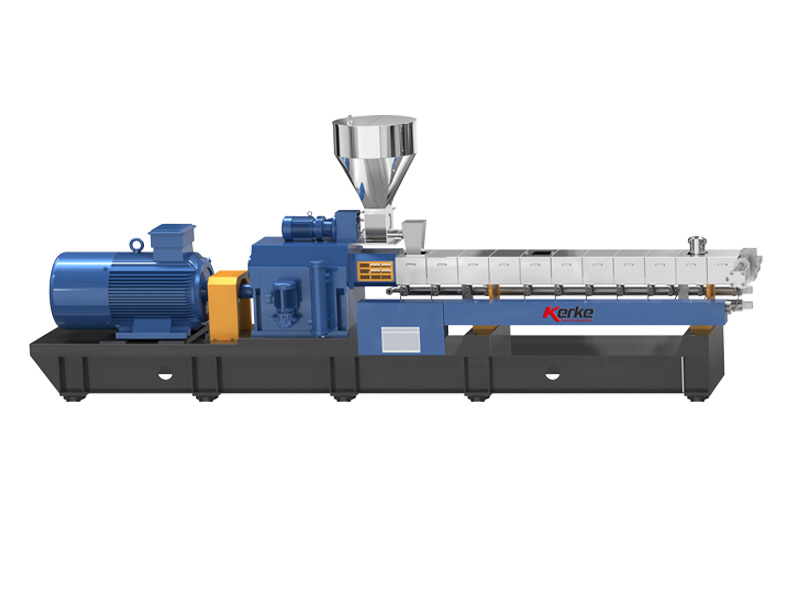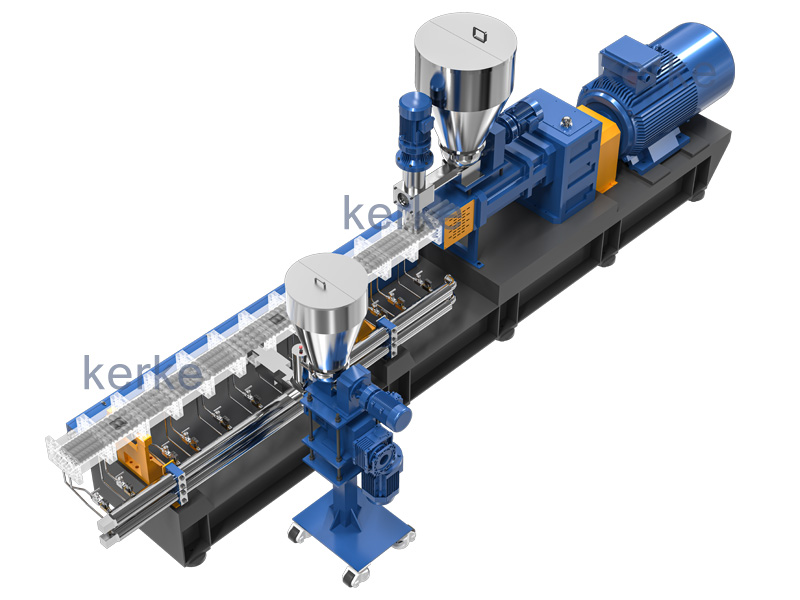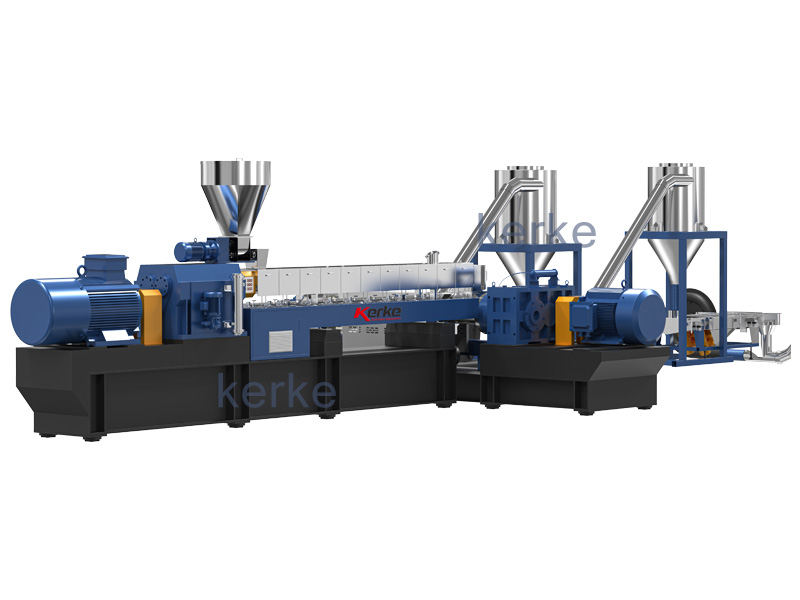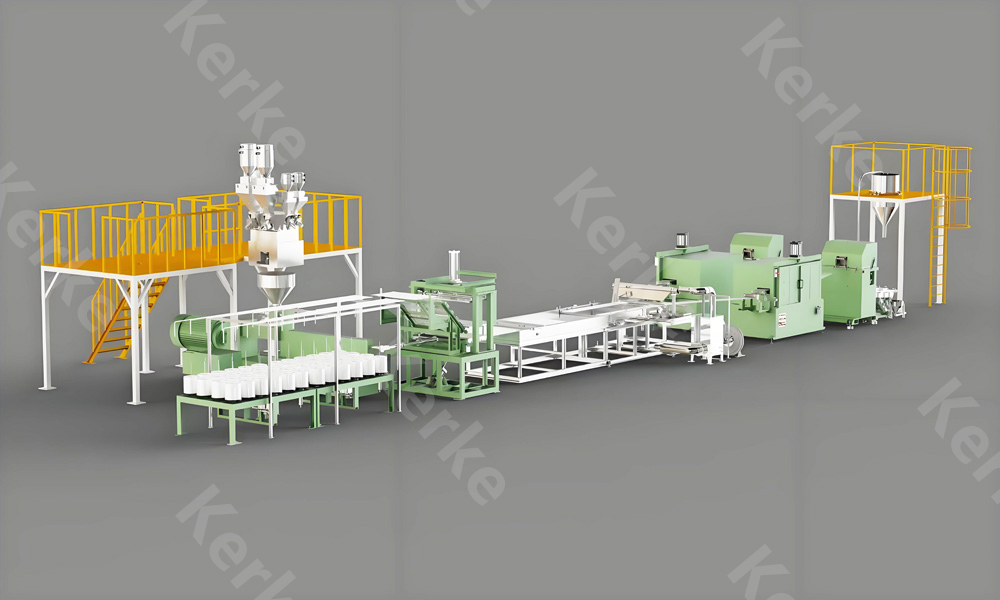
Proper cleaning of a masterbatch extruder after production is essential to maintain its performance, ensure product quality, and extend its lifespan. Residual material left in the extruder can degrade over time, leading to contamination of subsequent batches, reduced efficiency, and potential damage to the equipment. In this comprehensive guide, we will explore the importance of cleaning a masterbatch extruder, the steps involved in the cleaning process, best practices for maintenance, and how Kerke extruders are designed to facilitate easy and effective cleaning.
The Importance of Cleaning a Masterbatch Extruder
Masterbatch production involves processing a wide range of materials, including pigments, additives, and base polymers. After each production run, residual material can accumulate in the barrel, screws, and other components of the extruder. This residual material can harden, degrade, or react with subsequent batches, leading to color contamination, inconsistent product quality, and reduced process efficiency.
Failure to clean the extruder properly can also result in increased wear and tear on the equipment. Residual material can cause abrasion to the screws and barrel, leading to premature failure and costly repairs. Regular cleaning helps to prevent these issues, ensuring that the extruder operates at peak performance and delivers consistent, high-quality output.
In addition to maintaining product quality and equipment performance, proper cleaning is also essential for compliance with industry regulations. Many industries, such as food packaging, medical devices, and automotive, require strict adherence to cleanliness standards to ensure the safety and reliability of their products. A clean extruder helps to minimize the risk of cross-contamination and ensures that the final product meets these stringent requirements.
Preparing for Extruder Cleaning
Gathering the Necessary Tools and Materials
Before starting the cleaning process, it is important to gather all the necessary tools and materials. This includes cleaning agents, brushes, scrapers, gloves, safety glasses, and any specialized equipment required for cleaning the extruder. The choice of cleaning agents will depend on the type of material being processed and the components of the extruder. For example, water-based cleaning agents may be suitable for removing water-soluble residues, while solvent-based cleaners may be required for removing stubborn organic materials.
Kerke provides a range of cleaning solutions and accessories that are specifically designed for use with their extruders. These include high-quality cleaning agents that are effective at removing residual material without damaging the equipment, as well as specialized brushes and scrapers for cleaning hard-to-reach areas. Using Kerke’s recommended cleaning tools and materials ensures that the cleaning process is efficient and effective, and helps to maintain the integrity of the extruder components.
Safety Precautions
Cleaning a masterbatch extruder can involve working with hot surfaces, hazardous materials, and moving parts, so it is important to take appropriate safety precautions. Operators should wear personal protective equipment (PPE) such as gloves, safety glasses, and heat-resistant clothing to protect themselves from burns, chemical splashes, and other hazards.
Before starting the cleaning process, the extruder should be shut down and isolated from the power supply to prevent accidental activation. It is also important to ensure that all residual material has cooled down sufficiently to avoid burns. Operators should follow the manufacturer’s safety guidelines and procedures to minimize the risk of accidents and injuries.
Step-by-Step Guide to Cleaning a Masterbatch Extruder
Step 1: Removing Residual Material from the Barrel
The first step in cleaning a masterbatch extruder is to remove any residual material from the barrel. This can be done by running a cleaning compound through the extruder or by manually scraping the barrel with a scraper. Cleaning compounds are specially formulated materials that are designed to absorb and remove residual material from the extruder components. They can be effective at removing a wide range of materials, including pigments, additives, and base polymers.
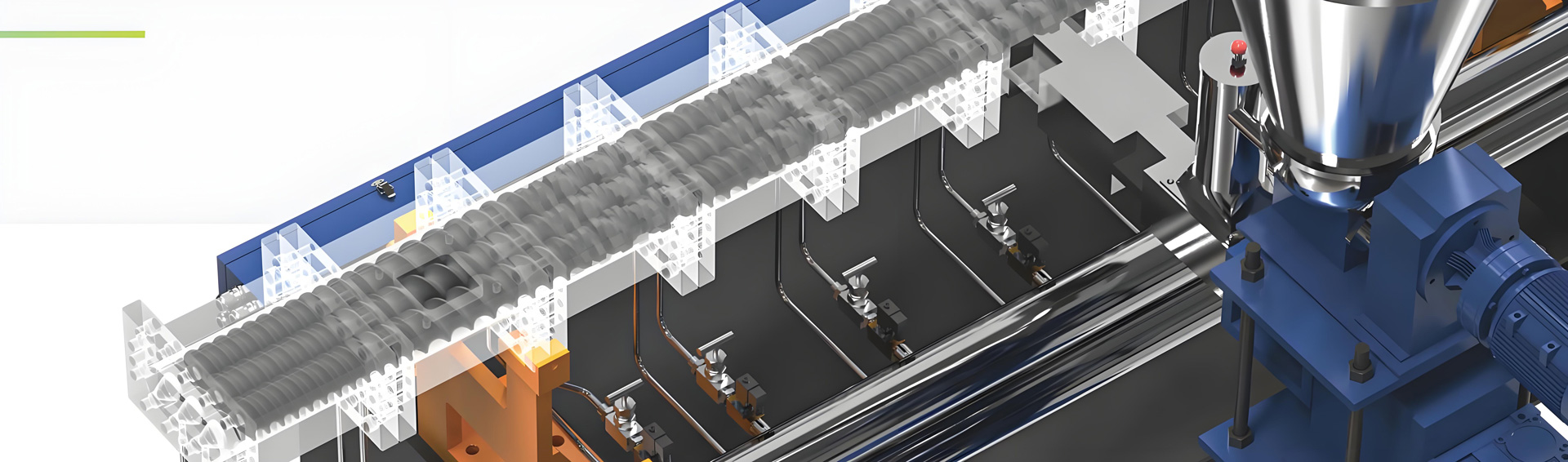
Kerke extruders are designed with a self-cleaning screw assembly that helps to facilitate the removal of residual material. The kneading co-type screw design has excellent self-cleaning properties, which allows for more efficient removal of material during the cleaning process. In addition, Kerke offers a range of cleaning compounds that are specifically formulated for use with their extruders, ensuring effective and safe cleaning.
Step 2: Cleaning the Screws
After removing the residual material from the barrel, the screws should be cleaned to remove any remaining material. The screws can be removed from the extruder and cleaned manually using brushes and scrapers, or they can be cleaned in place using a cleaning compound. When cleaning the screws manually, it is important to be gentle to avoid damaging the screw flights and kneading blocks.
Kerke screws are made from high-quality materials that are resistant to wear and corrosion, making them easy to clean. The interchangeable screw segments allow for easy disassembly and cleaning, ensuring that all parts of the screw are thoroughly cleaned. Kerke also provides detailed instructions on how to clean the screws properly, including the use of specific cleaning agents and techniques.
Step 3: Cleaning the Die and Pelletizing System
The die and pelletizing system are critical components of the masterbatch extruder, and they require special attention during the cleaning process. Residual material can accumulate in the die holes and pelletizing system, leading to clogging and reduced pellet quality. To clean the die, it is recommended to use a cleaning compound or to disassemble the die and clean it manually.
Kerke extruders are equipped with a variety of pelletizing systems, including water-cooled strand pelletizing, air-cooled strand pelletizing, and underwater granulation. Each of these systems has its own cleaning requirements, and Kerke provides detailed instructions on how to clean them properly. For example, the underwater granulation system may require flushing with water or a cleaning solution to remove residual material, while the die face hot cutting system may require manual scraping to remove any hardened material.
Step 4: Cleaning Auxiliary Equipment
In addition to the main extruder components, it is also important to clean the auxiliary equipment, such as the feeders, mixers, and conveyors. Residual material can accumulate in these components, leading to cross-contamination and reduced process efficiency. The auxiliary equipment should be cleaned after each production run to ensure that it is free from residual material.
Kerke provides a range of auxiliary equipment for their extruders, including high-speed mixers, plastic granulators, and water chillers. Each of these components is designed to be easy to clean, with removable parts and accessible surfaces. Kerke also provides detailed instructions on how to clean each piece of auxiliary equipment, ensuring that the entire production line is kept clean and free from contamination.
Step 5: Inspecting and Lubricating the Extruder
After cleaning the extruder, it is important to inspect all components for signs of wear or damage. This includes checking the screws, barrel, die, and other parts for cracks, scratches, or other defects. Any damaged components should be repaired or replaced to ensure the continued safe and efficient operation of the extruder.
In addition to inspection, it is also important to lubricate the moving parts of the extruder to reduce friction and prevent wear. Lubrication helps to ensure that the extruder operates smoothly and efficiently, extending the lifespan of the equipment. Kerke provides a range of lubricants that are specifically formulated for use with their extruders, ensuring optimal performance and durability.
Best Practices for Extruder Maintenance
Establishing a Regular Cleaning Schedule
One of the most important best practices for extruder maintenance is to establish a regular cleaning schedule. The frequency of cleaning will depend on the type of material being processed, the production volume, and the specific requirements of the application. In general, it is recommended to clean the extruder after each production run or at least once a day to prevent the accumulation of residual material.
Kerke works closely with their customers to develop customized cleaning schedules that are tailored to their specific production needs. This helps to ensure that the extruder is cleaned at the appropriate intervals, minimizing downtime and maximizing productivity.
Using the Right Cleaning Agents and Techniques
The choice of cleaning agents and techniques is also critical for effective extruder maintenance. Using the wrong cleaning agent can damage the equipment or leave behind residues that can contaminate subsequent batches. It is important to use cleaning agents that are compatible with the materials being processed and the components of the extruder.
Kerke provides detailed guidelines on the selection and use of cleaning agents for their extruders. The company offers a range of cleaning solutions that are specifically formulated for use with different types of materials, ensuring effective and safe cleaning. In addition, Kerke provides training and support to help operators learn the proper cleaning techniques and best practices.
Training and Education
Proper training and education are essential for ensuring that operators understand the importance of extruder maintenance and are able to perform the cleaning process correctly. Operators should be trained on the use of cleaning tools and materials, safety procedures, and the proper techniques for cleaning each component of the extruder.
Kerke offers comprehensive training programs for operators of their extruders. These programs cover all aspects of extruder operation and maintenance, including cleaning procedures, troubleshooting, and safety. The training is conducted by experienced technicians and is designed to ensure that operators have the knowledge and skills necessary to maintain the extruder in optimal condition.
How Kerke Extruders Facilitate Easy and Effective Cleaning
Modular Design
Kerke extruders are designed with a modular architecture that allows for easy disassembly and cleaning. The barrels, screws, and other components are designed to be easily removed and replaced, making it simple to access and clean hard-to-reach areas. This modular design also reduces the time and effort required for maintenance, minimizing downtime and maximizing productivity.
Self-Cleaning Features
Many Kerke extruders are equipped with self-cleaning features that help to reduce the amount of manual cleaning required. The computer-aided designed screw assembly has excellent self-cleaning properties, which allows for efficient removal of residual material during the cleaning process. In addition, the extruders are equipped with a reverse screw function that can be used to flush out residual material from the barrel, further simplifying the cleaning process.
High-Quality Materials and Construction
Kerke extruders are built to last, with high-quality materials and robust construction. The barrels and screws are made from wear-resistant alloys that are designed to withstand the harsh conditions of masterbatch production. These materials are also easy to clean, ensuring that residual material can be removed quickly and efficiently.
In addition to the high-quality materials, Kerke extruders are also designed with smooth surfaces and rounded edges that reduce the accumulation of residual material. This makes cleaning easier and more effective, as there are fewer crevices and corners where material can hide.
Conclusion
Proper cleaning and maintenance of a masterbatch extruder are essential for ensuring product quality, equipment performance, and long-term operational efficiency. By following a regular cleaning schedule, using the right tools and techniques, and taking advantage of the design features of Kerke extruders, manufacturers can minimize downtime, reduce the risk of contamination, and extend the lifespan of their equipment. Kerke extruders are designed with ease of maintenance in mind, featuring modular construction, self-cleaning features, and high-quality materials that facilitate easy and effective cleaning. With proper care and maintenance, a Kerke extruder can deliver consistent, high-quality output for many years, helping manufacturers to stay competitive in the fast-paced masterbatch industry.