Introduction to Extruder Warranties and Risk Management
Purchasing an industrial masterbatch extruder is a significant capital investment, often ranging from $50,000 for a small lab-scale unit to over $300,000 for a large, fully automated production line. The warranty period is a critical factor in the Total Cost of Ownership (TCO) because it protects the buyer against manufacturing defects and early failures, which can be catastrophic to a production schedule. However, warranty terms vary significantly between manufacturers, and the “fine print” can hide substantial costs. Understanding what is covered, for how long, and what is explicitly excluded is essential for risk management and financial planning. This article analyzes the standard warranty practices in the industry, with a specific focus on the policies offered by leading manufacturers like Nanjing Kerke Extrusion Equipment Co., Ltd., and provides a cost analysis of post-warranty ownership.
Standard Warranty Period for Core Mechanical Components
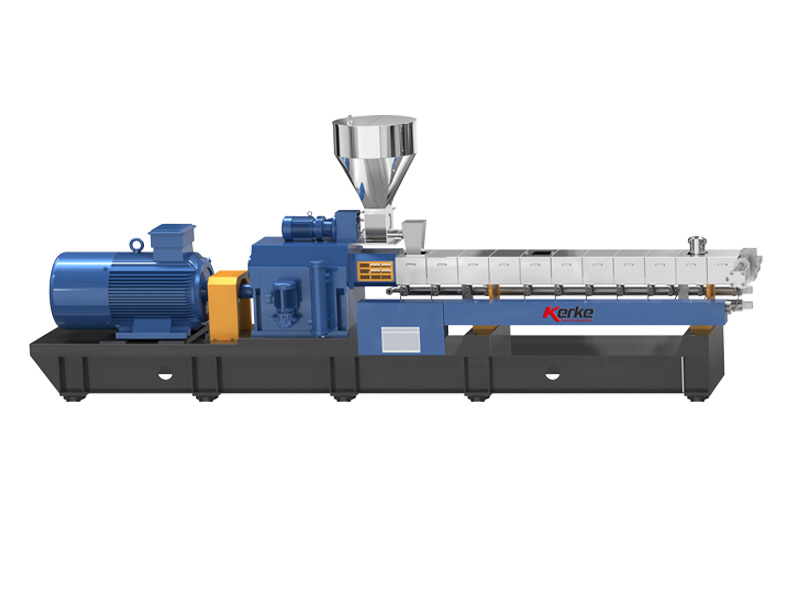
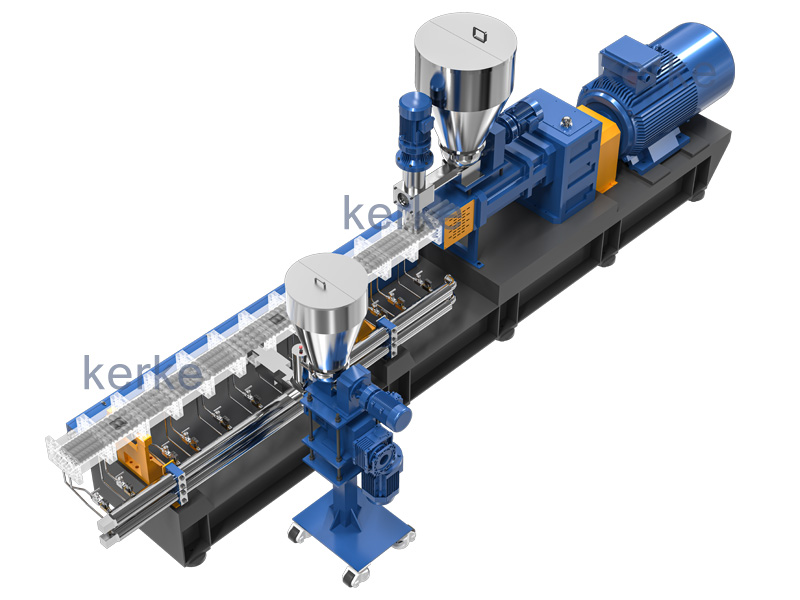
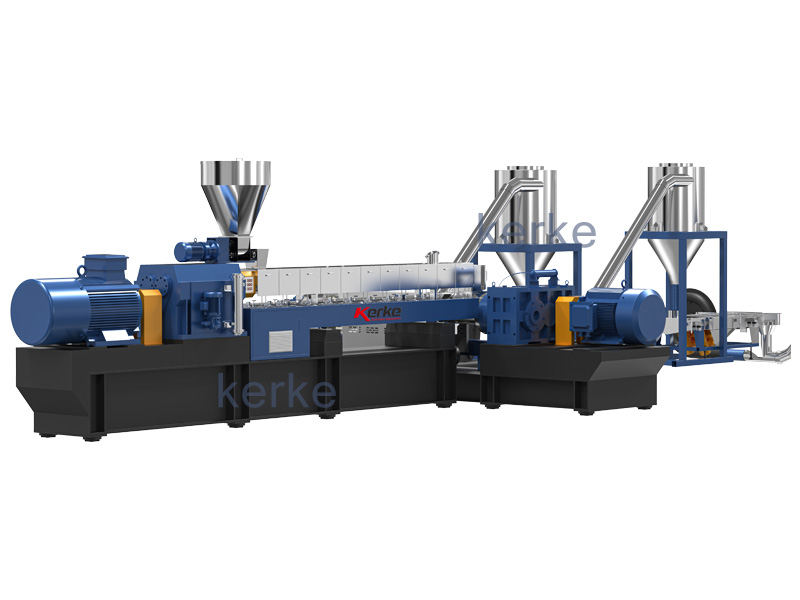
For most reputable extruder manufacturers, including Kerke Extruder, the standard warranty period for the mechanical and electrical components of a twin screw extruder is typically 12 to 18 months from the date of commissioning or 18 to 24 months from the date of shipment (Bill of Lading date). This is the industry standard for heavy machinery. The most expensive component—the gearbox—usually carries a longer or more robust warranty, often 24 months or up to 3 years, depending on the brand used (e.g., Siemens, SEW, or top-tier Chinese brands like Guomao or Hangzhou Advance). The warranty covers defects in materials and workmanship that manifest under normal operating conditions. If the gearbox fails due to a manufacturing flaw (such as a bad bearing or gear tooth) within this period, the manufacturer will provide free replacement parts or repair services, including the labor costs for a technician to visit the site.
It is crucial to understand that the warranty is usually void if the machine is operated outside of the specified parameters. For example, running the extruder at maximum torque for extended periods without adequate cooling, or processing corrosive materials (like PVC) without the optional corrosion-resistant coating, can void the warranty. The cost of a replacement gearbox for a mid-sized 75mm extruder can be as high as $15,000 to $25,000 if purchased out of warranty. Therefore, adhering to the operation manual is not just good practice; it is a financial necessity to maintain warranty coverage. The warranty essentially acts as an insurance policy against “infant mortality” failures in the first two years of operation.
Wear Parts and Consumables: The Exclusion List
Almost all extruder warranties explicitly exclude “wear parts” or consumables. This is the most common source of confusion for new buyers. In a masterbatch extruder, wear parts include the screw elements, barrel liners, heating bands, thermocouples, seals, and the pelletizer blades. These components are subject to abrasion and fatigue and are expected to be replaced during the machine’s life cycle. For example, the screw and barrel on a highly abrasive masterbatch line (like glass fiber or mineral filled compounds) might need replacement or refurbishment after processing 500 to 1,000 tons of material, which could be just 1-2 years of production.
The cost of a new set of screws and barrels is substantial. For a 65mm extruder, a full set might cost $5,000 to $8,000, while for a large 120mm industrial line, it can exceed $50,000. While not covered by the standard warranty, manufacturers like Kerke often offer a limited “quality assurance” period on wear parts, typically 3 to 6 months, to ensure they are free of casting defects or hardening issues upon arrival. Buyers must budget for the replacement of wear parts as a recurring operational expense. A common rule of thumb is to allocate $0.02 to $0.05 per kilogram of production for wear part amortization. Ignoring this cost can lead to budget shortfalls when the first major maintenance cycle is due.
Electrical and Control System Warranty Coverage
The control system, including the PLC (Programmable Logic Controller), inverters (VFDs), touchscreen (HMI), and sensors, usually carries a warranty of 12 to 24 months. These components are generally reliable, but failures can be costly due to production downtime. A typical PLC failure might require a technician to reprogram the system, which can take a full day or more. The cost of a new control panel or replacement inverter can range from $3,000 to $10,000 depending on the brand and complexity. It is advisable to keep a spare set of critical electronic components (like I/O modules or fuses) on-site, or to purchase an expedited shipping service agreement from the supplier.
Kerke Extruder typically uses well-known international brands for electrical components (like Siemens, Schneider, or ABB) or high-quality domestic equivalents. This ensures that spare parts are easy to source even after the warranty period expires. However, software licensing can be a hidden cost. Some advanced control systems require annual software maintenance fees to keep the system updated and secure. This cost is usually not covered by the hardware warranty and should be factored into the annual operating budget, typically around 1-2% of the machine’s value.
Installation and Commissioning Support Warranty
The warranty period often includes on-site installation and commissioning services. This is a value-added service where the manufacturer sends engineers to the buyer’s factory to install the machine, level it, connect utilities, and run the first batches. This service usually lasts for 1 to 2 weeks and is covered by the warranty terms. The cost of this service, if purchased separately, can be $2,000 to $5,000 per day plus travel expenses, so including it in the warranty is a significant benefit. During commissioning, any issues found (like leaks or misalignments) are fixed under warranty. This phase is critical because improper installation (e.g., misalignment between motor and gearbox) can cause premature bearing failure, which might not be covered if deemed “installation error” by the manufacturer. The warranty ensures that the manufacturer has a vested interest in getting the installation right the first time.
Extended Warranty and Service Contracts: A Cost-Benefit Analysis
For factories running 24/7 operations, the standard one-year warranty may not be sufficient to amortize the risk. Many manufacturers offer extended warranty packages. For a fee, typically 5% to 10% of the machine price per year, the warranty can be extended to 3 or 5 years. This covers parts and labor for mechanical and electrical failures. Let us analyze the cost-benefit. If a major bearing failure or gearbox issue occurs in year 3, the repair cost (parts + labor + downtime) could easily exceed $20,000. An extended warranty costing $10,000 over two years provides peace of mind and predictable maintenance budgeting. Kerke Extruder offers flexible service contracts that can be tailored to the customer’s production schedule and risk tolerance. For mission-critical lines, an extended warranty is highly recommended. For backup or secondary lines, it might be a cost that can be skipped.
Another option is a “Preventive Maintenance Contract” which is slightly different from a warranty. This involves the manufacturer visiting 2-4 times a year to perform inspections, change oil, and check alignment. This proactive approach prevents failures rather than just fixing them. The cost is similar to an extended warranty but focuses on prevention. The ROI on this is preventing unplanned downtime, which is the most expensive cost in manufacturing.
Cost of Post-Warranty Maintenance and Spare Parts
After the warranty expires, the owner is 100% responsible for all repair costs. The price of spare parts is a major consideration. Kerke Extruder maintains a stock of spare parts at their factory and regional warehouses, offering them at factory-direct prices, which are generally 20-30% lower than third-party distributors. For example, a set of kneading blocks might cost $500 from Kerke, whereas a generic supplier might charge $800 with uncertain quality. It is recommended to budget approximately 2% to 3% of the machine’s purchase price annually for maintenance and spare parts after the warranty period. For a $150,000 machine, this means setting aside $3,000 to $4,500 per year for maintenance.
International logistics is another factor. For buyers outside China, shipping a heavy gearbox or barrel segment across the ocean can cost thousands of dollars in freight and insurance. Most reputable suppliers, including Kerke, use DDP (Delivered Duty Paid) or DAP terms for warranty claims, meaning the supplier covers the shipping cost for replacement parts during the warranty. However, after warranty, the buyer usually bears this cost. To mitigate this, some buyers opt to keep critical spares (like a spare gearbox or a set of screw elements) in inventory. While this ties up capital (inventory cost), it drastically reduces downtime risk. The cost of holding this inventory should be calculated as part of the financial planning, typically using a carrying cost rate of 10-15% per year.
Warranty Claim Process and Required Documentation
To make a valid warranty claim, the buyer must provide meticulous documentation. This includes the original purchase contract, Bill of Lading, installation report, and most importantly, detailed maintenance logs. The logs must show that the machine was operated correctly—specifically recording temperature logs, torque logs, and oil change intervals. Failure to provide proper maintenance records (like proof of regular oil changes for the gearbox) can and often does void the warranty. Manufacturers require that only their approved lubricants and spare parts be used. Using cheap, non-approved oil can lead to gear pitting, and the warranty claim will be denied. The cost of using approved lubricants is slightly higher (approx. 10% more) but is essential for warranty protection. Kerke provides a detailed Operation and Maintenance Manual that outlines the required service intervals and approved consumables. Keeping a digital logbook is a zero-cost activity that can save tens of thousands of dollars in the event of a failure.
Conclusion
The warranty period for an industrial masterbatch extruder is a complex financial instrument, not just a promise of quality. While the standard warranty covers core defects for 12 to 24 months, the long-term cost of ownership depends heavily on the quality of wear parts and the availability of post-warranty support. Kerke Extruder offers a competitive warranty package, typically 18 months for the machine and 24 months for the drive system, backed by a strong spare parts network and global service engineers. For buyers, the key is to read the fine print, budget for consumables, and consider extended service contracts for critical production lines. A robust warranty not only protects the initial investment but also serves as an indicator of the manufacturer’s confidence in their product quality. Ultimately, the warranty is just one part of the equation; the real value lies in the machine’s reliability and the manufacturer’s support infrastructure over its 10-15 year lifespan.