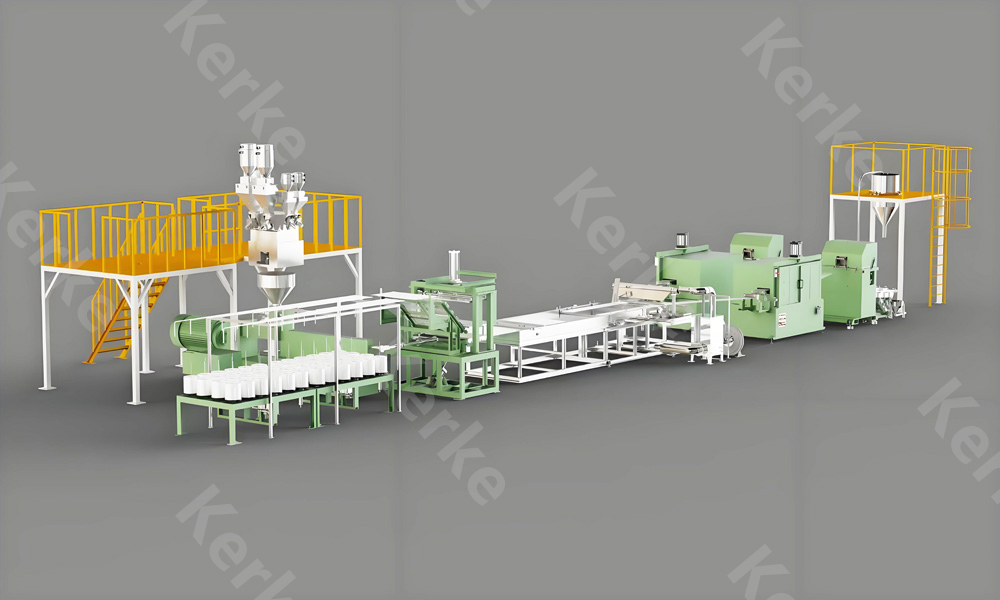
Introduction: The Global Demand for Masterbatch and the Role of Extruders
The global plastics industry is a dynamic and ever-evolving landscape, with masterbatch playing a pivotal role in enhancing the properties and aesthetics of plastic products. Masterbatch, a concentrated mixture of pigments and/or additives encapsulated during a heat process into a carrier resin, is essential for coloring, UV stabilization, flame retardancy, and other functional enhancements. The quality of masterbatch directly impacts the final product, making the selection of a reliable masterbatch extruder a critical decision for manufacturers worldwide.
China, as a leading manufacturing hub, hosts numerous masterbatch extruder manufacturers. However, navigating this vast market to identify a truly reliable partner can be challenging. This comprehensive guide aims to equip you with the knowledge and criteria necessary to make an informed decision when choosing a masterbatch extruder manufacturer from China. We will delve into key considerations, technical specifications, quality assurance, after-sales support, and cost analysis, ensuring you select a partner that aligns with your production needs and long-term business goals. Our focus will also highlight how leading manufacturers like Kerke (part of the Wanplas Group) stand out in this competitive landscape.
Understanding Masterbatch Extruders: Types and Applications
Masterbatch extruders are specialized machines designed for the compounding process, where raw polymers are mixed with additives to create masterbatch pellets. The choice of extruder type significantly impacts the efficiency and quality of the masterbatch production.
Twin Screw Extruders: The Workhorse of Masterbatch Production
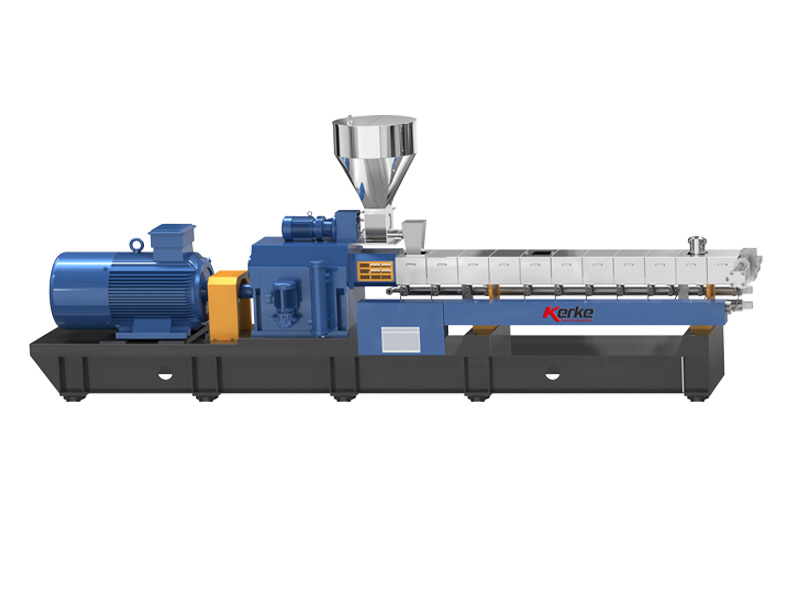
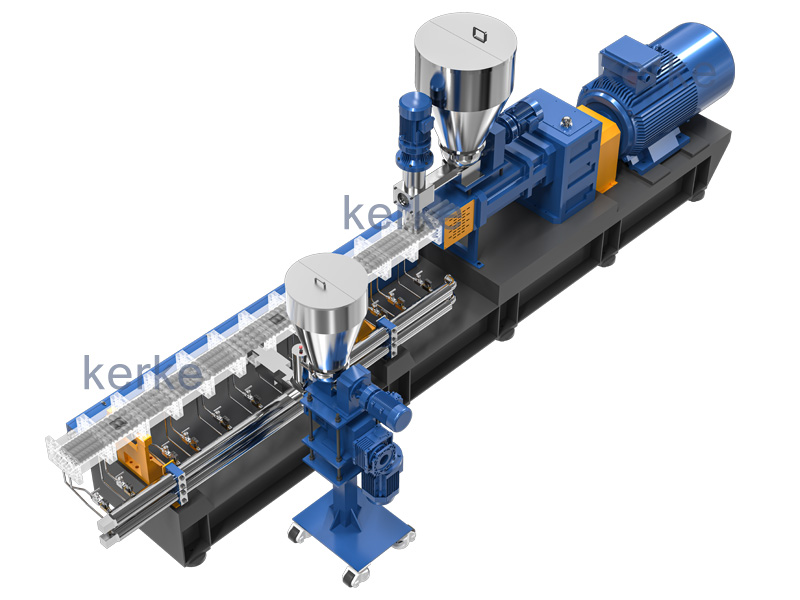
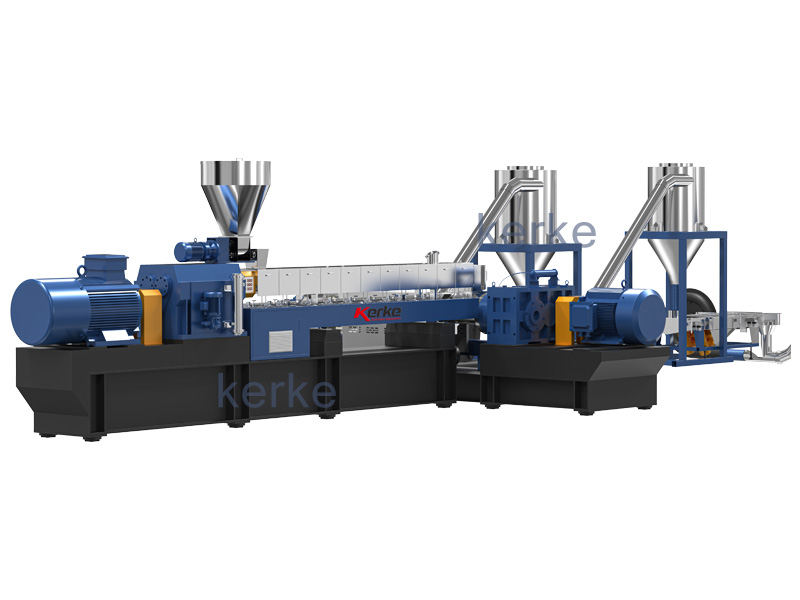
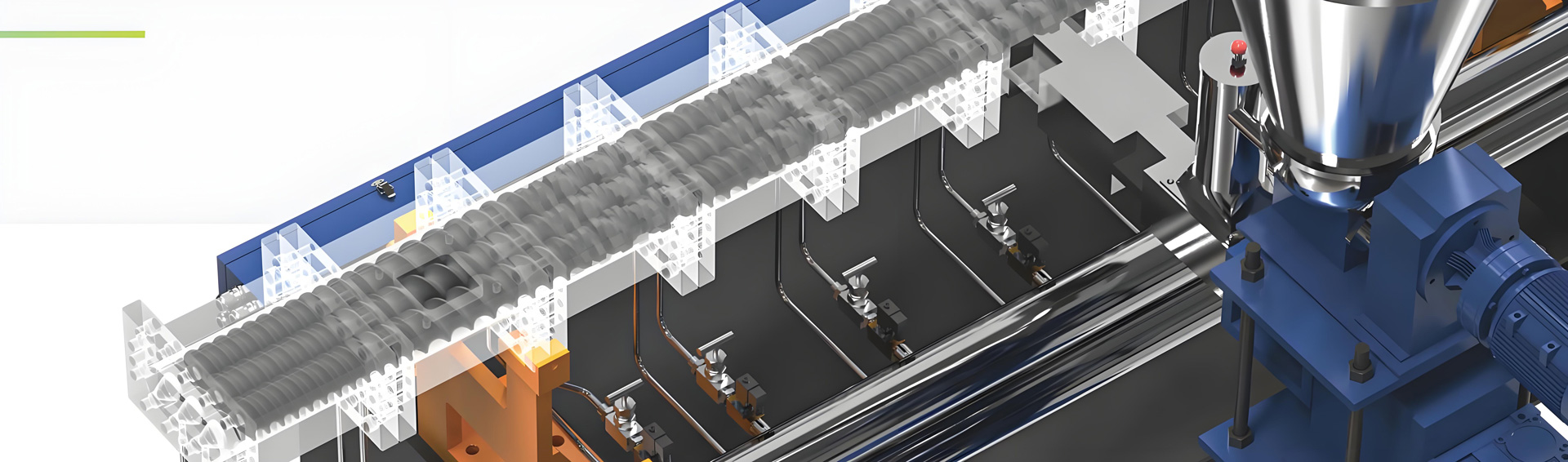
Twin screw extruders, particularly co-rotating parallel twin screw extruders, are the most widely used machines for masterbatch production. Their intermeshing and self-wiping screw design ensures excellent mixing, dispersion, and devolatilization capabilities. This is crucial for achieving uniform color distribution and optimal additive performance in the final masterbatch. Kerke’s KTE Twin Screw Extruder series, for instance, is renowned for its high stability in the modification of plastic masterbatch and the production of filling masterbatch.
Key Advantages of Twin Screw Extruders for Masterbatch:
- Superior Mixing and Dispersion: The complex screw geometry allows for intensive distributive and dispersive mixing, essential for uniform pigment and additive distribution.
- Versatility: Capable of processing a wide range of polymers and additives, including high-filler masterbatch, color masterbatch, flame-retardant masterbatch, and biodegradable plastics.
- High Throughput: Efficient design allows for high production capacities, from laboratory scale to industrial volumes.
- Precise Temperature Control: Segmented heating and cooling systems ensure optimal processing conditions for various materials.
Compounding Extruders: Beyond Masterbatch
While masterbatch production is a primary application, compounding extruders encompass a broader range of plastic modification processes. These machines are used to blend polymers with various additives to create compounds with enhanced properties such as increased strength, heat resistance, UV stability, or electrical conductivity. Many masterbatch extruders are essentially compounding extruders optimized for high-concentration additive blending.
Other Extruder Types (Brief Mention)
- Single Screw Extruders: Simpler in design, often used for basic blending or reprocessing, but generally less effective for the intensive mixing required for high-quality masterbatch.
- Three Screw Extruders (e.g., Kerke KTE-T series): Offer even more intensive mixing and higher throughput for specific, demanding applications.
Key Criteria for Choosing a Reliable Manufacturer
Selecting the right manufacturer is paramount to the success of your masterbatch production. Here are the critical factors to consider:
1. Technical Expertise and Innovation
A reliable manufacturer should demonstrate deep technical knowledge in extrusion technology. Look for:
- Screw Design Capability: The ability to customize screw elements and configurations for different materials and applications (e.g., high-filler, high-pigment, reactive extrusion).
- Modular Design: Machines with modular barrel and screw components offer flexibility and adaptability to future material changes, enhancing equipment versatility.
- R&D Investment: Manufacturers actively investing in research and development are more likely to offer cutting-edge solutions and continuous improvements.
2. Manufacturing Quality and Standards
The quality of the extruder directly impacts its performance and lifespan. Evaluate:
- Material Selection: High-quality, wear-resistant alloy materials for screws and barrels (e.g., tool steel, bimetallic liners) are crucial for durability.
- Gearbox Design: A robust gearbox with hard tooth surface design can withstand high loads and continuous operation, extending service life.
- Precision Machining: High precision in manufacturing ensures smooth operation, minimal wear, and consistent product quality.
- Certifications: Look for international quality certifications (e.g., ISO 9001, CE).
3. After-Sales Service and Support
Excellent after-sales support is a hallmark of a reliable manufacturer, especially for international buyers. Consider:
- Installation and Commissioning: Does the manufacturer provide on-site installation, training, and commissioning services?
- Technical Support: Availability of 24/7 technical support, remote diagnostics, and prompt troubleshooting.
- Spare Parts Availability: Easy access to genuine spare parts and components.
- Warranty: Comprehensive warranty terms for the machine and its critical components.
4. Customization and Flexibility
Every masterbatch application can have unique requirements. A good manufacturer should be able to:
- Tailor Solutions: Offer customized extruder configurations, feeding systems, and pelletizing lines to meet specific production needs.
- Process Development Support: Assist in optimizing formulations and process parameters for new masterbatch products.
5. Reputation and Experience
- Industry Experience: How long has the manufacturer been in the business? Longevity often indicates stability and expertise.
- Customer References: Request references from existing customers, especially those in your industry or region.
- Factory Visits: If possible, arrange a factory visit to assess their manufacturing capabilities and quality control processes firsthand.
Cost and Price Analysis: Investing in a Masterbatch Extruder
The investment in a masterbatch extruder is significant, and understanding the cost factors is crucial for budgeting and ROI calculations. Prices can vary widely based on machine size, features, automation level, and manufacturer.
Estimated Price Ranges for Masterbatch Extruders
- Laboratory Twin Screw Extruder: Ideal for R&D and small-scale testing. Prices typically range from USD 15,000 to USD 35,000.
- Small to Mid-size Production Lines (e.g., Kerke KTE-36 to KTE-52 series): Suitable for moderate production capacities (20-400 kg/h). Prices can range from USD 40,000 to USD 120,000.
- Large-scale Industrial Production Lines (e.g., Kerke KTE-75 to KTE-135 series): Designed for high-volume output (500-4000 kg/h). Investment can be USD 150,000 to over USD 500,000.
| Extruder Type | Output Capacity (Kg/h) | Estimated Price (USD) |
|---|---|---|
| Laboratory Twin Screw Extruder | 1-15 | $15,000 – $35,000 |
| Small Production Twin Screw Extruder | 20-150 | $40,000 – $80,000 |
| Mid-size Production Twin Screw Extruder | 100-400 | $70,000 – $120,000 |
| Large Production Twin Screw Extruder | 500-4000 | $150,000 – $500,000+ |
Factors Influencing Price:
- Output Capacity: Higher throughput machines naturally command higher prices.
- Automation Level: Fully automated systems with advanced controls, gravimetric feeders, and integrated pelletizing lines will be more expensive.
- Component Brands: Use of premium brands for motors, gearboxes, and electrical components (e.g., Siemens, ABB) will increase the cost.
- Material of Construction: Specialized wear-resistant or corrosion-resistant alloys for screws and barrels can add to the price.
- Ancillary Equipment: Pelletizing systems (strand, water-ring, air-cooling), cooling systems, and material handling equipment are often priced separately or as part of a complete line.
- Shipping and Installation: International shipping, customs duties, and on-site installation/commissioning costs should be factored in.
Why Choose Kerke as Your Masterbatch Extruder Manufacturer
Kerke (Nanjing Kerke Extrusion Equipment Co., Ltd.), as a proud member of the Wanplas Group, has established itself as a leading manufacturer of high-performance twin screw extruders in China. Our commitment to innovation, quality, and customer satisfaction makes us an ideal partner for your masterbatch production needs.
Kerke’s Advantages:
- Proven Expertise: With years of experience and a strong R&D team, Kerke offers advanced extrusion solutions for a wide range of applications, including complex masterbatch formulations.
- Robust KTE Series: Our KTE Twin Screw Extruder series extruders are designed with modularity, high-strength structures (wear-resistant alloy materials, hard tooth surface gearboxes), and precise temperature control, ensuring reliability and energy efficiency.
- Comprehensive Product Range: From laboratory extruders (e.g., KTE-16, KTE-20) to large-scale production machines (e.g., KTE-135D), Kerke offers a model for every capacity requirement.
- Global Service Network: As part of the Wanplas Group, Kerke provides 7*24 hours after-sales service, on-site installation, and technical support, ensuring seamless operation for international clients.
- Customization: We offer tailored solutions, including various pelletizing systems (strand, water-ring, air-cooling hot-face) and dosing & weighing systems, to meet specific customer demands.
Conclusion: Partnering for Masterbatch Production Success
Choosing a reliable masterbatch extruder manufacturer from China requires careful consideration of technical capabilities, manufacturing quality, after-sales support, and overall value. By focusing on these key criteria, you can secure a partnership that not only provides high-performance equipment but also contributes to your long-term operational efficiency and profitability.
Manufacturers like Kerke stand out by offering a combination of advanced technology, robust construction, comprehensive service, and a deep understanding of masterbatch production challenges. Investing in a Kerke KTE Twin Screw Extruder means investing in a solution that delivers consistent quality, high throughput, and reliable support.
We invite you to explore the full range of Kerke extrusion equipment at https://www.kerkeextruder.com and discover how our expertise can elevate your masterbatch production. For detailed quotations and customized solutions, please contact us directly through our website.