Flame retardant masterbatch has become an essential component in modern plastic manufacturing, particularly in industries where fire safety is paramount. As plastics become increasingly prevalent in construction, automotive, and electronic applications, the need for effective fire protection solutions grows exponentially. This comprehensive guide explores the world of flame retardant masterbatch, including types, working mechanisms, safety standards, and critical applications, with a specific focus on electrical components where fire prevention can save lives and prevent catastrophic damage.
Understanding Flame Retardant Masterbatch in Plastics
Flame retardant masterbatch is a specially formulated additive designed to enhance the fire resistance of plastic materials without significantly compromising their mechanical properties. Unlike traditional flame retardants that are mixed directly with polymer resins during processing, masterbatch concentrates the active flame-retardant components in a carrier resin, allowing for more consistent dispersion and precise dosage control during manufacturing. This approach offers superior performance compared to direct mixing, with typical loading levels ranging from 5-30% depending on the required fire protection level and base polymer type.
The global flame retardant masterbatch market is expected to reach $2.8 billion by 2030, growing at a compound annual growth rate (CAGR) of 5.2% from 2024 to 2030. This growth is driven by increasingly stringent fire safety regulations across various industries, particularly in building construction, transportation, and electronics manufacturing. As more countries adopt international safety standards, demand for high-performance flame retardant solutions continues to rise, presenting significant opportunities for manufacturers and suppliers of these specialized materials.
For plastic processors, investing in high-quality flame retardant masterbatch provides a cost-effective way to achieve regulatory compliance and product safety. The cost of flame retardant masterbatch typically ranges from $2.50 to $12 per kilogram, depending on the flame retardant chemistry, loading level, and carrier resin. While this represents a premium compared to raw polymer resins, the added value in terms of safety, regulatory compliance, and market access justifies the investment, particularly in applications where fire safety is critical.
Types of Flame Retardant Masterbatch Technologies
Flame retardant masterbatch technologies can be broadly classified into several categories based on their chemical composition and mechanism of action. Each technology offers unique advantages and limitations, making certain types more suitable for specific applications or polymer systems. Understanding the differences between these technologies is essential for selecting the optimal flame retardant solution for your plastic processing needs.
Halogenated Flame Retardants
Halogenated flame retardants, including brominated and chlorinated compounds, have been widely used in plastic applications for decades. These compounds work by releasing halide radicals when heated, which interfere with the combustion cycle and slow down or extinguish flames. Brominated flame retardants are particularly effective at low loading levels, typically requiring only 5-15% addition to achieve significant fire resistance improvements. However, environmental concerns about halogenated compounds have led to increased regulations in many regions, driving demand for alternative solutions.
Despite environmental concerns, halogenated flame retardant masterbatch remains widely used in specific applications where their superior cost-performance ratio justifies their use. Costs for halogenated flame retardant masterbatch typically range from $2.50 to $6 per kilogram, making them the most economical option for many applications. However, manufacturers should carefully consider regulatory requirements and end-user preferences before specifying halogenated systems, particularly in applications where recyclability or environmental impact is a concern.
Phosphorus-Based Flame Retardants
Phosphorus-based flame retardants represent a popular alternative to halogenated systems, offering effective fire protection with reduced environmental impact. These compounds work through both condensed-phase and gas-phase mechanisms. In the condensed phase, phosphorus compounds promote char formation, creating a protective barrier that insulates the polymer surface and prevents heat transfer. In the gas phase, they release species that interrupt combustion reactions.
Phosphorus-based flame retardant masterbatch typically costs $3.50 to $9 per kilogram, depending on the specific chemical composition and loading level. These systems are particularly effective in polyamide (PA), polyester (PET, PBT), and epoxy resin applications, where they can achieve UL 94 V-0 ratings at loading levels of 10-25%. For electrical and electronic applications, phosphorus-based systems offer excellent dielectric properties and thermal stability, making them ideal for components that operate at elevated temperatures.
Nitrogen-Containing Flame Retardants
Nitrogen-containing flame retardants, particularly melamine-based compounds, provide effective fire protection through multiple mechanisms. When exposed to heat, these compounds release non-combustible gases that dilute oxygen and fuel vapors, while also promoting char formation through condensation reactions. Nitrogen-based systems are often used in combination with phosphorus compounds to create synergistic effects that enhance overall fire performance.
Costing between $3.00 and $8 per kilogram, nitrogen-containing flame retardant masterbatch offers a balance of performance and cost-effectiveness. These systems are particularly effective in polyolefin applications, including polyethylene (PE) and polypropylene (PP), where they can achieve UL 94 HB or V-2 ratings at loading levels of 15-30%. For building and construction applications, nitrogen-based systems offer excellent smoke suppression characteristics, reducing the risk of smoke inhalation during fire events.
Mineral Flame Retardants
Mineral flame retardants, including aluminum trihydroxide (ATH) and magnesium hydroxide (MDH), offer a cost-effective, environmentally friendly alternative to organic flame retardants. These compounds work by releasing water vapor when heated, which cools the polymer surface and dilutes combustible gases. While mineral flame retardants require higher loading levels (typically 40-60% by weight) to achieve equivalent performance to organic systems, they offer excellent thermal stability and low smoke generation.
Priced at $1.80 to $4 per kilogram, mineral flame retardant masterbatch is the most economical solution for applications where high loading levels are acceptable. These systems are widely used in wire and cable insulation, construction materials, and automotive components where cost sensitivity and environmental friendliness are primary concerns. However, the high loading levels required for effective fire protection can significantly impact the mechanical properties of the final product, requiring careful formulation to balance fire performance with physical properties.
Mechanisms of Flame Retardant Action
Flame retardant masterbatch works through several distinct mechanisms to prevent or slow down the combustion process. Understanding these mechanisms helps in selecting the most appropriate flame retardant technology for specific applications and predicting performance under different fire conditions.
Condensed Phase Mechanisms
Condensed phase mechanisms operate on the surface of the polymer, creating physical barriers that prevent heat transfer and fuel release. Many flame retardant compounds, particularly phosphorus-based and mineral systems, promote the formation of a protective char layer when exposed to heat. This char layer acts as an insulator, preventing oxygen from reaching the underlying polymer and reducing heat transfer back to the material. The effectiveness of condensed phase flame retardants depends on their ability to promote char formation and the stability of the resulting char structure at high temperatures.
Gas Phase Mechanisms
Gas phase mechanisms interfere with the combustion process in the flame itself. Halogenated flame retardants and some phosphorus compounds release active species when heated that react with free radicals in the flame, interrupting the chain reactions necessary for sustained combustion. This mechanism is particularly effective in reducing flame spread and can extinguish flames quickly when activated. However, gas phase flame retardants may release smoke or toxic gases during combustion, which can be a concern in enclosed spaces or applications where human safety is paramount.
Heat Sink Mechanisms
Heat sink mechanisms work by absorbing large amounts of heat through endothermic reactions, which cools the polymer surface and prevents it from reaching its ignition temperature. Mineral flame retardants like aluminum trihydroxide and magnesium hydroxide operate primarily through this mechanism, releasing water vapor when heated to temperatures above 200-300°C. The evaporation of water requires significant energy, effectively cooling the polymer surface and reducing the heat available to sustain combustion. While less effective than other mechanisms at preventing ignition, heat sink flame retardants excel at reducing flame spread and smoke generation.
Global Fire Safety Standards and Regulatory Requirements
Compliance with international fire safety standards is a critical consideration for manufacturers using flame retardant masterbatch. Different regions and industries have established specific requirements for fire performance, and non-compliance can result in product recalls, legal liability, and loss of market access.
UL 94 Testing and Ratings
The Underwriters Laboratories (UL) 94 standard is one of the most widely recognized fire safety standards for plastic materials. This standard classifies materials based on their burning behavior in various test configurations, including horizontal and vertical burn tests. The most common UL 94 ratings include V-0, V-1, V-2, and HB, with V-0 representing the highest level of fire resistance. Achieving a UL 94 V-0 rating requires materials to extinguish within 10 seconds after ignition and not release flaming droplets that can ignite cotton placed below the test specimen.
Testing to UL 94 standards typically costs $300 to $1,200 per material, depending on the number of test specimens required and the complexity of the testing protocol. For manufacturers, investing in UL certification provides significant market advantages, as many industries, particularly electronics and construction, require compliance with these standards as a condition of product approval.
ASTM Fire Safety Standards
The American Society for Testing and Materials (ASTM) has developed several fire safety standards applicable to plastic materials. These include ASTM E84 (Surface Burning Characteristics of Building Materials), ASTM D635 (Rate of Burning and/or Extent and Time of Burning of Plastics in a Horizontal Position), and ASTM D2863 (Measuring the Minimum Oxygen Concentration to Support Candle-Like Combustion of Plastics). Each standard evaluates different aspects of fire performance, providing manufacturers and regulators with comprehensive data on material behavior under fire conditions.
International Regulatory Frameworks
Internationally, several regulatory frameworks govern the use of flame retardant materials in plastic products. The European Union’s REACH (Registration, Evaluation, Authorization, and Restriction of Chemicals) regulation imposes strict requirements on the use of certain flame retardant chemicals, particularly those classified as Substances of Very High Concern (SVHC). In the United States, the Consumer Product Safety Commission (CPSC) and various state-level regulations restrict the use of certain flame retardant chemicals in consumer products.
Navigating these complex regulatory requirements can be challenging for manufacturers. Engaging with regulatory compliance experts and material suppliers with experience in international standards can help ensure that products meet all applicable requirements while minimizing compliance costs. The cost of regulatory compliance, including testing, documentation, and certification, typically ranges from $2,000 to $15,000 per product family, depending on the complexity of the product and the number of regulatory jurisdictions involved.
Electrical and Electronic Applications of Flame Retardant Masterbatch
The electrical and electronics industry is one of the largest consumers of flame retardant masterbatch, driven by strict safety regulations and the need to protect sensitive electronic components from fire damage. In these applications, flame retardant masterbatch plays a critical role in preventing catastrophic failures and ensuring user safety.
Connectors and Terminal Blocks
Electrical connectors and terminal blocks are critical components in electronic devices, often carrying significant electrical currents that can generate heat or spark ignition. Flame retardant masterbatch is essential for these components to prevent fire spread in the event of electrical failure or short circuit. Polyamide (PA) and polyester (PBT) compounds with flame retardant masterbatch are commonly used in connector applications, offering excellent mechanical strength, electrical insulation, and fire resistance.
For connector manufacturers, investing in high-performance flame retardant masterbatch typically adds 15-35% to material costs compared to non-flame-retardant compounds. However, this investment is justified by the need to meet industry standards such as UL 94 V-0 and IEC 60695, which are mandatory for most electronic applications. The cost of flame retardant PA compounds ranges from $3.50 to $8 per kilogram, depending on the specific flame retardant system and performance requirements.
Wire and Cable Insulation
Wire and cable insulation is another major application for flame retardant masterbatch, particularly in building construction, aerospace, and automotive applications. Flame retardant insulation helps prevent fire spread along cable routes, which can act as conduits for fire propagation in buildings and vehicles. Polyethylene (PE), polyvinyl chloride (PVC), and cross-linked polyethylene (XLPE) are commonly used with flame retardant masterbatch in wire insulation applications.
The global market for flame retardant wire and cable materials is expected to reach $4.2 billion by 2028, driven by increasing infrastructure development and safety regulations. For cable manufacturers, the cost of flame retardant masterbatch typically represents 20-40% of the total material cost, depending on the required fire performance level and base polymer type. Mineral flame retardants are often used in low-voltage applications due to their cost-effectiveness, while halogenated or phosphorus-based systems are preferred for high-performance applications requiring superior fire resistance.
Printed Circuit Boards and Enclosures
Printed circuit boards (PCBs) and electronic device enclosures require excellent fire protection to prevent ignition from electrical components and contain any fires that do occur. Flame retardant masterbatch is incorporated into the polymers used for PCB substrates, connectors, and housing materials to meet strict safety standards. Epoxy resins with phosphorus-based flame retardants are commonly used in PCB manufacturing, while PC/ABS blends with halogenated or phosphorus-based flame retardants are popular for electronic enclosures.
For electronics manufacturers, the cost of flame retardant materials represents a significant portion of total component costs, particularly for high-end devices requiring advanced fire protection. However, the investment is justified by the need to protect sensitive electronic components and ensure user safety. Testing to IEC 60335 and UL 1950 standards is mandatory for most electronic devices, requiring materials to meet specific flame resistance and heat release criteria.
Processing Considerations for Flame Retardant Masterbatch
Successfully incorporating flame retardant masterbatch into plastic products requires careful consideration of processing parameters and equipment requirements. Different flame retardant technologies may require specific processing conditions to achieve optimal dispersion and performance.
Temperature Control and Processing Window
Maintaining precise temperature control during processing is critical for achieving optimal flame retardant performance. Excessively high temperatures can degrade flame retardant additives, reducing their effectiveness and potentially generating harmful byproducts. Conversely, processing temperatures that are too low may result in poor dispersion of the masterbatch, leading to inconsistent flame retardant performance throughout the product.
Most flame retardant masterbatch systems are designed to be processed within specific temperature ranges, typically 180-280°C depending on the base polymer and flame retardant chemistry. For halogenated systems, processing temperatures should generally be kept below 260°C to prevent additive degradation, while phosphorus-based systems can often withstand higher temperatures up to 280°C. Working closely with material suppliers to understand recommended processing parameters is essential for achieving consistent product quality and performance.
Dispersion and Mixing Techniques
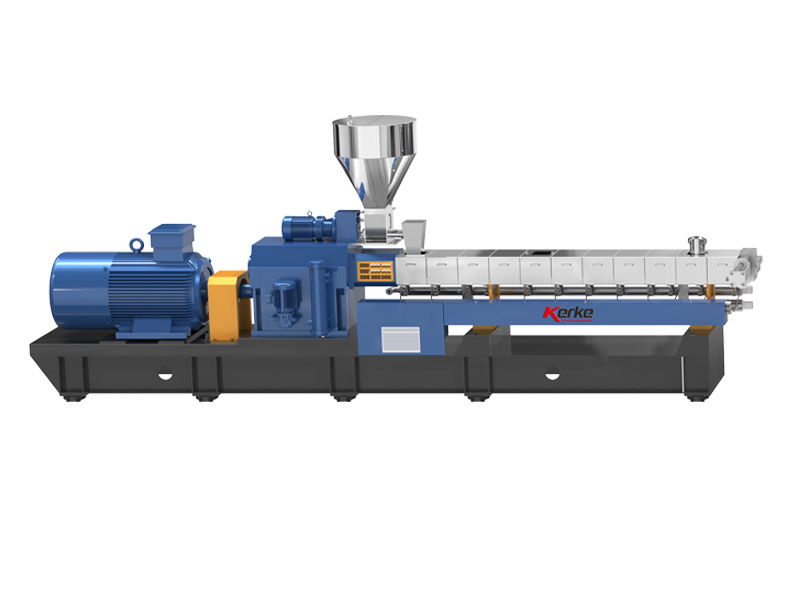
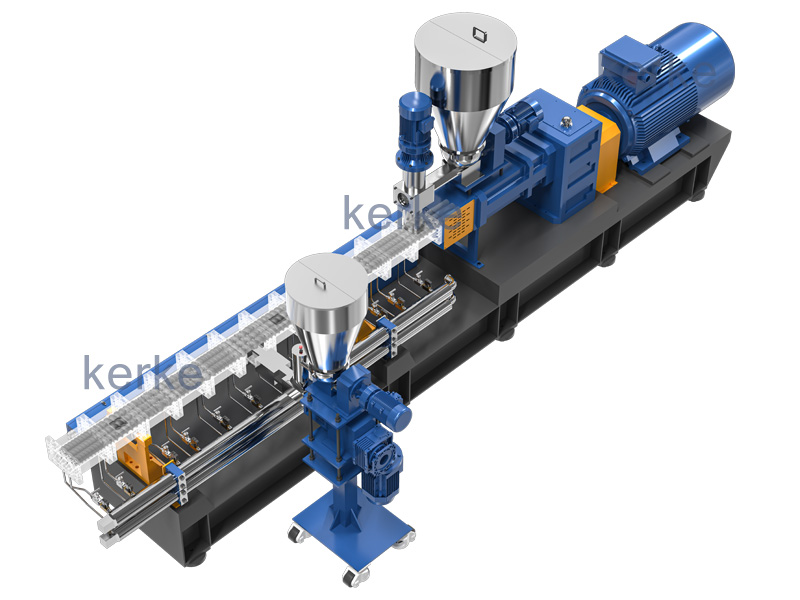
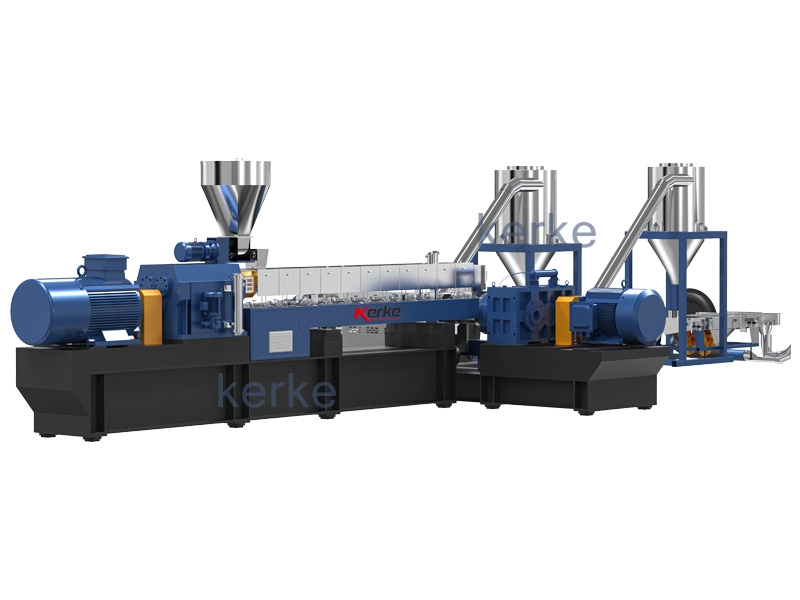
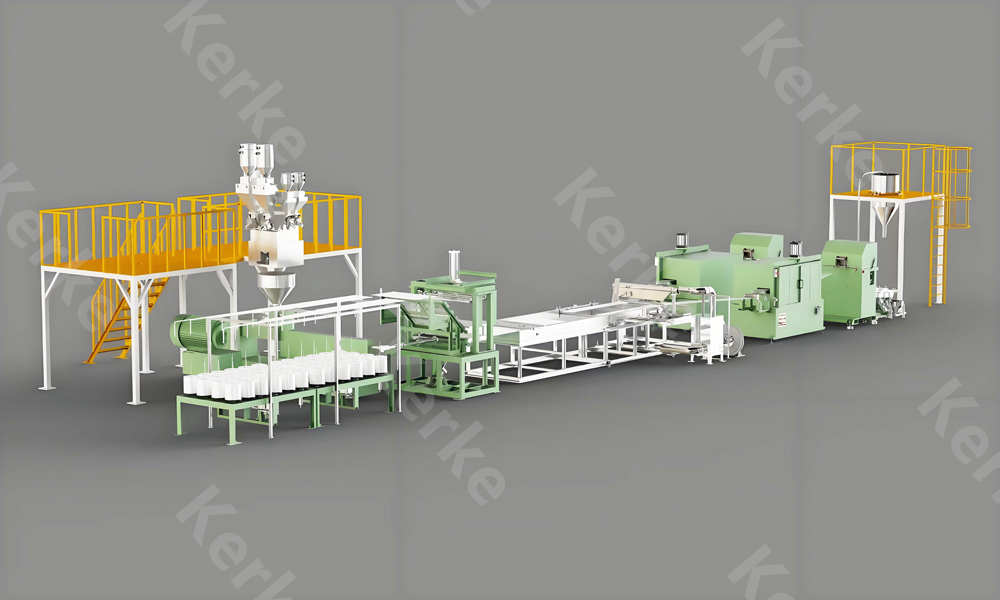
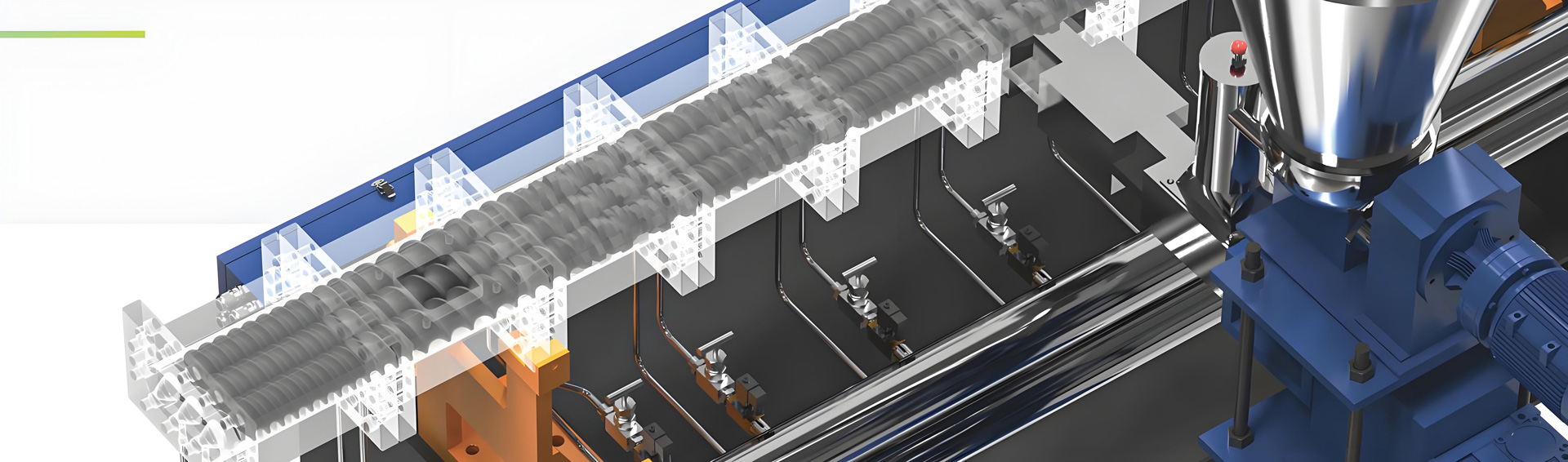
Achieving uniform dispersion of flame retardant masterbatch throughout the polymer matrix is essential for consistent fire performance. Poor dispersion can result in localized areas with insufficient flame retardant concentration, creating potential fire hazards in the final product. Modern compounding equipment, particularly twin-screw extruders from manufacturers like Kerke, provides excellent mixing capabilities, ensuring uniform distribution of flame retardant additives even at high loading levels.
For processors using twin-screw extruders, optimizing screw configuration and processing parameters is critical for achieving optimal dispersion. Kerke’s KTE Series twin-screw extruders, specifically designed for masterbatch production, offer precise control over shear rate, residence time, and temperature distribution, ensuring consistent dispersion of flame retardant additives. The cost of a new twin-screw extruder for masterbatch compounding typically ranges from $85,000 to $150,000, depending on screw diameter, length-to-diameter ratio, and level of automation.
Material Handling and Storage
Proper material handling and storage practices are essential for maintaining the quality and performance of flame retardant masterbatch. Exposure to moisture can degrade certain flame retardant additives, particularly mineral-based systems, while excessive heat can cause pre-mature cross-linking or additive migration in some formulations.
Flame retardant masterbatch should be stored in a cool, dry environment with temperatures between 15-25°C and relative humidity below 60%. Most manufacturers recommend using first-in, first-out (FIFO) inventory management to ensure that materials are used within their shelf life, typically 12-24 months from the date of production. For bulk storage, silo systems with temperature and humidity control can help maintain material quality, though these systems represent a significant investment, typically ranging from $20,000 to $80,000 depending on capacity and features.
Environmental and Health Considerations
While flame retardant masterbatch plays a critical role in fire safety, concerns about the environmental and health impacts of certain flame retardant chemicals have led to increased scrutiny and regulation in recent years. Understanding these concerns and adopting responsible practices is essential for sustainable manufacturing operations.
Hazardous Flame Retardant Chemicals
Certain flame retardant chemicals, particularly halogenated compounds like polybrominated diphenyl ethers (PBDEs) and hexabromocyclododecane (HBCD), have been classified as persistent organic pollutants (POPs) by the Stockholm Convention due to their bioaccumulative properties and potential toxicity to humans and wildlife. These chemicals have been restricted or banned in many regions, including the European Union, United States, and Canada, driving the transition to alternative flame retardant technologies.
For manufacturers, transitioning to alternative flame retardant systems may require formulation changes and additional testing to ensure performance and compliance. While alternative systems may have higher material costs, typically 10-40% more than halogenated systems, they offer improved environmental profiles and access to markets with strict regulations on hazardous substances.
Recycling and End-of-Life Considerations
As plastic recycling rates continue to increase, the impact of flame retardant additives on recyclability has become an important consideration. Some flame retardant chemicals can interfere with recycling processes or contaminate recycled material streams, making it difficult to produce high-quality recycled plastics with consistent properties.
Developing flame retardant masterbatch systems that are compatible with recycling processes is an active area of research and development. New technologies, including bio-based flame retardants and reversible flame retardant systems, are being developed to address these challenges. For manufacturers, investing in recyclable flame retardant solutions can enhance sustainability credentials and meet the growing demand for circular economy practices in the plastics industry.
Choosing the Right Flame Retardant Masterbatch Supplier
Selecting the right flame retardant masterbatch supplier is critical for ensuring product quality, regulatory compliance, and technical support throughout the product development process. Working with experienced suppliers who understand your specific application requirements can help optimize flame retardant performance while minimizing costs and development time.
Technical Expertise and Support
Reputable flame retardant masterbatch suppliers should provide comprehensive technical support, including formulation assistance, testing services, and processing guidance. Look for suppliers with in-house R&D capabilities and application engineers who can help develop customized solutions to meet specific performance requirements and regulatory standards.
For manufacturers, investing in supplier relationships that provide technical support can significantly reduce development time and costs. Many suppliers offer testing services to help validate product performance against relevant standards, which can save manufacturers the expense of establishing their own testing facilities. The cost of contract testing services typically ranges from $200 to $800 per test, depending on the complexity and standard requirements.
Quality and Consistency
Consistent product quality is essential for manufacturers relying on flame retardant masterbatch for critical applications. Look for suppliers with rigorous quality control processes and ISO 9001 certification, ensuring that each batch of masterbatch meets strict quality standards and performance specifications.
For high-volume production applications, establishing long-term supply contracts with reliable suppliers can help ensure consistent material availability and pricing stability. Many suppliers offer volume discounts for large orders, typically ranging from 5-15% off list prices for annual volumes exceeding 50 metric tons. For manufacturers, these discounts can significantly reduce material costs over time, improving overall product profitability.
Future Trends in Flame Retardant Masterbatch Technology
The flame retardant masterbatch industry is constantly evolving, with new technologies and formulations being developed to meet changing regulatory requirements, performance needs, and sustainability concerns. Understanding these trends can help manufacturers stay ahead of the competition and prepare for future market demands.
Bio-Based and Sustainable Flame Retardants
Development of bio-based flame retardant masterbatch is a rapidly growing area of research, driven by increasing demand for sustainable and renewable materials. These flame retardants are derived from natural sources such as agricultural waste, lignin, and chitosan, offering reduced environmental impact compared to traditional synthetic chemicals. While still in early stages of development, bio-based flame retardants show promise for certain applications, particularly in packaging and consumer products where sustainability is a key market driver.
Nanotechnology in Flame Retardants
Nanotechnology is being increasingly explored as a means to enhance the performance of flame retardant masterbatch. Nanoscale additives, including layered silicates, carbon nanotubes, and graphene, can significantly improve fire resistance at very low loading levels, typically 1-5% by weight. These nanocomposites offer the potential to achieve high levels of fire protection with minimal impact on material properties, though challenges remain in achieving uniform dispersion and scaling production to commercial levels.
Smart Flame Retardant Systems
Smart flame retardant systems that respond to specific fire conditions are being developed to provide enhanced protection in high-risk applications. These systems include intumescent coatings that expand when exposed to heat, creating a thick protective barrier, and thermally responsive additives that release flame retardants only when temperatures exceed safe operating limits. While still primarily in the research and development stage, smart flame retardant technologies offer exciting possibilities for the future of fire safety in plastics.
Conclusion
Flame retardant masterbatch plays a critical role in enhancing fire safety and enabling the use of plastic materials in a wide range of applications where fire protection is essential. As regulations become more stringent and consumer awareness grows, demand for high-performance, sustainable flame retardant solutions will continue to increase. For plastic processors and manufacturers, understanding the various flame retardant technologies, regulatory requirements, and processing considerations is essential for selecting optimal solutions that balance performance, cost, and sustainability.
Working with experienced suppliers like Kerke and investing in advanced compounding equipment can help ensure consistent product quality, regulatory compliance, and cost-effective production of flame retardant plastic materials. As the industry continues to evolve, adoption of new technologies and sustainable practices will be key to meeting future challenges and maintaining leadership in the global market for flame retardant masterbatch solutions.
By staying informed about industry trends, regulatory changes, and technological advancements, manufacturers can position themselves to take advantage of new opportunities and maintain competitive advantage in this dynamic and growing market segment. The investment in flame retardant masterbatch is not just a cost of doing business, but an investment in safety, sustainability, and long-term business success.