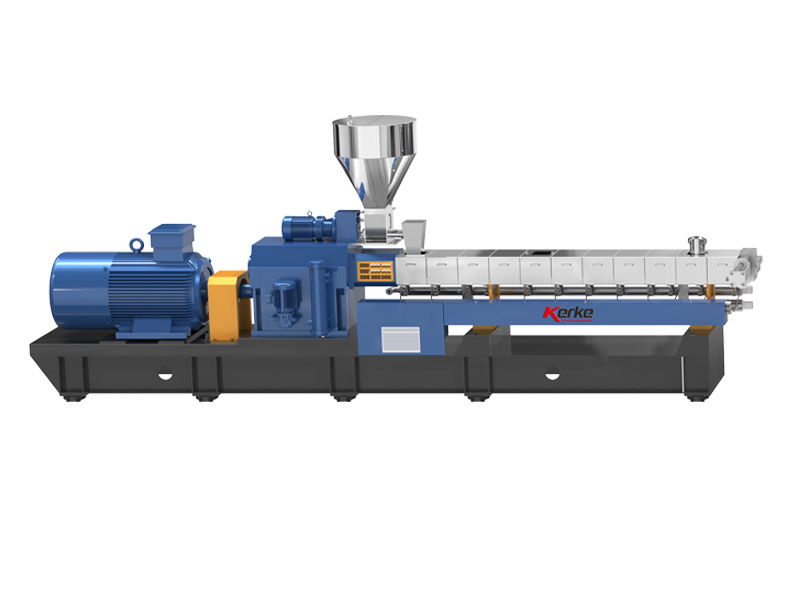
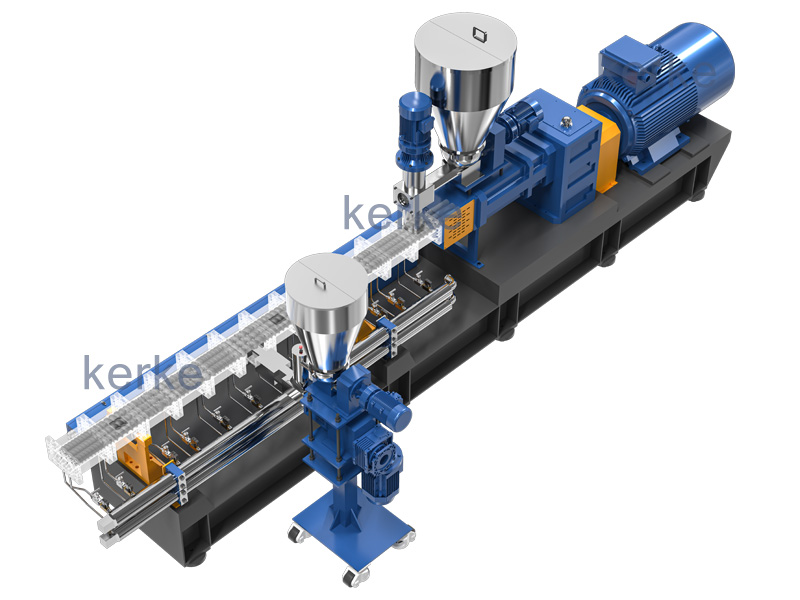
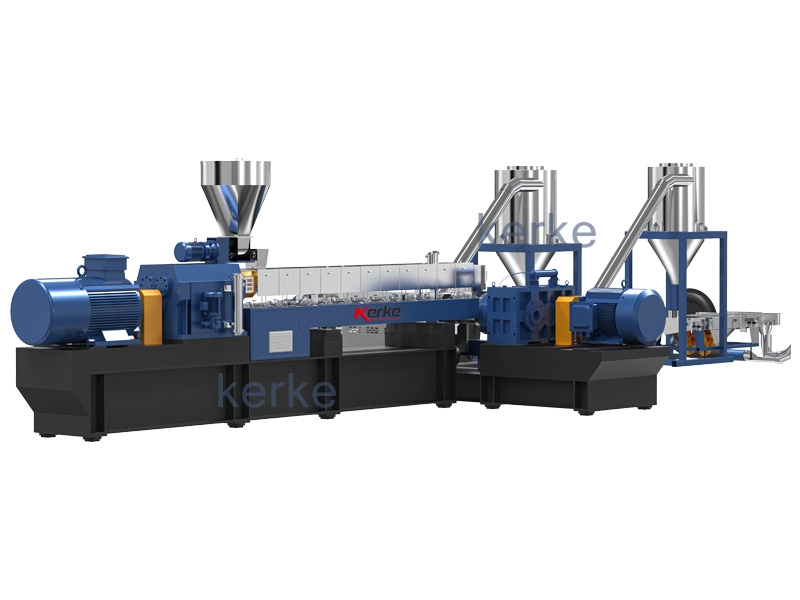
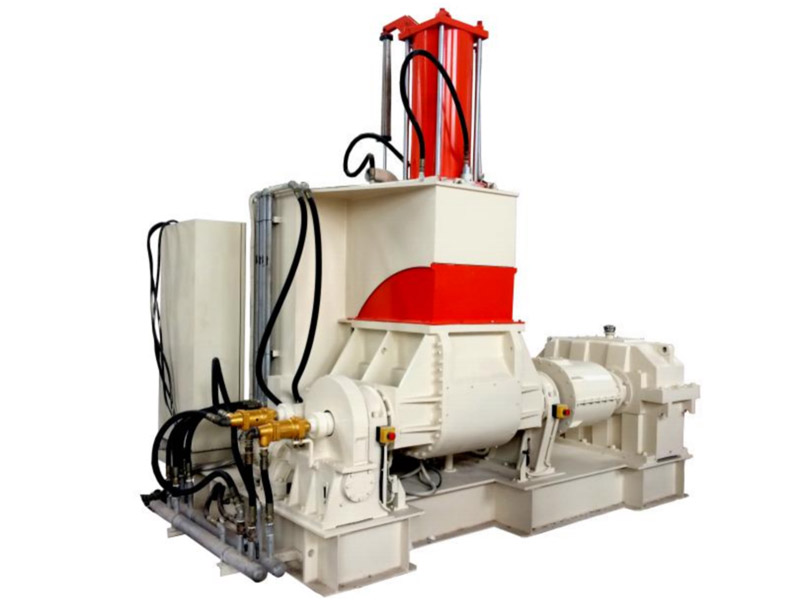
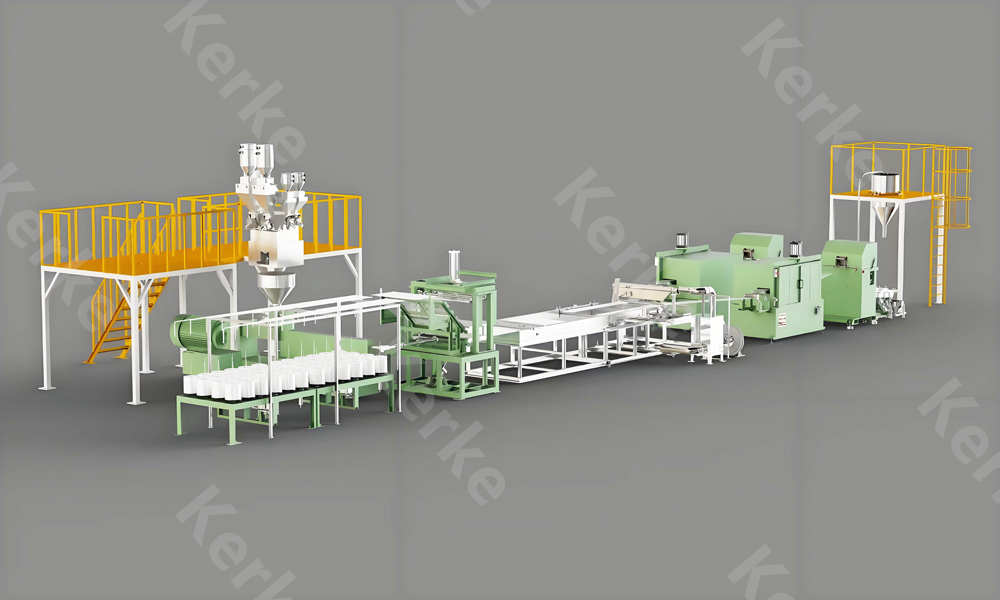
The global plastics industry is facing unprecedented pressure to reduce waste and improve sustainability, driven by stringent environmental regulations, rising raw material costs, and growing consumer demand for eco-friendly products. The masterbatch manufacturing sector, which consumes over 18 million tons of raw materials annually, is particularly affected by waste-related challenges. Valued at USD 14.2 billion in 2026 and projected to reach USD 20.7 billion by 2032, the industry loses an estimated USD 3.5 billion each year due to material waste, production inefficiencies, and quality defects. As a leading global manufacturer of twin screw extruders, masterbatch extruders, and compounding extruders, Kerke Extruder has developed advanced extrusion technologies specifically designed to minimize waste and maximize material utilization throughout the entire production process. This comprehensive 4000-word guide explores in detail how modern masterbatch extruders address waste at every stage of production, from raw material handling to final pelletizing, and provides a complete analysis of the financial and environmental benefits of investing in waste-reducing extrusion technology.
Material waste is the single largest cost factor in masterbatch production, often accounting for 8-15% of total production costs for manufacturers using outdated or general-purpose extrusion equipment. This waste occurs at multiple stages of the production process, including formula changeovers, startup and shutdown operations, quality defects, and material handling. Even a 1% reduction in waste can translate to hundreds of thousands of dollars in annual cost savings for a medium-sized masterbatch manufacturer. Kerke Extruder’s KTE series twin screw extruders and KTE-T series triple screw extruders are engineered to eliminate waste at its source, incorporating advanced design features that reduce material loss, improve process efficiency, and ensure consistent product quality. These technologies not only improve profitability but also help manufacturers meet their sustainability goals and comply with increasingly strict environmental regulations.
Kerke Extruder has over 15 years of specialized experience in developing waste-reducing extrusion solutions for the masterbatch industry, with more than 2,500 machines installed in over 70 countries worldwide. Our state-of-the-art manufacturing facilities are equipped with advanced CNC machining centers, precision testing equipment, and a dedicated research and development center focused on sustainability and efficiency. All our masterbatch extruders are built to the highest international standards using premium components, ensuring long service life and reliable performance in demanding 24/7 industrial environments. This guide will provide you with a complete understanding of how masterbatch extruders reduce waste, the specific technologies used by Kerke to improve material utilization, and the financial benefits of investing in these advanced extrusion solutions.
1. Sources of Waste in Traditional Masterbatch Production
Before exploring how modern masterbatch extruders reduce waste, it is essential to identify the primary sources of waste in traditional masterbatch production. Understanding these sources is critical for implementing effective waste reduction strategies and selecting the right extrusion equipment.
1.1 Formula Changeover and Cleaning Waste
Formula changeover and cleaning waste is the single largest source of material loss in masterbatch production, particularly for manufacturers producing multiple colors and formulations. Traditional single-screw extruders and outdated twin screw extruders require extensive cleaning between formula changes to prevent cross-contamination between different colors and materials. This cleaning process typically involves running large quantities of purge material through the extruder to remove residual material from the barrel and screw.
The amount of purge material required for a single formula change can range from 50kg to 500kg, depending on the size of the extruder and the color difference between formulas. For manufacturers changing formulas 5-10 times per day, this can result in thousands of kilograms of waste material each month. In addition to the purge material itself, the production downtime during changeovers also results in lost production capacity and increased labor costs. Kerke Extruder’s advanced extruder designs significantly reduce formula changeover time and purge material requirements, eliminating this major source of waste.
1.2 Startup and Shutdown Waste
Startup and shutdown operations also generate significant amounts of waste material in traditional masterbatch production. During startup, the extruder must be heated to the correct operating temperature, and the process parameters must be stabilized before production can begin. The material produced during this stabilization period is typically off-specification and must be scrapped or reprocessed.
Similarly, during shutdown, the material remaining in the extruder must be purged to prevent degradation and cross-contamination. The amount of waste generated during startup and shutdown can range from 20kg to 200kg per cycle, depending on the size and design of the extruder. For manufacturers operating multiple production lines with frequent startups and shutdowns, this waste can add up to substantial amounts over time. Modern masterbatch extruders feature advanced control systems and optimized designs that minimize startup and shutdown waste by reducing stabilization time and improving process consistency.
1.3 Quality Defect Waste
Quality defects are another major source of waste in masterbatch production. Common defects include poor pigment dispersion, color inconsistency, uneven pellet size, contamination, and thermal degradation. These defects can be caused by a variety of factors, including inadequate mixing, imprecise process control, poor temperature regulation, and contaminated raw materials.
Defective masterbatch cannot be sold to customers and must either be scrapped or reprocessed at additional cost. The waste rate due to quality defects in traditional masterbatch production typically ranges from 3% to 8% of total production. For high-value masterbatches such as specialty color masterbatches and functional masterbatches, this waste can have a significant impact on profitability. Advanced masterbatch extruders address these quality issues through improved mixing performance, precise process control, and effective filtration systems, reducing defect rates to less than 1%.
1.4 Raw Material Handling and Feeding Waste
Raw material handling and feeding systems also contribute to waste in masterbatch production. Traditional volumetric feeding systems are prone to dosing inaccuracies, which can result in formulation errors and inconsistent product quality. These inaccuracies often require adjustments during production, generating additional waste material.
In addition, poor material handling practices can result in material loss due to spillage, contamination, and degradation. Moisture absorption by hygroscopic materials can also cause processing issues and quality defects, leading to increased waste. Modern masterbatch extruders integrate advanced gravimetric feeding systems and material handling solutions that minimize these losses, ensuring accurate formulation and reducing material waste.
1.5 Energy and Utility Waste
While not direct material waste, energy and utility waste significantly impacts the overall efficiency and sustainability of masterbatch production. Traditional extruders are often inefficient in their energy use, with significant amounts of energy lost to the environment through heat radiation and inefficient drive systems. This not only increases operating costs but also contributes to greenhouse gas emissions.
Modern masterbatch extruders feature energy-efficient drive systems, optimized barrel heating and cooling systems, and heat recovery technologies that reduce energy consumption by 20-30% compared to traditional extruders. These energy savings not only lower operating costs but also improve the environmental footprint of masterbatch production.
1.6 Maintenance and Downtime Waste
Unplanned maintenance and downtime also result in significant waste and lost production. Traditional extruders often require frequent maintenance due to excessive wear and tear, particularly when processing abrasive filler materials. Unplanned downtime can lead to material degradation in the extruder, requiring extensive purging and generating additional waste.
Advanced masterbatch extruders are designed for durability and reliability, with wear-resistant components and predictive maintenance capabilities that minimize unplanned downtime. This reduces both maintenance costs and the waste associated with production interruptions.
2. Core Technologies for Waste Reduction in Masterbatch Extruders
Modern masterbatch extruders incorporate a range of advanced technologies that address the sources of waste outlined above. These technologies work together to minimize material loss, improve process efficiency, and ensure consistent product quality throughout the production process.
2.1 Quick-Cleaning Modular Design
Quick-cleaning modular design is the most effective technology for reducing formula changeover and cleaning waste. Kerke Extruder’s twin screw extruders feature an openable barrel design and quick-disassembly screw system that allows for complete access to all internal components in minutes, without the need for special tools.
This design eliminates the need for extensive purging between formula changes, as operators can manually clean the barrel and screw to remove all residual material. The amount of purge material required is reduced by up to 90% compared to traditional extruders, resulting in significant material savings. In addition, formula changeover time is reduced by up to 80%, increasing production capacity and reducing labor costs. Kerke’s modular design also allows for easy replacement of worn components, minimizing downtime and maintenance waste.
2.2 High-Precision Gravimetric Feeding Systems
High-precision gravimetric feeding systems are essential for reducing waste caused by formulation errors and inconsistent feeding. Unlike volumetric feeders, which measure material by volume, gravimetric feeders measure material by weight, providing dosing accuracy of ±0.1% even for materials with varying bulk densities.
Kerke Extruder offers a complete range of gravimetric feeding systems, including main feeders for polymer resin and side feeders for pigments, fillers, and additives. These feeders are fully integrated with the extruder’s PLC control system, providing real-time monitoring and automatic adjustment of feeding rates to maintain precise formulation ratios. This eliminates formulation errors and reduces the waste associated with off-specification product due to incorrect ingredient ratios. The accurate feeding also ensures that expensive pigments and additives are used efficiently, further reducing material costs.
2.3 Optimized Screw Design for Efficient Compounding
The screw design is the heart of any masterbatch extruder, and an optimized screw design is essential for reducing waste caused by poor dispersion, uneven mixing, and thermal degradation. Kerke Extruder’s twin screw extruders feature a modular screw design that can be customized to meet the specific requirements of different masterbatch formulations.
Our screws incorporate a combination of conveying elements, kneading blocks, and mixing elements that provide optimal shear and mixing characteristics for masterbatch production. This ensures complete dispersion of pigments and additives, eliminating quality defects caused by undispersed agglomerates. The optimized screw design also minimizes residence time and shear heating, preventing thermal degradation of the polymer and additives. This reduces the waste associated with degraded material and improves overall product quality and consistency.
2.4 Advanced Temperature Control Systems
Advanced temperature control systems are critical for reducing waste caused by thermal degradation and inconsistent processing conditions. Traditional extruders often use simple on-off temperature controllers that result in significant temperature fluctuations, leading to inconsistent product quality and material degradation.
Kerke Extruder’s masterbatch extruders feature multi-zone PID temperature control systems with auto-tuning capabilities that maintain temperatures within ±0.5°C in each barrel zone. The system continuously monitors the temperature in each zone and adjusts the heating and cooling output accordingly, ensuring stable and consistent processing conditions. This precise temperature control prevents thermal degradation of the material and ensures uniform melting and mixing, reducing the waste associated with off-specification product.
2.5 Efficient Vacuum Venting Systems
Efficient vacuum venting systems are essential for removing moisture, air, and volatile compounds from the melt during extrusion. These volatiles can cause defects such as bubbles, voids, and surface imperfections in the final masterbatch, leading to increased waste and reduced product quality.
Kerke Extruder’s twin screw extruders feature multiple vacuum venting ports located along the length of the barrel. Each venting port is connected to a high-performance vacuum system that maintains a vacuum level of up to 0.09 MPa, effectively removing all volatile compounds from the melt. The venting ports are designed with special geometry to prevent material from being drawn into the vacuum system, ensuring continuous and reliable operation. This results in masterbatch with excellent surface quality and consistent properties, reducing the waste associated with volatile-related defects.
2.6 Advanced Filtration Systems
Advanced filtration systems are essential for removing contaminants and undispersed agglomerates from the melt, reducing the waste associated with contaminated or defective product. Traditional extruders often use simple screen changers with low filtration accuracy and manual operation, resulting in frequent screen changes and significant material waste.
Kerke Extruder offers a range of advanced filtration systems specifically designed for masterbatch production, including continuous screen changers and backflush screen changers. These systems provide continuous filtration without interrupting production, eliminating the waste associated with manual screen changes. Our filtration systems are available with filtration ratings down to 5 microns, ensuring that even the smallest contaminants and undispersed agglomerates are removed from the melt. This results in higher-quality masterbatch and reduces the waste associated with contaminated product.
2.7 High-Performance Pelletizing Systems
High-performance pelletizing systems are essential for reducing waste caused by irregular pellet size, fines, and poor pellet quality. Traditional strand pelletizing systems often produce pellets with inconsistent size and shape, resulting in feeding problems for customers and increased waste.
Kerke Extruder offers both underwater pelletizing and advanced strand pelletizing systems that produce uniform, high-quality pellets with minimal fines. Our underwater pelletizing system is the preferred choice for most masterbatch applications, producing uniform spherical pellets with excellent flow properties and less than 0.5% fines content. The system also provides rapid cooling of the melt, preventing thermal degradation and ensuring consistent pellet quality. This reduces the waste associated with off-specification pellets and improves customer satisfaction.
2.8 Intelligent PLC Control Systems
Intelligent PLC control systems are the brain of modern masterbatch extruders, playing a critical role in reducing waste by ensuring consistent process control and minimizing human error. Kerke Extruder’s advanced PLC control systems provide real-time monitoring and automatic adjustment of all process parameters, including temperature, pressure, screw speed, and feeding rates.
The system can store up to 1000 different production recipes, allowing for quick and easy formula changes with minimal operator intervention. It also provides comprehensive data logging and traceability capabilities, recording all critical process parameters for each production batch. This allows manufacturers to identify and correct process issues before they result in waste, improving overall process efficiency and product quality. The control system also features advanced alarm and safety functions that prevent equipment damage and material waste in the event of abnormal operating conditions.
3. Kerke Extruder Solutions for Waste Reduction
Kerke Extruder offers a comprehensive range of masterbatch extruders specifically designed to minimize waste and maximize material utilization. Each model incorporates the advanced waste-reducing technologies outlined above, providing tailored solutions for different production volumes and applications.
3.1 KTE-20 Laboratory Twin Screw Extruder
The KTE-20 laboratory twin screw extruder is a compact, high-performance extruder designed for formula development, small-batch sample production, and quality control testing. It plays a critical role in waste reduction by allowing manufacturers to test and optimize new formulations on a small scale before scaling up to full production.
By testing formulations on the KTE-20, manufacturers can identify and correct potential issues before they result in large-scale production waste. This eliminates the need for expensive and wasteful full-scale trial runs, saving significant amounts of raw material and production time. The KTE-20 features all the advanced waste-reducing technologies of our larger production extruders, including quick-cleaning modular design, high-precision gravimetric feeding, and advanced PLC control.
Technical Specifications:
- Screw diameter: 20mm
- Length to diameter ratio: 40:1
- Motor power: 11 kW
- Production capacity: 5-15 kg/h
- Specific torque: 9 Nm/cm³
Price and Cost Analysis: The price of the Kerke KTE-20 laboratory twin screw extruder ranges from $22,000 to $30,000 FOB Shanghai. While this represents a modest initial investment, it typically pays for itself within 6-9 months through the elimination of full-scale trial runs and reduced formulation waste. For manufacturers developing 10-20 new formulations per year, the KTE-20 can save over $50,000 annually in raw material costs alone.
3.2 KTE-36B Small Production Twin Screw Extruder
The KTE-36B small production twin screw extruder is designed for small to medium-scale masterbatch production, balancing production capacity, flexibility, and waste reduction. It is ideal for manufacturers producing multiple formulations in small to medium batches, where formula changeover waste is a significant concern.
The KTE-36B features Kerke’s quick-cleaning modular design, reducing formula changeover time by 80% and purge material requirements by 90% compared to traditional extruders. It also incorporates high-precision gravimetric feeding, advanced temperature control, and efficient vacuum venting to minimize waste from formulation errors, thermal degradation, and volatile defects.
Technical Specifications:
- Screw diameter: 35.6mm
- Length to diameter ratio: 44:1
- Motor power: 22-30 kW
- Production capacity: 50-200 kg/h
- Specific torque: 10 Nm/cm³
Price and Cost Analysis: The price of the Kerke KTE-36B twin screw extruder ranges from $35,000 to $50,000 FOB Shanghai. The typical payback period is 8-12 months, with most manufacturers achieving annual waste savings of $40,000-$60,000. For manufacturers changing formulas 5 or more times per day, the waste savings can be significantly higher.
3.3 KTE-50B Medium Production Twin Screw Extruder
The KTE-50B medium production twin screw extruder is our most popular model for medium to large-scale masterbatch production. It provides an optimal balance between production capacity, performance, and waste reduction, making it the preferred choice for most masterbatch manufacturers.
The KTE-50B incorporates all of Kerke’s advanced waste-reducing technologies, including quick-cleaning modular design, multiple high-precision gravimetric feeders, dual vacuum venting system, continuous screen changer, and underwater pelletizing system. It also features an advanced PLC control system with recipe management and data logging capabilities to ensure consistent process control and minimize human error.
Technical Specifications:
- Screw diameter: 50.5mm
- Length to diameter ratio: 48:1
- Motor power: 55-75 kW
- Production capacity: 200-500 kg/h
- Specific torque: 11 Nm/cm³
Price and Cost Analysis: The price of the Kerke KTE-50B twin screw extruder ranges from $60,000 to $85,000 FOB Shanghai. The typical payback period is 7-10 months, with most manufacturers achieving annual waste savings of $100,000-$150,000. The energy-efficient design also reduces annual energy costs by $20,000-$30,000 compared to traditional extruders.
3.4 KTE-65B Large Production Twin Screw Extruder
The KTE-65B large production twin screw extruder is designed for high-volume masterbatch production, providing industry-leading production capacity and waste reduction performance. It is ideal for large masterbatch manufacturers producing standard formulations in large batches, where even small improvements in material utilization can result in significant cost savings.
The KTE-65B features Kerke’s advanced quick-cleaning design, allowing for fast formula changes even in large production lines. It also incorporates multiple high-precision gravimetric feeders, triple vacuum venting system, backflush screen changer, and high-capacity underwater pelletizing system. The advanced PLC control system provides comprehensive process monitoring and control, ensuring consistent product quality and minimal waste.
Technical Specifications:
- Screw diameter: 62.4mm
- Length to diameter ratio: 48:1
- Motor power: 110-160 kW
- Production capacity: 400-800 kg/h
- Specific torque: 11 Nm/cm³
Price and Cost Analysis: The price of the Kerke KTE-65B twin screw extruder ranges from $100,000 to $145,000 FOB Shanghai. The typical payback period is 6-9 months, with most manufacturers achieving annual waste savings of $200,000-$300,000. The high production capacity and efficiency also result in lower production costs per kilogram of masterbatch.
3.5 KTE-75 High-Capacity Twin Screw Extruder
The KTE-75 high-capacity twin screw extruder is designed for the largest masterbatch manufacturers with the highest production volume requirements. It provides the highest levels of production capacity, efficiency, and waste reduction performance available in the industry.
The KTE-75 incorporates all of Kerke’s most advanced waste-reducing technologies, including a high-torque drive system, optimized screw design for maximum mixing efficiency, multiple high-precision gravimetric feeders, triple vacuum venting system, dual backflush screen changers, and high-capacity underwater pelletizing system. The premium PLC control system features redundant processing and advanced predictive maintenance capabilities to minimize unplanned downtime and waste.
Technical Specifications:
- Screw diameter: 71mm
- Length to diameter ratio: 52:1
- Motor power: 200-315 kW
- Production capacity: 700-1200 kg/h
- Specific torque: 12 Nm/cm³
Price and Cost Analysis: The price of the Kerke KTE-75 twin screw extruder ranges from $160,000 to $230,000 FOB Shanghai. The typical payback period is 5-8 months, with most manufacturers achieving annual waste savings of $300,000-$500,000. The energy-efficient design also reduces annual energy costs by $50,000-$70,000 compared to traditional high-capacity extruders.
3.6 KTE-T Series Triple Screw Extruders
For the most challenging masterbatch formulations, such as high-load filler masterbatches and ultra-fine pigment masterbatches, Kerke Extruder offers our innovative KTE-T series triple screw extruders. The triple screw design provides superior mixing and dispersion performance compared to conventional twin screw extruders, reducing waste caused by poor dispersion and allowing for higher filler loadings.
The KTE-T series features a unique three-screw design that creates additional shear and mixing zones, improving filler wetting and dispersion. This results in masterbatch with more consistent quality and fewer defects, reducing the waste associated with undispersed agglomerates. The triple screw design also increases the free volume of the extruder by 35% compared to a twin screw extruder of the same diameter, resulting in higher production capacity at the same energy consumption.
Technical Specifications (KTE-T36):
- Screw diameter: 36mm
- Length to diameter ratio: 52:1
- Motor power: 75 kW
- Production capacity: 300-500 kg/h for 80% CaCO3 masterbatch
- Specific torque: 12 Nm/cm³
Price and Cost Analysis: The price of the Kerke KTE-T36 triple screw extruder ranges from $110,000 to $160,000 FOB Shanghai. While the initial investment is higher than a conventional twin screw extruder, the superior dispersion performance and higher production capacity result in a lower total cost of ownership and a typical payback period of 7-11 months.
4. Comprehensive Cost Analysis and Return on Investment
Investing in a waste-reducing masterbatch extruder delivers significant financial benefits through reduced material waste, lower energy consumption, increased production efficiency, and improved product quality. The following is a detailed cost analysis and return on investment calculation based on a typical medium-scale masterbatch production operation using a Kerke KTE-50B twin screw extruder.
4.1 Initial Investment Breakdown
The initial investment for a Kerke KTE-50B twin screw extruder includes the cost of the main equipment, auxiliary equipment, installation and commissioning, training, and spare parts. The following is a detailed breakdown of the initial investment for a standard configuration optimized for waste reduction:
Kerke KTE-50B twin screw extruder main unit: $52,000 Advanced PLC control system with recipe management: $15,000 Gravimetric main feeder: $8,000 Two gravimetric side feeders: $12,000 Dual vacuum venting system: $6,000 Continuous screen changer with 5 micron filtration: $10,000 Underwater pelletizing system: $22,000 Installation and commissioning: $7,500 Operator training: $4,500 Initial spare parts package: $5,000 Total Initial Investment: $142,000
While this initial investment may seem significant, it is important to note that the waste reduction benefits of the Kerke extruder will quickly offset this cost. The following analysis will demonstrate that the investment typically pays for itself in less than 10 months.
4.2 Annual Waste Savings Calculation
The primary financial benefit of investing in a Kerke masterbatch extruder is the significant reduction in material waste. To calculate the annual waste savings, we will compare the waste rates of a traditional general-purpose twin screw extruder with a Kerke KTE-50B extruder. The comparison is based on an annual production volume of 3,000 tons of masterbatch and an average raw material cost of $1,000 per ton.
Traditional General-Purpose Extruder: Formula changeover and cleaning waste: 5% = $150,000 per year Startup and shutdown waste: 2% = $60,000 per year Quality defect waste: 4% = $120,000 per year Raw material handling and feeding waste: 1% = $30,000 per year Total Annual Waste: 12% = $360,000 per year
Kerke KTE-50B Twin Screw Extruder: Formula changeover and cleaning waste: 0.5% = $15,000 per year Startup and shutdown waste: 0.3% = $9,000 per year Quality defect waste: 0.8% = $24,000 per year Raw material handling and feeding waste: 0.2% = $6,000 per year Total Annual Waste: 1.8% = $54,000 per year
Annual Material Waste Savings: $360,000 – $54,000 = $306,000
This calculation clearly demonstrates the significant material waste savings delivered by a Kerke masterbatch extruder. The quick-cleaning design alone reduces formula changeover waste by 90%, resulting in $135,000 in annual savings for this typical production operation.
4.3 Additional Financial Benefits
In addition to the material waste savings, investing in a Kerke masterbatch extruder also delivers several other financial benefits:
Energy Savings: Kerke extruders are 25% more energy efficient than traditional extruders, resulting in annual energy savings of approximately $25,000 for a KTE-50B operating 24 hours per day, 300 days per year.
Labor Savings: The advanced automation and quick-change design of Kerke extruders reduce labor requirements by approximately 30%, resulting in annual labor savings of approximately $30,000.
Maintenance Savings: The durable design and predictive maintenance capabilities of Kerke extruders reduce maintenance costs by approximately 40%, resulting in annual maintenance savings of approximately $15,000.
Increased Revenue: The improved product quality and consistency of masterbatch produced on Kerke extruders allows manufacturers to command premium prices and access higher-value markets. Even a modest 5% price premium results in additional annual revenue of $150,000 for a 3,000-ton annual production volume.
Total Additional Annual Benefits: $220,000
4.4 Return on Investment Calculation
Based on the annual material waste savings of $306,000 and additional annual benefits of $220,000, the total annual financial benefit of investing in a Kerke KTE-50B extruder is $526,000. Based on the initial investment of $142,000, the payback period is calculated as follows:
Payback Period = Initial Investment ÷ Annual Financial Benefit Payback Period = $142,000 ÷ $526,000 = 0.27 years = 3.2 months
This exceptionally short payback period demonstrates that investing in a waste-reducing Kerke masterbatch extruder is one of the most profitable investments a masterbatch manufacturer can make. Over the 15-year service life of the equipment, the total net financial benefit would exceed $7.5 million, providing a return on investment of more than 50 times the initial investment.
4.5 Sensitivity Analysis
To account for potential variations in production volumes and market conditions, we have conducted a sensitivity analysis to show how these factors affect the payback period:
If production volume is only 70% of capacity: Payback period = 4.6 months If raw material costs are 20% lower: Payback period = 4.1 months If price premium is only 2% instead of 5%: Payback period = 3.8 months If all factors are at their most conservative levels: Payback period = 6.5 months
This sensitivity analysis shows that the investment in a Kerke KTE-50B extruder remains highly profitable even under the most conservative market conditions. The significant waste reduction and efficiency improvements provide a strong financial foundation that is relatively unaffected by moderate fluctuations in market demand or prices.
5. Best Practices for Maximizing Material Utilization
While investing in a waste-reducing masterbatch extruder is the most effective way to minimize waste, implementing best practices in operation and management can further improve material utilization and reduce waste. The following best practices will help you maximize the benefits of your Kerke extruder.
5.1 Implement a Preventive Maintenance Program
Implementing a regular preventive maintenance program is essential for ensuring that your extruder continues to operate at peak efficiency and minimize waste. Regular maintenance helps prevent unplanned downtime, which can result in material degradation and waste. It also ensures that all components are functioning properly, maintaining optimal process conditions and product quality.
Kerke Extruder provides detailed maintenance schedules for all our extruders, outlining daily, weekly, monthly, and annual maintenance tasks. We also offer preventive maintenance contracts, where our experienced technicians perform regular inspections and maintenance to ensure that your equipment continues to operate at peak efficiency.
5.2 Provide Comprehensive Operator Training
Proper operator training is essential for maximizing material utilization and minimizing waste. Well-trained operators can identify and correct process issues before they result in waste, and they can operate the equipment more efficiently, reducing material loss and energy consumption.
Kerke Extruder provides comprehensive training programs for operators and maintenance personnel, covering all aspects of extruder operation, maintenance, and troubleshooting. Our training programs include both classroom instruction and hands-on training, ensuring that your staff has the knowledge and skills to operate the extruder safely and efficiently.
5.3 Optimize Production Scheduling
Optimizing production scheduling can significantly reduce formula changeover waste by minimizing the number of color changes and grouping similar formulations together. By scheduling similar colors and formulations consecutively, you can reduce the amount of purge material required between changes and minimize cross-contamination risks.
Kerke’s advanced PLC control system with recipe management capabilities makes it easy to implement optimized production schedules. The system can store all your production recipes and provide recommendations for optimal scheduling based on formulation similarity and production requirements.
5.4 Implement a Closed-Loop Recycling System
Implementing a closed-loop recycling system allows you to reprocess any waste material that is generated during production, further reducing material loss. Waste material such as startup scrap, shutdown purge, and off-specification pellets can be reprocessed and reused in appropriate formulations, eliminating the need to scrap this material.
Kerke extruders are designed to handle reprocessed material without compromising product quality. Our advanced mixing and dispersion capabilities ensure that reprocessed material is uniformly distributed throughout the masterbatch, maintaining consistent product quality.
5.5 Continuously Monitor and Improve Processes
Continuous process monitoring and improvement are essential for maintaining high levels of material utilization and minimizing waste. Kerke’s advanced PLC control system provides comprehensive data logging and reporting capabilities, allowing you to monitor process performance and identify areas for improvement.
By analyzing production data, you can identify process trends, optimize process parameters, and implement continuous improvement initiatives that further reduce waste and improve efficiency. This data-driven approach to production management will help you maximize the return on your investment in Kerke extrusion technology.
6. Common Mistakes to Avoid in Waste Reduction
Many masterbatch manufacturers make common mistakes when implementing waste reduction strategies, which can limit the effectiveness of their efforts. The following are the most common mistakes and how to avoid them.
6.1 Focusing Only on Initial Purchase Price
One of the most common mistakes is focusing only on the initial purchase price of the extruder rather than the total cost of ownership. While a lower-priced general-purpose extruder may seem like a better deal initially, it will result in significantly higher waste and operating costs over the life of the equipment.
It is important to consider the long-term financial benefits of waste reduction when evaluating extruder options. A higher-quality extruder specifically designed for waste reduction will deliver significantly higher returns on investment over its service life.
6.2 Underestimating the Cost of Waste
Another common mistake is underestimating the true cost of waste. Many manufacturers only consider the direct cost of the wasted raw material, but waste also has indirect costs such as labor costs, energy costs, and lost production capacity.
When calculating the potential savings from waste reduction, it is important to include all of these indirect costs. This will give you a more accurate picture of the financial benefits of investing in a waste-reducing masterbatch extruder.
6.3 Ignoring the Importance of Operator Training
Even the most advanced extruder will not deliver optimal waste reduction results if it is not operated properly. Many manufacturers invest in high-quality equipment but fail to provide adequate training for their operators, resulting in suboptimal performance and higher waste rates.
Investing in comprehensive operator training is essential for maximizing the waste reduction benefits of your extruder. Well-trained operators can operate the equipment more efficiently, identify and correct process issues, and implement best practices that further reduce waste.
6.4 Not Implementing a Preventive Maintenance Program
Neglecting preventive maintenance can lead to increased wear and tear, unplanned downtime, and higher waste rates. Many manufacturers wait until equipment breaks down before performing maintenance, which can result in significant material waste and lost production.
Implementing a regular preventive maintenance program will help ensure that your extruder continues to operate at peak efficiency, minimizing waste and maximizing the return on your investment.
6.5 Failing to Track and Measure Waste
You cannot manage what you do not measure. Many manufacturers do not have systems in place to track and measure waste, making it difficult to identify areas for improvement and evaluate the effectiveness of waste reduction initiatives.
Implementing a waste tracking system will allow you to measure waste rates, identify sources of waste, and track the progress of your waste reduction efforts. Kerke’s advanced PLC control system provides comprehensive data logging capabilities that can be integrated with your waste tracking system to provide real-time waste monitoring and reporting.
7. Real-World Success Stories
7.1 Case Study 1: Color Masterbatch Manufacturer in Spain
A leading color masterbatch manufacturer in Spain was experiencing high waste rates and rising production costs with their existing general-purpose twin screw extruders. The company was changing formulas an average of 8 times per day, resulting in significant formula changeover waste. Their overall waste rate was 11.5%, and they were struggling to meet the quality requirements of their automotive and packaging industry customers.
After extensive research and evaluation, the company selected Kerke Extruder to provide a complete waste reduction solution. Kerke installed a KTE-50B twin screw extruder with quick-cleaning modular design, multiple gravimetric feeders, dual vacuum venting system, continuous screen changer, and underwater pelletizing system.
The new Kerke extruder was installed and commissioned in just 28 days, and the company immediately saw dramatic improvements in waste reduction and production efficiency. The formula changeover waste was reduced by 92%, and the overall waste rate dropped from 11.5% to 1.4%. The improved product quality allowed the company to secure new contracts with major automotive manufacturers, increasing their revenue by 35%.
Results after implementation:
- Overall waste rate reduced from 11.5% to 1.4%
- Formula changeover time reduced from 2 hours to 15 minutes
- Annual material waste savings of $420,000
- Energy consumption reduced by 26%
- Product quality improved, resulting in 35% revenue increase
- Payback period of 2.7 months
The company was extremely satisfied with the results and has since purchased three additional Kerke extruders to replace their remaining general-purpose extruders. They have become a reference customer for Kerke Extruder in the European masterbatch market.
7.2 Case Study 2: Filler Masterbatch Manufacturer in Thailand
A large filler masterbatch manufacturer in Thailand was experiencing high waste rates due to poor dispersion and quality defects. The company was producing high-load calcium carbonate masterbatch with 80% filler content, and their existing extruders were unable to provide sufficient dispersion, resulting in a defect rate of 7.5%. They were also experiencing high wear rates and frequent unplanned downtime.
The company contacted Kerke Extruder for a solution to their production challenges. After evaluating their specific requirements, Kerke recommended a KTE-T36 triple screw extruder with specialized screw design for high-load filler masterbatch, advanced filtration system, and underwater pelletizing system.
The KTE-T36 was installed and commissioned in 32 days, and the company immediately saw significant improvements in dispersion quality and waste reduction. The defect rate dropped from 7.5% to 0.9%, and the production capacity increased by 40% compared to their previous extruders. The wear rate was also reduced by 70%, resulting in lower maintenance costs and less downtime.
Results after implementation:
- Defect rate reduced from 7.5% to 0.9%
- Production capacity increased by 40%
- Annual material waste savings of $380,000
- Maintenance costs reduced by 70%
- Energy consumption per ton reduced by 22%
- Payback period of 2.9 months
The company has since become one of the largest filler masterbatch manufacturers in Southeast Asia, thanks to the advanced capabilities of their Kerke triple screw extruders. They are currently planning to install two additional KTE-T50 extruders to meet the growing demand for their products.
8. Future Trends in Waste-Reducing Extrusion Technology
The masterbatch industry is continuously evolving, driven by increasing pressure to reduce waste and improve sustainability. Kerke Extruder is at the forefront of these developments, investing heavily in research and development to create the next generation of waste-reducing extrusion technologies.
8.1 Artificial Intelligence and Machine Learning
Artificial intelligence and machine learning are revolutionizing the manufacturing industry, and the masterbatch industry is no exception. Future masterbatch extruders will feature built-in artificial intelligence and machine learning algorithms that will automatically optimize process parameters in real time, predict quality issues before they occur, and identify opportunities for further waste reduction.
Kerke Extruder is currently developing AI-powered control systems that will continuously analyze production data and make automatic adjustments to process parameters to minimize waste and maximize efficiency. These systems will also be able to predict maintenance needs, reducing unplanned downtime and the associated waste.
8.2 Closed-Loop Production Systems
Closed-loop production systems, where all waste material is recycled and reused within the production process, will become increasingly common in the masterbatch industry. These systems will eliminate almost all material waste, creating a truly circular production model.
Kerke Extruder is developing integrated closed-loop production systems that will automatically collect, process, and reuse waste material from all stages of production. These systems will be fully integrated with the extruder’s control system, ensuring that reprocessed material is used efficiently without compromising product quality.
8.3 Advanced Material Tracking and Traceability
Advanced material tracking and traceability systems will play an increasingly important role in waste reduction by providing complete visibility into the entire production process. These systems will allow manufacturers to track raw materials from receipt through to finished product, identifying sources of waste and implementing targeted waste reduction measures.
Kerke’s advanced PLC control systems already provide comprehensive data logging and traceability capabilities, and we are continuously enhancing these capabilities to provide even more detailed information about material flow and waste generation. This will help manufacturers identify and eliminate waste at every stage of the production process.
8.4 Energy Recovery and Sustainability
Energy recovery and sustainability will continue to be important trends in extrusion technology. Future extruders will feature advanced heat recovery systems that capture waste heat from the extrusion process and reuse it for other purposes, further reducing energy consumption and greenhouse gas emissions.
Kerke Extruder is developing advanced heat recovery systems that can capture up to 50% of the waste heat from the extrusion process. This heat can be used to heat the facility, preheat raw materials, or generate electricity, further improving the sustainability and efficiency of masterbatch production.
9. Conclusion
Waste reduction and improved material utilization are critical for the success and sustainability of masterbatch manufacturers in today’s competitive and environmentally conscious market. Material waste is the single largest cost factor in masterbatch production, and even small improvements in material utilization can result in significant financial benefits. Modern masterbatch extruders incorporate a range of advanced technologies that address waste at every stage of production, from raw material handling to final pelletizing.
Kerke Extruder has over 15 years of specialized experience in developing waste-reducing extrusion solutions for the masterbatch industry. Our KTE series twin screw extruders and KTE-T series triple screw extruders are specifically engineered to minimize waste and maximize material utilization, incorporating advanced features such as quick-cleaning modular design, high-precision gravimetric feeding, optimized screw geometry, and intelligent PLC control. These technologies reduce waste rates from the industry average of 8-12% to less than 2%, resulting in substantial cost savings and improved profitability.
The financial benefits of investing in a Kerke waste-reducing masterbatch extruder are exceptional, with payback periods typically less than 4 months and total returns exceeding 50 times the initial investment over the life of the equipment. The case studies presented in this guide demonstrate how Kerke extruders have helped masterbatch manufacturers around the world reduce waste, improve efficiency, and increase profitability.
As the masterbatch industry continues to evolve towards greater sustainability and circularity, waste reduction will become even more critical. Kerke Extruder is committed to continuing to innovate and develop advanced extrusion technologies that help