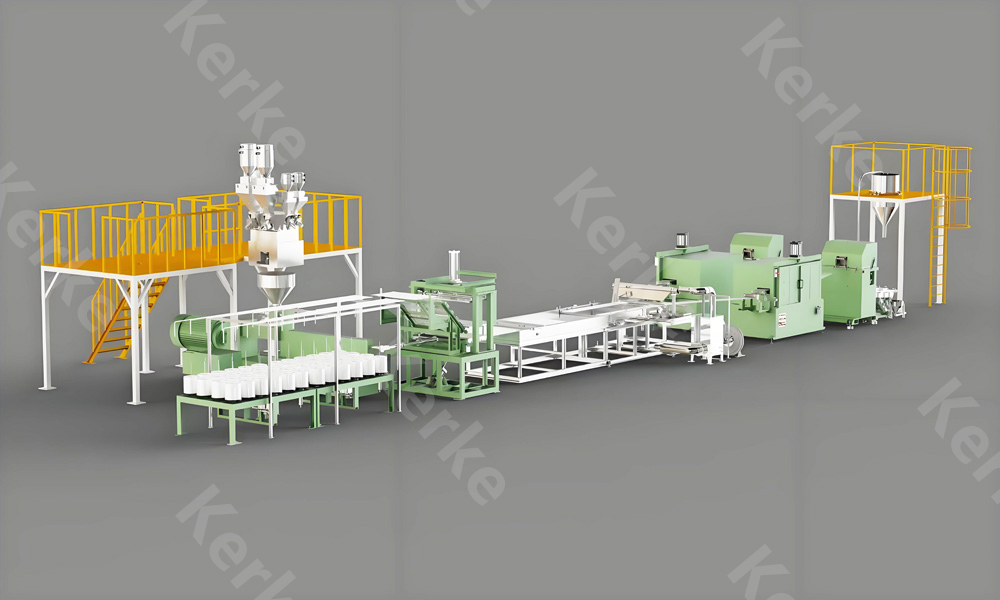
Recycled plastics present unique challenges in manufacturing, requiring specialized solutions for color consistency, mechanical properties, and overall performance. Masterbatch technology has emerged as a critical component in addressing these challenges, enabling manufacturers to transform post-consumer and post-industrial recycled materials into high-quality end products. This comprehensive guide explores the essential aspects of masterbatch formulation for recycled plastics, with particular focus on compatibility solutions, color restoration techniques, and performance enhancement strategies that can be achieved using advanced compounding extruder systems.
Understanding Masterbatch Technology for Recycled Plastics
Masterbatch represents a concentrated mixture of pigments, additives, and carrier resins designed to impart specific properties to base polymer materials. When working with recycled plastics, masterbatch formulations must address additional variables including contamination levels, polymer degradation, and inconsistent material properties. A high-quality twin screw extruder serves as the foundation for producing effective masterbatches that can successfully modify recycled plastic streams.
The recycled plastics market has experienced tremendous growth in recent years, driven by environmental regulations, consumer demand for sustainable products, and economic incentives. However, recycled materials often exhibit compromised properties due to thermal history, oxidation, and contamination. Masterbatch technology provides targeted solutions to restore and enhance these properties, making recycled plastics viable for demanding applications in automotive, packaging, construction, and consumer goods industries.
The Role of Carrier Resins in Recycled Plastic Applications
Carrier resin selection represents one of the most critical decisions in masterbatch formulation for recycled plastics. The carrier must demonstrate compatibility with both the masterbatch additives and the target recycled polymer matrix. Incompatibility can lead to poor dispersion, reduced mechanical properties, and visual defects in the final product. Modern masterbatch extruder systems enable precise control over carrier resin melting, mixing, and dispersion, ensuring optimal performance.
Universal carriers have gained popularity in recycled plastic applications due to their broad compatibility profile. These specialized resins can effectively deliver additives across multiple polymer types, reducing inventory requirements and simplifying production processes. However, for critical applications requiring maximum performance, dedicated carrier resins matched to specific recycled polymer streams often deliver superior results when processed through properly configured compounding extruder equipment.
Compatibility Challenges in Recycled Plastic Masterbatches
Recycled plastics frequently contain mixed polymer types, varying molecular weights, and diverse contamination profiles. This heterogeneity creates significant compatibility challenges when incorporating masterbatch additives. Successful formulation requires thorough understanding of polymer chemistry, additive interactions, and processing parameters achievable with advanced twin screw extruder technology.
Polymer incompatibility manifests in various ways including phase separation, poor surface finish, reduced impact strength, and inconsistent color distribution. These issues become particularly pronounced when using recycled streams from municipal collection programs where sorting efficiency may be less than optimal. Strategic masterbatch formulation combined with appropriate processing equipment can effectively address these challenges, transforming problematic recycled materials into valuable production inputs.
Compatibilizer Technologies for Mixed Polymer Streams
Compatibilizers function as molecular bridges between incompatible polymer phases, improving interfacial adhesion and promoting uniform dispersion. Reactive compatibilizers containing functional groups such as maleic anhydride, glycidyl methacrylate, or acrylic acid can chemically bond with polymer end groups, creating stable morphologies. These sophisticated additives require precise processing conditions achievable through properly configured masterbatch extruder systems with accurate temperature control and shear management.
Non-reactive compatibilizers, including block copolymers and functionalized polyolefins, provide physical compatibilization through segmental compatibility with different polymer phases. Selection depends on the specific polymer combination present in the recycled stream. Advanced twin screw extruder configurations with multiple injection ports enable incorporation of compatibilizers at optimal processing stages, maximizing their effectiveness in improving blend homogeneity.
Processing Parameters for Optimal Compatibility
Temperature profiles, screw speed, and residence time significantly influence compatibilizer effectiveness and overall masterbatch quality. Excessive temperatures can degrade sensitive additives while insufficient heat may prevent proper melting and mixing. The modular design of modern compounding extruder systems allows manufacturers to optimize these parameters for specific formulations, achieving consistent results across production runs.
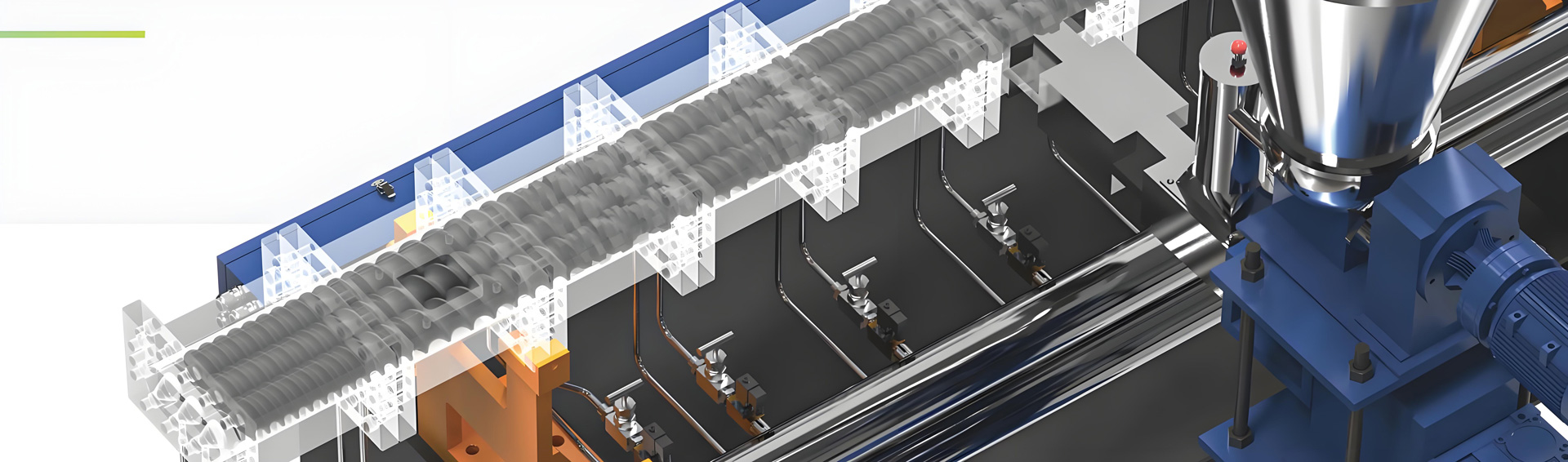
Shear intensity plays a crucial role in dispersion quality and compatibilizer distribution. Twin screw extruder designs offer exceptional flexibility in configuring shear profiles through screw element selection. Kneading blocks, reverse elements, and mixing sections can be arranged to provide optimal shear for specific formulations without causing thermal degradation. This level of control proves essential when processing sensitive additives or working with heat-sensitive recycled polymer streams.
Color Restoration Techniques for Recycled Plastics
Color inconsistency represents one of the most visible challenges in recycled plastic applications. Post-consumer recycled materials often exhibit grey, yellow, or brown tones due to thermal oxidation, contamination, and mixed material sources. Effective color restoration requires comprehensive strategies including pigment selection, color matching, and processing optimization using advanced masterbatch extruder technology.
Successful color restoration begins with accurate assessment of the base recycled material color. Spectrophotometric analysis enables precise measurement of color coordinates, allowing formulators to develop targeted correction strategies. Understanding the underlying causes of color deviation, whether from oxidation, contamination, or polymer degradation, guides selection of appropriate pigments and additives. Modern compounding extruder systems provide the mixing efficiency necessary to achieve uniform color distribution even in challenging recycled streams.
Pigment Selection for Recycled Plastic Applications
Pigment selection for recycled plastics must account for base material color, desired final shade, processing conditions, and application requirements. High-strength pigments enable darker colors that can effectively mask underlying discoloration. However, achieving lighter shades in colored recycled materials often requires additional processing steps or specialized additive packages. Advanced twin screw extruder systems with multiple feeding zones enable incorporation of pigments and correction additives at optimal processing stages.
Inorganic pigments generally offer superior hiding power and heat stability compared to organic alternatives, making them preferred choices for recycled plastic applications requiring aggressive color correction. Titanium dioxide serves as the primary opacifying agent, while carbon black provides effective neutralization of unwanted hues. Processing these high-loading formulations requires robust masterbatch extruder designs capable of handling high viscosities and achieving uniform dispersion of concentrated pigment particles.
Color Correction Additives and Strategies
Optical brighteners and fluorescent whitening agents can effectively address yellowing in recycled plastics, particularly in polyolefin and PET streams. These additives absorb ultraviolet light and re-emit blue light, counteracting yellow tones and creating a whiter appearance. Precise dosing and uniform distribution achievable through advanced compounding extruder systems ensure consistent results across production batches.
Tinting strategies using complementary colors provide another approach to color correction. Adding small amounts of violet or blue pigments can neutralize yellow tones, while orange or red additives address bluish discoloration. Success requires careful formulation development and processing expertise. Modern twin screw extruder designs with multiple injection points enable precise addition of color correction additives, maximizing their effectiveness in achieving target shades.
Performance Enhancement Through Masterbatch Technology
Beyond color restoration, masterbatch technology enables significant performance enhancement in recycled plastic products. Mechanical properties, thermal stability, UV resistance, and processing characteristics can all be improved through strategic additive incorporation. The capabilities of advanced masterbatch extruder systems prove essential in achieving these improvements consistently and cost-effectively.
Recycled plastics typically exhibit reduced molecular weight due to thermal and mechanical degradation during previous use and processing. This degradation results in decreased tensile strength, impact resistance, and elongation properties. Strategic masterbatch formulations can partially compensate for these losses through incorporation of impact modifiers, chain extenders, and reinforcing fillers. Proper processing using twin screw extruder technology ensures optimal dispersion and effectiveness of these performance-enhancing additives.
Impact Modification for Recycled Plastics
Impact modifiers represent essential components in masterbatches designed for recycled plastics destined for demanding applications. Core-shell impact modifiers, thermoplastic elastomers, and functionalized rubbers can significantly improve toughness and ductility in brittle recycled materials. Selection depends on base polymer type, application requirements, and cost considerations. Advanced compounding extruder configurations enable precise incorporation and dispersion of impact modifiers, achieving consistent performance improvements.
Processing conditions significantly influence impact modifier effectiveness. Excessive shear can degrade sensitive modifier particles while insufficient mixing may result in poor dispersion and reduced effectiveness. Modern twin screw extruder designs offer exceptional flexibility in configuring processing parameters, enabling optimization for specific impact modifier systems. Temperature control, residence time, and shear intensity can all be adjusted to maximize modifier performance in recycled plastic applications.
Stabilization Systems for Long-Term Performance
Recycled plastics often contain reduced stabilizer levels due to consumption during previous use. Restoration of thermal, oxidative, and UV stability proves essential for applications requiring long-term performance. Antioxidants, heat stabilizers, and UV absorbers can be incorporated through masterbatch formulations, restoring and often exceeding the stability of virgin materials. Processing these sensitive additives requires careful attention to temperature profiles and residence time achievable with advanced masterbatch extruder systems.
Comprehensive stabilization packages typically combine primary and secondary antioxidants, metal deactivators, and light stabilizers in carefully balanced proportions. Processing history of the recycled material influences optimal stabilizer selection and concentration. Twin screw extruder technology enables precise control over additive incorporation, ensuring uniform distribution and maximum effectiveness. Multiple feeding zones allow separate addition of sensitive components, preventing premature degradation during processing.
Processing Equipment Requirements for Quality Masterbatch Production
The quality of masterbatch for recycled plastics depends significantly on processing equipment capabilities. Dispersion quality, additive distribution, and product consistency all require advanced extrusion technology. Twin screw extruder systems have emerged as the preferred choice for masterbatch production due to their superior mixing capabilities, processing flexibility, and ability to handle diverse formulations.
Co-rotating twin screw extruders offer several advantages for masterbatch production including self-wiping screw profiles, high shear mixing, and excellent material conveyance. These characteristics prove particularly valuable when processing recycled plastic streams containing variable contamination levels. The ability to quickly clean and reconfigure the extruder for different formulations provides additional operational flexibility, essential for manufacturers serving diverse market segments.
Key Features of Modern Twin Screw Extruder Systems
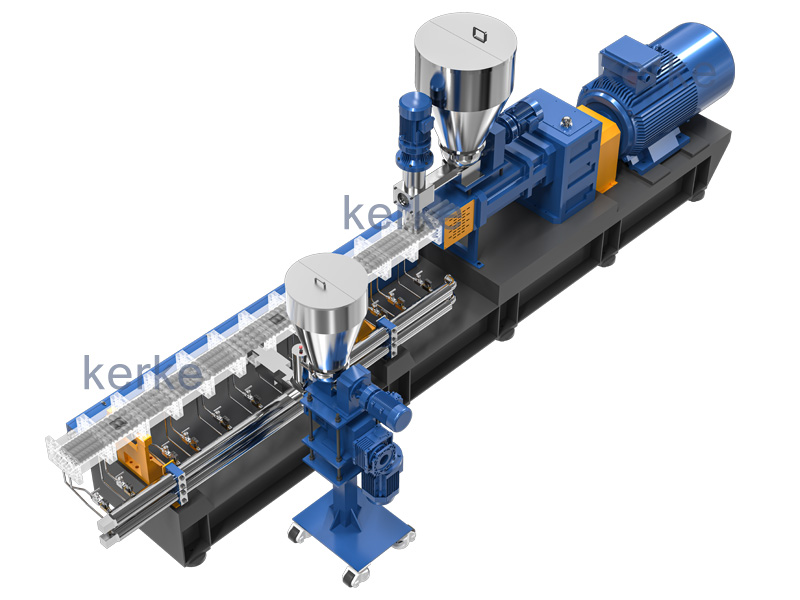
Modern twin screw extruder designs incorporate numerous features that enhance masterbatch quality and production efficiency. Modular barrel sections enable precise temperature control in different processing zones, critical for heat-sensitive additives and polymers. Multiple feeding ports allow incorporation of ingredients at optimal processing stages, preventing degradation and ensuring optimal mixing. Advanced control systems provide real-time monitoring and adjustment of processing parameters, maintaining consistent product quality.
Screw design flexibility represents one of the most significant advantages of twin screw extruder technology. Modular screw elements can be arranged in countless configurations to achieve specific mixing, shearing, and residence time requirements. Kneading blocks, mixing sections, and conveying elements can be positioned to optimize dispersion quality while minimizing thermal degradation. This flexibility proves essential when developing masterbatch formulations for challenging recycled plastic applications.
Feeding and Dosing Systems for Accurate Formulation
Precise ingredient dosing proves critical for consistent masterbatch quality, particularly when working with expensive pigments and specialty additives. Gravimetric feeding systems provide superior accuracy compared to volumetric alternatives, automatically compensating for material density variations. Multi-component feeding systems enable simultaneous addition of multiple ingredients at different processing stages, essential for complex formulations. Integration with masterbatch extruder control systems ensures synchronized operation and recipe management.
Liquid injection capabilities prove valuable for incorporating liquid additives such as plasticizers, lubricants, and certain stabilizers. Precise metering and atomization systems ensure uniform distribution without creating voids or processing difficulties. Advanced twin screw extruder configurations include dedicated injection ports positioned for optimal mixing and minimal residence time, preserving sensitive liquid additives from thermal degradation.
Economic Considerations in Masterbatch Production
Investment in quality masterbatch production equipment requires careful economic analysis considering equipment costs, operational expenses, and market opportunities. While initial capital requirements for advanced twin screw extruder systems may be substantial, the operational benefits and product quality advantages typically justify the investment through improved margins and expanded market access.
Equipment selection should consider not only current production requirements but also anticipated future needs. Modular masterbatch extruder designs allow capacity expansion and capability enhancement as business grows. Equipment reliability and maintenance requirements significantly influence total cost of ownership over the equipment lifespan. Established manufacturers with proven track records and comprehensive service support minimize operational risks and downtime costs.
Equipment Investment Analysis
Small to medium production volumes typically require twin screw extruder systems with throughput capacities ranging from 20 to 500 kg/h. Initial equipment investment varies significantly based on capacity, features, and manufacturer. Quality systems from established manufacturers offer superior reliability and resale value, important considerations for long-term business planning. Operational costs including energy consumption, maintenance, and labor should be factored into total cost projections.
For manufacturers entering the masterbatch market or expanding existing capabilities, mid-range compounding extruder systems offer an attractive balance of capability and investment. These systems typically provide sufficient flexibility and performance for diverse formulations while maintaining reasonable capital requirements. Upgradability features enable capacity expansion as business grows, protecting initial investment value.
Operating Cost Optimization
Energy efficiency represents a significant factor in masterbatch production economics. Modern twin screw extruder designs incorporate energy-saving features including efficient motor drives, optimized screw geometries, and improved thermal insulation. These features reduce operating costs while maintaining or improving production rates. Energy consumption varies with formulation complexity, throughput rate, and equipment design, making careful equipment selection essential for cost optimization.
Maintenance and spare parts costs influence total cost of ownership throughout equipment lifespan. Quality masterbatch extruder systems from reputable manufacturers typically offer superior durability and lower maintenance requirements compared to economy alternatives. Availability of spare parts and technical support significantly impacts downtime costs and production continuity. Comprehensive service agreements and training programs help optimize equipment performance and minimize operational disruptions.
Recommended Equipment: Kerke KTE Series Twin Screw Extruders
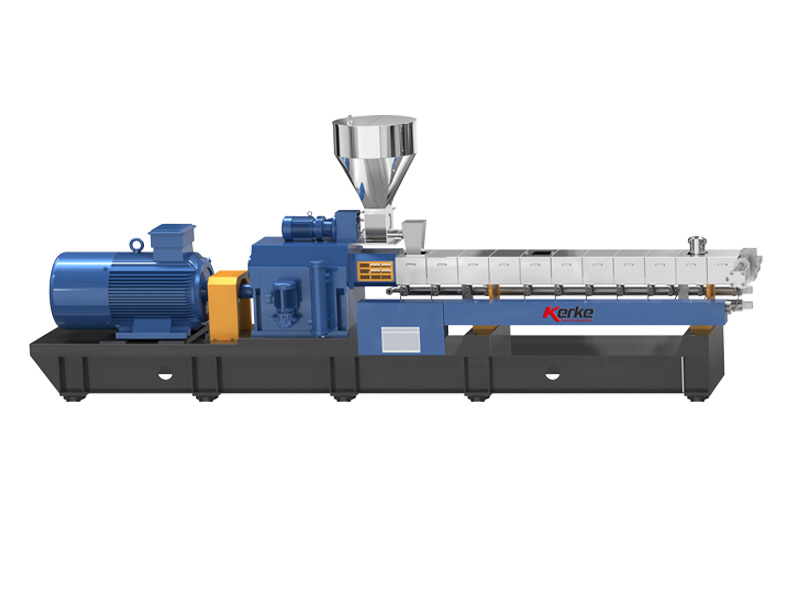
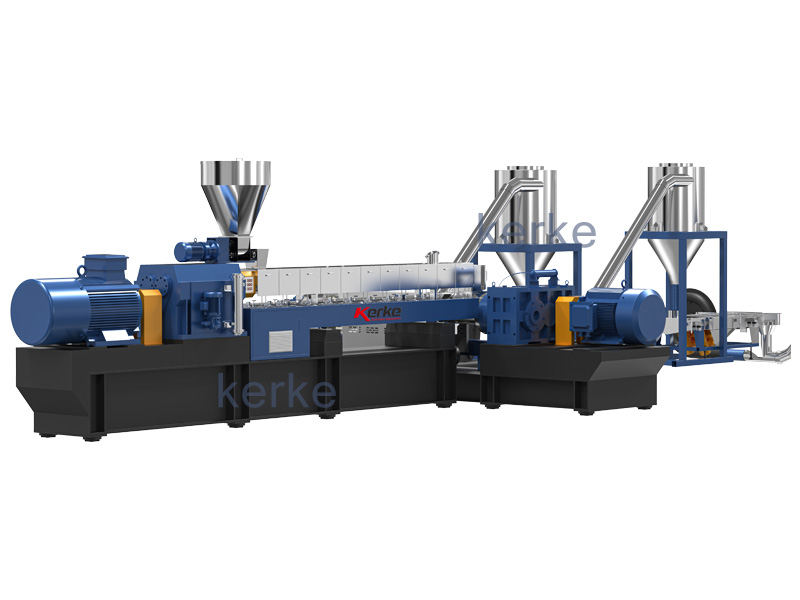
Kerke, a specialized brand under Wanplas Group with over 13 years of experience in twin screw extruder manufacturing, offers comprehensive solutions for masterbatch production. The KTE series co-rotating parallel twin screw extruders deliver exceptional performance for color masterbatch, additive masterbatch, and filled compound applications, with specific configurations optimized for recycled plastic processing challenges.
The KTE series features high torque, high speed design enabling superior dispersion quality and higher throughput rates compared to conventional designs. Modular screw configuration allows optimization for specific formulations, essential for the diverse requirements of recycled plastic masterbatch production. Segmented barrel design provides temperature control flexibility and maintenance accessibility, reducing downtime and extending equipment lifespan.
KTE-36B: Entry Level Excellence
The Kerke KTE-36B twin screw extruder offers an excellent entry point for masterbatch production with screw diameter of 35.6mm and throughput capacity of 20-100 kg/h. Priced between $25,000 and $35,000, this compact system provides professional-grade capabilities for small production volumes and formulation development. The modular screw design enables optimization for various masterbatch formulations including those designed for recycled plastics.
Despite its compact size, the KTE-36B incorporates advanced features typically found on larger systems including multiple feeding zones, precise temperature control, and user-friendly operation interface. This compounding extruder proves ideal for companies entering the masterbatch market or establishing dedicated recycled plastic processing lines. The accessible price point enables rapid return on investment for focused applications.
KTE-65B: Production Workhorse
The Kerke KTE-65B represents an ideal balance of capacity and investment for medium-scale masterbatch production. With screw diameter of 62.4mm and throughput capacity of 200-450 kg/h, this twin screw extruder addresses the requirements of established masterbatch producers serving regional markets. Priced between $50,000 and $80,000, the KTE-65B delivers exceptional value through robust construction, reliable performance, and operational flexibility.
This masterbatch extruder configuration offers the throughput capacity necessary for profitable commercial production while maintaining the formulation flexibility essential for serving diverse customer requirements. The proven design incorporates lessons from hundreds of installations worldwide, ensuring reliable operation and consistent product quality. Enhanced features including advanced control systems and optional automation capabilities support efficient production operations.
KTE-95D: High Volume Production Excellence
The Kerke KTE-95D twin screw extruder addresses the requirements of high-volume masterbatch production with screw diameter of 93mm and throughput capacity of 1000-2000 kg/h. Priced between $120,000 and $200,000 depending on configuration, this production-scale compounding extruder delivers the capacity and performance necessary for serving demanding market segments including automotive, packaging, and construction industries.
Advanced features including sophisticated process control, comprehensive automation options, and optimized energy efficiency make the KTE-95D ideal for continuous production operations. The robust design ensures reliable performance in demanding production environments while maintaining the flexibility to accommodate diverse formulations. Kerke’s comprehensive service support including $500 annual free parts and warranty coverage minimizes operational risks and total cost of ownership.
Quality Control and Testing Procedures
Consistent masterbatch quality requires comprehensive quality control procedures spanning raw material evaluation, process monitoring, and final product testing. Investment in testing equipment and procedure development proves essential for manufacturers seeking to serve demanding applications and maintain customer confidence. Integration of quality control systems with twin screw extruder operations enables real-time process adjustment and continuous improvement.
Raw material testing should include polymer characterization, additive verification, and contamination assessment. Advanced analytical techniques including differential scanning calorimetry, melt flow index measurement, and spectroscopic analysis enable thorough material evaluation. Establishing clear acceptance criteria and testing protocols ensures consistent input quality, essential for predictable masterbatch performance.
In-Process Quality Monitoring
Real-time monitoring of processing parameters including melt temperature, pressure, and torque provides valuable insights into process consistency and product quality. Modern masterbatch extruder control systems offer comprehensive data acquisition capabilities, enabling statistical process control and trend analysis. Deviation detection and alarm systems enable rapid response to process upsets, minimizing off-spec production.
Inline measurement technologies including near-infrared spectroscopy and color monitoring enable real-time quality assessment without production interruption. These advanced systems provide immediate feedback on composition and color consistency, enabling automatic process adjustment and reducing waste. Integration with twin screw extruder control systems creates closed-loop quality management capabilities essential for high-volume production.
Final Product Testing and Certification
Comprehensive final product testing validates masterbatch quality and ensures conformance to customer specifications. Testing protocols should address color accuracy, dispersion quality, additive concentration, and let-down ratio verification. Standardized test methods and reference materials ensure consistency and comparability across production batches. Documentation of test results supports quality certification and customer communication.
Application-specific testing may include processing trials using representative customer equipment and conditions. These trials validate masterbatch performance in actual end-use scenarios, providing confidence for demanding applications. The flexibility of advanced compounding extruder systems enables rapid adjustment of formulations based on trial results, accelerating development cycles and ensuring customer satisfaction.
Sustainable Practices in Masterbatch Production
Environmental sustainability considerations increasingly influence masterbatch production practices and market opportunities. Energy efficiency, waste reduction, and circular economy principles drive innovation in equipment design and operational procedures. Twin screw extruder manufacturers continue developing more efficient systems that reduce environmental impact while improving performance and reducing operating costs.
Masterbatch production for recycled plastics inherently supports circular economy objectives by enabling higher-value applications for post-consumer and post-industrial materials. Advanced processing capabilities enable utilization of challenging recycled streams that might otherwise be downcycled or disposed. Investment in quality masterbatch extruder equipment expands these opportunities, supporting both environmental and business objectives.
Energy Efficiency Optimization
Energy consumption represents a significant operational cost and environmental impact factor in masterbatch production. Modern twin screw extruder designs incorporate numerous energy efficiency features including improved screw geometries that reduce shear heating requirements, efficient motor and drive systems, and enhanced thermal insulation. These features can reduce energy consumption by 15-30% compared to older designs while maintaining or improving production rates.
Process optimization further reduces energy requirements through proper temperature profile management, optimal screw speed selection, and efficient production scheduling. Advanced compounding extruder control systems enable precise process optimization and energy monitoring. Understanding the relationship between processing parameters and energy consumption enables informed decisions balancing quality, throughput, and efficiency objectives.
Waste Reduction Strategies
Masterbatch production generates various waste streams including startup material, transition material, and off-spec production. Minimizing these wastes through process optimization, equipment selection, and operational procedures improves both economics and environmental performance. Quick-change capabilities of modern twin screw extruder systems reduce transition waste when switching between formulations.
Recycling of production waste back into appropriate product streams captures material value while reducing disposal requirements. Proper segregation and characterization of waste materials enables appropriate recycling pathways. Investment in reprocessing equipment and procedures can transform waste streams into valuable production inputs, supporting both economic and sustainability objectives.
Future Trends in Masterbatch Technology for Recycled Plastics
The masterbatch industry continues evolving in response to changing market requirements, regulatory pressures, and technological capabilities. Understanding emerging trends enables manufacturers to position their businesses for future success while maximizing return on equipment investments. Twin screw extruder technology continues advancing to address new challenges and opportunities in masterbatch production.
Digital transformation represents a significant trend impacting masterbatch production operations. Advanced process control, predictive maintenance, and artificial intelligence applications are enhancing efficiency, quality, and reliability. Integration of these capabilities with masterbatch extruder operations creates opportunities for competitive advantage through superior performance and customer service.
Advanced Functional Additives
Growing demand for enhanced plastic properties drives development of advanced functional additives including barrier enhancers, antimicrobial agents, and smart material components. These sophisticated additives require precise processing conditions achievable through advanced compounding extruder configurations. Masterbatch producers investing in equipment capable of handling these advanced materials position themselves to capture emerging market opportunities.
Nanocomposite additives including nanoclays, carbon nanotubes, and graphene derivatives offer exceptional property enhancement potential but present significant dispersion challenges. Twin screw extruder designs optimized for nanocomposite processing incorporate specialized mixing sections and precise temperature control to achieve effective nanoparticle dispersion and property realization.
Regulatory Compliance and Safety
Increasing regulatory requirements regarding plastic additives, recycling content, and product safety create both challenges and opportunities for masterbatch producers. Compliance with regulations including REACH, FDA, and various regional standards requires thorough documentation, testing, and quality management systems. Advanced masterbatch extruder systems with comprehensive data acquisition capabilities support compliance documentation and traceability requirements.
Food contact and medical applications impose particularly stringent requirements on masterbatch formulations and production processes. Investment in dedicated equipment and quality systems enables entry into these demanding market segments with premium pricing and strong customer relationships. The flexibility of modern twin screw extruder designs enables configuration for specific regulatory compliance requirements while maintaining production efficiency.
Implementation Guidelines and Best Practices
Successful implementation of masterbatch technology for recycled plastics requires comprehensive planning covering equipment selection, formulation development, process optimization, and quality management. Following established best practices accelerates startup and reduces costly learning curve impacts. Collaboration with experienced equipment suppliers and industry partners provides valuable support throughout implementation.
Initial focus should address understanding specific recycled plastic streams and their processing requirements. Material characterization and application analysis guide equipment selection and formulation development. Pilot-scale trials using representative equipment enable process optimization and product validation before committing to full-scale production investment. This systematic approach minimizes risk and accelerates time to successful production.
Equipment Selection Process
Selecting appropriate twin screw extruder equipment requires evaluation of multiple factors including production capacity requirements, formulation complexity, quality standards, and budget constraints. Consultation with equipment manufacturers including detailed discussion of application requirements ensures optimal equipment specification. Site visits to reference installations provide valuable insights into actual performance and operational requirements.
Consideration should extend beyond initial acquisition cost to include installation requirements, operational costs, maintenance needs, and future expansion potential. Quality equipment from established manufacturers like Kerke offers superior reliability, lower total cost of ownership, and better resale value. Comprehensive service support including training, technical assistance, and spare parts availability significantly impacts long-term operational success.
Formulation Development Approach
Effective masterbatch formulation development requires systematic approach beginning with clear definition of performance requirements and constraints. Understanding the recycled plastic substrate including its composition, properties, and limitations guides additive selection and concentration optimization. Laboratory-scale compounding using equipment representative of production systems enables efficient formulation screening and optimization.
Collaboration with additive suppliers provides access to formulation expertise and technical support. Many suppliers offer application development assistance including recommended formulations and processing guidelines. Leveraging this expertise accelerates development cycles and improves final formulation quality. Pilot production trials validate laboratory formulations and identify any scaling challenges before full production commitment.
Conclusion
Masterbatch technology provides essential solutions for addressing the unique challenges of recycled plastics including compatibility issues, color restoration requirements, and performance enhancement needs. Success requires comprehensive understanding of polymer science, additive chemistry, and processing technology. Advanced twin screw extruder systems serve as the foundation for quality masterbatch production, enabling precise control over dispersion, distribution, and product consistency.
Investment in quality compounding extruder equipment from established manufacturers like Kerke provides the capabilities necessary for serving demanding market segments while maintaining operational efficiency and cost competitiveness. The modular design, processing flexibility, and reliable performance of modern masterbatch extruder systems support diverse formulation requirements and evolving market opportunities. As the recycled plastics market continues expanding in response to environmental pressures and economic incentives, masterbatch producers equipped with advanced technology will capture growing market opportunities while supporting sustainability objectives.
Successful implementation requires systematic approach covering equipment selection, formulation development, process optimization, and quality management. Following established best practices and collaborating with experienced partners accelerates success and minimizes risk. The comprehensive capabilities of modern twin screw extruder technology enable masterbatch producers to transform challenging recycled plastic streams into valuable products, supporting circular economy objectives while building profitable and sustainable business operations.