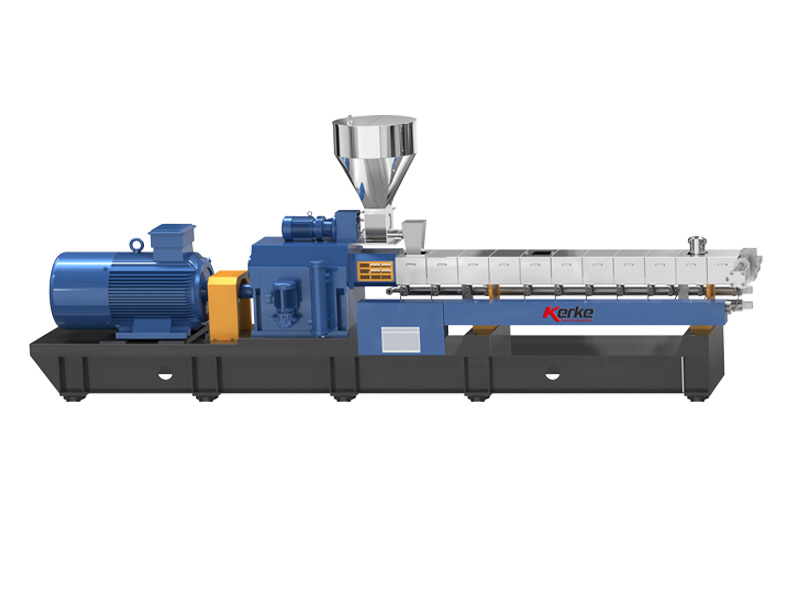
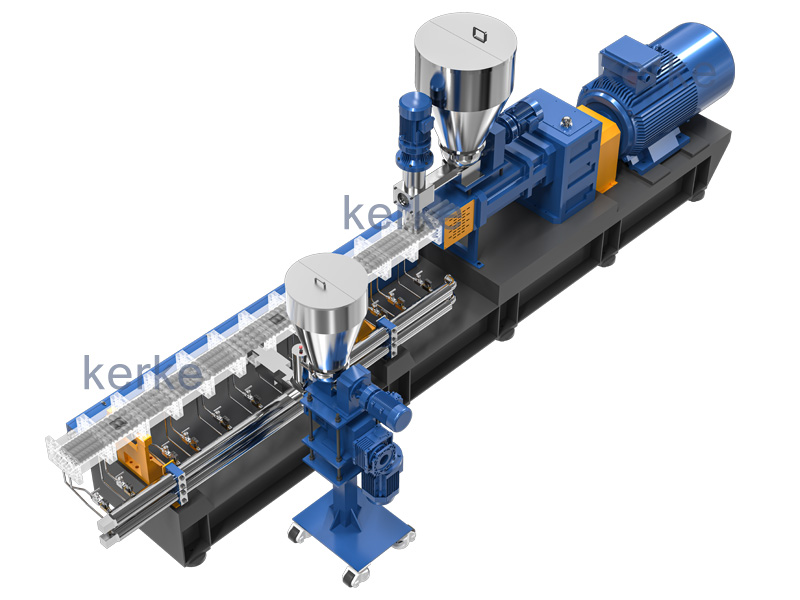
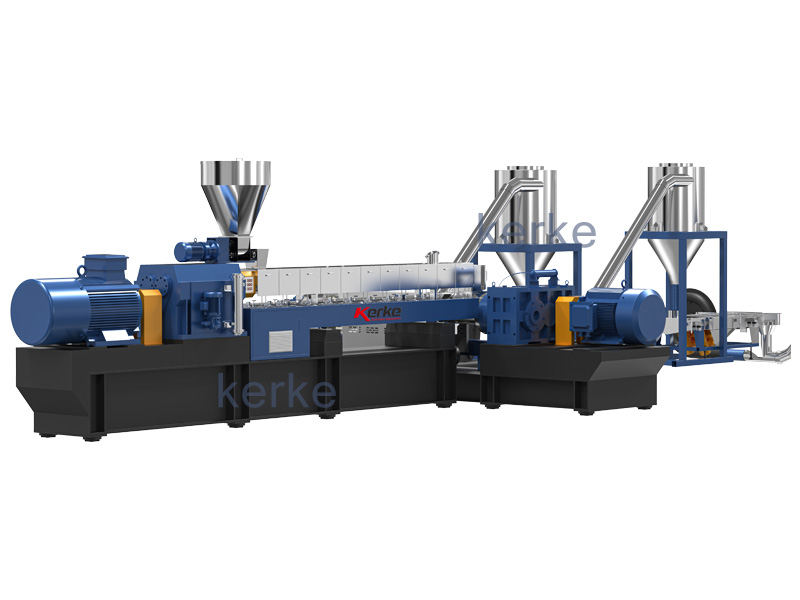
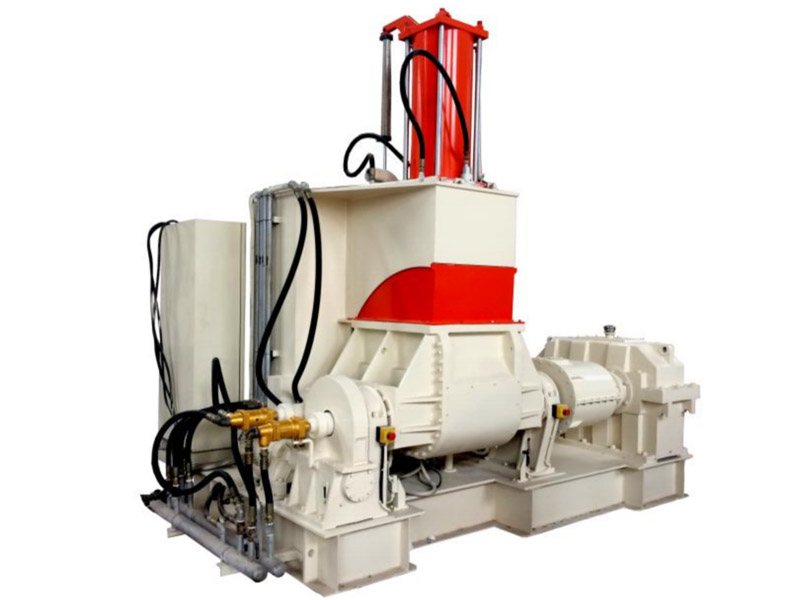
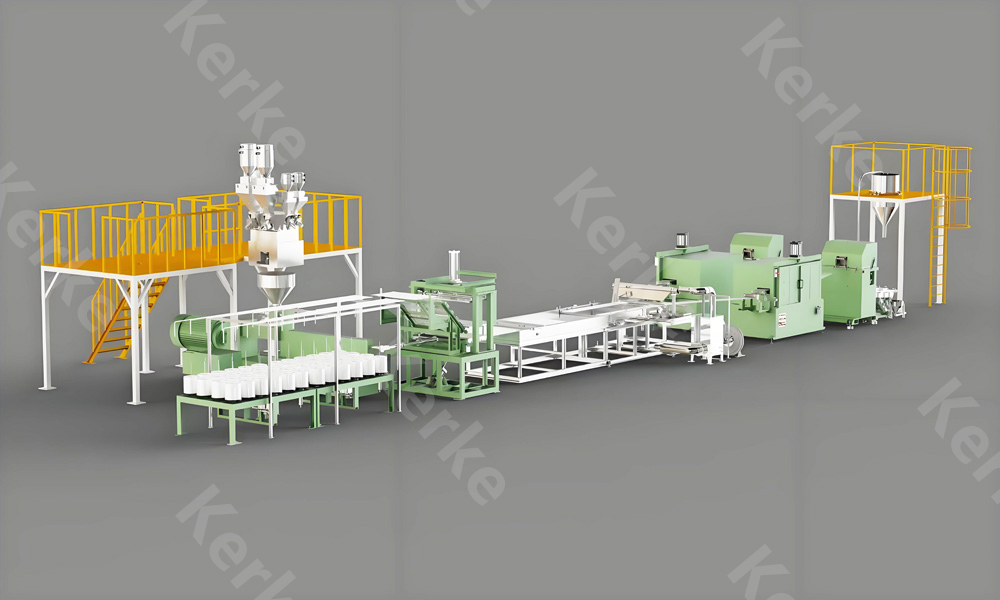
The global compounding extruder market is projected to reach $18.9 billion in 2026, growing at a compound annual growth rate (CAGR) of 7.8% through 2032. This robust growth is driven by increasing demand for high-performance plastic materials across automotive, construction, packaging, electronics, and renewable energy industries. As manufacturers strive to produce more complex, customized plastic compounds with enhanced mechanical properties, the compounding extruder has become the most critical piece of equipment in modern plastic processing facilities.
Choosing a compounding extruder is one of the most significant capital investments a plastic processing company will make. A durable, high-performance compounding extruder can operate reliably for 15-20 years or more, delivering consistent product quality, high production efficiency, and strong returns on investment. Conversely, a poorly designed or low-quality extruder will result in frequent breakdowns, excessive maintenance costs, inconsistent product quality, and premature equipment failure. Industry data shows that inferior compounding extruders can increase operational costs by 40-60% over their service life and require replacement in as little as 5-7 years.
As a leading global manufacturer of advanced twin screw extruders with over 20 years of experience, KERKE has established itself as the trusted partner for durable, long-lasting compounding solutions. KERKE offers a complete range of twin screw compounding extruders, masterbatch extruders, and recycling extruders designed for maximum durability, reliability, and performance. With over 3,000 machines installed in more than 70 countries, KERKE has helped manufacturers worldwide achieve their production goals while minimizing total cost of ownership.
This comprehensive guide provides a detailed framework for choosing a durable compounding extruder for long-term investment. It examines the critical factors that determine extruder durability, details the essential technical specifications to evaluate, provides customized selection guidelines for different applications, includes a detailed total cost of ownership analysis and return on investment calculation, and features real-world case studies of successful KERKE installations. Whether you are producing masterbatches, engineering plastics, biodegradable compounds, or recycled materials, this guide will help you make an informed decision that delivers maximum value over the entire life of your equipment.
1. The Critical Importance of Durability in Compounding Extruders
Durability is the single most important factor to consider when investing in a compounding extruder. Unlike many other types of industrial equipment, compounding extruders operate under extremely demanding conditions, with high temperatures, high pressures, and intense mechanical shear. These harsh operating conditions put significant stress on all components of the extruder, making durability essential for long-term reliable performance.
1.1 The High Cost of Premature Equipment Failure
Premature failure of a compounding extruder can have devastating financial consequences for a manufacturing operation. A single day of unplanned downtime for a production-scale compounding extruder can result in lost revenue of $10,000-$50,000 or more, depending on the production capacity and product value. In addition to lost revenue, unexpected breakdowns often require expensive emergency repairs, overtime labor costs, and rush shipping for replacement parts.
Even more costly than occasional breakdowns is the gradual degradation in performance that occurs with low-quality extruders. As components wear out over time, the extruder’s production capacity decreases, energy consumption increases, and product quality becomes inconsistent. This gradual decline in performance can reduce profitability by 20-30% even before the equipment fails completely.
When an extruder reaches the end of its service life prematurely, the cost of replacement is substantial. A production-scale compounding extruder typically costs $100,000-$500,000 or more, not including installation, training, and production downtime during the transition. Replacing an extruder every 5-7 years instead of every 15-20 years more than doubles the total capital expenditure over a 20-year period.
1.2 Impact of Durability on Product Quality and Consistency
Durability is directly linked to product quality and consistency in compounding operations. Worn or damaged components can cause variations in processing conditions, resulting in inconsistent melt temperature, pressure, and residence time. These variations lead to defects in the final compound, such as poor dispersion of additives, inconsistent color, and reduced mechanical properties.
Inconsistent product quality can have serious consequences for manufacturers, including increased scrap rates, customer complaints, and lost business. In many industries, such as automotive and aerospace, product quality requirements are extremely strict, and even minor defects can result in rejected batches and costly rework. A durable, well-designed compounding extruder maintains consistent processing conditions over its entire service life, ensuring uniform product quality and minimizing scrap rates.
1.3 Long-Term Return on Investment Considerations
When evaluating compounding extruder options, it is essential to look beyond the initial purchase price and consider the total cost of ownership over the entire life of the equipment. A high-quality, durable extruder may have a higher initial cost, but it will deliver significant savings over time through lower maintenance costs, reduced energy consumption, higher production efficiency, and longer service life.
Industry analysis shows that the initial purchase price typically accounts for only 20-30% of the total cost of ownership for a compounding extruder. The remaining 70-80% comes from operational costs such as energy, maintenance, labor, and downtime. Investing in a more durable extruder can reduce these operational costs by 30-50%, resulting in a much higher return on investment over the long term.
Additionally, a durable extruder retains its value better than a low-quality machine, providing a higher resale value when it is time to upgrade. This further improves the overall return on investment and reduces the cost of future equipment purchases.
2. Key Factors That Determine Compounding Extruder Durability
The durability of a compounding extruder depends on a combination of factors related to its design, materials, manufacturing process, and quality control. Understanding these factors is essential for evaluating different extruder options and choosing a machine that will provide reliable performance for many years.
2.1 Material Selection and Manufacturing Quality
The materials used in the construction of the extruder are the foundation of its durability. All components that come into contact with the plastic melt or are subjected to high mechanical stress must be made from high-quality materials that can withstand the harsh operating conditions of compounding.
The screw and barrel are the most critical components in terms of wear resistance. KERKE extruder barrels are manufactured from high-quality alloy steel and lined with a bimetallic alloy that combines excellent wear resistance with good thermal conductivity. The bimetallic lining is centrifugally cast to ensure uniform thickness and perfect bonding to the base steel, providing a wear-resistant surface that is 3-5 times more durable than standard nitrided steel.
KERKE screw elements are made from high-speed tool steel and can be coated with various wear-resistant materials depending on the application. For general-purpose compounding, nitrided screw elements provide excellent durability at a reasonable cost. For more abrasive applications such as processing filled compounds with glass fibers or minerals, KERKE offers tungsten carbide coated screw elements that provide up to 10 times the wear resistance of standard nitrided elements.
In addition to the screw and barrel, all other critical components such as gearbox gears, bearings, and shafts are made from high-quality materials and manufactured to precise tolerances. KERKE uses only components from reputable international suppliers, ensuring consistent quality and reliability.
2.2 Transmission System Design and Construction
The transmission system is responsible for transferring power from the motor to the screws, and it is one of the most common points of failure in low-quality extruders. A well-designed transmission system should be capable of delivering high torque efficiently while operating reliably for many years with minimal maintenance.
KERKE compounding extruders feature heavy-duty gearboxes specifically designed for twin screw extrusion applications. The gearboxes use high-precision helical gears that are case-hardened and ground to ensure smooth, quiet operation and maximum power transfer. The gears are supported by oversized, high-capacity bearings that are rated for a minimum service life of 100,000 hours under normal operating conditions.
The gearbox housing is made from cast iron and is precision-machined to ensure perfect alignment of the gears and bearings. The housing also features an integrated lubrication system that provides continuous, filtered lubrication to all moving parts, reducing wear and extending service life. KERKE gearboxes are backed by a 3-year warranty, demonstrating our confidence in their durability and reliability.
The drive motor is another important component of the transmission system. KERKE uses high-efficiency AC motors with variable frequency drives that provide precise speed control and energy-efficient operation. The motors are rated for continuous duty and are designed to operate reliably in the harsh industrial environment of plastic processing facilities.
2.3 Screw and Barrel Design for Longevity
The design of the screw and barrel has a significant impact on both the performance and durability of the compounding extruder. A well-designed screw and barrel will distribute wear evenly, minimize stress concentrations, and allow for easy maintenance and replacement of worn components.
KERKE twin screw extruders feature a modular screw design that allows individual screw elements to be replaced as they wear, rather than replacing the entire screw. This modular design significantly reduces maintenance costs and downtime, as only the worn elements need to be replaced. The screw elements are keyed to the shaft using a spline design that provides maximum torque transmission and ensures perfect alignment.
The barrel is also of modular construction, consisting of individual segments that can be replaced independently. Each barrel segment is equipped with its own heating and cooling system, allowing for precise temperature control along the length of the extruder. The modular barrel design also makes it easy to reconfigure the extruder for different applications by changing the arrangement of barrel segments and screw elements.
KERKE uses a self-wiping screw profile that ensures the screws continuously clean each other as they rotate. This self-wiping action prevents material from adhering to the screw surfaces and degrading over time, which can cause product contamination and accelerate wear. The self-wiping design also improves mixing efficiency and ensures consistent product quality.
2.4 Heating and Cooling System Reliability
The heating and cooling system is responsible for maintaining precise temperature control along the length of the extruder, which is essential for consistent product quality and equipment durability. Poor temperature control can lead to thermal degradation of the plastic material, which can cause corrosion and wear of the screw and barrel, as well as product quality issues.
KERKE compounding extruders use ceramic heating elements that provide fast, uniform heating and have a long service life. The heating elements are divided into multiple independent zones, each with its own temperature controller, allowing for precise temperature profiling along the length of the extruder. The temperature controllers use advanced PID algorithms to maintain temperature within ±1°C of the setpoint, ensuring consistent processing conditions.
For cooling, KERKE uses a forced air cooling system that provides efficient, uniform cooling of the barrel segments. The cooling system is integrated with the temperature control system, automatically activating when the temperature exceeds the setpoint. Some models also offer optional water cooling for applications that require more rapid cooling or lower operating temperatures.
All heating and cooling components are designed for easy access and replacement, minimizing downtime in the event of a failure. The electrical components are housed in a sealed control cabinet that protects them from dust and moisture, extending their service life and improving reliability.
2.5 Control System and Automation
The control system plays a critical role in ensuring the long-term durability and reliability of the compounding extruder. A well-designed control system not only provides precise process control but also includes features that help prevent equipment damage and extend service life.
KERKE compounding extruders are equipped with an advanced PLC control system with a user-friendly touchscreen interface. The system provides real-time monitoring of all key process parameters, including temperature, pressure, torque, speed, and power consumption. It also includes comprehensive alarm and safety features that automatically shut down the extruder in the event of abnormal conditions, preventing equipment damage and ensuring operator safety.
The control system includes built-in diagnostic capabilities that help identify potential problems before they cause equipment failure. The system can detect early signs of component wear, such as increased torque or temperature, and alert maintenance personnel to perform preventive maintenance. This predictive maintenance capability significantly reduces unplanned downtime and extends the service life of the extruder.
For larger operations, KERKE offers optional remote monitoring and control capabilities that allow plant managers to monitor and control the extruder from anywhere in the world. This feature enables faster troubleshooting and support, reducing downtime and improving overall operational efficiency.
3. Essential Technical Specifications to Evaluate
When comparing different compounding extruder options, it is essential to evaluate the technical specifications in detail to ensure the machine meets your specific requirements and will provide durable performance over the long term. The following are the most important technical specifications to consider.
3.1 Torque Density and Power Rating
Torque density is one of the most important specifications for a twin screw compounding extruder. It is defined as the torque per unit of screw volume and is a measure of the extruder’s ability to process high-viscosity materials and filled compounds. Higher torque density allows for higher throughput rates and better processing of difficult materials.
KERKE compounding extruders are available with torque densities ranging from 8 Nm/cm³ to 16 Nm/cm³, depending on the model and application. Our high-torque series extruders feature torque densities up to 16 Nm/cm³, making them ideal for processing highly filled compounds, engineering plastics, and other difficult materials. The high torque density allows these extruders to operate at lower screw speeds while maintaining high throughput, reducing wear and extending service life.
The power rating of the extruder should be matched to the torque density and the intended application. KERKE offers extruders with power ratings ranging from 5 kW for laboratory-scale machines to 1,500 kW for large production-scale machines. The power rating is carefully matched to the gearbox and screw design to ensure efficient power transfer and reliable operation.
3.2 Screw Diameter and Length-to-Diameter Ratio
The screw diameter determines the maximum throughput capacity of the extruder. Larger diameter screws can process more material per hour, but they also require more power and have higher initial costs. KERKE offers twin screw extruders with screw diameters ranging from 20 mm to 135 mm, with throughput capacities ranging from 5 kg/h to 10,000 kg/h.
The length-to-diameter (L/D) ratio is another important specification that determines the residence time of the material in the extruder. Longer L/D ratios provide more time for melting, mixing, and reaction, making them suitable for complex compounding applications. Shorter L/D ratios are better for simple compounding and masterbatch production where shorter residence times are preferred.
KERKE compounding extruders are available with L/D ratios ranging from 28:1 to 64:1, depending on the application. For general-purpose compounding and masterbatch production, an L/D ratio of 40:1 to 48:1 is typically sufficient. For more complex applications such as reactive extrusion or devolatilization, longer L/D ratios of 52:1 to 64:1 may be required.
3.3 Screw Speed and Throughput Capacity
The maximum screw speed of the extruder determines the maximum throughput rate for a given screw diameter. Higher screw speeds allow for higher throughput rates, but they also increase shear and wear on the screw and barrel. For long-term durability, it is important to choose an extruder that can achieve your required throughput at a moderate screw speed, rather than operating at maximum speed continuously.
KERKE compounding extruders are designed to operate efficiently over a wide range of screw speeds, typically from 0 to 600 rpm for standard models and up to 900 rpm for high-speed models. The actual operating speed will depend on the specific application and material being processed. Our engineers will work with you to determine the optimal screw speed and throughput for your specific requirements, ensuring reliable operation and long equipment life.
When evaluating throughput capacity, it is important to consider the actual throughput you can expect with your specific materials, not just the maximum theoretical throughput advertised by the manufacturer. The actual throughput will depend on factors such as material density, melt viscosity, filler content, and the degree of mixing required. KERKE provides realistic throughput estimates based on extensive testing with a wide range of materials.
3.4 Venting and Devolatilization Capabilities
Venting and devolatilization are essential for removing volatile components such as moisture, residual monomers, and processing aids from the plastic melt. Inadequate venting can lead to product defects such as bubbles, voids, and poor surface finish, as well as accelerated corrosion and wear of the extruder components.
KERKE compounding extruders feature multiple vent ports along the length of the barrel to allow for efficient devolatilization. The number and location of the vent ports can be customized based on the specific application. For applications requiring high levels of devolatilization, KERKE offers vacuum venting systems that can achieve vacuum levels down to 1 mbar, ensuring complete removal of volatile components.
The vent ports are designed with special geometry to prevent material from being drawn out of the extruder while still allowing volatile components to escape. The vent ports are also easily accessible for cleaning and maintenance, minimizing downtime.
3.5 Filtration and Pelletizing System Options
The filtration system is responsible for removing contaminants such as metal particles, unmelted material, and other impurities from the plastic melt. Effective filtration is essential for protecting downstream equipment and ensuring high product quality. It also helps prevent damage to the screw and barrel from abrasive contaminants.
KERKE offers a range of filtration options, including screen changers and melt filters, to meet the requirements of different applications. For continuous operation without downtime, we offer continuous screen changers that automatically replace the filter screen without interrupting production. These continuous screen changers are essential for high-volume production operations where downtime is costly.
The pelletizing system is the final stage of the compounding process, converting the molten plastic extrudate into uniform pellets. KERKE offers several pelletizing options, including strand pelletizing, water ring pelletizing, and underwater pelletizing, depending on the material and application. Our pelletizing systems are designed for high efficiency, low maintenance, and consistent pellet quality.
4. Customized Selection Guidelines for Different Applications
Different compounding applications have different requirements in terms of extruder design, specifications, and durability features. The following guidelines will help you choose the right compounding extruder for your specific application.
4.1 Masterbatch Production
Masterbatch production requires extruders that can provide excellent dispersion of pigments and additives while maintaining consistent color and quality. Masterbatch formulations often contain high concentrations of pigments, fillers, and other additives, which can be highly abrasive and cause significant wear on extruder components.
For masterbatch production, KERKE recommends our KTE-B series masterbatch extruders, which are specifically designed for this application. These extruders feature a high-torque gearbox, wear-resistant screw and barrel components, and a specially designed screw profile that provides excellent dispersion and distribution of additives.
The KTE-B series extruders are available with screw diameters ranging from 20 mm to 95 mm, with throughput capacities ranging from 5 kg/h to 5,000 kg/h. They feature an L/D ratio of 40:1 to 48:1, which provides sufficient residence time for complete dispersion of pigments and additives. For highly abrasive masterbatches containing titanium dioxide or carbon black, we recommend tungsten carbide coated screw elements and bimetallic barrels for maximum durability.
The base price for a KTE-50 masterbatch extruder with a throughput capacity of 300-500 kg/h ranges from $80,000 to $120,000. Larger models such as the KTE-75 with a throughput capacity of 800-1,500 kg/h range from $150,000 to $220,000.
4.2 Engineering Plastic Compounding
Engineering plastics such as ABS, PC, PA, and POM require precise temperature control and gentle processing to preserve their mechanical properties. These materials are often compounded with glass fibers, minerals, or other reinforcements to enhance their strength and stiffness, which can be highly abrasive and cause significant wear.
For engineering plastic compounding, KERKE recommends our KTE-E series engineering plastic extruders. These extruders feature a high-torque gearbox, precision temperature control, and a modular screw design that allows for easy customization of the screw profile for different materials.
The KTE-E series extruders are available with screw diameters ranging from 35 mm to 135 mm, with throughput capacities ranging from 100 kg/h to 10,000 kg/h. They feature an L/D ratio of 44:1 to 56:1, which provides sufficient residence time for melting and compounding without causing thermal degradation of the sensitive engineering plastics.
For glass fiber reinforced compounds, we recommend our high-wear package, which includes tungsten carbide coated screw elements and bimetallic barrels. This package can extend the service life of the screw and barrel by 3-5 times compared to standard components. The base price for a KTE-65 engineering plastic extruder with a throughput capacity of 500-800 kg/h ranges from $120,000 to $180,000.
4.3 Biodegradable Plastic Processing
Biodegradable plastics such as PLA, PHA, and PBAT are becoming increasingly popular due to growing environmental concerns. These materials are more sensitive to heat and shear than traditional plastics, requiring gentle processing and precise temperature control to prevent degradation. They also tend to be more corrosive, requiring special materials for the screw and barrel.
For biodegradable plastic processing, KERKE recommends our KTE-Bio series extruders, which are specifically designed for these sensitive materials. These extruders feature a low-shear screw profile, precise temperature control, and corrosion-resistant components to ensure high-quality processing of biodegradable materials.
The KTE-Bio series extruders are available with screw diameters ranging from 35 mm to 95 mm, with throughput capacities ranging from 100 kg/h to 5,000 kg/h. They feature an L/D ratio of 40:1 to 48:1 and are equipped with multiple vent ports to remove moisture and volatile components that can cause degradation.
For corrosion resistance, we offer special screw and barrel coatings that are resistant to the acidic byproducts of biodegradable plastic degradation. The base price for a KTE-50 biodegradable plastic extruder with a throughput capacity of 200-400 kg/h ranges from $90,000 to $140,000.
4.4 Recycled Plastic Modification
Recycled plastic modification involves processing post-consumer or post-industrial plastic waste into high-quality compounds for reuse in various applications. Recycled materials often contain high levels of contaminants, moisture, and degraded polymer chains, requiring robust extruders with excellent filtration and devolatilization capabilities.
For recycled plastic modification, KERKE recommends our KTE-R series recycling extruders. These extruders feature a heavy-duty design, high-torque gearbox, and advanced filtration and devolatilization systems to handle the challenges of processing recycled materials.
The KTE-R series extruders are available with screw diameters ranging from 50 mm to 135 mm, with throughput capacities ranging from 300 kg/h to 10,000 kg/h. They feature an L/D ratio of 48:1 to 64:1, which provides sufficient residence time for melting, devolatilization, and compounding of recycled materials.
These extruders are equipped with multiple vent ports and optional vacuum venting to remove moisture and volatile contaminants. They also feature continuous screen changers to remove solid contaminants without interrupting production. For processing highly contaminated recycled materials, we recommend our high-wear package with tungsten carbide coated components. The base price for a KTE-75 recycling extruder with a throughput capacity of 800-1,500 kg/h ranges from $160,000 to $240,000.
4.5 Laboratory and Pilot Scale Extruders
Laboratory and pilot scale extruders are essential for product development, formulation testing, and small-scale production. These extruders should provide the same processing characteristics as production-scale machines, allowing for easy scale-up of formulations and processes.
KERKE offers a complete range of laboratory and pilot scale extruders, including the KTE-20, KTE-25, and KTE-35 models. These extruders feature the same high-quality design and construction as our production-scale machines, ensuring accurate scale-up and reliable performance.
The KTE-20 laboratory extruder has a screw diameter of 20 mm and a throughput capacity of 5-20 kg/h. It features an L/D ratio of 40:1 and is equipped with a complete control system that allows for precise adjustment of all process parameters. The base price for a KTE-20 laboratory extruder ranges from $25,000 to $40,000.
The KTE-35 pilot scale extruder has a screw diameter of 35 mm and a throughput capacity of 50-150 kg/h. It is ideal for pilot production and small-scale manufacturing. The base price for a KTE-35 pilot extruder ranges from $50,000 to $80,000.
5. Total Cost of Ownership Analysis and ROI Calculation
When evaluating compounding extruder options, it is essential to consider the total cost of ownership (TCO) over the entire life of the equipment, rather than just the initial purchase price. A more expensive, durable extruder will often have a lower TCO and higher return on investment (ROI) than a cheaper, less durable alternative.
5.1 Initial Investment Cost Breakdown
The initial investment for a compounding extruder includes several components beyond the cost of the extruder itself. The following is a typical breakdown of initial investment costs for a production-scale KTE-75 compounding extruder with a throughput capacity of 800-1,500 kg/h:
Extruder main unit: $120,000 – $180,000
Gearbox and drive system: $40,000 – $60,000
Control system: $15,000 – $25,000
Heating and cooling system: $10,000 – $20,000
Filtration system: $15,000 – $30,000
Pelletizing system: $20,000 – $40,000
Installation and commissioning: $20,000 – $35,000
Training and documentation: $5,000 – $10,000
Total initial investment: $245,000 – $400,000
Additional costs to consider include facility modifications, utility connections, initial raw material inventory, and working capital. These costs can vary significantly depending on location and specific requirements, but typically range from $50,000 to $150,000 for a production-scale extruder.
5.2 Annual Operating Cost Comparison
The following table compares the annual operating costs for a budget compounding extruder versus a KERKE durable compounding extruder, based on 24 hours per day, 300 days per year operation producing polypropylene compounds with 30% glass fiber:
Budget compounding extruder: Energy costs: $180,000 per year Maintenance costs: $60,000 per year Spare parts costs: $40,000 per year Labor costs: $120,000 per year (2 operators per shift) Scrap and rework costs: $60,000 per year (5% scrap rate) Downtime costs: $120,000 per year (10% downtime) Total annual operating costs: $580,000
KERKE durable compounding extruder: Energy costs: $126,000 per year (30% reduction) Maintenance costs: $24,000 per year (60% reduction) Spare parts costs: $12,000 per year (70% reduction) Labor costs: $90,000 per year (1.5 operators per shift) Scrap and rework costs: $18,000 per year (1.5% scrap rate) Downtime costs: $24,000 per year (2% downtime) Total annual operating costs: $294,000
Annual cost savings with KERKE durable compounding extruder: $580,000 – $294,000 = $286,000
5.3 Return on Investment Calculation
Using the figures from the previous sections, we can calculate the return on investment for the KERKE compounding extruder. The total initial investment for the KERKE KTE-75 extruder is approximately $322,500 (midpoint of the range), and the annual cost savings are $286,000.
Payback period based on cost savings alone = Total initial investment ÷ Annual cost savings = $322,500 ÷ $286,000 = 1.13 years (approximately 13.5 months)
When considering the additional revenue from increased production capacity and improved product quality, the payback period is even shorter. The KERKE extruder has a higher production capacity and lower downtime than the budget extruder, resulting in additional annual revenue of approximately $150,000.
Total annual benefit = Annual cost savings + Additional annual revenue = $286,000 + $150,000 = $436,000
Payback period including additional revenue = $322,500 ÷ $436,000 = 0.74 years (approximately 9 months)
Over the 20-year service life of the KERKE extruder, the total savings would be:
Total savings over 20 years = ($286,000 × 20) – $322,500 = $5,397,500
This represents a return on investment of over 1,670% over the life of the equipment, making a durable KERKE compounding extruder one of the most profitable investments a plastic processing company can make.
5.4 Long-Term Value Comparison
To further illustrate the long-term value of investing in a durable compounding extruder, consider the following comparison of total costs over a 20-year period for a budget extruder versus a KERKE extruder:
Budget extruder: Initial investment: $200,000 Replacement cost every 7 years: $200,000 × 2 = $400,000 Total initial and replacement costs: $600,000 Annual operating costs: $580,000 × 20 = $11,600,000 Total cost over 20 years: $12,200,000
KERKE extruder: Initial investment: $322,500 No replacement cost over 20 years Annual operating costs: $294,000 × 20 = $5,880,000 Total cost over 20 years: $6,202,500
Total savings with KERKE extruder over 20 years: $12,200,000 – $6,202,500 = $5,997,500
This comparison clearly demonstrates that while the KERKE extruder has a higher initial cost, it provides enormous savings over the long term due to its longer service life and lower operating costs.
6. KERKE Compounding Extruder Durability Advantages
KERKE compounding extruders are designed and manufactured to provide exceptional durability and reliable performance for 15-20 years or more. Our commitment to quality and innovation is reflected in every aspect of our extruder design and construction.
6.1 German Engineering and Manufacturing Standards
KERKE incorporates German engineering principles and manufacturing standards into all our compounding extruders. Our engineering team includes experienced German engineers who have spent decades designing twin screw extruders for the global market. We use the latest design software and simulation tools to optimize every component for maximum performance and durability.
All KERKE extruders are manufactured in our state-of-the-art production facilities using advanced manufacturing technologies and strict quality control procedures. We have obtained ISO 9001 certification and follow rigorous quality standards throughout the manufacturing process. Every component is inspected and tested at multiple stages of production to ensure it meets our exacting specifications.
Before shipment, each complete extruder undergoes extensive factory testing under full load conditions to verify its performance and reliability. This testing includes running the extruder with actual material to ensure it meets the specified throughput and quality requirements. Only after passing all tests is the extruder approved for shipment.
6.2 Heavy-Duty Construction and Premium Components
KERKE compounding extruders feature heavy-duty construction and use only premium components from reputable international suppliers. The extruder frame is made from thick steel plate and is precision-machined to ensure perfect alignment of all components. The frame is designed to absorb vibration and provide stable operation even under the most demanding conditions.
All critical components such as gears, bearings, motors, and electrical components are sourced from leading international manufacturers. We use gears from Renk and Flender, bearings from SKF and FAG, motors from Siemens and ABB, and electrical components from Schneider and Siemens. This ensures that all components are of the highest quality and will provide reliable performance for many years.
The screw and barrel are manufactured using the highest quality materials and advanced surface treatment technologies. Our bimetallic barrels are centrifugally cast with a wear-resistant alloy lining that is 2-3 mm thick. The screw elements are made from high-speed tool steel and can be coated with tungsten carbide for maximum wear resistance.
6.3 Modular Design for Easy Maintenance and Upgrades
KERKE compounding extruders feature a modular design that allows for easy maintenance, repair, and upgrades. The screw and barrel are divided into individual segments that can be replaced independently, reducing maintenance costs and downtime. If a single screw element or barrel segment becomes worn, only that component needs to be replaced, rather than the entire screw or barrel.
The modular design also makes it easy to reconfigure the extruder for different applications by changing the arrangement of screw elements and barrel segments. This flexibility allows you to adapt your extruder to changing market demands and new product developments, extending the useful life of your investment.
All components are designed for easy access, making routine maintenance and repairs quick and straightforward. The control cabinet is designed with swing-out panels for easy access to electrical components, and the barrel segments can be easily removed for cleaning or replacement.
6.4 Advanced Control System with Predictive Maintenance
KERKE compounding extruders are equipped with an advanced control system that includes predictive maintenance capabilities to help extend the service life of the equipment. The system continuously monitors key parameters such as temperature, pressure, torque, vibration, and power consumption, and uses advanced algorithms to detect early signs of component wear or failure.
When potential issues are detected, the system alerts maintenance personnel with detailed diagnostic information, allowing them to address the problem before it causes equipment failure. This predictive maintenance capability reduces unplanned downtime by up to 70% and extends the service life of the extruder by ensuring that maintenance is performed at the optimal time.
The control system also includes comprehensive data logging and reporting capabilities, allowing you to track the performance of the extruder over time and identify opportunities for process improvement. The system can generate detailed reports on production output, energy consumption, maintenance activities, and product quality, providing valuable insights for optimizing your operation.
6.5 Comprehensive Global Service and Support
KERKE is committed to providing comprehensive global service and support to ensure that your compounding extruder operates at peak performance throughout its entire service life. Our global service network includes service centers in key regions around the world, staffed by experienced technicians who are trained to provide fast, professional support.
We offer a range of service options, including 24/7 technical support via phone and email, remote monitoring and diagnostic services, on-site installation and commissioning, preventive maintenance programs, emergency repair services, and spare parts supply. We maintain a global inventory of spare parts to ensure fast delivery to customers anywhere in the world, with most parts shipped within 24 hours.
We also provide comprehensive training for your operators and maintenance personnel to ensure they have the knowledge and skills to operate and maintain the extruder effectively. Our training programs include both classroom instruction and hands-on training with the actual equipment, covering all aspects of plant operation, maintenance, safety, and quality control.
7. Real-World Case Studies
The following case studies demonstrate how KERKE durable compounding extruders have helped manufacturers around the world improve their operations, reduce costs, and achieve strong returns on investment.
7.1 Case Study 1: Masterbatch Manufacturer in Germany
A leading masterbatch manufacturer in Germany was operating three older compounding extruders from a different manufacturer. The extruders were experiencing frequent breakdowns, high maintenance costs, and inconsistent product quality. The company was spending over $150,000 per year on maintenance and spare parts, and the extruders required replacement after only 6 years of operation.
The company decided to replace the three older extruders with two KERKE KTE-75 masterbatch extruders. The new extruders featured high-torque gearboxes, wear-resistant screw and barrel components, and advanced control systems with predictive maintenance capabilities.
Results after implementation: Total production capacity increased by 40% from 2,000 kg/h to 2,800 kg/h Maintenance costs reduced by 75% from $150,000 to $37,500 per year Spare parts costs reduced by 80% Scrap rate reduced from 4.5% to 1.2% Downtime reduced from 12% to 1.5% Energy consumption reduced by 32% Total annual cost savings: $420,000 Payback period: 1.2 years
The KERKE extruders have been operating reliably for over 8 years with no major issues. The company estimates that the extruders will provide at least 15-20 years of service, resulting in total savings of over $8 million over their life cycle.
7.2 Case Study 2: Engineering Plastic Compounder in the United States
An engineering plastic compounder in the United States was experiencing significant wear problems with their existing extruders when processing glass fiber reinforced compounds. The screw and barrel components needed to be replaced every 12-18 months, resulting in high maintenance costs and frequent downtime.
The company contacted KERKE for a solution, and we recommended our KTE-65 engineering plastic extruder with our high-wear package, including tungsten carbide coated screw elements and bimetallic barrels.
Results after implementation: Screw and barrel service life increased from 15 months to 7 years Maintenance costs reduced by 85% Downtime reduced from 10% to 2% Product quality consistency improved significantly Scrap rate reduced from 5% to 1% Energy consumption reduced by 28% Total annual cost savings: $280,000 Payback period: 1.4 years
The company has since ordered three additional KERKE extruders for their other production facilities, citing the exceptional durability and performance of the first machine.
7.3 Case Study 3: Recycled Plastic Processor in China
A recycled plastic processor in China was struggling to process highly contaminated post-consumer plastic waste with their existing extruders. The extruders experienced frequent blockages, high wear rates, and inconsistent product quality. The company was considering exiting the recycled plastic business due to the high costs and low profitability.
KERKE provided a customized KTE-95 recycling extruder with advanced filtration, devolatilization, and wear-resistant components. The extruder was specifically designed to handle the challenges of processing highly contaminated recycled materials.
Results after implementation: The extruder successfully processed the highly contaminated recycled material Production capacity increased by 60% from 1,200 kg/h to 1,920 kg/h Screw and barrel service life increased from 8 months to 5 years Maintenance costs reduced by 70% Downtime reduced from 18% to 3% Product quality improved significantly, allowing the company to sell their compounds at a 20% premium The business became profitable within 6 months of installation Payback period: 1.1 years
The success of this project has allowed the company to expand their recycled plastic operations and become one of the leading recycled plastic compounders in China.
8. Step-by-Step Purchasing Decision Checklist
Choosing a durable compounding extruder for long-term investment is a complex decision that requires careful evaluation of many factors. The following step-by-step checklist will help you navigate the purchasing process and make an informed decision.
8.1 Define Your Requirements Clearly
The first step in the purchasing process is to clearly define your requirements. This includes: – The types of materials you will be processing – The required production capacity – The product quality specifications – The available space in your facility – Your budget constraints – Your future growth plans
It is important to consider not only your current requirements but also your future needs. Investing in an extruder that can be easily upgraded or expanded will provide greater flexibility and extend the useful life of your investment.
8.2 Evaluate Potential Suppliers
Once you have defined your requirements, you should evaluate potential suppliers based on their experience, reputation, and product quality. Key factors to consider include: – The number of years the supplier has been in business – The number of machines installed worldwide – The supplier’s experience with your specific application – The quality of their manufacturing facilities – Their warranty and after-sales support policies – Customer references and case studies
It is important to visit the supplier’s manufacturing facilities if possible to see firsthand how the extruders are manufactured and to meet the engineering and technical support teams.
8.3 Request Detailed Proposals
Request detailed proposals from the shortlisted suppliers, including: – Complete technical specifications of the extruder – Detailed price breakdown – Delivery schedule – Installation and commissioning scope – Training program details – Warranty terms and conditions – After-sales support services – Spare parts pricing and availability
Carefully review each proposal to ensure it meets all your requirements and compare the offerings based on total cost of ownership, not just initial price.
8.4 Conduct Factory Acceptance Testing
Before accepting delivery of the extruder, conduct factory acceptance testing at the supplier’s facility. This testing should include: – Running the extruder with your actual material – Verifying the throughput capacity – Checking the product quality – Testing all safety features and alarms – Verifying the operation of the control system – Inspecting the construction quality of the machine
Factory acceptance testing allows you to identify and address any issues before the extruder is shipped to your facility, reducing installation time and startup problems.
8.5 Review Contract and Warranty Terms
Carefully review the contract and warranty terms before signing. Ensure that the contract clearly defines: – The scope of supply – The delivery schedule – The payment terms – The warranty coverage – The responsibilities of both parties – The acceptance criteria – Dispute resolution procedures
A comprehensive warranty is essential for protecting your investment. KERKE offers a 3-year warranty on all compounding extruders, covering defects in materials and workmanship.
9. Conclusion
Choosing a durable compounding extruder is one of the most important decisions a plastic processing company will make. A high-quality, durable extruder will provide reliable performance for 15-20 years or more, delivering consistent product quality, high production efficiency, and strong returns on investment. Conversely, a low-quality extruder will result in frequent breakdowns, high maintenance costs, and premature equipment failure, significantly increasing the total cost of ownership.
KERKE compounding extruders are designed and manufactured to the highest standards of quality and durability. Our extruders feature heavy-duty construction, premium components, advanced technology, and modular design, ensuring reliable performance and long service life. With over 20 years of experience and more than 3,000 machines installed worldwide, KERKE has the expertise and technology to provide the perfect compounding solution for your specific application.
The detailed cost analysis and case studies presented in this guide demonstrate that investing in a durable KERKE compounding extruder provides a rapid return on investment and enormous long-term savings. While the initial cost may be higher than budget alternatives, the lower operating costs, longer service life, and improved performance result in a total cost of ownership that is 40-50% lower over 20 years.
As the demand for high-performance plastic compounds continues to grow, investing in a durable compounding extruder has become essential for remaining competitive in the global market. With KERKE as your partner, you can be confident that you are getting the most advanced, reliable, and cost-effective compounding solution available.
If you are looking for a durable compounding extruder for long-term investment, contact KERKE today to schedule a free consultation. Our experienced team will work with you to develop a customized solution that meets customers.