Table of Contents
- What Are Anti-Aging Heat Stabilizer Masterbatches?
- The Science Behind Polymer Degradation and Thermal Stabilization
- Key Types of Heat Stabilizers for Masterbatch Applications
- Comparison of Heat Stabilizer Types: Performance and Cost
- The Extrusion Compounding Process for Heat Stabilizer Masterbatch
- Processing Parameters and Equipment Specifications
- Application Industries and Market Outlook for 2026
- How Kerke Compounding Extruders Support Heat Stabilizer Masterbatch Production
- Quality Control and Performance Testing Methods
- Frequently Asked Questions
- Conclusion
Thermal degradation is one of the most persistent challenges in the polymer processing industry. Every year, manufacturers lose millions of dollars due to material degradation during compounding, extrusion, and injection molding operations. Anti-aging heat stabilizer masterbatches have emerged as an indispensable solution, enabling processors to extend the service life of polymer products while maintaining mechanical integrity under sustained thermal exposure. As global demand for durable plastic products continues to rise in 2026, understanding the formulation, processing, and application of heat stabilizer masterbatches has become essential for compounders, masterbatch producers, and end-product manufacturers alike.
This comprehensive guide explores the complete landscape of anti-aging heat stabilizer masterbatch technology. It covers the fundamental chemistry of polymer degradation, reviews the principal stabilizer chemistries available to formulators, examines the twin-screw extrusion compounding process in detail, and provides actionable guidance on equipment selection for efficient masterbatch production. Whether you are a technical manager evaluating new stabilizer systems, a production engineer optimizing your compounding line, or a procurement professional comparing equipment suppliers, this article delivers the technical depth and practical insights you need.
The content draws on established polymer science, current industry practices, and equipment expertise from manufacturers such as Kerke, a Wanplas factory — a recognized name in co-rotating twin-screw extruder manufacturing with over 12 years of compounding equipment experience. The discussion remains vendor-neutral where possible while highlighting practical equipment considerations that affect heat stabilizer masterbatch quality and throughput.
What Are Anti-Aging Heat Stabilizer Masterbatches?
An anti-aging heat stabilizer masterbatch is a concentrated additive formulation in which one or more heat stabilizer compounds are dispersed within a compatible polymer carrier resin at loadings typically ranging from 10% to 60% by weight. The masterbatch is designed to be let down at a specific ratio — commonly 2% to 5% — into the base polymer during the final conversion process, such as film blowing, injection molding, profile extrusion, or sheet thermoforming.
Unlike single-component stabilizer powders that can be difficult to handle, feed, and disperse uniformly, masterbatches offer significant operational advantages. They improve workplace hygiene by eliminating airborne dust, enhance dosing accuracy through pellet-to-pellet feeding, and ensure more homogeneous distribution of the active stabilizer throughout the polymer matrix. For compounders and converters processing engineering thermoplastics at elevated temperatures — often exceeding 250°C — these masterbatches are not optional additives but rather critical formulation components without which the polymer would undergo rapid chain scission, discoloration, crosslinking, or complete loss of mechanical properties.
The anti-aging function encompasses protection against multiple degradation mechanisms. Primarily, heat stabilizers interrupt the autocatalytic chain reaction of thermal-oxidative degradation by scavenging free radicals, decomposing hydroperoxides, and chelating metal ions that would otherwise catalyze polymer breakdown. Secondary protection extends to UV-induced aging in outdoor applications, where the stabilizer package may include synergistic combinations of hindered amine light stabilizers (HALS), UV absorbers, and phenolic antioxidants working in concert with the primary heat stabilizer.
In masterbatch form, anti-aging stabilizers serve a diverse range of polymer systems. Polyolefins — particularly polypropylene and polyethylene — represent the largest volume application, driven by their susceptibility to thermo-oxidative degradation during processing and end use. Polyamides (nylon 6 and nylon 66) require specialized copper-based or aromatic amine stabilizer packages to maintain mechanical properties at sustained operating temperatures above 120°C. Polycarbonate, polyesters such as PET and PBT, and styrenic polymers including ABS and HIPS each demand tailored stabilizer chemistries matched to their specific degradation pathways and processing temperature windows.
The global market for heat stabilizer masterbatches has grown steadily, reaching an estimated value exceeding USD 1.8 billion in 2026, with compound annual growth projected at 4.5% through 2030. This growth is fueled by increasing demand for durable automotive components, weather-resistant construction materials, long-life agricultural films, and high-performance electrical and electronic housings — all of which depend on effective thermal stabilization to meet warranty and regulatory requirements.
The Science Behind Polymer Degradation and Thermal Stabilization
Understanding how polymers degrade under thermal stress is fundamental to selecting and formulating effective heat stabilizer masterbatches. Polymer thermal degradation proceeds through a complex cascade of chemical reactions that, once initiated, can propagate autocatalytically and exponentially accelerate material failure.
Initiation: The Trigger for Degradation
Thermal degradation begins when sufficient energy is imparted to the polymer backbone to break covalent bonds. Carbon-carbon and carbon-hydrogen bonds in common polymers have dissociation energies in the range of 330 to 420 kJ/mol. During melt processing at temperatures between 180°C and 350°C, thermal energy alone may not be sufficient to cleave these bonds directly, but the combination of thermal energy, mechanical shear stress from screw elements, and trace oxygen dissolved in the melt creates conditions where bond scission becomes thermodynamically favorable. Unsaturated chain ends, catalyst residues from polymerization, and incidental impurities serve as weak points where degradation initiates preferentially.
Propagation: The Autocatalytic Cycle
Once initial free radicals form through chain scission, they react rapidly with dissolved oxygen to generate peroxy radicals (ROO•). These peroxy radicals abstract hydrogen atoms from adjacent polymer chains, producing hydroperoxides (ROOH) and new alkyl radicals. The hydroperoxides are thermally unstable above approximately 120°C and decompose into alkoxy (RO•) and hydroxy (•OH) radicals, each of which can initiate multiple new chain reactions. This branching chain mechanism means that a single initial scission event can ultimately affect thousands of repeat units, causing rapid molecular weight reduction and property loss. The autocatalytic nature of this process means that degradation accelerates once started — a phenomenon processors observe as a sudden increase in melt flow index, yellowing, or embrittlement during prolonged processing runs.
Degradation Manifestations in Different Polymers
Each polymer family exhibits characteristic degradation behaviors. Polypropylene undergoes predominant chain scission due to the tertiary carbon atoms in its backbone, leading to reduced molecular weight, increased melt flow, and loss of tensile strength. In contrast, polyethylene can experience both chain scission and crosslinking, with low-density polyethylene often showing viscosity increases due to gel formation while high-density polyethylene may exhibit mixed behavior depending on branching content and catalyst type. PVC degrades through a dehydrochlorination mechanism that generates conjugated polyene sequences responsible for the characteristic yellow-to-brown-to-black color progression, along with hydrochloric acid that further catalyzes degradation — a uniquely aggressive autocatalytic cycle that makes PVC stabilization among the most demanding in the industry. Engineering thermoplastics such as polyamide degrade through hydrolysis of amide bonds at elevated temperatures in the presence of moisture, while polycarbonate can undergo both hydrolysis and Fries rearrangement under thermal stress.
Stabilization Mechanisms
Effective heat stabilizer systems interrupt the degradation cycle at multiple points. Primary antioxidants — typically hindered phenols or aromatic amines — donate hydrogen atoms to alkyl and peroxy radicals, converting them into stable, non-propagating species. Secondary antioxidants — phosphites and thioesters — decompose hydroperoxides into inert alcohols before they can generate new radical species. Metal deactivators chelate transition metal ions from catalyst residues, fillers, or processing equipment that would otherwise catalyze hydroperoxide decomposition. Acid scavengers neutralize acidic degradation byproducts such as HCl from PVC or acetic acid from EVA copolymers. In well-designed masterbatch formulations, these mechanisms operate synergistically, with each component reinforcing the effectiveness of the others to provide protection throughout the thermal history of the polymer — from initial compounding through processing and into end-use service life.
Key Types of Heat Stabilizers for Masterbatch Applications
Heat stabilizer masterbatch formulations draw from a range of chemical families, each offering distinct performance characteristics, cost profiles, and regulatory acceptability. Selecting the appropriate stabilizer chemistry requires balancing thermal protection requirements against processing conditions, end-use exposure, food-contact regulations, and total formulation economics. Below is a detailed examination of the principal stabilizer types used in commercial masterbatch production.
Phenolic Antioxidants (Primary Antioxidants)
Hindered phenolic antioxidants are the most widely used primary antioxidant class across polyolefin, styrenic, and engineering thermoplastic applications. Their mechanism involves the phenolic OH group donating a hydrogen atom to a peroxy radical, forming a stable hydroperoxide and a phenoxy radical that is resonance-stabilized by the steric hindrance of tert-butyl groups in the ortho positions. Common commercial examples include pentaerythritol tetrakis(3-(3,5-di-tert-butyl-4-hydroxyphenyl)propionate) — known by the trade designation AO-1010 — and octadecyl-3-(3,5-di-tert-butyl-4-hydroxyphenyl)propionate (AO-1076). These stabilizers provide excellent long-term thermal aging protection and are typically used at loadings of 0.05% to 0.3% in the final article. Phenolic antioxidants are generally approved for indirect food contact under FDA and EU regulations, making them suitable for packaging applications.
Phosphite Processing Stabilizers (Secondary Antioxidants)
Organophosphite esters function as hydroperoxide decomposers that protect the polymer during the high-temperature melt processing stage. They reduce hydroperoxides to alcohols through a stoichiometric reaction that converts the phosphite to a phosphate. Tris(2,4-di-tert-butylphenyl)phosphite (AO-168) is the most commercially significant member of this class, often used in combination with phenolic antioxidants at ratios between 2:1 and 4:1. Phosphites provide critical processing stability — preventing melt flow changes, discoloration, and molecular weight loss during compounding and molding — but offer limited long-term thermal aging protection on their own. Hydrolysis sensitivity requires careful handling and storage to prevent deactivation by moisture, a consideration that masterbatch encapsulation helps to address.
Thioester Synergists
Thioester compounds, primarily dilauryl thiodipropionate (DLTDP) and distearyl thiodipropionate (DSTDP), serve as powerful hydroperoxide decomposers that are particularly effective at the moderate temperatures encountered in long-term service aging. Their mechanism differs from phosphites in that they decompose hydroperoxides through a catalytic, non-stoichiometric pathway, making them highly efficient at low concentrations. Thioesters exhibit synergy with phenolic antioxidants and are often used in ternary systems alongside phenolics and phosphites for demanding applications such as under-hood automotive components and hot-water pipe resins. However, their sulfur content can cause odor issues in some applications and may interfere with certain catalyst systems.
Amine-Based Stabilizers for Engineering Plastics
Aromatic amines represent the highest-performance primary antioxidant class but carry the limitation of severe discoloration upon oxidation, restricting their use to dark-colored or carbon-black-filled compounds. They find important applications in polyamide stabilization for automotive under-hood components, where operating temperatures regularly exceed 140°C and phenolic antioxidants alone are insufficient. Copper halide systems, particularly copper iodide/potassium iodide combinations, provide exceptional long-term heat aging resistance in polyamides through a mechanism that passivates the amide bond against thermal and hydrolytic degradation. These copper-based stabilizers are unique in their ability to protect polyamides at temperatures approaching 180°C for thousands of hours, but they must be carefully formulated to avoid metal-catalyzed degradation of any polyolefin components in the system.
Calcium-Zinc and Organotin Stabilizers for PVC
PVC stabilization warrants separate discussion because its dehydrochlorination degradation mechanism requires stabilizers that can scavenge HCl, displace labile chlorine atoms, and interrupt polyene sequence growth. Calcium-zinc (Ca-Zn) stabilizers have become the dominant technology for flexible and rigid PVC applications following the global phase-out of lead-based stabilizers. Modern Ca-Zn systems combine calcium stearate as a primary HCl scavenger, zinc compounds as short-term stabilizers that displace labile chlorines, and co-stabilizers including epoxidized soybean oil, polyols, and beta-diketones that provide synergistic effects. For rigid PVC profiles and pipes requiring higher thermal stability, organotin mercaptides and organotin carboxylates remain preferred in regions where their use is permitted, offering unmatched early color hold and long-term stability at lower use levels than Ca-Zn alternatives.
Multi-Component Synergistic Blends
Modern commercial heat stabilizer masterbatches rarely rely on a single stabilizer chemistry. Instead, they incorporate carefully balanced multi-component blends designed to provide protection across the entire thermal history of the polymer. A typical polypropylene stabilizer masterbatch might contain a high-molecular-weight hindered phenol for long-term aging, an organophosphite for processing stability, a thioester for moderate-temperature service life, an acid scavenger such as calcium stearate or hydrotalcite to neutralize catalyst residues, and a hindered amine light stabilizer (HALS) if outdoor UV resistance is required. The compounding process must achieve intimate mixing of these components at the micro-scale without degrading any of the thermally sensitive stabilizers — a processing challenge that demands precise temperature control and optimized screw design.
Comparison of Heat Stabilizer Types: Performance and Cost
The table below provides a comparative overview of the principal heat stabilizer chemistries used in masterbatch formulations. The assessment reflects typical commercial grades and is intended as a general guide; actual performance depends on specific polymer systems, additive loading levels, and processing conditions.
| Stabilizer Type | Processing Stability | Long-Term Aging | Color Performance | Relative Cost | Primary Applications | Food Contact Suitable |
|---|---|---|---|---|---|---|
| Hindered Phenolic | Moderate | Excellent | Good | Medium | PP, PE, PS, PA, PC | Yes |
| Organophosphite | Excellent | Limited | Good | Medium | PP, PE, all polyolefins | Yes |
| Thioester (DLTDP/DSTDP) | Moderate | Very Good | Moderate | Medium | PP, PE, automotive TPO | Yes |
| Aromatic Amine | Excellent | Excellent | Poor | High | PA, dark-colored parts | No |
| Copper Iodide / KI System | Excellent | Excellent | Moderate | Very High | PA6, PA66, automotive | No |
| Calcium-Zinc (PVC) | Good | Good | Good | Medium | Flexible and rigid PVC | Yes |
| Organotin (PVC) | Excellent | Excellent | Excellent | High | Rigid PVC profiles, pipes | No |
| Phenolic-Phosphite Blend | Excellent | Very Good | Excellent | Medium | PP, PE, general-purpose | Yes |
| Phenolic-Phosphite-Thioester | Excellent | Excellent | Good | High | PP pipe, automotive, hot-water | Yes |
Several important observations emerge from this comparison. Phenolic-phosphite binary blends represent the best cost-performance balance for general-purpose polyolefin applications and constitute the majority of commercial heat stabilizer masterbatch volume. For engineering thermoplastics processed at high temperatures, premium stabilizer systems using copper halides or aromatic amines are necessary despite their higher cost, as phenolic antioxidants alone cannot provide adequate protection above approximately 150°C in polyamides. PVC stabilization is unique in its reliance on chemistry specifically designed to neutralize hydrochloric acid, and the ongoing transition from organotin to calcium-zinc systems continues to reshape this segment, particularly in European and Asian markets where regulatory pressure on organotin compounds is strongest.
The Extrusion Compounding Process for Heat Stabilizer Masterbatch
Producing high-quality anti-aging heat stabilizer masterbatch requires sophisticated twin-screw extrusion compounding equipment capable of achieving uniform additive dispersion while preventing thermal degradation of the stabilizers themselves — a processing paradox that demands precise engineering. This section examines each stage of the compounding process and the equipment features that determine product quality.
Raw Material Handling and Feeding
Heat stabilizer masterbatch production begins with accurate metering of multiple ingredients. A typical formulation includes the polymer carrier resin — most commonly a polyolefin such as LDPE or PP homopolymer with a melt flow index selected for good wetting and pellet integrity — plus the active stabilizer powders, processing aids, dispersants, and sometimes waxes or stearates that improve pellet formation and downstream feeding. Powder stabilizers such as pentaerythritol tetrakis-based phenolic antioxidants and tris(2,4-di-tert-butylphenyl)phosphite present handling challenges due to their low bulk density, tendency to bridge in hoppers, and sensitivity to moisture and heat. Loss-in-weight feeders with mechanical agitation are essential for consistent powder feeding, and gravimetric control systems must maintain accuracy within ±0.5% across all feeders to ensure stabilizer concentration uniformity in the finished masterbatch.
Screw Design for Additive Masterbatch Compounding
The screw configuration is the single most critical factor determining dispersion quality and production efficiency in heat stabilizer masterbatch manufacturing. Co-rotating twin-screw extruders dominate this application because their self-wiping screw profile eliminates dead spots where material could stagnate and degrade, while the modular screw design allows optimization of the melting, mixing, and devolatilization zones for specific formulations.
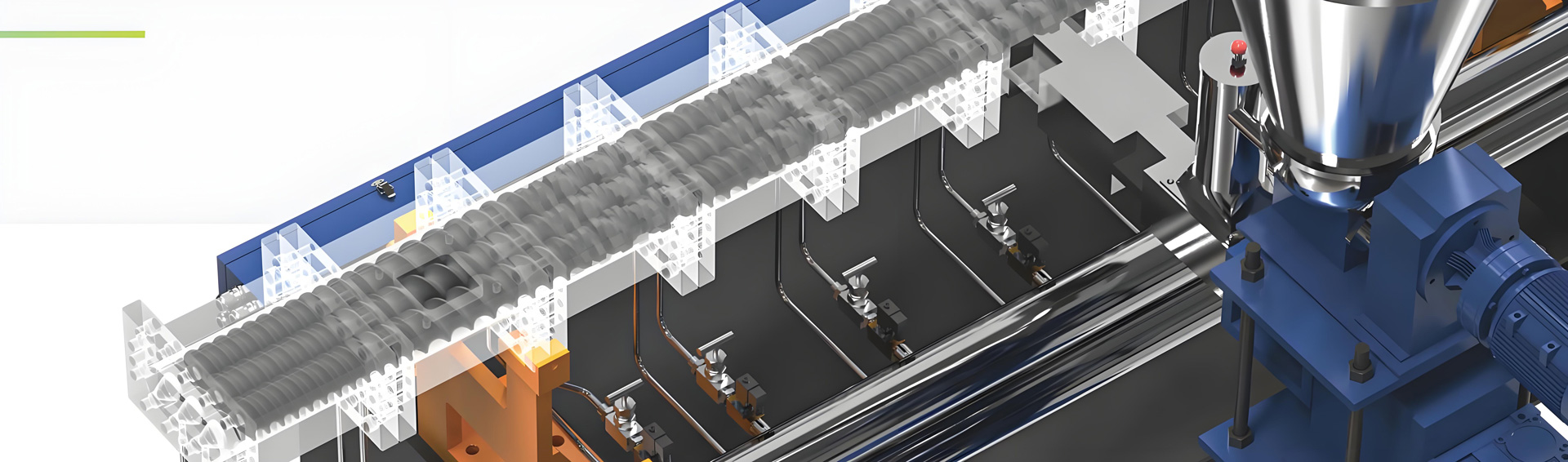
An optimized screw configuration for phenolic-phosphite masterbatch production typically incorporates the following zones in sequence: a solids conveying zone with wide-pitch forward elements that rapidly transport the cold feed into the barrel; a melting and plastification zone where kneading blocks with neutral and forward-conveying configurations generate controlled shear to melt the carrier resin and begin additive incorporation; a primary dispersive mixing zone containing narrow-disc kneading blocks and left-handed elements that create elongational flow fields to break down additive agglomerates to sub-micron particle sizes; a downstream side-feeding zone for incorporating heat-sensitive or low-melting-point components that cannot tolerate the full residence time; and finally a devolatilization zone with vacuum venting to remove moisture, low-molecular-weight volatiles, and entrapped air. The length-to-diameter (L/D) ratio for additive masterbatch compounding typically ranges from 40:1 to 52:1, providing sufficient residence time for complete dispersion while allowing multiple venting and feeding positions.
Temperature Control and Thermal Management
Precise temperature management is non-negotiable in heat stabilizer masterbatch production. The stabilizer additives themselves are designed to protect against thermal degradation, but they have finite thermal stability and can decompose if barrel temperatures exceed their activation thresholds. For phenolic-phosphite systems, melt temperatures are typically maintained between 180°C and 220°C, while the barrel zones are controlled in a progressive profile that brings the material to the target melt temperature by the mixing zone and then holds or slightly reduces temperature through the discharge section. Each barrel zone on a modern twin-screw extruder must offer independent heating and cooling control; heater-cooler combinations using electric cartridge heaters with water cooling provide the fastest response to process deviations. Melt temperature measurement at the die using an immersion thermocouple provides the most reliable indication of actual material thermal conditions, as barrel thermocouple readings can be significantly influenced by barrel heating and cooling activity.
Pelletizing and Post-Processing
After compounding, the molten masterbatch must be converted into free-flowing pellets suitable for downstream handling and feeding. Strand pelletizing — where the melt is formed into strands through a die plate, cooled in a water bath, and cut by a rotating cutter — remains the most common method for heat stabilizer masterbatch production. Strand diameter is typically controlled between 2.5mm and 3.5mm, with water bath temperature maintained at 15°C to 25°C to achieve rapid solidification without introducing thermal shock that could cause strand breakage. Underwater pelletizing offers advantages for higher throughput operations and formulations with low melt strength, producing spherical pellets with excellent flow characteristics that are preferred for automated feeding systems. Die-face pelletizing with hot-face cutting can be used for formulations with high wax or stearate content that would cause die build-up in strand systems. Regardless of the pelletizing method, finished pellets must be dried to below 0.1% moisture content before packaging to prevent hydrolysis of phosphite components and agglomeration during storage.
Processing Parameters and Equipment Specifications
The table below summarizes recommended processing conditions and equipment specifications for producing anti-aging heat stabilizer masterbatches using co-rotating twin-screw extruders across different output ranges. These guidelines are based on compounding polyolefin-based masterbatches with phenolic-phosphite stabilizer systems at typical 25% to 40% active content.
| Parameter | Laboratory Scale | Pilot Production | Medium-Scale Production | Full-Scale Production |
|---|---|---|---|---|
| Target Output Range | 5 – 30 kg/h | 50 – 150 kg/h | 200 – 500 kg/h | 600 – 1200+ kg/h |
| Screw Diameter | 16 – 25 mm | 36 – 52 mm | 65 – 75 mm | 95 – 135 mm |
| L/D Ratio | 40:1 – 48:1 | 44:1 – 52:1 | 44:1 – 52:1 | 48:1 – 56:1 |
| Screw Speed (Typical) | 300 – 600 rpm | 400 – 800 rpm | 500 – 900 rpm | 500 – 1000 rpm |
| Barrel Zones (Typical) | 8 – 10 | 10 – 12 | 12 – 14 | 14 – 16 |
| Melt Temperature Range | 170 – 210 °C | 180 – 220 °C | 180 – 230 °C | 180 – 240 °C |
| Specific Mechanical Energy | 0.15 – 0.25 kWh/kg | 0.18 – 0.28 kWh/kg | 0.20 – 0.30 kWh/kg | 0.22 – 0.32 kWh/kg |
| Residence Time (Estimated) | 30 – 90 s | 40 – 120 s | 45 – 120 s | 45 – 150 s |
| Side Feeder Position | Zone 6 – 7 | Zone 7 – 8 | Zone 8 – 10 | Zone 9 – 12 |
| Vacuum Vent Position | Zone 8 – 9 | Zone 10 – 11 | Zone 12 – 13 | Zone 13 – 15 |
| Recommended Pelletizer | Strand or micro-pelletizer | Strand or underwater | Underwater or strand | Underwater pelletizer |
| Pellet Moisture (Max) | <0.10% | <0.10% | <0.08% | <0.08% |
These parameters represent starting-point conditions that must be optimized for each specific formulation. Variables including carrier resin melt flow index, stabilizer loading percentage, the presence of low-melting-point co-additives, and the particle size distribution of powder ingredients all influence the optimal screw speed, temperature profile, and throughput range. Process development trials at laboratory or pilot scale are essential before scaling to full production, as the thermal history and shear exposure change significantly with screw diameter and throughput. It is also important to note that specific mechanical energy (SME) tends to decrease with increasing screw diameter at equivalent fill levels, so pilot-scale SME values should not be assumed to translate directly to production-scale settings without verification.
Application Industries and Market Outlook for 2026
Anti-aging heat stabilizer masterbatches serve a diverse and expanding range of end markets, each with unique stabilization requirements driven by regulatory standards, processing conditions, and product service life expectations. The following analysis covers the major application sectors and their outlook in 2026.
Automotive and Transportation
The automotive industry remains the largest consumer of high-performance heat stabilizer masterbatches, accounting for approximately 28% of global demand. Under-hood components — including engine covers, air intake manifolds, radiator end tanks, and turbocharger air ducts — are increasingly manufactured from glass-fiber-reinforced polyamides that must withstand continuous operating temperatures of 120°C to 180°C for 3,000 to 5,000 hours. Interior components such as instrument panels and door panels, produced from talc-filled PP and TPO, require stabilization against both thermal aging from solar heating and UV degradation. The 2026 market is driven by continued vehicle lightweighting programs that replace metal components with engineering thermoplastics, creating new stabilization challenges and volume demand for copper-based and amine-type stabilizer masterbatches.
Construction and Building Materials
Construction applications represent approximately 22% of the heat stabilizer masterbatch market. PVC window profiles, siding, decking, and piping demand robust thermal stabilization to survive processing and decades of outdoor exposure. Calcium-zinc stabilizer masterbatches dominate this segment in compliance with REACH and similar regulations, with ongoing formulation development targeting improved early color hold and weatherability. Polyolefin-based geomembranes, roofing membranes, and pipe coatings require stabilization packages that provide 20 to 50 years of service life under combined thermal, UV, and chemical exposure — some of the most demanding stabilization requirements in the industry.
Packaging
Flexible and rigid packaging accounts for approximately 18% of demand. Polypropylene and polyethylene films, sheets, bottles, and containers require heat stabilizer masterbatches that are fully compliant with food-contact regulations including FDA 21 CFR, EU Regulation 10/2011, and specific country-level requirements. The trend toward thinner-gauge films and higher-speed processing lines increases the processing severity, driving demand for more effective phosphite-based processing stabilizers that maintain melt stability at reduced wall thickness and increased throughput rates. The growing adoption of mono-material packaging structures — replacing multi-layer laminates with single-polymer alternatives for recyclability — is creating new stabilization requirements as formerly protected layers become exposed.
Agriculture
Agricultural films — greenhouse covers, mulch films, silage wraps, and irrigation tubing — represent a significant and growing market segment. These applications demand extended UV and thermal stabilization for outdoor exposure periods ranging from one growing season to over five years. The 2026 market is shaped by the transition toward biodegradable mulch films that eliminate post-season retrieval costs, creating new stabilization challenges because biodegradable polymers such as PBAT and PLA have inherently lower thermal stability than conventional polyolefins. Heat stabilizer masterbatches formulated specifically for biodegradable polymer systems represent one of the fastest-growing product development areas in the industry.
Electrical and Electronics
Electrical and electronic applications including connectors, circuit breakers, junction boxes, and appliance housings require stabilization packages that provide long-term thermal aging resistance at elevated continuous-use temperatures, combined with electrical property retention and, increasingly, flame retardancy. Engineering thermoplastics such as polyamide 66, PBT, and polycarbonate dominate this sector, each requiring customized stabilizer masterbatches. The rapid growth of electric vehicle charging infrastructure and battery components is creating new high-temperature application demands above what conventional stabilizer systems can address, driving research into novel stabilizer chemistries and nano-additive approaches.
Textile and Fiber Applications
Polypropylene fiber and filament production for carpets, geotextiles, ropes, and non-wovens requires stabilizer masterbatches with exceptionally fine dispersion characteristics. Any undispersed stabilizer agglomerate larger than approximately 5 microns can cause fiber breakage during high-speed spinning at 2,000 to 4,000 meters per minute. This places extreme demands on masterbatch compounding quality and has led to the development of specialized fiber-grade stabilizer masterbatches produced on twin-screw extruders with enhanced dispersive mixing capability. The textile masterbatch segment, including heat stabilizer grades, continues to grow as synthetic fibers replace natural fibers in performance applications.
How Kerke Compounding Extruders Support Heat Stabilizer Masterbatch Production
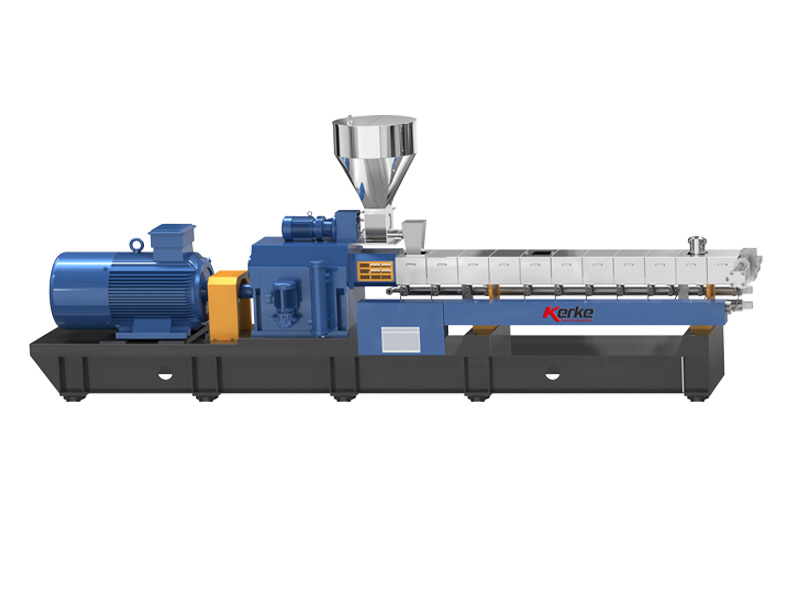
The production of high-quality anti-aging heat stabilizer masterbatch depends fundamentally on the compounding extruder’s ability to achieve uniform additive dispersion, precise temperature control, and consistent throughput under continuous operation. Kerke, a Wanplas factory, has developed its co-rotating twin-screw extruder series specifically to meet the demanding requirements of additive masterbatch compounding, combining robust mechanical engineering with process flexibility that allows manufacturers to optimize for diverse stabilizer formulations.
KTE Series Twin-Screw Extruders: Scalable Production Capability
The Kerke KTE series of parallel co-rotating twin-screw extruders spans a screw diameter range from 16mm to 135mm, covering the complete spectrum from laboratory formulation development through pilot trials to full-scale commercial production. For heat stabilizer masterbatch applications, this scalability is particularly valuable because it allows formulators to begin development on a KTE-16B or KTE-25 laboratory extruder at throughputs as low as 2 to 30 kg/h, conserving expensive stabilizer additives during the optimization phase, before transferring validated processes to production-scale machines such as the KTE-75 or KTE-95 capable of outputs exceeding 500 to 800 kg/h.
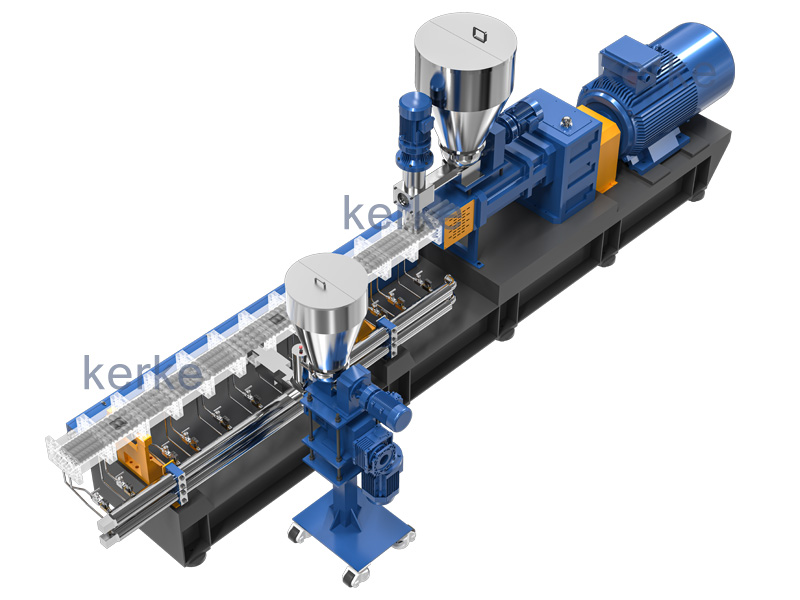
The modular screw design of the KTE series — a feature common to all co-rotating twin-screw extruders but executed to high precision in Kerke machines — enables configuration of kneading block arrangements, conveying element pitch, and mixing zone intensity to match the specific requirements of different stabilizer types. For phenolic-phosphite masterbatch production, screw configurations emphasizing medium-intensity dispersive mixing with moderate specific energy input are preferred, as excessive shear can generate localized hot spots that degrade the phosphite component. The KTE platform’s segmented barrel design with multiple feeding and venting positions supports the incorporation of heat-sensitive co-additives downstream of the main mixing zone, minimizing their thermal exposure time.
Advanced Temperature Control Architecture
Kerke extruders incorporate multi-zone barrel temperature control with independent heating and cooling circuits for each zone, providing the precise thermal management essential for stabilizer masterbatch compounding. The barrel cooling system uses pressurized water circulation with solenoid valve-controlled flow to each zone, achieving more responsive cooling than air-cooled barrel systems and preventing temperature overshoot during screw speed changes or feed rate adjustments. For stabilizer formulations containing low-melting-point additives such as DLTDP thioesters (melting point approximately 40°C), the ability to maintain low barrel temperatures in the feed and early conveying zones while achieving full melting in the mixing zone is critical to prevent additive melting and segregation in the feed throat.
High-Torque Drive Systems for High-Filled Formulations
Heat stabilizer masterbatches with active content exceeding 40% place high torque demands on the extruder drive system, as the high powder loading increases melt viscosity in the mixing zone. Kerke’s KTE series utilizes high-torque gearbox designs with safety factors exceeding 2.0 on rated torque capacity, ensuring reliable operation with filled formulations under continuous 24/7 production schedules. The drive system’s ability to maintain constant screw speed under fluctuating load conditions — a characteristic that distinguishes premium twin-screw extruder drives from commodity alternatives — directly affects pellet quality consistency by preventing feed-rate-induced surging that can cause stabilizer concentration variation between pellets.
Integrated Auxiliary Equipment Solutions
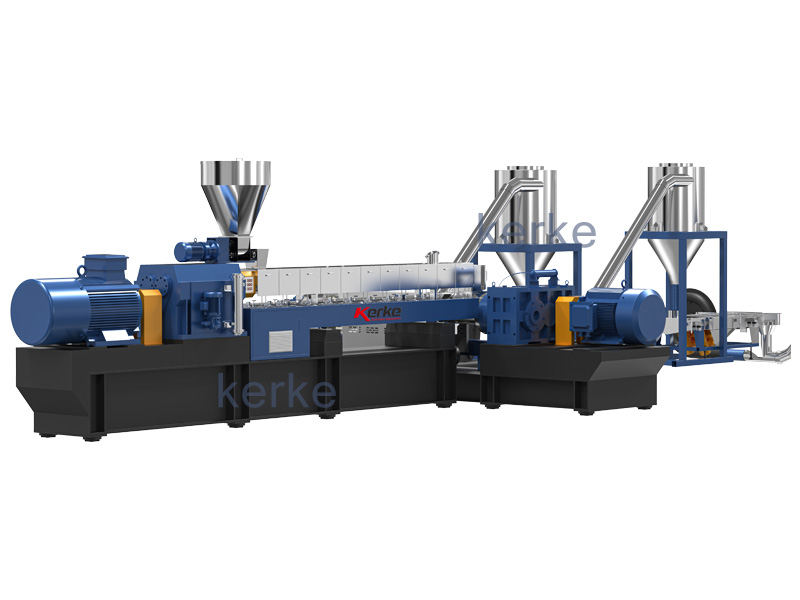
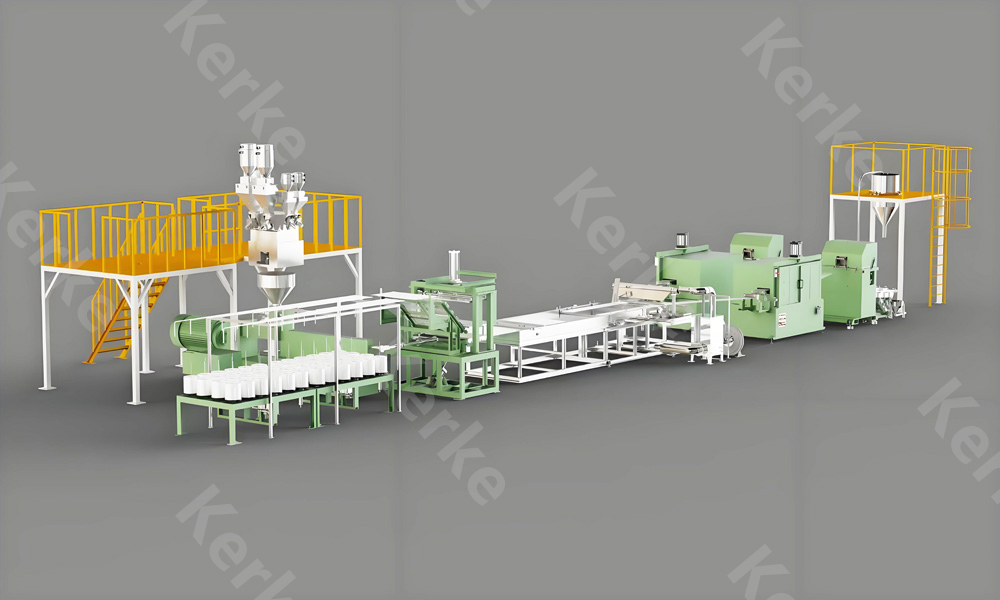
Beyond the extruder itself, efficient heat stabilizer masterbatch production requires properly integrated upstream and downstream equipment. Kerke offers complete compounding lines that include loss-in-weight feeding systems, side feeders for powder and fiber additives, vacuum venting systems with condensate traps for moisture-sensitive formulations, strand pelletizers and underwater pelletizing systems, and post-treatment equipment including pellet classifiers and drying systems. This integrated approach ensures that all line components are matched to the extruder’s throughput capability and process requirements, avoiding the common pitfall where a bottleneck in feeding or pelletizing limits overall line productivity. The company’s commitment to providing annual USD 500 in free spare parts supports operators in maintaining production continuity — a meaningful consideration for masterbatch manufacturers where unscheduled downtime directly impacts customer supply commitments.
Laboratory and Pilot-Scale Development Platform
The KTE laboratory extruder series — including the KTE-16B and KTE-25 — serves as a critical development platform for heat stabilizer masterbatch formulators. These machines allow rapid screening of stabilizer combinations, carrier resins, and additive ratios using as little as 2 to 5 kg of material per trial, dramatically reducing development costs compared to pilot-scale or production-scale trials. The ability to configure laboratory extruders with the same modular screw elements used in production machines — albeit at smaller scale — enables direct process transfer, with scale-up factors primarily governed by geometric similarity and specific energy input rather than requiring fundamental process redesign. With over 2,000 extruders operating in more than 70 countries supported by a team exceeding 100 professionals from a 19,997-square-meter manufacturing facility, Kerke has accumulated the application knowledge to support customers through the entire development-to-production lifecycle for additive masterbatch applications including heat stabilizer, color masterbatch, filler masterbatch, black masterbatch, and textile masterbatch formulations.
As a factory within the Wanplas group — a broader plastics machinery organization — Kerke benefits from shared engineering resources, supply chain integration, and global service infrastructure that enhance its ability to serve the masterbatch compounding industry with reliable, application-optimized extrusion equipment.
Quality Control and Performance Testing Methods
Producing consistent anti-aging heat stabilizer masterbatch requires rigorous quality control throughout the manufacturing process and comprehensive performance testing of the finished product. The following methods represent standard industry practice for ensuring masterbatch quality and predicting performance in end-use applications.
In-Process Quality Monitoring
Real-time process monitoring forms the first line of quality assurance. Melt pressure and melt temperature at the die provide immediate indication of process stability; pressure fluctuations exceeding ±5% typically indicate feeding inconsistency, screw wear, or bridging in the feed throat. Specific energy consumption — calculated from motor power draw and throughput rate — serves as a sensitive indicator of formulation consistency, as changes in stabilizer loading or carrier resin melt viscosity directly affect the energy required to compound the material. Modern compounding lines increasingly employ near-infrared (NIR) spectroscopy installed at the die or on finished pellets for real-time chemical composition verification, enabling detection of formulation deviations within minutes rather than after laboratory analysis.
Dispersion Quality Assessment
The effectiveness of a heat stabilizer masterbatch depends critically on the dispersion quality of the active additives throughout the carrier resin. Poorly dispersed stabilizer agglomerates create concentration gradients that leave some regions of the final polymer article under-stabilized while over-stabilizing others — both outcomes wasting additive cost and compromising product performance. Dispersion quality is assessed through pressure filter testing, in which the molten masterbatch is extruded through a fine screen pack under controlled conditions; the rate of pressure increase indicates the presence and size distribution of undispersed agglomerates. For fiber-grade masterbatches, microscopic examination of thin films at 100x to 400x magnification provides visual confirmation of dispersion quality, with acceptance criteria typically specifying fewer than a defined number of agglomerates per unit area above a threshold particle size.
Thermal Stability Testing
The definitive measure of heat stabilizer masterbatch performance is its ability to protect the polymer against thermal degradation. Oven aging at elevated temperatures — typically 150°C for polypropylene, 100°C to 120°C for polyethylene, and 160°C to 200°C for polyamides — with periodic tensile testing or impact testing at defined intervals provides accelerated aging data that correlates with expected service life. Oxidation induction time (OIT) measured by differential scanning calorimetry (DSC) under oxygen atmosphere at 200°C is the most widely used rapid screening test, with longer OIT values indicating greater stabilizer effectiveness. Multiple extrusion pass testing, in which the stabilized polymer is repeatedly extruded through a single-screw or twin-screw extruder with melt flow index and color measurements taken after each pass, provides a practical assessment of processing stability under conditions simulating recycle and regrind incorporation.
Color and Appearance Evaluation
Visual appearance is a critical quality parameter for many heat stabilizer masterbatch applications. The color of the masterbatch pellets themselves, as well as the color of the let-down compound after processing, must meet tight specifications. Spectrophotometric measurement using CIE L*a*b* color space with Delta-E tolerances typically below 1.0 for masterbatch pellets and below 2.0 for let-down compounds ensures lot-to-lot consistency. Yellowness index measurement according to ASTM E313 is particularly important for phenolic-stabilized systems, as phenolic oxidation products can impart a yellow tint that becomes visually apparent at very low concentrations in white or transparent applications.
Physical Property Testing
Finished masterbatch pellets must meet physical specifications that ensure trouble-free handling in downstream operations. Pellet size distribution should be tightly controlled, with over 95% of pellets falling within the target size range. Bulk density, typically 500 to 650 kg/m³ for polyolefin-based masterbatches, affects feeder calibration and must be consistent between batches. Moisture content below 0.10% is essential for phosphite-containing masterbatches, as moisture accelerates phosphite hydrolysis during storage. Melt flow index of the masterbatch should be controlled within a defined range to ensure compatibility with the base polymer during let-down; excessive melt flow index difference between masterbatch and base polymer can cause dispersion problems in single-screw processing equipment.
Regulatory Compliance Verification
For heat stabilizer masterbatches destined for food-contact, medical, or toy applications, regulatory compliance testing is mandatory and must be documented. This includes verification that all stabilizer components and their use levels are within positive lists under applicable regulations, extractables testing to confirm that migration limits are met, and heavy metals analysis to ensure compliance with limits such as those specified in EU Directive 94/62/EC for packaging. The complexity and cost of regulatory compliance favor working with established masterbatch producers and equipment suppliers who can provide the necessary documentation and technical support.
Frequently Asked Questions
What is the typical let-down ratio for anti-aging heat stabilizer masterbatch?
Let-down ratios vary depending on the active stabilizer concentration in the masterbatch and the protection level required for the specific application. For general-purpose polyolefin applications, masterbatches with 25% to 40% active content are typically let down at 2% to 4%, delivering 0.05% to 0.16% active stabilizer in the final article. For demanding applications such as automotive under-hood components or hot-water pipes, higher let-down ratios of 4% to 8% may be specified. It is essential to follow the masterbatch supplier’s recommendation, as both under-stabilization and over-stabilization can cause problems — the former leading to premature failure and the latter potentially causing plate-out, mold deposit, or interaction with other additives.
Can heat stabilizer masterbatches be combined with color masterbatches?
Yes, heat stabilizer and color masterbatches are routinely combined in the same polymer system, but compatibility testing is essential. Some organic pigments and certain inorganic pigments — particularly those containing manganese, iron, or copper — can interact with phenolic antioxidants and phosphites, reducing stabilizer effectiveness or causing color shifts. Titanium dioxide, the most common white pigment, generally shows good compatibility. The masterbatch supplier should provide compatibility data for their specific formulations, and it is advisable to conduct oven aging tests on the combined system rather than assuming additive independence.
How should heat stabilizer masterbatches be stored to maintain quality?
Proper storage is critical for maintaining masterbatch quality, especially for phosphite-containing formulations that are sensitive to moisture. Masterbatch bags should be kept sealed until use, stored in a dry environment at temperatures below 35°C, and protected from direct sunlight. Opened bags should be consumed within the timeframe recommended by the supplier, typically 24 to 72 hours depending on ambient humidity. For high-humidity production environments or extended storage periods, pre-drying at 60°C to 80°C for 2 to 4 hours before use is advisable. Silica gel desiccant packs in sealed packaging provide additional protection against moisture ingress during transportation and warehousing.
What are the key differences between single-screw and twin-screw extruders for heat stabilizer masterbatch compounding?
Twin-screw extruders, specifically co-rotating intermeshing designs, are strongly preferred for heat stabilizer masterbatch production. The modular screw configuration allows optimization of dispersive and distributive mixing zones for specific formulations, something not possible with single-screw extruders. Twin-screw machines provide more uniform shear across the melt stream, reducing the risk of localized overheating that could degrade sensitive stabilizer components. The ability to incorporate multiple feeding positions for staged addition of heat-sensitive additives also favors twin-screw designs. Single-screw extruders are generally limited to lower active-content masterbatches or formulations where dispersive mixing requirements are minimal.
How do I evaluate whether my current heat stabilizer masterbatch is performing adequately?
Several diagnostic tests can indicate whether heat stabilization is adequate. An oxidation induction time (OIT) test by DSC provides a rapid, quantitative measure of stabilizer effectiveness; declining OIT values in successive production lots may indicate stabilizer under-dosing or degradation during processing. Monitoring melt flow index change during processing — an increase of more than 20% from virgin to processed material often indicates inadequate stabilization for polypropylene. For PVC applications, yellowness index measurement after dynamic thermal stability testing in a torque rheometer is the standard evaluation method. Visual inspection for discoloration, surface cracking, or embrittlement in aged parts remains a practical, low-cost monitoring method that should be part of any quality program.
Are there environmentally friendly alternatives to traditional heat stabilizer systems?
The industry has made significant progress in developing more sustainable stabilizer solutions. For PVC, the transition from lead-based stabilizers to calcium-zinc systems represents one of the most impactful environmental improvements in the plastics additives sector. Bio-based phenolic antioxidants derived from natural sources such as tocopherols (vitamin E) and lignin are emerging for limited applications where their performance can meet requirements, though they currently have lower thermal stability than synthetic hindered phenols. Recycled-content polymers may carry residual stabilizer from their first life, allowing some reduction in fresh stabilizer addition — though this must be verified by testing, as stabilizer depletion during prior processing and use is unpredictable. The masterbatch form itself represents an environmental benefit by reducing additive dust and improving dosing accuracy, which minimizes over-stabilization and additive waste.
What role does the carrier resin play in heat stabilizer masterbatch performance?
The carrier resin is far more than an inert vehicle for additives. It determines the masterbatch’s melt viscosity, which must be compatible with the base polymer to ensure good distributive mixing during let-down. A carrier resin with melt flow index significantly different from the base polymer can cause dispersion problems in single-screw processing equipment. The carrier resin also influences pellet integrity — too soft a carrier leads to pellet deformation and fines generation during pneumatic conveying, while too brittle a carrier causes pellet fracture. For food-contact applications, the carrier resin itself must meet applicable regulatory requirements. Most heat stabilizer masterbatches use LDPE, LLDPE, or PP homopolymer carriers selected to match the primary polymer in the target application.
Conclusion
Anti-aging heat stabilizer masterbatches represent a critical enabling technology for the polymer processing industry in 2026. They provide the thermal protection that allows thermoplastics to survive the rigors of high-temperature compounding, extrusion, and molding while delivering decades of reliable service life in finished products ranging from automotive components to food packaging. The science of thermal stabilization has matured to the point where multi-component synergistic stabilizer packages can be precisely formulated to match specific polymer systems, processing conditions, and end-use environments — but realizing this performance depends equally on the quality of the masterbatch compounding process.
Successful heat stabilizer masterbatch production requires careful attention to raw material selection, screw design optimization, precise temperature control, and rigorous quality testing. The equipment platform on which the masterbatch is compounded directly determines dispersion quality, production efficiency, and product consistency. Co-rotating twin-screw extruders with modular screw configurations, multi-zone independent temperature control, and high-torque drive capability provide the process flexibility and reliability that the demanding additive masterbatch sector requires.
For masterbatch manufacturers evaluating compounding equipment for anti-aging stabilizer applications, Kerke — operating as a Wanplas factory with more than 12 years of twin-screw extruder manufacturing experience — offers KTE series extruders spanning the complete output range from laboratory development to full-scale production. The combination of scalable equipment platforms, application-specific screw design capability, integrated auxiliary line solutions, and global service support from a 19,997-square-meter facility with over 100 team members positions Kerke as a capable partner for masterbatch compounding operations worldwide. With more than 2,000 extruders operating across over 70 countries, the company’s track record in supporting additive masterbatch, color masterbatch, filler masterbatch, black masterbatch, textile masterbatch, and a full spectrum of polymer compounding applications — including engineering plastics, biodegradable plastics, cable compounding, PVC compounding, thermoplastic elastomers, and WPC composites — provides the application depth that complex stabilization challenges demand.
As regulatory requirements tighten around additive safety and sustainability, and as polymer processing temperatures increase to accommodate higher-throughput production, the demand for precisely engineered heat stabilizer masterbatches produced on optimized compounding equipment will only continue to grow. Investment in high-quality compounding machinery and process expertise today positions masterbatch producers to meet the evolving needs of the global polymer industry through 2030 and beyond.