Introduction
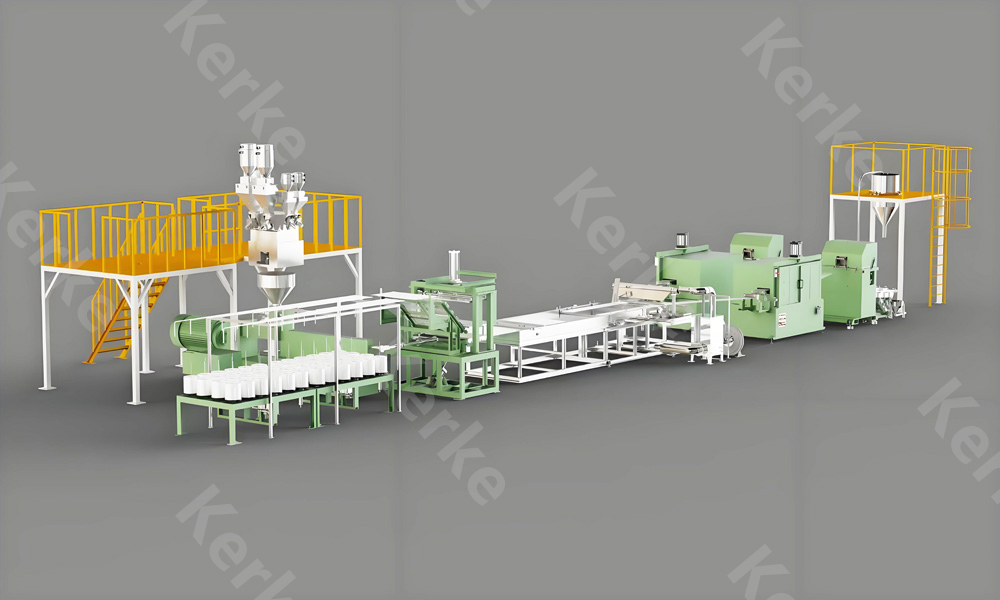
Twin screw extruders are essential machines in the plastics industry, used for a wide range of applications including compounding, masterbatch production, and plastic recycling. To ensure the long service life and optimal performance of these machines, regular maintenance is crucial. This guide will provide you with a comprehensive overview of the key maintenance tasks and best practices for twin screw extruders, helping you minimize downtime, reduce repair costs, and extend the lifespan of your equipment.
Understanding Twin Screw Extruders
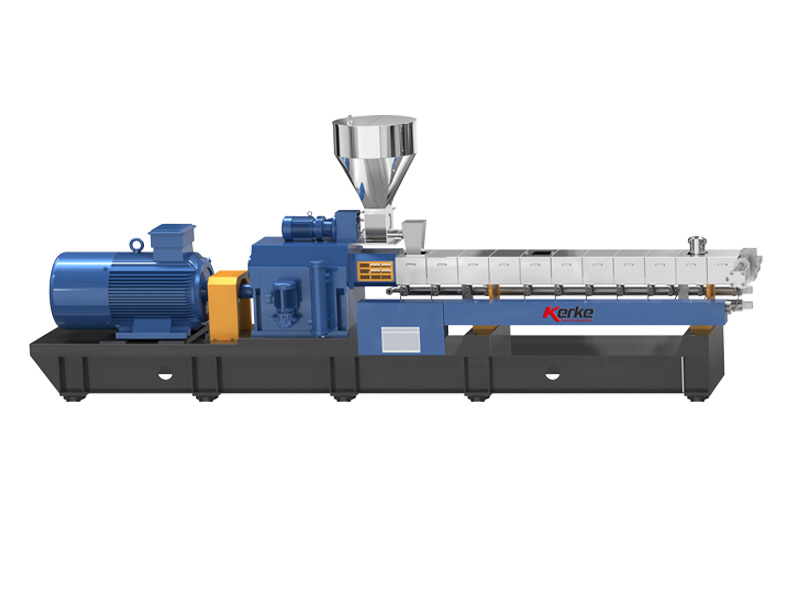
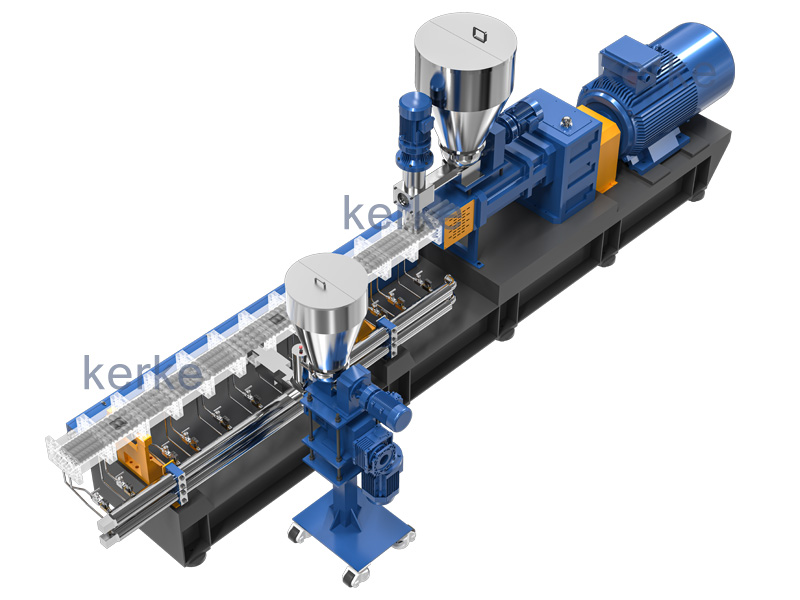
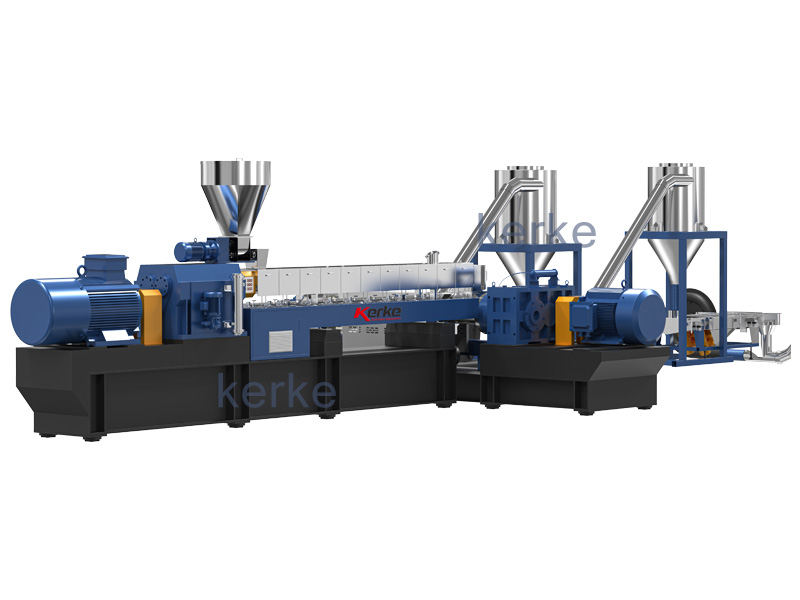
Twin screw extruders consist of two intermeshing screws that rotate within a heated barrel. The screws can be co-rotating (both rotating in the same direction) or counter-rotating (rotating in opposite directions), each offering unique advantages for different materials and processes. The screws are responsible for conveying, melting, mixing, and pressurizing the material, while the barrel provides the necessary heat and temperature control. Over time, the screws and barrel can experience wear and tear due to friction, corrosion, and exposure to abrasive materials. Regular maintenance is essential to prevent premature failure and ensure the continued reliability of the extruder.
Key Maintenance Tasks for Twin Screw Extruders
1. Regular Inspection and Cleaning
Regular inspection and cleaning are the foundation of twin screw extruder maintenance. Inspect the screws, barrel, and other components for signs of wear, damage, or contamination. Look for signs of excessive wear on the screw flights, kneading blocks, and other elements, as well as any cracks, scratches, or corrosion on the barrel surface. Clean the screws and barrel after each production run to remove any residual material that could harden and cause damage. Use a suitable cleaning agent and a soft brush or cloth to avoid scratching the surfaces. Additionally, clean the feed hopper, vents, and other components to ensure proper material flow and prevent blockages.
2. Lubrication of Moving Parts
Lubrication is essential to reduce friction and wear on the moving parts of the twin screw extruder. The gearbox, bearings, and other rotating components should be lubricated regularly according to the manufacturer’s recommendations. Use a high-quality lubricant that is compatible with the materials and operating conditions of the extruder. Over-lubrication can lead to contamination of the material, while under-lubrication can cause excessive wear and premature failure. Monitor the lubricant levels and condition regularly, and replace the lubricant as needed.
3. Replacement of Worn Components
Over time, the screws, barrel, and other components of the twin screw extruder will wear out and need to be replaced. The frequency of replacement depends on factors such as the type of material being processed, the operating conditions, and the quality of the components. Regular inspection will help you identify worn components before they cause significant damage to the extruder. When replacing components, use genuine parts from the manufacturer to ensure compatibility and performance. Additionally, follow the manufacturer’s installation instructions to ensure proper alignment and assembly of the new components.
4. Calibration and Adjustment of Process Parameters
Regular calibration and adjustment of the process parameters are essential to ensure consistent and reliable performance of the twin screw extruder. The temperature, pressure, screw speed, and other parameters should be calibrated regularly to ensure that they are within the specified range. Use a calibrated thermometer, pressure gauge, and other measuring instruments to verify the accuracy of the process parameters. Adjust the parameters as needed to optimize the processing conditions and ensure the quality of the final product. Additionally, monitor the process parameters during production to detect any deviations and make adjustments as necessary.
5. Maintenance of Electrical and Control Systems
The electrical and control systems of the twin screw extruder are critical for its operation and performance. Regular maintenance of these systems is essential to prevent electrical failures, malfunctions, and safety hazards. Inspect the electrical wiring, connectors, and components for signs of wear, damage, or loose connections. Clean the control panel and sensors to ensure proper operation and prevent contamination. Additionally, test the safety interlocks and emergency stop systems regularly to ensure that they are functioning correctly. If any issues are detected, contact a qualified electrician or technician for repairs.
6. Preventive Maintenance Schedule
Establishing a preventive maintenance schedule is essential to ensure that all maintenance tasks are performed regularly and in a timely manner. The schedule should include daily, weekly, monthly, and annual maintenance tasks, as well as specific tasks that need to be performed after a certain number of operating hours or production runs. Follow the manufacturer’s recommendations for the maintenance schedule, and adjust it as needed based on the operating conditions and performance of the extruder. Keep a detailed record of all maintenance activities, including the date, time, and type of maintenance performed, as well as any parts replaced or adjustments made. This record will help you track the performance of the extruder and identify any potential issues before they become major problems.
Best Practices for Twin Screw Extruder Maintenance
1. Train Your Operators
Proper training of the operators is essential to ensure that they understand the importance of maintenance and know how to perform the necessary tasks. Provide your operators with comprehensive training on the operation and maintenance of the twin screw extruder, including how to inspect, clean, and lubricate the machine, as well as how to identify and report any issues or problems. Encourage your operators to take ownership of the maintenance of the extruder and to follow the established maintenance procedures.
2. Use High-Quality Materials and Lubricants
Using high-quality materials and lubricants is essential to ensure the long service life and optimal performance of the twin screw extruder. Use materials that are compatible with the extruder and the processing conditions, and avoid using materials that are abrasive, corrosive, or contain contaminants. Additionally, use high-quality lubricants that are specifically designed for the extruder and the operating conditions. Using low-quality materials or lubricants can cause excessive wear and tear on the extruder components, leading to premature failure and increased maintenance costs.
3. Monitor the Performance of the Extruder
Regular monitoring of the performance of the twin screw extruder is essential to detect any potential issues or problems before they cause significant damage. Monitor the process parameters, such as temperature, pressure, screw speed, and torque, to ensure that they are within the specified range. Additionally, monitor the quality of the final product to ensure that it meets the required standards. If any deviations are detected, investigate the cause and take corrective action as needed. Use data logging and analysis tools to track the performance of the extruder over time and identify any trends or patterns that could indicate potential issues.
4. Work with a Reliable Maintenance Service Provider
Working with a reliable maintenance service provider can help you ensure that your twin screw extruder is properly maintained and serviced. Choose a service provider that has experience and expertise in the maintenance of twin screw extruders, and that offers comprehensive maintenance services, including inspection, cleaning, lubrication, repair, and replacement of components. Additionally, look for a service provider that offers emergency repair services and has a fast response time to minimize downtime. Establish a long-term relationship with the service provider to ensure that they are familiar with your extruder and your maintenance requirements.
Why Choose Kerke for Twin Screw Extruder Maintenance
Kerke is a leading manufacturer of twin screw extruders, with over 12 years of experience in the industry. We not only provide high-quality extruders but also offer comprehensive maintenance services to help you keep your equipment running at peak performance. Here are some of the key advantages of choosing Kerke for twin screw extruder maintenance:
1. Expertise and Experience
Our team of experienced technicians has extensive knowledge and expertise in the maintenance of twin screw extruders. They are trained to identify and diagnose any issues or problems with the extruder and to provide effective solutions to ensure the continued reliability of the machine. We have worked with a wide range of extruders and materials, and we understand the unique maintenance requirements of each type of extruder.
2. Genuine Parts and Components
We only use genuine parts and components from the manufacturer to ensure compatibility and performance. Our parts are made of high-quality materials and are designed to meet the exact specifications of the extruder. Using genuine parts ensures that the extruder operates at peak performance and reduces the risk of premature failure.
3. Comprehensive Maintenance Services
We offer a comprehensive range of maintenance services for twin screw extruders, including inspection, cleaning, lubrication, repair, and replacement of components. Our services are tailored to meet the specific needs of your extruder and your production requirements. We also offer preventive maintenance programs to help you establish a regular maintenance schedule and ensure that all maintenance tasks are performed in a timely manner.
4. Fast Response Time
We understand that downtime can be costly for your business, which is why we offer fast response times for emergency repair services. Our technicians are available 24/7 to provide assistance and to minimize the downtime of your extruder. We also offer on-site maintenance services to ensure that the repairs are performed quickly and efficiently, minimizing the disruption to your production process.
5. Competitive Pricing
We offer competitive pricing for our maintenance services, ensuring that you get the best value for your money. Our pricing is transparent and includes all the necessary parts and labor, with no hidden fees or charges. We also offer flexible payment options to help you manage your budget.
Conclusion
Regular maintenance is essential to ensure the long service life and optimal performance of twin screw extruders. By following the key maintenance tasks and best practices outlined in this guide, you can minimize downtime, reduce repair costs, and extend the lifespan of your equipment. Working with a reliable maintenance service provider like Kerke can help you ensure that your extruder is properly maintained and serviced, providing you with peace of mind and the confidence that your production process will run smoothly. Whether you are a small-scale producer or a large-scale industrial manufacturer, investing in the maintenance of your twin screw extruder is a wise decision that will pay off in the long run.