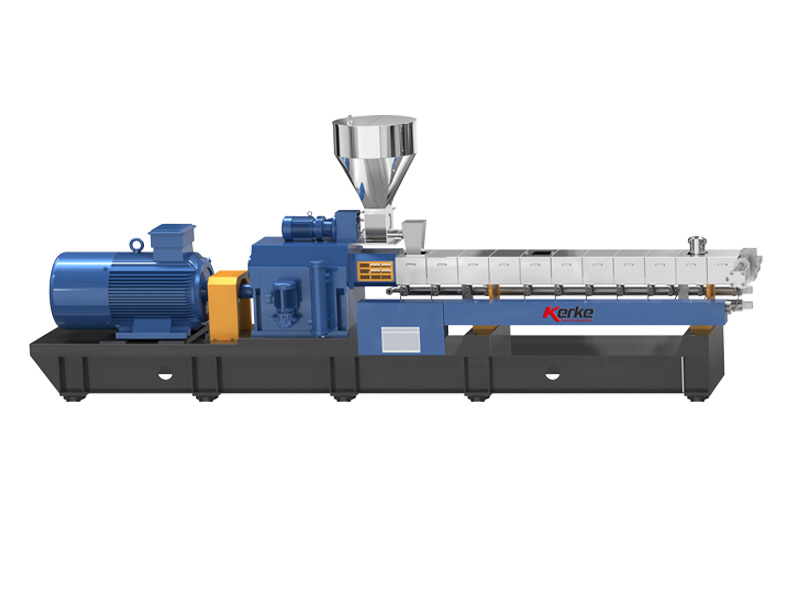
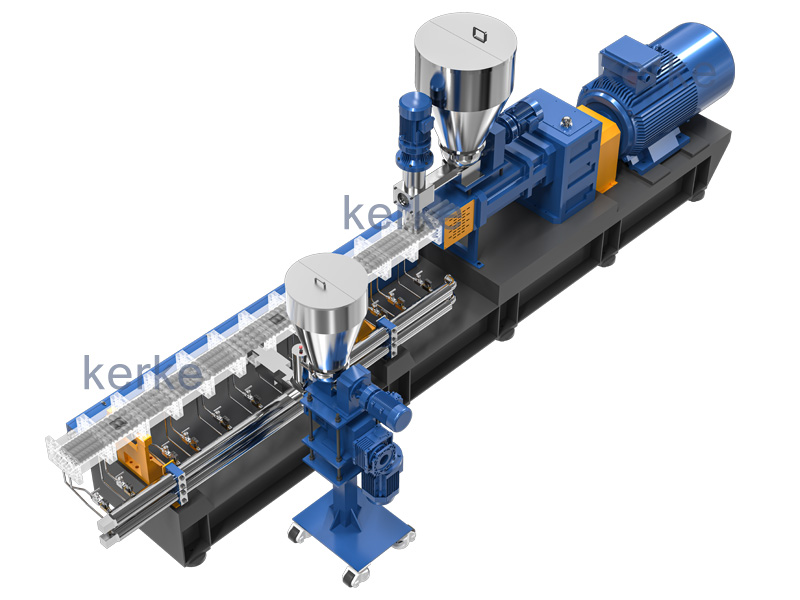
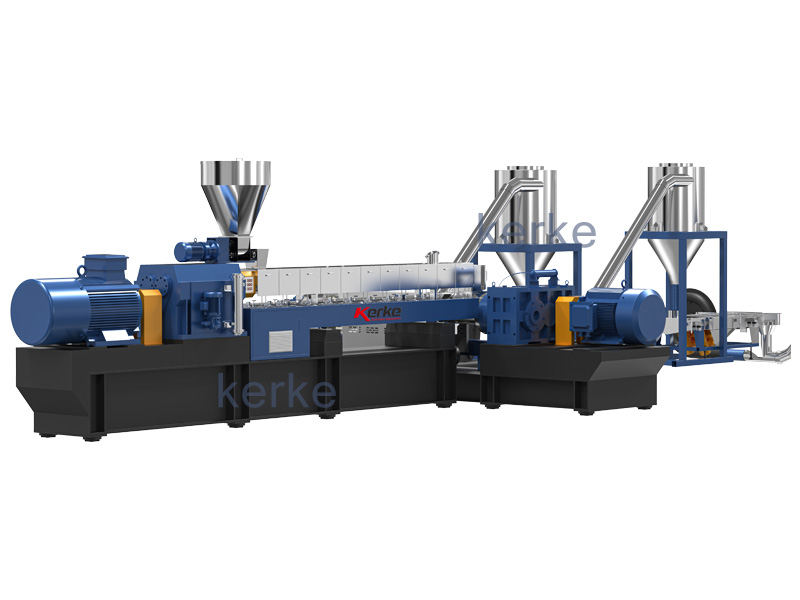
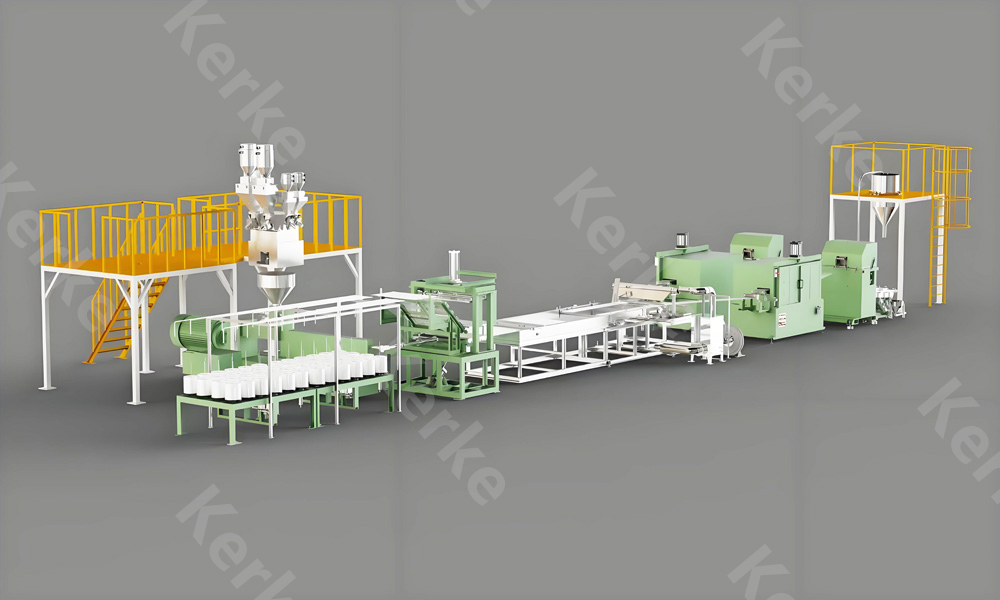
Professional masterbatch extruder machines represent substantial capital investments that require consistent maintenance attention to preserve their productive capabilities. The compounding extrusion process subjects equipment to demanding operating conditions including high temperatures, mechanical stress, and material abrasion. Without proper daily maintenance, even the highest quality twin screw extruder experiences performance degradation that affects product quality, production efficiency, and equipment longevity. Establishing comprehensive daily maintenance routines protects manufacturing investments and ensures consistent production quality.
Maintenance programming for compounding extruders balances thoroughness with practicality. Excessive maintenance wastes productive time without proportional benefit, while inadequate maintenance allows degradation that leads to quality problems and equipment failures. Effective daily maintenance focuses on critical parameters that most significantly impact production outcomes and equipment condition. This guide provides detailed procedures that enable maintenance personnel to preserve extruder performance day after day.
Essential Pre-Shift Inspection Procedures
Pre-shift inspections identify developing problems before they cause production disruptions or quality issues. These systematic examinations verify that equipment condition remains satisfactory for continued operation. Pre-shift inspections require modest time investment while providing valuable assurance that production can proceed safely and effectively.
Visual Examination of Equipment Condition
Daily visual inspection begins with systematic examination of equipment exterior condition. Inspectors should verify that all machine guards remain properly installed and undamaged. Guard condition directly affects operator safety, and any missing or compromised guards require immediate attention before production continues. Visual inspection should also identify obvious damage, unusual wear patterns, or material accumulation that might indicate developing problems.
The extrusion die and downstream equipment require particular attention during visual inspection. Die buildup indicates material degradation or contamination that affects product quality. Worn die lips create dimensional variations in extruded product. Water cooling lines should be examined for leaks or blockages that could affect temperature control. Belt drives and couplings should show no signs of damage or misalignment. Documenting visual inspection results creates a record that supports maintenance planning and problem diagnosis.
Temperature and Pressure System Verification
Temperature control system verification ensures that thermal management remains accurate before production begins. Checking each barrel zone temperature against its setpoint identifies control problems that might escape notice during normal operation. Temperature deviations exceeding a few degrees indicate control system problems that require investigation before production continues. Thermocouple condition and heater band operation should be verified as potential sources of temperature control problems.
Pressure monitoring provides insight into system condition and processing stability. Normal pressure readings indicate proper material flow and barrel filling. Abnormal pressure readings may indicate material accumulation, screw wear, or feed system problems. Recording pressure readings during startup creates a baseline for comparison with subsequent production runs. Significant pressure changes from established baselines warrant investigation to identify root causes.
Material Feed System Checks
Feed system verification ensures that material supply remains adequate and accurate throughout production. Hopper levels should be verified and filled as necessary to prevent running empty during production. Loss-in-weight feeder calibration status should be confirmed before beginning production. Feeder condition directly impacts formulation accuracy that affects product quality consistency.
Material feeding equipment requires verification of proper operation and settings. Variable frequency drive settings for feeders should match production requirements. Agitator operation in hoppers should be verified to ensure consistent material flow. Any material bridging or ratholing observed during inspection requires correction to ensure reliable feeding. Feed system problems propagate through the entire production process, making thorough pre-shift verification essential for quality assurance.
Critical Lubrication Maintenance Procedures
Lubrication maintenance preserves mechanical components and prevents premature wear that degrades equipment performance. Twin screw extruders incorporate multiple lubrication points that require regular attention. Proper lubrication extends equipment life and maintains the precision tolerances necessary for quality production.
Gearbox Oil Quality and Level Maintenance
Gearbox lubrication requires daily verification of oil level and condition. Oil level should be checked using the sight glass or dipstick provided by equipment manufacturers. Low oil levels indicate consumption or leakage that requires attention. Oil condition can be assessed visually for color changes, contamination, or water presence. Dark or contaminated oil should be scheduled for replacement rather than continued use.
Oil analysis provides more detailed assessment of gearbox condition for facilities with appropriate capabilities. Oil sample analysis identifies wear particles that indicate component degradation. Spectroscopic analysis identifies specific metals present, enabling diagnosis of which components are wearing. Regular oil analysis enables predictive maintenance that addresses wear before catastrophic failure occurs. Most masterbatch production facilities should perform oil analysis quarterly or as recommended by equipment manufacturers.
Screw Bearings and Drive System Lubrication
Screw bearings require appropriate lubrication to support heavy radial and thrust loads during extrusion. Bearing housing oil levels should be verified daily during production. Unusual bearing temperatures detected through touch or infrared measurement may indicate lubrication problems. Vibration analysis can identify bearing problems developing before they cause production disruptions.
Drive motor bearings typically use grease lubrication that requires periodic replacement. Grease type and replacement intervals should follow equipment manufacturer recommendations. Over-greasing causes as many problems as under-greasing, so maintenance personnel should follow established procedures carefully. Recording lubrication maintenance activities creates documentation that supports maintenance scheduling and troubleshooting.
Barrel Bushing and Slide Bearing Maintenance
Some extruder designs incorporate barrel bushings or slide bearings that require specific lubrication attention. Bronze bushings in the barrel barrel barrel barrel barrel barrel barrel barrel barrel barrel barrel barrel barrel barrel barrel barrel barrel barrel barrel barrel barrel barrel support housing require regular oil application to prevent wear. Inspection of bushing condition during maintenance shutdowns identifies wear that requires attention.
Lubrication schedules for bushing systems should account for production intensity and operating conditions. High-temperature operation accelerates lubricant degradation and consumption. Heavy production loads increase bearing stress and lubrication requirements. Maintenance records should track lubrication frequency and any observations regarding bearing condition. Proactive bushing maintenance prevents the seizing and damage that would require major repairs.
Barrel and Screw Cleaning Procedures
Material residue accumulation affects extrusion performance and product quality. Regular cleaning removes material buildup that could contaminate subsequent production. Cleaning frequency depends on formulation characteristics, with some materials requiring more frequent attention than others.
Purging Protocols for Material Changes
Material changeovers require thorough purging to prevent contamination between different formulations. Purging compounds designed for specific applications provide effective residue removal. The purging compound selection should match the materials being changed to ensure compatibility and effectiveness. Proper purging procedure includes running purging compound through the system, allowing adequate soak time, and purging again to remove dissolved residue.
Purging compound quantity depends on system size and contamination sensitivity. Smaller extruders like the KTE-36B require less purging compound than larger production models. Color-sensitive applications may require additional purging to ensure complete color removal. Documenting purging procedures ensures consistent results across different operators and production runs. Effective purging prevents customer complaints that result from product contamination.
Color Change Best Practices
Color changes present particular cleaning challenges due to pigment contamination concerns. Dark-to-light color transitions require exceptional cleaning diligence to prevent contamination showing through subsequent light-colored products. Some manufacturers dedicate specific equipment to specific color families to minimize cleaning requirements. For applications requiring frequent color changes, this dedicated equipment approach may prove economical.
Color purging compounds containing abrasive components can accelerate barrel and screw cleaning. However, abrasive compounds also accelerate wear of processing equipment components. The appropriate balance between cleaning effectiveness and wear acceleration requires consideration of specific application requirements. Regular inspection of screw and barrel condition helps identify whether purging practices are causing accelerated wear.
Scheduled Deep Cleaning Procedures
Beyond routine purging, scheduled deep cleaning addresses accumulated material that routine purging cannot remove. Deep cleaning intervals depend on production volume and material characteristics. Some facilities perform deep cleaning weekly, while others schedule monthly or quarterly cleaning shutdowns. Deep cleaning typically requires screw removal and manual cleaning of barrel internals.
Deep cleaning procedures should include inspection of screw elements, barrel barrel barrel barrel barrel barrel barrel barrel barrel barrel barrel barrel barrel barrel barrel barrel barrel barrel barrel surfaces, and wear components. Material accumulation patterns provide insight into processing conditions and potential problems. Complete cleaning documentation supports maintenance planning and regulatory compliance where applicable.
Wear Component Inspection and Replacement
Wear progressively degrades extruder performance and product quality. Regular inspection identifies wear levels that require component replacement. Proactive replacement of worn components maintains processing quality and prevents catastrophic failures that cause extended production downtime.
Screw Element Wear Assessment
Screw elements experience wear from material abrasion and mechanical stress during compounding extrusion. Flight wear reduces material transport efficiency and increases backflow. Kneading block wear reduces mixing effectiveness that directly impacts product quality. Regular dimensional inspection of screw elements enables tracking of wear rates and prediction of replacement timing.
Wear inspection should include measurement of flight thickness at multiple locations along each screw element. Comparative measurements against new element specifications identify wear levels. Particular attention should focus on kneading block edges and disk surfaces that experience the most intensive mixing contact. Inspection frequency should increase as elements approach replacement thresholds. Maintaining spare screw elements enables quick replacement when wear reaches unacceptable levels.
Barrel Liner Wear Evaluation
Barrel liners experience wear from material abrasion similar to screw elements. Liner wear creates increased clearance that reduces mixing efficiency and increases backflow. Visual inspection during maintenance access enables assessment of liner condition. Measurements of barrel internal diameter at multiple locations identify wear distribution and levels.
Liner wear patterns often indicate processing problems that accelerate wear rates. Localized wear in specific barrel zones may indicate material accumulation or temperature control problems. Addressing root causes of accelerated wear extends liner service life. When liners reach wear limits, professional rebuilding or replacement restores original processing capability.
Seal and Bearing Wear Monitoring
Sealing systems prevent material leakage and contamination in extrusion equipment. Seal wear creates leakage paths that affect production efficiency and product quality. Regular inspection of seal condition identifies wear requiring replacement. Seal replacement typically requires disassembly of feed throat or barrel flanges, often scheduled during other maintenance activities.
Bearing wear affects equipment operation in ways that may not be immediately apparent. Increased drive motor current indicates bearing problems increasing mechanical load. Unusual vibration suggests bearing wear or lubrication problems. Regular vibration analysis enables early detection of bearing problems before they cause production disruptions. Bearing replacement timing should balance component cost against failure risk and production impact.
Kerke KTE Series Maintenance Considerations
The Kerke KTE series twin screw extruders incorporate design features that support maintenance efficiency and equipment longevity. Understanding model-specific maintenance requirements helps operators preserve equipment capability across the KTE range from compact production models to ultra-high volume systems.
KTE-36B and KTE-50B Maintenance Essentials
The smaller KTE models offer maintenance advantages due to their compact size and accessibility. Component weights facilitate handling without specialized equipment for most maintenance activities. The KTE-36B priced at $25,000 to $35,000 and KTE-50B priced at $40,000 to $60,000 represent accessible investments that nonetheless benefit from professional maintenance practices. Daily inspections of these models require less time than larger equipment due to their simpler configuration.
Standard maintenance procedures apply to these models with appropriate scaling for their production capacity. Oil volumes and lubricant quantities scale with equipment size. Screw element replacement requires less physical effort than larger models. The compact design enables thorough visual inspection of most components during routine maintenance. These advantages make smaller KTE models excellent choices for operations with limited maintenance resources.
KTE-65B and KTE-75B Maintenance Planning
The mid-size KTE-65B priced at $50,000 to $80,000 and KTE-75B priced at $70,000 to $100,000 require more substantial maintenance planning. These models process significant production volumes that justify investment in comprehensive maintenance programs. Component weights require appropriate handling equipment for safe maintenance procedures. Lubricant volumes and replacement intervals scale with production throughput.
Maintenance scheduling for these models should account for production demands. Planned maintenance during production shifts minimizes equipment downtime. Adequate spare parts inventory prevents delays waiting for replacement components. Maintenance training for operating personnel reduces dependence on external service support for routine procedures. Professional maintenance investment protects the substantial capital represented by these production systems.
KTE-95D Ultra-High Volume System Maintenance
The KTE-95D priced at $120,000 to $200,000 represents the largest investment in the KTE series and warrants corresponding maintenance attention. High production throughput generates accelerated wear that maintenance programs must address. Component sizes require specialized handling equipment and trained maintenance personnel. Preventive maintenance investment provides exceptional return given the production value protected.
Maintenance programs for KTE-95D systems should include condition monitoring technologies that provide early problem detection. Vibration analysis, oil analysis, and thermal imaging support predictive maintenance that minimizes unexpected downtime. Spare parts inventory should include high-wear items such as screw elements and seals. Professional maintenance contracts with equipment suppliers may provide economical access to specialized expertise for these complex systems.
Operator Training and Maintenance Culture
Effective maintenance requires knowledgeable operators who understand equipment requirements and take ownership of equipment condition. Technical training programs develop maintenance skills and knowledge that operators need to perform daily maintenance effectively. Maintenance culture influences how thoroughly personnel perform their responsibilities and how they respond to developing problems.
Technical Training Program Development
Technical training should cover equipment operation, maintenance procedures, and troubleshooting techniques. Equipment manufacturer training programs provide foundational knowledge specific to each extruder model. Hands-on training where operators practice maintenance procedures builds practical skills. Understanding how equipment functions enables operators to recognize abnormal conditions that might escape untrained observers.
Training documentation should include maintenance procedures, checklists, and troubleshooting guides. Visual aids such as diagrams and photographs support understanding of maintenance tasks. Regular refresher training maintains skill levels and introduces new maintenance techniques. Training records demonstrate compliance with quality system requirements and support continuous improvement efforts.
Maintenance Documentation and Record Keeping
Maintenance documentation creates records that support troubleshooting, planning, and regulatory compliance. Daily maintenance logs should record inspection results, any problems identified, and corrective actions taken. Equipment history records track maintenance activities over time and enable analysis of trends. Documentation should include any deviations from standard procedures and justification for those deviations.
Electronic maintenance management systems provide efficient documentation and analysis capabilities. These systems can generate maintenance schedules, track work orders, and analyze maintenance costs. Integration with production systems enables correlation of maintenance activities with equipment performance. Modern maintenance management tools represent valuable investments for facilities seeking to optimize maintenance effectiveness.
Continuous Improvement in Maintenance Practices
Maintenance programs should evolve continuously based on operating experience and performance data. Regular review of maintenance records identifies patterns that suggest underlying problems. Root cause analysis of equipment failures prevents recurrence and improves maintenance procedures. Benchmarking against industry best practices provides ideas for improvement opportunities.
Maintenance personnel should feel empowered to suggest improvements based on their field experience. Operators who perform daily maintenance develop insights into equipment behavior that inform improvement efforts. Encouraging improvement suggestions creates engagement and ownership that improves maintenance quality. Continuous improvement culture transforms maintenance from reactive problem correction to proactive capability preservation.
Safety Considerations in Extruder Maintenance
Extruder maintenance involves hazardous activities including work at height, component handling, and hot surface exposure. Safety protocols protect maintenance personnel from injury and prevent equipment damage from unsafe practices. Safety should always take precedence over production pressure when conflicts arise.
Lockout-Tagout Procedures
Lockout-tagout procedures prevent unexpected equipment startup during maintenance activities. All energy sources must be isolated and locked in safe condition before maintenance begins. Electrical systems, pneumatic systems, hydraulic systems, and mechanical energy sources require individual isolation. Tag information documents who locked out equipment and why, providing context for other personnel.
Training in lockout-tagout procedures ensures consistent and effective application. Regular audits verify that procedures are followed correctly. Deficiencies identified through audits require corrective action. Documented lockout-tagout procedures support regulatory compliance and worker safety. The time required for proper lockout-tagout procedures is always justified by the injury prevention they provide.
Hot Surface and Burn Prevention
Extruder barrels and dies maintain high temperatures during operation and for significant time after shutdown. Maintenance personnel must avoid contact with hot surfaces that cause severe burns. Thermal protective equipment provides additional protection for necessary contact with hot components. Sufficient cooling time should elapse before maintenance involving contact with barrel or die surfaces.
Temperature verification using appropriate instruments confirms that surfaces are safe for maintenance. Infrared thermometers enable contact-free temperature measurement. Care should be taken during cool-down periods as temperature indicators may show safe surface temperatures while deeper layers remain hot. Safety protocols should address hot surface hazards explicitly and ensure all personnel understand the risks.
Heavy Component Handling
Twin screw extruder components can weigh hundreds of kilograms, creating crushing hazard potential during handling. Lifting equipment appropriate for component weights should be used for all heavy component handling. Rigging equipment should be inspected before use and rated for loads handled. Personnel should avoid positioning themselves under suspended loads.
Component removal and installation procedures should be developed and followed consistently. Training in proper lifting techniques protects personnel even for lighter components. Team lifting should be used when available for components that exceed individual handling capability. Maintenance procedures should specify handling requirements for each major component. Equipment damage from improper handling can be avoided through attention to proper procedures.
Conclusion
Daily maintenance of masterbatch extruder machines protects substantial capital investments while ensuring consistent product quality and production efficiency. Pre-shift inspections identify developing problems before they cause production disruptions. Lubrication maintenance preserves mechanical components and extends equipment life. Cleaning procedures prevent contamination and maintain processing quality. Wear monitoring enables proactive replacement of degraded components.
The Kerke KTE series offers a range of professional compounding extruders that benefit from consistent maintenance attention. From compact KTE-36B models through ultra-high volume KTE-95D systems, professional maintenance practices preserve equipment capability and protect production quality. Investment in maintenance training, documentation systems, and maintenance culture delivers returns through extended equipment life, improved product quality, and reduced production downtime. Excellence in daily maintenance establishes the foundation for long-term manufacturing success.