Introduction to the Economics of Masterbatch Production
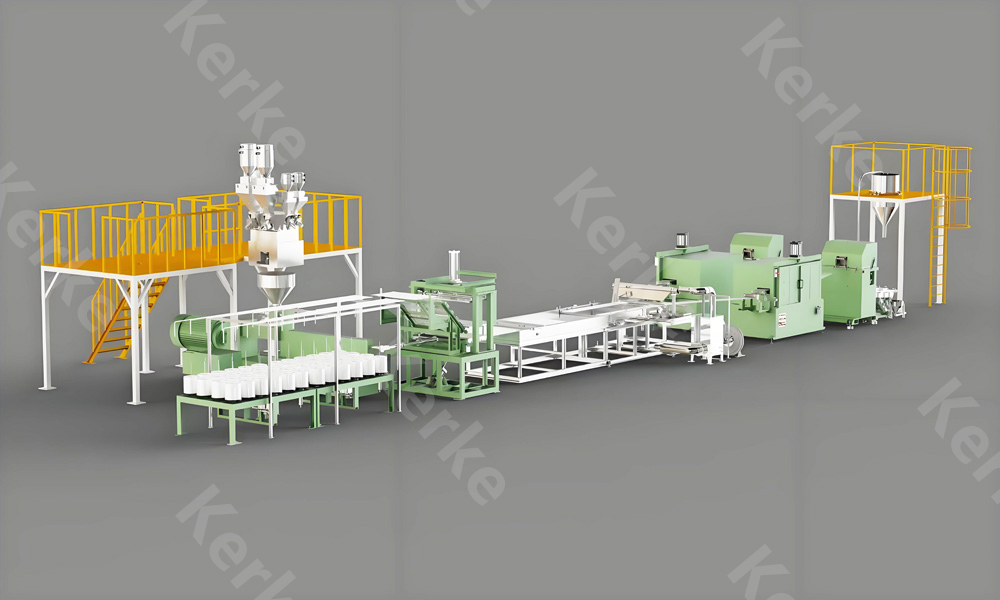
In the highly competitive plastics industry, the margin for error is razor-thin. For plastic master factories—facilities dedicated to producing color concentrates, additive masterbatches, and filling compounds—profitability is not just about selling price; it is about the efficiency of every kilogram produced. The masterbatch extruder is the heart of this operation. It is not merely a piece of machinery; it is a financial engine that converts raw polymers and pigments into high-value products. The difference between a profitable quarter and a loss often comes down to the specific energy consumption, the dispersion quality, and the throughput capacity of the extrusion line. This article provides a comprehensive analysis of how investing in a high-performance masterbatch extruder, specifically from a reputable manufacturer like Nanjing Kerke Extrusion Equipment Co., Ltd., can transform a factory’s financial outlook by reducing operational costs and increasing product value.
The Direct Impact of High-Torque Design on Raw Material Costs
One of the most significant cost drivers in masterbatch production is the raw material cost, specifically the carrier resin and expensive pigments or additives. Traditional single-screw extruders or low-torque twin-screw machines often struggle to incorporate high loadings of pigments or fillers. They require a higher percentage of carrier resin to act as a lubricant to help the material flow, which dilutes the product and increases cost per kilogram.
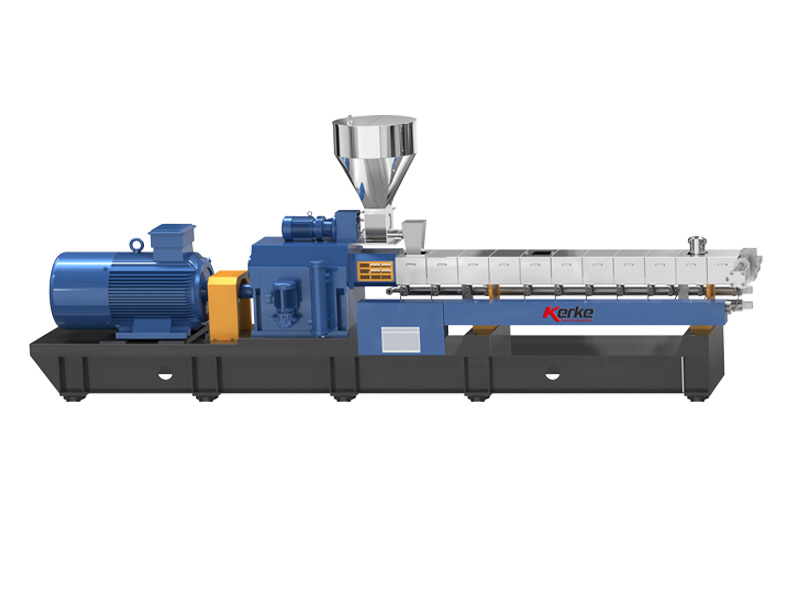
A modern, high-torque masterbatch extruder, such as those produced by Kerke, changes this equation. These machines are engineered with co-rotating intermeshing screws that generate immense shear and elongational flow. This allows for the processing of formulations with pigment loadings as high as 70% to 80% in some cases, significantly reducing the amount of expensive carrier resin needed. For example, if a factory produces 1,000 tons of black masterbatch annually, reducing the carrier resin content by just 5% through better dispersion and higher loading capabilities can save tens of thousands of dollars in raw material costs alone. The initial capital expenditure for a high-torque machine is higher, but the payback period is often measured in months rather than years due to these material savings.
Energy Efficiency and Specific Energy Consumption (SEC)
Energy is the second largest operational expense after raw materials. Older extrusion lines often operate with specific energy consumption (SEC) rates of 0.15 to 0.20 kWh per kilogram. Modern masterbatch extruders from Kerke incorporate several energy-saving technologies. First, the gearboxes are designed with high-precision grinding and efficient lubrication systems, achieving mechanical efficiencies of up to 98%. This minimizes energy loss through friction and heat generation within the gearbox itself.
Second, the barrel heating and cooling systems are optimized. Instead of simple on/off band heaters, modern systems use ceramic heaters with insulation jackets that reduce thermal radiation loss to the environment. Furthermore, advanced process control systems utilize “viscous dissipation” or self-heating. By optimizing the screw profile, the mechanical work done on the polymer generates heat internally, reducing the need for external electric heating. In high-speed compounding, up to 40% of the required heat can come from shear, drastically lowering electricity bills. A detailed cost analysis shows that upgrading from a standard 110kW line to a Kerke energy-efficient model can reduce power consumption by 15% to 20%. For a factory running 24/7, this translates to an annual saving of approximately $15,000 to $20,000 per extrusion line, depending on local electricity rates.
Reducing Labor Costs Through Automation and Smart Controls
Labor costs are rising globally, and the extrusion industry is no exception. A traditional extrusion line might require two to three operators per shift to manage feeding, temperature adjustments, and pelletizing. However, a fully automated masterbatch extruder system equipped with a PLC and SCADA interface can reduce this to a single operator overseeing multiple lines. Kerke extruders come standard with advanced control systems that allow for recipe storage. When switching from a red color to a blue color, the system automatically adjusts feeder rates, screw speed, and vacuum levels based on the pre-programmed recipe.
This automation eliminates the “guesswork” and the variability caused by human error. Consistent recipes mean consistent product quality, which drastically reduces the rate of off-spec production and customer returns. The cost of scrap is often underestimated; a single off-spec batch of 500kg can cost $1,000 in materials plus disposal fees. By automating the process, the scrap rate can be reduced from 3-5% down to less than 1%. Over a year, this reduction in waste alone can cover the cost of the automation upgrade. Additionally, remote monitoring capabilities allow engineers to diagnose issues without being physically present, further optimizing labor utilization.
Total Cost of Ownership: Maintenance and Durability
When evaluating profitability, one must look beyond the purchase price to the Total Cost of Ownership (TCO). Cheap extruders may have a lower upfront price tag, but they often suffer from premature wear, frequent breakdowns, and a lack of spare parts availability. A Kerke masterbatch extruder is built with longevity in mind. The screws and barrels are made from high-speed tool steel (like W6Mo5Cr4V2) with vacuum hardening and nitriding treatment, giving them superior wear resistance.
The modular design of the barrel means that instead of replacing the entire barrel when a section wears out, only the worn segment needs to be replaced. This modular approach can reduce maintenance costs by 50% over the machine’s life. For instance, replacing a full barrel on a large extruder might cost $20,000, whereas replacing a single modular segment might cost only $3,000. Furthermore, the drive systems use high-quality bearings and seals from international brands, reducing the frequency of unplanned downtime. Downtime is the silent profit killer; if a line goes down for 24 hours, the loss includes not just production volume but also potential penalty clauses for late delivery. Investing in a machine with a robust service network and a solid warranty minimizes this risk.
Market Flexibility and High-Value Specialty Compounds
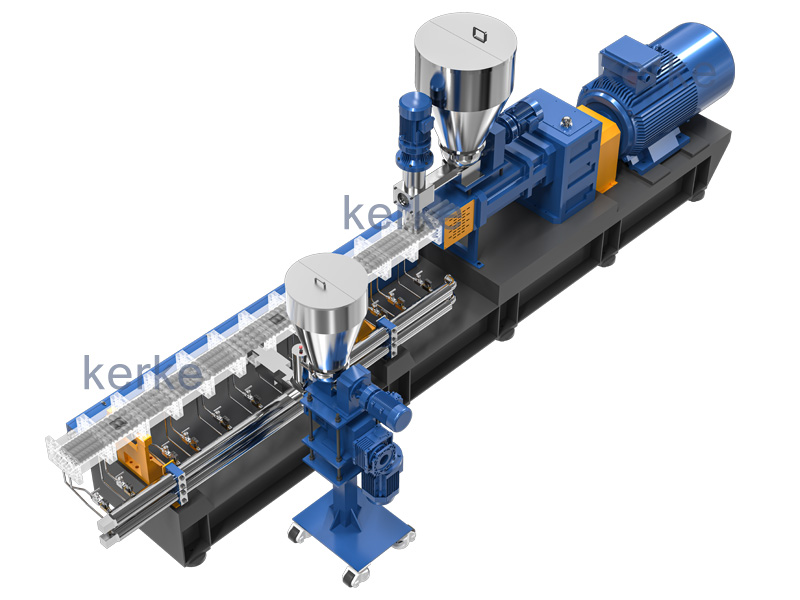
The market for masterbatches is shifting away from generic commodities toward high-value specialty compounds. These include engineering plastic compatibilizers, high-concentration additives, and reactive extrusion products. A standard extruder cannot handle the complex formulations required for these niche markets. A versatile twin screw compounding extruder allows a factory to pivot quickly. For example, a factory can produce standard PE filler masterbatch during the week and switch to high-end nylon glass-fiber compounds on the weekend.
The ability to produce these specialty compounds commands a much higher margin. While a standard color masterbatch might sell for a premium of $0.20 per kg over the raw material cost, a specialty additive masterbatch might command a premium of $1.50 per kg. The flexibility of the Kerke extruder, with its ability to handle multiple feeders, side stuffers, and reactive injection ports, enables this diversification. The cost of this flexibility is the initial investment in the machine’s complexity, but the revenue potential from entering new market segments often dwarfs this cost. A factory that can offer “one-stop-shop” compounding services becomes indispensable to its clients, securing long-term contracts and stable cash flow.
Detailed Cost Analysis and ROI Calculation
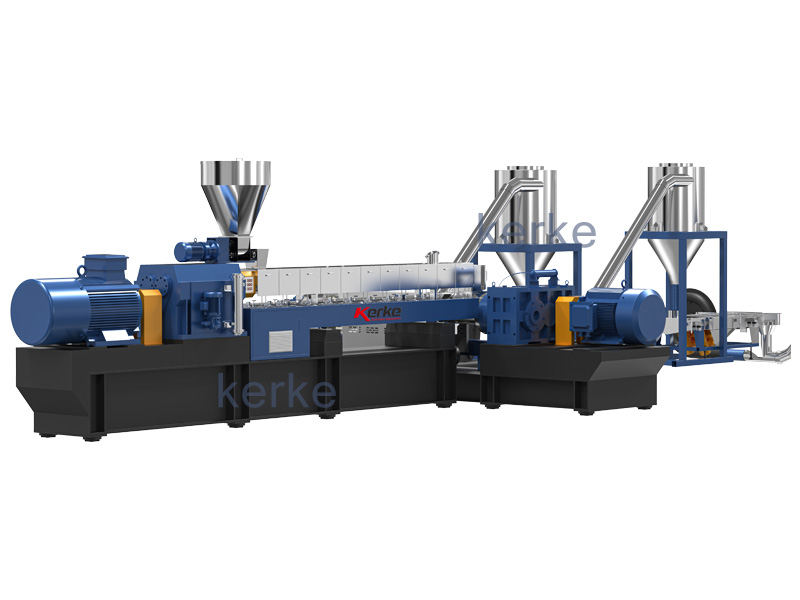
To understand the financial impact, let us look at a hypothetical ROI calculation for a medium-sized plastic master factory upgrading their line. The factory produces 500 tons of masterbatch per month. Their current machine is 10 years old, consuming 0.18 kWh/kg, with a scrap rate of 4%, and requiring 2 operators per shift. They are considering a new Kerke 75mm co-rotating twin screw extruder.
The new machine costs approximately $120,000. It promises an SEC of 0.14 kWh/kg, a scrap rate of 1%, and requires only 1 operator per shift due to automation. Assuming an electricity cost of $0.12/kWh and an average labor cost of $15/hour (including benefits), the calculations are as follows. Energy savings: (0.18 – 0.14) kWh/kg * 500,000 kg/month * $0.12 = $2,400 per month. Labor savings: Reducing 1 operator per shift for 24 hours saves 24 hours * $15 = $360 per day, or roughly $10,800 per month (assuming 30 days). Material savings from reduced scrap: 3% reduction on 500 tons is 15 tons per month. At a material cost of $1,500/ton, this saves $22,500 per month. Total monthly savings amount to roughly $35,700. The payback period for the $120,000 machine is just over 3 months. After that, the savings contribute directly to the bottom line, potentially increasing net profit margins by 15-20%.
Quality Consistency and Brand Reputation
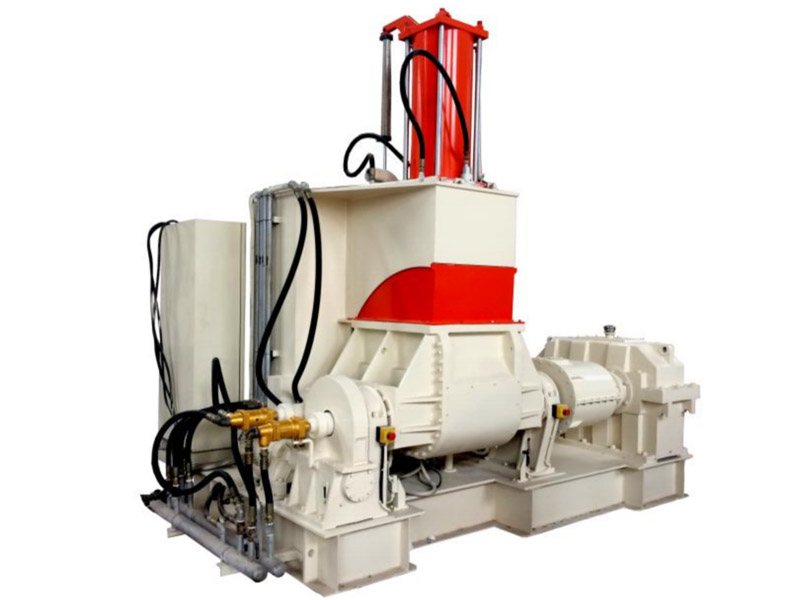
In the B2B plastics industry, reputation is everything. A single batch of inconsistent color or poor dispersion can lead to a customer rejecting the shipment and switching suppliers. Masterbatch extruders ensure quality by providing a narrow Residence Time Distribution (RTD). This means every particle of plastic spends almost the same amount of time in the machine, experiencing the same shear and thermal history. This is impossible to achieve in batch mixers or single-screw extruders.
Kerke extruders are equipped with online monitoring systems that can track torque, pressure, and temperature in real-time. If the torque spikes, indicating a lump of unmixed pigment, the system can alert the operator or even automatically adjust the screw speed to break it up. This level of control ensures that the final pellets have a consistent Melt Flow Index (MFI) and color strength. For the factory owner, this consistency translates to fewer customer complaints, fewer re-work orders, and the ability to charge a premium for “guaranteed quality” products. The intangible value of a strong brand reputation for quality is a significant asset that protects market share against low-cost competitors.
Conclusion
The decision to invest in a new masterbatch extruder should not be viewed as a capital expense but as a strategic investment in profitability. The benefits are multi-faceted: direct savings on raw materials through high-loading capabilities, significant reductions in energy consumption, lower labor costs through automation, and the ability to produce high-margin specialty products. When you factor in the reduction of scrap and the value of consistent quality, the ROI is compelling. For plastic master factories looking to thrive in an era of rising costs and fierce competition, upgrading to a modern, efficient, and reliable extruder from a trusted partner like Kerke Extrusion is the most effective way to secure long-term financial success. The machine pays for itself by making the entire production process leaner, faster, and more capable.