Introduction to Compounding Extruder Maintenance
Compounding extruders represent significant capital investments for plastics manufacturing operations, with proper maintenance and care being essential for maximizing equipment return on investment. Extending the service life of key extruder components not only reduces operating costs but also ensures consistent product quality and production reliability. Twin screw compounding extruders, such as the Kerke KTE series, are sophisticated machines with multiple critical components that require systematic maintenance programs to achieve optimal service life and performance. Understanding wear mechanisms, implementing preventive maintenance schedules, and using quality replacement parts represent fundamental strategies for extending equipment longevity.
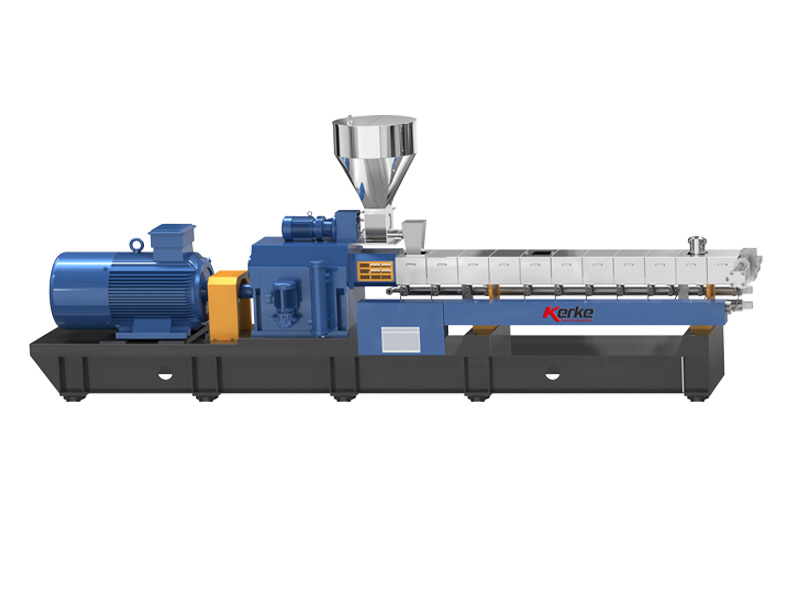
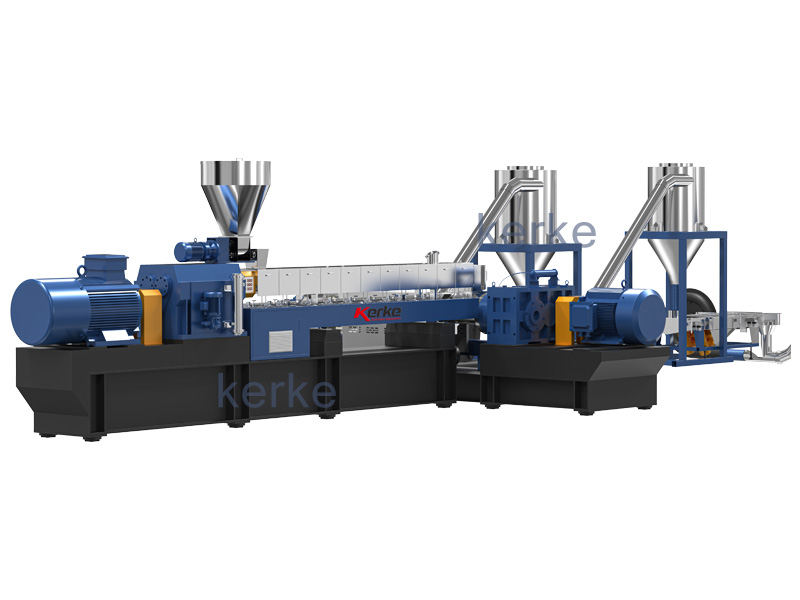
Nanjing Kerke Extrusion Equipment Co., Ltd has established itself as a leading manufacturer of twin screw compounding extruders with emphasis on durability and service life. The KTE series twin screw extruders are engineered for long-term reliability, featuring robust construction, quality materials, and modular designs that facilitate maintenance and component replacement. With over 13 years of experience in extruder manufacturing, Kerke has developed comprehensive understanding of wear mechanisms and maintenance requirements for compounding applications. The company equipment serves customers in over 100 countries, operating under diverse processing conditions, providing valuable data on service life expectations and maintenance best practices across global markets.
Understanding Wear Mechanisms in Compounding Extruders
Effective maintenance strategies begin with comprehensive understanding of wear mechanisms that affect different extruder components. Different processing conditions and material characteristics create specific wear patterns that influence component service life and maintenance requirements. Identifying and understanding these wear mechanisms enables targeted maintenance approaches that address root causes rather than simply treating symptoms.
Abrasive Wear in Screws and Barrels
Abrasive wear represents the primary wear mechanism affecting screws and barrels in compounding extruders, particularly when processing mineral-filled materials, reinforced compounds, or recycled polymers containing contaminants. Hard filler particles including calcium carbonate, glass fiber, talc, and carbon black act as abrasive agents that gradually wear down screw surfaces and barrel interiors. The wear rate depends on multiple factors including filler hardness, particle size, concentration, processing temperature, and screw speed. Typical abrasive wear rates range from 0.005 to 0.02 mm per 1000 operating hours for moderately filled materials, while highly filled or reinforced compounds can cause wear rates of 0.02 to 0.05 mm per 1000 hours. Understanding abrasive wear characteristics enables selection of appropriate wear-resistant materials and processing parameters that minimize wear rates while maintaining production efficiency.
Corrosive Wear and Material Compatibility
Corrosive wear occurs when processing materials or additives chemically attack extruder components, particularly screws, barrels, and downstream equipment. Halogenated polymers including PVC, acids or bases in some additives, moisture in processing materials, and certain flame retardants can cause corrosive degradation of steel components. Corrosive wear typically manifests as pitting, surface roughening, or material thickness reduction that compromises dimensional accuracy and processing performance. Kerke KTE series extruders offer corrosion-resistant material options including stainless steel components and specialized coatings for corrosive applications. Understanding material compatibility issues and selecting appropriate construction materials represents essential strategy for preventing corrosive wear and extending component service life.
Fatigue Wear in Drive Components
Fatigue wear affects drive system components including gearboxes, bearings, and coupling elements through repeated stress cycles during normal operation. The cyclical loading and unloading experienced by these components during start-up, speed changes, and normal operation eventually cause material fatigue leading to crack initiation and propagation. High torque applications, including processing high-viscosity filled materials, accelerate fatigue wear in drive components. Quality gearboxes with appropriate torque ratings, proper lubrication, and smooth operation minimize fatigue wear effects. Kerke KTE series extruders feature heavy-duty drive systems with safety factors designed for demanding compounding applications, providing extended service life even under severe operating conditions.
Thermal Degradation and Component Damage
Thermal degradation affects multiple extruder components through excessive heating, thermal cycling, and thermal shock. Prolonged operation at elevated temperatures can cause material softening, dimensional changes, and reduced mechanical properties in steel components. Thermal cycling from start-up and shutdown creates expansion and contraction stresses that contribute to fatigue and loosening of mechanical connections. Thermal shock from rapid temperature changes can cause cracking or distortion in barrels and other heated components. Kerke KTE series extruders feature robust thermal management systems with controlled heating and cooling to minimize thermal stresses. Understanding thermal effects and implementing appropriate operating procedures, including controlled start-up and shutdown sequences, significantly reduces thermal-related wear and extends component service life.
Screw and Barrel Maintenance Strategies
Screws and barrels represent the most critical wear components in compounding extruders, directly influencing processing performance and product quality. Implementing comprehensive maintenance strategies for these components provides significant return on investment through extended service life and maintained processing capabilities. Multiple maintenance approaches work synergistically to maximize screw and barrel longevity.
Material Selection for Extended Service Life
Material selection represents the foundation of extended screw and barrel service life. Standard materials including nitrided steel provide adequate service life for unfilled or lightly filled polymers, typically lasting 4,000-6,000 hours under normal operating conditions. For moderate filling applications (20-40% fillers), wear-resistant bimetallic alloys extend service life to 8,000-12,000 hours through harder surface layers and improved wear resistance. For highly filled or reinforced compounds (40%+ fillers or fiber reinforcement), tungsten carbide coatings or specialized alloys provide maximum service life of 12,000-18,000 hours. Kerke offers comprehensive material options optimized for different wear conditions, enabling selection of appropriate materials based on specific processing requirements. While upgraded materials increase initial costs by 30-50% for screws and 20-40% for barrels, the extended service life typically provides 2-3 times longer life, resulting in significantly lower total cost of ownership.
Proper Start-Up and Shutdown Procedures
Proper start-up and shutdown procedures significantly impact screw and barrel service life by minimizing thermal stress and wear during critical transition periods. During start-up, gradual heating to operating temperatures before introducing materials prevents thermal shock and reduces wear from cold operation. Gradual screw speed increase as materials begin melting prevents excessive mechanical stress on cold components. During shutdown, material purging before cooling prevents material solidification inside the barrel that could cause damage during subsequent start-up. Controlled cooling prevents rapid thermal contraction that could cause distortion or cracking. Kerke KTE series extruders feature automated start-up and shutdown sequences that implement optimal procedures, reducing operator error and ensuring consistent protection of components. Following recommended procedures adds minimal time to production cycles but significantly extends component service life.
Regular Inspection and Wear Monitoring
Regular inspection and wear monitoring programs enable early detection of wear problems before they cause quality issues or catastrophic component failure. Visual inspection of screw surfaces and barrel interiors during routine maintenance identifies wear patterns, surface damage, or material buildup that could indicate problems. Dimensional measurement of screw flight dimensions, barrel internal diameter, and clearance between screw and barrel provides quantitative assessment of wear progression. Kerke recommends quarterly measurements of critical dimensions for high-wear applications, with more frequent monitoring for highly filled or abrasive processing conditions. Wear monitoring data enables predictive maintenance planning, allowing component replacement before quality problems occur. Investment in regular inspection represents approximately 1-2% of component value annually but provides returns through extended service life and prevention of catastrophic failures.
Optimal Processing Parameters
Optimal processing parameter selection significantly influences wear rates in screws and barrels. Higher screw speeds increase wear rates due to increased friction and sliding velocities, with wear rates typically increasing 30-50% for each 100 rpm increase in speed. Higher processing temperatures can reduce material viscosity and frictional heating, potentially reducing wear, but may accelerate thermal degradation of materials and components. Proper material temperature before entering extruder reduces mechanical stress during melting, decreasing abrasive wear. Kerke KTE series extruders provide precise control over processing parameters enabling optimization for specific materials while maintaining productivity. Parameter optimization studies typically reduce wear rates by 20-40% while maintaining production throughput, providing significant service life extension without compromising productivity.
Drive System Maintenance Best Practices
Drive system maintenance ensures reliable power transmission and extends service life of expensive drive components including gearboxes, motors, and coupling elements. Preventive maintenance focused on lubrication, alignment, and operational monitoring provides substantial return through extended service life and reduced downtime.
Gearbox Lubrication Management
Gearbox lubrication represents the most critical maintenance factor for extending gearbox service life. Proper lubricant selection based on gearbox specifications, operating temperature, and load conditions ensures adequate film strength and thermal stability. Regular oil analysis monitoring lubricant condition including viscosity, acidity, and particle contamination provides early warning of potential problems. Oil and filter replacement following manufacturer recommendations maintains lubricant quality and prevents contaminant buildup. Kerke KTE series extruder gearboxes feature high-capacity lubrication systems with easy access for maintenance and oil sampling. Quarterly oil analysis combined with annual oil changes typically extends gearbox service life by 50-100% compared to neglected maintenance. While lubricant costs represent approximately $1,000-3,000 annually depending on gearbox size, the extended service life and reliability improvements provide returns 10-20 times the lubricant investment.
Motor and Drive System Maintenance
Motor and drive system maintenance focuses on electrical integrity, cooling, and mechanical alignment. Regular electrical testing including insulation resistance testing and current monitoring identifies developing problems before motor failure. Cooling system maintenance ensures adequate heat dissipation preventing thermal overload and insulation degradation. Mechanical alignment between motor, gearbox, and extruder prevents premature bearing wear and coupling damage. Kerke KTE series extruders feature robust drive systems with quality components designed for long service life under demanding conditions. Annual electrical testing and alignment checks typically extend motor and drive system service life by 30-50%. Maintenance costs for drive systems represent approximately 1-2% of component value annually but provide significant returns through extended service life and prevention of unexpected failures.
Bearing Maintenance and Monitoring
Bearing maintenance and monitoring prevents premature bearing failure that can cascade into more extensive drive system damage. Proper lubrication with appropriate greases or oils specified for bearing type and operating conditions ensures adequate lubrication film and prevents metal-to-metal contact. Regular vibration monitoring identifies bearing wear early, enabling replacement before catastrophic failure occurs. Temperature monitoring during operation detects developing bearing problems through increasing operating temperatures. Kerke drive systems feature quality bearings from premium manufacturers selected for compounding application requirements. Semi-annual vibration analysis combined with temperature monitoring typically extends bearing service life by 40-60% and prevents secondary damage to other drive components. Bearing maintenance costs are minimal but provide significant returns through extended service life and prevention of extensive drive system damage.
Coupling and Power Transmission Maintenance
Coupling and power transmission components require regular inspection and maintenance to ensure reliable power transmission and prevent component damage. Regular inspection for wear, fatigue cracks, or loose fasteners identifies developing problems before failure occurs. Proper alignment between coupled components prevents excessive forces and premature wear. Lubrication of lubricated couplings following manufacturer recommendations maintains smooth operation and reduces wear. Kerke couplings feature robust designs selected for demanding compounding applications with appropriate safety factors. Quarterly coupling inspection combined with annual alignment checks extends coupling service life by 50-100% compared to neglected maintenance. Coupling maintenance represents minimal cost but prevents expensive damage to motors, gearboxes, and extruder shafts.
Control System and Electrical Maintenance
Control system and electrical maintenance ensures reliable operation, consistent processing conditions, and prevention of electrical failures that can cause extensive damage or production interruptions. Modern extruders rely heavily on sophisticated control systems requiring systematic maintenance programs.
PLC and Control System Maintenance
PLC and control system maintenance focuses on software integrity, hardware reliability, and backup procedures. Regular backup of control programs and recipes ensures rapid recovery from hardware failures or corruption. Annual inspection of electrical connections prevents loose connections that can cause intermittent operation or component failure. Environmental control including temperature regulation and dust protection extends electronic component service life. Kerke KTE series extruders feature advanced PLC control systems with modular designs facilitating maintenance and component replacement. Annual control system maintenance including backups and electrical inspection typically extends system service life by 30-50% and reduces unplanned downtime by 50-70%. Control system maintenance represents minimal investment compared to extensive downtime costs from system failures.
Temperature Control System Maintenance
Temperature control system maintenance ensures accurate temperature regulation essential for consistent processing and product quality. Regular calibration of temperature sensors and controllers maintains accuracy within specified tolerances. Inspection and cleaning of heating elements ensures efficient heat transfer and prevents premature element failure. Testing of cooling systems including thermocouples, relays, and cooling circuits maintains responsive temperature control. Kerke KTE series extruders feature multiple independent temperature control zones with advanced PID control algorithms. Quarterly sensor calibration combined with annual system inspection maintains temperature accuracy within plus or minus 1 degree Celsius, essential for quality-critical applications. Temperature control maintenance costs are minimal but prevent quality issues and extended downtime from temperature-related problems.
Electrical System Safety and Maintenance
Electrical system maintenance focuses on safety, reliability, and code compliance. Regular inspection of wiring, connections, and electrical enclosures identifies developing problems before they cause failures or safety hazards. Testing of ground fault protection and electrical safety systems ensures safe operation and personnel protection. Verification of proper electrical sizing and load distribution prevents overload conditions that can cause premature component failure. Kerke KTE series extruders feature comprehensive electrical systems designed for international safety standards and local code compliance. Annual electrical system inspection and testing typically extends component service life by 20-30% while significantly improving safety and reducing fire risk. Electrical maintenance represents essential investment in safety and reliability.
Feeding System Maintenance Requirements
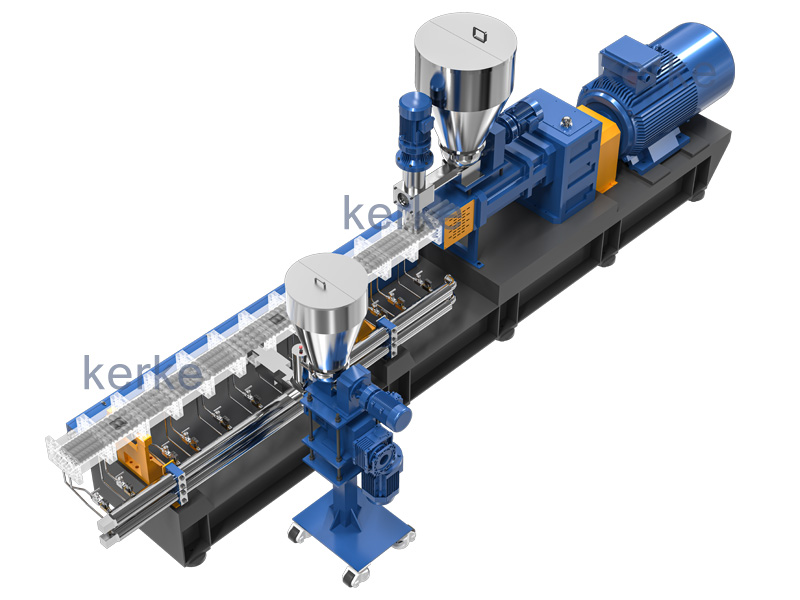
Feeding system maintenance ensures accurate material delivery and prevents quality issues from inconsistent feeding. Modern feeding systems with multiple feeders and sophisticated controls require systematic maintenance programs to maintain accuracy and reliability.
Feeder Calibration and Accuracy Maintenance
Feeder calibration and accuracy maintenance ensures consistent material delivery rates essential for product quality. Regular calibration using certified test weights maintains feeding accuracy within specified tolerances typically plus or minus 0.5% for gravimetric feeders. Inspection and cleaning of weighing systems, belts, or screws prevents material buildup affecting feeding accuracy. Verification of feed rate control systems maintains consistent operation. Kerke feeding systems feature advanced calibration procedures and self-diagnostic capabilities. Monthly calibration combined with weekly cleaning maintains feeding accuracy essential for quality production. Feeder maintenance costs represent minimal investment compared to material waste reduction and quality improvement benefits.
Hopper and Storage System Maintenance
Hopper and storage system maintenance prevents material contamination, flow problems, and feeding interruptions. Regular inspection and cleaning removes material buildup and prevents cross-contamination between materials. Verification of flow aids and vibration systems ensures reliable material flow from hoppers. Inspection of material level sensors ensures accurate level monitoring and prevents unexpected material shortages. Kerke hoppers feature designs optimized for different material flow characteristics and contamination prevention. Weekly hopper inspection and cleaning combined with monthly sensor verification prevents flow problems and feeding interruptions. Hopper maintenance represents minimal time investment but prevents quality issues and production downtime.
Pneumatic and Vacuum System Maintenance
Pneumatic and vacuum system maintenance ensures reliable material transport and feeder operation. Regular inspection and maintenance of compressors, pumps, and filters maintains system performance and prevents contamination. Inspection and testing of vacuum seals and connections ensures reliable material handling without air leaks affecting feeder accuracy. Lubrication of pneumatic actuators and components maintains smooth operation and prevents sticking. Kerke pneumatic systems feature quality components selected for reliability in processing environments. Quarterly system inspection combined with monthly filter changes maintains reliable material handling. Pneumatic system maintenance costs are minimal but prevents material contamination and feeding problems.
Preventive Maintenance Scheduling
Preventive maintenance scheduling establishes systematic approach to equipment maintenance that maximizes component service life while minimizing unplanned downtime. Well-designed maintenance schedules address all critical systems with appropriate frequency based on operating conditions and wear characteristics.
Daily Maintenance Procedures
Daily maintenance procedures focus on monitoring, lubrication, and basic cleaning tasks that maintain equipment operation. Visual inspection of extruder operation including temperature readings, motor current, and process parameters identifies developing problems. Checking oil levels in gearboxes and lubrication points ensures adequate lubrication. Basic cleaning of external surfaces and inspection for material leaks maintains equipment condition. Kerke KTE series extruders feature monitoring capabilities and easy access for daily maintenance tasks. Daily maintenance typically requires 15-30 minutes but prevents many problems that could cause extended downtime if neglected. The small time investment provides substantial returns through extended component life and reliable operation.
Weekly Maintenance Tasks
Weekly maintenance tasks include more detailed inspection and cleaning beyond daily procedures. Detailed inspection of screw and barrel condition during normal operation identifies developing wear patterns. Checking and cleaning vent zones prevents material buildup that affects process performance. Lubrication of bearings and moving parts according to schedules maintains smooth operation. Inspection of electrical panels for proper temperatures and proper operation of fans prevents overheating issues. Weekly maintenance typically requires 1-2 hours but provides significant returns through early problem detection and prevention of more extensive issues.
Monthly Maintenance Requirements
Monthly maintenance includes more comprehensive inspection and testing procedures. Detailed measurement of critical process parameters identifies trends indicating developing problems. Inspection and testing of safety systems ensures proper operation and compliance with safety regulations. Feeder calibration verification maintains feeding accuracy essential for quality production. Detailed inspection of drive components for unusual noises, vibrations, or temperatures identifies developing issues. Monthly maintenance typically requires 2-4 hours but provides comprehensive protection against developing problems and maintains optimal equipment performance.
Annual Maintenance Programs
Annual maintenance programs involve comprehensive inspection, testing, and preventive component replacement. Detailed disassembly inspection of critical components including screws, barrels, and gearboxes provides comprehensive assessment of equipment condition. Oil analysis and replacement for lubricated systems maintains proper lubrication and prevents contaminant buildup. Electrical system testing ensures safety and identifies potential problems before failures occur. Alignment verification of drive system components maintains proper mechanical alignment and prevents premature wear. Annual maintenance typically requires 8-24 hours depending on equipment size and complexity but provides comprehensive protection and prevents major failures that could cause extended downtime.
Component Replacement and Rebuilding Strategies
Component replacement and rebuilding strategies maximize return on investment by extending service life of expensive components through targeted repair rather than complete replacement. Strategic rebuilding decisions balance repair costs, service life extension, and production requirements.
Screw Rebuilding Economics
Screw rebuilding represents cost-effective alternative to complete screw replacement for worn components. Rebuilding processes typically include welding buildup of worn flight surfaces, machining to restore original dimensions, and reapplication of wear-resistant coatings. Screw rebuilding costs typically range from 40-60% of new screw cost while providing 80-90% of new screw service life. Kerke offers comprehensive screw rebuilding services using quality materials and precision machining to restore screw performance. Rebuilding becomes economic when wear has reduced flight dimensions by 10-20% but does not exceed 25-30% of original dimensions. Rebuilding multiple screws together typically provides cost advantages through setup cost sharing. Strategic screw rebuilding reduces screw replacement costs by 40-50% compared to complete replacement while maintaining processing performance.
Barrel Rebuilding Options
Barrel rebuilding through relining provides cost-effective alternative to complete barrel replacement for worn barrels. Barrel relining processes remove worn barrel interior and install new wear-resistant liner material, restoring barrel to original dimensions. Barrel relining costs typically range from 50-70% of new barrel cost while providing comparable service life to new barrels. Kerke offers barrel relining services using quality materials including bimetallic alloys and tungsten carbide coatings. Relining becomes economic when internal barrel wear has increased diameter by 0.2-0.5mm but barrel structure remains sound. Barrel relining reduces barrel replacement costs by 30-50% while maintaining processing performance. The longer downtime required for barrel relining compared to screw rebuilding must be considered in production planning.
Gearbox Rebuilding Considerations
Gearbox rebuilding extends service life of expensive gearbox components through targeted replacement of worn parts rather than complete gearbox replacement. Gearbox rebuilding typically includes bearing replacement, seal replacement, gear inspection and replacement if needed, and complete resealing. Gearbox rebuilding costs typically range from 50-70% of new gearbox cost while providing 80-90% of new gearbox service life. Kerke provides gearbox rebuilding services with OEM-quality components to restore gearbox performance. Rebuilding becomes economic when gearbox shows bearing wear, seal leakage, or minor gear wear but housing and major gears remain in good condition. Gearbox rebuilding reduces replacement costs by 30-50% while extending service life of the most expensive extruder components.
Component Life Cycle Management
Component life cycle management optimizes total cost of ownership through strategic planning of component replacement and rebuilding. Tracking component service hours, wear monitoring data, and maintenance history enables predictive replacement planning based on actual condition rather than arbitrary schedules. Planning component replacement during scheduled downtime rather than emergency failure situations reduces production interruption and repair costs. Budgeting for component replacement based on expected service life rather than emergency situations improves cash flow planning. Kerke provides technical support and service life data to support life cycle management decisions. Strategic component management typically reduces total maintenance costs by 20-30% while improving reliability and reducing unplanned downtime.
Cost Analysis and Economic Considerations
Comprehensive cost analysis demonstrates the economic benefits of systematic maintenance programs for extending component service life. While maintenance requires investment, the returns through extended service life, reduced downtime, and improved quality typically provide excellent return on investment.
Maintenance Cost Analysis
Comprehensive maintenance programs typically represent 3-5% of equipment value annually for twin screw compounding extruders. For a KTE-75D extruder valued at $350,000-420,000, annual maintenance costs range from $10,500-21,000 including lubricants, replacement parts, and labor. These costs distribute across multiple component systems: screw and barrel monitoring $2,000-3,000, drive system maintenance $3,000-5,000, control system maintenance $1,500-2,500, feeding system maintenance $1,000-2,000, and general maintenance $3,000-8,500. While these costs represent significant investment, the benefits include extended component service life 50-100% longer than neglected maintenance, reduced unplanned downtime 50-70%, and improved quality consistency reducing material waste 2-4%. The combined benefits typically exceed maintenance costs by 3-5 times over equipment lifetime.
Component Replacement Cost Comparison
Component replacement cost comparison demonstrates the economic advantage of systematic maintenance through extended service life. For screw and barrel sets, complete replacement costs $80,000-120,000 for KTE-75D sized equipment, while systematic maintenance extends service life from 4,000 hours to 8,000-12,000 hours, reducing replacement frequency by 50-67%. Over 15-year equipment lifetime, maintenance-informed operation reduces screw and barrel replacement costs by $80,000-240,000. For gearboxes, replacement costs $60,000-100,000, while proper maintenance extends service life from 20,000 hours to 35,000-50,000 hours, reducing replacement frequency by 43-60%. Over equipment lifetime, maintenance reduces gearbox replacement costs by $60,000-150,000. The cumulative component replacement savings over equipment lifetime typically exceed $200,000-400,000, significantly exceeding cumulative maintenance costs.
Downtime Cost Reduction
Downtime cost reduction represents significant economic benefit from systematic maintenance programs. Unplanned downtime from component failures typically costs $2,000-5,000 per hour in production value, labor costs, and customer penalties depending on production volume and product value. Systematic maintenance reduces unplanned downtime frequency by 50-70%, with typical annual unplanned downtime reduced from 40-80 hours to 12-24 hours for well-maintained equipment. For KTE-75D producing 500-1000 kg/h, downtime reduction of 28-56 hours annually saves production value of $56,000-280,000 annually depending on product value and capacity utilization. This downtime cost reduction alone exceeds annual maintenance costs by 3-10 times, demonstrating compelling economic justification for systematic maintenance programs.
Return on Maintenance Investment
Return on maintenance investment analysis demonstrates excellent economic returns from systematic maintenance programs. Considering annual maintenance costs of 3-5% of equipment value for KTE-75D ($10,500-21,000), combined benefits including extended component service life ($15,000-30,000 annualized value), downtime cost reduction ($56,000-280,000), and quality improvements ($5,000-20,000) provide annual returns of $76,000-330,000. Compared to maintenance investment, this represents return of 360-1,570% annually. Over 15-year equipment lifetime, cumulative benefits exceed $1,140,000-4,950,000 compared to cumulative maintenance costs of $157,500-315,000, providing net benefit of $982,500-4,635,000. These dramatic returns demonstrate that systematic maintenance represents one of the best investments in equipment operation, not a cost center but a profit center.
Operator Training and Best Practices
Operator training and implementation of best practices significantly influences component service life through proper equipment operation and problem prevention. Well-trained operators identify developing problems early, operate equipment within design parameters, and follow procedures that minimize wear and stress on components.
Comprehensive Operator Training
Comprehensive operator training ensures operators understand equipment capabilities, operating principles, and proper procedures. Training内容包括 equipment design and operation theory, normal operating parameters and warning signs, proper start-up and shutdown procedures, daily and weekly maintenance tasks, troubleshooting common problems, and safety considerations. Kerke provides comprehensive operator training programs for KTE series extruders including theoretical knowledge and practical hands-on experience. Well-trained operators reduce operational errors by 70-90% compared to untrained operators, extending component service life by reducing improper operation stresses. Operator training costs typically $2,000-5,000 per operator but provide returns through reduced maintenance costs, fewer operational errors, and earlier problem detection. Well-trained operators typically identify 60-80% of developing problems before they cause failures, enabling preventive maintenance rather than emergency repairs.
Standard Operating Procedures
Standard operating procedures establish consistent, optimal methods for equipment operation that minimize wear and stress on components. SOPs should cover all operational aspects including start-up procedures, normal operation monitoring, changeover procedures, shutdown procedures, emergency procedures, and quality monitoring. Kerke can assist in developing SOPs specific to processing applications and equipment configurations. Implementing and following SOPs reduces operational variation by 50-70%, reducing wear and extending component service life. Documented procedures also facilitate training of new operators and ensure consistent operation across operator changes. The time investment in developing and implementing SOPs provides returns through extended component life, improved quality consistency, and reduced training requirements for new operators.
Process Monitoring and Data Analysis
Process monitoring and data analysis capabilities enable early detection of developing problems and optimization of operating conditions for extended component life. Modern extruders like Kerke KTE series feature comprehensive process monitoring and data logging capabilities. Operators should be trained to interpret monitoring data including temperature profiles, motor current trends, pressure readings, and vibration signatures. Analyzing trends over time identifies developing problems before they become failures, enabling preventive maintenance. Process optimization based on data analysis reduces operating stresses and wear rates. Implementing systematic process monitoring typically extends component service life by 20-40% through problem detection and optimization opportunities.
Environmental and Housekeeping Considerations
Environmental and housekeeping considerations significantly influence component service life and maintenance effectiveness. Proper equipment environment including temperature control, dust reduction, and humidity management extends electronic component service life and reduces contamination. Good housekeeping including regular cleaning, organized tool storage, and proper material handling prevents contamination, accidental damage, and operational errors. Training operators on environmental and housekeeping requirements extends component life and improves maintenance effectiveness. Environmental control improvements typically extend electronic component service life by 30-50% and reduce contamination-related problems by 70-90%.
Conclusion and Strategic Recommendations
Extending service life of compounding extruder key parts requires comprehensive approach encompassing understanding wear mechanisms, implementing preventive maintenance programs, strategic component rebuilding, and operator training. The economic benefits of systematic maintenance programs dramatically exceed the investment costs, providing returns of 360-1,570% annually through extended component life, reduced downtime, and improved quality.
Key maintenance strategies include selecting appropriate wear-resistant materials for screws and barrels, implementing regular inspection and wear monitoring programs, following proper operating procedures including start-up and shutdown sequences, maintaining optimal processing parameters, conducting systematic preventive maintenance, and utilizing component rebuilding when appropriate.
Investment in maintenance programs should be viewed as strategic investment providing excellent returns rather than operational cost. The cumulative benefits over equipment lifetime including $982,500-4,635,000 in net benefits for KTE-75D sized equipment demonstrate compelling economic justification for comprehensive maintenance programs.
Kerke KTE series twin screw extruders are engineered for durability with quality materials, robust construction, and modular designs facilitating maintenance. The company 13-year experience in compounding extruder manufacturing combined with global service across over 100 countries provides comprehensive understanding of maintenance requirements and service life expectations. Implementing systematic maintenance programs with Kerke equipment maximizes return on investment through extended component service life, reduced downtime, and maintained product quality.