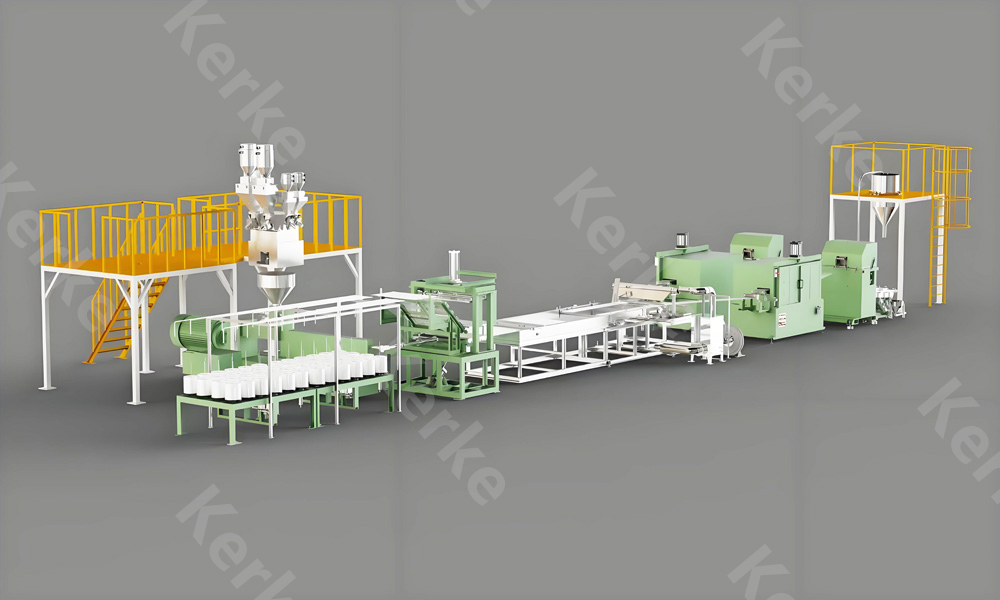
Antibacterial food grade masterbatch represents a rapidly growing segment of the plastic additives market, driven by increasing consumer awareness of food safety, stringent regulatory requirements for food contact materials, and the growing demand for extended shelf life in packaged foods. These specialized masterbatches incorporate antimicrobial agents into a carrier resin that can be dosed into food-grade plastic products during injection molding, blow molding, or extrusion processing. Kerke, a Wanplas factory specializing in twin-screw compounding extruders with 12+ years of experience and 2,000+ machines running worldwide, provides the equipment and expertise needed for high-quality masterbatch production. This comprehensive guide examines the technology, regulatory requirements, production methods, and applications of antibacterial food grade masterbatch.
Introduction to Antibacterial Food Grade Masterbatch
Antibacterial masterbatch is a concentrated additive formulation that imparts antimicrobial properties to plastic products when mixed with the base resin at typical addition rates of 1% to 5%. The masterbatch consists of one or more antimicrobial agents dispersed in a carrier resin that is compatible with the target application material. For food grade applications, every component of the masterbatch, including the antimicrobial agent, carrier resin, dispersing aids, and any processing additives, must comply with food contact material regulations.
The global antimicrobial plastics market is projected to exceed $5 billion by 2027, with food packaging representing one of the largest application segments. The growth is driven by several factors: increasing consumer concern about foodborne illnesses, regulatory initiatives to improve food safety standards, the rise of convenience food packaging that requires longer shelf life, and the growing awareness of microbial contamination on food contact surfaces in both commercial and domestic settings.
How Antibacterial Masterbatch Works
Antibacterial masterbatch functions by releasing antimicrobial agents that inhibit the growth of bacteria, fungi, and other microorganisms on the plastic surface. The mechanism depends on the type of antimicrobial agent used. Silver-based agents release silver ions that disrupt bacterial cell membranes and interfere with cellular enzymes. Zinc-based agents operate through similar ionic mechanisms. Organic antimicrobials, such as triclosan alternatives, disrupt microbial metabolic processes through chemical interactions with cell components.
For food contact applications, the antimicrobial agent must be effective at controlling microbial growth while remaining within the migration limits established by food safety regulations. The challenge is balancing antimicrobial efficacy with regulatory compliance, as more effective antimicrobial action often requires higher agent concentrations that may exceed migration limits. This balance is achieved through careful agent selection, controlled-release formulation design, and precise masterbatch manufacturing.
Carrier Resin Considerations
The carrier resin in antibacterial food grade masterbatch must be compatible with both the antimicrobial agent and the end-use application resin. Common carrier resins include HDPE, LDPE, LLDPE, PP, and PS, selected based on the target application. The carrier resin must also carry food-grade certification, ensuring that it does not introduce non-compliant substances into the food contact material. The carrier resin’s melt flow index should be selected to ensure good dispersion and dosing accuracy when the masterbatch is let down into the application resin.
Antimicrobial Agents Used in Food Grade Masterbatch
Selecting the appropriate antimicrobial agent is the most critical decision in antibacterial food grade masterbatch formulation. The agent must provide effective microbial control, comply with food contact regulations, maintain stability during processing, and remain active throughout the product’s intended service life.
Silver Ion-Based Antimicrobials
Silver ion-based antimicrobials are the most widely used antimicrobial agents in food grade masterbatch. Silver ions (Ag+) are broad-spectrum antimicrobials effective against both Gram-positive and Gram-negative bacteria, as well as some fungi and viruses. Silver works by binding to bacterial cell membranes, disrupting transport functions, and penetrating the cell where it interferes with DNA replication and enzyme activity.
Several forms of silver antimicrobials are used in masterbatch formulations. Silver zeolites are crystalline aluminosilicate structures that exchange silver ions in a controlled-release mechanism, providing long-lasting antimicrobial activity. Silver zinc zeolites combine silver and zinc ions for enhanced efficacy. Silver nanoparticles provide high surface area for ion release but require careful handling to ensure dispersion quality. Colloidal silver and silver glass powders are also used in specific applications.
For food contact applications, silver-based antimicrobials must comply with specific migration limits. In the EU, the specific migration limit for silver is 0.05 mg/kg of food. In the US, silver is permitted under FDA 21 CFR regulations for specific food contact applications. The formulation must be designed to ensure that silver ion release remains within these limits under all intended use conditions.
Zinc-Based Antimicrobials
Zinc pyrithione and zinc oxide nanoparticles are alternative inorganic antimicrobials used in food grade applications. Zinc pyrithione is effective against fungi and bacteria and is used in applications where fungal growth is a primary concern. Zinc oxide provides antimicrobial activity through both ion release and photocatalytic mechanisms, though the photocatalytic activity can cause polymer degradation in transparent applications exposed to UV light.
Zinc-based antimicrobials may offer advantages in cost and regulatory acceptance compared to silver, though they typically provide lower antimicrobial efficacy. Some formulations combine zinc with silver to achieve synergistic effects, reducing the total antimicrobial loading while maintaining efficacy. The EU specific migration limit for zinc is 5 mg/kg of food, significantly higher than the silver limit.
Organic Antimicrobials
Organic antimicrobials include a range of synthetic and natural compounds that provide antimicrobial activity through chemical interactions with microbial cells. While some organic antimicrobials have faced regulatory restrictions (such as triclosan, which has been banned in certain applications), others remain approved for food contact use. These include specific quaternary ammonium compounds, organic acids and their salts, and natural antimicrobial extracts.
Organic antimicrobials generally provide faster antimicrobial action than inorganic agents but may have lower thermal stability and shorter service life. They are particularly useful in applications requiring rapid microbial reduction, such as food preparation surfaces and cutting boards. The regulatory status of organic antimicrobials varies significantly by region and application, requiring careful verification before use in food contact applications.
| Agent Type | Antimicrobial Spectrum | EU SML (mg/kg) | Thermal Stability | Relative Cost |
|---|---|---|---|---|
| Silver Zeolite | Broad (bacteria, fungi) | 0.05 (Ag) | High (400C+) | High |
| Silver Zinc Zeolite | Broad (enhanced) | 0.05 (Ag) + 5.0 (Zn) | High (400C+) | High |
| Zinc Pyrithione | Fungi, some bacteria | 5.0 (Zn) | Medium (250C) | Medium |
| Zinc Oxide (nano) | Bacteria | 5.0 (Zn) | High (400C+) | Low |
| Organic (various) | Variable | Agent-specific | Variable (150-300C) | Medium |
Regulatory Framework for Food Contact Antimicrobials
Antibacterial food grade masterbatch must comply with multiple regulatory frameworks that govern both food contact materials and antimicrobial products. The regulatory landscape is complex because antimicrobial food contact materials are regulated as both food contact substances and, in many jurisdictions, as biocidal products.
United States: FDA Regulation
In the United States, antimicrobial food contact materials are regulated by the FDA under the Federal Food, Drug, and Cosmetic Act. Antimicrobial agents used in food contact plastics must be covered by an existing food contact notification (FCN), a food additive regulation, or a generally recognized as safe (GRAS) determination. Silver-based antimicrobials are permitted under specific FCNs that define the types of food contact applications, maximum use levels, and food types for which the antimicrobial is approved.
The FDA requires that antimicrobial food contact materials demonstrate that the antimicrobial agent does not migrate to food in quantities that would pose a health concern. Migration testing must be conducted using FDA-specified food simulants and test conditions appropriate for the intended use. The test results must demonstrate compliance with the specific migration limits established in the applicable FCN or regulation.
European Union: EFSA and EU 10/2011
In the European Union, antimicrobial food contact plastics are regulated under Regulation EU 10/2011, which establishes specific migration limits (SMLs) for authorized substances. Antimicrobial agents must be listed in the EU’s positive list of authorized monomers, additives, and starting substances. Silver and zinc compounds are authorized with specific migration limits, while other antimicrobial agents may require individual authorization through the EFSA evaluation process.
The Biocidal Products Regulation (BPR, Regulation EU 528/2012) also applies to antimicrobial food contact materials in certain cases. The BPR requires that antimicrobial agents used for biocidal purposes be approved for the relevant product type. Article 58 of the BPR provides a specific exemption for food contact materials, but the interpretation of this exemption varies among EU member states, requiring careful legal analysis for each specific application.
China: GB Standards
In China, food contact materials are regulated under the GB 9685 standard, which lists permitted additives for food contact materials and their migration limits. GB 4806 series standards provide additional requirements for specific material types. Silver-based antimicrobials are permitted under GB 9685 with a migration limit of 0.05 mg/kg. Manufacturers must obtain compliance documentation from their antimicrobial agent suppliers and ensure that the final food contact product meets all applicable GB requirements.
International Standards
ISO 22196 provides a standardized method for measuring antibacterial activity on plastics surfaces, widely used to demonstrate antimicrobial efficacy. JIS Z 2801, the Japanese standard that preceded ISO 22196, remains widely referenced. ASTM G21 and ASTM E2149 provide methods for testing fungal resistance and antimicrobial activity in plastics. These standards are used for product performance testing rather than regulatory compliance, but they provide important benchmarks for comparing antimicrobial masterbatch products.
Masterbatch Production with Twin-Screw Extruders
The production of antibacterial food grade masterbatch requires specialized compounding equipment that can achieve uniform dispersion of antimicrobial agents in the carrier resin while maintaining the thermal stability of all components. Twin-screw compounding extruders are the industry standard for masterbatch production due to their superior mixing capabilities, process control flexibility, and ability to handle a wide range of material formulations.
Kerke KTE Series for Masterbatch Production
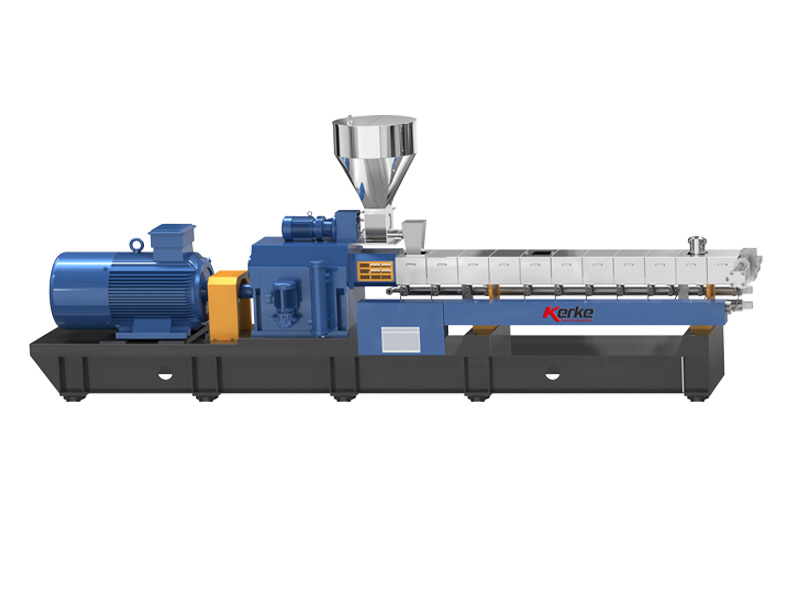
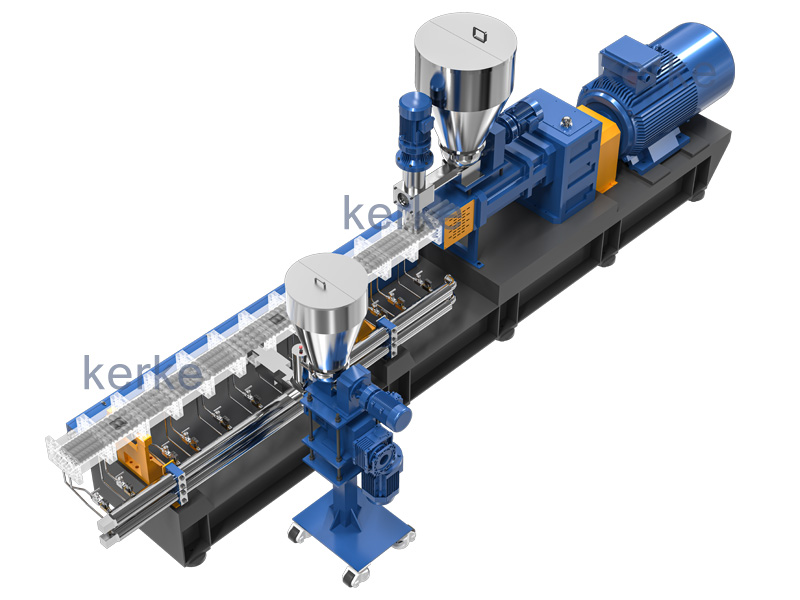
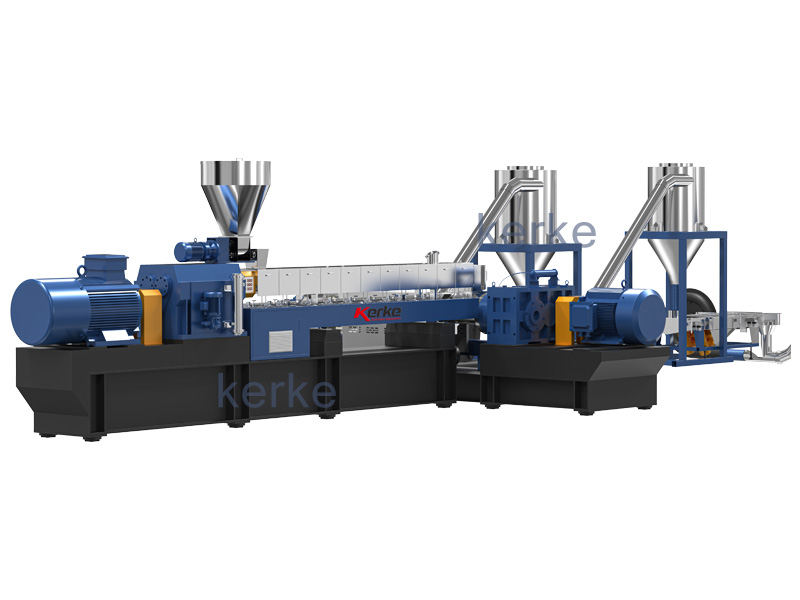
Kerke, a Wanplas factory, offers the KTE series of parallel co-rotating twin-screw extruders specifically designed for compounding applications including masterbatch production. The KTE series ranges from KTE-16B (laboratory scale) to KTE-135D (high-capacity production), providing options for every production scale from R&D trials to full-scale manufacturing. The KTE series achieves outputs from 30 kg/h to several thousand kg/h, supporting both developmental formulations and commercial production volumes.
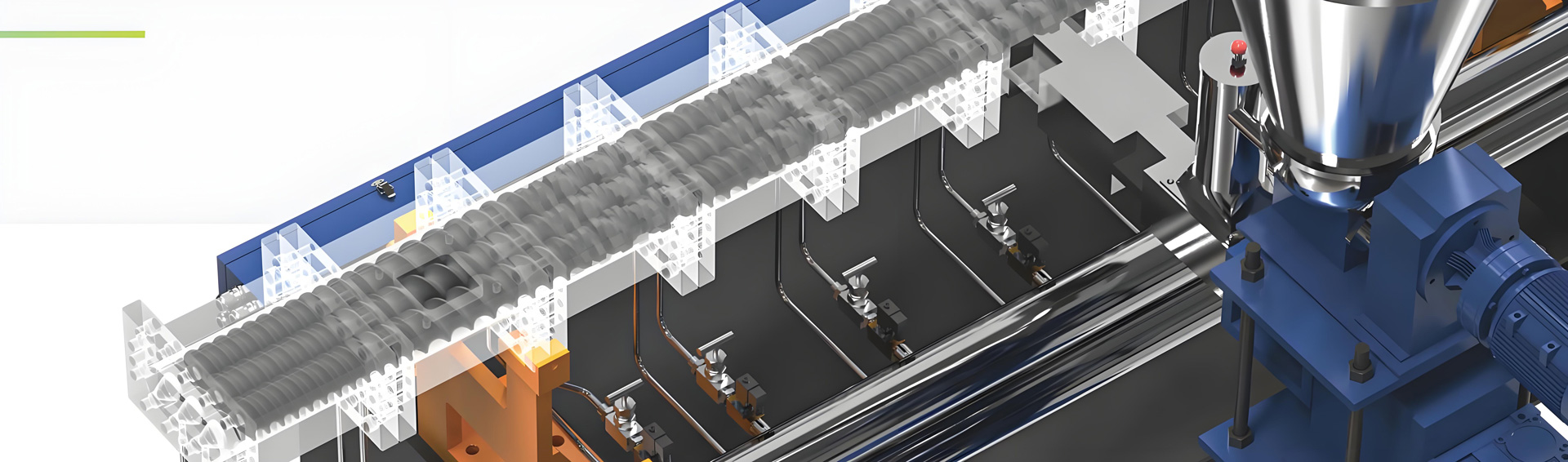
The KTE series features computer-aided screw design with interchangeable screw elements that can be configured for optimal dispersion of antimicrobial agents. The kneading blocks provide intensive dispersive mixing that breaks up agglomerates of inorganic antimicrobial particles, while the conveying elements provide distributive mixing that ensures uniform concentration throughout the carrier resin. The self-cleaning profile of co-rotating twin screws prevents material stagnation, which is critical for food grade production where cross-contamination must be minimized.
Process Parameters for Antimicrobial Masterbatch
Producing high-quality antibacterial masterbatch requires careful control of several process parameters. Barrel temperature profiles must be set to melt the carrier resin without degrading the antimicrobial agent. For silver zeolite-based formulations, barrel temperatures of 180-220C are typical for PE carriers and 190-230C for PP carriers. The screw speed affects both mixing intensity and residence time; typical speeds for masterbatch production range from 200 to 400 RPM depending on the extruder size and formulation.
The feeding system must accurately meter the antimicrobial agent into the extruder. For powder antimicrobials, side feeders or loss-in-weight feeders provide the precision needed to maintain consistent concentration. The antimicrobial agent is typically fed downstream of the primary feed port, after the carrier resin has melted, to prevent powder loss through the vent and ensure immediate incorporation into the melt. Liquid feeding systems may be used for liquid antimicrobial formulations or processing aids.
Pelletizing Systems
After compounding, the masterbatch must be pelletized into uniform pellets that can be accurately dosed during end-use processing. Kerke offers multiple pelletizing options including water-cooled strand pelletizing, air-cooled strand pelletizing, air-cooled die face hot cutting, water ring die face hot cutting, and underwater granulation. For food grade masterbatch, the pelletizing system must be designed for easy cleaning to prevent cross-contamination between production runs. Underwater pelletizing is often preferred for food grade applications because it produces uniform, dust-free pellets with excellent flow properties.
As part of the Wanplas brand network, Kerke’s twin-screw extruders can be integrated with equipment from other Wanplas factories. For example, Wanplas’s Apollo factory provides blow molding machines that could use the antibacterial masterbatch for food-grade container production, while Wanplas’s YuanSu factory offers film extrusion lines for antibacterial packaging film. This integration capability within the Wanplas ecosystem provides end-to-end solutions for manufacturers seeking to incorporate antimicrobial properties into food contact products.
Safety Testing and Compliance Protocols
Demonstrating the safety of antibacterial food grade masterbatch requires comprehensive testing that addresses both antimicrobial efficacy and food contact compliance. The testing program must be designed to meet the requirements of all applicable regulatory frameworks in the target markets.
Migration Testing
Migration testing determines the quantity of antimicrobial agent and other masterbatch components that transfer from the plastic to food under intended use conditions. The testing uses food simulants specified by the applicable regulation: 10% ethanol for aqueous foods, 3% acetic acid for acidic foods, 20% ethanol for alcoholic foods, and vegetable oil or 95% ethanol for fatty foods. Test conditions (time and temperature) represent worst-case use scenarios, including hot fill, microwave use, and long-term storage.
The migration test results must demonstrate that the specific migration of the antimicrobial agent remains below the SML established by the applicable regulation. For silver, the EU SML is 0.05 mg/kg, while for zinc it is 5.0 mg/kg. The overall migration (total mass of all substances migrating from the plastic) must also comply with the overall migration limit of 10 mg/dm2 or 60 mg/kg of food, as established by EU 10/2011.
Antimicrobial Efficacy Testing
Antimicrobial efficacy testing demonstrates that the masterbatch provides effective microbial control in the end-use application. ISO 22196 is the most widely used standard for this purpose, measuring the reduction in viable bacteria on plastic surfaces over a 24-hour contact period. The test is typically conducted against Escherichia coli (Gram-negative) and Staphylococcus aureus (Gram-positive), with efficacy expressed as the log reduction in colony-forming units compared to a non-antimicrobial control.
A typical efficacy target for antibacterial food contact applications is a 99.9% (3-log) reduction in viable bacteria within 24 hours. The test should be conducted on samples prepared at the intended let-down ratio and processed using the intended manufacturing method (injection molding, blow molding, or extrusion) to ensure that the test samples represent the actual end-use product.
Sensory Testing
Food contact materials must not cause unacceptable changes in the taste, odor, or appearance of food. Sensory testing, conducted according to standards such as EN ISO 4120 or EN 1230, evaluates whether the antimicrobial masterbatch affects the organoleptic properties of food. The test panels compare food samples that have been in contact with the antimicrobial plastic against control samples, assessing differences in taste, odor, and appearance.
Applications in Food Packaging and Processing
Antibacterial food grade masterbatch finds applications across a wide range of food contact products, each with specific requirements for antimicrobial performance, material properties, and regulatory compliance.
Food Packaging Films and Containers
Antimicrobial packaging films and containers represent the largest application segment for antibacterial food grade masterbatch. These products include meat and poultry packaging trays, dairy product containers, fresh produce packaging, and ready-meal containers. The antimicrobial properties help control microbial growth on the food contact surface, potentially extending shelf life and improving food safety.
For packaging applications, the antimicrobial masterbatch is typically let down into HDPE, PP, or PET at addition rates of 1-3%. The let-down ratio depends on the antimicrobial agent concentration in the masterbatch, the target antimicrobial efficacy, and the migration limits for the specific application. Films may require lower addition rates than rigid containers due to their higher surface-to-volume ratio, which affects the migration rate of antimicrobial agents.
Food Processing Equipment Components
Plastic components used in food processing equipment, such as cutting boards, conveyor belt components, food handling bins, and processing machine parts, can incorporate antibacterial masterbatch to reduce microbial contamination on food contact surfaces. These applications often require higher antimicrobial efficacy than packaging, as the surfaces are repeatedly exposed to microbial contamination during food processing operations.
Kitchenware and Consumer Food Products
Consumer food products such as storage containers, water bottles, baby bottles, and kitchen utensils increasingly incorporate antimicrobial properties as a value-added feature. These products must meet the same food contact regulations as industrial food packaging, and the antimicrobial claims must be substantiated by appropriate efficacy testing and supported by regulatory compliance documentation.
Quality Control in Antibacterial Masterbatch Production
Quality control for antibacterial food grade masterbatch encompasses material testing, process monitoring, and final product verification. A comprehensive QC program ensures that each production batch meets both antimicrobial performance and food contact compliance requirements.
Raw Material Verification
Every raw material used in antibacterial masterbatch production must be verified for identity, purity, and food-grade compliance. Antimicrobial agents should be accompanied by certificates of analysis that confirm active ingredient concentration, particle size distribution, and heavy metal content. Carrier resins must carry food-grade certification from the resin manufacturer. Additives and processing aids must also have food-grade certification. All certificates should be verified against the applicable regulatory positive lists to confirm that the materials are authorized for the intended food contact application.
In-Process Monitoring
During masterbatch production, several process parameters must be monitored to ensure consistent quality. Melt temperature should be measured at the die to verify that the process temperature remains within the range that preserves antimicrobial agent stability. Screw speed, feed rate, and barrel temperature profile should be logged continuously for batch-to-batch consistency. The pelletized masterbatch should be inspected for pellet uniformity, color consistency, and absence of contamination.
Kerke’s twin-screw extruders are equipped with PLC-based control systems that provide real-time monitoring and logging of all critical process parameters. The HMI touchscreen interface allows operators to monitor the process visually, while the data logging system creates a complete production record for each batch, supporting the traceability requirements of food safety management systems.
Finished Product Testing
Each production batch of antibacterial masterbatch should undergo finished product testing to verify antimicrobial agent concentration, dispersion quality, and let-down performance. Antimicrobial agent concentration can be measured using X-ray fluorescence (XRF) for silver-based agents or inductively coupled plasma (ICP) analysis for metal-based agents. Dispersion quality can be assessed by examining thin sections of the compounded material under a microscope, looking for agglomerates or unmixed regions.
The final verification step is let-down testing, where the masterbatch is mixed with the application resin at the intended addition rate and processed into test specimens. These specimens undergo antimicrobial efficacy testing (ISO 22196), migration testing, and visual inspection to confirm that the masterbatch performs as expected in the end-use application.
Industry Trends and Future Developments
The antibacterial food grade masterbatch market is evolving rapidly, driven by technological advances, regulatory developments, and changing consumer preferences. Several key trends are shaping the future of this industry segment.
Natural and Bio-Based Antimicrobials
Consumer demand for natural and sustainable products is driving research into bio-based antimicrobial agents derived from plant extracts, essential oils, and antimicrobial peptides. While these agents currently face challenges in thermal stability and regulatory approval, they represent a growing segment of the antimicrobial additives market. Manufacturers are investing in encapsulation technologies that protect natural antimicrobials during processing and provide controlled release in the end-use application.
Smart Antimicrobial Packaging
The integration of antimicrobial functionality with smart packaging technologies is an emerging trend. Smart antimicrobial packaging combines antimicrobial masterbatch with sensors that monitor food freshness indicators such as pH, temperature, or microbial metabolites. These packages can provide real-time information about food quality while actively controlling microbial growth, offering both safety and convenience benefits.
Regulatory Evolution
Regulatory frameworks for antimicrobial food contact materials continue to evolve. The EU’s ongoing review of biocidal product regulations may affect the classification and approval requirements for antimicrobial food contact materials. The FDA’s food contact notification program continues to evaluate new antimicrobial substances and expand the range of approved applications. Manufacturers must stay informed about regulatory developments in all their target markets to ensure ongoing compliance.
Sustainability and Circular Economy
The push toward circular economy principles is affecting all segments of the plastics industry, including antimicrobial masterbatch. Questions about the compatibility of antimicrobial agents with recycling processes and the potential for antimicrobial substances to affect recycled material quality are gaining attention. Some antimicrobial masterbatch manufacturers are developing formulations specifically designed for compatibility with recycling streams, ensuring that antimicrobial-treated products can be effectively recycled without contaminating the recycled material supply.
As part of the Wanplas brand, Kerke is positioned at the forefront of these industry developments. The Wanplas brand’s monthly “Pure Earth Day” environmental activity and its commitment to sustainable manufacturing practices reflect the group’s awareness of environmental responsibilities. With 2,000+ machines running in 70+ countries and 100+ team members, Kerke has the scale and expertise to support manufacturers navigating the evolving landscape of antibacterial food grade masterbatch production.
Frequently Asked Questions
What is the typical addition rate for antibacterial food grade masterbatch?
The typical addition rate ranges from 1% to 5% depending on the antimicrobial agent concentration in the masterbatch, the target efficacy, and the regulatory migration limits for the specific application. Packaging films typically use 1-3% addition rates, while rigid containers and food processing components may use 2-5%. The optimal rate should be determined through efficacy testing and migration testing at the intended addition rate.
Are silver-based antimicrobials safe for food contact applications?
Yes, silver-based antimicrobials are approved for food contact use in most major markets, including the US (FDA), EU (EU 10/2011), and China (GB 9685), when used within the established specific migration limits. The EU SML for silver is 0.05 mg/kg of food. Safety is ensured through migration testing that demonstrates the silver ion release remains below the regulatory limit under all intended use conditions.
Why are twin-screw extruders preferred for masterbatch production?
Twin-screw extruders provide superior dispersive and distributive mixing compared to single-screw extruders, achieving 40-60% better dispersion quality for antimicrobial agent particles. The co-rotating twin-screw design offers modular screw configuration, self-cleaning action, precise temperature control, and the ability to process at higher screw speeds with shorter residence times, all of which are critical for producing high-quality, consistent masterbatch.
How is antimicrobial efficacy tested and measured?
Antimicrobial efficacy is typically tested using ISO 22196 (or the equivalent JIS Z 2801), which measures the reduction in viable bacteria on a plastic surface over 24 hours. The test is conducted against standard bacterial strains such as E. coli and S. aureus. Results are expressed as log reduction in colony-forming units compared to a non-antimicrobial control, with a 99.9% (3-log) reduction commonly targeted for food contact applications.
Can antibacterial masterbatch be used in all types of food packaging?
No, the suitability depends on the antimicrobial agent, the packaging material, the food type, and the regulatory requirements. Some antimicrobial agents may not be approved for all food types or use conditions. For example, certain agents may have higher migration in fatty foods or at elevated temperatures. Each application must be evaluated individually through migration testing and regulatory verification.
Does antibacterial masterbatch affect the mechanical properties of the plastic?
At typical addition rates of 1-5%, the effect on mechanical properties is generally minimal. However, higher addition rates or poorly dispersed masterbatch can reduce tensile strength, elongation at break, and impact resistance. Proper dispersion achieved through twin-screw compounding minimizes these effects. Mechanical property testing should be conducted at the intended addition rate to verify that the product meets all performance requirements.
What is the difference between antibacterial and antimicrobial masterbatch?
Antibacterial masterbatch specifically targets bacteria, while antimicrobial masterbatch has a broader spectrum that may include bacteria, fungi, mold, and in some cases viruses. Silver-based agents are typically broad-spectrum antimicrobials effective against both bacteria and fungi, while zinc pyrithione is more effective against fungi. The choice depends on the target microorganisms in the end-use application.
What Kerke equipment is recommended for antibacterial masterbatch production?
For pilot and development work, the KTE-16B or KTE-35B laboratory twin-screw extruders are suitable. For commercial production, the KTE-75D to KTE-135D models provide the capacity and process control needed for consistent quality. The extruder should be configured with appropriate screw elements for dispersive mixing, side feeders for antimicrobial powder addition, and a pelletizing system suitable for food-grade production. Kerke engineers can provide customized configurations based on specific formulation requirements.
Conclusion
Antibacterial food grade masterbatch represents a sophisticated intersection of polymer technology, microbiology, and food safety regulation. Producing safe, effective, and compliant antimicrobial masterbatch requires careful agent selection, rigorous formulation development, precise compounding equipment, and comprehensive testing. The stakes are high: food contact materials must protect both food safety and consumer health while meeting the regulatory requirements of multiple jurisdictions.
The key to success in this market segment is partnering with equipment suppliers who understand both the technical and regulatory requirements of food-grade masterbatch production. Kerke, as a Wanplas factory with 12+ years of compounding extruder experience, 2,000+ machines worldwide, and a top 5 position in China’s twin-screw extruder market, provides the equipment, expertise, and support needed for manufacturing high-quality antibacterial food grade masterbatch. The KTE series twin-screw extruders, with their modular screw design, precise process control, and food-grade compatible construction, are engineered to meet the demanding requirements of antimicrobial masterbatch production.
As the antimicrobial plastics market continues to grow and regulatory requirements evolve, manufacturers must stay informed about technological advances, regulatory changes, and market trends. The Wanplas brand’s commitment to ongoing support, including $500 in free parts annually, quality standards guarantees, and open factory policies, provides the long-term partnership that masterbatch manufacturers need to succeed in this dynamic and demanding industry segment. By combining proven equipment, comprehensive regulatory knowledge, and systematic quality control, manufacturers can produce antibacterial food grade masterbatch that meets the highest standards of safety, efficacy, and compliance.