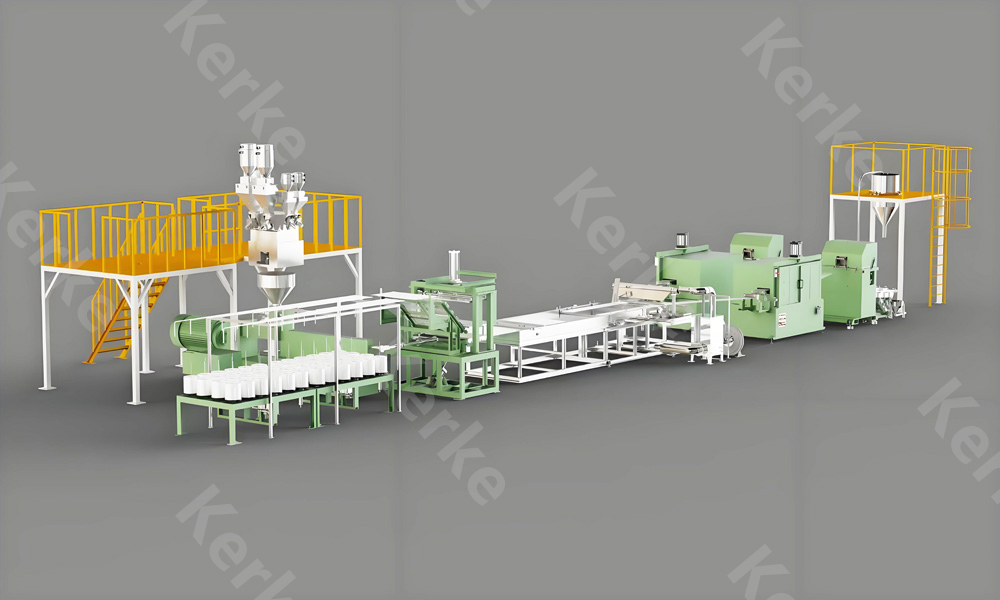
Introduction to Modular Extrusion Technology
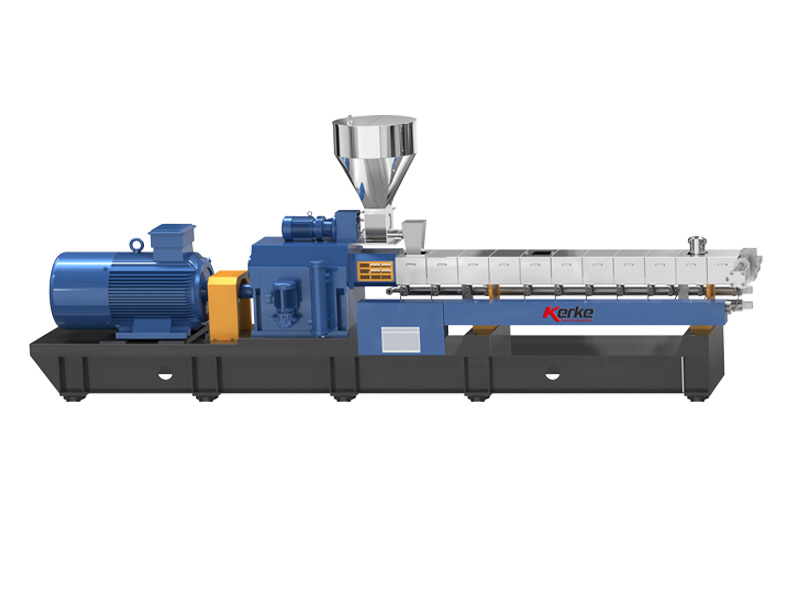
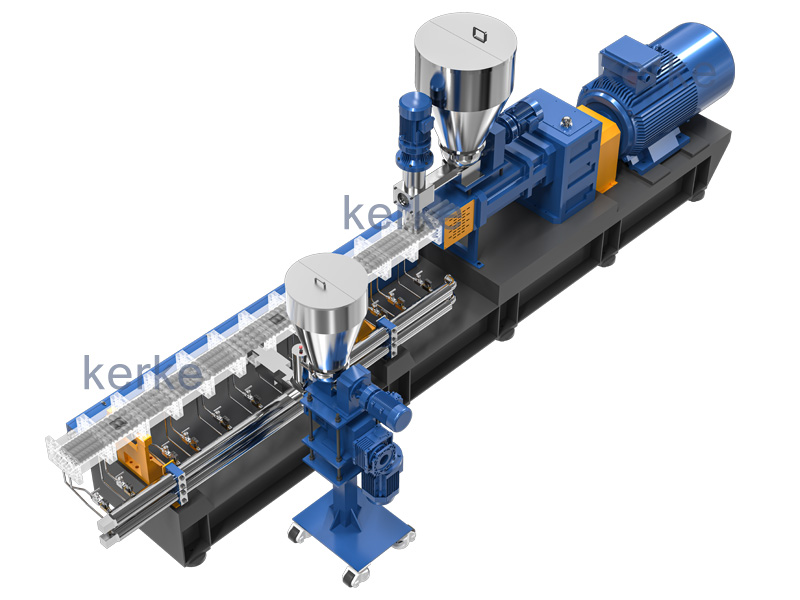
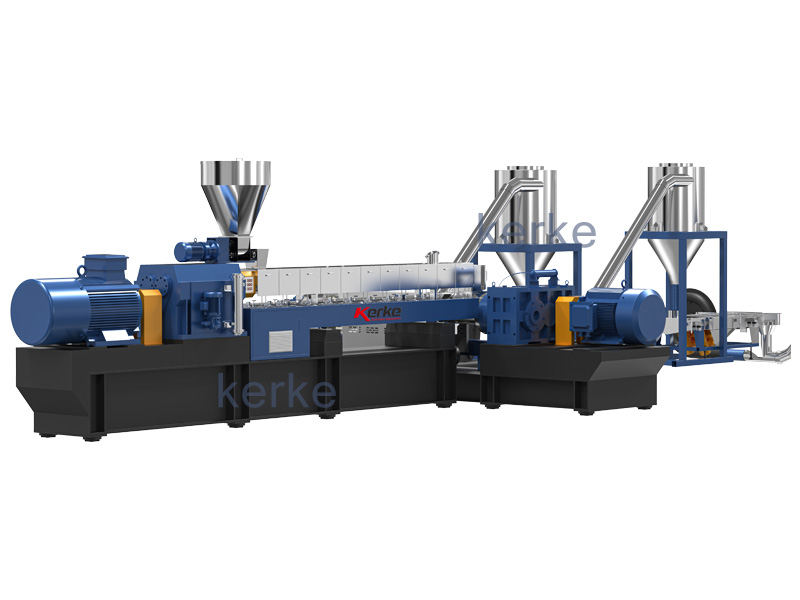
Modular design has revolutionized the twin screw extruder industry, offering unprecedented flexibility, efficiency, and scalability. Kerke Extrusion Equipment, a pioneer in modular extrusion technology, has developed a comprehensive guide to the top advantages of modular design twin screw extruders.
What is Modular Design in Extrusion?
Modular design in extrusion refers to the use of interchangeable components, such as screw elements, barrel segments, and feeding systems, that can be easily combined and configured to create customized extrusion solutions. This approach allows manufacturers to adapt their extrusion lines to changing production requirements, material properties, and quality standards.
Unlike traditional fixed-design extruders, which are built for specific applications and are difficult to modify, modular extruders offer virtually unlimited flexibility. Manufacturers can change screw configurations, add or remove barrel segments, or integrate different feeding systems to optimize processing for different materials or production goals.
Historical Evolution of Extruder Design
Extrusion technology has evolved significantly since its inception in the late 19th century. Early extruders were simple, single screw machines with fixed designs limited to basic applications. As the plastics industry grew, manufacturers demanded more flexible and efficient equipment, leading to the development of twin screw extruders.
The first twin screw extruders were also fixed-design machines, but advancements in materials science and manufacturing technology soon led to the development of modular designs. In the 1980s, several manufacturers introduced modular twin screw extruders, which quickly gained popularity due to their flexibility and performance advantages.
Kerke has been at the forefront of modular extrusion technology since its founding in 2008. The company’s KTE series twin screw extruders feature a fully modular design, allowing manufacturers to create customized solutions for their specific needs.
Why Modularity is Becoming Standard in Modern Extrusion Equipment
Modularity is becoming standard in modern extrusion equipment for several reasons:
- Flexibility: Modular extruders can be easily reconfigured to handle different materials and production requirements.
- Cost efficiency: Modular design reduces the need for multiple machines for different applications, minimizing capital expenditures.
- Scalability: Modular extruders can be scaled up or down to meet changing production volumes.
- Maintainability: Interchangeable components make maintenance and repairs faster and easier, reducing downtime.
- Innovation enablement: Modular design allows manufacturers to quickly adopt new technologies and processing techniques.
Advantage 1: Unmatched Process Flexibility and Versatility
One of the most significant advantages of modular design twin screw extruders is their unmatched process flexibility and versatility. Manufacturers can easily reconfigure the extruder to handle different materials, achieve different processing goals, or adapt to changing market demands.
Ability to Handle Multiple Material Types with the Same Equipment
Modular extruders can handle a wide range of materials, including:
- Thermoplastics: PE, PP, PVC, PS, ABS, and engineering plastics
- Composites: Fiber-reinforced materials, nanocomposites, and filled polymers
- Masterbatches: Color, filler, and additive masterbatches
- Recycled materials: Post-consumer and post-industrial recycled plastics
- Biopolymers: PLA, PHA, and other bio-based materials
This versatility eliminates the need for multiple extruders for different applications, reducing capital expenditures and simplifying production planning.
Quick Changeovers Between Different Product Formulations
In modern manufacturing, the ability to quickly change product formulations is critical for meeting market demands and reducing time-to-market for new products. Modular extruders allow for rapid changeovers by enabling manufacturers to:
- Replace screw elements: Different screw elements can be used to optimize mixing, conveying, or shearing for different materials.
- Add or remove barrel segments: Barrel segments can be added or removed to change the L/D ratio or add specialized features like side feeders or vacuum vents.
- Adjust feeding systems: Different feeding systems can be integrated to handle different material types or achieve precise dosing requirements.
These changes can often be made in a matter of hours or even minutes, compared to days for traditional fixed-design extruders.
Adapting to Changing Market Demands and Production Requirements
The plastics industry is constantly evolving, with new materials, applications, and regulations emerging regularly. Modular extruders allow manufacturers to adapt to these changes without significant capital investments:
- New material processing: As new materials like biopolymers or high-performance composites become available, manufacturers can reconfigure their modular extruders to process these materials.
- Production volume changes: Modular extruders can be scaled up or down to meet changing production volumes, allowing manufacturers to respond quickly to market demands.
- Regulatory compliance: Changes in environmental or safety regulations may require modifications to extrusion processes. Modular extruders can be easily adapted to meet new compliance requirements.
Case Study: Adapting to New Material Requirements
A manufacturer of packaging materials needed to switch from traditional petroleum-based plastics to bio-based polymers to meet customer sustainability demands. With their fixed-design extruder, they would have needed to purchase a new machine to process the new materials. Instead, they were able to reconfigure their Kerke modular extruder with a custom screw configuration and temperature profile, allowing them to process the bio-based polymers with minimal downtime and investment.
Advantage 2: Easy Maintenance and Component Replacement
Maintenance is a significant cost factor in extrusion operations, accounting for up to 30% of total manufacturing costs in some cases. Modular design twin screw extruders reduce maintenance costs and downtime through easy component replacement and simplified access to critical parts.
Simplified Access to Critical Components
Modular extruders are designed with easy access to critical components, including screw elements, barrel segments, gearboxes, and heating/cooling systems. This allows maintenance technicians to quickly inspect, clean, or replace components without disassembling large portions of the machine.
For example, Kerke’s KTE series extruders feature a split-barrel design that allows technicians to access the screw elements without removing the entire barrel from the machine. This reduces maintenance time from days to hours, minimizing production downtime.
Reduced Downtime for Routine Maintenance
Routine maintenance is essential for preventing unexpected failures and ensuring consistent performance. Modular extruders reduce routine maintenance downtime by:
- Interchangeable components: Worn or damaged components can be quickly replaced with new ones, reducing repair time.
- Modular heating and cooling systems: Individual heating/cooling zones can be serviced without affecting other parts of the machine.
- Easy-to-replace wear parts: Screw elements and barrel liners, which are subject to wear during operation, can be easily replaced without complex disassembly.
Cost-Effective Component Replacement Without Full System Overhauls
Traditional fixed-design extruders often require full system overhauls when components wear out or become obsolete. This can be extremely costly and time-consuming, requiring manufacturers to shut down production for extended periods.
Modular extruders allow manufacturers to replace individual components as needed, rather than overhauling the entire machine. This not only reduces maintenance costs but also extends the overall life of the extruder, as outdated components can be replaced with newer, more advanced technologies.
Case Study: Reducing Maintenance Costs with Modular Design
A manufacturer of plastic compounds was experiencing high maintenance costs with their fixed-design extruder, as they needed to replace the entire screw and barrel assembly every two years due to wear. After switching to a Kerke modular extruder, they were able to replace only the worn screw elements and barrel liners, reducing maintenance costs by 70% and extending the time between major overhauls to five years.
Advantage 3: Scalability and Future-Proofing
Scalability is a critical consideration for any manufacturing investment, as production volumes and requirements can change significantly over time. Modular design twin screw extruders offer unmatched scalability, allowing manufacturers to easily adapt to future growth or changing market conditions.
Adding Length or Upgrading Components as Production Grows
Modular extruders can be easily scaled up to meet increasing production volumes by:
- Adding barrel segments: Additional barrel segments can be added to increase the L/D ratio and processing capacity.
- Upgrading the motor and gearbox: Higher power motors and gearboxes can be installed to handle increased torque and throughput requirements.
- Adding auxiliary equipment: Additional feeding systems, pelletizers, or cooling systems can be integrated to support higher production volumes.
This scalability allows manufacturers to start with a smaller extruder and expand as their business grows, rather than investing in a large, expensive machine that may be underutilized initially.
Incorporating New Technologies Without Major Equipment Replacement
The extrusion industry is constantly evolving, with new technologies emerging regularly. Modular extruders allow manufacturers to adopt these new technologies without replacing the entire machine:
- Advanced screw designs: New screw elements with improved mixing or conveying capabilities can be easily integrated into existing modular extruders.
- Smart sensors and control systems: New monitoring and control technologies can be added to modular extruders to improve process optimization and quality control.
- Energy-saving technologies: New motor designs, heat recovery systems, or insulation materials can be incorporated into modular extruders to reduce energy consumption.
This ability to upgrade individual components ensures that modular extruders remain state-of-the-art throughout their lifetime, maximizing return on investment.
Adapting to Changing Regulatory Requirements
Environmental and safety regulations are becoming increasingly stringent in the plastics industry, requiring manufacturers to adopt new technologies and processes to comply. Modular extruders can be easily adapted to meet these new requirements:
- Emissions control: New vacuum vent systems or gas recovery systems can be integrated into modular extruders to reduce emissions of volatile organic compounds (VOCs).
- Energy efficiency: Modular extruders can be retrofitted with energy-saving components to meet new energy efficiency regulations.
- Material recycling: Modular extruders can be reconfigured to process recycled materials or incorporate recycling technologies to meet circular economy requirements.
Case Study: Future-Proofing Production with Modular Extruders
A manufacturer of automotive plastics needed to future-proof their production line to meet upcoming regulations on emissions and energy efficiency. With their fixed-design extruder, they would have needed to purchase a new machine to comply with the new standards. Instead, they were able to upgrade their Kerke modular extruder with a new vacuum vent system, energy-efficient motor, and smart control system, allowing them to meet the new regulations with minimal investment and downtime.
Advantage 4: Customization for Specific Applications
Every extrusion application is unique, with specific material properties, processing requirements, and quality standards. Modular design twin screw extruders allow manufacturers to create customized solutions tailored to their specific needs, ensuring optimal performance and product quality.
Tailoring Screw Configurations to Optimize Material Processing
The screw is the heart of the extruder, and its configuration has a significant impact on material processing. Modular extruders allow manufacturers to customize screw configurations to optimize processing for specific materials or applications:
- Mixing optimization: Different screw elements can be used to create high shear or low shear mixing zones, depending on the material requirements.
- Conveying optimization: Screw elements with different pitch angles can be used to optimize material conveying rates and pressure generation.
- Shear control: Screw configurations can be designed to minimize shear for heat-sensitive materials or maximize shear for dispersive mixing applications.
Kerke’s team of engineers works closely with customers to design custom screw configurations that meet their specific processing requirements. The company’s modular design allows for quick testing and optimization of different screw configurations, ensuring the best possible results.
Designing Barrel Layouts for Specific Temperature Profiles
Temperature control is critical for maintaining material integrity and achieving consistent product quality. Modular extruders allow manufacturers to design customized barrel layouts with specialized temperature zones:
- Heating zones: Different heating technologies, such as electric heaters or oil heating systems, can be used in different barrel zones to achieve precise temperature profiles.
- Cooling zones: Air or water cooling systems can be integrated into specific barrel zones to remove excess heat and prevent material degradation.
- Isolation zones: Thermal isolation materials can be used between barrel zones to maintain precise temperature control and prevent heat transfer between zones.
This level of customization is particularly important for processing heat-sensitive materials, such as certain biopolymers or specialty plastics, where precise temperature control is essential for maintaining material properties.
Integrating Specialized Feeding Systems for Unique Materials
Feeding systems play a crucial role in ensuring consistent material input and uniform product quality. Modular extruders allow manufacturers to integrate specialized feeding systems to handle unique materials or achieve precise dosing requirements:
- Loss-in-weight feeders: These systems provide precise dosing of materials by weighing them as they are fed into the extruder, ensuring consistent material input.
- Side feeders: Side feeders allow for the addition of materials at specific points along the extruder barrel, which is particularly useful for adding highly filled materials or heat-sensitive additives.
- Liquid feeders: Liquid feeders can be used to add liquid additives, such as lubricants or colorants, to the material stream.
- Volumetric feeders: Volumetric feeders provide consistent volume-based dosing of materials, which is suitable for less critical applications or low-cost materials.
Kerke offers a range of feeding systems that can be easily integrated into its modular extruders, allowing manufacturers to create customized solutions for their specific material handling requirements.
Case Study: Customizing for High-Filled Materials
A manufacturer of filler masterbatches needed to process highly filled materials (up to 80% calcium carbonate) for the construction industry. With their fixed-design extruder, they were struggling to achieve uniform dispersion of the filler, resulting in inconsistent product quality. After switching to a Kerke modular extruder with a custom screw configuration and side feeding system, they were able to achieve uniform dispersion of the filler, improving product quality and reducing material waste by 20%.
Advantage 5: Improved Process Control and Monitoring
Modern extrusion operations require advanced process control and monitoring capabilities to ensure consistent product quality, optimize production efficiency, and minimize downtime. Modular design twin screw extruders offer improved process control and monitoring through their flexible architecture and integration with smart technologies.
Modular Sensor Placement for Precise Parameter Monitoring
Modular extruders allow for flexible placement of sensors throughout the machine, enabling precise monitoring of key process parameters:
- Temperature sensors: Temperature sensors can be placed in different barrel zones, screw elements, or die systems to monitor material temperature throughout the process.
- Pressure sensors: Pressure sensors can be installed in the barrel, die, or gearbox to monitor pressure levels and detect potential issues, such as material blockages or worn components.
- Speed sensors: Speed sensors can be used to monitor screw speed, motor speed, and feed rate, ensuring consistent processing conditions.
- Vibration sensors: Vibration sensors can detect abnormal vibrations in the machine, which may indicate worn bearings, misaligned components, or other mechanical issues.
This comprehensive monitoring capability allows manufacturers to quickly identify and resolve potential issues before they affect product quality or cause production downtime.
Flexibility in Control System Upgrades
Control systems are a critical component of modern extrusion operations, providing real-time monitoring, process optimization, and data analysis capabilities. Modular extruders offer flexibility in control system upgrades, allowing manufacturers to adopt new technologies as they become available:
- Smart control algorithms: New control algorithms can be implemented to optimize process parameters automatically, improving product quality and reducing energy consumption.
- Industrial Internet of Things (IIoT) integration: Modular extruders can be integrated with IIoT platforms to enable remote monitoring, predictive maintenance, and data analytics.
- Advanced human-machine interfaces (HMIs): New HMIs with improved visualization, touchscreen controls, and mobile access capabilities can be integrated into modular extruders.
Kerke’s extruders are equipped with Siemens PLC control systems that can be easily upgraded to incorporate new technologies, ensuring that manufacturers always have access to the latest process control capabilities.
Remote Access and Troubleshooting Capabilities
Remote access and troubleshooting capabilities are becoming increasingly important in modern manufacturing, as they allow technicians to diagnose and resolve issues without being physically present at the machine. Modular extruders can be equipped with remote access capabilities that enable:
- Remote monitoring: Production managers and technicians can monitor process parameters and machine status from anywhere with an internet connection.
- Remote diagnostics: Technical support teams can remotely access the extruder’s control system to diagnose issues and recommend solutions.
- Remote software updates: Control system software can be updated remotely, ensuring that the extruder always has the latest features and bug fixes.
- Remote troubleshooting: Technicians can remotely adjust process parameters or reset the machine to resolve minor issues without on-site visits.
These capabilities reduce production downtime and maintenance costs, as issues can often be resolved in a matter of minutes rather than hours or days.
Case Study: Improving Process Control with Smart Modular Extruders
A manufacturer of medical plastics needed to improve process control and product consistency for their critical applications. They upgraded their Kerke modular extruder with a new smart control system that included advanced monitoring sensors and real-time process optimization algorithms. The new system allowed them to reduce process variation by 30% and improve product consistency, ensuring compliance with strict medical device regulations.
Advantage 6: Enhanced Energy Efficiency
Energy costs are a significant expense in extrusion operations, accounting for up to 50% of total manufacturing costs in some cases. Modular design twin screw extruders offer enhanced energy efficiency through optimized design, smart control systems, and heat recovery technologies.
Optimized Design for Energy Savings
Modular extruders are designed with energy efficiency in mind, incorporating several features to minimize energy consumption:
- High-efficiency motors: Modular extruders are equipped with high-efficiency motors that convert electrical energy into mechanical energy with minimal losses.
- Optimized gearboxes: Precision gearboxes with low friction and high torque transmission efficiency minimize energy loss in the power transmission system.
- Insulated barrel design: Insulated barrel designs reduce heat loss, allowing the extruder to maintain consistent temperature profiles with less energy input.
- Variable speed drives: Variable speed drives allow the extruder to operate at optimal speeds for different applications, reducing energy waste during low-load periods.
Kerke’s KTE series extruders feature a fully optimized design that reduces energy consumption by up to 25% compared to traditional fixed-design extruders.
Smart Control Systems for Energy Optimization
Modern control systems play a crucial role in optimizing energy efficiency in extrusion operations. Modular extruders can be equipped with smart control systems that:
- Automatically adjust process parameters: The control system can adjust screw speed, temperature profiles, and feed rates to minimize energy consumption while maintaining product quality.
- Optimize heating/cooling cycles: The control system can optimize heating and cooling cycles to reduce energy waste during start-up, shut-down, and low-load periods.
- Monitor energy consumption in real-time: The control system can track energy consumption throughout the process, allowing manufacturers to identify areas for improvement.
- Implement predictive maintenance: Smart sensors can detect potential issues that may increase energy consumption, such as worn components or misaligned parts, allowing for preventive maintenance.
Kerke’s control systems include built-in energy optimization algorithms that automatically adjust process parameters to minimize energy consumption, reducing operating costs and environmental impact.
Heat Recovery and Waste Heat Utilization
Modular extruders can be equipped with heat recovery systems that capture waste heat from the extrusion process and reuse it for other purposes, such as:
- Preheating material feedstock: Waste heat can be used to preheat material feedstock, reducing the energy required to melt the material in the extruder.
- Space heating: Waste heat can be used to heat the production facility, reducing energy costs for building heating.
- Process water heating: Waste heat can be used to heat process water, which is used in pelletizing or cooling systems.
These heat recovery systems can reduce total energy consumption by an additional 10-15%, further improving the energy efficiency of modular extruders.
Case Study: Reducing Energy Costs with Modular Extruders
A manufacturer of plastic films was struggling with high energy costs due to the inefficient operation of their fixed-design extruder. They switched to a Kerke modular extruder with a fully optimized design and smart control system, reducing energy consumption by 30% and lowering annual operating costs by $150,000. The addition of a heat recovery system further reduced energy consumption by an additional 12%, bringing total energy savings to 42%.
Kerke’s Modular Extruder Solutions
Kerke Extrusion Equipment is a leading provider of modular design twin screw extruders, offering a comprehensive range of solutions for the plastics industry.
Overview of Kerke’s Modular Extruder Product Line
Kerke’s KTE series twin screw extruders feature a fully modular design, allowing manufacturers to create customized solutions for their specific needs. The product line includes:
- KTE-B series: High-torque, high-performance extruders for demanding applications.
- KTE-D series: High-speed extruders for high-volume production applications.
- KTE-T series: Three screw extruders for improved mixing and dispersion applications.
- KTE/SE series: Double-stage extruders for processing highly filled or heat-sensitive materials.
- Lab extruders: Compact, flexible extruders for research and development applications.
Each series is available in various models with different screw diameters, L/D ratios, and torque capacities, allowing manufacturers to select the best solution for their specific production requirements.
Technical Specifications and Customization Options
Kerke’s modular extruders are available with a wide range of technical specifications and customization options:
- Screw diameter: 15.6 mm to 135 mm
- L/D ratio: 20:1 to 68:1
- Torque capacity: 30 N·m to 7800 N·m
- Output capacity: 1 kg/h to 4000 kg/h
- Motor power: 2.2 kW to 1000 kW
Customization options include:
- Custom screw configurations: Kerke’s engineers can design custom screw configurations optimized for specific materials or applications.
- Specialized barrel layouts: Custom barrel layouts with specialized heating/cooling zones, vacuum vents, or side feeders can be designed for unique applications.
- Integration with auxiliary equipment: Kerke’s extruders can be integrated with a wide range of auxiliary equipment, including feeding systems, pelletizers, cooling systems, and quality control devices.
- Control system customization: Control systems can be customized to meet specific monitoring, automation, or data analysis requirements.
Case Studies Demonstrating Modular Design Benefits
Several case studies demonstrate the benefits of Kerke’s modular design twin screw extruders:
Case Study 1: Improving Flexibility for Multi-Product Manufacturer
A multi-product manufacturer of plastic compounds was struggling to keep up with changing market demands using their fixed-design extruders. They switched to a Kerke modular extruder that allowed them to reconfigure the machine for different products in hours, reducing changeover time by 80% and increasing production capacity by 50%.
Case Study 2: Scaling Production for Growing Business
A start-up manufacturer of biopolymers needed to scale their production quickly to meet growing customer demand. They started with a small Kerke modular extruder and were able to scale up production by 300% over two years by adding barrel segments, upgrading the motor and gearbox, and integrating additional auxiliary equipment.
Case Study 3: Reducing Maintenance Downtime
A manufacturer of masterbatches was experiencing high maintenance downtime with their fixed-design extruder, which required full disassembly for routine maintenance. They switched to a Kerke modular extruder, which allowed them to replace worn components in hours rather than days, reducing maintenance downtime by 75% and increasing overall equipment effectiveness (OEE) by 20%.
Modularity vs. Traditional Extruder Design
Modular design twin screw extruders offer several advantages over traditional fixed-design extruders, making them the preferred choice for modern manufacturing operations.
Comparative Analysis of Modular vs. Fixed Design Systems
| Feature | Modular Design Extruders | Traditional Fixed-Design Extruders |
|---|---|---|
| Flexibility | High – easily reconfigurable for different applications | Low – built for specific applications, difficult to modify |
| Scalability | High – can be scaled up or down as production needs change | Low – fixed size and capacity, difficult to modify |
| Maintainability | High – easy access to components, simple replacement of worn parts | Low – requires extensive disassembly for maintenance |
| Customization | High – custom screw configurations, barrel layouts, and feeding systems | Low – limited customization options |
| Energy Efficiency | High – optimized design, smart control systems | Low – inefficient design, limited control capabilities |
| Time-to-Market for New Products | Short – quick reconfiguration for new applications | Long – requires new machine purchase or extensive modifications |
| Total Cost of Ownership | Low – reduced maintenance costs, energy savings, and longer equipment life | High – higher maintenance costs, energy costs, and faster obsolescence |
Cost-Benefit Analysis of Modular Equipment Investment
While modular extruders may have a higher initial purchase price compared to traditional fixed-design extruders, they offer significant long-term cost benefits:
- Reduced maintenance costs: Modular extruders require less maintenance and have lower spare parts costs, reducing annual operating expenses.
- Lower energy costs: Modular extruders are more energy-efficient, reducing energy expenses by up to 25%.
- Increased production capacity: Modular extruders can be scaled up to meet growing demand, eliminating the need for additional equipment purchases.
- Extended equipment life: Modular extruders have a longer useful life due to their flexible design and ability to replace worn components.
- Improved product quality: Modular extruders offer better process control and consistency, reducing product rejects and material waste.
The total cost of ownership (TCO) of modular extruders is typically 30-50% lower than traditional fixed-design extruders over a 10-year period.
Long-Term Operational Advantages of Modular Systems
The long-term operational advantages of modular design twin screw extruders include:
- Adaptability to market changes: Modular extruders allow manufacturers to quickly adapt to changing market demands, new materials, and evolving regulations.
- Competitive advantage: Modular extruders enable manufacturers to offer more customized products, reduce time-to-market for new products, and improve product quality.
- Business resilience: Modular extruders provide manufacturers with the flexibility to adjust production levels quickly in response to economic changes or supply chain disruptions.
- Sustainability benefits: Modular extruders reduce energy consumption and material waste, helping manufacturers meet their sustainability goals.
Future Trends in Modular Extrusion Technology
The future of modular extrusion technology is bright, with several key trends expected to shape the industry in the coming years:
Integration of Industry 4.0 and IoT Capabilities
Industry 4.0 and the Industrial Internet of Things (IIoT) are transforming manufacturing operations by enabling real-time monitoring, predictive maintenance, and data-driven decision-making. Modular extruders will play a key role in this transformation, as their flexible architecture allows for easy integration with smart technologies:
- Real-time process monitoring: Modular extruders will be equipped with advanced sensors that monitor process parameters in real-time, allowing manufacturers to identify and resolve issues before they affect product quality.
- Predictive maintenance: AI-powered algorithms will analyze sensor data to predict when components are likely to fail, allowing manufacturers to perform maintenance proactively and reduce downtime.
- Data-driven optimization: Cloud-based data analysis platforms will process data from modular extruders to identify opportunities for process optimization, energy savings, and quality improvement.
Advanced Material Processing Techniques
The demand for advanced materials, such as biopolymers, high-performance composites, and nanomaterials, is expected to grow significantly in the coming years. Modular extruders will play a key role in enabling the processing of these advanced materials:
- Custom screw designs: Modular extruders will be equipped with custom screw designs optimized for processing advanced materials, ensuring uniform dispersion and minimizing material degradation.
- Specialized feeding systems: Advanced feeding systems will be integrated into modular extruders to handle delicate or highly concentrated materials.
- Precise temperature control: Modular extruders will feature advanced temperature control systems that maintain consistent temperature profiles for processing temperature-sensitive materials.
Machine Learning Applications for Process Control
Machine learning (ML) algorithms are expected to revolutionize process control in extrusion operations. Modular extruders will be equipped with ML-powered control systems that:
- Automatically optimize process parameters: ML algorithms will analyze process data to identify optimal processing parameters for different materials and applications.
- Predict product quality in real-time: ML algorithms will use sensor data to predict product quality parameters, such as color consistency or mechanical properties, allowing manufacturers to make real-time adjustments to maintain quality standards.
- Optimize energy consumption: ML algorithms will identify patterns in energy consumption and recommend adjustments to minimize energy waste.
Environmental Sustainability Considerations in Modular Design
Environmental sustainability is becoming increasingly important in the plastics industry, and modular extruders will play a key role in reducing the environmental impact of extrusion operations:
- Energy-efficient design: Modular extruders will continue to evolve with more energy-efficient designs, further reducing energy consumption and greenhouse gas emissions.
- Circular economy support: Modular extruders will be optimized for processing recycled materials, enabling manufacturers to close the loop on plastic waste.
- Material waste reduction: Modular extruders’ precise process control and consistent product quality will reduce material waste, minimizing the environmental impact of production operations.
Conclusion
Modular design twin screw extruders offer numerous advantages over traditional fixed-design extruders, making them the preferred choice for modern manufacturing operations. Kerke Extrusion Equipment, a pioneer in modular extrusion technology, has developed a comprehensive line of modular extruders that offer unmatched flexibility, scalability, and efficiency.
The top advantages of modular design twin screw extruders include:
- Unmatched process flexibility and versatility: Modular extruders can be easily reconfigured to handle different materials and applications.
- Easy maintenance and component replacement: Modular design reduces maintenance downtime and costs.
- Scalability and future-proofing: Modular extruders can be scaled up or down to meet changing production needs.
- Customization for specific applications: Modular extruders can be customized to meet unique material processing requirements.
- Improved process control and monitoring: Modular extruders offer advanced monitoring and control capabilities.
- Enhanced energy efficiency: Modular extruders reduce energy consumption and operating costs.
By investing in a modular design twin screw extruder from Kerke, manufacturers can gain a competitive advantage through improved production flexibility, reduced costs, and enhanced product quality. As the plastics industry continues to evolve, modular extruders will play an increasingly important role in enabling innovation and sustainability in extrusion operations.