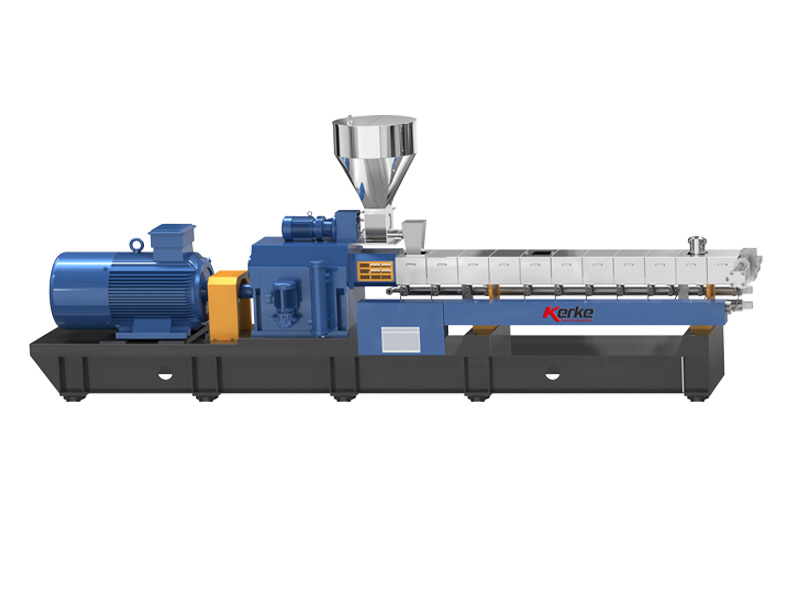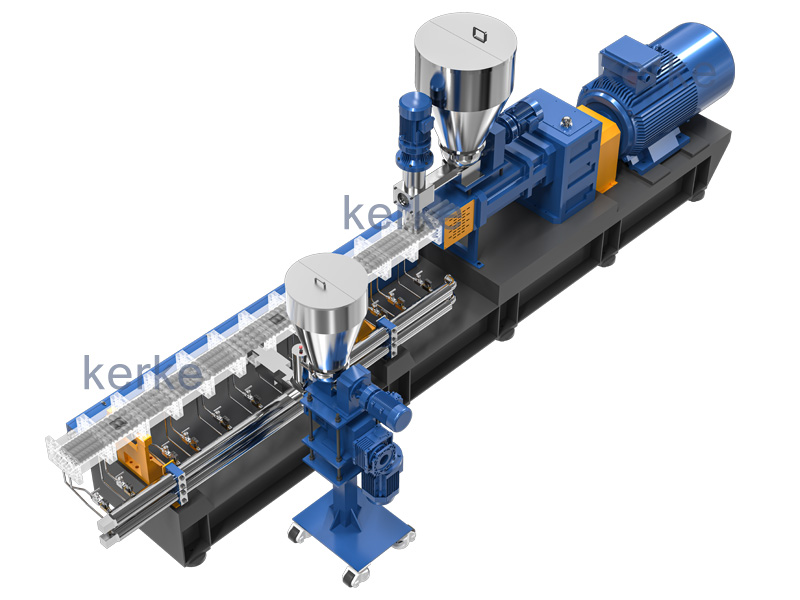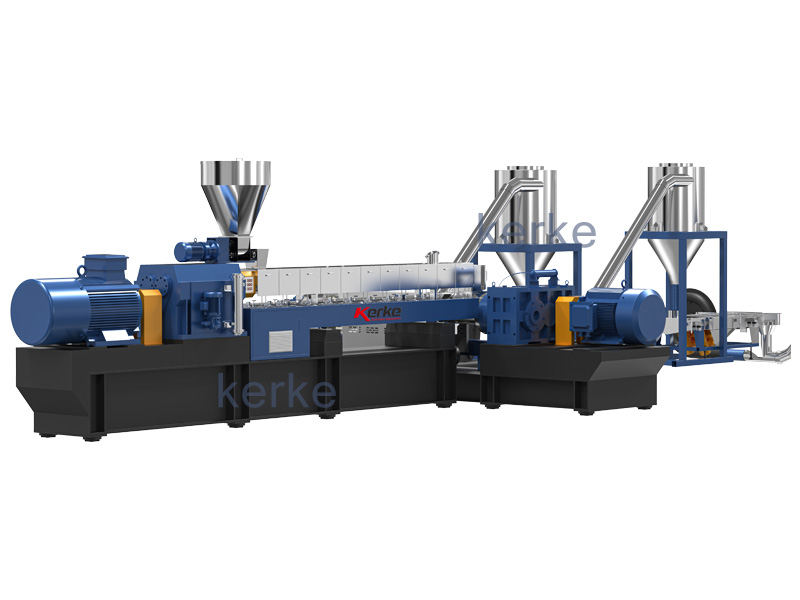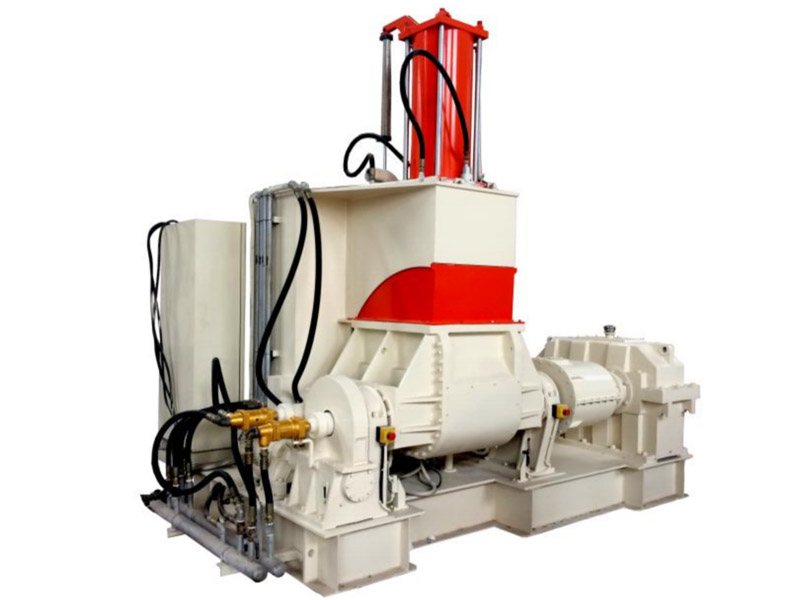
The global masterbatch market is projected to reach $16.2 billion in 2026, growing at a compound annual growth rate (CAGR) of 5.9% through 2033. This growth is driven by increasing demand for high-performance plastics across packaging, automotive, construction, electronics, and consumer goods industries. Masterbatches have become essential components in modern plastic manufacturing, providing color, functionality, and performance enhancement to plastic products while reducing production costs and improving process efficiency.
In today’s highly competitive masterbatch market, product quality, consistency, and cost-effectiveness are the key factors that determine success. Downstream customers are increasingly demanding masterbatches with superior color uniformity, excellent dispersion, consistent performance, and competitive pricing. They also require smaller batch sizes, faster delivery times, and customized formulations to meet their specific application needs. The masterbatch extruder is the single most critical piece of equipment that directly impacts all these factors, making it the foundation of your competitive advantage.
As a leading global manufacturer of twin screw extruders with over 18 years of experience, Kerke has developed specialized masterbatch extruders that deliver industry-leading performance and reliability. Kerke masterbatch extruders, compounding extruders, and twin screw extruders are engineered to produce high-quality masterbatches with consistent properties, maximum production efficiency, and minimum operating costs. With over 3,000 machines installed in more than 70 countries, Kerke has helped thousands of masterbatch producers around the world improve their product competitiveness and achieve sustainable growth.
This comprehensive guide explains how a modern masterbatch extruder can significantly boost the competitiveness of your products. It examines the key factors that determine masterbatch quality and market success, details Kerke’s proprietary technologies for superior masterbatch production, provides application-specific solutions for different masterbatch types, and includes a complete cost analysis and real-world case studies. Whether you are a small-scale masterbatch producer or a large multinational corporation, this guide will help you understand how investing in a Kerke masterbatch extruder can give you a decisive competitive edge in the market.
1. Global Masterbatch Market Dynamics and Competitive Challenges
To understand how a masterbatch extruder impacts your competitiveness, it is essential to first understand the current market dynamics and the challenges facing masterbatch producers today.
1.1 Growing Demand for High-Quality Masterbatches
The demand for masterbatches is growing rapidly across all industries, driven by several key trends:
- Increasing plastic consumption: Global plastic production is expected to reach 500 million tons by 2030, driving demand for masterbatches used in plastic processing.
- Rising quality standards: Downstream industries are imposing stricter quality requirements on plastic products, which translates to higher standards for masterbatches.
- Growing demand for functional masterbatches: Functional masterbatches such as flame retardant, UV stabilizer, antimicrobial, and conductive masterbatches are the fastest-growing segment, with a CAGR of 7.2% through 2033.
- Sustainability trends: The shift towards sustainable plastics is driving demand for biodegradable masterbatches, recycled material masterbatches, and masterbatches that improve the recyclability of plastic products.
These trends are creating significant opportunities for masterbatch producers who can deliver high-quality, innovative products that meet these evolving market needs.
1.2 Intensifying Market Competition
While the market is growing, competition is also intensifying. Masterbatch producers face competition from both large multinational corporations and small local manufacturers. The main competitive pressures include:
- Price competition: Many producers compete primarily on price, leading to thin profit margins and pressure to reduce production costs.
- Product commoditization: Standard color masterbatches have become increasingly commoditized, making it difficult to differentiate based on product alone.
- Customer demands: Customers are demanding better quality, faster delivery times, smaller batch sizes, and more customized products, all at lower prices.
- Regulatory compliance: Increasingly strict environmental and safety regulations require producers to invest in new technologies and processes to remain compliant.
In this competitive environment, producers who can differentiate themselves through superior product quality, consistent performance, and operational efficiency will be the most successful.
1.3 The Critical Role of the Masterbatch Extruder
The masterbatch extruder is the heart of any masterbatch production operation. It directly impacts every aspect of your business, including:
- Product quality: The extruder determines the dispersion quality, color consistency, and performance properties of your masterbatches.
- Production efficiency: The extruder’s production capacity, energy efficiency, and uptime directly affect your operating costs and profitability.
- Production flexibility: The extruder’s ability to quickly change between different formulations and colors determines your ability to meet customer demands for small batches and fast delivery.
- Regulatory compliance: The extruder’s design and performance affect your ability to meet environmental and safety regulations.
Investing in a high-quality masterbatch extruder is therefore not just a capital expenditure, but a strategic investment in your company’s long-term competitiveness and success.
2. How Masterbatch Quality Impacts Downstream Product Competitiveness
The quality of your masterbatches has a direct and significant impact on the competitiveness of your customers’ products. Poor quality masterbatches can lead to production problems, product defects, and increased costs for your customers, damaging your reputation and leading to lost business. Conversely, high-quality masterbatches can help your customers improve their product quality, reduce their production costs, and gain a competitive advantage in their own markets.
2.1 Color Consistency and Uniformity
Color consistency is the most basic and critical quality requirement for color masterbatches. Even minor color variations between batches can lead to significant problems for your customers, including:
- Product rejects: Parts with color differences are often rejected, resulting in wasted material and production time.
- Production downtime: Color inconsistencies can force production lines to stop while adjustments are made, leading to lost productivity.
- Brand damage: Inconsistent color can damage your customer’s brand image, especially for consumer products where appearance is critical.
- Increased costs: Your customers may need to implement additional quality control measures or rework defective products, increasing their production costs.
A high-quality masterbatch extruder ensures consistent color by providing precise control over all process parameters, including temperature, pressure, screw speed, and feed rate. This results in masterbatches with uniform color distribution and minimal batch-to-batch variation, helping your customers produce consistent, high-quality products.
2.2 Dispersion Quality
Dispersion quality refers to how evenly the pigments, additives, and fillers are distributed throughout the polymer matrix in the masterbatch. Poor dispersion can lead to a variety of problems, including:
- Surface defects: Undispersed pigment particles can cause specks, streaks, and other surface imperfections in the final product.
- Reduced mechanical properties: Poor dispersion of fillers and reinforcing agents can reduce the strength, stiffness, and impact resistance of the plastic product.
- Uneven performance: Inconsistent dispersion of functional additives can lead to uneven performance across the product, such as inconsistent flame retardancy or UV protection.
- Increased processing problems: Poorly dispersed masterbatches can cause processing problems such as filter clogging, die buildup, and screw wear.
Kerke masterbatch extruders feature advanced screw designs and high-torque drive systems that provide excellent shear and mixing performance, ensuring complete dispersion of pigments, additives, and fillers. This results in masterbatches with uniform properties and consistent performance, helping your customers produce high-quality products with minimal defects.
2.3 Functional Performance
Functional masterbatches provide specific performance properties to plastic products, such as flame retardancy, UV stability, antimicrobial protection, and conductivity. The effectiveness of these functional properties depends directly on the quality of the masterbatch production process.
For example, a flame retardant masterbatch with poor dispersion will not provide consistent flame retardant performance, potentially leading to product failure and safety hazards. Similarly, a UV stabilizer masterbatch with inconsistent additive concentration will not provide reliable UV protection, leading to premature product degradation.
Kerke masterbatch extruders provide precise control over the compounding process, ensuring that functional additives are evenly distributed and properly incorporated into the polymer matrix. This results in functional masterbatches with consistent, reliable performance that meet the most demanding industry standards.
2.4 Cost-Effectiveness
The cost-effectiveness of your masterbatches is another critical factor that affects your customers’ competitiveness. Masterbatches typically account for 5-15% of the total raw material cost for plastic products, so even small reductions in masterbatch cost or usage rate can have a significant impact on your customers’ production costs.
High-quality masterbatches from Kerke extruders are more concentrated and more effective than lower-quality alternatives, allowing your customers to use less masterbatch to achieve the desired color or performance. This reduces their raw material costs and improves their profitability. Additionally, consistent masterbatch quality reduces your customers’ scrap rates and production downtime, further reducing their overall costs.
3. Kerke Masterbatch Extruder Technologies for Superior Product Quality
Kerke has developed a range of proprietary technologies specifically designed for masterbatch production. These technologies ensure that your masterbatches have superior quality, consistent performance, and maximum cost-effectiveness, giving you a competitive advantage in the market.
3.1 High-Torque, High-Speed Twin Screw Design
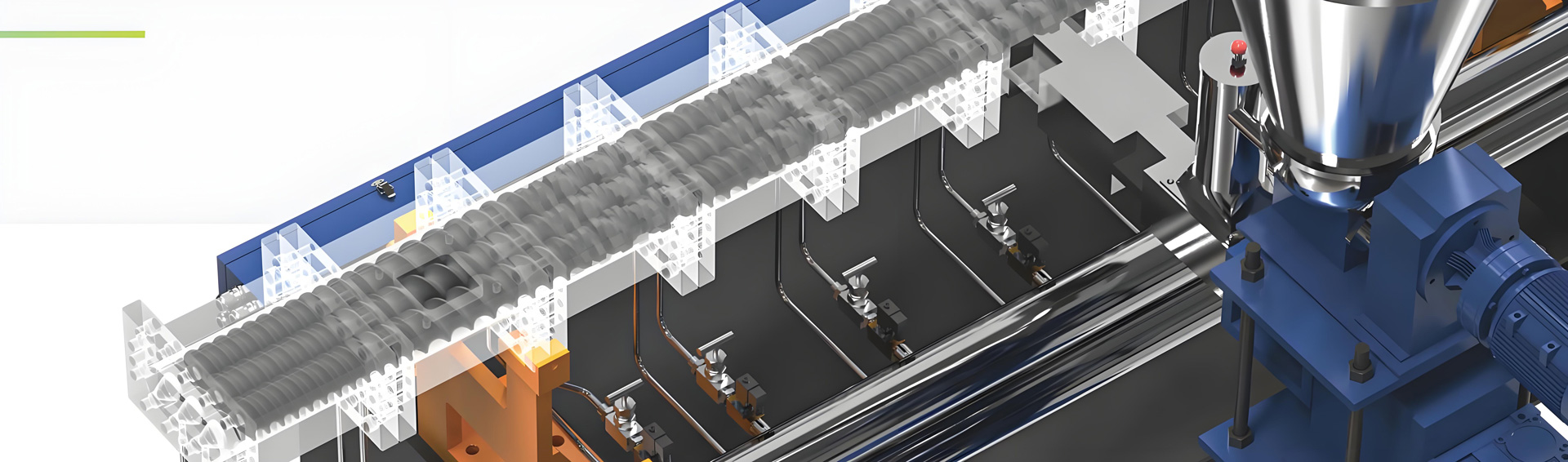
The core of any masterbatch extruder is the twin screw system. Kerke masterbatch extruders feature a high-torque, high-speed co-rotating intermeshing twin screw design that provides excellent mixing and dispersion performance.
Key features of Kerke’s twin screw design include:
- High torque density: Kerke extruders offer torque densities up to 13 Nm/cm³, allowing for higher screw speeds and higher production capacities while maintaining excellent mixing performance.
- Modular screw configuration: The screw is composed of individual elements that can be rearranged to create different screw profiles optimized for different masterbatch types and formulations.
- Self-cleaning geometry: The intermeshing screw design provides a self-cleaning action that minimizes material buildup and reduces cross-contamination between batches.
- Precision manufacturing: All screw elements are manufactured to tight tolerances to ensure consistent performance and long service life.
This advanced twin screw design ensures that pigments, additives, and fillers are completely dispersed and uniformly distributed throughout the polymer matrix, resulting in masterbatches with superior quality and consistent performance.
3.2 Precision Temperature and Pressure Control
Precise temperature and pressure control is essential for producing high-quality masterbatches. Different materials and formulations require different processing temperatures, and even small temperature variations can affect the quality and consistency of the final product.
Kerke masterbatch extruders feature:
- Multi-zone temperature control: Each barrel segment has independent temperature control with PID controllers that maintain temperature within ±0.5°C of the setpoint.
- Real-time pressure monitoring: Pressure sensors are installed at multiple points along the barrel to monitor melt pressure in real-time, allowing for immediate detection of process variations.
- Closed-loop control systems: All process parameters are controlled by closed-loop systems that automatically adjust to maintain optimal conditions, ensuring consistent product quality from batch to batch.
This precise control over temperature and pressure ensures that the material is processed under optimal conditions, preventing thermal degradation and ensuring consistent product properties.
3.3 Advanced Gravimetric Feeding System
Accurate feeding of raw materials is critical for producing masterbatches with consistent composition and performance. Even small variations in the ratio of polymer, pigment, and additives can lead to significant changes in the final product properties.
Kerke masterbatch extruders are equipped with advanced gravimetric feeding systems that provide highly accurate and consistent material feeding:
- Loss-in-weight feeders: Each component is fed using a loss-in-weight feeder that continuously measures the weight of the material and adjusts the feed rate to maintain the desired ratio.
- High feeding accuracy: The feeding systems provide accuracy of ±0.1% or better, ensuring consistent formulation from batch to batch.
- Multiple feed ports: Multiple feed ports along the barrel allow for the addition of different materials at different points in the process, optimizing the compounding sequence.
- Quick-change hoppers: Quick-release hoppers allow for fast and easy material changes, reducing downtime between batches.
This advanced feeding system ensures that your masterbatches have consistent composition and performance, meeting the strictest quality requirements of your customers.
3.4 Integrated Degassing and Filtration System
Degassing and filtration are essential steps in masterbatch production to remove volatiles, moisture, and contaminants from the material.
Kerke masterbatch extruders feature:
- Multi-stage vacuum degassing: Multiple vacuum vents along the barrel remove volatiles, moisture, and other impurities from the melt, resulting in masterbatches with improved purity and performance.
- Continuous screen changers: Kerke’s continuous screen changers allow for filter replacement without stopping production, minimizing downtime and ensuring consistent product quality.
- High-efficiency filtration systems: High-density filter screens remove contaminants and undispersed particles, ensuring that the final masterbatch is free of defects.
These systems ensure that your masterbatches are pure, clean, and free of contaminants, meeting the highest quality standards for even the most demanding applications.
3.5 Intelligent Kerke SmartControl System
All Kerke masterbatch extruders are equipped with the Kerke SmartControl system, an advanced industrial control platform that provides comprehensive control and monitoring of the entire production process.
Key features of the SmartControl system include:
- Recipe management: Store and recall hundreds of production recipes with a single touch, ensuring consistent process parameters for each product.
- Real-time process monitoring: Continuously monitor all process parameters, including temperature, pressure, screw speed, torque, and feed rates, and display them on an intuitive touchscreen interface.
- Data logging and reporting: Automatically record all process data and generate detailed production reports for quality control and regulatory compliance.
- Alarm and fault diagnosis: The system provides immediate alerts for any process deviations or faults, and includes a built-in fault diagnosis system to help operators resolve issues quickly.
- Remote monitoring and control: Monitor and control your extruder from anywhere in the world using a smartphone, tablet, or computer.
The SmartControl system ensures that your production process is consistent, repeatable, and efficient, helping you produce high-quality masterbatches with minimal operator intervention.
4. How Kerke Extruders Improve Operational Efficiency and Reduce Costs
In addition to improving product quality, Kerke masterbatch extruders also significantly improve operational efficiency and reduce production costs. Lower production costs allow you to offer more competitive prices to your customers while maintaining healthy profit margins, further enhancing your competitiveness.
4.1 High Production Capacity and Energy Efficiency
Kerke masterbatch extruders offer industry-leading production capacity and energy efficiency, reducing your per-unit production costs.
- High production capacity: Kerke extruders have production capacities ranging from 5 kg/hour for laboratory-scale machines to 2500 kg/hour for large production systems, allowing you to meet the needs of any production volume.
- Energy-efficient servo drive systems: Kerke extruders use advanced servo drive systems that consume 30-50% less energy than traditional hydraulic drive systems. The servo drives only consume energy when needed, resulting in significant energy savings over the life of the machine.
- High specific throughput: Kerke’s high-torque design allows for higher specific throughput (kg/hour per rpm), increasing production capacity without increasing the machine size.
For example, a Kerke KTE-65 masterbatch extruder can produce up to 800 kg/hour of color masterbatch while consuming only 0.35 kWh/kg of energy, compared to 0.6-0.8 kWh/kg for traditional extruders. This results in annual energy savings of over $50,000 for a typical production facility.
4.2 Quick Material Change and Easy Cleaning
Masterbatch production requires frequent material and color changes, which can result in significant downtime and material waste. Kerke extruders are designed to minimize changeover time and reduce scrap generation.
Key features include:
- Modular clamshell barrel design: Kerke’s patented clamshell barrel can be opened in less than 5 minutes, providing full access to the screw and barrel interior for quick and thorough cleaning.
- Self-cleaning screw geometry: The intermeshing screw design provides a self-cleaning action that reduces material buildup and minimizes the amount of purge material required between batches.
- Rapid Purge Technology: Kerke’s proprietary Rapid Purge Technology reduces purging time and material waste by up to 80% compared to traditional methods, allowing for complete color changes in 15-30 minutes with less than 10 kg of purge material.
- Quick-change feed system: Quick-release hoppers and feeders allow for fast material changes without tools.
These features reduce changeover time from 2-4 hours for traditional extruders to 15-30 minutes for Kerke extruders, increasing production capacity by 30-50% and reducing material waste by 70-80%.
4.3 Low Maintenance and Long Service Life
Kerke masterbatch extruders are built to last, with high-quality components and robust construction that minimize maintenance requirements and extend service life.
- Wear-resistant materials: Barrel liners and screw elements are made from high-quality alloy steels with hardened surfaces or bimetallic coatings, providing excellent wear resistance and long service life even when processing abrasive fillers and pigments.
- Modular design: The modular barrel and screw design allows for easy replacement of individual components, reducing maintenance time and costs.
- Sealed bearings and lubrication systems: Sealed bearings and automatic lubrication systems reduce maintenance requirements and ensure reliable operation.
- Predictive maintenance: The Kerke SmartControl system includes predictive maintenance features that monitor component wear and alert you to potential issues before they cause downtime.
Kerke extruders typically have a service life of 15-20 years with proper maintenance, providing a long-term return on your investment.
4.4 Automated Production Integration
Kerke masterbatch extruders can be integrated with fully automated production lines, reducing labor requirements and improving production efficiency.
Automation options include:
- Automatic material handling systems: Centralized material conveying systems that automatically deliver raw materials to the feeders.
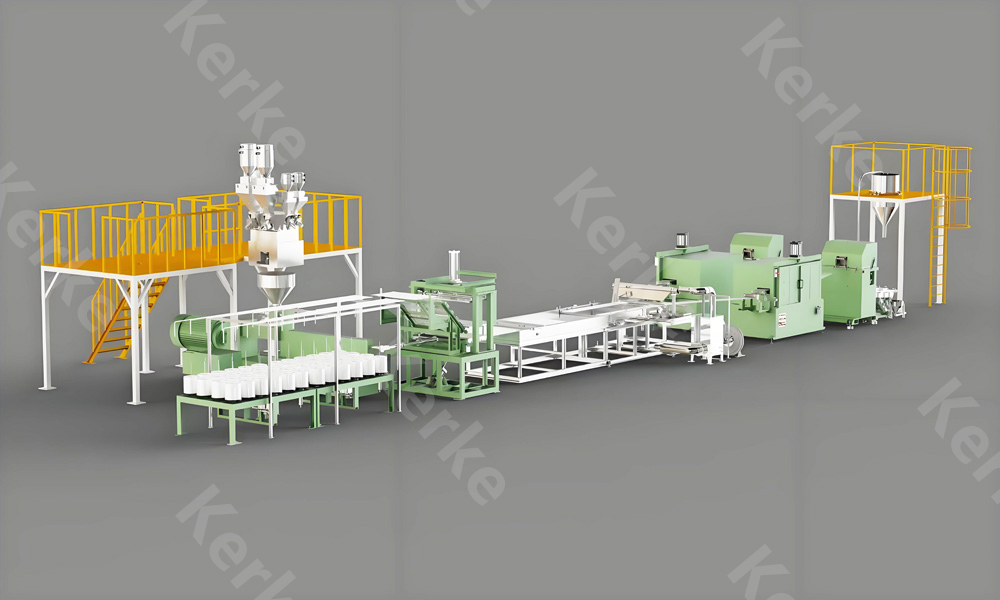
- Integrated pelletizing systems: Water ring pelletizers, strand pelletizers, and underwater pelletizers that produce uniform, high-quality pellets.
- Automatic drying and screening systems: Remove moisture and fines from the final product.
- Automatic packaging systems: Weigh, bag, and palletize the finished masterbatch automatically.
These automated systems reduce labor requirements by 50-70% and improve production consistency, further reducing your operating costs.
5. Application-Specific Solutions for Different Masterbatch Types
Different types of masterbatches have different production requirements. Kerke offers customized masterbatch extruder solutions tailored to the specific needs of each application, ensuring optimal performance and product quality.
5.1 Color Masterbatch Production
Color masterbatches are the most common type of masterbatch, used to add color to plastic products. The key requirements for color masterbatch production are excellent color consistency, superior dispersion, and fast color change capabilities.
Kerke color masterbatch extruders feature:
- High-shear screw designs optimized for pigment dispersion
- Precision gravimetric feeding systems for accurate pigment addition
- Clamshell barrel design for fast and easy cleaning between color changes
- Rapid Purge Technology for minimal color change time and material waste
- Integrated filtration systems to remove undispersed pigment particles
These features ensure that your color masterbatches have consistent color, excellent dispersion, and minimal batch-to-batch variation, meeting the strictest quality requirements of your customers.
5.2 Functional Masterbatch Production
Functional masterbatches add specific performance properties to plastic products, such as flame retardancy, UV stability, antimicrobial protection, conductivity, and anti-static properties. The key requirements for functional masterbatch production are accurate additive dosing, uniform dispersion, and prevention of additive degradation.
Kerke functional masterbatch extruders feature:
- Modular screw configurations optimized for different functional additives
- Multiple feed ports for sequential addition of different additives
- Precision temperature control to prevent thermal degradation of sensitive additives
- High-efficiency degassing systems to remove volatiles
- Intelligent control systems for consistent process parameters
These features ensure that your functional masterbatches have consistent performance properties and meet the most demanding industry standards.
5.3 Filler Masterbatch Production
Filler masterbatches are used to reduce production costs and improve the mechanical properties of plastic products. Common fillers include calcium carbonate, talc, and glass fiber. The key requirements for filler masterbatch production are high filler loading capacity, good dispersion, and minimal wear on the extruder components.
Kerke filler masterbatch extruders feature:
- High-torque drive systems for processing high-viscosity materials with high filler loadings
- Specialized screw designs for excellent filler dispersion and distribution
- Wear-resistant barrel liners and screw elements for extended service life
- Side feeders for efficient addition of fillers
- High-capacity degassing systems to remove moisture and volatiles
Kerke extruders can produce filler masterbatches with filler loadings up to 85% while maintaining excellent dispersion and mechanical properties.
5.4 Biodegradable Masterbatch Production
Biodegradable masterbatches are used to improve the biodegradability of plastic products or to produce fully biodegradable plastics. The key requirements for biodegradable masterbatch production are low-temperature processing to prevent polymer degradation, excellent dispersion of biodegradable additives, and efficient degassing.
Kerke biodegradable masterbatch extruders feature:
- Low-temperature processing capabilities to prevent thermal degradation of biodegradable polymers
- Gentle screw designs that minimize shear heat generation
- High-efficiency degassing systems to remove moisture and volatiles
- Precision temperature control with narrow temperature ranges
- Stainless steel product contact parts for hygiene and corrosion resistance
These features ensure that your biodegradable masterbatches maintain their biodegradable properties and meet the growing demand for sustainable plastic products.
6. Cost Analysis and Return on Investment
Investing in a Kerke masterbatch extruder provides a rapid return on investment through improved product quality, increased production efficiency, and reduced operating costs. The following analysis compares the costs of operating a traditional masterbatch extruder versus a Kerke extruder for a typical medium-sized masterbatch production facility.
6.1 Annual Cost Comparison
Consider a medium-sized masterbatch producer operating 24 hours per day, 300 days per year, producing 3000 tons of color masterbatch annually. The company currently uses a traditional 65mm twin screw extruder with a production capacity of 500 kg/hour and is considering replacing it with a Kerke KTE-65 masterbatch extruder.
Annual operating costs for the traditional extruder:
- Raw material costs: $6,000,000 (based on $2.00/kg average material cost)
- Energy costs: $180,000 (based on 0.6 kWh/kg energy consumption and $0.10/kWh electricity cost)
- Labor costs: $180,000 (3 operators per shift, 3 shifts per day, $25/hour)
- Maintenance costs: $60,000
- Material waste from changeovers: $120,000 (100 changes per year, 60 kg waste per change)
- Total annual operating costs: $6,540,000
Annual operating costs for the Kerke KTE-65 extruder:
- Raw material costs: $5,700,000 (5% reduction in raw material usage due to higher masterbatch concentration and quality)
- Energy costs: $105,000 (0.35 kWh/kg energy consumption)
- Labor costs: $120,000 (2 operators per shift due to higher automation)
- Maintenance costs: $30,000
- Material waste from changeovers: $24,000 (100 changes per year, 12 kg waste per change)
- Total annual operating costs: $5,979,000
Annual cost savings with Kerke extruder: $6,540,000 – $5,979,000 = $561,000
In addition to these direct cost savings, the Kerke extruder also provides increased production capacity. The higher production speed and reduced downtime allow the facility to increase annual production by 20% to 3600 tons, generating an additional $1,200,000 in revenue.
6.2 Return on Investment Calculation
The base price of a Kerke KTE-65 masterbatch extruder with standard configuration is approximately $220,000. Including installation, commissioning, and training, the total initial investment is approximately $250,000.
With annual cost savings of $561,000, the payback period for the Kerke extruder is:
Payback period = Total investment ÷ Annual cost savings = $250,000 ÷ $561,000 = 0.45 years (approximately 5.4 months)
This means that the investment in the Kerke extruder is fully recovered in less than 6 months. After the payback period, the annual savings continue to add directly to the company’s profitability.
Over the 15-year service life of the extruder, the total savings would be:
Total savings over 15 years = ($561,000 × 15) – $250,000 = $8,165,000
This represents a return on investment of over 3200% over the life of the machine.
6.3 Kerke Masterbatch Extruder Price List 2026
The following are the base prices for Kerke masterbatch extruders in 2026. These prices include standard configuration and FOB Shanghai shipping terms. Customization options and additional features will increase the price accordingly.
- Kerke KTE-20 (Laboratory scale): $25,000 – $40,000. Production capacity: 5-20 kg/hour. Ideal for research and development and small-batch production.
- Kerke KTE-35 (Pilot scale): $60,000 – $90,000. Production capacity: 50-150 kg/hour. Suitable for pilot production and small-scale manufacturing.
- Kerke KTE-50 (Small production): $110,000 – $160,000. Production capacity: 150-400 kg/hour. Perfect for small to medium-sized masterbatch producers.
- Kerke KTE-65 (Medium production): $180,000 – $260,000. Production capacity: 300-800 kg/hour. Most popular model for medium-scale masterbatch production.
- Kerke KTE-75 (Large production): $280,000 – $400,000. Production capacity: 600-1500 kg/hour. Designed for high-volume masterbatch production facilities.
- Kerke KTE-95 (High capacity): $450,000 – $650,000. Production capacity: 1200-2500 kg/hour. For large-scale industrial masterbatch operations.
Optional features and their approximate costs:
- Clamshell barrel design: +15-20% of base machine price
- Rapid Purge Technology: +$5,000 – $15,000
- Advanced gravimetric feeding system: +$10,000 – $30,000
- Integrated CIP system: +$20,000 – $50,000
- Water ring pelletizing system: +$15,000 – $35,000
- Automatic packaging system: +$25,000 – $60,000
7. Real-World Case Studies
The following case studies demonstrate how Kerke masterbatch extruders have helped masterbatch producers around the world improve their product competitiveness and achieve significant business growth.
7.1 Case Study 1: Color Masterbatch Producer in Vietnam
A medium-sized color masterbatch producer in Vietnam was facing intense competition from low-cost producers in the region. The company was using traditional extruders that produced masterbatches with inconsistent color quality and high levels of scrap. They were also experiencing long changeover times and high material waste, which limited their ability to compete on price and delivery time.
The company decided to replace their old extruders with three Kerke KTE-65 color masterbatch extruders featuring clamshell barrels, Rapid Purge Technology, and advanced gravimetric feeding systems.
Results after installing the Kerke extruders:
- Color consistency improved by 90%, with batch-to-batch color variation reduced from ΔE=2.5 to ΔE=0.3
- Scrap rate reduced from 8% to 1.2%
- Color change time reduced from 3 hours to 20 minutes
- Material waste from changeovers reduced by 85%
- Production capacity increased by 40%
- Energy consumption reduced by 45%
- Total annual cost savings: $850,000
- Payback period: 7 months
The improved product quality and lower production costs allowed the company to reduce their prices by 10% while increasing their profit margins. They were able to capture significant market share from their competitors and expand their business into new markets.
7.2 Case Study 2: Functional Masterbatch Manufacturer in Germany
A leading functional masterbatch manufacturer in Germany specialized in producing high-performance flame retardant and UV stabilizer masterbatches for the automotive and electronics industries. The company was facing increasing pressure from customers to improve product consistency and reduce lead times.
Their existing extruders were unable to meet the strict quality requirements for high-performance functional masterbatches, resulting in high rejection rates and customer complaints. They also had long changeover times, which made it difficult to meet customer demands for small batch sizes and fast delivery.
The company purchased two Kerke KTE-75 functional masterbatch extruders with specialized screw designs, precision feeding systems, and integrated degassing and filtration systems.
Results after installing the Kerke extruders:
- Product consistency improved significantly, with rejection rate reduced from 6.5% to 0.8%
- Functional performance of the masterbatches became more consistent, meeting the strictest automotive industry standards
- Changeover time reduced from 4 hours to 30 minutes
- Production capacity increased by 35%
- Energy consumption reduced by 40%
- Customer complaints eliminated
- Total annual cost savings: $1,200,000
- Payback period: 10 months
The improved product quality and faster delivery times allowed the company to secure several large contracts with major automotive manufacturers, increasing their annual revenue by 60%.
7.3 Case Study 3: Filler Masterbatch Producer in Brazil
A filler masterbatch producer in Brazil was producing calcium carbonate filler masterbatches for the packaging and construction industries. The company was using old extruders that had low production capacity and high wear rates. They were also experiencing problems with poor filler dispersion, which led to customer complaints about reduced mechanical properties in the final products.
The company invested in a Kerke KTE-75 filler masterbatch extruder with a high-torque drive system, wear-resistant components, and specialized screw design for high filler loadings.
Results after installing the Kerke extruder:
- Production capacity increased from 400 kg/hour to 900 kg/hour
- Filler loading capacity increased from 70% to 82%
- Filler dispersion improved significantly, eliminating customer complaints about mechanical properties
- Wear life of screw and barrel components increased by 300%
- Energy consumption reduced by 35%
- Maintenance costs reduced by 60%
- Total annual cost savings: $680,000
- Payback period: 8 months
The increased production capacity and improved product quality allowed the company to become the leading filler masterbatch producer in Brazil, doubling their market share in just two years.
8. Best Practices for Maximizing Competitiveness with Kerke Extruders
To maximize the competitiveness of your masterbatch products with Kerke extruders, follow these best practices:
8.1 Optimize Screw Configuration for Your Products
Work with Kerke’s process engineers to develop optimized screw configurations for your specific products and formulations. The right screw configuration can significantly improve dispersion quality, increase production capacity, and reduce energy consumption.
8.2 Implement Strict Quality Control Procedures
Implement strict quality control procedures throughout the production process, from raw material inspection to finished product testing. Use the data from the Kerke SmartControl system to monitor process parameters and ensure consistent product quality.
8.3 Optimize Production Scheduling
Optimize your production scheduling to minimize changeover time and maximize production efficiency. Group similar colors and formulations together in the production schedule to reduce the amount of purging required between batches.
8.4 Invest in Operator Training
Provide comprehensive training to your operators on the proper operation, maintenance, and troubleshooting of your Kerke extruders. Well-trained operators can maximize machine performance, reduce downtime, and ensure consistent product quality.
8.5 Implement a Preventive Maintenance Program
Implement a regular preventive maintenance program to keep your Kerke extruder operating at peak performance. Regular maintenance reduces downtime, extends the service life of the machine, and ensures consistent product quality.
8.6 Continuously Improve Your Formulations
Continuously improve your formulations to reduce costs and improve product performance. Kerke’s laboratory facilities and process engineers can help you develop new formulations and optimize existing ones to meet changing market needs.
9. Kerke’s Comprehensive Support for Masterbatch Producers
Kerke is committed to providing comprehensive support to our customers throughout the entire life cycle of their extruder. Our global service network ensures that you receive fast, professional support whenever you need it.
9.1 Process Development and Testing
We offer comprehensive process development and testing services in our fully equipped laboratory. Our process engineers can test your materials and formulations, develop optimized process parameters, and recommend the best machine configuration for your specific needs.
9.2 Installation and Commissioning
Our team of experienced engineers will install and commission your Kerke extruder at your facility. We will ensure that the machine is properly installed, calibrated, and running at optimal performance. We also provide comprehensive operator training during the commissioning process.
9.3 Technical Support and Service
We offer 24/7 technical support to help you resolve any issues that may arise with your extruder. Our technical support team can be reached by phone, email, or remote access, and we can dispatch a service technician to your facility if needed.
9.4 Spare Parts Supply
We maintain a global inventory of spare parts to ensure fast delivery when you need them. Our spare parts are manufactured to the same high standards as the original components, ensuring perfect fit and performance.
9.5 Upgrades and Retrofits
We offer a range of upgrades and retrofits to improve the performance of your existing Kerke extruder or even non-Kerke extruders. These upgrades include control system upgrades, drive system upgrades, and clamshell barrel retrofits, which can significantly improve your machine’s performance and extend its service life.
10. Conclusion
In today’s highly competitive masterbatch market, the quality of your products and the efficiency of your production operations are the key factors that determine your success. The masterbatch extruder is the foundation of your business, directly impacting your product quality, production costs, and ability to meet customer demands.
Kerke masterbatch extruders are engineered to deliver superior performance and reliability, helping you produce high-quality masterbatches with consistent properties, maximum production efficiency, and minimum operating costs. Our advanced technologies, application-specific solutions, and comprehensive support services give you a decisive competitive edge in the market.
The real-world case studies presented in this guide demonstrate that investing in a Kerke masterbatch extruder provides a rapid return on investment, typically within 6-12 months. Over the life of the machine, the savings in production costs and increased revenue from improved product quality and capacity can amount to millions of dollars, directly contributing to your company’s long-term success and profitability.
Whether you are a small-scale masterbatch producer looking to expand your business or a large multinational corporation seeking to improve your production efficiency, Kerke has the expertise and technology to help you achieve your goals. Our team of experienced engineers will work with you to develop a customized solution that meets your specific production requirements and budget.
If you are looking to boost the competitiveness of your masterbatch products, contact Kerke today to schedule a free consultation. With Kerke as your partner, you can be confident that you are getting the most advanced, reliable, and efficient masterbatch extruder available on the market.