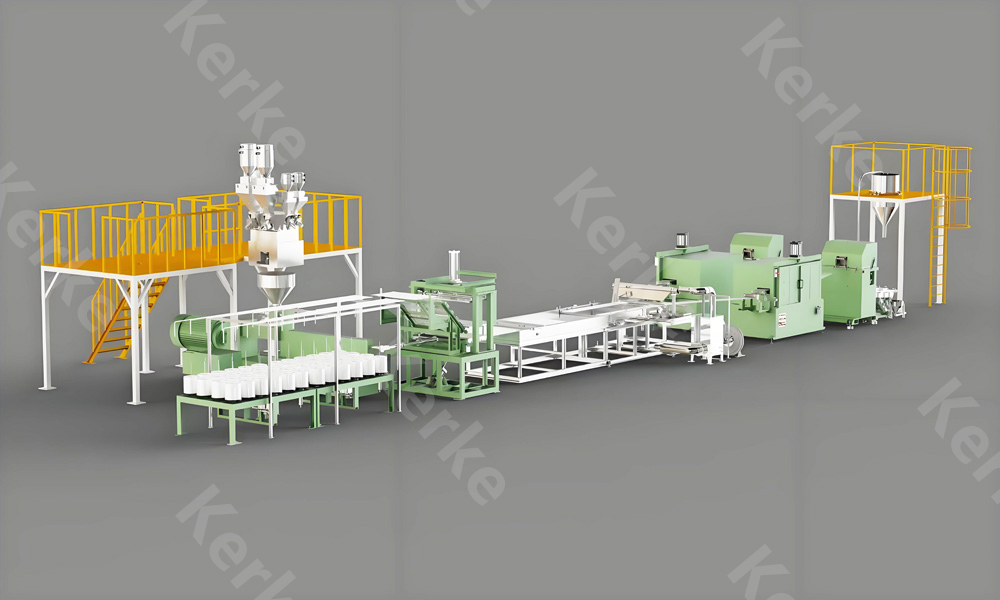
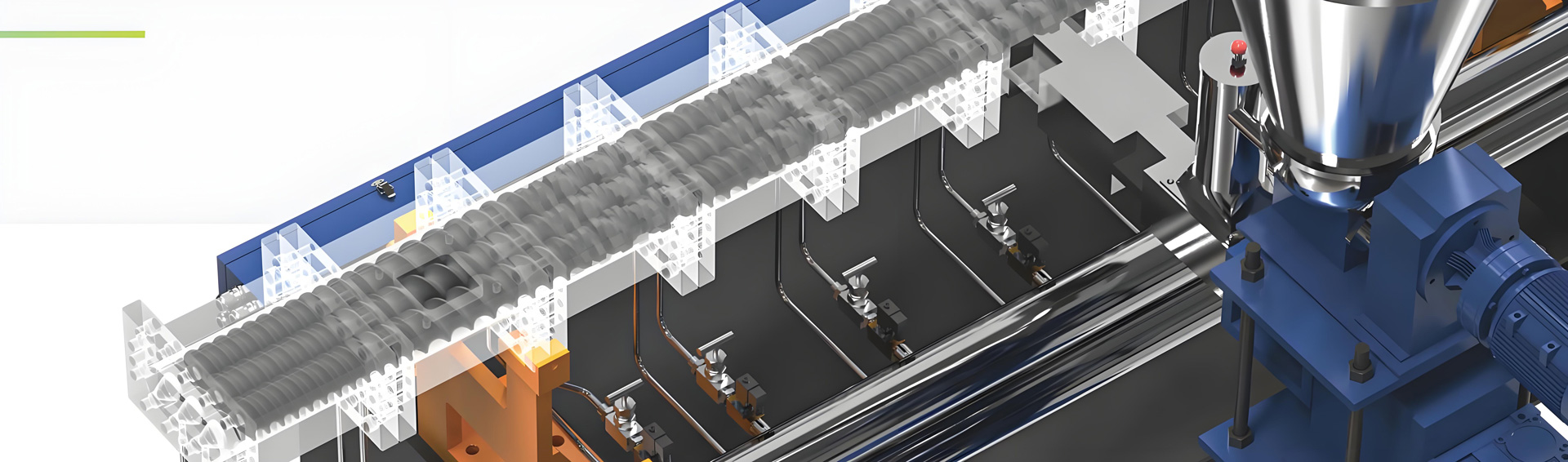
The global twin screw extruders market is projected to reach $1.27 billion in 2026, growing at a compound annual growth rate (CAGR) of 4.99% through 2035 . This growth is driven by increasing demand for high-performance engineered plastics, masterbatches, and recycled plastic compounds across automotive, packaging, construction, and electronics industries. In today’s interconnected global economy, consistent product quality has become the most critical competitive differentiator for plastic compounders and masterbatch producers. Downstream customers expect identical product performance regardless of where their materials are manufactured, making quality consistency the foundation of successful global supply chains.
For global manufacturers, even minor variations in compound quality can have catastrophic consequences. A 5% variation in melt flow index (MFI) can cause production defects in injection molding operations, resulting in thousands of dollars in scrap and downtime. In the automotive industry, inconsistent mechanical properties can lead to part failures and safety recalls, costing millions of dollars in damages and brand reputation damage. In the food and pharmaceutical industries, quality inconsistencies can result in regulatory non-compliance and product bans .
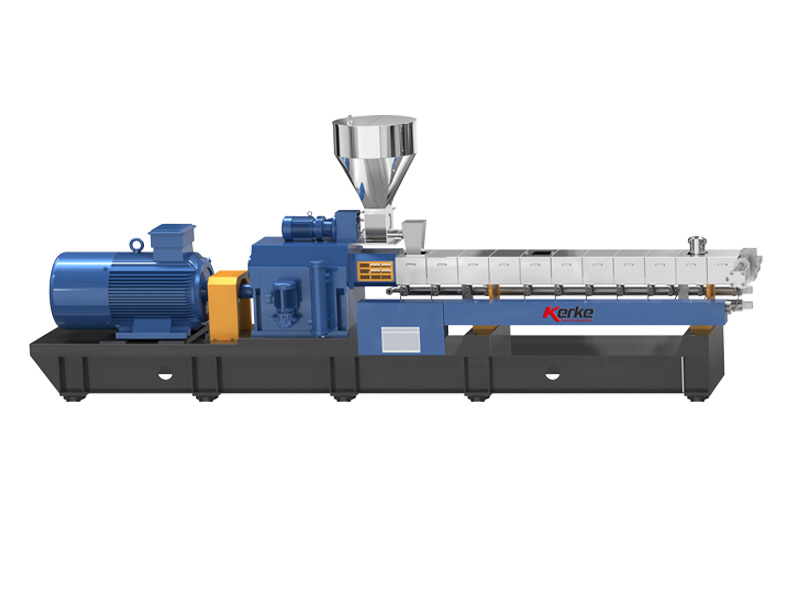
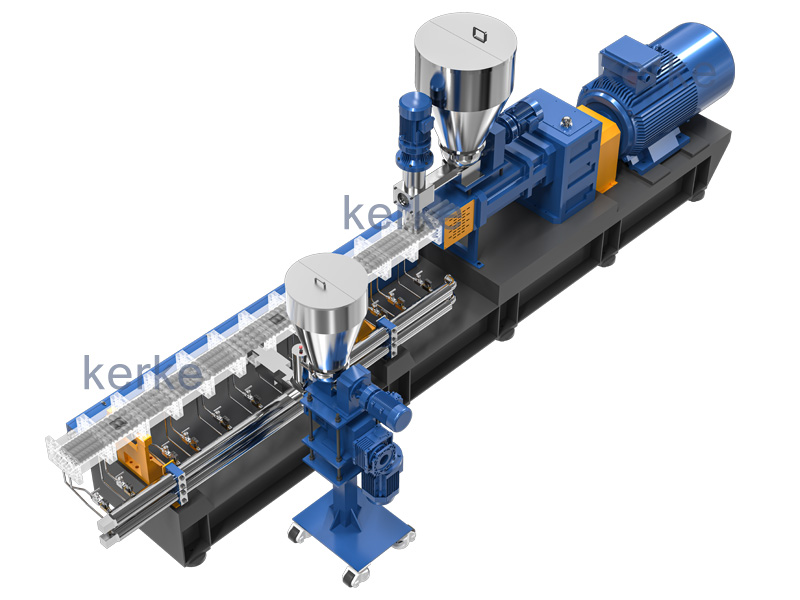
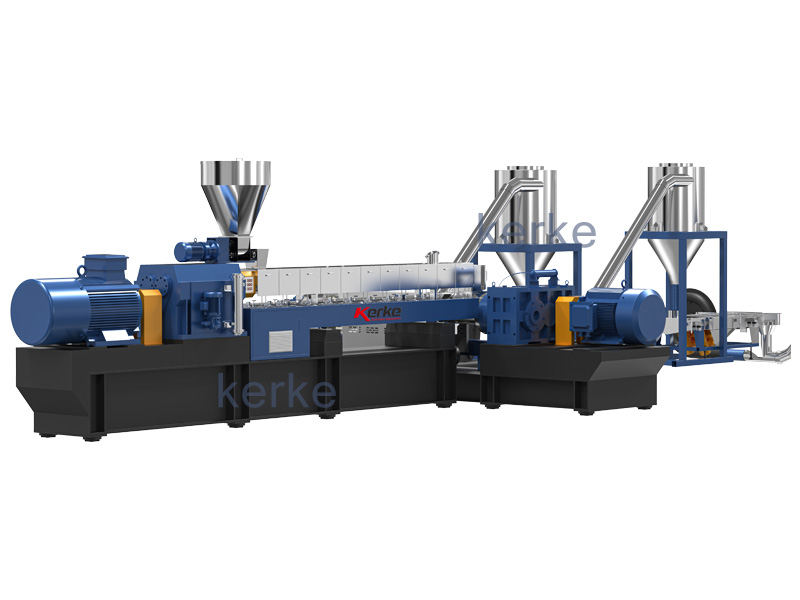
As a leading global manufacturer of twin screw extruders with over 18 years of experience, Kerke has established a reputation for delivering extrusion solutions that ensure consistent quality for clients in more than 70 countries. Kerke twin screw extruders, compounding extruders, and masterbatch extruders are engineered with advanced technologies that eliminate process variations and deliver uniform product properties batch after batch. With over 3,000 machines installed worldwide, Kerke has helped thousands of manufacturers meet the strictest global quality standards and build successful global businesses.
This comprehensive guide explains how modern twin screw extruders deliver consistent quality for global clients. It examines the critical importance of quality consistency in global supply chains, details Kerke’s proprietary technologies for ensuring uniform product performance, provides application-specific quality solutions for different industries, and includes a complete cost analysis and real-world case studies. Whether you are a small regional producer looking to expand into global markets or a large multinational corporation seeking to standardize production across multiple facilities, this guide will help you understand how investing in a Kerke twin screw extruder can ensure consistent quality and give you a competitive edge in the global marketplace.
1. The Critical Importance of Consistent Quality in Global Supply Chains
In today’s global manufacturing environment, products are designed in one country, manufactured in another, and sold in dozens of others. This complex supply chain requires that materials and components perform identically regardless of their origin. For plastic compounders and masterbatch producers, consistent quality is not just a competitive advantage—it is a requirement for doing business globally.
1.1 Supply Chain Stability and Reliability
Global manufacturers rely on just-in-time (JIT) production systems to minimize inventory costs and maximize efficiency. These systems depend on reliable suppliers who can deliver consistent quality materials on time, every time. A single batch of inconsistent material can shut down an entire production line, resulting in costly delays and lost revenue.
For example, a major automotive manufacturer operating 10 assembly plants worldwide may require 500 tons of polypropylene compound per day. A 24-hour production shutdown due to material quality issues can cost the manufacturer over $2 million in lost production. This is why automotive OEMs only work with suppliers who can demonstrate consistent quality and reliable delivery .
Consistent quality also reduces the need for incoming quality control (IQC) inspections at the customer’s facility. Many global manufacturers have implemented vendor-managed inventory (VMI) systems where suppliers are responsible for ensuring product quality. Suppliers who can demonstrate consistent quality can reduce their customers’ IQC costs and become preferred partners.
1.2 Regulatory Compliance and Product Safety
Different countries have different regulatory requirements for plastic materials, especially in food contact, pharmaceutical, and medical applications. These regulations require that materials meet strict safety standards and that manufacturers can demonstrate consistent compliance through detailed documentation and traceability .
For example, plastic materials intended for food contact in the United States must comply with FDA regulations, while in the European Union they must comply with EU 10/2011. These regulations specify which materials and additives can be used, set limits on migration levels, and require detailed record-keeping. Inconsistent quality can result in non-compliance, leading to product recalls, regulatory fines, and even bans from the market .
In the medical device industry, materials must comply with ISO 13485 quality management system standards and meet strict biocompatibility requirements. Even minor variations in material composition can affect biocompatibility, making the product unsafe for use. Medical device manufacturers require suppliers who can demonstrate consistent quality and provide complete documentation for regulatory submissions .
1.3 Brand Reputation and Customer Loyalty
Consistent product quality is essential for building and maintaining a strong brand reputation. Customers expect products to perform as advertised, and inconsistent quality can quickly erode customer trust and loyalty. In today’s digital age, negative reviews and social media posts about product quality issues can spread rapidly, damaging a brand’s reputation worldwide.
For consumer goods manufacturers, consistent color and appearance are critical for brand recognition. A slight color variation in a plastic packaging component can make the product look cheap and unprofessional, affecting consumer perception of the brand. In the automotive industry, consistent color and finish are essential for matching different components and creating a high-quality appearance .
Consistent quality also reduces warranty claims and product returns, which can be a significant cost for manufacturers. A study by the American Society for Quality found that poor quality costs U.S. companies over $1 trillion annually, or 6% of GDP. For global manufacturers, these costs can be even higher due to the complexity of international supply chains and the cost of returning defective products.
1.4 Cost Reduction and Operational Efficiency
Consistent quality reduces costs throughout the entire supply chain. For compounders and masterbatch producers, consistent quality reduces scrap rates, rework costs, and customer complaints. For downstream customers, consistent quality reduces production defects, downtime, and waste.
For example, a compounder producing 10,000 tons of material annually with a 3% scrap rate generates 300 tons of scrap per year. At an average material cost of $2.00/kg, this represents $600,000 in annual waste. Reducing the scrap rate to 1% would save $400,000 per year .
Consistent quality also allows manufacturers to optimize their production processes and reduce safety margins. When process parameters are consistent and predictable, manufacturers can run their operations closer to the optimal limits, increasing productivity and reducing costs.
2. Kerke’s Core Technologies for Consistent Quality
Kerke has developed a range of proprietary technologies that ensure consistent quality in twin screw extrusion. These technologies address the key sources of process variation, from raw material feeding to final pelletizing, delivering uniform product properties batch after batch.
2.1 Precision Mechanical Design and Manufacturing
The foundation of consistent quality in twin screw extrusion is precision mechanical design and manufacturing. Kerke extruders are engineered to tight tolerances and manufactured using advanced CNC machining equipment to ensure perfect alignment and consistent performance.
Key mechanical design features include:
- High-precision gearboxes: Kerke gearboxes are manufactured to ISO 6 standards, ensuring smooth operation and consistent torque transmission. The gearboxes feature hardened and ground gears, precision bearings, and forced lubrication systems for long service life and reliable performance.
- Modular barrel design: Kerke barrels are manufactured from high-quality alloy steel with bimetallic liners for excellent wear resistance. Each barrel segment is machined to tight tolerances to ensure perfect alignment and uniform heat transfer.
- Precision screw elements: Kerke screw elements are manufactured using 5-axis CNC machining centers to ensure accurate geometry and tight tolerances. The elements are surface-hardened to HRC 58-62 for excellent wear resistance and long service life.
- Self-cleaning screw geometry: Kerke’s intermeshing co-rotating screw design provides a self-cleaning action that minimizes material buildup and reduces cross-contamination between batches. The tight clearances between the screw elements and barrel wall ensure complete material conveying and mixing .
All Kerke extruders undergo rigorous testing and inspection before delivery to ensure they meet the highest quality standards. Each machine is run for a minimum of 48 hours under full load conditions to verify performance and identify any potential issues.
2.2 Advanced Kerke SmartControl System
The Kerke SmartControl system is an advanced industrial control platform that provides precise control over all aspects of the extrusion process. The system uses real-time data and advanced algorithms to maintain optimal process conditions, ensuring consistent product quality even during production fluctuations.
Key features of the SmartControl system include:
- Multi-zone temperature control: Each barrel segment has independent PID temperature control with ±0.5°C accuracy. The system automatically adjusts heating and cooling output to maintain setpoints despite variations in ambient conditions or process disturbances .
- Closed-loop pressure and torque control: The system continuously monitors melt pressure and screw torque, automatically adjusting feed rate and screw speed to maintain optimal processing conditions. This ensures consistent shear and mixing performance, resulting in uniform product properties .
- Recipe management system: The system can store hundreds of production recipes, including all process parameters for different materials and formulations. Operators can recall a complete recipe with a single touch, ensuring consistent process parameters for each product .
- Real-time data logging and reporting: The system automatically records all process parameters and production data, generating detailed reports for quality control and regulatory compliance. The data can be exported to external systems for further analysis .
- Remote monitoring and control: The system allows operators to monitor and control the extruder from anywhere in the world using a smartphone, tablet, or computer. This enables remote troubleshooting and support, reducing downtime and improving productivity {insert_element_0_}.
The SmartControl system also includes advanced alarm and fault diagnosis capabilities that alert operators to any process deviations or equipment issues before they affect product quality. The system provides detailed diagnostic information to help operators resolve issues quickly and minimize downtime.
2.3 High-Precision Gravimetric Feeding Systems
Accurate and consistent feeding of raw materials is essential for producing consistent quality compounds. Even small variations in the ratio of polymer, additives, and fillers can significantly affect the final product properties .
Kerke extruders are equipped with advanced loss-in-weight gravimetric feeding systems that provide highly accurate and consistent material feeding:
- High feeding accuracy: Kerke gravimetric feeders provide feeding accuracy of ±0.1% or better, ensuring consistent formulation from batch to batch {insert_element_1_}.
- Multiple feed ports: Multiple feed ports along the barrel allow for the addition of different materials at different points in the process, optimizing the compounding sequence and improving dispersion .
- Quick-change hoppers: Quick-release hoppers allow for fast and easy material changes, reducing downtime between batches and minimizing cross-contamination .
- Integrated material handling: The feeding systems can be integrated with centralized material conveying systems for automated material delivery, reducing labor requirements and improving consistency.
For applications requiring the highest level of accuracy, Kerke offers liquid feeding systems and side feeders with the same precision gravimetric control. These systems ensure that even small amounts of additives and colorants are added accurately and consistently.
2.4 Integrated Quality Monitoring Systems
Kerke extruders can be integrated with advanced inline quality monitoring systems that provide real-time measurement of product properties. These systems allow for immediate detection of quality deviations and automatic process adjustments, ensuring that only high-quality products reach the customer.
Integrated quality monitoring options include:
- Near-infrared (NIR) spectroscopy: NIR systems measure the chemical composition of the melt in real-time, providing continuous monitoring of additive concentration, filler loading, and polymer composition. The system can automatically adjust feed rates to maintain target formulation .
- Inline rheometers: Inline rheometers measure melt viscosity and elasticity in real-time, providing an indirect measure of molecular weight and mechanical properties. Deviations in viscosity trigger automatic process adjustments to maintain consistent product performance .
- Color measurement systems: Inline color measurement systems use spectrophotometers to measure color continuously, ensuring consistent color within specified tolerances. The system can automatically adjust colorant feed rates to maintain target color .
- Particle size analysis: Inline particle size analysis systems verify dispersion quality, detecting agglomerates before they affect final product quality .
These integrated quality monitoring systems create a closed-loop quality management system that ensures consistent product quality and reduces the need for offline testing. The data from these systems is automatically recorded and stored for quality control and regulatory compliance purposes.
2.5 Standardized Production and Quality Control Processes
In addition to advanced technology, Kerke has implemented standardized production and quality control processes to ensure consistent quality across all machines and all production facilities. These processes are based on international quality standards and are continuously improved through feedback from customers and field experience.
Key quality control processes include:
- ISO 9001:2015 certification: Kerke maintains ISO 9001:2015 certification covering the design, manufacturing, and testing of twin screw extruders and compounding equipment. This certification ensures consistent quality across all products and processes {insert_element_2_}.
- Raw material inspection: All incoming raw materials are inspected and tested to ensure they meet Kerke’s strict quality standards. Only approved suppliers are used, and all materials are traceable back to their source.
- In-process inspection: All components are inspected at multiple stages of the manufacturing process to ensure they meet design specifications. Critical components undergo 100% inspection to ensure quality and reliability.
- Final testing: Each completed extruder undergoes comprehensive testing and inspection before delivery. The machine is run under full load conditions for a minimum of 48 hours to verify performance and identify any potential issues.
- Documentation: All quality control records and test reports are maintained for each machine, providing complete traceability and documentation for customers and regulatory authorities {insert_element_3_}.
Kerke also provides comprehensive documentation and training to help customers implement their own quality control processes and ensure consistent operation of their extruders.
3. Application-Specific Quality Solutions
Different industries and applications have different quality requirements. Kerke offers customized twin screw extruder solutions tailored to the specific needs of each application, ensuring that customers meet the strictest quality standards for their industry.
3.1 Engineering Plastics Compounding
Engineering plastics such as ABS, PC, PA, and POM require precise control over mechanical properties, thermal stability, and dimensional consistency. These materials are often used in demanding applications such as automotive components, electronic parts, and industrial equipment, where consistent performance is critical .
Kerke’s engineering plastics compounding solutions feature:
- High-torque drive systems for processing high-viscosity materials and high filler loadings
- Modular screw configurations optimized for different material types and formulations
- Precision temperature control to prevent thermal degradation of sensitive polymers
- High-efficiency degassing systems to remove volatiles and moisture
- Integrated filtration systems to remove contaminants and ensure product purity
- Underwater pelletizing systems for uniform, spherical pellets with excellent flow properties
These features ensure that engineering plastic compounds have consistent mechanical properties, uniform color, and excellent processability, meeting the strict requirements of automotive and electronics manufacturers .
3.2 Masterbatch Production
Masterbatches require excellent color consistency, uniform dispersion of pigments and additives, and consistent concentration. Even minor variations in color or concentration can result in significant quality issues for downstream customers .
Kerke’s masterbatch production solutions feature:
- High-shear screw designs optimized for pigment and additive dispersion
- Precision gravimetric feeding systems for accurate addition of pigments and additives
- Clamshell barrel design for easy cleaning and fast color changes
- Rapid Purge Technology to minimize material waste during color changes
- Inline color measurement systems for real-time color control
- Strand pelletizing systems for uniform pellet size and shape
These features ensure that masterbatches have consistent color, uniform dispersion, and accurate concentration, allowing downstream customers to achieve consistent results in their production processes .
3.3 Food and Pharmaceutical Compounding
Food and pharmaceutical compounding has the strictest requirements for hygiene, cleanliness, and product safety. Any cross-contamination or quality inconsistency can have serious health consequences and regulatory implications .
Kerke’s food and pharmaceutical grade extruders feature:
- All product contact parts made from polished 316L stainless steel (Ra ≤ 0.4 μm)
- No-dead-zone design to eliminate material accumulation and prevent bacterial growth
- Integrated CIP (Clean-in-Place) systems for automated cleaning and validation
- Sealed bearings and food-grade lubricants
- Compliance with FDA, EU 10/2011, and GMP regulations
- Comprehensive documentation for regulatory compliance
These features ensure that food and pharmaceutical compounds are safe, pure, and consistent, meeting the strictest global regulatory requirements {insert_element_4_}.
3.4 Recycled Plastic Compounding
Recycled plastic compounding presents unique quality challenges due to the variability of feedstock materials. Recycled plastics often contain contaminants, impurities, and variations in composition, making it difficult to produce consistent quality compounds .
Kerke’s recycled plastic compounding solutions feature:
- Robust construction with wear-resistant components to handle contaminated materials
- Multi-stage filtration systems to remove contaminants and impurities
- High-capacity degassing systems to remove odors and volatiles
- Advanced process control systems to compensate for feedstock variations
- Integrated quality monitoring systems to ensure consistent product properties
- Flexible screw configurations to handle different types of recycled materials
These features allow manufacturers to produce high-quality recycled plastic compounds with consistent properties, making them suitable for a wide range of applications and helping to meet global sustainability goals .
4. Kerke’s Global Service and Support Network
Consistent quality requires more than just advanced technology—it also requires reliable service and support to ensure that equipment operates at peak performance throughout its service life. Kerke has established a global service and support network to provide fast, professional support to customers in more than 70 countries.
4.1 Local Service Centers and Technical Support
Kerke has established service centers in key regions around the world, including North America, Europe, Asia-Pacific, and Latin America. These service centers are staffed by experienced technicians who provide local support and service to customers in their region.
Local service capabilities include:
- Installation and commissioning: Kerke technicians will install and commission your extruder at your facility, ensuring that it is properly set up and calibrated for optimal performance.
- Training: Comprehensive operator and maintenance training is provided at your facility or at Kerke’s training centers, ensuring that your staff has the skills and knowledge to operate and maintain the equipment properly.
- Preventive maintenance: Kerke offers preventive maintenance programs to help you keep your equipment operating at peak performance and minimize unplanned downtime.
- Emergency service: 24/7 emergency service is available to resolve critical issues quickly and minimize production downtime.
- Spare parts supply: Local spare parts inventories ensure fast delivery of critical spare parts, minimizing downtime in case of component failure.
This local service and support ensures that customers receive fast, professional assistance whenever they need it, helping to maintain consistent production and product quality.
4.2 Global Standardization and Consistency
Kerke maintains strict standardization across all its production facilities and service centers, ensuring that customers receive the same high-quality products and services regardless of their location. All Kerke extruders are manufactured to the same design specifications and quality standards, using the same components and manufacturing processes.
Global standardization benefits include:
- Consistent product performance: All Kerke extruders deliver the same performance and quality, regardless of where they are manufactured or installed.
- Interchangeable parts: All components and spare parts are interchangeable between machines, reducing inventory requirements and simplifying maintenance.
- Consistent service: All Kerke service technicians follow the same service procedures and use the same tools and equipment, ensuring consistent service quality worldwide.
- Global training: Training programs are standardized worldwide, ensuring that operators and maintenance personnel receive the same high-quality training regardless of their location.
This global standardization is particularly valuable for multinational corporations with production facilities in multiple countries. It allows them to standardize their production processes and equipment across all facilities, ensuring consistent product quality worldwide.
4.3 Process Development and Technical Support
Kerke provides comprehensive process development and technical support to help customers optimize their production processes and achieve consistent quality. Kerke’s team of experienced process engineers can assist with formulation development, process optimization, and troubleshooting.
Process development services include:
- Laboratory testing: Kerke’s fully equipped laboratory can test your materials and formulations, develop optimized process parameters, and recommend the best machine configuration for your application.
- Pilot production: Pilot-scale extruders are available for small-batch production testing, allowing you to verify process parameters and product quality before full-scale production.
- Process optimization: Kerke’s process engineers can help you optimize your existing processes to improve product quality, increase productivity, and reduce costs.
- Troubleshooting: Experienced technicians can help you identify and resolve quality issues, process problems, and equipment issues quickly and efficiently.
This technical support ensures that customers get the most out of their Kerke extruders and achieve consistent, high-quality production.
5. Cost Analysis and Return on Investment
Investing in a high-quality twin screw extruder that delivers consistent quality provides a rapid return on investment through reduced scrap rates, lower production costs, and increased customer satisfaction. The following analysis compares the costs of operating a standard extruder versus a Kerke extruder for a typical medium-sized compounding facility.
5.1 Annual Cost Comparison
Consider a medium-sized compounding facility operating 24 hours per day, 300 days per year, producing 3,000 tons of engineering plastic compound annually. The facility currently uses a standard 65mm twin screw extruder and is considering replacing it with a Kerke KTE-65 twin screw extruder.
Annual operating costs for the standard extruder:
- Raw material costs: $6,000,000 (based on $2.00/kg average material cost)
- Scrap costs: $180,000 (3% scrap rate)
- Rework costs: $60,000
- Customer complaints and returns: $120,000
- Energy costs: $180,000 (0.6 kWh/kg energy consumption)
- Maintenance costs: $75,000
- Downtime costs: $120,000 (15% downtime)
- Total annual operating costs: $6,735,000
Annual operating costs for the Kerke KTE-65 extruder:
- Raw material costs: $6,000,000
- Scrap costs: $60,000 (1% scrap rate)
- Rework costs: $15,000
- Customer complaints and returns: $20,000
- Energy costs: $120,000 (0.4 kWh/kg energy consumption)
- Maintenance costs: $35,000
- Downtime costs: $40,000 (5% downtime)
- Total annual operating costs: $6,290,000
Annual cost savings with Kerke extruder: $6,735,000 – $6,290,000 = $445,000
In addition to these direct cost savings, the Kerke extruder also provides indirect benefits such as improved customer satisfaction, increased market share, and reduced regulatory compliance costs.
5.2 Return on Investment Calculation
The base price of a Kerke KTE-65 twin screw extruder with standard configuration is approximately $220,000. Including installation, commissioning, and training, the total initial investment is approximately $250,000.
With annual cost savings of $445,000, the payback period for the Kerke extruder is:
Payback period = Total investment ÷ Annual cost savings = $250,000 ÷ $445,000 = 0.56 years (approximately 6.7 months)
This means that the investment in the Kerke extruder is fully recovered in less than 7 months. After the payback period, the annual savings continue to add directly to the company’s profitability.
Over the 15-year service life of the extruder, the total savings would be:
Total savings over 15 years = ($445,000 × 15) – $250,000 = $6,425,000
This represents a return on investment of over 2500% over the life of the machine.
5.3 Kerke Twin Screw Extruder Price List 2026
The following are the base prices for Kerke twin screw extruders in 2026. These prices include standard configuration and FOB Shanghai shipping terms. Customization options and additional features will increase the price accordingly.
- Kerke KTE-20 (Laboratory scale): $25,000 – $40,000. Production capacity: 5-20 kg/hour. Ideal for research and development and small-batch production.
- Kerke KTE-35 (Pilot scale): $60,000 – $90,000. Production capacity: 50-150 kg/hour. Suitable for pilot production and small-scale manufacturing.
- Kerke KTE-50 (Small production): $110,000 – $160,000. Production capacity: 150-400 kg/hour. Perfect for small to medium-sized compounding facilities.
- Kerke KTE-65 (Medium production): $180,000 – $260,000. Production capacity: 300-800 kg/hour. Most popular model for medium-scale compounding and masterbatch production.
- Kerke KTE-75 (Large production): $280,000 – $400,000. Production capacity: 600-1500 kg/hour. Designed for high-volume production facilities.
- Kerke KTE-95 (High capacity): $450,000 – $650,000. Production capacity: 1200-2500 kg/hour. For large-scale industrial compounding operations.
Optional quality-enhancing features and their approximate costs:
- Advanced gravimetric feeding system: +$10,000 – $30,000
- Inline NIR spectroscopy system: +$40,000 – $80,000
- Integrated CIP system: +$20,000 – $50,000
- Underwater pelletizing system: +$100,000 – $250,000
- Stainless steel product contact parts: +10-15% of base machine price
6. Real-World Case Studies
The following case studies demonstrate how Kerke twin screw extruders have helped manufacturers around the world achieve consistent quality and improve their competitiveness in the global marketplace.
6.1 Case Study 1: Automotive Compound Producer in Germany
A leading automotive compound producer in Germany was supplying polypropylene compounds to major automotive manufacturers throughout Europe. The company was experiencing quality consistency issues with their existing extruders, resulting in high scrap rates and customer complaints. The inconsistent mechanical properties of their compounds were causing production defects at their customers’ facilities, leading to costly downtime and warranty claims.
The company decided to replace their old extruders with three Kerke KTE-75 twin screw extruders featuring high-torque drive systems, precision gravimetric feeding, and inline rheological monitoring.
Results after installing the Kerke extruders:
- Scrap rate reduced from 4.2% to 0.9%
- Mechanical property variation reduced by 85% (tensile strength variation from ±8 MPa to ±1.2 MPa)
- Customer complaints eliminated
- Production capacity increased by 30%
- Energy consumption reduced by 32%
- Total annual cost savings: $780,000
- Payback period: 8 months
The improved quality consistency allowed the company to secure several large long-term contracts with major automotive manufacturers, increasing their annual revenue by 45%.
6.2 Case Study 2: Food Packaging Masterbatch Producer in the United States
A food packaging masterbatch producer in the United States was supplying color masterbatches to major food packaging manufacturers. The company was facing increasing regulatory pressure to demonstrate consistent quality and compliance with FDA regulations. Their existing extruders were unable to provide the required level of color consistency and process documentation, putting their business at risk.
The company invested in two Kerke KTE-65 masterbatch extruders featuring food-grade stainless steel construction, inline color measurement, and integrated data logging systems.
Results after installing the Kerke extruders:
- Color consistency improved by 90% (ΔE reduced from 2.8 to 0.3)
- FDA compliance achieved with complete process documentation
- Scrap rate reduced from 5.5% to 1.1%
- Changeover time reduced from 3 hours to 20 minutes
- Production capacity increased by 25%
- Total annual cost savings: $420,000
- Payback period: 10 months
The improved quality and regulatory compliance allowed the company to expand their customer base and increase their market share in the food packaging industry.
6.3 Case Study 3: Recycled Plastic Compounder in Australia
A recycled plastic compounder in Australia was processing post-consumer plastic waste into recycled pellets for the construction industry. The company was experiencing significant quality variations due to the variability of their feedstock materials. The inconsistent quality of their recycled pellets limited their ability to sell to higher-value markets and achieve premium pricing.
The company purchased a Kerke KTE-75 recycled plastic extruder featuring advanced process control, multi-stage filtration, and integrated quality monitoring systems.
Results after installing the Kerke extruder:
- Product consistency improved significantly, with MFI variation reduced from ±15% to ±3%
- Able to sell recycled pellets at a 20% premium due to improved quality
- Production capacity increased from 400 kg/hour to 750 kg/hour
- Contaminant levels reduced by 90%
- Downtime reduced from 22% to 7%
- Total annual cost savings: $360,000
- Payback period: 1.2 years
The improved product quality allowed the company to expand into new markets and double their annual revenue in just two years.
7. Best Practices for Maintaining Consistent Quality
While Kerke twin screw extruders are designed to deliver consistent quality, following these best practices will help you maximize their performance and ensure long-term quality consistency.
7.1 Implement a Comprehensive Quality Management System
Implement a comprehensive quality management system based on international standards such as ISO 9001. This system should cover all aspects of your operation, from raw material receiving to finished product shipping. Define clear quality standards and procedures, and ensure that all employees are trained and follow them consistently.
7.2 Establish Strict Raw Material Control
Raw material quality is the foundation of consistent final product quality. Establish strict raw material specifications and only work with approved suppliers who can demonstrate consistent quality. Implement incoming quality control procedures to verify that all raw materials meet your specifications before they are used in production.
7.3 Standardize Production Processes
Standardize all production processes and document them in detailed standard operating procedures (SOPs). Use the recipe management system in your Kerke SmartControl system to store and recall all process parameters for different products. This ensures that the same process is followed every time, regardless of who is operating the machine.
7.4 Implement Regular Preventive Maintenance
Implement a regular preventive maintenance program based on Kerke’s recommendations. Regular maintenance reduces downtime, extends the service life of the equipment, and ensures consistent performance. Keep detailed maintenance records and track equipment performance to identify potential issues before they affect product quality.
7.5 Train Your Employees
Invest in comprehensive training for your operators and maintenance personnel. Well-trained employees can operate the equipment more efficiently, identify and resolve issues more quickly, and ensure consistent product quality. Kerke provides extensive training as part of our installation and commissioning services, and we offer ongoing training programs to help your employees stay up-to-date with the latest techniques and best practices.
7.6 Continuously Monitor and Improve
Continuously monitor your production processes and product quality using the data from your Kerke SmartControl system and quality monitoring equipment. Analyze this data to identify trends and areas for improvement. Implement a continuous improvement program to address these issues and optimize your processes over time.
8. Conclusion
In today’s global marketplace, consistent product quality is essential for success. Global customers expect identical product performance regardless of where their materials are manufactured, and even minor quality variations can have significant consequences for your business. The twin screw extruder is the heart of any compounding or masterbatch production operation, and its performance directly determines the quality and consistency of your final product.
Kerke twin screw extruders are engineered to deliver consistent quality for global clients. Our advanced technologies, including precision mechanical design, the Kerke SmartControl system, high-precision gravimetric feeding, and integrated quality monitoring, eliminate process variations and ensure uniform product properties batch after batch. Our application-specific solutions are tailored to the unique quality requirements of different industries, from engineering plastics and masterbatches to food and pharmaceutical compounds.
Our global service and support network ensures that you receive fast, professional assistance wherever you are in the world, helping you maintain consistent production and product quality. And our standardized manufacturing processes ensure that you receive the same high-quality products and services regardless of your location.
The real-world case studies presented in this guide demonstrate that investing in a Kerke twin screw extruder provides a rapid return on investment, typically within 6-12 months. Over the life of the machine, the savings in production costs and increased revenue from improved quality and customer satisfaction can amount to millions of dollars.
Whether you are a small regional producer looking to expand into global markets or a large multinational corporation seeking to standardize production across multiple facilities, Kerke has the expertise and technology to help you achieve consistent quality and succeed in the global marketplace. Our team of experienced engineers will work with you to develop a customized extrusion solution that meets your specific production requirements and quality standards.
If you are looking for a twin screw extruder that delivers consistent quality for your global clients, contact Kerke today to schedule a free consultation. With Kerke as your partner, you can be confident that you are getting the most advanced, reliable, and efficient extrusion solution available on the market.