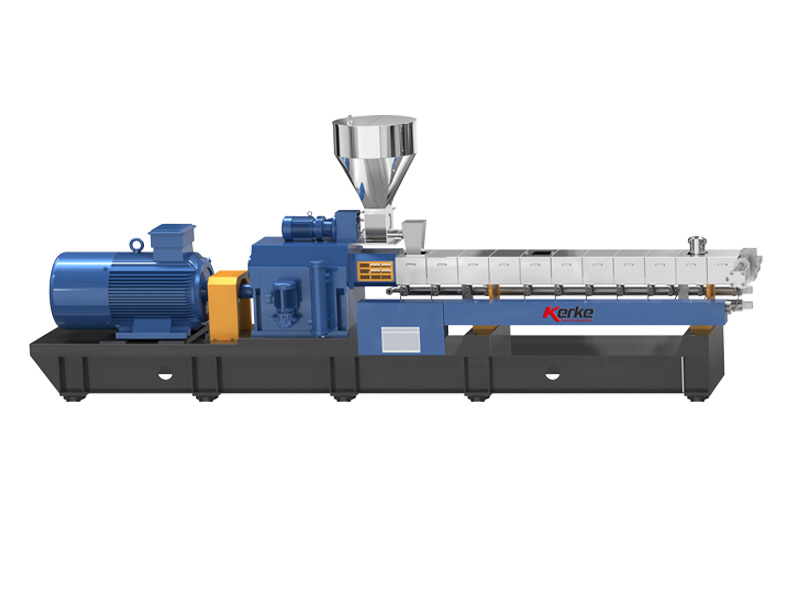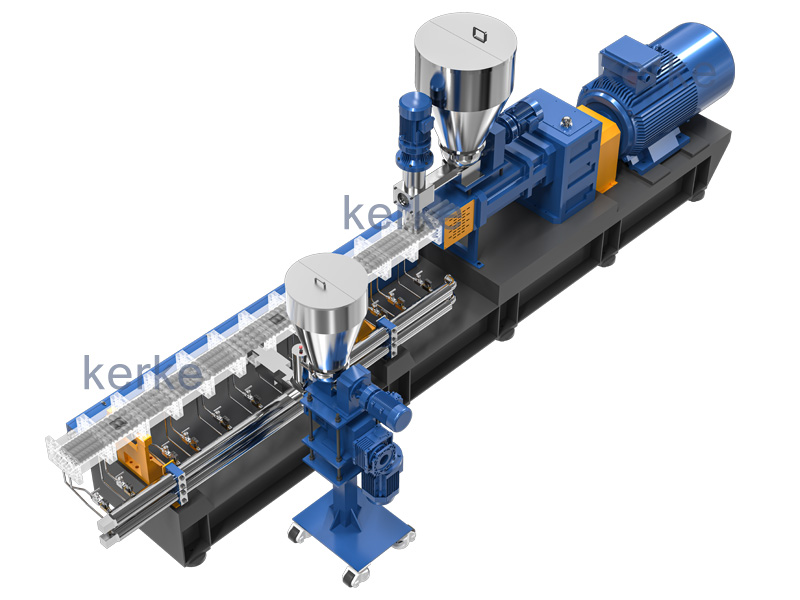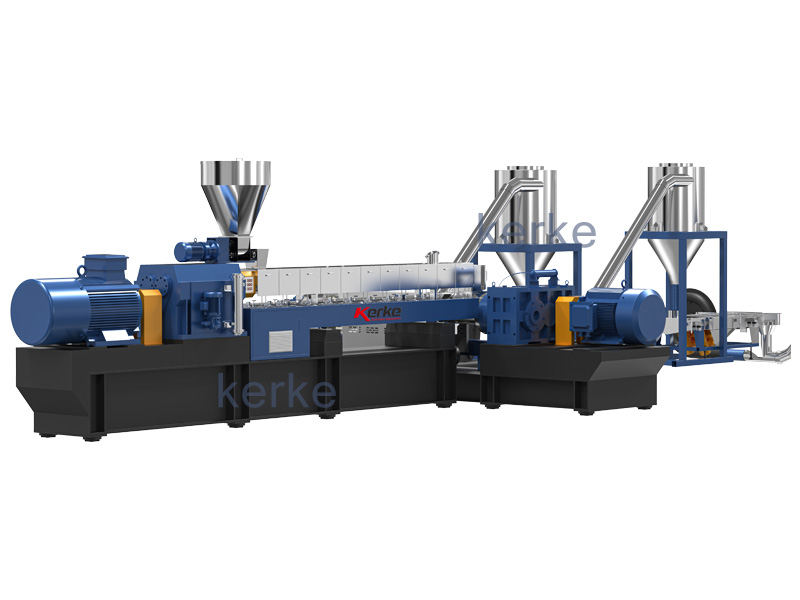
In the competitive world of plastic manufacturing, achieving consistent output quality during extended production runs represents one of the most significant challenges facing processors today. Twin screw extruders have emerged as the preferred solution for maintaining product uniformity across lengthy manufacturing cycles, offering unparalleled control over material processing conditions. This comprehensive guide explores the advanced technologies and design principles that enable modern twin screw extruders to deliver consistent performance, even during demanding multi-shift operations.
Understanding the Importance of Consistent Output in Plastic Extrusion
Consistent output quality directly impacts manufacturing profitability, customer satisfaction, and brand reputation in the plastic processing industry. Variations in melt temperature, pressure, and composition can lead to product defects, increased scrap rates, and costly production interruptions. Modern twin screw extruders incorporate sophisticated control systems and mechanical design features that minimize process variability, ensuring uniform product characteristics throughout extended production cycles.
The economic impact of inconsistent output extends beyond material waste. Product rejection, reprocessing requirements, and customer returns significantly impact profitability. Manufacturers achieving output consistency within tight tolerances (typically ±1°C temperature variation and ±2% output fluctuations) report 30-50% reduction in production costs compared to facilities experiencing frequent quality variations. Kerke twin screw extruders are specifically engineered to maintain these tight tolerances, delivering reliable performance across diverse processing applications.
Advanced Control Systems for Process Stability
Intelligent Temperature Management
Precision temperature control forms the foundation of consistent extrusion output. Advanced twin screw extruders utilize multi-zone heating systems with individual PID controllers for each barrel section, enabling precise thermal management throughout the processing length. Kerke KTE series extruders feature sophisticated temperature regulation with ±0.5°C accuracy, eliminating thermal gradients that can cause material degradation and product inconsistency.
The implementation of predictive temperature algorithms represents the cutting edge of extrusion control. These systems anticipate thermal demands based on screw speed changes, material variations, and production rate adjustments, automatically pre-adjusting heating elements to maintain optimal processing conditions. This proactive approach prevents the temperature excursions common in reactive control systems, ensuring melt quality consistency even during production transitions.
Temperature monitoring has evolved beyond simple thermocouple measurements. Infrared sensors, thermal imaging cameras, and embedded temperature probes provide comprehensive thermal profiling across the barrel length, enabling real-time detection of hot spots or cold zones that could compromise product quality. Advanced thermal management systems from Kerke include automatic cooling adjustment, ensuring rapid response to processing demands while maintaining uniform temperature distribution.
Pressure Regulation and Melt Homogeneity
Melt pressure consistency directly correlates with product uniformity in extrusion processes. Twin screw extruders employ advanced pressure sensors at multiple locations throughout the barrel, providing comprehensive pressure monitoring that enables immediate detection and correction of pressure variations. High-precision pressure control valves and pump systems maintain consistent pressure at critical processing points, particularly at the die entrance where pressure stability most significantly impacts product dimensions.
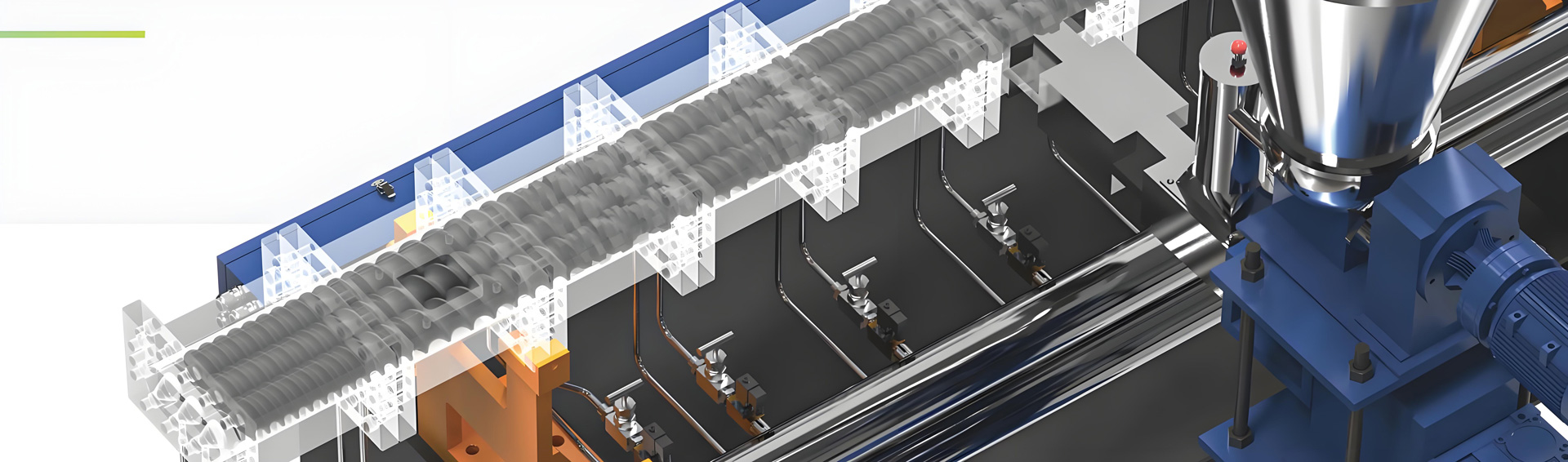
The relationship between screw configuration and pressure generation represents a critical factor in output consistency. Kerke’s computer-aided screw design optimizes element arrangement to establish stable pressure profiles across the entire processing length, minimizing pressure fluctuations that can cause product variation. Modular screw elements allow rapid configuration changes for different materials and processing conditions while maintaining pressure stability.
Advanced melt pressure compensation systems automatically adjust screw speed, feed rate, and die temperature to maintain target pressure despite material property variations or processing disturbances. These integrated control systems typically achieve pressure control within ±2% of setpoint, even when processing materials with varying moisture content or contamination levels. The resulting product consistency meets the most demanding industrial specifications for dimensional tolerances and mechanical properties.
Feed System Automation
Consistent material feeding represents the first critical control point for achieving uniform output. Modern twin screw extruders incorporate gravimetric feeding systems with real-time weight monitoring and automatic adjustment capabilities. Loss-in-weight feeders maintain consistent material delivery accuracy within ±0.5% of target feed rates, eliminating the feed rate variations that commonly cause output fluctuations in volumetric feeding systems.
Kerke extruders support multiple feeding technologies optimized for different material types and processing requirements. Twin screw feeders handle free-flowing powders and granulates, while crammer feeders effectively process low-bulk-density materials and films. Liquid feeding systems with precise metering pumps enable accurate additive incorporation, ensuring consistent compound formulation throughout production runs.
Advanced feed systems incorporate material property compensation, automatically adjusting delivery rates based on bulk density variations, moisture content, and flow characteristics. These intelligent feeding systems maintain consistent solids loading and residence time distribution, eliminating the feed-related variability that traditionally compromised output quality in extrusion processes.
Mechanical Design Features Supporting Consistency
High Torque Transmission Systems
The ability to maintain consistent screw speed under varying load conditions represents a fundamental requirement for output consistency. Kerke twin screw extruders feature high-torque gearboxes with minimal speed drop (less than 2% between no-load and full-load conditions), ensuring stable processing conditions even when material viscosity changes or feeding variations occur. This speed stability directly translates to consistent residence time and shear history, critical factors in maintaining product uniformity.
Advanced gearbox designs incorporate multiple oil circulation systems and temperature monitoring to maintain optimal lubrication and heat dissipation, preventing performance degradation during extended operation. Kerke’s gearboxes achieve torque density of 7-9 Nm/cm³, enabling compact yet powerful drive systems that deliver consistent performance across the entire operating range. The resulting speed stability ensures uniform melt quality and output rates throughout production runs.
Torque reserve represents an important consideration for consistent operation. Kerke extruders are designed with 30-50% torque reserve above normal operating requirements, providing margin for material property variations or processing disturbances without speed reduction. This design approach ensures consistent screw speed and output even when processing materials with varying flow characteristics or contamination levels.
Modular Barrel Construction
Precision barrel manufacturing directly impacts the consistency of melt temperature and pressure distribution. Kerke twin screw extruders feature modular barrel construction with individual sections that can be configured for optimal processing of specific materials. Each barrel section incorporates multiple heating zones with independent temperature control, enabling fine-tuning of thermal profiles along the processing length.
Barrel material selection significantly affects thermal consistency. Kerke barrels undergo nitriding or bimetallic treatment for enhanced wear resistance and thermal conductivity, ensuring uniform heat transfer throughout extended production cycles. The bimetallic barrel construction combines steel structural strength with alloy wear resistance, maintaining dimensional stability and thermal performance over thousands of operating hours.
Advanced barrel designs incorporate optimized venting and degassing capabilities that remove volatiles and moisture without disturbing process stability. Multiple vent ports with individual vacuum control enable effective devolatilization while maintaining consistent pressure profiles in downstream zones. This integrated approach ensures thorough material purification without compromising output consistency.
Screw Element Precision Manufacturing
The quality and precision of screw elements directly influence mixing efficiency and output consistency. Kerke screw elements undergo computer-controlled manufacturing with tolerance specifications within ±0.01mm, ensuring precise engagement between elements and consistent performance across the entire screw length. This manufacturing precision eliminates the element-to-element variations that can cause mixing inconsistencies and output fluctuations.
Material selection for screw components significantly impacts wear characteristics and long-term consistency. Kerke utilizes high-speed tool steel (W6Mo5Cr4V2) with vacuum quenching treatment, achieving surface hardness of HRC 56-60. This hardness level provides exceptional wear resistance, maintaining element geometry and mixing performance throughout extended production runs. The resulting consistency in mixing action ensures uniform product quality over months of continuous operation.
Element interchangeability represents an important design consideration for maintenance and consistency assurance. Kerke’s modular screw system enables rapid replacement of worn elements while maintaining precise element positioning and alignment. This design approach ensures that after maintenance, the extruder resumes operation with identical performance characteristics, eliminating the adjustment period that commonly causes output variations after screw reconfiguration.
Process Monitoring and Quality Assurance Systems
Real-Time Process Analytics
Modern twin screw extruders incorporate comprehensive process monitoring systems that continuously track critical processing parameters and output quality metrics. Advanced sensors measure temperature, pressure, motor load, melt viscosity, and output rate at multiple locations throughout the system. Kerke KTE series extruders feature integrated process analytics with data logging capability, storing processing data for trend analysis and quality traceability.
Statistical Process Control (SPC) algorithms analyze process data in real time, detecting deviations from normal operating conditions before they impact product quality. These predictive systems alert operators to developing problems, enabling corrective action before output consistency is compromised. Implementation of SPC in Kerke extruders typically reduces scrap rates by 40-60% compared to processes without advanced monitoring capabilities.
Machine learning algorithms represent the cutting edge of process monitoring. These systems learn normal process signatures for each material and application, automatically adjusting processing parameters to maintain optimal conditions. Kerke’s intelligent control systems adapt to material property variations, feed rate changes, and environmental disturbances, maintaining consistent output without operator intervention. This adaptive approach ensures product quality consistency across diverse operating conditions and material batches.
Automated Quality Control Integration
Integration of automated quality inspection systems enables real-time product quality monitoring and immediate correction of processing disturbances. In-line rheometers, densitometers, and optical inspection systems continuously measure product properties such as melt viscosity, density, and appearance, providing immediate feedback for process adjustment. Kerke extruders support seamless integration with these quality control systems, creating closed-loop control that maintains output quality within tight specifications.
Automated sampling systems periodically collect product samples for laboratory analysis, providing comprehensive quality data while minimizing manual sampling requirements. These systems can be programmed to collect samples at defined intervals or based on process condition triggers, ensuring representative sampling without interrupting production. Integration with Kerke extruder control systems enables automatic process adjustment when laboratory results indicate quality deviations.
Advanced quality management systems track product quality data over extended production runs, identifying trends and correlations with processing parameters. These systems enable continuous improvement by linking process adjustments to quality outcomes, developing optimal processing strategies for each application. Kerke’s data management capabilities support quality traceability requirements in regulated industries such as food contact materials and medical device components.
Preventive Maintenance Predictive Analytics
Equipment condition monitoring plays a crucial role in maintaining output consistency over extended operating periods. Vibration analysis, motor load monitoring, and temperature trend tracking enable prediction of maintenance requirements before equipment degradation impacts product quality. Kerke extruders incorporate comprehensive sensor arrays for condition monitoring, with integrated analytics that forecast maintenance needs based on operating data.
Bearing health monitoring represents a critical aspect of predictive maintenance. Advanced bearing sensors measure vibration signatures and temperature trends, identifying developing problems months before catastrophic failure. Kerke gearboxes feature premium bearings designed for 50,000+ hour service life, with monitoring systems that provide early warning of developing issues, enabling scheduled maintenance without production interruption.
Screw and barrel wear monitoring systems track element geometry changes over time, adjusting processing parameters to compensate for wear and maintain output quality. Kerke’s wear compensation algorithms automatically increase screw speed or adjust temperature profiles as components wear, ensuring consistent product quality even as equipment performance gradually degrades. This adaptive approach extends effective service intervals while maintaining output consistency.
Material Handling and Preparation
Material Drying and Conditioning
Consistent material properties represent a prerequisite for consistent extrusion output. Twin screw extruders processing hygroscopic materials require effective drying systems that maintain consistent moisture content (typically below 0.02% for polyesters and polyamides). Kerke extruders integrate with advanced drying systems featuring dehumidifying capabilities, dew point control, and moisture monitoring to ensure material condition consistency.
Drying system design significantly impacts moisture removal efficiency and energy consumption. Advanced dehumidifying dryers achieve dew points of -40°C or lower, enabling thorough moisture removal even in humid climates. Kerke’s drying system recommendations include capacity calculations based on material moisture content and production rate, ensuring adequate drying capacity without over-design that increases energy consumption.
Material conditioning extends beyond moisture removal. For applications requiring additive masterbatches or colorants, pre-blending systems ensure uniform distribution before feeding into the extruder. Kerke supports integration with high-speed mixers and gravimetric blending systems, providing consistent material preparation that eliminates feed-related variability in the extrusion process.
Material Screening and Purification
Contamination removal represents a critical factor in achieving consistent output quality, particularly when processing recycled materials or additives with impurities. Advanced screening systems remove oversized particles, metal contaminants, and other impurities before material enters the extruder, preventing process disturbances and product defects. Kerke extruders can be equipped with magnetic separators, metal detectors, and screening systems at the material feed point.
In-line filtration systems remove particulate contamination from the melt stream, ensuring consistent product quality even when processing materials with contamination levels. Kerke extruders support various filtration approaches including screen changers, continuous filtration systems, and dual-screen changers for uninterrupted operation during filter changes. Filtration capability selection considers material characteristics and contamination levels, ensuring adequate protection without excessive pressure drop or screen blinding.
Purification capabilities are particularly important for applications requiring food-grade or medical-grade materials. Kerke’s advanced devolatilization systems incorporate multiple vent zones with enhanced vacuum capabilities, effectively removing monomers, oligomers, and other volatile contaminants that can affect product quality and compliance. These systems enable processing of recycled materials to meet stringent purity requirements while maintaining output consistency.
Material Changeover and Transition Management
Efficient material changeover represents a significant challenge in maintaining consistent output across production runs requiring multiple materials. Advanced purging systems and transition protocols minimize the material transition period while reducing waste generation. Kerke twin screw extruders feature rapid changeover capabilities with optimized screw configurations for quick material transitions.
Purging compound selection and application methodology significantly impact transition efficiency. Kerke provides purging recommendations based on material compatibility and processing temperatures, enabling rapid clearing of previous material while minimizing transition time and waste. Advanced purging strategies combine mechanical purging with thermal purging, achieving complete system cleaning in 10-20 minutes for most material combinations.
Transition monitoring systems track material property changes during changeover, automatically adjusting processing parameters to maintain consistent output quality as new material replaces previous material. Kerke’s transition algorithms compensate for density differences, thermal properties, and rheology variations, ensuring smooth transition without product quality compromise. These automated systems reduce operator dependence during material changes and maintain consistency across transitions.
Kerke Twin Screw Extruder Specifications and Performance
KTE Series Model Range
Kerke offers a comprehensive range of twin screw extruders designed for consistent performance across diverse applications. The KTE series includes models from laboratory scale (KTE-16, KTE-20) to high-production industrial systems (KTE-95, KTE-135), providing solutions for every production requirement. Each model maintains the consistency features essential for long-run operation, with appropriate capacity for target production rates.
Laboratory-scale extruders such as the KTE-20 enable precise process development with 3-15 kg/hour capacity, perfect for formulation work and small-batch production. These systems incorporate the same consistency features as larger production machines, ensuring scale-up success when transitioning from development to production. The KTE-20 features a 21.7mm screw diameter with 28-40:1 L/D ratio and 4kW motor power, delivering laboratory-scale production with industrial-grade consistency.
Mid-range production models including the KTE-50 and KTE-65 provide production capacities from 80-600 kg/hour, ideal for medium-volume manufacturing. The KTE-50B features a 50.5mm screw diameter, 55-75kW motor power, and output capacity of 80-200 kg/hour, making it suitable for color masterbatch, filler masterbatch, and engineering plastic compounding. The KTE-65D offers increased capacity with 350-600 kg/hour output, 132-160kW motor power, and high-torque design for demanding applications.
High-production models such as the KTE-75D, KTE-95B, and KTE-135 deliver capacities from 500-2000 kg/hour for large-scale manufacturing. The KTE-75D features a 71mm screw diameter, 200-315kW motor power, and output capacity of 500-1000 kg/hour, ideal for high-volume masterbatch production and compounding. The KTE-95B provides the highest standard capacity with 93mm screw diameter, 250-315kW motor power, and 750-1400 kg/hour output, perfect for continuous operation in demanding applications.
Performance Specifications and Cost Analysis
Kerke twin screw extruder pricing varies based on model, configuration, and included accessories, with investment costs ranging from $20,000 for laboratory units to $500,000+ for high-production complete lines. The KTE-20 laboratory extruder typically costs $12,000-15,000, providing an economical solution for development work with full consistency features. Mid-range production models such as the KTE-50B cost $45,000-60,000, while high-capacity systems like the KTE-75D range from $150,000-250,000 depending on configuration.
Operating costs represent a significant consideration for long-run consistency. Energy consumption for Kerke extruders typically ranges from 0.4-0.6 kWh per kg of output, depending on material and processing conditions. Labor requirements for automated systems range from 0.5-1.0 operators per shift, with high-automation configurations enabling unattended operation for many applications. Maintenance costs average 3-5% of equipment value annually when following recommended maintenance schedules.
Return on investment for Kerke twin screw extruders typically occurs within 18-36 months through reduced scrap rates, improved product quality, and increased production capacity. Case studies show 20-30% reduction in production costs after implementing Kerke extruders for consistent output, with additional savings from reduced material waste and improved customer satisfaction. The long-term reliability of Kerke equipment, with service life exceeding 15 years when properly maintained, further enhances ROI through extended asset depreciation and consistent performance over decades of operation.
Customization for Specific Applications
Kerke offers extensive customization capabilities to optimize extruder performance for specific materials and applications while maintaining output consistency. Screw configuration optimization for specific materials ensures proper mixing, residence time distribution, and shear history, directly impacting product quality and consistency. Kerke’s computer-aided screw design capabilities enable custom configurations for virtually any polymeric material.
Specialized configurations address unique processing challenges. For applications requiring extremely low thermal degradation, Kerke offers gentle screw configurations with reduced shear and optimized temperature profiles. For high-filler loading applications, special mixing elements ensure uniform dispersion while maintaining output consistency. These customized solutions maintain the fundamental consistency features while optimizing performance for specific requirements.
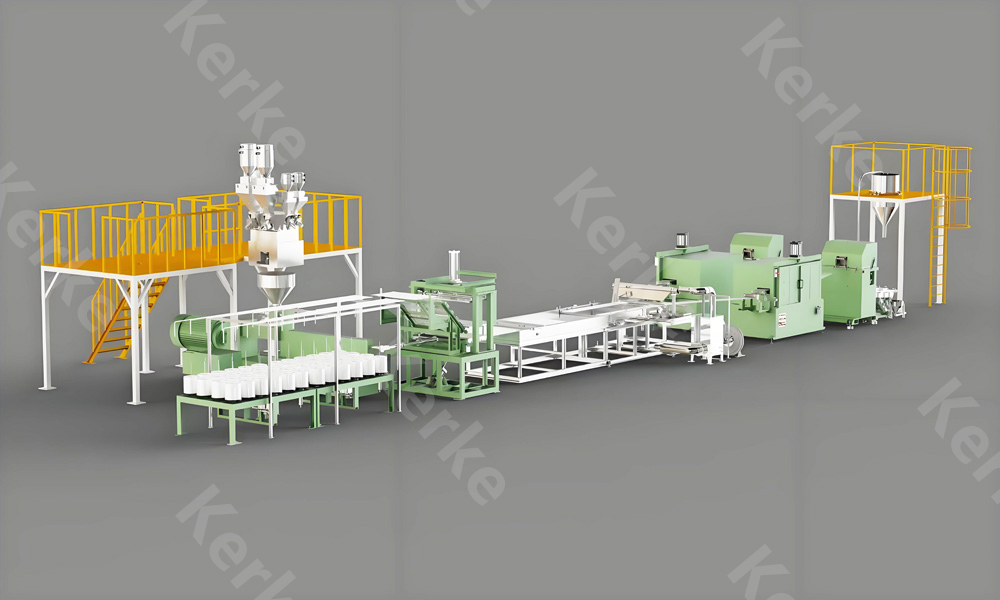
Complete line integration represents another aspect of customization. Kerke can provide turnkey solutions including extruder, pelletizing system, material handling, and auxiliary equipment, all designed for coordinated operation and consistent performance. These integrated solutions eliminate the compatibility issues common when assembling lines from multiple suppliers, ensuring system-wide consistency and simplified operation.
Best Practices for Maintaining Consistent Output
Operator Training and Standard Operating Procedures
Human factors significantly impact output consistency even with advanced extruder technology. Comprehensive operator training programs covering equipment operation, troubleshooting, and quality control enable consistent performance across shift changes and personnel transitions. Kerke provides detailed training with both classroom instruction and hands-on equipment experience, ensuring operators develop practical skills for consistent operation.
Standard operating procedures (SOPs) document optimal processing conditions for each material and application, providing guidance for consistent operation across different operators and production runs. Kerke assists customers in developing comprehensive SOPs covering material handling, equipment startup, steady-state operation, shutdown procedures, and emergency response. These documented procedures ensure consistent operation regardless of personnel changes or production variations.
Regular performance reviews and refresher training maintain operator skill levels and introduce process improvements based on accumulated experience. Kerke recommends quarterly refresher training for all operators, with additional training when introducing new materials or processing techniques. This ongoing education approach ensures continuous improvement in consistency capabilities and operator proficiency.
Regular Maintenance and Calibration
Preventive maintenance represents the foundation of long-term consistency assurance. Regular inspection and replacement of wear components prevents gradual performance degradation that can affect output quality. Kerke provides detailed maintenance schedules specifying inspection intervals, lubrication requirements, and component replacement recommendations based on operating hours and processing conditions.
Calibration of sensors and control systems ensures accuracy of process monitoring and control. Temperature sensors, pressure transducers, load cells, and other measurement devices require periodic calibration to maintain measurement accuracy within specifications. Kerke recommends calibration every 6-12 months depending on application requirements and regulatory compliance needs.
Documentation of maintenance activities creates a complete equipment history that supports predictive maintenance and performance trend analysis. Kerke extruders include maintenance logging capabilities as part of the control system, automatically recording maintenance events and operating parameters. This historical data enables identification of performance trends and optimization of maintenance intervals based on actual equipment performance.
Process Optimization and Continuous Improvement
Continuous improvement methodologies such as Six Sigma and Lean Manufacturing can be applied to extrusion processes for ongoing consistency enhancement. Kerke supports implementation of these methodologies through process analytics, design of experiments (DOE) capabilities, and statistical analysis tools integrated into the control system. These systematic approaches identify consistency-limiting factors and enable targeted improvements.
Design of experiments (DOE) enables systematic optimization of processing parameters for consistent output quality. Kerke extruders support DOE implementation through precise control of processing variables and comprehensive data logging capabilities. Experimental results can be analyzed to identify optimal processing windows and parameter interactions affecting consistency, enabling data-driven process optimization.
Performance benchmarking against industry standards and internal targets drives continuous improvement. Kerke provides access to industry benchmarking data and best practices, enabling customers to compare their performance against similar applications. This benchmarking process identifies improvement opportunities and validates the effectiveness of consistency enhancement initiatives.
Case Studies and Success Stories
Color Masterbatch Production Consistency
A major color masterbatch producer implemented Kerke KTE-65D twin screw extruders for consistent pigment dispersion and color accuracy across large production volumes. The previous equipment experienced color variation of ±2% across batches, requiring frequent reformulation and customer complaints. After implementing Kerke extruders with advanced temperature control and precise feeding systems, color variation was reduced to ±0.5%, eliminating reformulation requirements and customer complaints.
The investment in two KTE-65D systems, including feeding systems and pelletizing equipment, totaled $380,000. Annual savings from reduced reformulation, improved customer satisfaction, and increased production efficiency exceeded $150,000, delivering ROI within 2.5 years. The consistency improvements also enabled certification for food-grade applications, expanding market opportunities and increasing overall profitability.
Engineering Plastic Compounding Consistency
An engineering plastic manufacturer producing glass-filled nylon compounds implemented Kerke KTE-75D extruders for consistent fiber length distribution and mechanical properties. The previous process experienced 8-12% variation in tensile strength across batches, leading to customer quality concerns and increased testing requirements. Kerke extruders with optimized screw configurations for fiber reinforcement achieved tensile strength variation of less than 3%, eliminating quality concerns and reducing testing requirements by 60%.
The complete line investment including extruder, feeding systems, and pelletizing equipment totaled $450,000. Annual savings from reduced testing, improved first-pass yield, and increased production capacity exceeded $200,000, with ROI achieved in 2.25 years. The consistency improvements enabled qualification for automotive applications requiring tight property tolerances, significantly expanding market reach and revenue potential.
Food Grade Material Production Consistency
A food-grade polymer manufacturer implemented Kerke KTE-95B extruders with advanced purification capabilities for consistent compliance with FDA and EU food contact regulations. The previous process experienced periodic regulatory violations due to volatile content variations, requiring batch rejection and reprocessing. Kerke extruders with enhanced devolatilization systems and comprehensive process monitoring achieved 100% compliance over 18 months of operation, eliminating regulatory rejections.
The investment in two complete lines including extruders, purification systems, and quality control equipment totaled $1.2 million. Annual savings from eliminated batch reprocessing, regulatory compliance costs, and improved customer confidence exceeded $600,000, with ROI achieved in 2 years. The consistent compliance also enabled expansion into premium food contact applications, increasing revenue potential and market differentiation.
Future Trends in Consistent Extrusion Technology
Artificial Intelligence and Machine Learning
Artificial intelligence represents the next frontier in extrusion consistency optimization. Advanced machine learning algorithms process historical process data to predict optimal processing parameters for each material and application, automatically adjusting equipment settings for consistent output. Kerke is actively developing AI capabilities that will enable self-optimizing extruders that adapt to material variations and environmental changes without operator intervention.
Predictive analytics powered by AI can forecast maintenance requirements based on subtle equipment condition changes, enabling preventive maintenance before performance degradation affects output quality. These systems will process vibration data, temperature trends, motor load patterns, and other equipment parameters to predict component failure weeks or months in advance, enabling scheduled maintenance without production interruption.
AI-driven quality control systems will analyze product properties in real time, automatically adjusting processing parameters to maintain consistent quality despite material variations or processing disturbances. These systems will incorporate machine vision, spectroscopy, and advanced sensors to measure comprehensive product quality metrics, providing closed-loop control that maintains consistency beyond human capability.
Industry 4.0 and Digital Transformation
Industry 4.0 technologies enable comprehensive digital transformation of extrusion processes for enhanced consistency. Digital twins create virtual replicas of physical extrusion systems, enabling simulation and optimization before physical implementation. Kerke is developing digital twin capabilities that will allow customers to simulate new materials, screw configurations, and processing conditions, predicting performance and consistency before equipment modification.
IoT (Internet of Things) sensors provide comprehensive data collection from every aspect of extrusion operation, enabling unprecedented visibility into process conditions and equipment performance. Kerke extruders increasingly incorporate IoT sensors for detailed condition monitoring, process analytics, and performance optimization, providing data-driven insights for consistency improvement.
Cloud-based data platforms enable aggregation and analysis of process data across multiple machines and locations, enabling organization-wide consistency optimization. Kerke is developing cloud analytics capabilities that will identify best practices, benchmark performance, and enable consistency improvement across multiple facilities and product lines.
Sustainable Manufacturing Integration
Sustainability requirements increasingly influence extrusion process design, with emphasis on energy efficiency, material conservation, and waste reduction. Advanced twin screw extruders incorporate energy recovery systems, optimized thermal management, and waste minimization features while maintaining output consistency. Kerke’s sustainability-focused designs reduce energy consumption by 20-30% compared to conventional extruders while improving output quality.
Circular economy principles are driving increased use of recycled materials and bio-based polymers, presenting new consistency challenges. Kerke extruders feature enhanced material handling capabilities and adaptive processing algorithms that maintain consistent output despite the greater variability of recycled materials. These capabilities enable manufacturers to use sustainable materials while maintaining product quality consistency.
Life cycle assessment and total cost of ownership considerations are increasingly important in equipment selection. Kerke extruders are designed for extended service life, energy efficiency, and reduced maintenance requirements, minimizing environmental impact while delivering consistent performance. The long service life (15+ years) and low operating costs of Kerke equipment represent significant sustainability advantages compared to shorter-life alternatives.
Conclusion: The Strategic Value of Consistent Twin Screw Extrusion
Consistent output in twin screw extrusion represents both a technical achievement and a competitive advantage in modern plastic manufacturing. Kerke twin screw extruders incorporate advanced control systems, precision mechanical design, and comprehensive process monitoring to maintain product quality uniformity across extended production runs. The investment in high-quality extrusion equipment delivers substantial returns through reduced scrap rates, improved customer satisfaction, and enhanced market competitiveness.
The technical capabilities of modern twin screw extruders, including intelligent temperature management, precise pressure regulation, and automated quality control, enable output consistency that was previously unattainable. These capabilities are particularly valuable in demanding applications requiring tight tolerances, such as food contact materials, medical devices, and high-performance engineering plastics. Kerke’s comprehensive product range from laboratory to high-production systems ensures appropriate solutions for every application requirement.
As manufacturing continues to evolve toward Industry 4.0 and sustainable practices, the importance of consistent extrusion will only increase. AI-powered process optimization, digital twin simulation, and IoT-enabled monitoring represent the future of extrusion consistency enhancement. Kerke’s commitment to innovation ensures that customers benefit from these emerging technologies while maintaining the proven reliability and performance that Kerke equipment is known for.
For manufacturers seeking competitive advantage through superior product quality and production efficiency, Kerke twin screw extruders provide the foundation for consistent output excellence. The combination of advanced technology, proven reliability, and comprehensive support makes Kerke the preferred choice for demanding applications where consistency matters. Contact Kerke today to discover how twin screw extrusion technology can enhance your manufacturing consistency and competitiveness.